hero media

The hottest openings and travel news you missed in the Middle East

It’s been a while since we’ve been out there, but the world hasn’t stopped moving. From the latest hotels to new retreats in far-flung destinations to museum openings and what’s trending, here is all the inspiration you need to inform your travel plans to the Middle East this year and beyond.

Three new hotels in the Middle East

Dubai EDITION

The EDITION brand’s expansion continues at pace, with its sleekly modern 275-room property in downtown Dubai having thrown open its doors in late 2021.
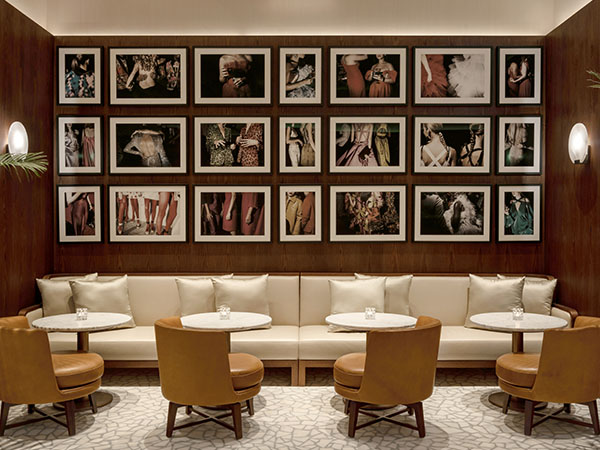
Jolie Lounge, The Dubai EDITION Hotel, Dubai, Middle East
Visit this sleek modern property in downtown Dubai. (Image: Natelee Cocks)

Jumeirah Muscat Bay

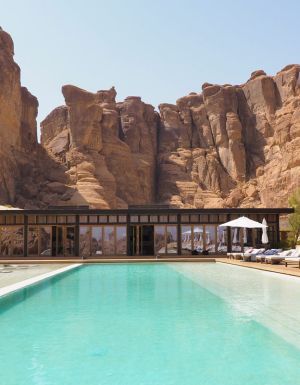
Sitting in Oman’s ruggedly stunning landscape between the imposing Al Hajar Mountains and the cool waters of the Arabian Sea, the pleasure resort promises sea views, expansive and sophisticated interiors and a luxe wellness offering.

Zulal Wellness Resort by Chiva-Som

Located just 90 minutes’ drive from the capital of Doha, this stylishly understated wellness retreat will boast stringent sustainable practices and an immersive focus on wellbeing that comes with the gravitas of the celebrated Thai wellness brand.
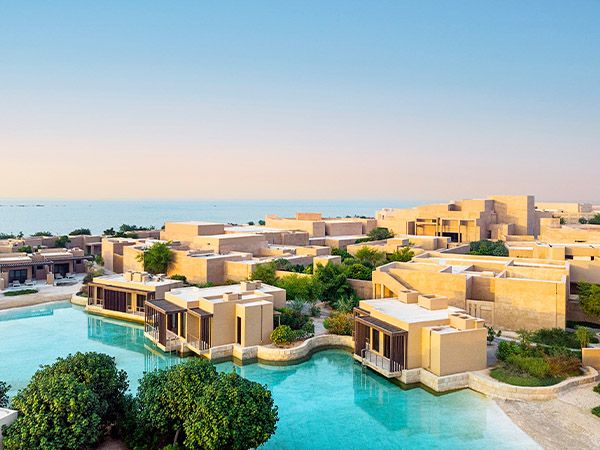
Zulal Wellness Resort by Chiva-Som, Oman, Middle East
This wellness retreat boasts an immersive focus on wellbeing.

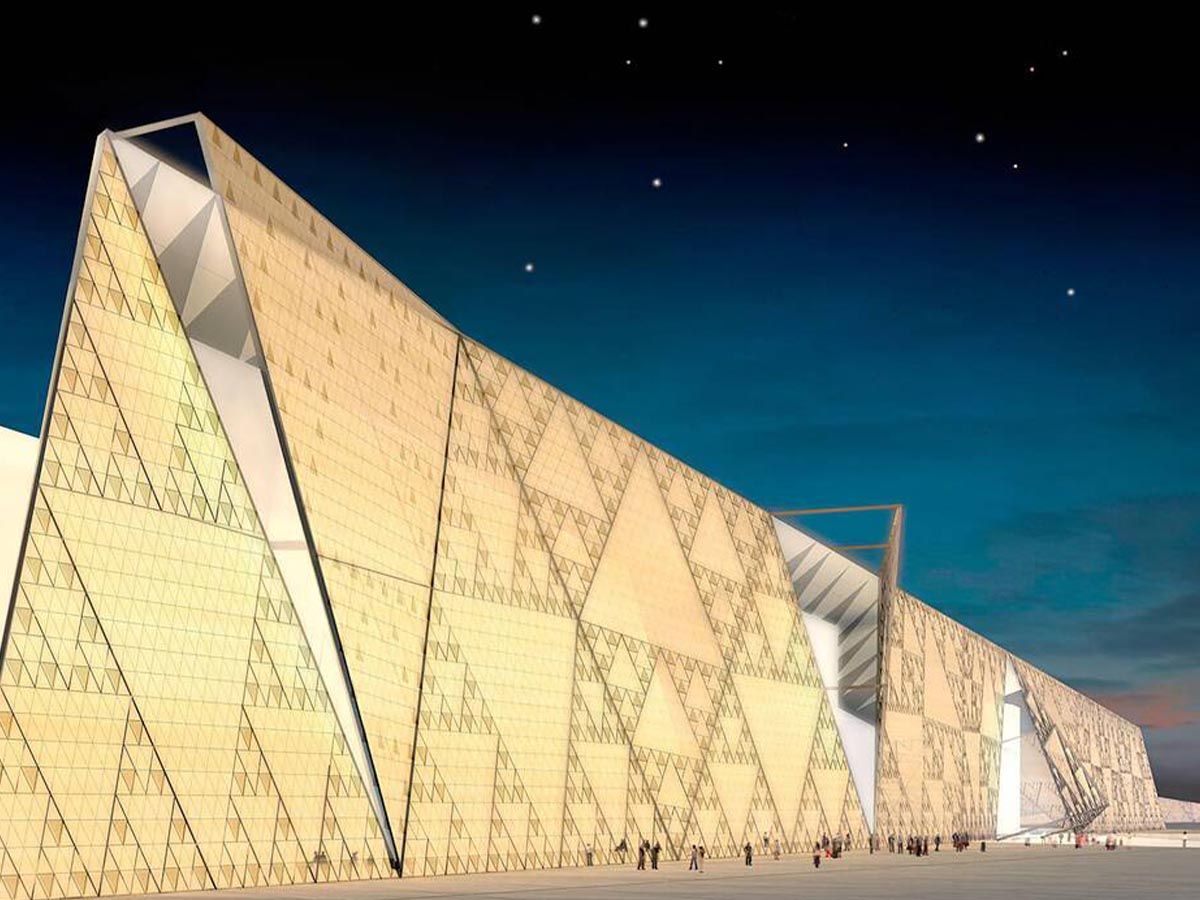
Marvel at the Grand Egyptian Museum in Egypt

Possibly the biggest opening of 2022 will be the much-anticipated Grand Egyptian Museum. Almost 20 years in the making, and costing about $1 billion, the museum will cover some 500,000 square metres close to the pyramids of Giza and house a staggering 100,000 Egyptian artefacts. One of the largest inclusions is the 11-metre-high granite statue of Ramses the Great installed in the atrium, while the crowd-pleaser is the collection of 5000 relics from the famed tomb of Tutankhamun, displayed in its entirety for the first time.
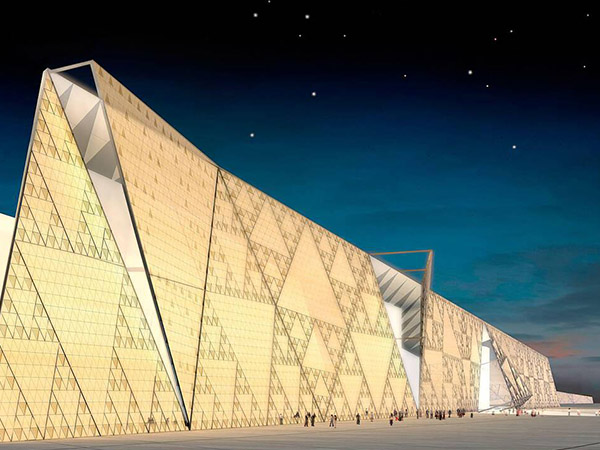
Grand Egyptian Museum, Middle East
The much-anticipated Grand Egyptian Museum will be a crowd-pleaser.

Visit Qatar’s world-class museums

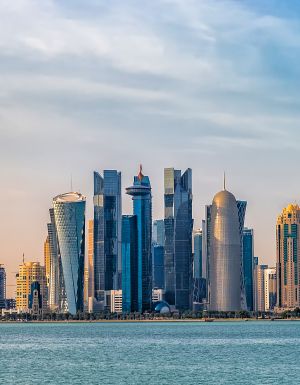
While the FIFA World Cup, which kicks off in November, is all about football, the long build-up to kick-off has resulted in the transformation of Qatar, with myriad new hotels soaring skyward from the desert sands. Eschew the games and head to Frank Gehry-designed National Museum of Qatar or the streamlined Museum of Islamic Art, the work of architect I.M. Pei.
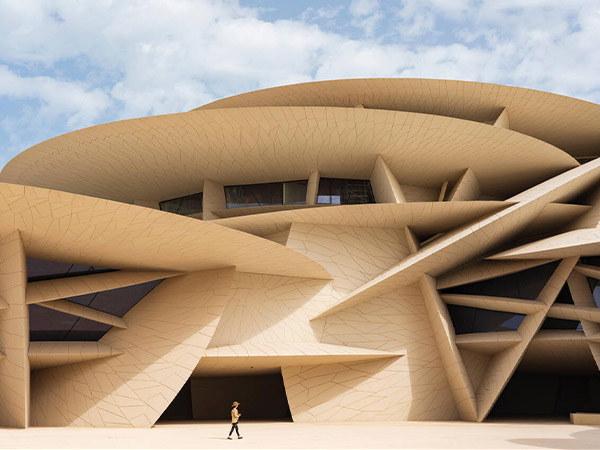
National Museum of Qatar designed by Frank Gehry, Qatar, Middle East
Frank Gehry created the distinct design of the National Museum of Qatar.

See the Fields of Abstraction exhibition at the Israel Museum

Famed for housing antiquities such as the Dead Sea Scrolls, the Israel Museum, Jerusalem also has a small but significant modern art collection, pieces from which have been curated to create its headlining Fields of Abstraction exhibition, in place until 15 October. Works by artists such as Jackson Pollock, Helen Frankenthaler, Gerhard Richter and Willem de Kooning, to name a very few, are featured.
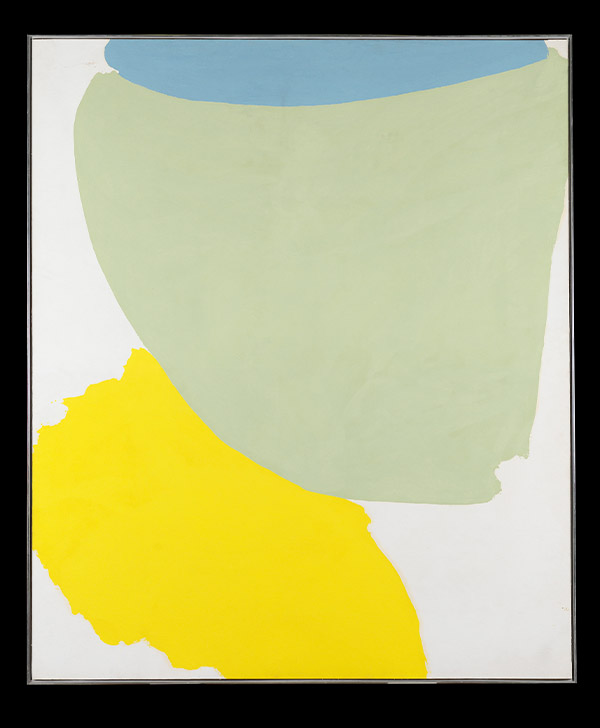
Dzubas Friedel Steppe 1964, Artwork in Israel Museum, Middle East
Peruse the beautiful art collection at The Israel Museum. (Image: Elie Posner, Painting by Friedel Dzubas © The Israel Museum)

As-Salt named Jordan’s latest World Heritage Site

Known as ‘a place of tolerance and urban hospitality’, the Jordanian city of As-Salt, an easy journey from the capital, Amman, prospered as an important trading link between east and west. This history has left a compelling legacy of tolerance, as well as a unique architectural imprint, with the Old Town boasting some 650 historic buildings embracing Art Nouveau, Neo-Colonial and local, traditional styles. Little wonder the city was recently inscribed as Jordan’s latest World Heritage site, joining the likes of Petra and the ruins of Umer-Rasas.
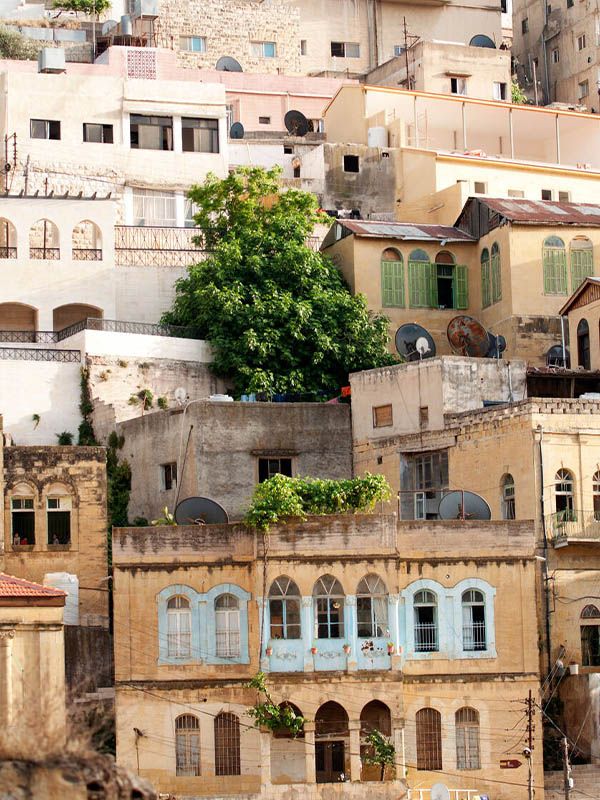
City of As Salt, Jordan, Middle East
The Jordanian city of As-Salt is known as ‘a place of tolerance and urban hospitality’.

Want to see more stories from International Traveller in your Google search results?

  1. Click here to set International Traveller as a preferred source.
  2. Tick the box next to "International Traveller". That's it.
hero media

BREAKING: Australia lowers travel warning for Middle Eastern countries

In big news, the Australian government has officially changed its travel advice for five Middle Eastern countries from ‘do not travel’ (Level 4) to ‘reconsider your need to travel’ (Level 3). Here’s what it means for travellers.

Australia has downgraded its travel advice for five Middle Eastern countries, including Bahrain, Israel, Kuwait, Qatar and the United Arab Emirates. However, some areas within Israel remain a ‘do not travel status’.

The announcement comes ahead of the USA and Iran’s formal signing of a peace deal on Friday, and is expected to have a significant positive impact on travellers’ confidence.

In a joint media release published this morning, Minister for Foreign Affairs Penny Wong and Assistant Foreign Affairs Minister Matt Thistlethwaite said that, while the security situation in the Middle East could rapidly change or decline, the Department of Foreign Affairs and Trade (DFAT) has assessed the conditions and judged it appropriate to change Bahrain, Israel, Kuwait, Qatar and the United Arab Emirates to a Level 3 or ‘reconsider your need to travel’.

What does this mean for travellers?

passport
The announcement comes ahead of the formal signing of a peace deal between the USA and Iran. (Credit: Unsplash/Kit Formerley Convertkit)

With Level 4 locations highly unlikely to be covered by travel insurers, travellers from Australia can now travel through and to the Arabian Peninsula with travel insurance protection. The change clears a major hurdle for Australians transiting through the Middle East to reach the United Kingdom, Europe, India and Africa. These travellers will no longer face some of the complications that the Level 4 warning created for transit travel, particularly those related to insurance.

As a result, we may soon be seeing a surge in travellers finally setting off on the trips they have been postponing as a result of the Middle East conflict.

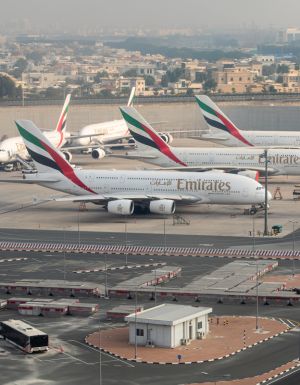
There could also be some welcome relief for travellers’ wallets. Middle Eastern carriers such as Qatar Airways and Emirates account for a significant share of Australia–Europe/UK flight capacity, and when concerns about regional conflict prompted many travellers to avoid Gulf transit hubs, demand shifted to alternative routes via Singapore, Bangkok and other Asian cities. This meant prices for flights transiting through Asia increased. As confidence in those Middle Eastern connections returns, increased competition between airlines could help keep a lid on airfares – particularly on popular Europe-bound routes.

middle east travel
The change in travel advice could see a surge in travellers’ confidence. (Credit: Unsplash/Rocker Sta)

Smartraveller states that Level 3 or ‘reconsider your need to travel’ means avoiding or postponing non-essential travel, and taking extra precautions to protect yourself against security and health risks. These destinations are still classed as unstable, with DFAT warning that circumstances can shift abruptly.

The government urges travellers to obtain travel insurance and ensure they have carefully read the product conditions so they understand what is and isn’t covered. Not all travel insurance policies may cover Level 3 locations.

DFAT continues to advise ‘do not travel’ to Iran, Iraq, Lebanon, Palestine, Syria and Yemen, and ‘reconsider your need to travel’ to Jordan, Oman and Saudi Arabia. The body will continue to monitor the conditions closely and keep all Smartraveller advisories under review.