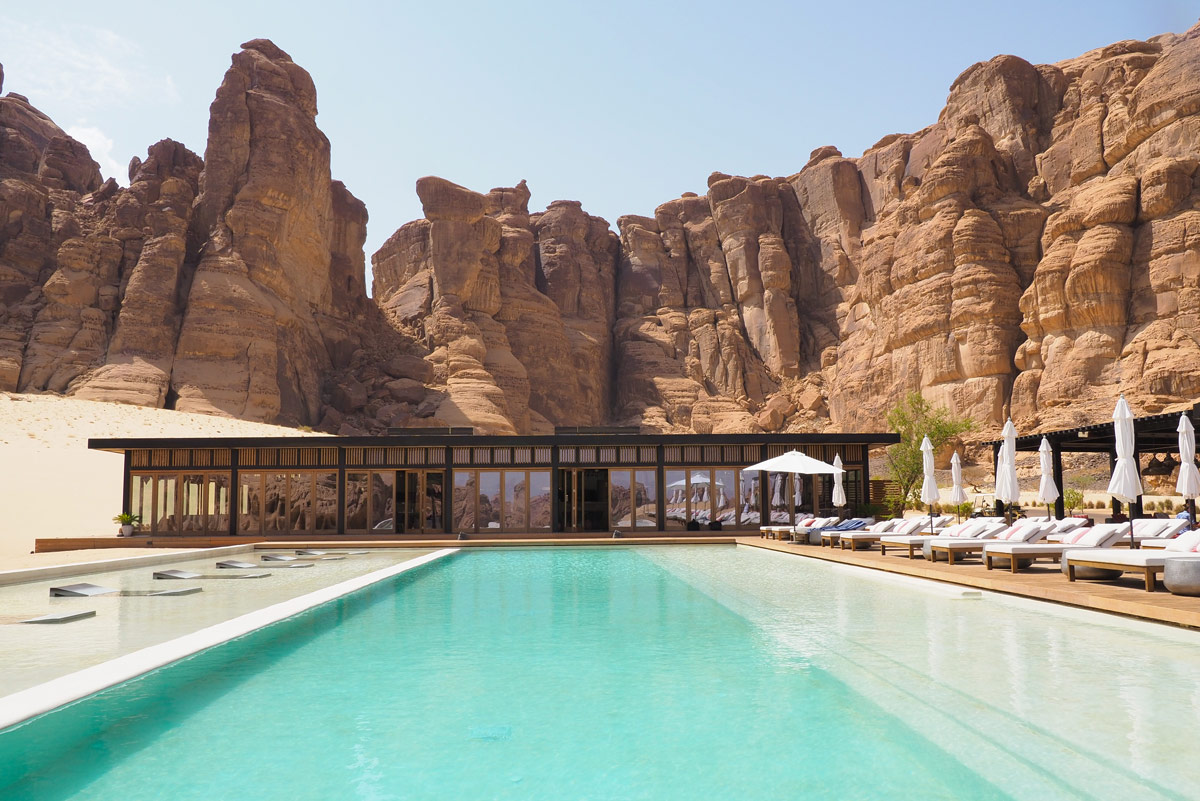

The rock-hewn temples of Hegra and Dadan are the handiwork of the ancient civilisation that built Petra. Here’s why now is the time to visit AlUla.
With major historical sites such as Machu Picchu and the Pyramids of Giza so ingrained in popular culture, it’s common to feel a sense of déjà vu when we finally see them with our own eyes. It’s a very different feeling visiting AlUla.
While travellers familiar with Jordan’s Petra will recognise the rock-hewn temples of Hegra as the handiwork of the ancient Arabic Nabataean civilisation, the mind boggles as to how the wealth of geological and archaeological riches of this remote corner of north-western Saudi Arabia went virtually unknown to the outside world for more than 2000 years. When Saudi Arabia first opened to international tourists in 2019, the ancient oasis city of AlUla quickly emerged as its showpiece attraction.
Unearthing AlUla’s ancient landscape
Sculpted by millions of years of erosion, the region’s otherworldly landscape is worth the trip in itself, with immense boulders shaped like giant elephants and basaltic lava flows oozing from ancient volcanoes.
Even more intriguing are the layers of history threaded through this ancient landscape that archaeologists are only just beginning to unravel. In a nation known for ambitious mega projects, AlUla could have been transformed into an archaeological Disneyworld with the US$15 billion earmarked for its development as a luxury tourism destination.
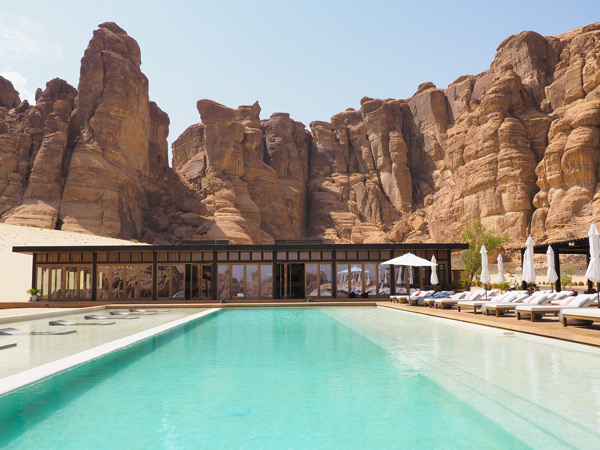
To my relief, the tourism infrastructure completed to date is both easy on the eye and, to an extent, the environment, with experiences led by highly trained rawi (Arabic storyteller guides) offering an accessible opportunity to connect with the Saudis behind the headlines.
While this Gulf nation remains a deeply conservative country with a troubling human rights record, it’s my view that visiting places such as AlUla and engaging with locals helps to promote the cross-cultural understanding necessary to evolve as a global society.
Saudi’s first UNESCO site
In AlUla, the complimentary refreshment stands located at the main historic sites are the first hint that Saudi culture is, at its essence, more hospitable than many travellers might think. While always on guard as a solo female traveller, I felt safe and welcome here.
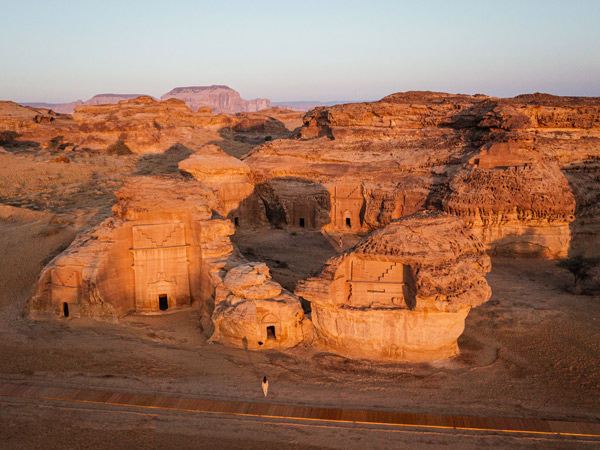
A 30-minute drive north of AlUla town, Hegra – Saudi’s first UNESCO site – is AlUla’s crown jewel. Also known as Mada’in Saleh, the southern capital of the Nabataean Kingdom may only have 111 rock-cut tombs to Petra’s 600-odd, but they’re similarly magnificent, hewn from a series of golden sandstone boulders between 1 BCE – 1 CE in contrast to those of Petra, carved from a narrow rose-coloured canyon at around the same time.
Exploring Hegra
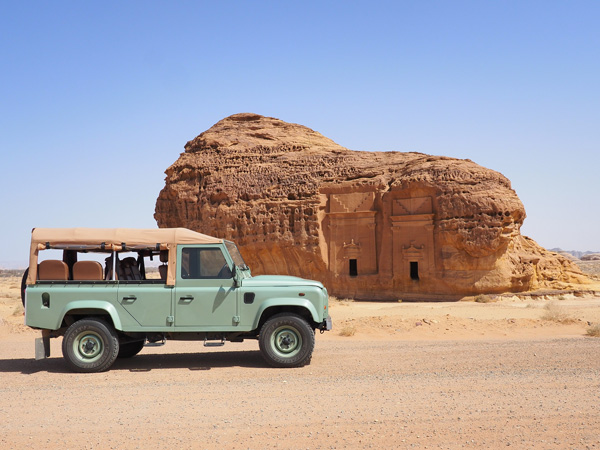
With visits restricted to guided tours by bus or Land Rover that visit only a fraction of the 52-hectare site, I leave Hegra feeling somewhat short-changed. Nonetheless, the tour stops provide a fascinating glimpse into this remarkable lost city. And Hegra isn’t AlUla’s only ancient city. Before the Nabataeans arrived, the picturesque valley south of Hegra was home to Dadan, which served as the capital of two other ancient Arab kingdoms, Dadan (9th–8th century BCE) and Lihyan (5th–2nd century BCE).
With excavations still in their infancy, the current highlight of Dadan is its string of tombs chiselled into the cliffs. Look for the skilfully crafted funerary monuments, including the seated lion sculptures that may have marked a royal burial. On the opposite side of the valley is Jabal Ikmah, another remnant from the Dadanite era inscribed on the UNESCO Memory of the World register in 2023 for its rock carvings chronicling the evolution of Old Arabic languages.
“Welcome to my library," says rawi Amal Aljohani as she guides us into a canyon featuring more than 300-odd inscriptions depicting everything from daily life in the region to animals that once roamed these lands. The significance of this astonishingly well-preserved time capsule is not lost on our awestruck group as Amal interprets some of the ancient text and images.
Traversing the AlUla Old Town
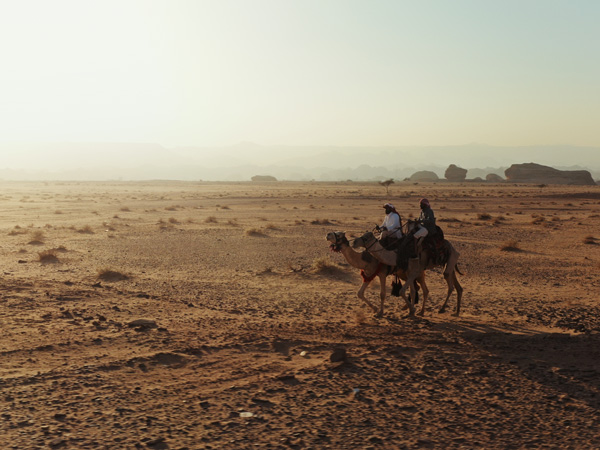
Nestling between these two sites is AlUla Old Town, which emerged in the 12th century as the valley became part of the historic incense trading route. Exploring its labyrinth of alleys on a guided tour, it’s hard to believe its last residents didn’t move out of the eroded mudbrick and stone buildings until the 1980s.
Astride AlUla Old Town (two kilometres north of the modern town of AlUla) lies the oasis – the ancient agricultural heartland of AlUla still used today. Guided tours along the three-kilometre Heritage Oasis Trail are available, but it’s worth seizing the rare opportunity to explore one of AlUla’s ancient wonders independently on a self-guided meander between plots of fragrant mint, citrus trees and date palms.
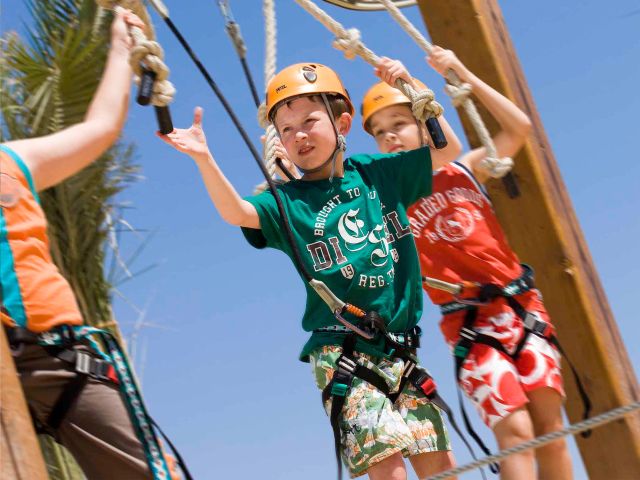
More modern cultural attractions including the mirror-walled Maraya concert hall and the AlJadidah Arts District, as well as a bevy of adventure activities from zip-lining to via ferrata (rock-climbing obstacles), tempt a longer stay in AlUla – or a repeat visit, as this surreal landscape continues to reveal more of its forgotten treasures.
Weekly travel news, experiences
insider tips, offers, and more.
Getting there
The town of AlUla is a 30-minute drive north of AlUla International Airport. With taxis in short supply, it’s best to book transfers in advance. A low-carbon tramway currently in development will be a game changer for exploring the region.
Staying there
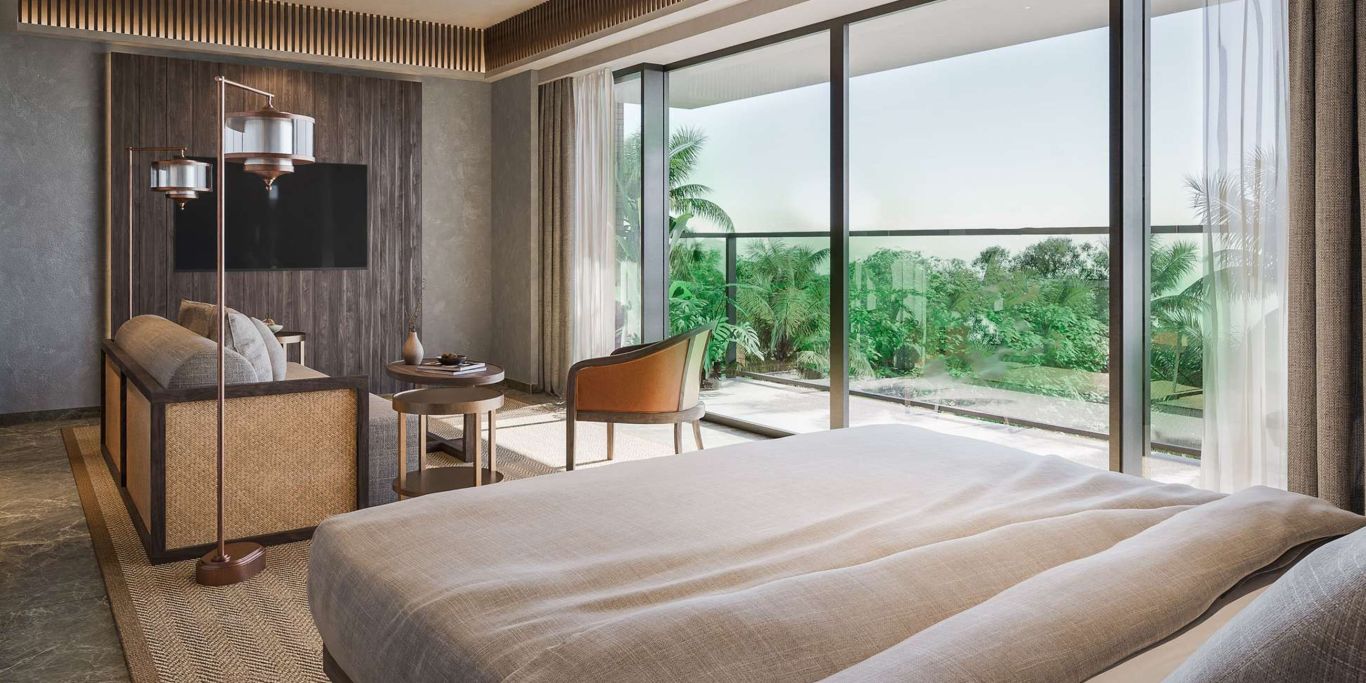
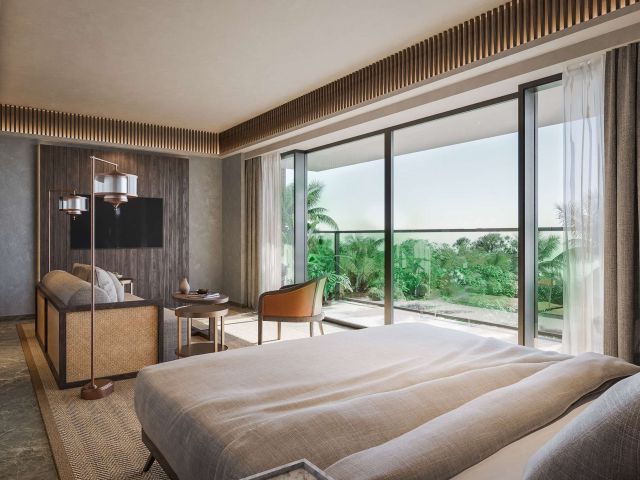
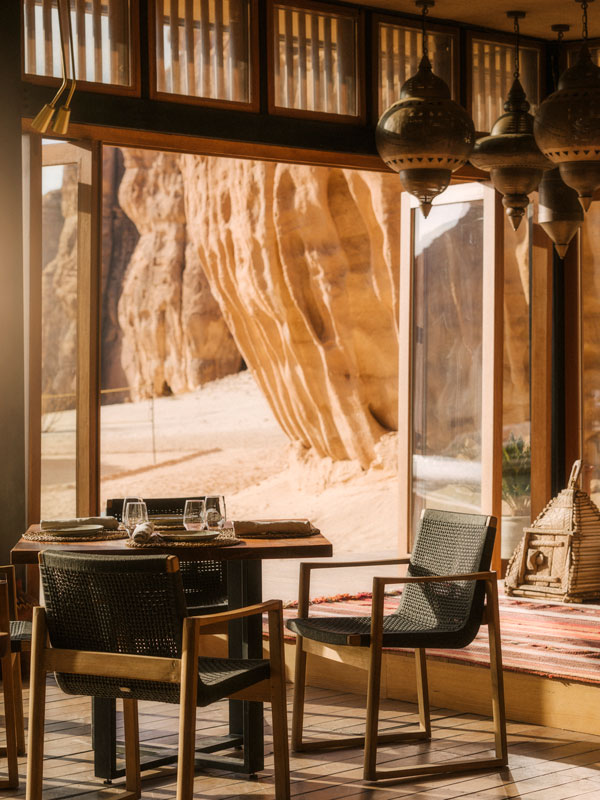
Habitas AlUla is a luxury tented resort-style hotel (with an excellent incense route-inspired restaurant, Tama), which has been sustainably constructed in a spectacular sandstone canyon in the Ashar Valley near Hegra. The recently opened Banyan Tree Alula, in the Ashar Valley, also welcomes non-guests at its two restaurants.
Eating there
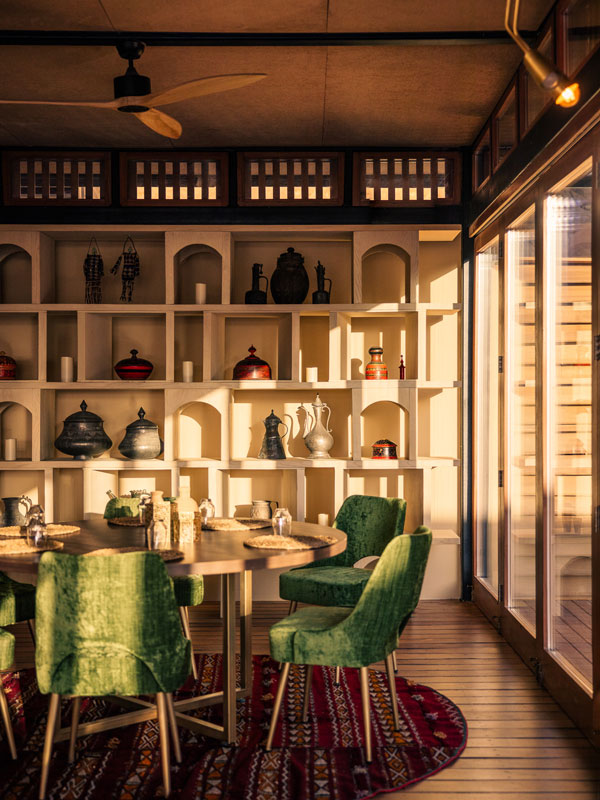
AlUla has a good range of contemporary dining options, including an international restaurant somewhere, a short walk from AlUla Old Town. The Heart of OasiS, in the dappled shade of date palms, offers an atmospheric farm-to-fork dining experience.

Want to see more stories from International Traveller in your Google search results?
- Click here to set International Traveller as a preferred source.
- Tick the box next to "International Traveller". That's it.