hero media

This London hotel near St Paul’s proves the best finds are unexpected

A central stay where bold design, warm service and a story-driven concept come together just steps from one of London’s most iconic landmarks. 

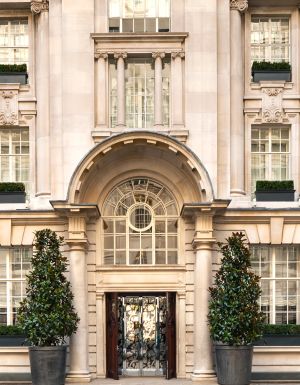
Tucked behind the grandeur of St Paul’s Cathedral, Lost Property St Paul’s London feels like a discovery waiting to happen. True to its name, the hotel plays on the idea of “found treasures," weaving storytelling into everything from its interiors to the guest experience.  

It’s the sort of place that feels polished yet playful, stylish without being intimidating and genuinely welcoming from the moment you walk through the doors. Add in a location near the fast-evolving Fleet Street Quarter, and you have a stay that makes exploring central London both easy and exciting.  

Whether you’re in town for sightseeing, work or a bit of both, this is a hotel that manages to feel quietly memorable rather than just another convenient city base. 

Where is Lost Property St Paul’s London?
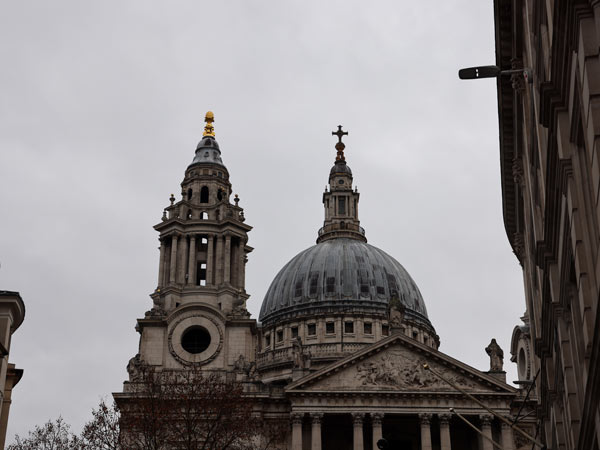
Lost Property St. Paul London
Nestled in the shadow of St Paul’s Cathedral. (Credit: Emily Murphy)

Lost Property St Paul’s London sits in one of the most enviable pockets of the city, directly behind St Paul’s Cathedral and right on the edge of the revitalised Fleet Street Quarter. This part of London blends centuries of history with a surge of new energy, as heritage buildings now house modern restaurants, wine bars and creative spaces. Staying here means you’re surrounded by iconic landmarks while also being within easy reach of emerging dining and cultural hotspots. 

From the hotel, it’s an easy walk to the Millennium Bridge, Tate Modern and the Thames riverside paths, which makes early morning strolls or sunset wanders especially rewarding. The location also works brilliantly for transport: St Paul’s Underground station is only minutes away, providing fast connections to the West End, Soho, Covent Garden and beyond. For travellers who want to feel immersed in London rather than commuting across it, this address is hard to beat. 

What is the style and character of Lost Property St Paul’s London? 
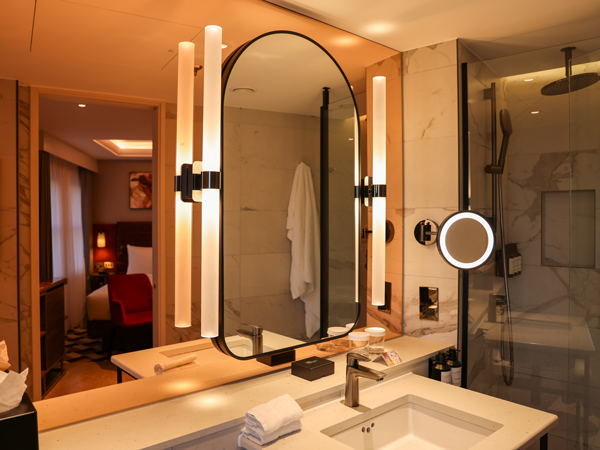
Lost Property St Paul’s London bathroom
The interiors are designed to feel like a curated collection of rediscovered objects. (Credit: Emily Murphy)

The hotel’s defining feature is its concept. Inspired by the idea of “lost property," the interiors are designed to feel like a curated collection of rediscovered objects. It’s not gimmicky or theatrical, but rather a subtle theme woven through the space in thoughtful ways. Expect layered textures, warm lighting and bold colour palettes that create an inviting atmosphere. 

Communal areas feel contemporary and comfortable, with plenty of soft seating, moody tones and design details that encourage you to pause and take it all in. It strikes a balance between boutique personality and polished city sophistication, appealing equally to leisure travellers and business guests. The overall vibe is stylish but approachable, with a sense of storytelling that gives the hotel a distinct identity. 

What facilities does Lost Property St Paul’s London have? 
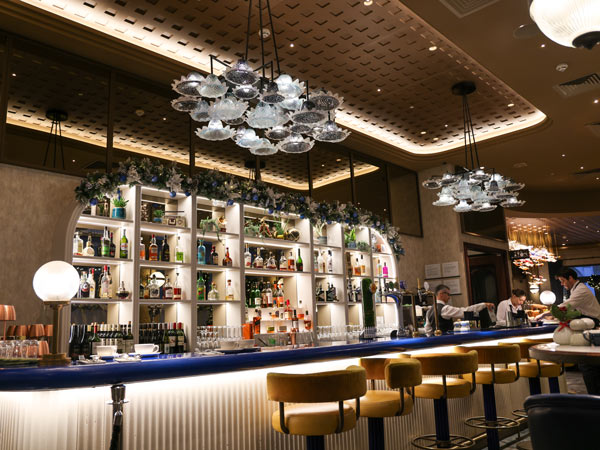
Lost Property bar
Staff are consistently warm, kind and attentive. (Credit: Emily Murphy)

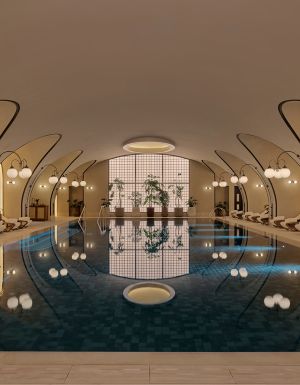
As a central London hotel, the facilities focus on practical comfort rather than sprawling amenities. There’s a well-equipped fitness centre for guests who like to maintain their routine while travelling, along with inviting communal spaces that work equally well for casual meetings, remote work or relaxing with a drink. 

One of the most memorable aspects of the stay, however, is the service. Staff are consistently warm, kind and attentive without ever feeling intrusive. Whether helping with local recommendations, arranging taxis or simply greeting guests with genuine friendliness, the team contributes significantly to the hotel’s welcoming atmosphere. 

What are the rooms like at Lost Property St Paul’s London?
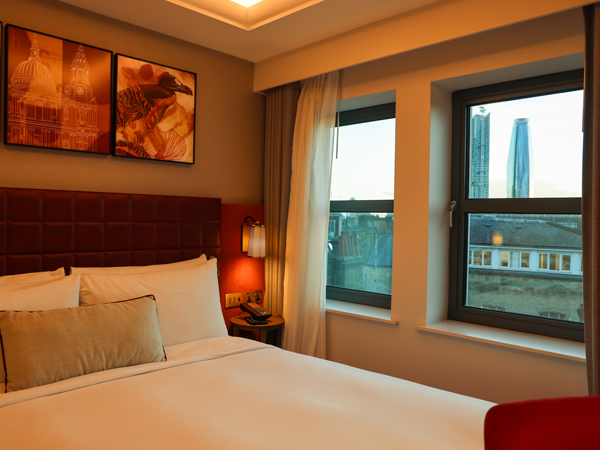
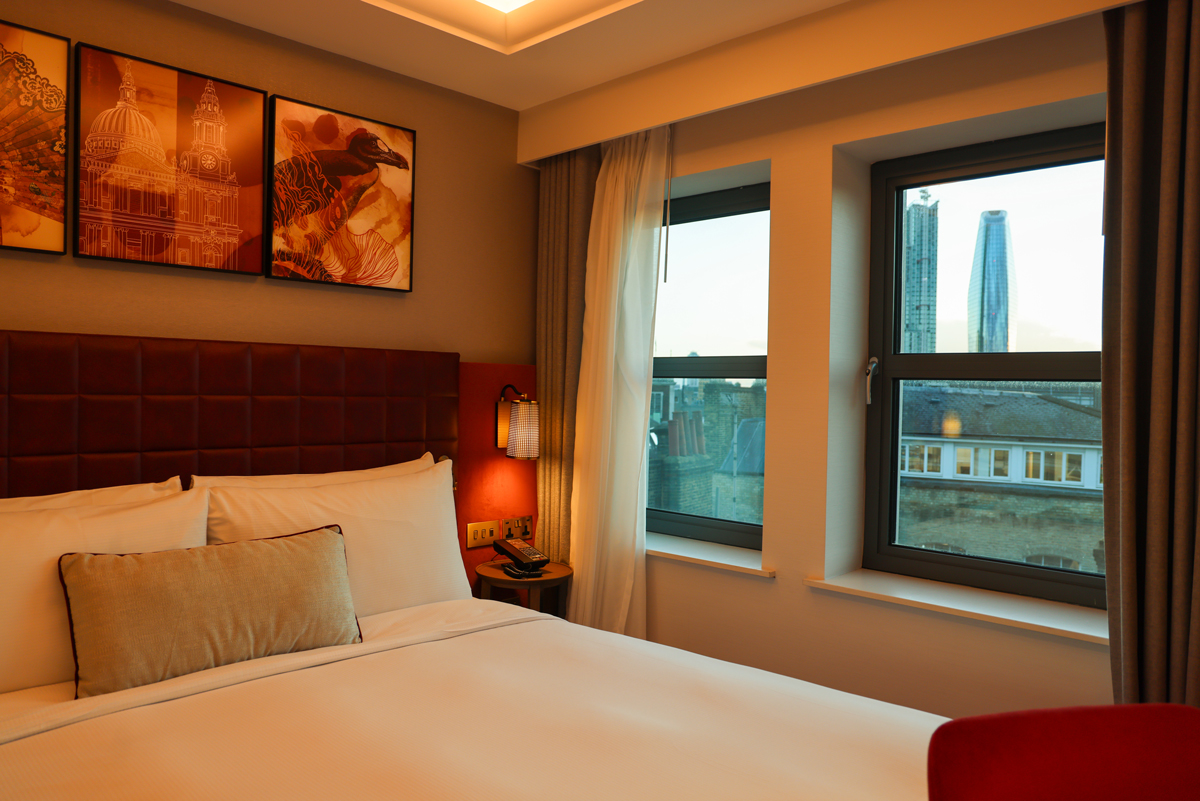
View out room window in Lost Property St Paul's London
The Queen Superior Room was cosy and comfortable. (Credit: Emily Murphy)

Rooms are thoughtfully designed, balancing contemporary style with cosy comfort. I stayed in a Queen Superior Room that offers a plush bed, smart use of space and modern finishes, making it a relaxing place to recharge after long days exploring London.  

Details are carefully considered, from quality linens to modern lighting and sleek bathrooms that feel fresh and well-maintained. While not oversized, the rooms feel polished and functional, providing everything you need for a comfortable urban stay. 

What dining facilities does Lost Property St Paul’s London have? 
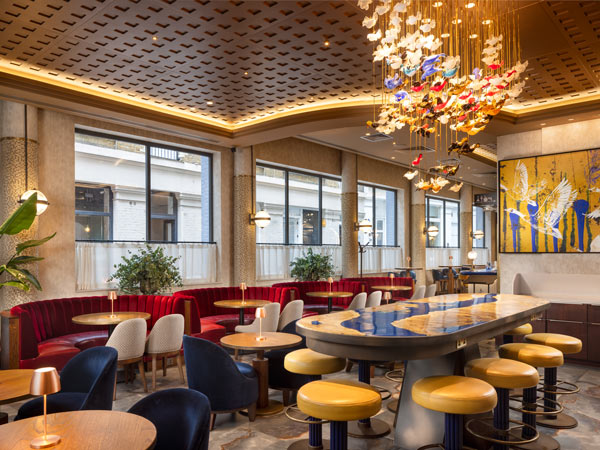
Lost Property Found Restaurant
This bar boasts chic and colourful interiors. (Credit: Supplied)

The hotel’s Found Bar & Restaurant serves as both a stylish social hub and a relaxed dining space. Breakfast is a highlight, with a generous buffet featuring hot dishes, fresh pastries and classic continental options. It’s an easy, satisfying way to start a day of sightseeing or meetings. 

Weekly travel news, experiences
insider tips, offers,
and more.

Does Lost Property St Paul’s London have access for guests with disabilities? 

Yes. The hotel offers accessible rooms and step-free access in key areas, along with lifts and accessible facilities designed to accommodate guests with mobility needs. 

Is Lost Property St Paul’s London family-friendly?
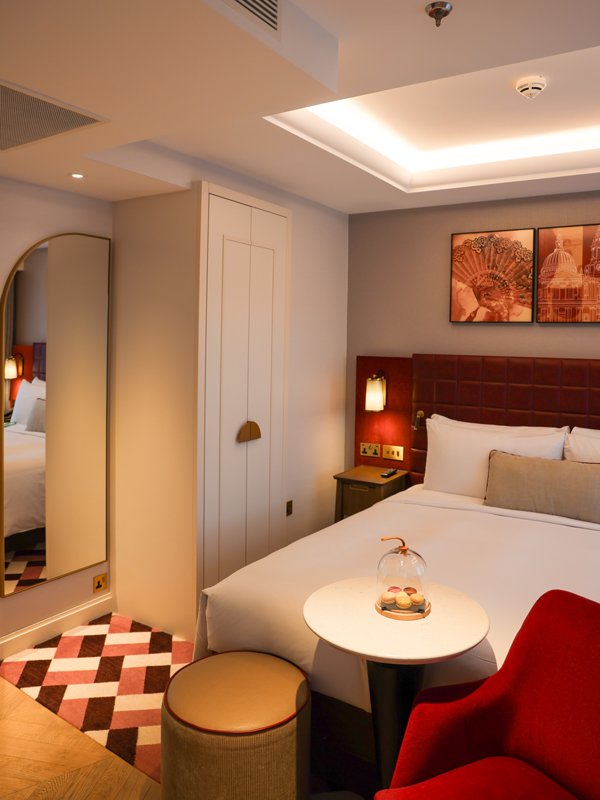
Lost Property St Paul’s London bedroom
Families are welcome at Lost Property St Paul’s London. (Credit: Emily Murphy)

While it feels more geared towards couples and business travellers, families are welcome. Interconnecting room options and a central location close to major attractions make it workable for those travelling with children. 

The verdict 

A stylish, personality-filled London hotel with thoughtful design and genuinely kind service. It’s an excellent choice for travellers who want a polished base within walking distance of iconic sights. 

Details
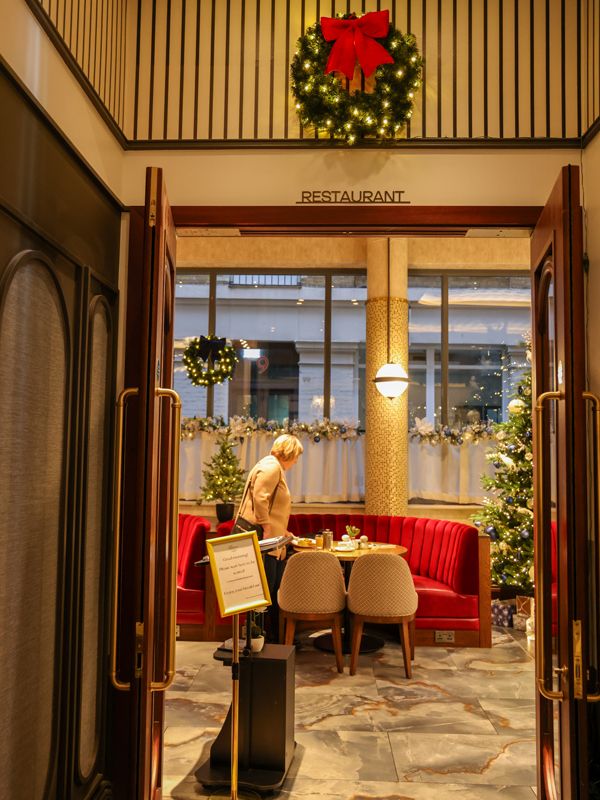
Restaurant in Lost Property St Paul's London
This is a personality-filled London hotel. (Credit: Emily Murphy)

Best for: Solo travellers and city explorers who want a central London base
Address: 3-5 Ludgate Hill, London EC4M 7AA, United Kingdom
Cost: From around $550 per night, depending on season and availability 

Want to see more stories from International Traveller in your Google search results?

  1. Click here to set International Traveller as a preferred source.
  2. Tick the box next to "International Traveller". That's it.
hero media

What the European heatwave means for your summer travel plans

Temperatures are soaring this summer, breaking records across Europe and the UK. 

Euro summer is a feeling like no other. But when a heatwave hits? The dream trip quickly turns into a sweaty mess. Extreme heat is sweeping Europe and the UK this week, with record-high temperatures impacting travel plans across the continent.

And while Australian summers are typically hotter in absolute temperature, many European cities aren’t equipped for high temperatures, resulting in unbearable weather.

Why is it so hot in Europe?

Signs of a hot summer loomed in May, when the mercury hit unprecedented spring highs. Now, extreme high temperature warning alerts have been issued in countries such as Spain, Italy, France, England, the Netherlands and Germany.

France saw its hottest day on record on Wednesday, with an average temperature of 30°C across the day and night. This surpasses the average temperature for June, which is 15°C to 25°C. Dozens of people have died, including 40 from drowning.

In Spain, 212 deaths have been linked to the heatwave.

The UK recorded its hottest June day ever on Wednesday with temperatures soaring to 36.1°C. In an article published by the Met Office – the UK’s national meteorological service – Professor Stephen Belcher CBE, Met Office Chief Scientist, shared his concerns about June’s heat. “To see temperatures like this in the UK in June is sobering. Events like this bring home the implications of climate change, with very high temperatures and humidity bringing significant health implications from heat stress, as well as impacts to a range of sectors such as transport, energy and water supply,” he said.

Heatwaves are becoming increasingly common in Europe and the UK, neither of which is prepared for such extremes. The World Meteorological Organization reported that in 2025, at least 95% of Europe experienced above-average annual temperatures and that the continent was heating up twice as fast as the global average.

How travel is impacted

A pharmacy sign displaying 40 degrees Celcius
A pharmacy broadcasting local weather data. (Credit: Getty/Dragoncello)

During a heatwave, power grids, water systems and transport networks can be affected, resulting in disrupted itineraries for travellers. In France, power outages have left thousands without electricity and early closures have been implemented for two of Paris’s biggest attractions, the Eiffel Tower (early afternoon rather than late at night) and the Louvre (two hours early). Eurostar cancelled its London to Paris and Paris to London services from the 22nd to the 25th, and major UK rail companies have been advising travellers to avoid using trains where possible, or to travel during early hours.

If a heatwave is predicted, being flexible with your itinerary and having fully refundable/changeable tickets is key, as extreme heat can force the cancellation of outdoor activities, impact rail and flight services and change the opening hours of sites and eateries.

Why does summer in Europe often feel hotter than summer in Australia?

people swimming in the Canal Saint-Martin in Paris
People swimming in the Canal Saint-Martin in Paris to cool off. (Credit: Rachael Thompson)

With some of the highest UV levels in the world, Australians are no strangers to the heat, adapting well to intense weather. But our infrastructure is largely equipped to withstand soaring temperatures with climate-responsive passive design, refrigerated air conditioning or evaporative coolers, as well as swimming spots aplenty.

Buildings in Northern and Western Europe and the UK, however, are constructed to retain heat and handle frosty winters. The lack of universal air conditioning means it generally feels hotter even though the temperature on your app might not look it. During a heatwave, it can feel like you’re in a sauna as cities act like heat traps.

How to stay cool and prepare for another heatwave

Relief is expected across Europe and the UK later this week, but more heatwaves are still possible in the coming months. Summer heat typically peaks in July and August.

Public transport often doesn’t have air conditioning, and buses in particular can be swelteringly hot. If you’re heading outside or your accommodation has no air conditioning, it’s worth buying a spray bottle and a handheld fan from a pharmacy or tourist stand. Check ahead of time if restaurants and cafes have air conditioning and make a booking in advance. The highest temperatures typically hit between 3pm and 6pm, so aim to head outdoors outside of these hours.

Rising temperatures invite travellers to enter a more intentional era of seeing the world. Now more than ever is the time to embrace lower-impact “coolcations” and off-season getaways.