With everything from a biohacking lounge to an apothecary, Six Senses London offers the ultimate restorative stay for wellness enthusiasts.
Finding moments to slow down is a true modern luxury. But in a metropolis like London, escaping the frenetic pace of city life usually means leaving altogether. Six Senses London challenges that, offering a wellness-focused retreat that also taps into local culture.
An oasis in the city, the newly opened hotel fosters calm, sustainable hospitality paired with British refinement. It’s the perfect hideaway to escape to after a busy day exploring the capital, and an ideal base for discerning, modern travellers.
Here’s everything you need to know before booking a stay.
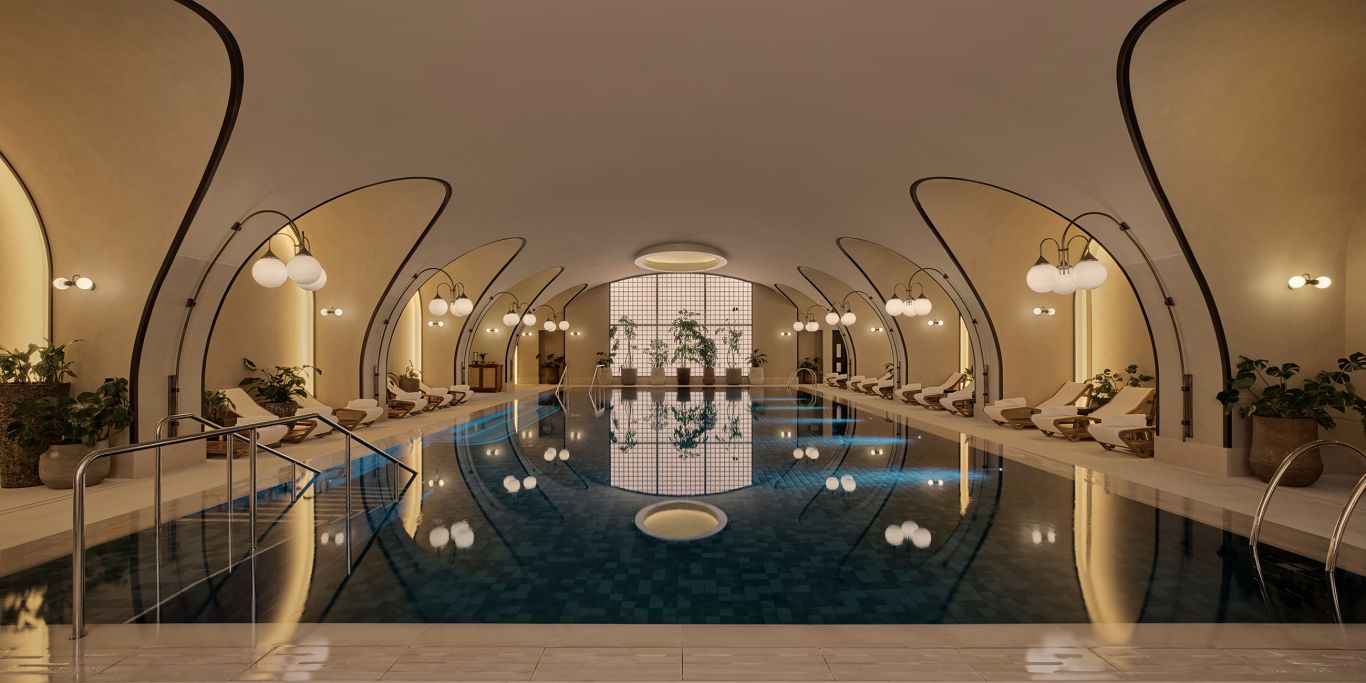
London's newest luxury hotel is redefining what a city escape can be. Housed inside a beautifully restored historic landmark, Six Senses London goes far beyond a plush bed. Think a sprawling spa, a biohacking lounge, an old-world apothecary, personalised herbal remedies and the first magnesium-enriched pool in the UK – all in the heart of the city.
At a glance
Best for: Wellness lovers and high-end travellers
Location: Bayswater; 20-minute walk from Notting Hill and Hyde Park
Closest underground: Bayswater; 5-minute walk away
Price per night: From £825 (approximately $1,585 AUD)
Standout feature: 2,300 square metre spa with a hammam, apothecary and 13 treatment rooms
Good to know: The private members club is accessible to all hotel guests
First impressions and design
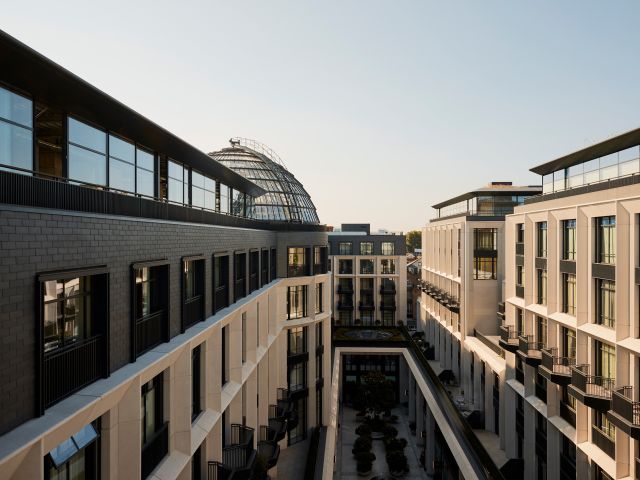
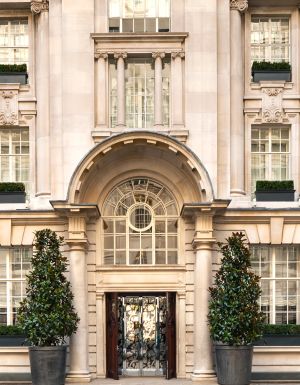
The hotel sits within the former Art Deco department store, The Whiteley.
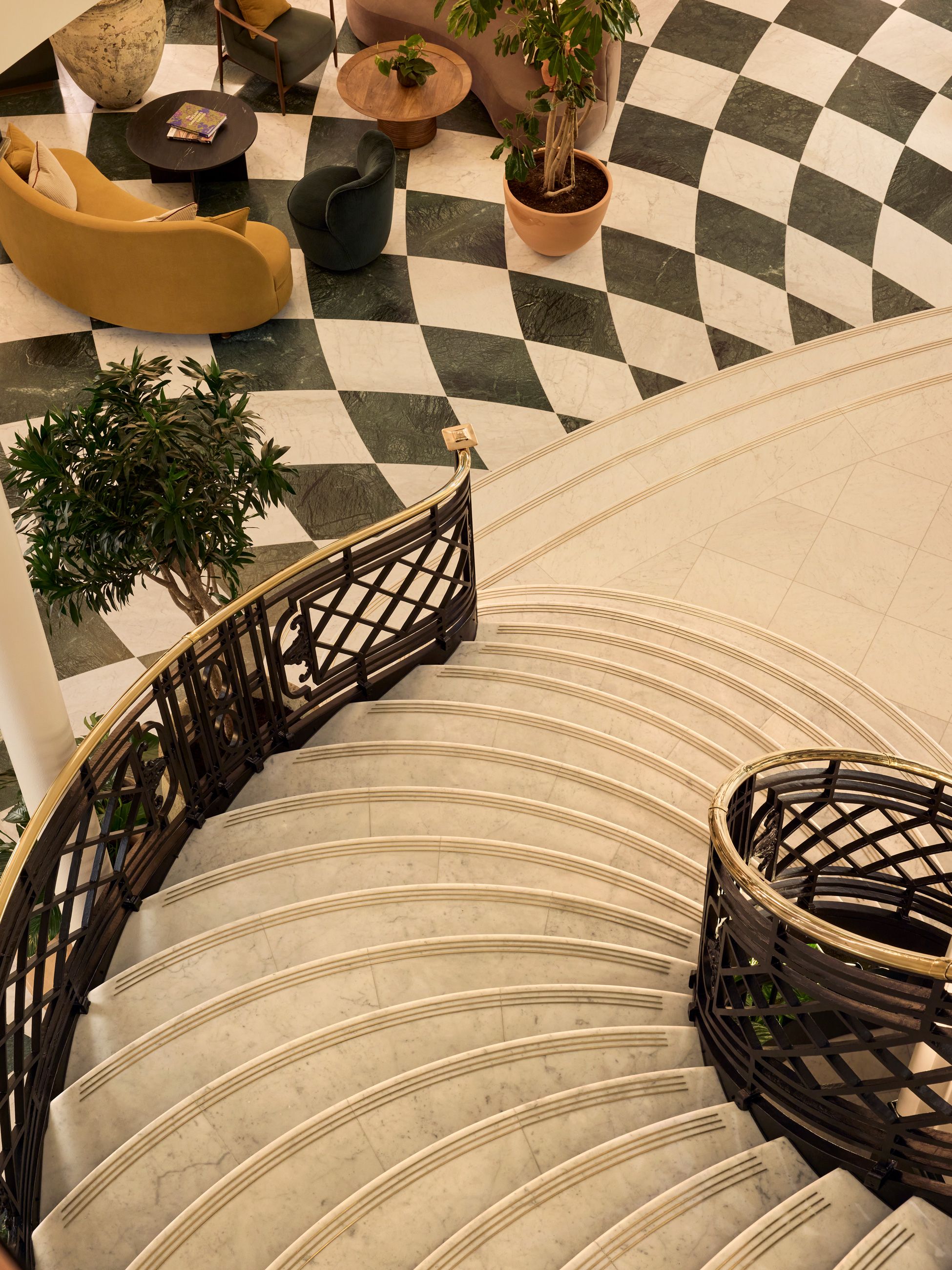
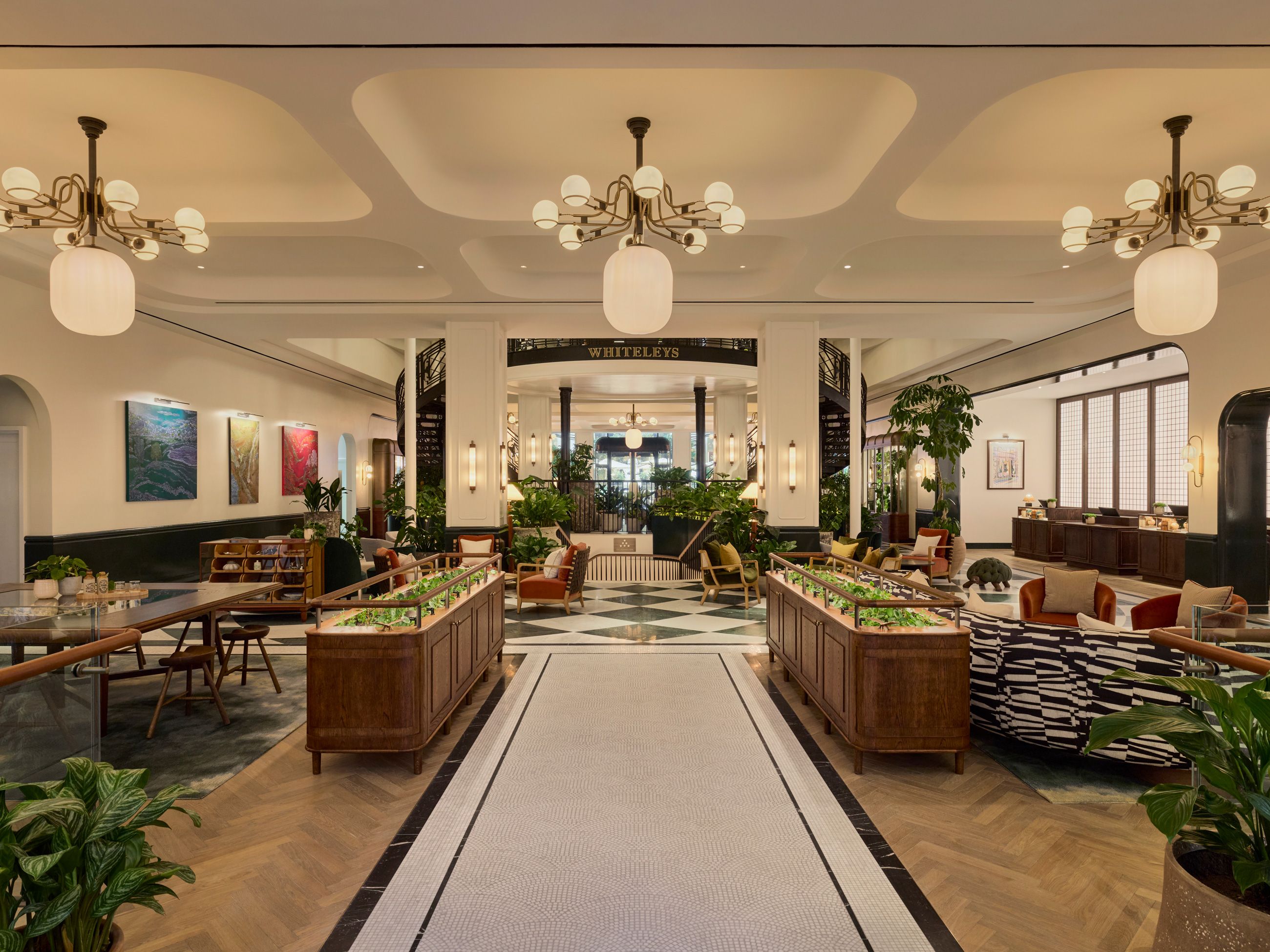
The grandeur of Six Senses London is felt as soon as I see its classical stone facade in the distance. It’s located in affluent Bayswater and housed in the former Whiteleys building, one of London’s earliest retail department stores built in 1911. London-based interior design studio AvroKO and London-based EPR Architects sensitively restored the building, amalgamating several styles, including Art Deco, Edwardian, biophilic, Mid-Century farmhouse and modern design. Anchoring the plant-filled lobby is the original Whiteley’s iron staircase, a sweeping design modelled after Milan’s La Scala opera house.
A commanding staircase winds from the lobby to the first floor.
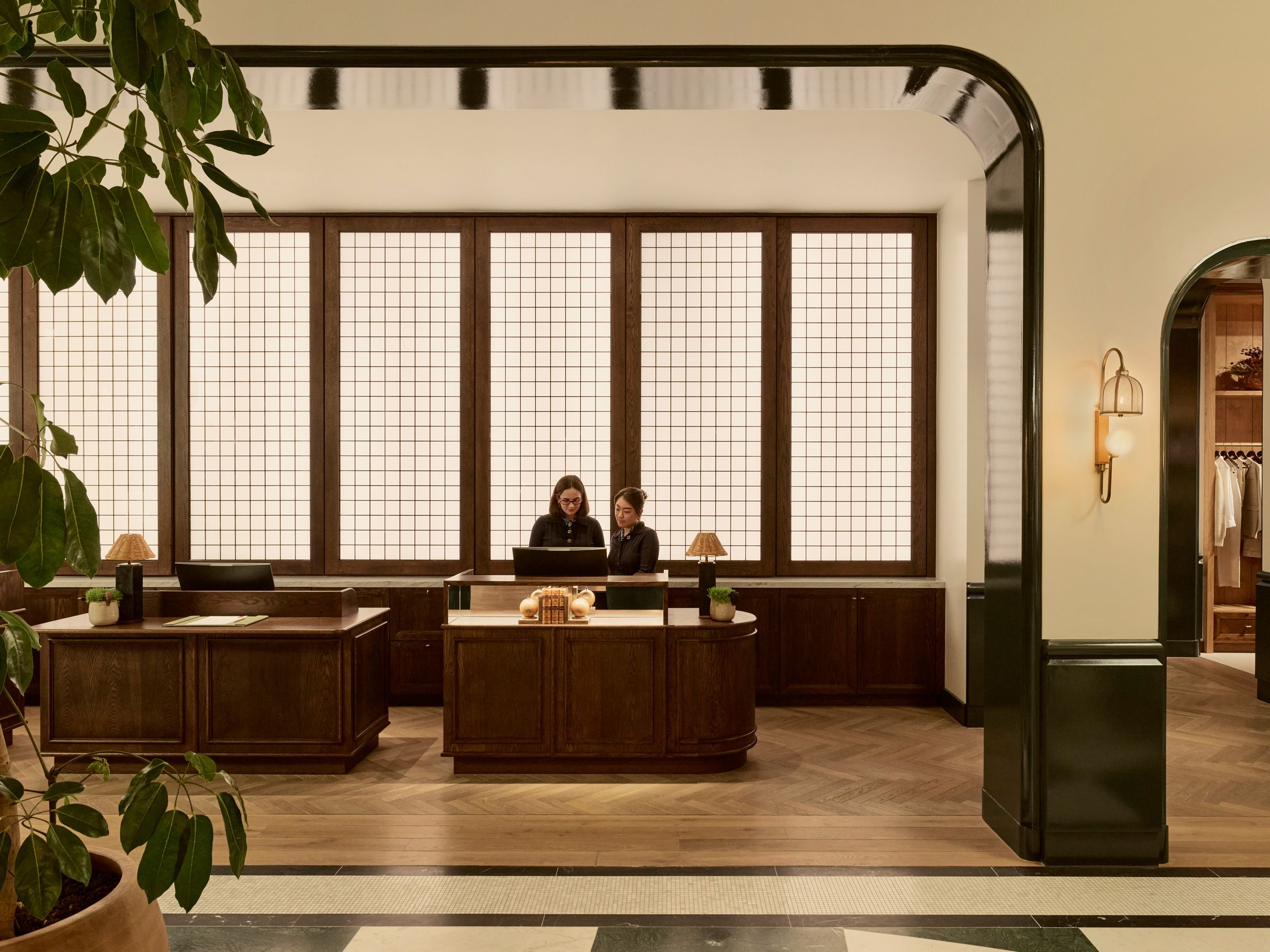
Hosts man the reception desk at Six Senses London.
Check-in is calm, and I’m handed a cup of ginger kombucha – a nod to the ginger beer once served in the building as a daily tonic – and a small chocolate. I’m also asked to draw a card from the ‘Herbal Wisdom Oracle Desk’ which will set my intention for the stay: ‘Ground yourself; root deeply into the earth for stability.’
The room
The hotel features 109 rooms and suites (11 accessible), and 14 Six Senses Residences. The rooms to book are the ones with terraces and views across London’s rooftops.
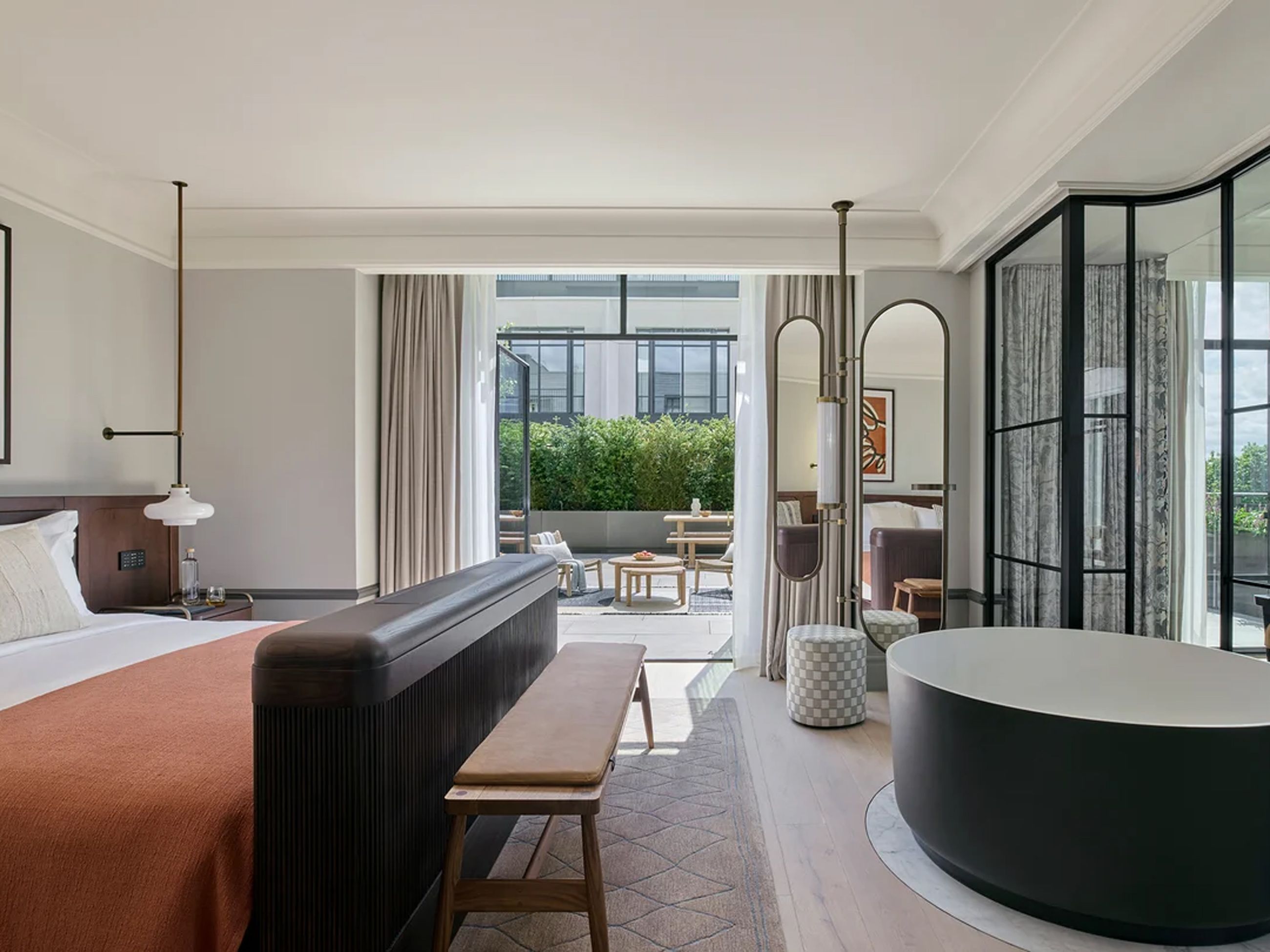
The luxurious Notting Hill Suite bedroom opens onto a terrace and features a bathtub.
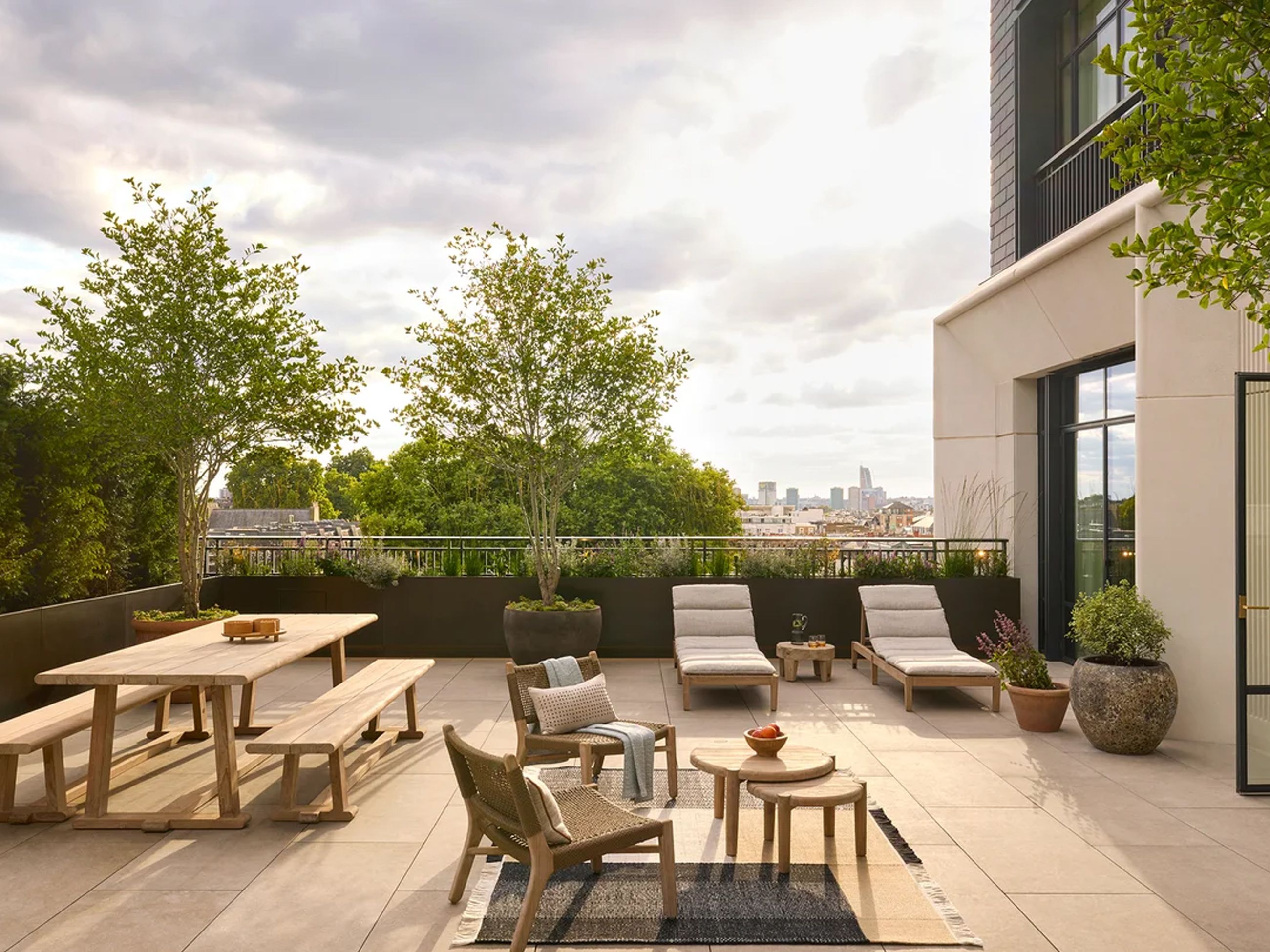
The Notting Hill Suite features a Primary Terrace with views of London.
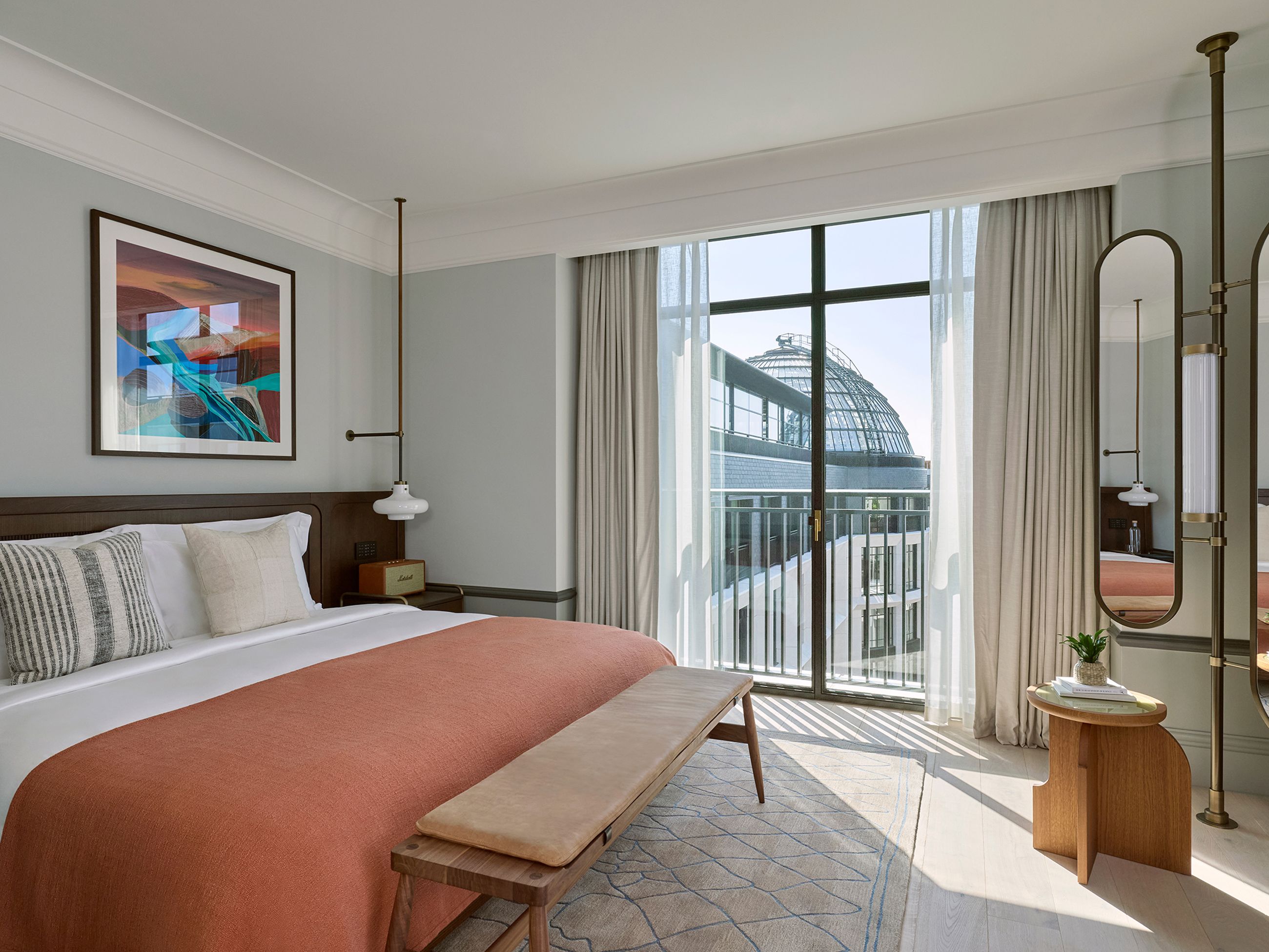
Inside Courtyard Suite bedroom of the Six Senses London.
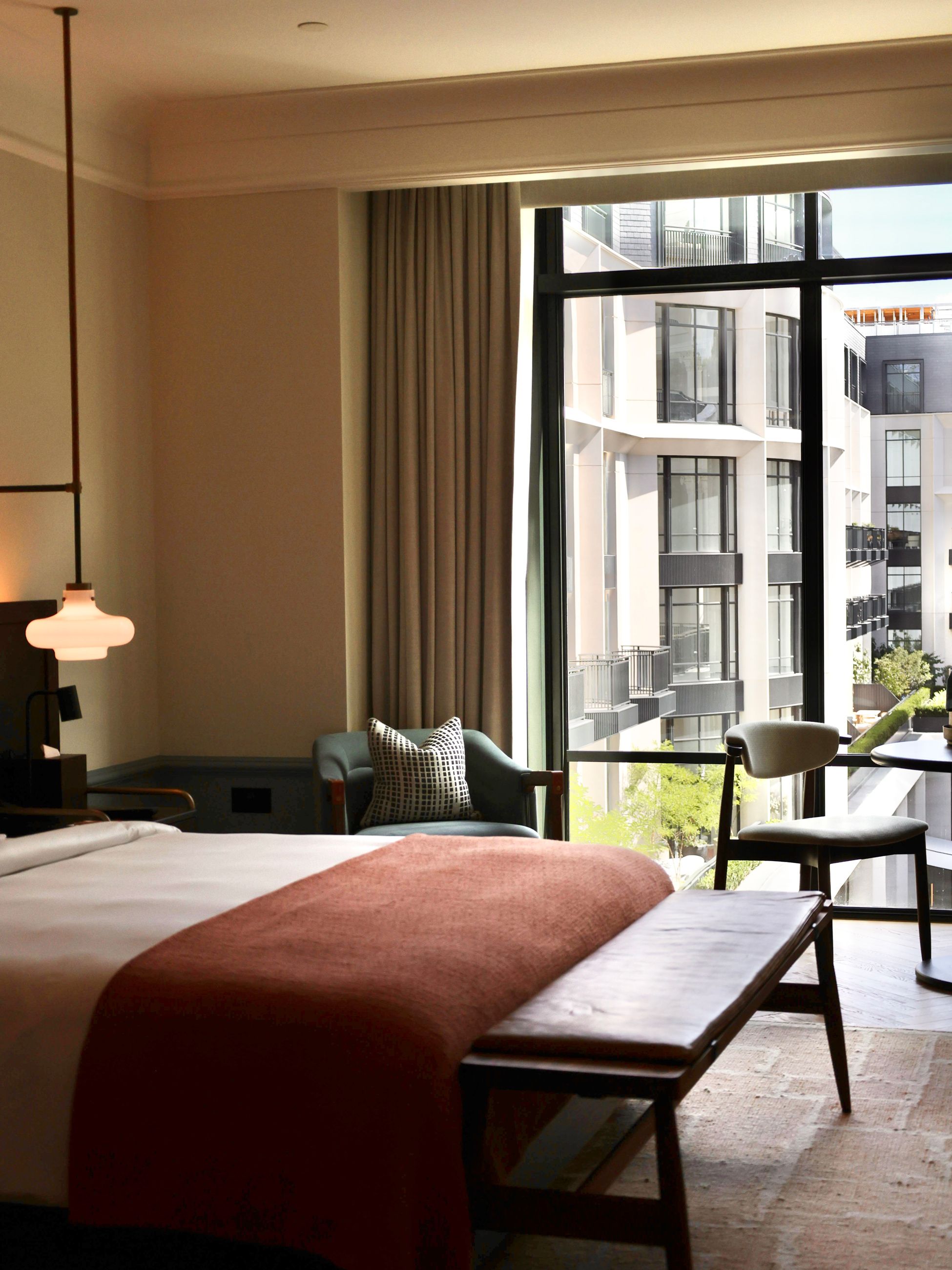
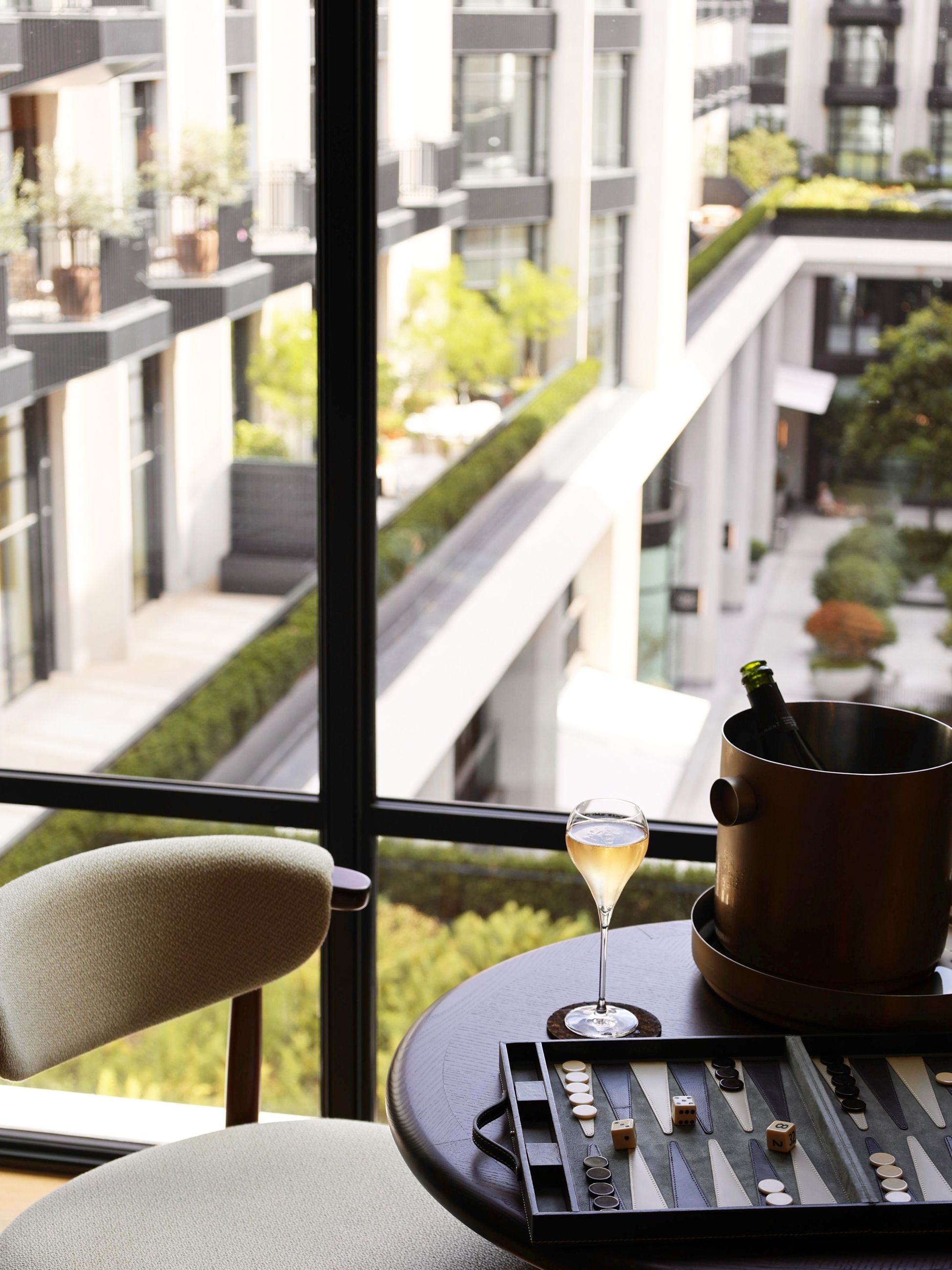
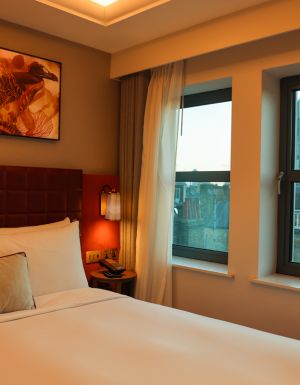
I’m in a Deluxe room which, at 30 square metres, is spacious by major city centre standards. The room is sleek, elevated with Art Deco touches such as chevron parquet flooring and gold geometric hardware. My stay falls during Wimbledon and a beautiful strawberries and cream patisserie shaped like a tennis court is waiting for me on the table which I devour while admiring the lovely courtyard views. Some other small touches I enjoyed were the selection of adaptogenic coffees, an adorable wooden statue of a duck wearing a raincoat, a backgammon board and a fresh lemon for tea.
The Deluxe bedroom is sleek with Art Deco touches. (Credit: Rachael Thompson)
Enjoy in-room refreshments and entertainment.(Credit: Rachael Thompson)
Guests travelling with friends or family should note that the bathroom is only concealed from the main room by a large curtain. (Credit: Rachael Thompson)
The only point of contention some travellers may have with this room is the shower. It sits in the middle of the space and can only be concealed by the large and rather beautifully patterned curtain which wraps around and closes off the bathroom.
There was no turndown service during my stay, though my understanding is there typically would be one.
Wellness
Six Senses London features the first magnesium-enriched pool in the UK.
This is the real selling point and differentiator from other London hotels. As a trailblazing wellness hotel brand, Six Senses has gone above and beyond to cater to health-conscious travellers. At 2,300 square metres, the spa takes up the entire bottom floor and is the largest I’ve seen. It features a magnificent curved staircase with a cascading, petal ceramic installation by artist Ula Saniawa. There is a flotation pod, cryotherapy, Turkish hammam, fitness centre larger than many standalone gyms and 13 treatment rooms. You don’t need to be an overnight guest to use the facilities.
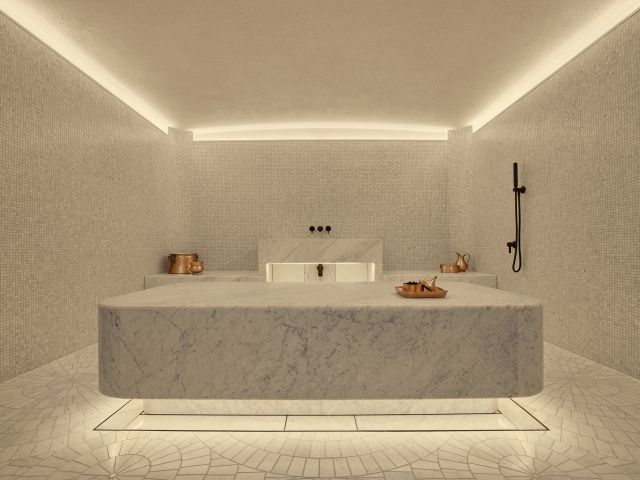
A traditional hammam caters to wellness enthusiasts.
I’m booked in for a 60-minute ‘De Mamiel Lymphatic Body Reset’ body treatment which focuses on releasing tension and supporting circulation. I thoroughly enjoyed this treatment and found it ultra-relaxing.
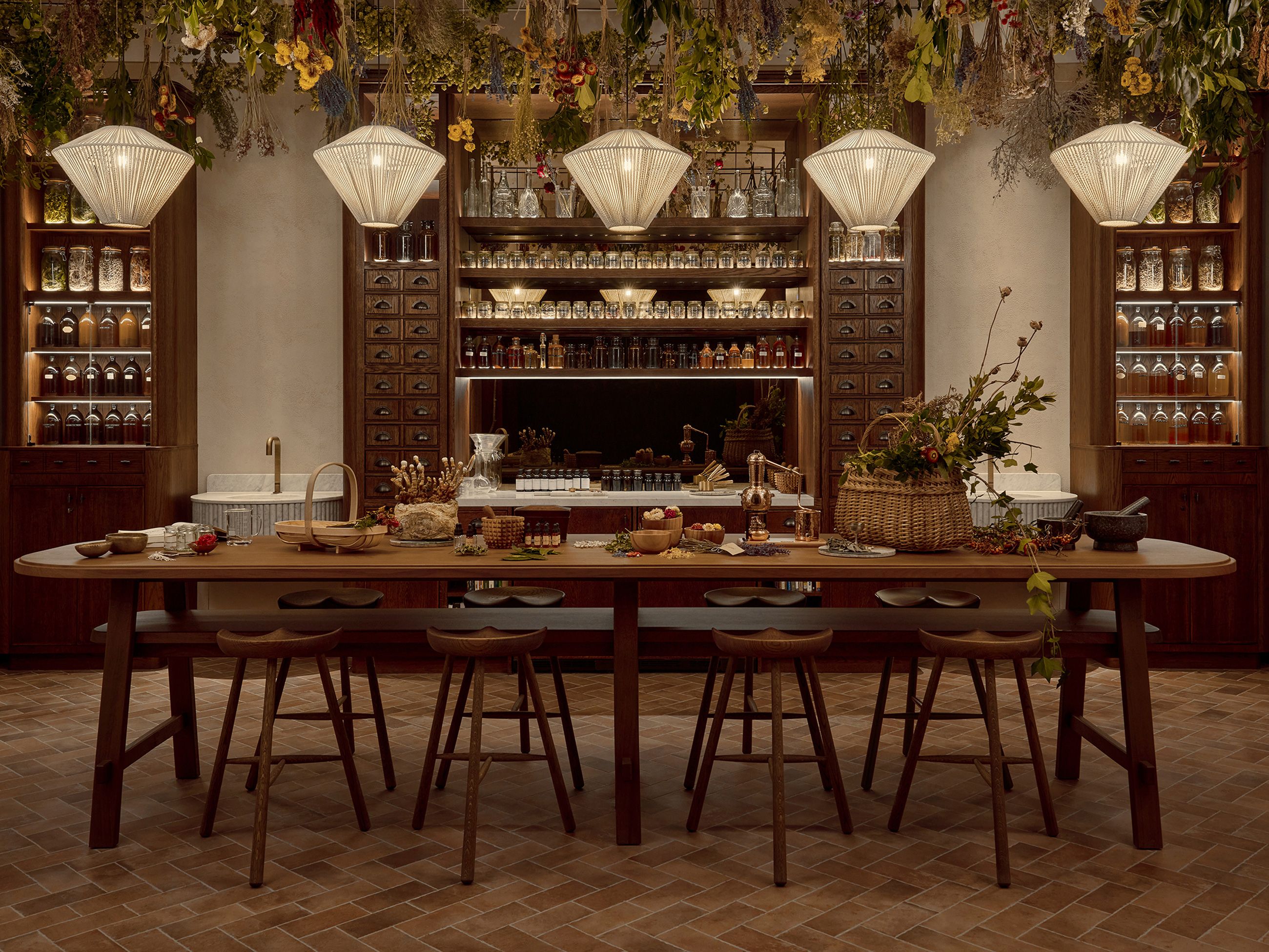
The Alchemy Bar is a unique, immersive wellness workspace.
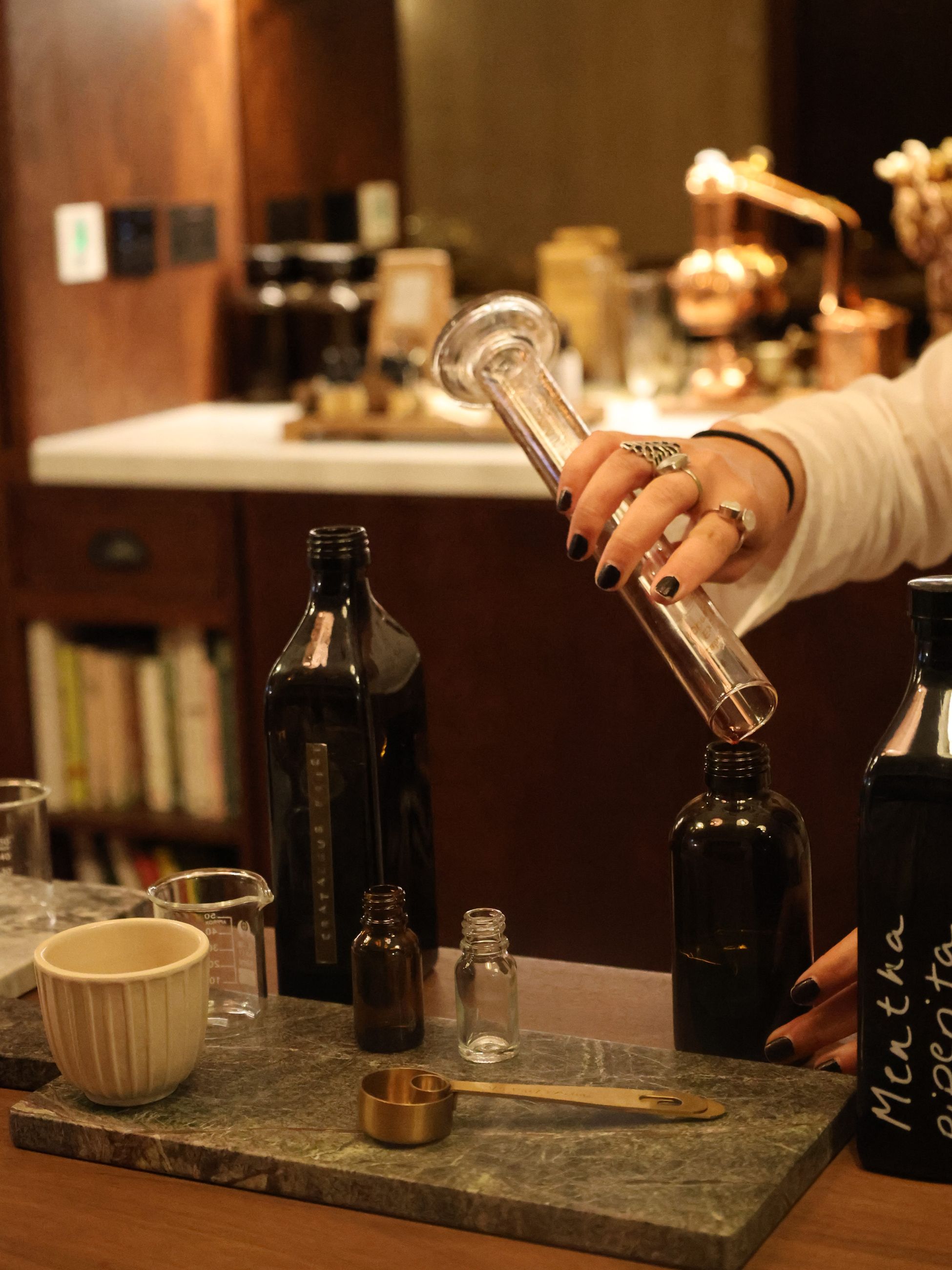
The writer's personalised concoction is prepared during her
Medical Herbalist Consultation.
(Credit: Rachael Thompson)
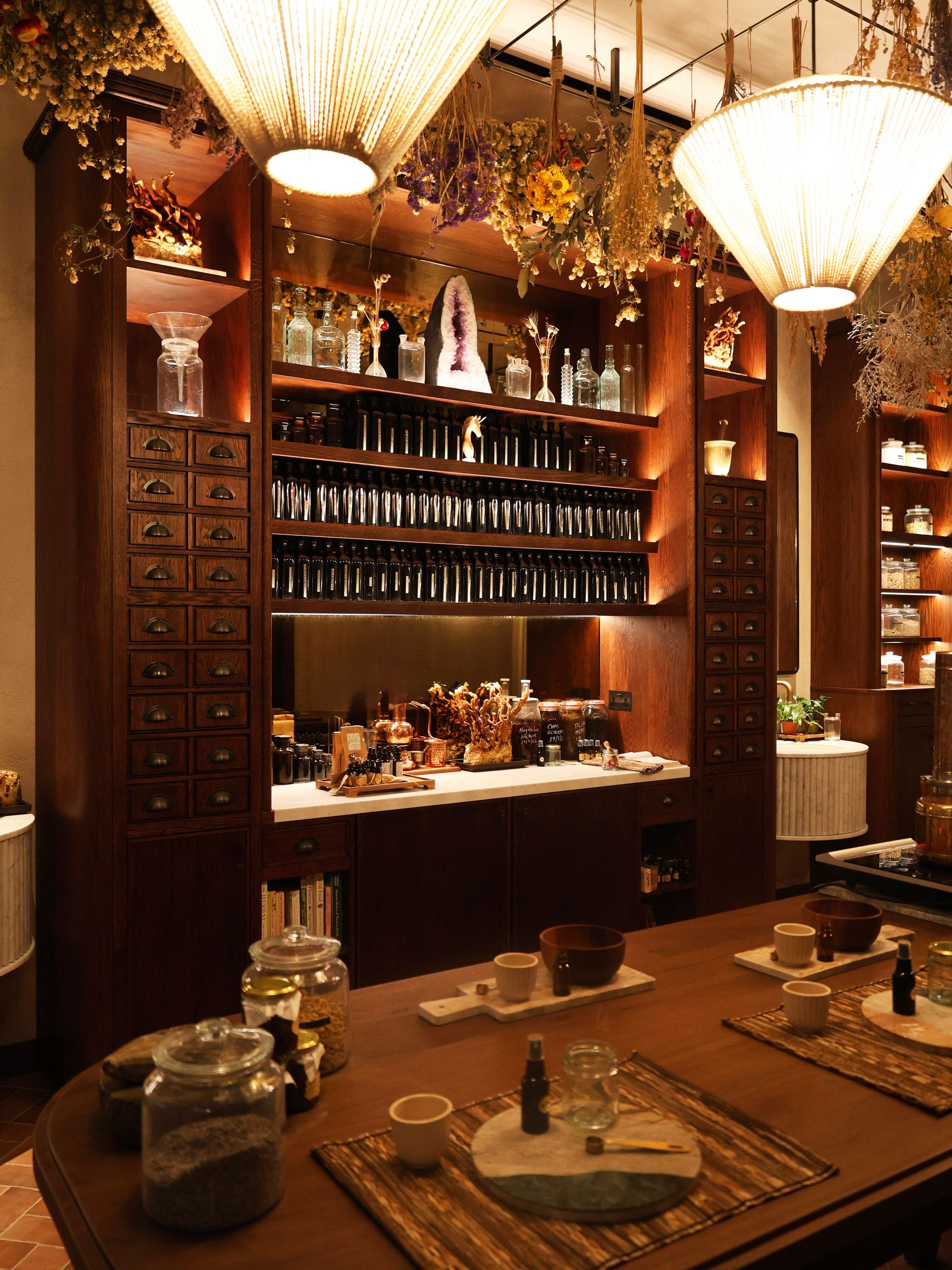
The unique space is likened to an old-world Victorian pharmacy. (Credit: Rachael Thompson)
The next morning I’m booked in for a 60-minute ‘Medical Herbalist Initial Consultation’ at the Alchemy Bar. The space looks like an old-world Victorian pharmacy with local dried flowers hanging from the ceiling and dark timber cabinetry filled with apothecary bottles. I sit down with herbalist Rebecca, who asks me a long series of questions about my health history before I watch her concoct my own personalised tincture made from local botanicals. The session brought a bit of whimsy to my day and I’m excited to take my bottle home with me.
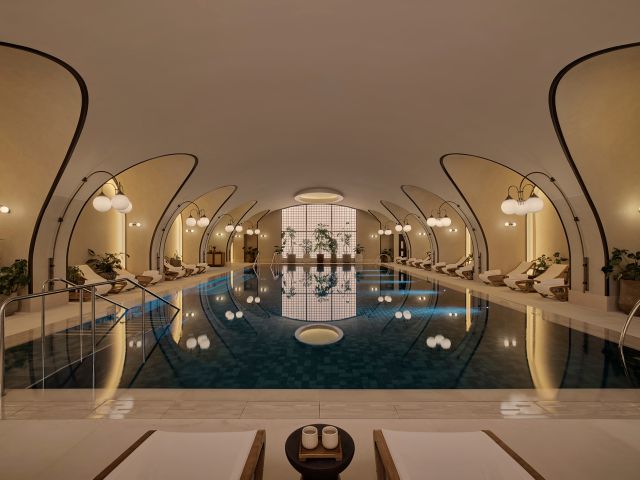
There is a lovely 20-metre indoor swimming pool, but it was closed for maintenance during my stay.
Upstairs, there is a dedicated longevity clinic for advanced, medical-grade diagnostics and therapies. It features a hyperbaric oxygen chamber which impressively has an Eames chair in it.
Weekly travel news, experiences insider tips, offers, and more.
Food and drink
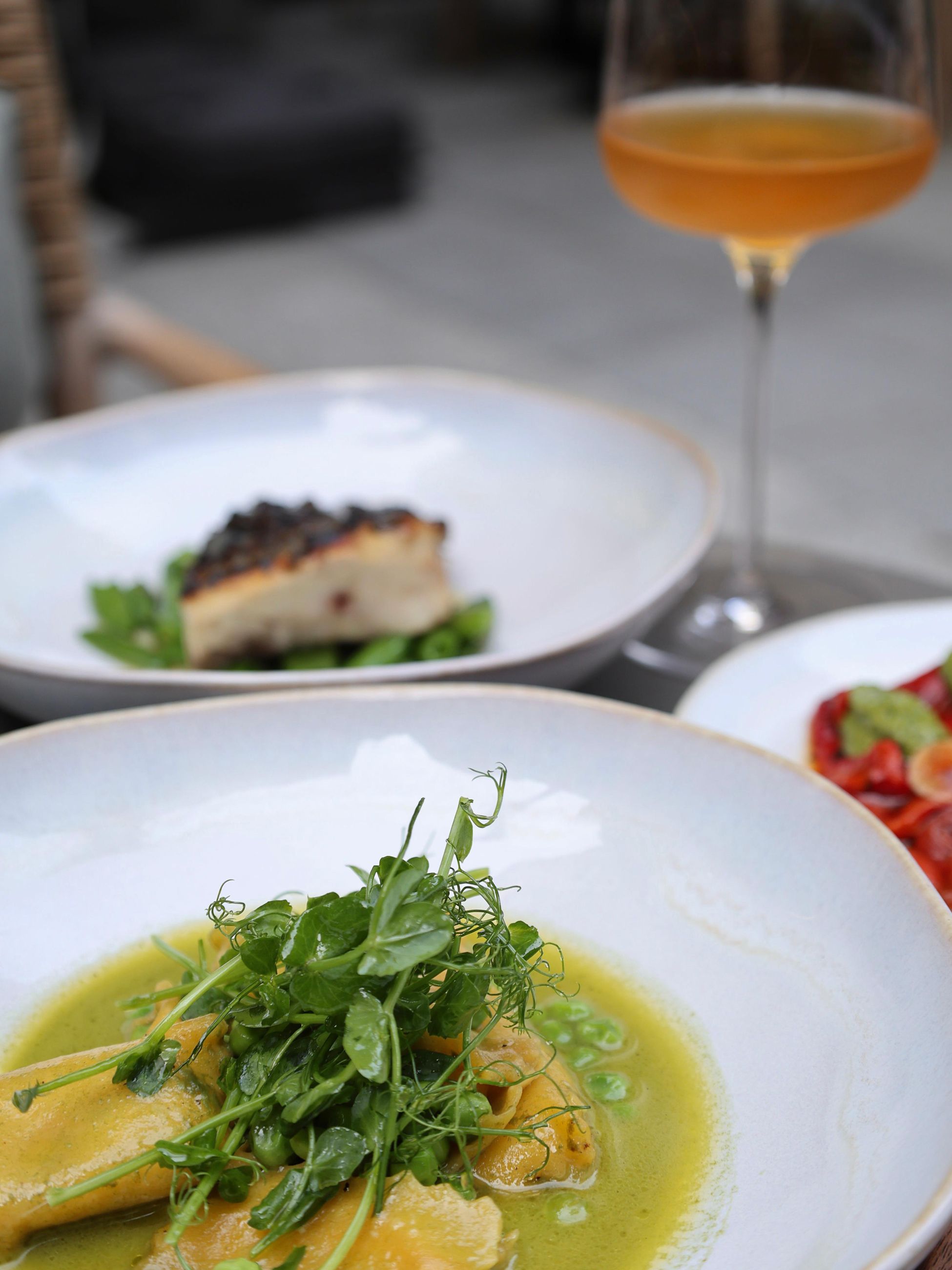
The restaurant’s modern British menu takes on a vegetable-led, organic approach. (Credit: Rachael Thompson)
The Whiteley’s Kitchen, Café, and Bar sits at the back of the hotel, welcoming both guests and locals. At the bar, all cocktails are designed to be made with or without alcohol, and I take the staff’s recommendation for a Paloma, which absolutely was the right move. The space evokes that cinematic charm I love in hotel bars, with sumptuous seating, warm lighting and dark wood cabinets lined with top drops.
Dine outside in the courtyard of the historic building.(Credit: Rachael Thompson)
The Whiteley’s Kitchen, Café, and Bar sits at the back of the hotel
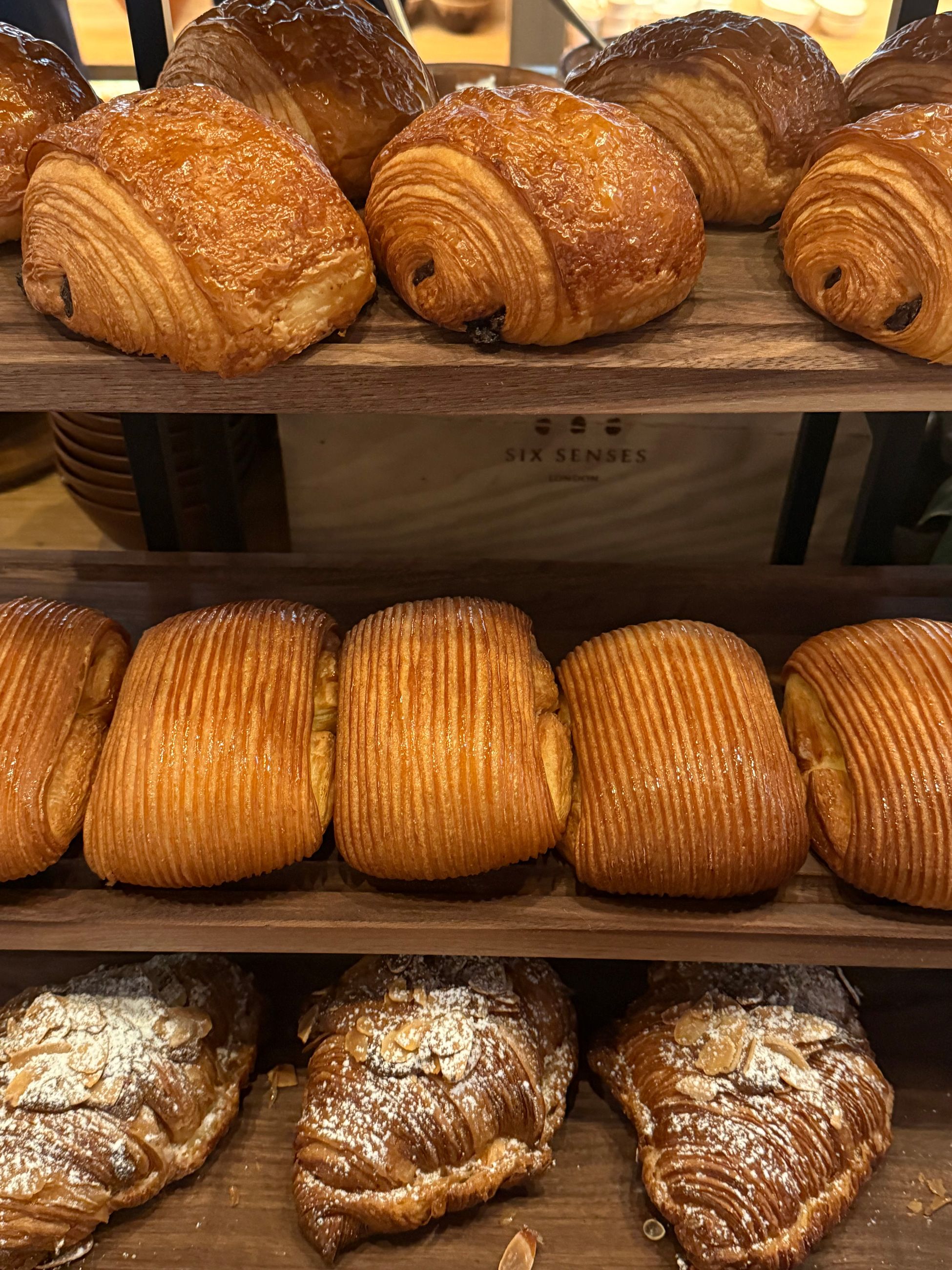
The pastries are baked onsite - and not to be missed. (Credit: Rachael Thompson)
Dinner is outside in the courtyard, and given the success of the cocktail, I let the wonderful waitstaff, George, lead the charge. The modern British menu takes on a vegetable-led, organic approach, focusing on fire-led cooking and utilising goods from the fermentation lab. I loved the stone bass with miso, roast leeks with wild garlic romesco and the milk kefir flatbread with tzatziki. The standout dish, however, was the marmite foam with sourdough crumble and malt ice cream. Wine Director Eugenio also nailed the pairings, so the takeaway is to just let the staff pick for you.
Both à la carte and buffet services are available at breakfast. Kickstart your day with a healthy tonic from the shot trolley before diving into fresh dishes such as wood-fired mushrooms, organic avocado, sourdough bread and tahini. For something more indulgent, the pastries are baked onsite and rival the ones I had in Paris.
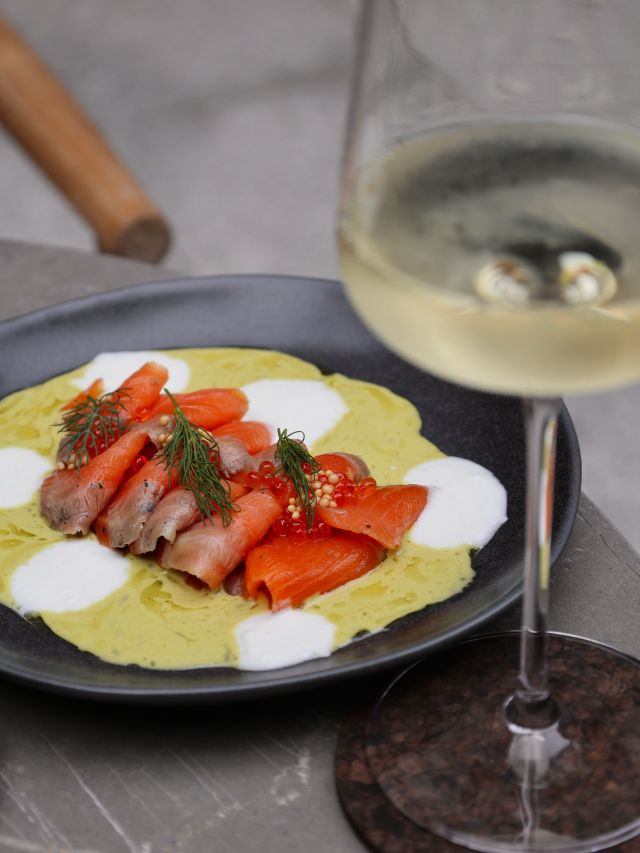
The private members’ club, Six Senses Place, is located at the level at the top of the staircase and can be accessed by the residential owners, annual members, hotel guests and day visitors. It features a central Dome Bar, dedicated restaurant and co-working spaces where I did some work enjoyed a salad and glass of Chablis.
Sustainability
It would be remiss not to mention Six Senses’ sustainability efforts. From being plastic-free and installing a 10,900-litre rainwater capture tank for non-potable purposes, to the 1,150 square metres of wild green rooftop space which supports urban biodiversity, eco-friendly practices are central to the brand’s ethos.
The verdict
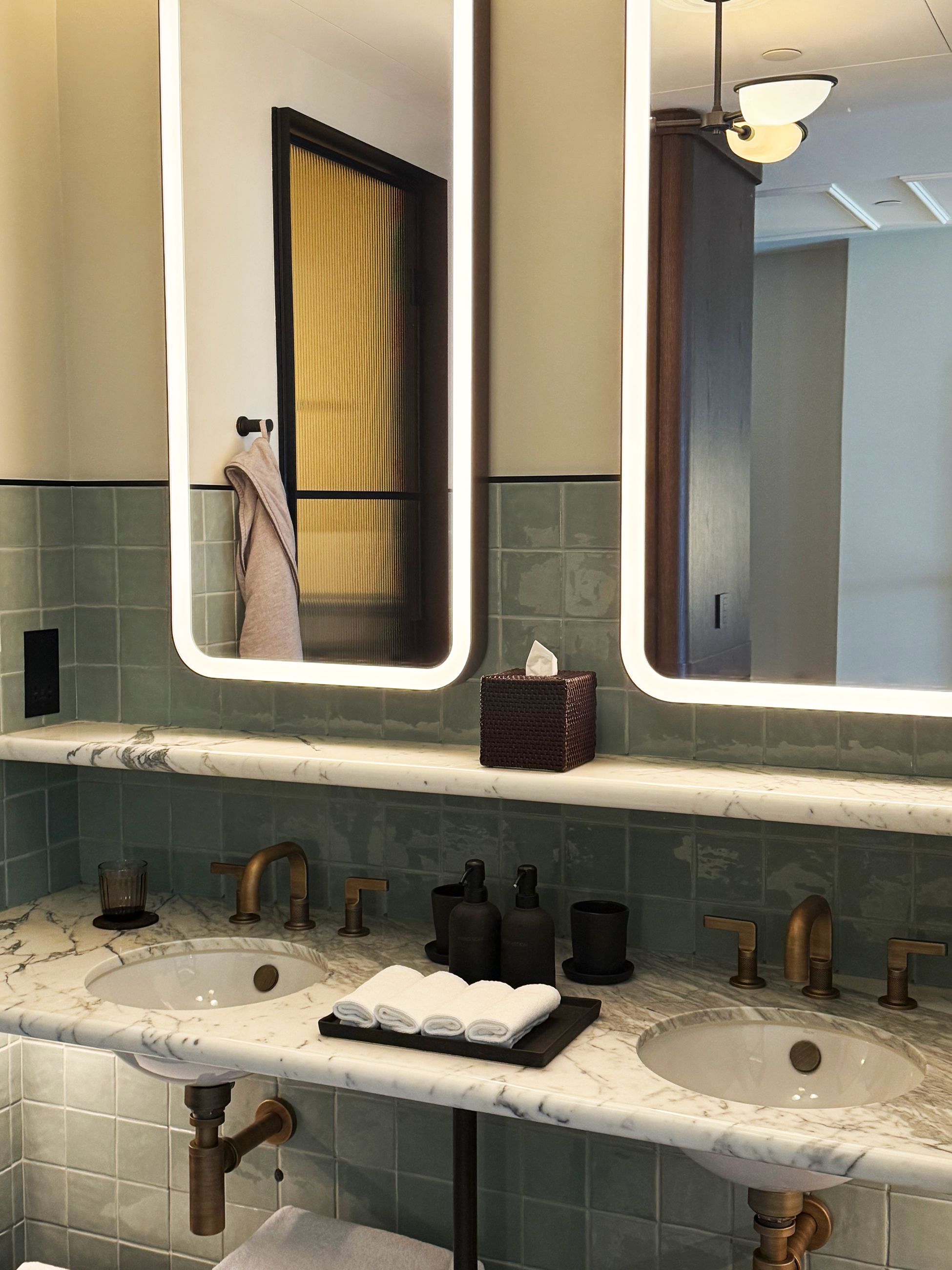
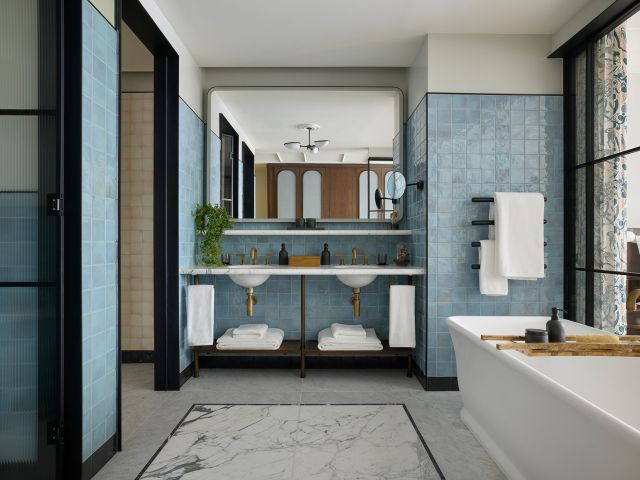
The stylish oversized bathroom inside the Junior Suite is an opulent duck egg blue.
London’s hotel scene is one of the most impressive in the world. To stand out, an accommodation must have a point of difference, and this is where Six Senses London excels. Its abundant wellness offerings make it an oasis in a buzzy city, and in sympathetically reviving a historical landmark, utilising urban sustainability and welcoming locals, it also acts as a community pillar.
Tick the box next to "International Traveller". That's it.
Rachael Thompson is a freelance travel journalist, editor and hotel addict based in the UK. She was formerly International Traveller's Evergreen Editor and was responsible for the foundational content ahead of its website relaunch, as well as managing and growing the brand’s destination guides. With a background in design and travel media, Rachael is dedicated to creating content that is as much informational as it is beautiful. She began her career at Belle magazine, before taking up editorial roles at Homes to Love and Bed Threads. Next on her travel wish list is Malta.
Wellbeing means different things to different travellers. Here’s how to pick a hotel that gets it right for you.
The best wellness holidays aren’t necessarily spent wrapped in a spa robe. Sometimes they’re found around a dinner table in Cambodia, on a hiking trail in New Zealand or after finally beating jet lag on the other side of the world. The hotel you choose is what makes them happen.
1. Easy access to good food
Taste delicious meals at Novotel Bangkok Sukhumvit 20.
One of the quickest ways to derail healthy habits on holiday is to spend half of it working out where to eat instead of digging into the culture around you. Thankfully, Novotel has done much of the hard work already, with chefs building menus that lean into the flavours, ingredients and traditions of each destination.
In Sihanoukville, Cambodia, Korkor soup – often dubbed ‘Cambodian ratatouille’ – sits alongside raw blue crab dressed with lime and chilli, best enjoyed with views across the Gulf of Thailand.
In the lovingly chaotic city of Bangkok, the presence of food cranks up the sociability. At Novotel Bangkok Sukhumvit 20, you can settle in with mango sticky rice and stranger-turned-friends beside the pool at Sky on 20 rooftop bar, or bring them along to tackle river prawns and stir-fried crab with holy basil at the buzzing Crab Paradise Dinner Buffet.
Then Novotel Dubai Al Barsha welcomes you with a laidback twist on the level of indulgence the Middle Eastern city is best known for up on Deck Se7en. Looking towards Burj Al Arab, the rooftop lounge has everything from Mediterranean-style dishes like seabass ceviche to Italian prosecco sundowners.
At the other end of the scale, in the hills that surround the Novotel Bali Ubud Resort, calm comes from nature. At Siralada restaurant, Balinese traditions shape the menu while thunder rumbles over the surrounding jungle – proving the setting is as nourishing as the food itself.
While at Novotel Nha Trang, chef Kieu Thi My Hanh and her team showcase Vietnam’s knack for balancing freshness, texture and fragrant herbs. Pho remains a favourite, while seafood salad with pomelo and mango brings those flavours together in one bright dish.
It’s all an approach backed by partnerships with expert food creators such as Alfie Steiner, whose plant-forward recipes prove healthy food should never taste plain.
2. Better sleep options
Sleep deeply with Novotel.
There are few travel experiences more disappointing than arriving in a new country, determined to seize the day, only to fall asleep fully clothed by 3pm.
For Australian travellers, jet lag is often an unavoidable part of the journey. That’s one reason Novotel runs sleep-focused initiatives that help guests adjust quickly without compromising on health. We’re talking partnerships with Sydney-based sleep specialist Olivia Arezzolo, known for her advice on everything from better sleep habits to beating jet lag, alongside features like pillow menus, in-room yoga content and tailored sleep guidance.
The sooner you’re operating on local time, the sooner you can get back to more pressing matters – like deciding which spa treatment to book.
3. More ways to move
Stay at Novotel Queenstown Lakeside and explore local hiking trails. (Credit: GettyI mages/ naruedom)
Every place in the world has its own way of getting you moving: whether that’s hiking up ice-bitten mountains before a sauna or gentle stretching by the pool before a facial. From fitness centres to spas, Novotel recognises that wellbeing rarely looks the same.
At Novotel Queenstown Lakeside, activity is inescapable. Here, hiking trails, ski fields, bungee jumps, and white-water rafting have made the region famous. The hotel’s location on the shores of Lake Wakatipu means less time spent organising yourself and more time out there experiencing them. To top it all off, you can book a private hot tub for the evening before heading back into the wilderness tomorrow.
Bali, of course, takes a softer approach. At Novotel Bali Ubud Resort or Novotel Bali Nusa Dua, movement is less about conquering a mountain and more about a dance class between the tropical gardens and lagoon pools. Afterwards, the spa takes over, with traditional treatments like a Lulur body scrub: a combination of rice, turmeric, sandalwood, ginger and jasmine that’ll soothe muscles already relaxed by the Balinese heat.
4. Better connections
Kids will love a stay at Novotel Sharm El Sheikh.
One of the best things about travel is that it gives your family stories you’ll be telling for years. Novotel helps create them with activities that bring everyone together, whether that’s trying something new, learning a local skill, or simply spending more time together.
Go for a distinctly Thai twist at Novotel Phuket Vintage Park, where many of the family activities draw on local culture. Kids can try everything from beginner Thai boxing and language lessons to umbrella painting and – a pastime beloved by children the world over – pool foam parties. Everyone is welcome to join in, whether that’s getting splashed, covered in paint, or simply watching their children discover a new side of Thailand during the dedicated Family & Kids Day.
A different adventure awaits at Novotel Sharm El Sheikh. Kids could be perfectly content with discos, drawing classes and new holiday friends, but the Red Sea has other ideas. Sitting on the edge of Naama Bay, days here might involve snorkelling colourful reefs, taking a boat trip to Ras Mohammed National Park or heading into the desert by quad bike or camel for a Bedouin-style dinner beneath the stars.
Everyone’s idea of wellness looks a little different. With more than 600 hotels across 65 countries, Novotel gives guests the freedom to choose the destination that suits them best. Whether that’s a beachside escape in Phuket, an alpine expedition in Queenstown or a city break in Bangkok, there’s a good chance a Novotel isn’t far away.
All that’s left? Choosing your version of wellbeing.