hero media

I didn’t expect to fall for this historic London precinct

This historic London precinct is having a quiet renaissance, and exploring it felt like stepping into layers of story, flavour and memory. 

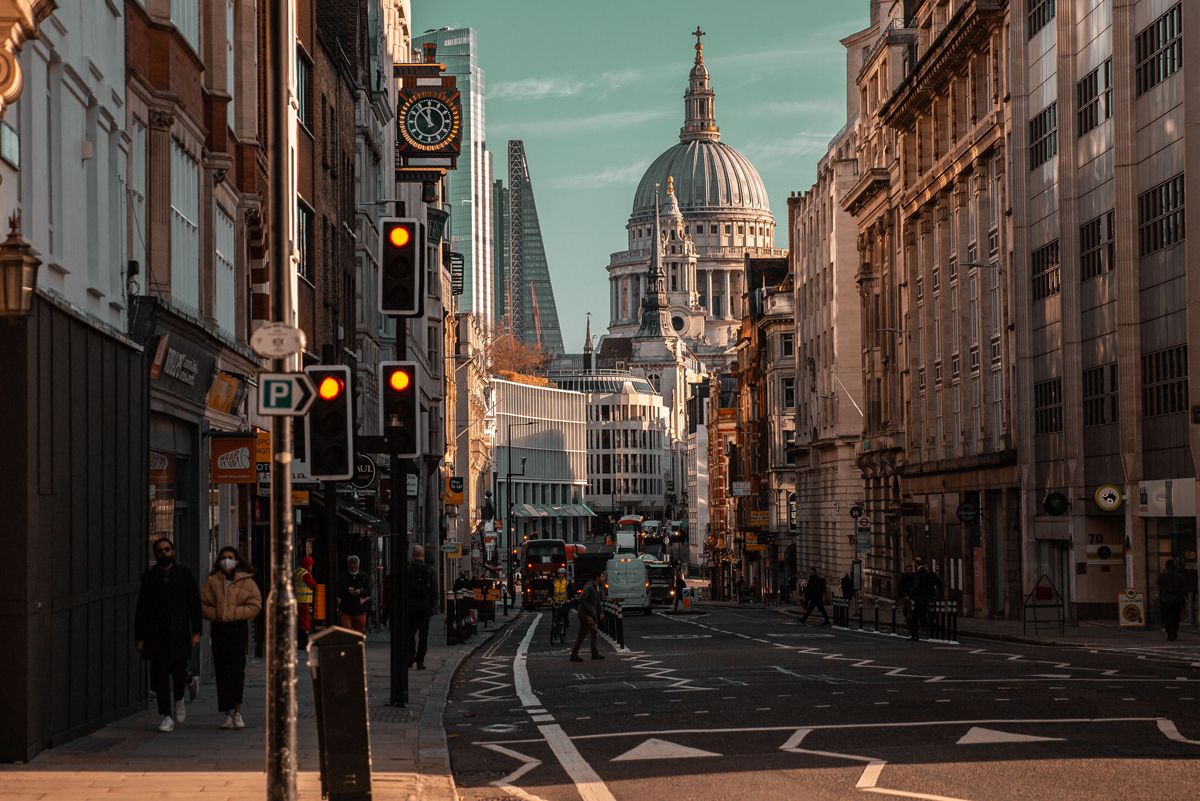
I did not expect Fleet St Quarter to move me as much as it did. I knew it would be historic, of course. This is, after all, the home of British journalism, where newspapers were once printed through the night and the stories that shaped the nation were written. But what surprised me most was how alive it feels today. It is not just a place you visit for history. It is a place you experience, layer by layer, through food, storytelling and deeply human connections to the past. 

Over 48 hours wandering its narrow lanes and hidden courtyards, I realised Fleet St Quarter is less about ticking off sights and more about immersing yourself in stories. And there are plenty to uncover. 

Walking through journalism’s beating heart
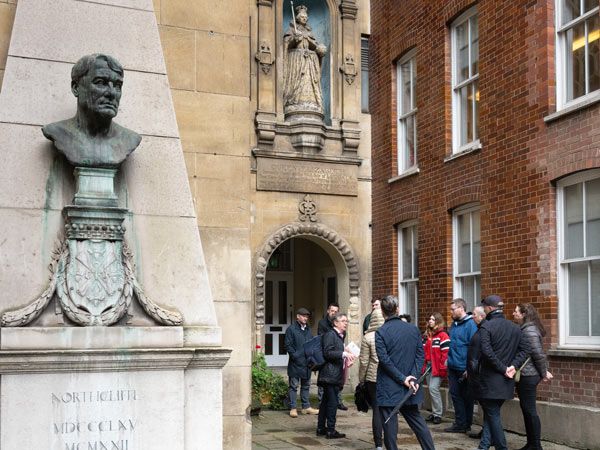
Fleet Street
The London Spy walking tour of Fleet St Quarter was intriguing. (Credit: Mickey Ling-fan Lee)

One of the highlights of my time in Fleet St Quarter was joining a walking tour with David Harry, better known as The London Spy. It turned out to be one of those experiences that stays with you long after you leave. 

It was absolutely pouring with rain that day. The kind of relentless London rain that soaks your shoes and makes you question your life choices. Yet despite the weather, a surprisingly large group gathered, drawn by David’s reputation as a storyteller. And from the moment he began the tour, it was clear why. 

David worked in the Square Mile for more than 25 years, and later changed careers to follow his passion for history, qualifying as a prestigious London City Guide and later as a City of Westminster guide. That background gives him a unique perspective. He doesn’t just know the history; he understands how the city works, how it has evolved and why its stories matter. 

As we moved through hidden alleys and historic sites, he brought Fleet Street’s past vividly to life. His storytelling style is engaging, detailed and deeply enthusiastic. Even in torrential rain, he held everyone’s attention effortlessly. You could tell how much he loves London and how genuinely he wants to share that joy with others.

A deeply human literary legacy 
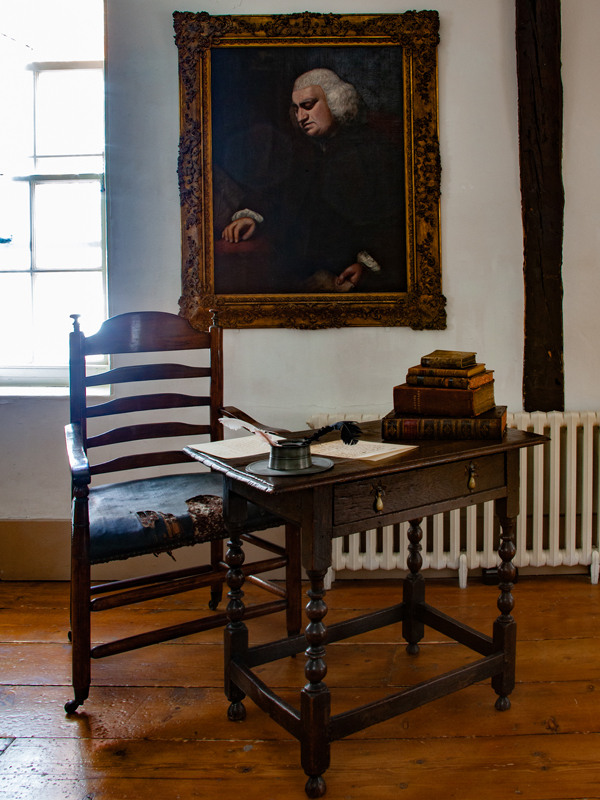
Dr Samuel Johnson's writing desk in his house in Fleet St Quarter
The writing desk where Dr Johnson allegedly wrote his groundbreaking dictionary. (Credit: Supplied)

The most surprising part for me came when I visited Dr Johnson’s House. Before going, I have to admit I knew very little about Samuel Johnson.  

The house itself is beautifully preserved, intimate and atmospheric. Walking through its rooms feels like stepping directly into the 18th century. But what struck me was learning about Johnson himself. 

He was complex, brilliant and far ahead of his time. He faced significant personal struggles throughout his life, yet remained deeply compassionate and committed to intellectual honesty. As a journalist, I found his story especially powerful. He believed fiercely in the importance of language, truth and thoughtful debate. 

Standing in the rooms where he compiled his groundbreaking dictionary, I felt unexpectedly emotional.

Eating my way through a new culinary chapter 

Fleet St Quarter’s evolving dining scene was a highlight. Beyond the historic pubs, some of London’s most interesting new restaurants are quietly settling into these centuries-old buildings.

CORD 
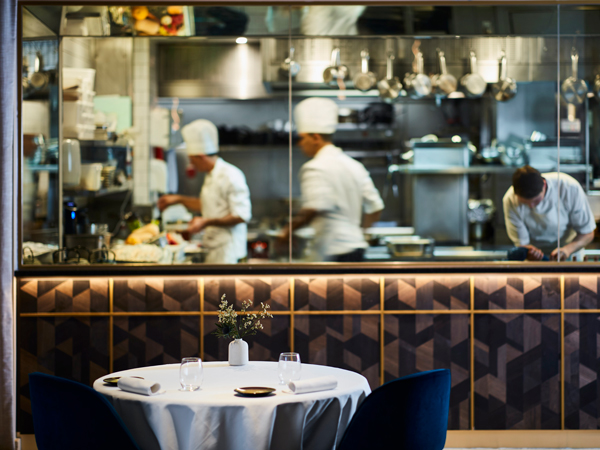
Chefs in the kitchen at CORD by Le Cordon Bleu in London
Enjoy refined dining at CORD by Le Cordon Bleu.(Credit: Supplied)

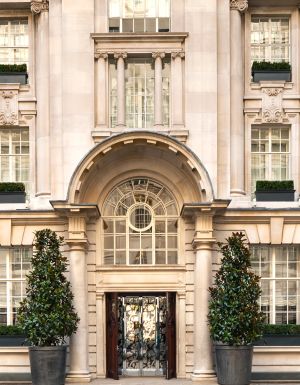
My first dining experience here was at CORD by Le Cordon Bleu, and I went all in with the tasting menu. The restaurant sits inside a beautifully restored heritage building, and walking in feels like stepping into something refined but never intimidating. 

The tasting menu itself felt like a masterclass in balance and technique. Each course was elegant without being overly complex, allowing the ingredients to shine while still delivering moments of surprise. It made me slow down and pay attention, not just to flavours but to textures, presentation and pacing. You can feel the legacy of Le Cordon Bleu in every dish, yet the experience still feels modern and approachable. 

Leydi 
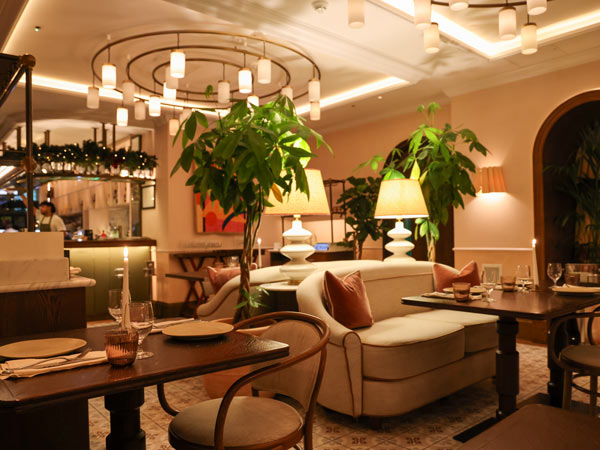
Leydi
Leydi’s ethos is built around sharing. (Credit: Emily Murphy)

If CORD represents culinary precision, then Leydi represents pure warmth and generosity. This Turkish-inspired restaurant is vibrant, welcoming and built around sharing, which immediately changes the mood from formal dining to something more joyful. 

I started with marinated olives bursting with garlic, oregano, coriander seed and lemon. They were simple but intensely flavourful. The hummus with chilli butter, served with soft Turkish bread, was deeply comforting, creamy and just spicy enough to keep you reaching for more. 

The standout, though, was the Sultan’s Delight: slow-cooked Westholme wagyu paired with smoked aubergine and cheese purée. It was rich, indulgent and incredibly tender, and I couldn’t stop myself from devouring the whole plate. 

I finished with pistachio and chocolate ice cream alongside a seasonal sorbet, which felt like the perfect sweet, playful ending. 

Weekly travel news, experiences
insider tips, offers,
and more.

Where to stay nearby 
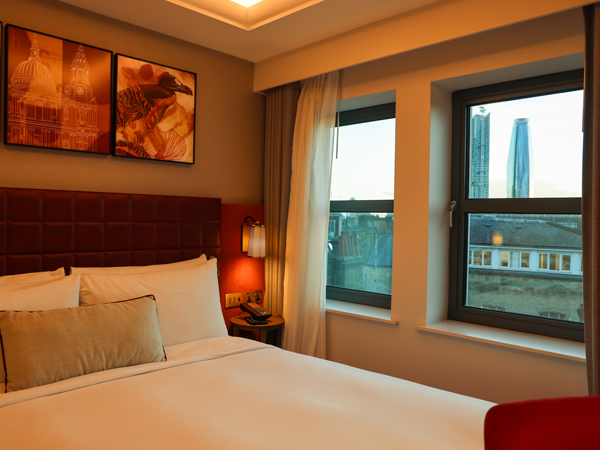
View out room window in Lost Property St Paul's London
Lost Property St Paul’s is a great base. (Credit: Emily Murphy)

If you’re planning to explore Fleet St Quarter properly, staying nearby makes all the difference. I based myself at Lost Property St Paul’s London, which sits right in the heart of the area, making it easy to wander between historic sites, restaurants and hidden corners without rushing. 

It’s the perfect base for immersing yourself in this neighbourhood, where every street seems to hold another story waiting to be discovered. 

Why Fleet St Quarter deserves your time 
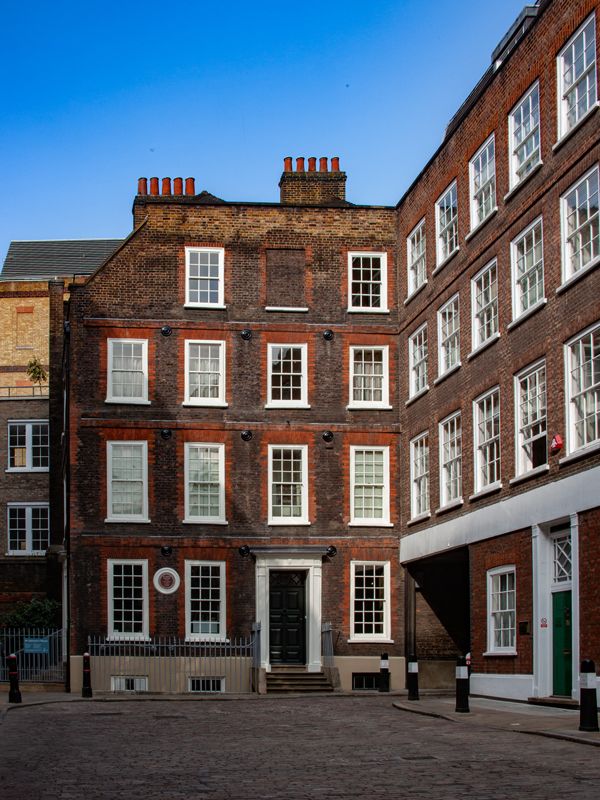
Exterior of Dr Samuel Johnson's House in Fleet Street, London
Fleet Street feels especially meaningful for anyone who works with words. (Credit: Supplied)

What makes Fleet St Quarter special is not just its history or its new restaurants. It’s the way everything here feels connected by storytelling. 

You can dine in a cutting-edge restaurant inside a centuries-old building, then walk a few streets and stand in the home of one of Britain’s greatest literary figures. You can listen to a passionate guide bring the past to life while rain pours down around you. It’s a place that invites you to slow down, look closer and let the stories unfold. 

By the time I left, I realised Fleet St Quarter is not just about London’s past. It is about the ongoing act of storytelling itself, something that feels especially meaningful for anyone who works with words.

Want to see more stories from International Traveller in your Google search results?

  1. Click here to set International Traveller as a preferred source.
  2. Tick the box next to "International Traveller". That's it.
Emily Murphy
Emily Murphy is International Traveller's Email & Social Editor, and in her time at the company, through various roles, she has been instrumental in crafting compelling narratives that inspire others to explore the world. Her previous job was a journalist at Prime Creative Media and before that she was freelancing in publishing, content creation and digital marketing – equipping her with a diverse skill set that enhances her storytelling and audience engagement. When she's not creating scroll-stopping travel content, Em is a devoted 'bun mum' and enjoys spending her spare time by the sea, reading, binge-watching a good TV show and exploring under-the-radar destinations. Next on her travel wish list? Mexico and an African safari.
View profile and articles
hero media

What the European heatwave means for your summer travel plans

Temperatures are soaring this summer, breaking records across Europe and the UK. 

Euro summer is a feeling like no other. But when a heatwave hits? The dream trip quickly turns into a sweaty mess. Extreme heat is sweeping Europe and the UK this week, with record-high temperatures impacting travel plans across the continent.

And while Australian summers are typically hotter in absolute temperature, many European cities aren’t equipped for high temperatures, resulting in unbearable weather.

Why is it so hot in Europe?

Signs of a hot summer loomed in May, when the mercury hit unprecedented spring highs. Now, extreme high temperature warning alerts have been issued in countries such as Spain, Italy, France, England, the Netherlands and Germany.

France saw its hottest day on record on Wednesday, with an average temperature of 30°C across the day and night. This surpasses the average temperature for June, which is 15°C to 25°C. Dozens of people have died, including 40 from drowning.

In Spain, 212 deaths have been linked to the heatwave.

The UK recorded its hottest June day ever on Wednesday with temperatures soaring to 36.1°C. In an article published by the Met Office – the UK’s national meteorological service – Professor Stephen Belcher CBE, Met Office Chief Scientist, shared his concerns about June’s heat. “To see temperatures like this in the UK in June is sobering. Events like this bring home the implications of climate change, with very high temperatures and humidity bringing significant health implications from heat stress, as well as impacts to a range of sectors such as transport, energy and water supply,” he said.

Heatwaves are becoming increasingly common in Europe and the UK, neither of which is prepared for such extremes. The World Meteorological Organization reported that in 2025, at least 95% of Europe experienced above-average annual temperatures and that the continent was heating up twice as fast as the global average.

How travel is impacted

A pharmacy sign displaying 40 degrees Celcius
A pharmacy broadcasting local weather data. (Credit: Getty/Dragoncello)

During a heatwave, power grids, water systems and transport networks can be affected, resulting in disrupted itineraries for travellers. In France, power outages have left thousands without electricity and early closures have been implemented for two of Paris’s biggest attractions, the Eiffel Tower (early afternoon rather than late at night) and the Louvre (two hours early). Eurostar cancelled its London to Paris and Paris to London services from the 22nd to the 25th, and major UK rail companies have been advising travellers to avoid using trains where possible, or to travel during early hours.

If a heatwave is predicted, being flexible with your itinerary and having fully refundable/changeable tickets is key, as extreme heat can force the cancellation of outdoor activities, impact rail and flight services and change the opening hours of sites and eateries.

Why does summer in Europe often feel hotter than summer in Australia?

people swimming in the Canal Saint-Martin in Paris
People swimming in the Canal Saint-Martin in Paris to cool off. (Credit: Rachael Thompson)

With some of the highest UV levels in the world, Australians are no strangers to the heat, adapting well to intense weather. But our infrastructure is largely equipped to withstand soaring temperatures with climate-responsive passive design, refrigerated air conditioning or evaporative coolers, as well as swimming spots aplenty.

Buildings in Northern and Western Europe and the UK, however, are constructed to retain heat and handle frosty winters. The lack of universal air conditioning means it generally feels hotter even though the temperature on your app might not look it. During a heatwave, it can feel like you’re in a sauna as cities act like heat traps.

How to stay cool and prepare for another heatwave

Relief is expected across Europe and the UK later this week, but more heatwaves are still possible in the coming months. Summer heat typically peaks in July and August.

Public transport often doesn’t have air conditioning, and buses in particular can be swelteringly hot. If you’re heading outside or your accommodation has no air conditioning, it’s worth buying a spray bottle and a handheld fan from a pharmacy or tourist stand. Check ahead of time if restaurants and cafes have air conditioning and make a booking in advance. The highest temperatures typically hit between 3pm and 6pm, so aim to head outdoors outside of these hours.

Rising temperatures invite travellers to enter a more intentional era of seeing the world. Now more than ever is the time to embrace lower-impact “coolcations” and off-season getaways.