
It’s a tough job, but someone had to give their credit card a workout to find the best shopping in London…
One of the great shopping capitals of the world and home to the most famous retail brand, Harrods, the world really is your oyster in London.
Whether you’re on the hunt for an amazing vintage find, tailor-made shirt or fragrance, shoppers are spoilt for choice as to where to spend their money. Here are the best shops in London, including department stores, markets and boutiques.
Harrods
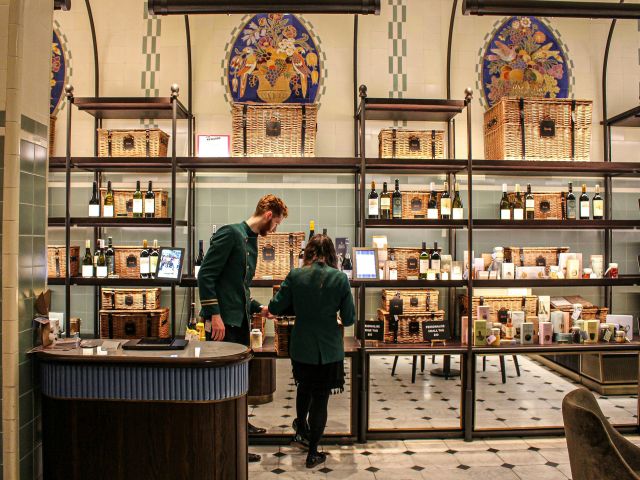
Founded in 1849, Harrods is undoubtedly one of the most iconic department stores in the world. While the designer retail is impressive, it’s the Harrods Food Halls that get most people excited. Wandering around them is a mouth-watering visual and sensory delight, with everything from gourmet cheese, truffles, artisan breads, fresh seafood and spirits at your disposal. Have a spot of lunch at one of the many restaurants before entering the chocolate hall; otherwise, you run the risk of some serious overindulgence.
Address: 87-135 Brompton Road, London SW1X 7XL
Nearest underground: Knightsbridge
Camden Markets
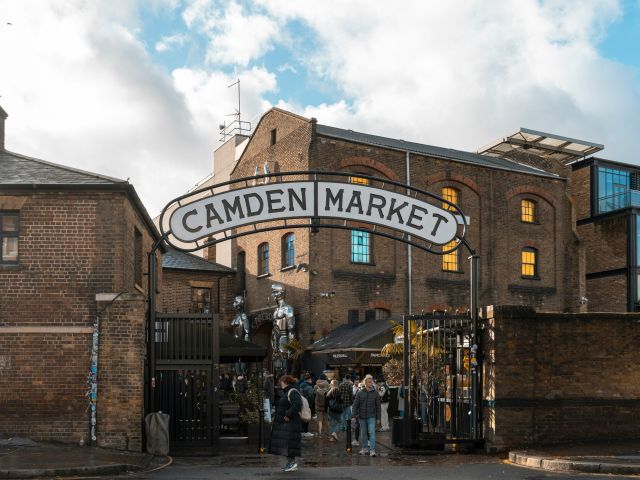
The great market of London, the Camden Markets are in fact four markets in one, the largest being the Stables Market. They are far less crowded during the week, but that means you lose out on the better half of the experience – the more alternative Londoners who descend on the markets every weekend, plus the hordes of tourists who make it the fourth most visited sight in London. Go on an empty stomach; you’d kick yourself if you couldn’t try the food. Make an effort to arrive along Regent’s Canal for a very underrated London experience. Afterwards, stroll up to Primrose Hill for a great view over London and some more refined dining.
Address: 54-56 Camden Lock Place, London NW1 8AF
Nearest underground: Camden Town
Liberty London
Liberty London is where the discerning shoppers make a beeline for. Founded in 1875, the mock-Tudor facade of this boutique department store is worth seeing alone, but inside is a treasure trove of high-end goods that are perfectly curated. Shop upscale fashion, jewellery, homewares, beauty, as well as Liberty London’s legendary paisley textile designs, which can be bought by the metre. The beauty hall is impressive and stocked with local and international brands such as Jo Malone, Diptyque and Victoria Beckham.
Address: Regent Street, Carnaby, London W1B 5AH
Nearest underground: Oxford Circus
Dover Street Market
Found in St James’s, Dover Street Market is frequented by London’s fashion insiders. Positioning itself as an avant-garde fashion retailer and concept store, Dover Street Market celebrates luxury fashion, streetwear and in-store art installations. Expect five floors of brands like Maison Margiela, New Balance, Alaïa and Comme des Garçons (Dover Street Market founder’s brand).
Address: 18-22 Haymarket, London SW1Y 4DG
Nearest underground: Piccadilly Circus
Penhaligons
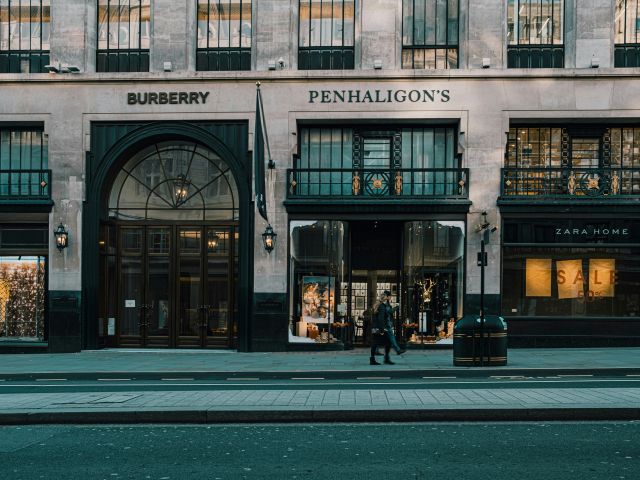
British scent makers serving the world for more than 150 years, you’ll enjoy an olfactory workout trying to find the right perfume for you from their approximately 120 fragrances. Made from rare natural extracts like hand-squeezed bergamot and ambergris and bottled in their iconic bow-tie vessels, they’re sure to make for a well-received gift back home.
Address: 11 stores in various locations across London.
Nearest underground: Dependent on the location
Selfridges
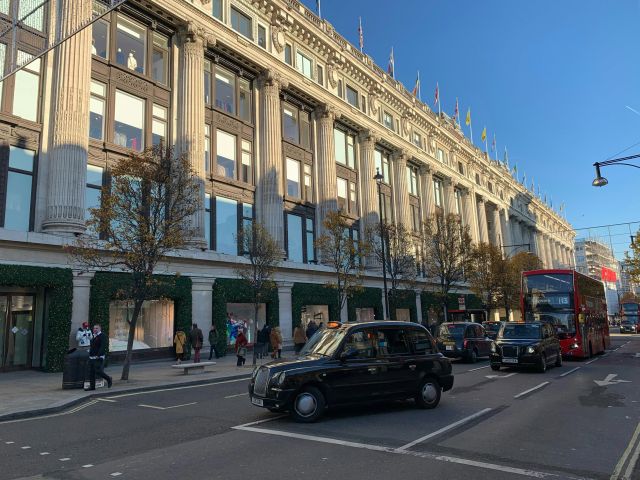
A more wallet-friendly department store (compared to Harvey Nicks and Harrods) on Oxford Street, Selfridges is the David Jones equivalent of London. You’ll find everything from local and international brands, from conservatively priced to ultra-high fashion. The food hall doesn’t quite rival Harrods, but drop into Selfridges when needing some sustenance for one of the best-kept London secrets – it serves the best salt beef sandwich in London, Europe, the Northern Hemisphere, the World.
Address: 400 Oxford Street, London W1A 1AB
Underground: Bond Street
Old Spitalfields Market
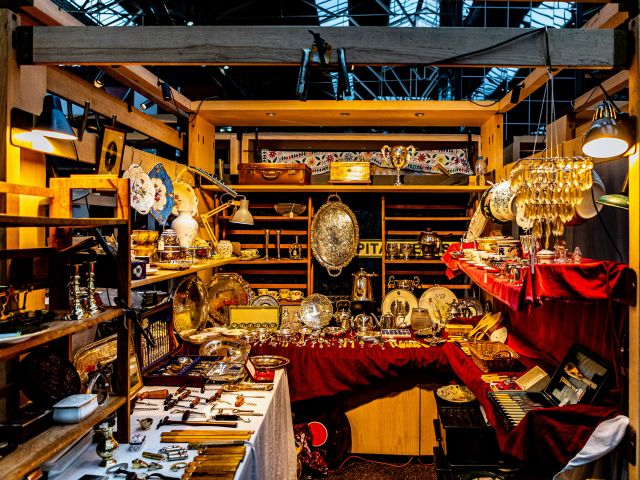
Less touristy and crowded than the more well-known markets, Camden, Brick Lane and Borough, Spitalfields has carved out a niche with fashion, plus the usual knick-knacks, trinket stalls and food. It’s covered, which makes a rainy day visit possible. Make it an afternoon activity and then move on to a night in funky Shoreditch.
Address: 16 Horner Square, London E1 6EW
Underground: Liverpool Street
Weekly travel news, experiences
insider tips, offers, and more.
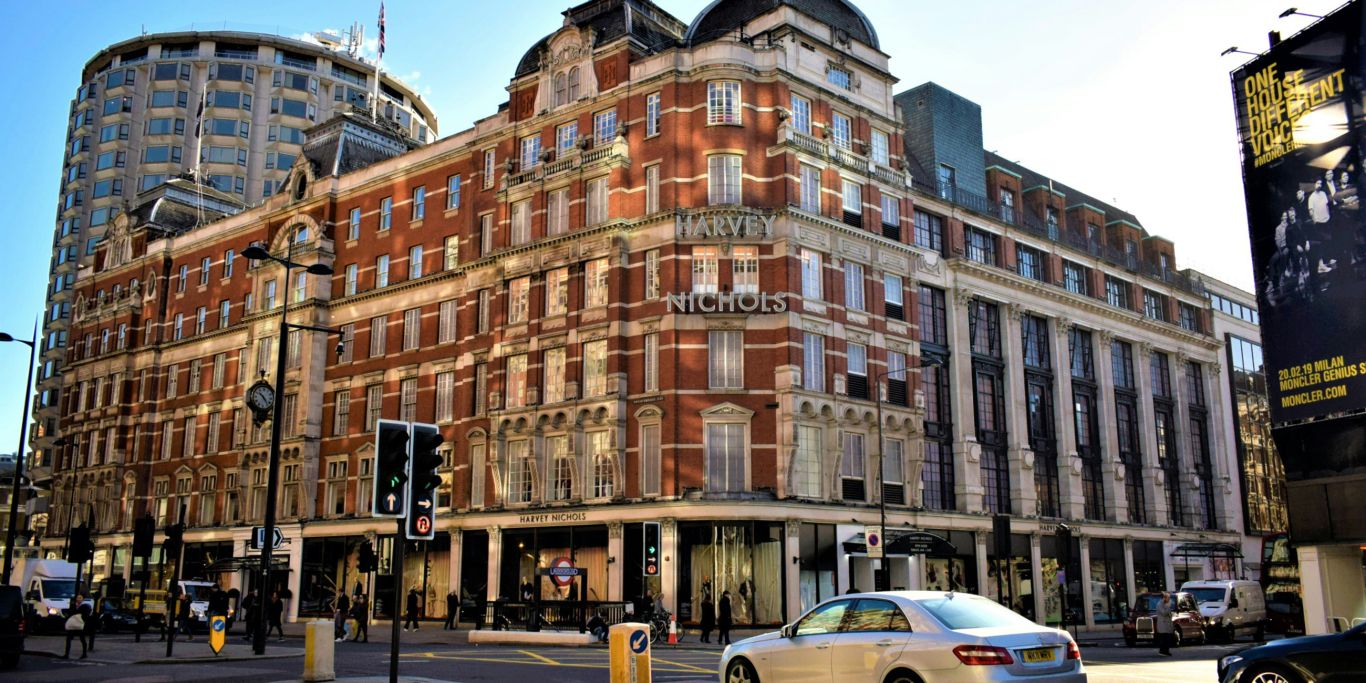
Harvey Nichols
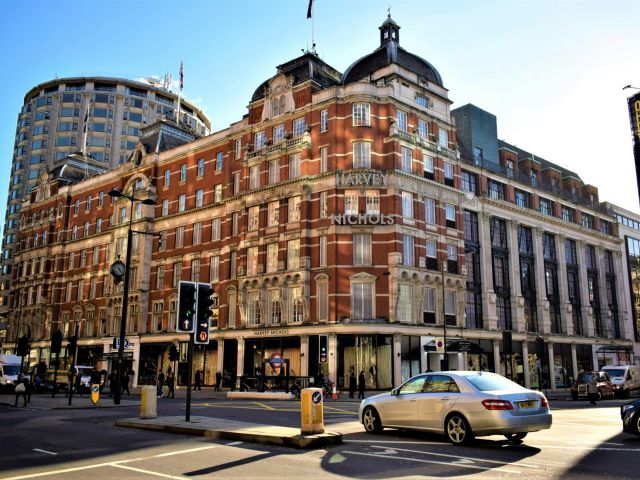
Founded in 1831 and just up the road from Harrods, ‘Harvey Nicks’ was made famous by the antics of the women in Absolutely Fabulous. But as for shopping experiences, it is preferred to its better-known neighbour. The range and selection are top-notch with all of the high-end brands you’d expect, plus an all-day European cafe.
Address: 109-125 Knightsbridge, London SW1X 7RJ
Underground: Knightsbridge
Jermyn Street
Established in 1664, this is London’s most elite shirt-making and tailoring street, and where to come if you have a formal event on the horizon. You’ll also find traditional barbers and fine cheesemongers here, and it’s worth taking a gander at the Piccadilly Arcade, which has specialty shoemakers, jewellers and other one-off artisan finds of exquisite (and expensive) quality.
Address: Jermyn St
Underground: Piccadilly Circus
Portobello Road Markets
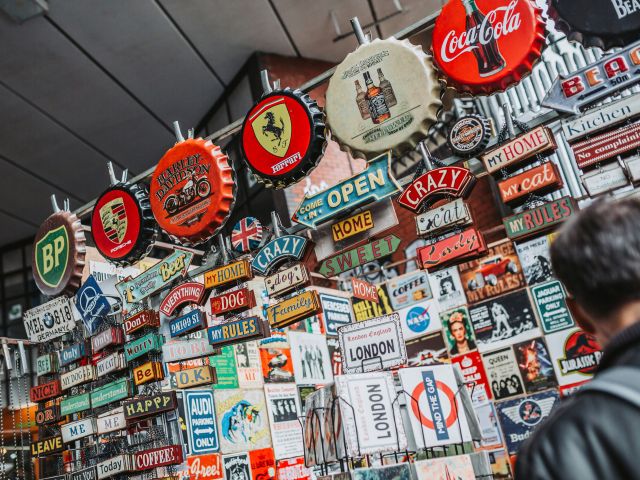
Located in Notting Hill, Portobello Road Markets is the world’s largest antique market with over 1,000 stalls and vendors who sell fashion items, fresh produce and global street food. The market stretches a mile along a street flanked by the neighbourhood’s iconic colourful homes, making for a very pretty day out.
Address: Portobello Road, Notting Hill, W11
Underground: Notting Hill Gate
Hamleys
Founded in 1760, Hamleys is a real life toy emporium and the ultimate in the world’s toy shops. Across seven floors of giddy-inducing fun, you’ll find books, dolls, board games, Lego and much more. If you have any gifts to buy for under-18s, use that as an excuse to entertain your inner child for a fulfilling afternoon.
Address: 188-196 Regent Street, London W1B 5BT
Underground: Oxford Circus
Want to see more stories from International Traveller in your Google search results?
- Click here to set International Traveller as a preferred source.
- Tick the box next to "International Traveller". That's it.