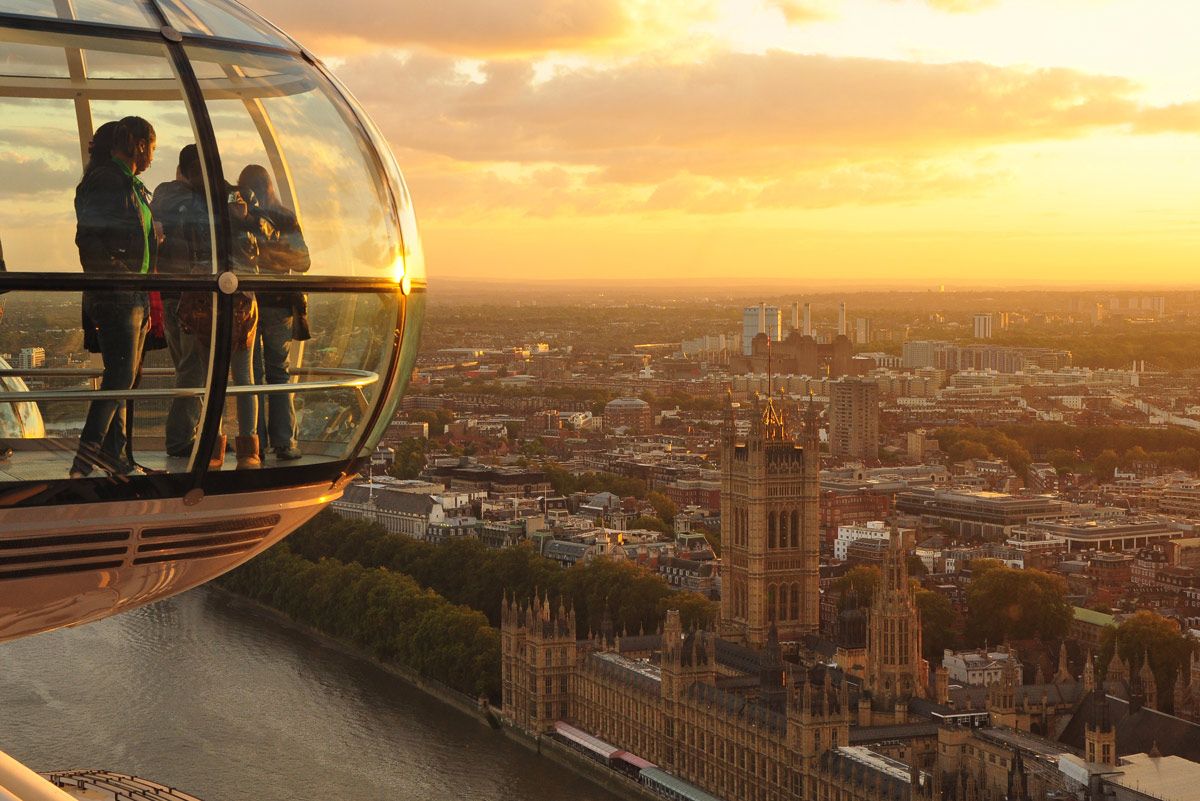
Take a step back from the hustle and bustle that London is known and loved for to marvel at her in all her glory from these heady heights.
Every major city has a tall building offering outstanding views to entice tourists, from Dubai’s Burj Khalifa to New York’s Empire State Building. But London does things a bit differently.
Given her ripe old age, there are a variety of interesting scalable structures both old and new, natural and man-made to give you a different take on one of the best cities in the world.
1. The Monument
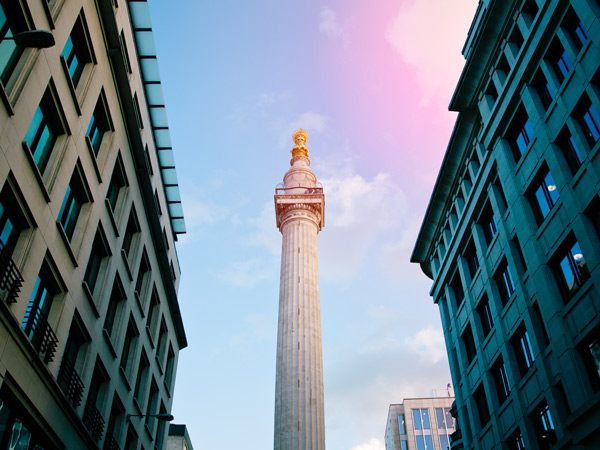
311 steps will take you to the top of The Monument, a stone column that marks the point where the Great Fire of London started in 1666.
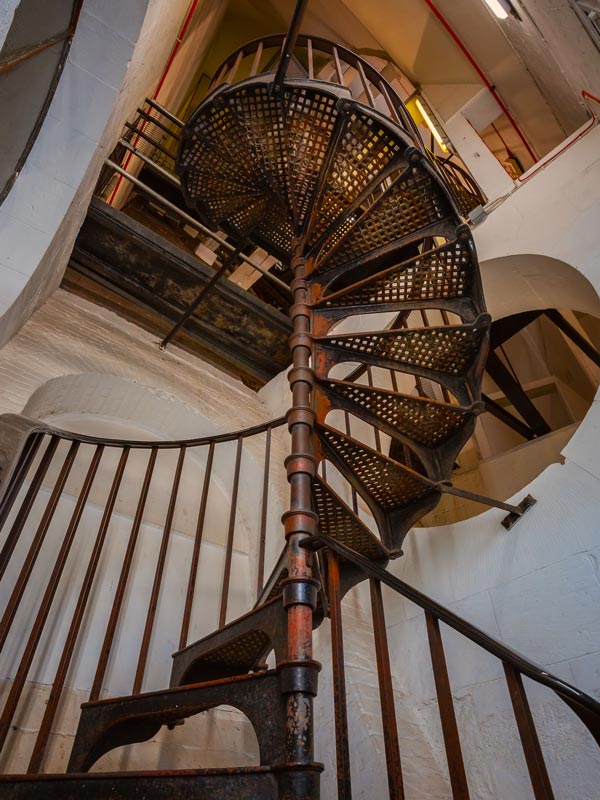
Opened in 1677 it has been providing visitors with 360-degree views of the city for over 300 years. Edge your way up the spiral staircase that takes you to the viewing platform where you can squeeze around the periphery of the column amongst your fellow visitors while you take in the views.
Cost: Adult £6 ($11.20); Child £3 ($5.60)
Address: The junction between Fish Street Hill and Monument Street, London
2. St Paul’s Cathedral
Not everyone knows you can climb to the top of St Paul’s Cathedral, making it a unique and affordable experience and one of my favourite places to take visitors when I lived there.
The climb to the top is in three phases, and before you have visions of harnesses and belays, it is all done inside the cathedral via steps – 528 steps to be precise.
The first phase takes you to the main dome where you can peer down inside the cathedral and try to talk to your companion from the other side of the ‘whispering gallery’ as your voice magically travels around the inside of the dome.
Next climb to the Stone Gallery before the final push up the narrow stairs to the Gold Gallery which is almost at the very top of the cathedral dome, where you can marvel at your achievement and the views.
Cost: Adult £20.50 ($38); Child £9 ($16.80)
Address: St. Paul’s Churchyard, London
3. The Sky Garden
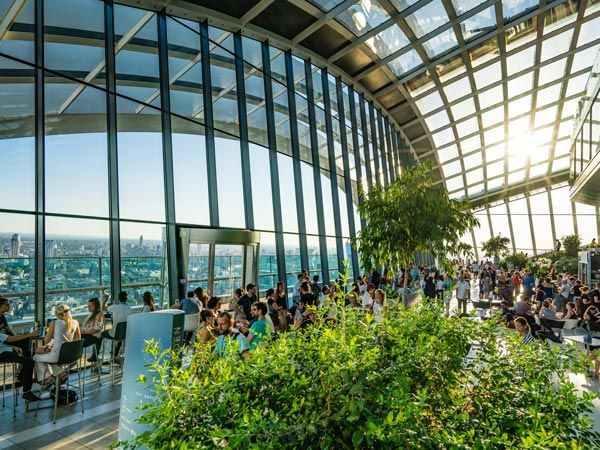
Opened in 2015 the Sky Garden is notably one of the younger vistas to visit. The garden sits across the top three floors of a 37-floor commercial skyscraper nicknamed the ‘Walkie Talkie’ by Londoners due to its shape.
It’s London’s highest public garden with the bonus of 360-degree views. Built post the introduction of health and safety and accessibility requirements, unlike some of the older vantage points on the list, lifts and wide spaces make the Sky Garden more user-friendly than its more historical counterparts.
Cost: Free, but you need to book in advance (available up to three weeks in advance)
Address: 1 Sky Garden Walk, London
4. The Tate Modern
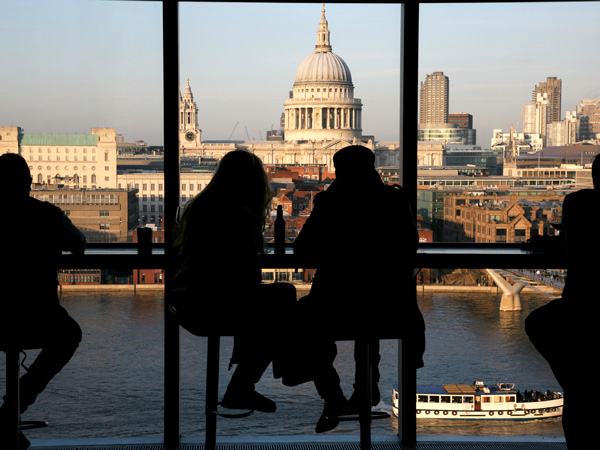
The Tate Modern Kitchen and Bar in the museum offers fantastic riverside views of London. My favourite time to arrive was at doors opening at 10 am for a coffee at one of the high-top tables facing the window so I could marvel at the beautiful London skyline and watch the boats on The Thames before the crowds arrived.
Cost: Free with a food or beverage purchase
Address: Bankside, London
5. Parliament Hill
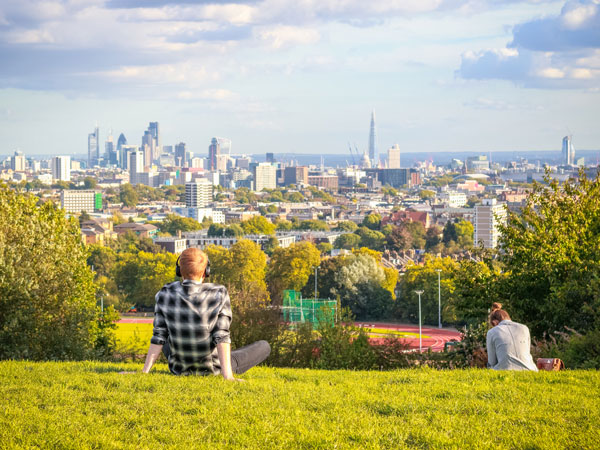
Your surroundings might feel familiar as you walk to the top of Parliament Hill which has featured in a number of movies including Eternals, Notes on Scandal and Run Fatboy Run to name just a few. A gentle incline up this grassy knoll takes you to a height of 98 metres – making it one of the highest points in London. Take a picnic and a can of gin and tonic to enjoy while you admire the view.
Cost: Free
Address: Parliament Hill, Hampstead Heath
6. Tower Bridge
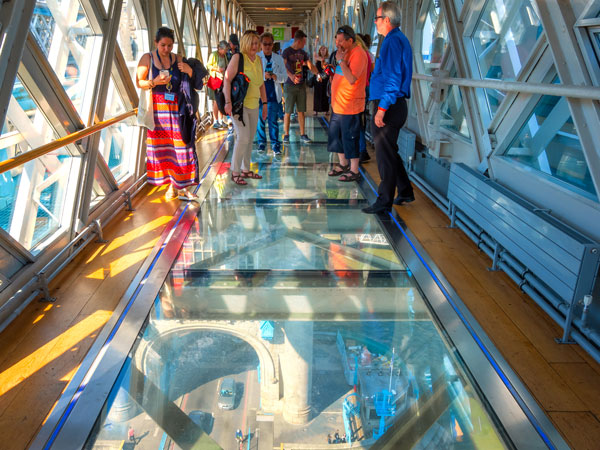
The two enclosed walkways connecting the towers of Tower Bridge had glass walkways installed in 2014 enabling visitors to gain an impressive bird’s eye view, in addition to the panoramic view, from 42 metres above The River Thames. If you’re lucky enough to time it just right, you may even see the bridge open.
Cost: Adult £12.30 ($23); Child £6.20 ($11.50)
Address: Tower Bridge Rd, London
7. The Shard
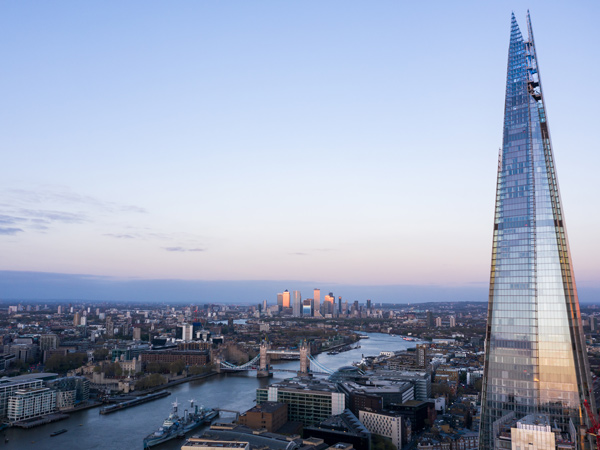
As London’s highest building, unsurprisingly The Shard offers the highest viewing gallery with 360-degree views of the capital.
‘The View from the Shard’ experience can be accessed across three floors. On level 72 you can access the ‘Sky Deck’ which is outside.
Cost: Tickets from £28 ($52.50) for both adults and children with various add-ons available, such as a glass of champagne
Address: 32 London Bridge St, London
8. IFS Cloud Cable Car
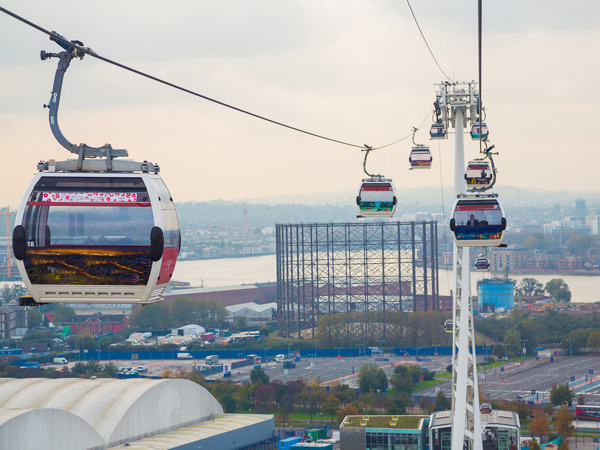
The Cable Car transports you 90 metres above the Thames between Greenwich on the south of the river and the Royal Docks on the north.
A novel way to travel across the city, the 1-kilometre journey takes approximately 10 minutes. As part of Transport for London, you can use your oyster card or tap your debit card to pay while you rub shoulders with the locals on their commute.
Cost: Adult £6 ($11); Child £3 ($5.50) for a one-way journey
Address: Greenwich Peninsula Terminal, Edmund Halley Way, London or Royal Docks Terminal, 27 Western Gateway, London
Weekly travel news, experiences
insider tips, offers, and more.
9. The London Eye
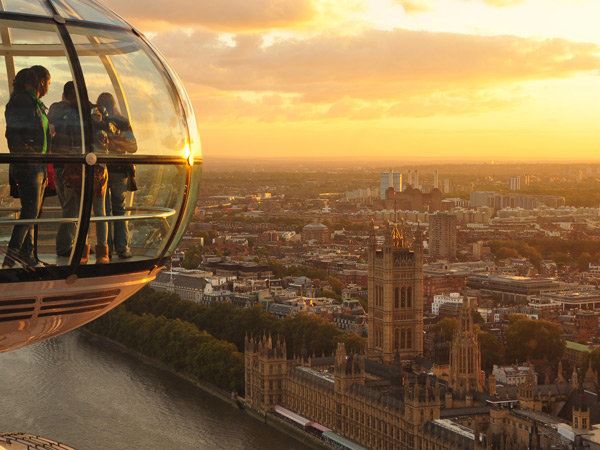
You can’t help but notice the massive Ferris wheel jutting up into the London skyline as you explore the city.
A ride on the London Eye provides excellent 360-degree views and a fun experience from a very central location. Its well-known tourist attraction status comes with a high price tag.
Cost: Adult £38 ($71); Child £34 ($63)
Address: Riverside Building, County Hall, London
10. Queen Elizabeth Hall Roof Garden
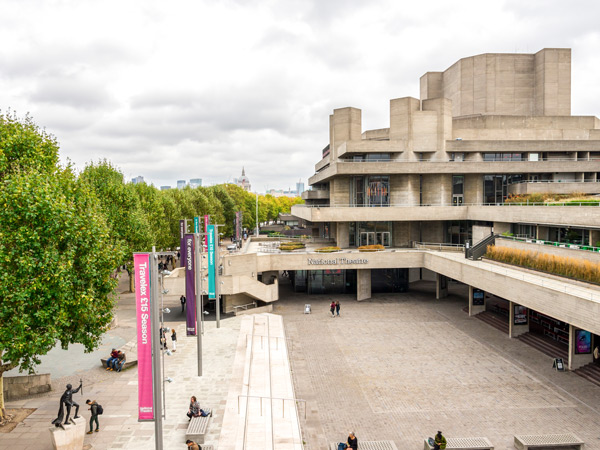
Not the highest vista on the list but definitely one of the coolest. Enjoyed by both locals and tourists the gardens include 200 different species of plants and even a lawn.
Sit amongst nature where you least expect to find it and enjoy looking down on the South Bank and across the river while enjoying a coffee from the cafe and, if you’re lucky, some sunshine.
Cost: Free
Address: Southbank Centre, Belvedere Rd, London
11. Big Ben
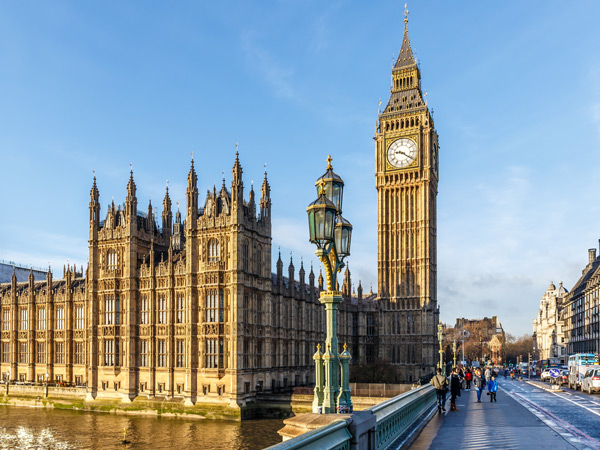
Heading to London this winter to enjoy the Northern Hemisphere’s summer? Big Ben (also known as Elizabeth Tower) is set to resume tours this year, after a five-year hiatus due to extensive renovations of the iconic London landmark.
Cost: TBC
Address: Palace of Westminster, 67 Bridge St, London
Want to see more stories from International Traveller in your Google search results?
- Click here to set International Traveller as a preferred source.
- Tick the box next to "International Traveller". That's it.