
Your guide to the most picture-perfect pubs across the UK.
When it comes to picking which pubs to go to in the UK, it’s never just a simple case of deciding if you like the beer tap selection.
Instead, it’s all about those history-meets-pretty calculations. Think adorable, thatched roofs, unearthly spectral apparitions and literature pedigrees that go back over a thousand years… and the tap selection.
But this country has never been shy with its number of boozers. We’ve picked our favourites across its coast, countryside and cities, to help you spend your time here wisely – and a bit tipsily.
1. The George Inn, London
This London pub dates back to the 17th century after a fire ravaged Southwark in 1677. But a drinking hole has been here since mediaeval times. One of The George Inn’s claims to fame is the fact that it is the last galleried coaching inn left in the capital, with balconies that would have been ideal for hosting those Elizabethan plays.
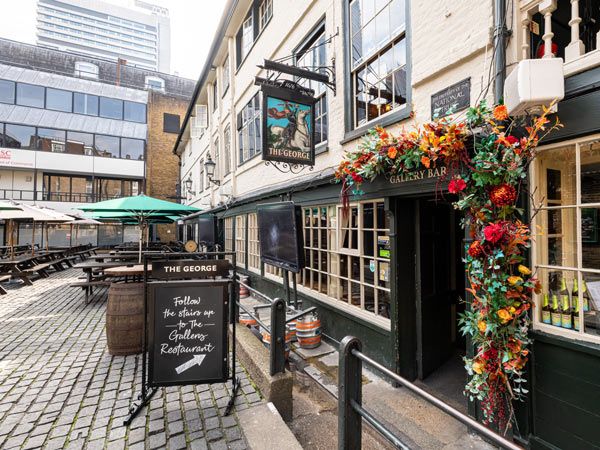
This National Trust property’s connection to the arts goes back centuries. William Shakespeare was a regular here, as was Charles Dickens, who mentioned The George Inn in his novel, Little Dorrit. Going back even further, The Tabard Inn next door, which has since burned down in the fire, was mentioned in Geoffrey Chaucer’s The Canterbury Tales.
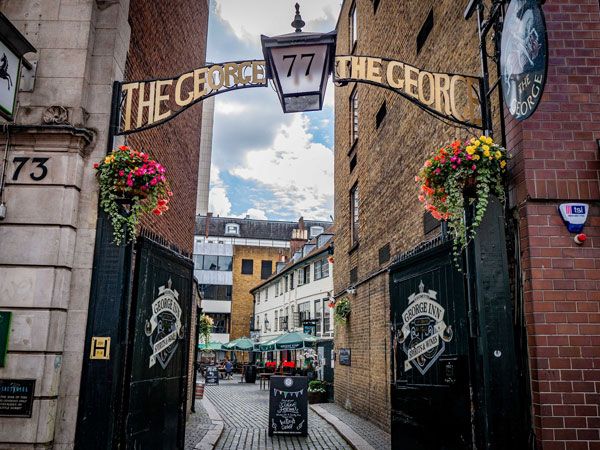
Address: 75 Borough High St, London, England
2. The Prospect of Whitby, London
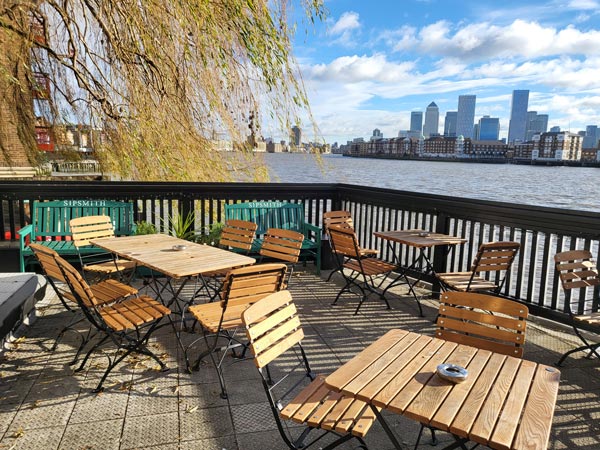
Make your way to East End London for the city’s oldest riverside tavern. Dating back to the early 16th century, The Prospect of Whitby has a storied history. Not only did it have a reputation for being a favourite drinking hole for sailors, but also pirates, violent cut-throats and smugglers.
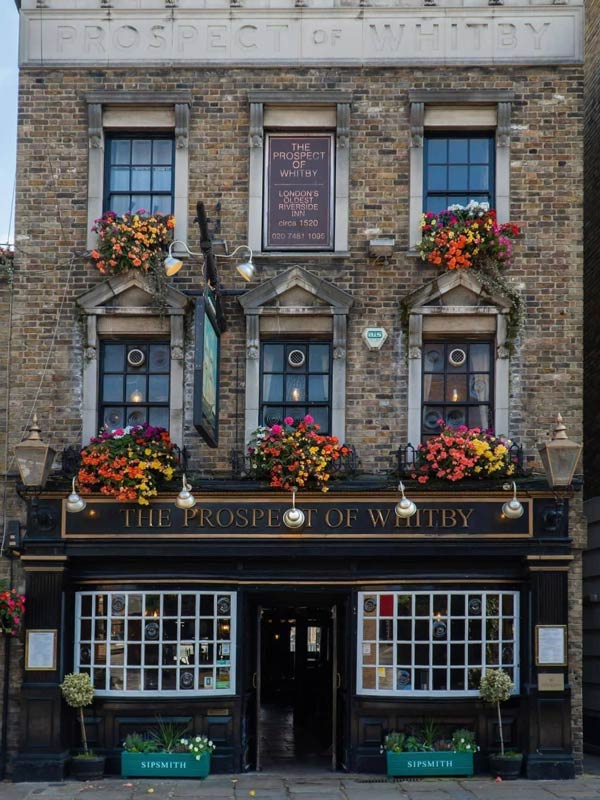
In fact, the notorious pirate, Captain Kidd was hanged nearby. There is even a noose commemorating the many victims of death by hanging at the back of the pub. The sense of history is everywhere you look in The Prospect of Whitby: ship masts are built into the building and the flagged stone floor is 400 years old.
Address: 57 Wapping Wall, London, England
3. The Lord Crewe Arms, Blanchland
The Lord Crewe Arms can be found on the heather-strewn, hauntingly beautiful moors of Northumberland in north east England. Like many of the other pubs on this list, it has a long history of drama and culture.
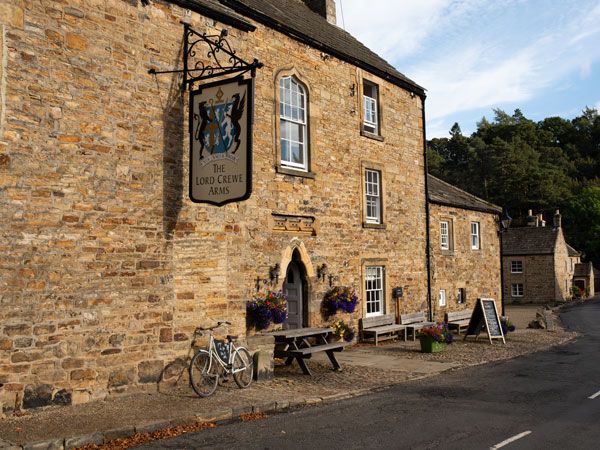
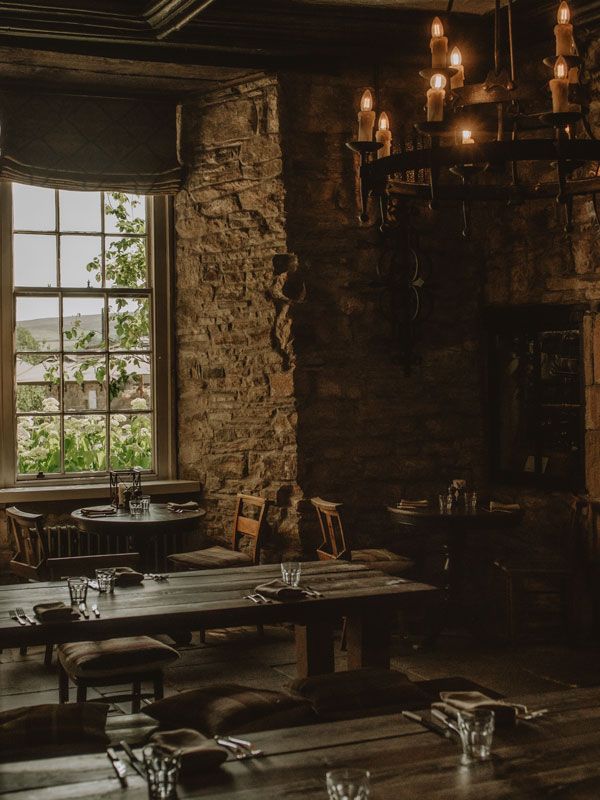
The 850-year-old pub-hotel’s enormous fireplace was where a general hid during the Jacobite risings: a big sell for fans of the historic-time travelling romance of Outlander which was set during this time.
The building itself dates back to the 12th century when it was built as a guest house for the nearby Blanchland Abbey. Go there for a night sleeping under chequered, knitted blankets, or to dive into a dinner of northern specialties.
Address: The Square, Blanchland, Consett, England
4. Tŷ Coch Inn, Porthdinllaen
The UK might not exactly be associated with beachside bars, but the Tŷ Coch Inn in the old fishing village of Porthdinllaen in Cymru/Wales proves otherwise and has been named one of the best beachside pubs in the world.
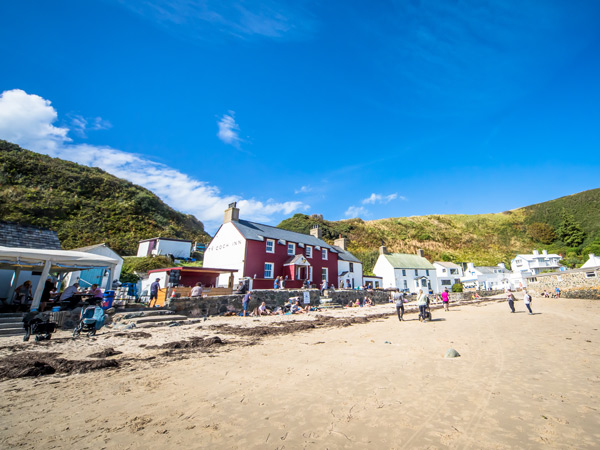
Situated on the LLŷn Peninsula in north-west Cymru (Wales), Tŷ Coch Inn looks over a sandy beach, towards the Irish Sea. It is only accessible by foot for visitors, with locals only having vehicle access.
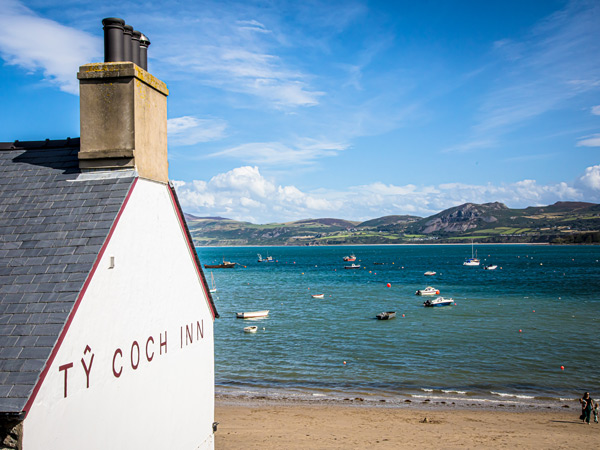
Address: Porthdinllaen, Morfa Nefyn, Pwllheli, Wales
5. Pandora Inn, Mylor, Cornwall
Another beachside pub – this time in Cornwall – The Pandora Inn. This 13th-century Cornish pub is named after HMS Pandora, a ship which was dispatched to the southern hemisphere to catch Captain Bligh’s mutineers, before being wrecked on the Great Barrier Reef.
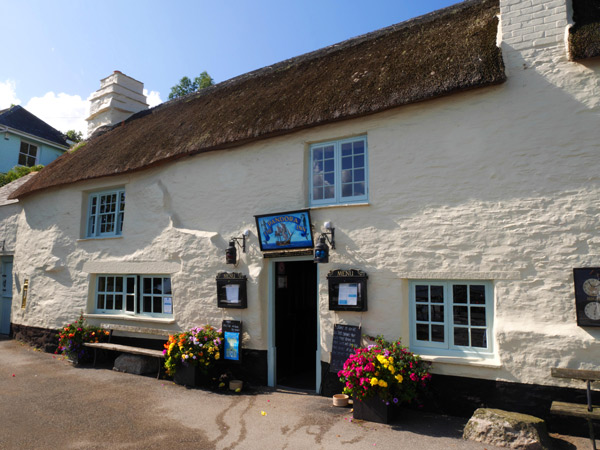
This history, along with stone-flagged floors, low green oak beamed ceilings and thatched roof, might be enough to get you down there for a pint and some fresh Cornish seafood. Add in the fact that you can rock up here by boat, and you will be whipping off that life vest in no time.
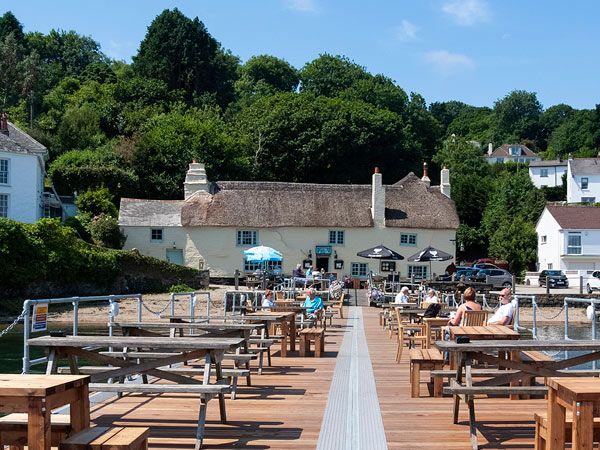
Address: Restronguet Creek, Falmouth, England
6. Kirkstile Inn, Loweswater
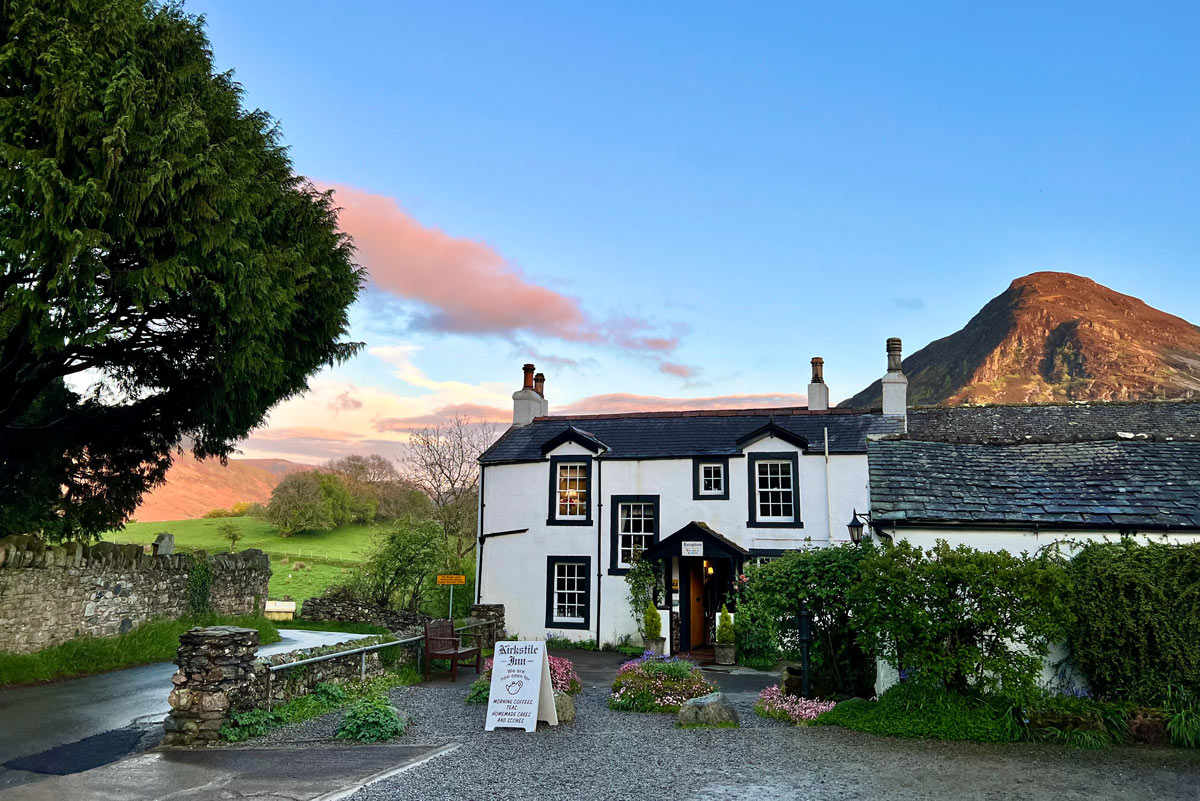
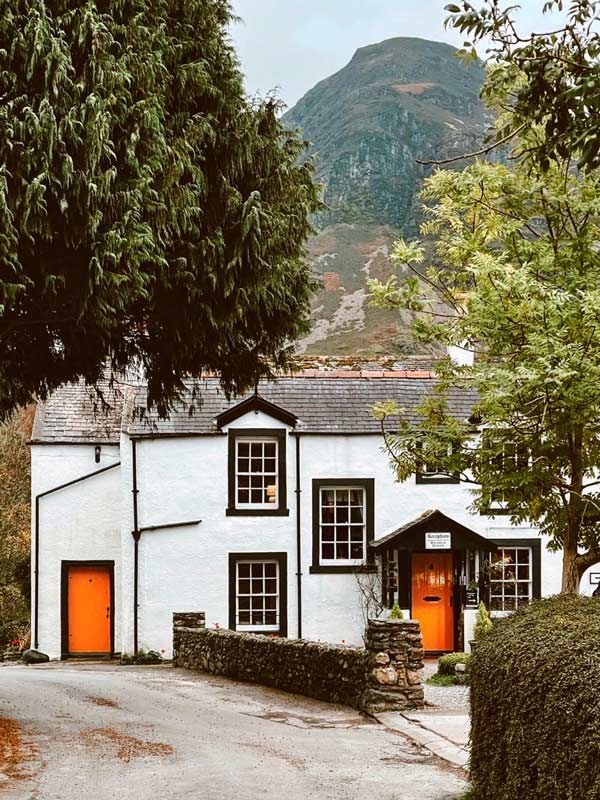
The Lake District is one of the top places to go in the UK if you want to hike its snowy peaks and walk by lakes fed by melting snow and rain. And the perfect place to go when you’re wanting to take a break? The Kirkstile Inn.
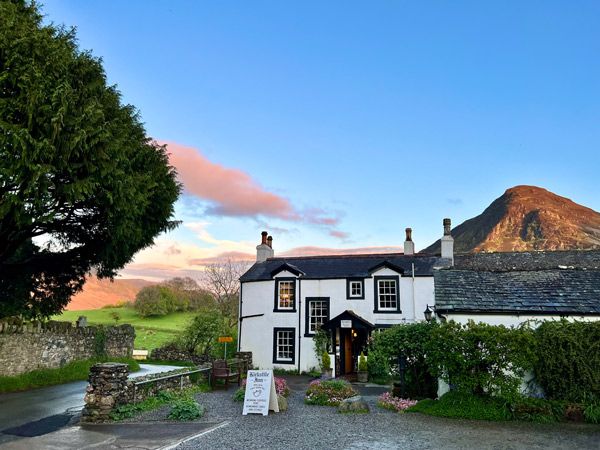
This 16th-century pub is in the western part of the Lake District and is perhaps most famous for its fantastic views of the great Mellbreak Fell. Who knows, having this in your eyeline at lunch might inspire you to trek up there too.
Address: Loweswater, Cockermouth, England
7. The Devil’s Advocate, Edinburgh
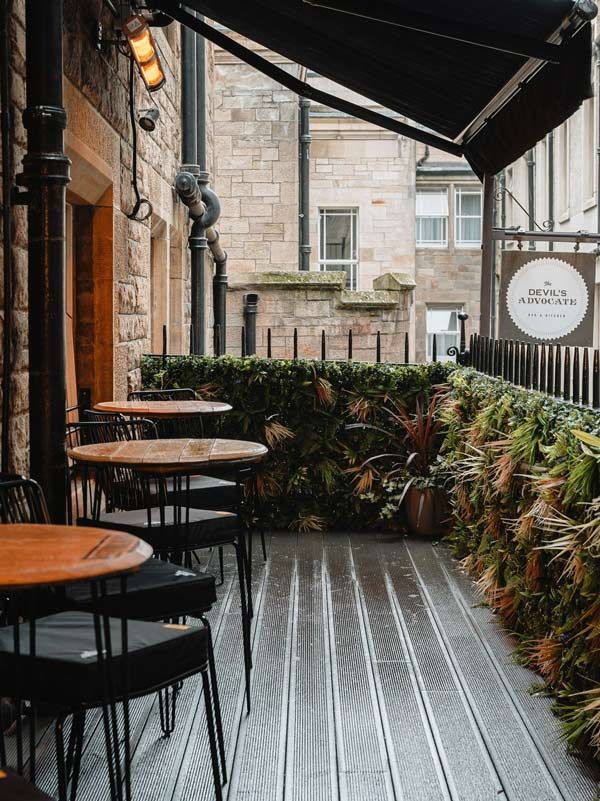
If you’ve ever taken a tour in the Scottish capital, chances are you took a stroll down the narrow street of Advocates Close off the Royal Mile. But did you know that if you take the darkened staircase, and keep an eye out to your left, you will see the nondescript entrance of The Devil’s Advocate?
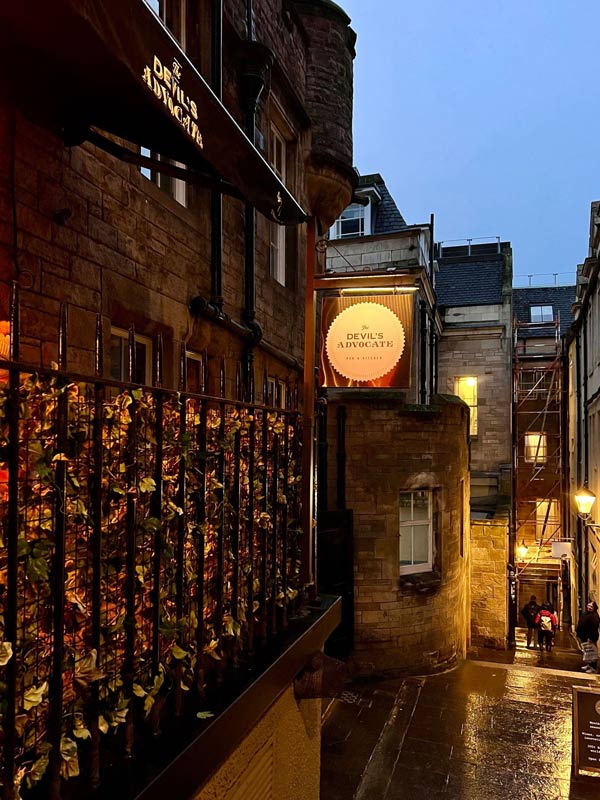
Built in a former Victorian pump station, the modern beauty of this bar is very much on the inside. Reclaimed wood timbers, old stone floors and brick walls make a stark contrast with the hundreds of shining whisky bottles.
Address: 9 Advocate’s Close, Edinburgh, Scotland
8. The Drovers Inn, Loch Lomond
Loch Lomond and Trossachs National Park are famed for their natural beauty, where the Scottish Highlands meet the Lowlands. But that doesn’t mean there isn’t a spooky tale or two here to send shivers down your spine.
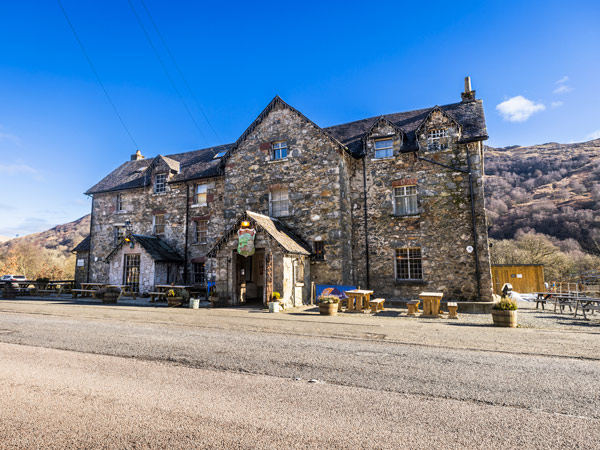
Enter the 18th-century Drovers Inn, where you can admire its storm cloud grey stone walls and enjoy ‘haggis and neeps’ by the fire. You may also hear a chilling tale or two, like the family who were thrown off their land by a greedy landowner, only to freeze to death on their way to the inn…
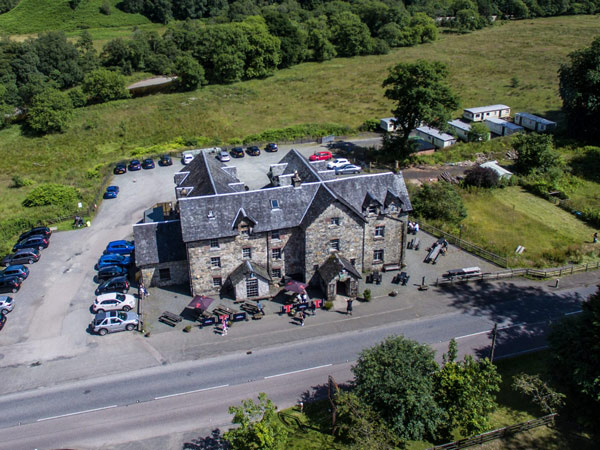
Address: North Loch Lomond, Inverarnan, Scotland
Weekly travel news, experiences
insider tips, offers, and more.
9. The George Inn, Mere
The south-west of England has some of the richest farmland in the country – and some of the prettiest pubs. Take The George Inn, a stone 16th-century half-timbered pub in the market town of Mere. Not only are the white and black timbered outside exceedingly lovely to look at, but royal history fans will also be equally enamoured.
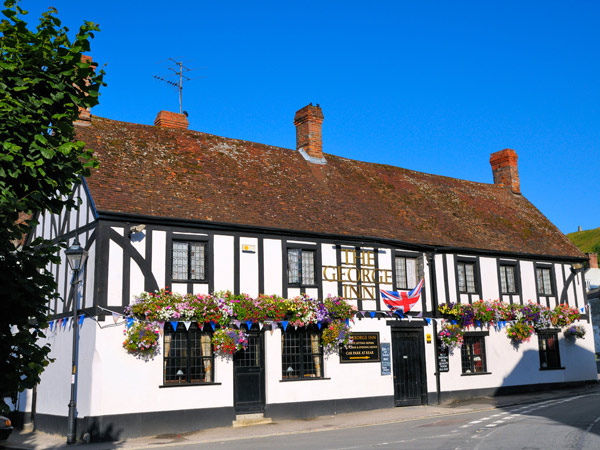
Local records show that King Charles II ate here after losing the final battle of the English Civil War… before later losing his head. If that story hasn’t turned your stomach, make sure to order a West Country cider and a ploughman’s platter, with its combination of local cheddar cheese, cold meats and chutneys.
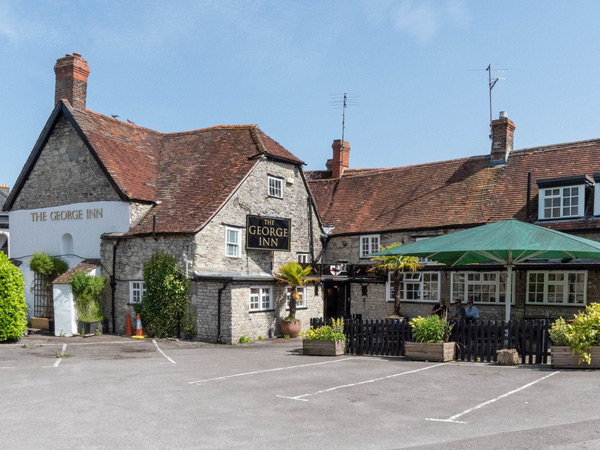
Address: The Square, Mere, Wiltshire, England
10. Crosskeys Inn, Toomebridge
With its foot-worn stone floors, low ceilings and open turf fires, the Crosskeys Inn in Northern Ireland raises the bar when it comes to patrons on the hunt for a traditional Irish pub.
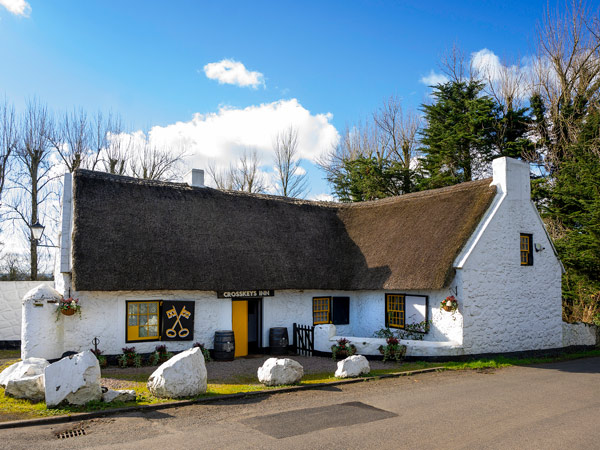
Not only does this rural pub have the oldest thatch roof in Ireland, but its walls are decorated with generations of newspaper clippings of past patrons and traditional music sessions, which continue to this day.
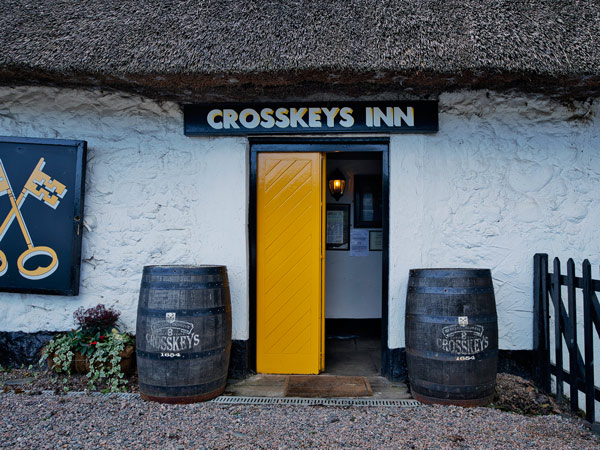
Address: 40 Grange Rd, Toomebridge, Antrim, Northern Ireland
11. The Old Ferry Boat Inn, Holywell
Think you’re impressed with a 15th-century pub? The Old Ferry Boat Inn in Cambridgeshire not only beats that – it does so with aplomb, with a pub on this spot having been here since 560 AD.
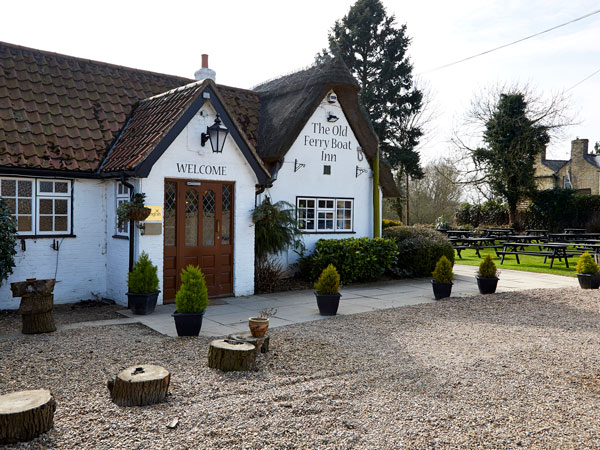
As you enter, be careful not to stand on the ‘gravestone’ of the young Juliet Tewsley. Local lore says the 17-year-old supposedly buried here died after being spurned by a lover and her ghost will appear if you put as much as a toe on it.
Too scared to enter? Sit at a wooden table outside, to admire the outside of the white stoned and thatched pub and watch the River Great Ouse flowing by.
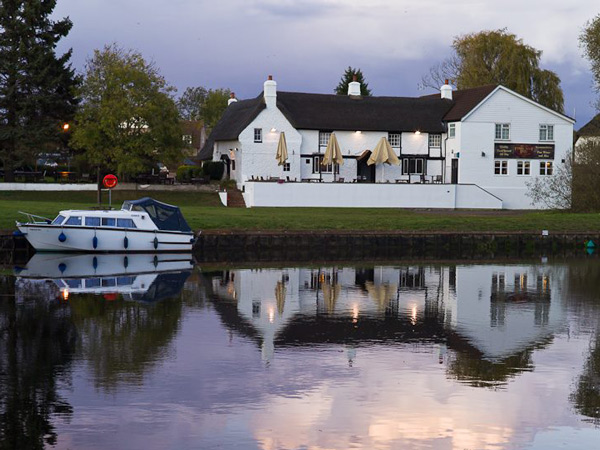
Address: Holywell, Huntingdon, St. Ives, England
12. The Mermaid Inn, Rye
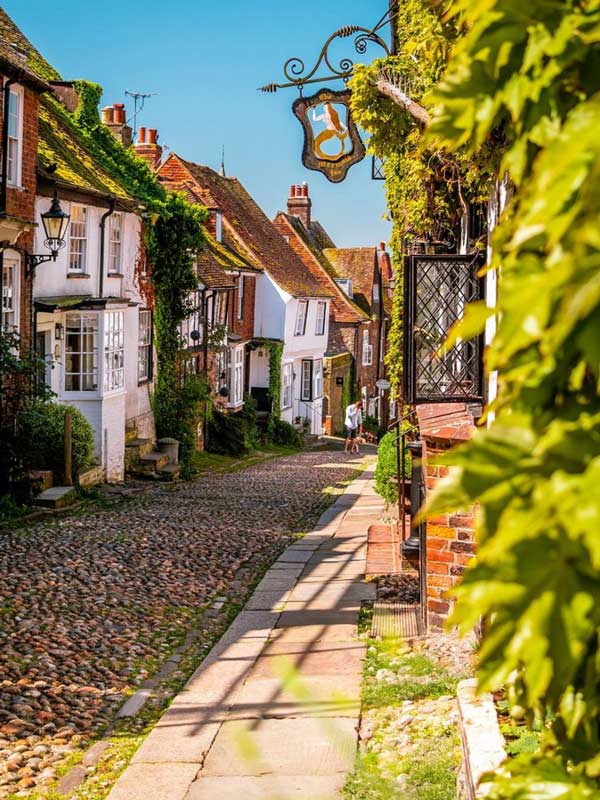
If you’re a sucker for a cobblestoned street, The Mermaid Inn in south east England is the place for you. To get there, walk down the narrow pathway of Mermaid Street and enter under the siren sign. Inside is a gorgeous interior, complete with a giant fireplace, mediaeval-style artworks, and a 12th-century cellar.
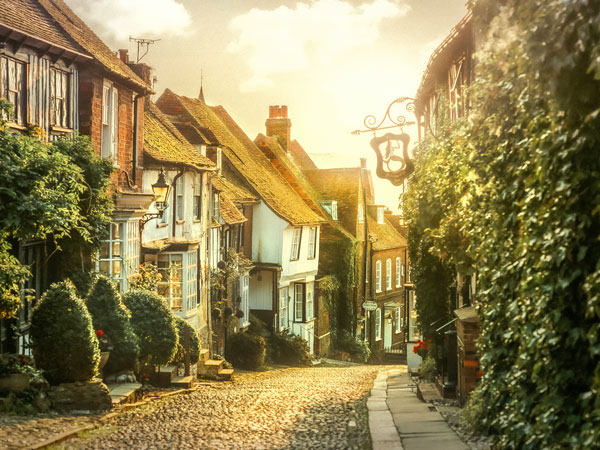
But The Mermaid Inn isn’t just a pretty face. The brutal smugglers of the Hawkhurst Gang used it as a base and were known for dining there with loaded pistols on the table. Nearby, a secret passageway leads to a ‘priests hole’, where Roman Catholic priests would hide during times of persecution in the UK.
Address: Mermaid Street, Rye, East Sussex, England
Want to see more stories from International Traveller in your Google search results?
- Click here to set International Traveller as a preferred source.
- Tick the box next to "International Traveller". That's it.