hero media

Review: Hotel Indigo, York

An international boutique hotel chain imparts a local vibe filled with whimsy and fun.

Details

Hotel Indigo, York
88-96 Walmgate, York, UK

The back story

The north of England is a quirky and singular location, ripe with unique foodstuffs, a thick (some would say impenetrable) regional accent and a colourful history. So the prospect of whiling away my time in the headlining northern city of York in a homogenous chain hotel didn’t appeal.


Hotel Indigo, on the other hand, did. While technically a chain hotel (there are now properties everywhere from Bali to Helsinki to New York), the Indigo brand, part of the behemoth IHG group, is boutique in its approach and decidedly unhomogenised in its execution. The idea is that each outlet is a ‘neighbourhood’ hotel, celebrating the unique taste and timbre of its surroundings.
The York outpost is located within the ancient city walls at Walmgate and provides easy access of the city’s chocolate-box cute old town, with its narrow, higgledy-piggledy cobblestone streets populated by seriously old half-timber houses that now act as cafes and stores, and its crowning glory, York Minster.
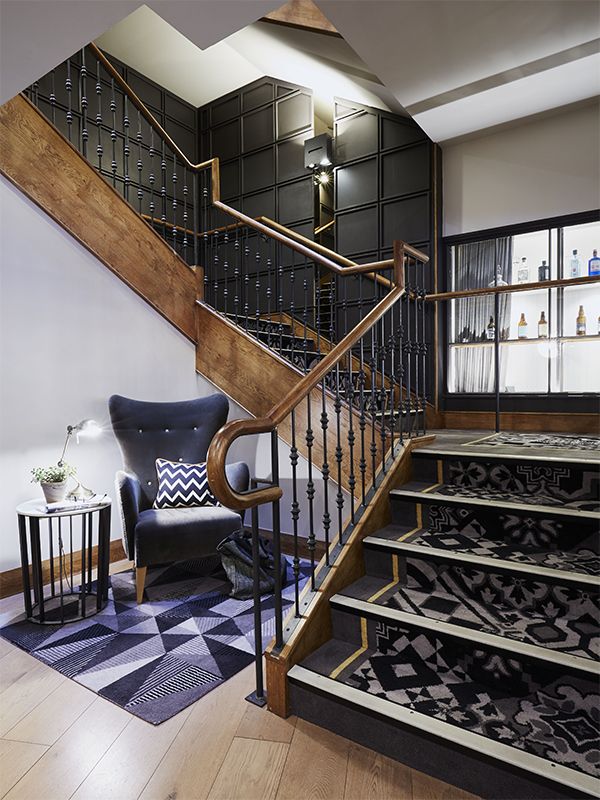
The cosy corner of the lobby

First impressions

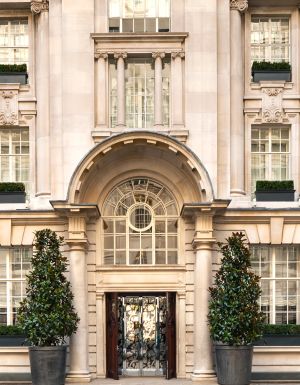
While the outside of the hotel reads generic modern, the small but ebullient lobby is instantly welcoming. I am greeted at the front desk by a warm smile and the aforementioned accent, before being directed to my twin room on the first floor.


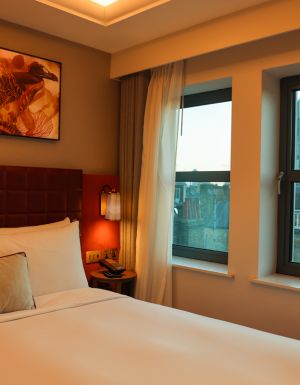
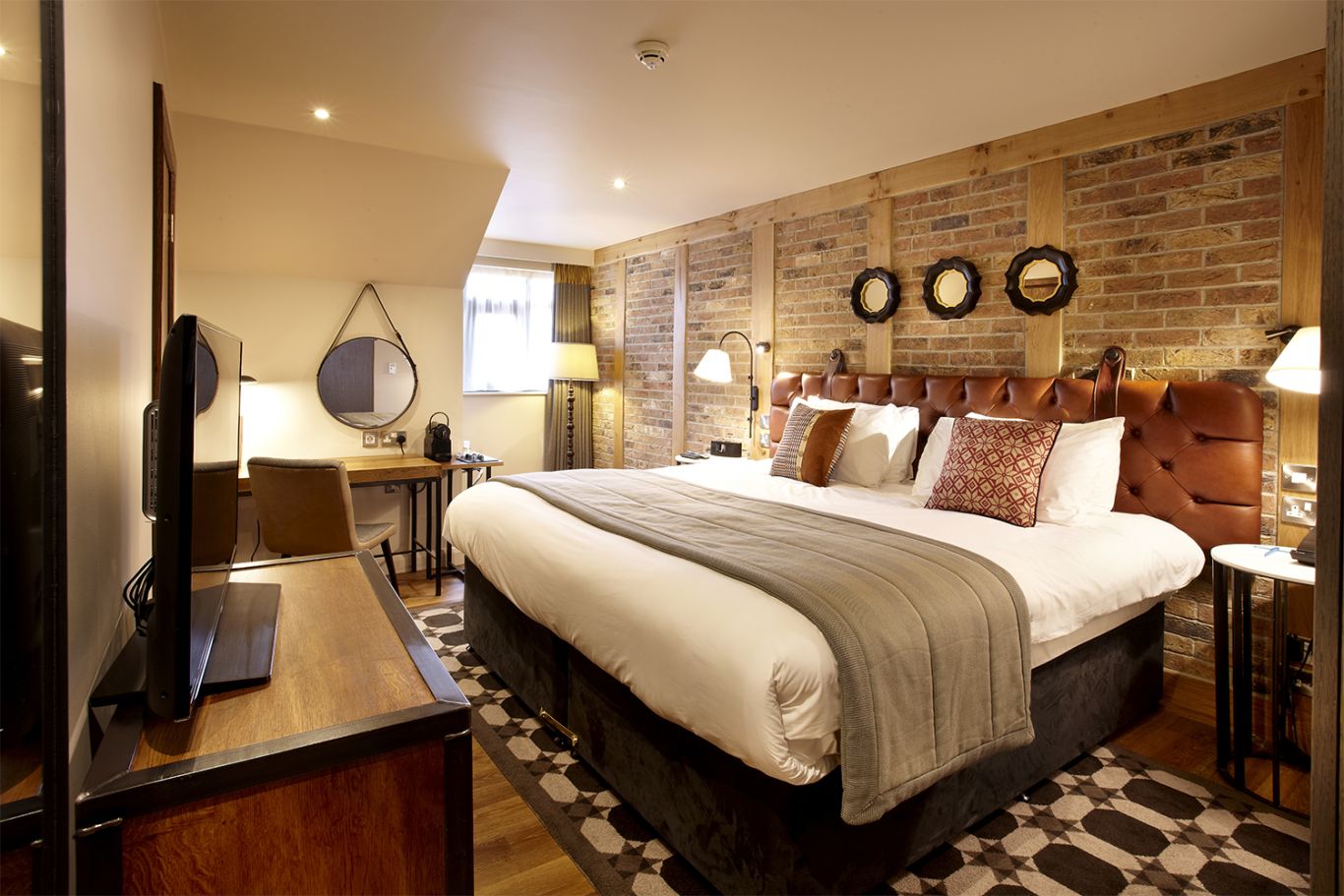
Once inside, the local vibe is instantly evident: the high, plump single beds are dressed with locally sourced woollen blankets and cushions, in honour of the textile mills that once proliferated in these parts.
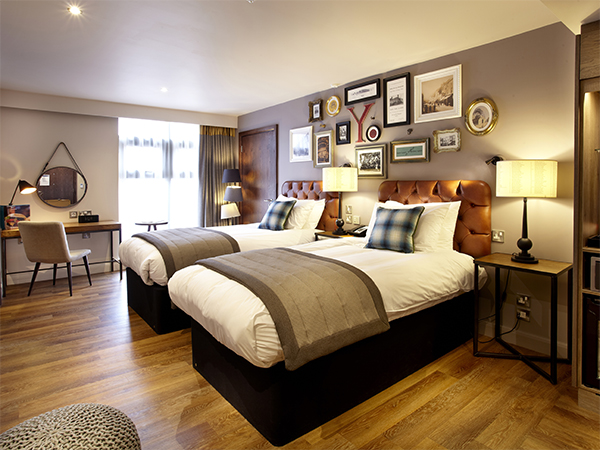
One of the character-filled rooms at Hotel Indigo

The rooms

The wall above the leather bedheads is hung with a mix-and-match gallery of historical images of local streetscapes, smiling confectionery factory workers (York lays claim to being the birthplace of Smarties, Aero, After Eights and Fruit Gums) and a bold red Y, while the shade on the bedside lamp is created from the pages of an old telephone book (in other rooms, vintage-style jelly moulds are used as pendant lights).


All of these elements when married with the warm rich woods and industrial chic fittings used throughout produce a cosy, easy feel that is unique from many hotel rooms I have stayed in.


The overriding theme continues in the mini bar, with complimentary KitKat bars (the confectionery was created by Rowntree’s of York in 1935) and strong Yorkshire teabags and oat biscuits on the tea and coffee tray.


Having booked my stay last minute in the height of the summer season, my room is actually a standard accessible, so the bathroom is a huge wet room that reflects the design throughout the hotel. There’s also a pull cord alarm, which results in an instant call from reception when I tug on it out of curiosity.
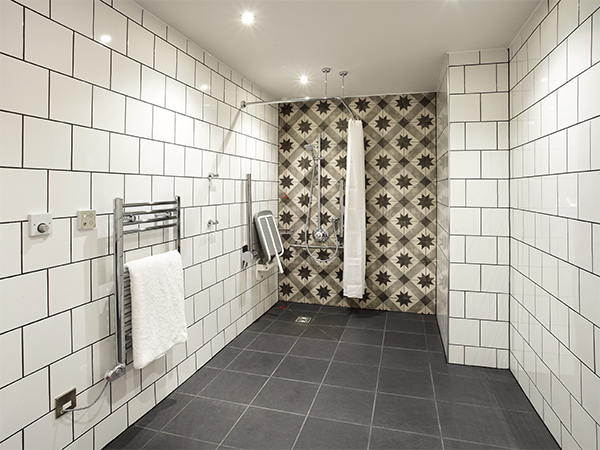
The bathroom reflects the bold design of the hotel

The food

York’s sweet history further plays out in the restaurant, No. 88 Walmgate, with its crazy tiling on the bar in shades of caramel and cream. The menu celebrates local producers, from the black pudding in the full Yorkshire breakfast to the baked goods and meat.


Leave room for high tea at Betty’s Tea Room, a Yorkshire institution; go via The Shambles, said to be the inspiration for Diagon Alley in the Harry Potter books. And make sure there is space in your luggage to take home a few treats from the nearby confectionery shops; the staff at the front desk are happy to advise on the best ones. Tell them a local sent you.
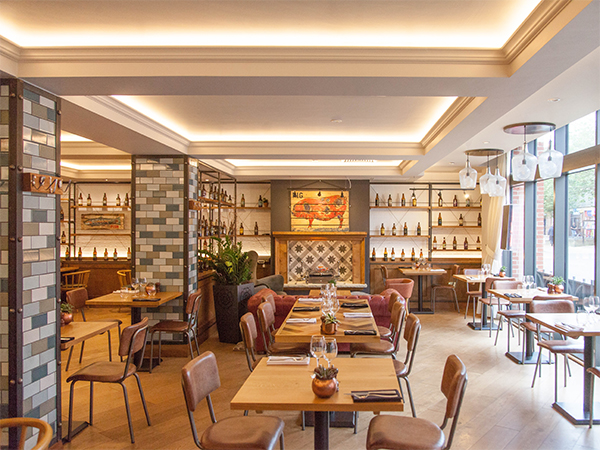
No. 88 Walmgate is all warm wood and rich leather in caramel tones

Weekly travel news, experiences
insider tips, offers,
and more.

The IT verdict

A comfortable, well-positioned city hotel that has a witty take on its ‘local’ concept.

Location: 8/10

Its location within the old city walls and an easy walk from most of York’s headlining attractions and ample cafes, restaurants and bars is a huge selling point.

Style/character: 8/10

Locally made furniture, cosy textiles, KitKats in the minibar and numerous references to York’s sweet heritage are all charming.

Service: 7/10

The front desk staff are chatty and welcoming.

Food and drink: N/A

The restaurant off the lobby was popular with guests and locals while I was in residence, but there are so many different restaurants and cafes within a quick walk that it’s hard to resist the temptation of eating out.

Value for money: 7/10

I paid $212 for my standard accessible room; given proximity to the sights and high-season timing, I thought this was good.

Want to see more stories from International Traveller in your Google search results?

  1. Click here to set International Traveller as a preferred source.
  2. Tick the box next to "International Traveller". That's it.
hero media

What the European heatwave means for your summer travel plans

Temperatures are soaring this summer, breaking records across Europe and the UK. 

Euro summer is a feeling like no other. But when a heatwave hits? The dream trip quickly turns into a sweaty mess. Extreme heat is sweeping Europe and the UK this week, with record-high temperatures impacting travel plans across the continent.

And while Australian summers are typically hotter in absolute temperature, many European cities aren’t equipped for high temperatures, resulting in unbearable weather.

Why is it so hot in Europe?

Signs of a hot summer loomed in May, when the mercury hit unprecedented spring highs. Now, extreme high temperature warning alerts have been issued in countries such as Spain, Italy, France, England, the Netherlands and Germany.

France saw its hottest day on record on Wednesday, with an average temperature of 30°C across the day and night. This surpasses the average temperature for June, which is 15°C to 25°C. Dozens of people have died, including 40 from drowning.

In Spain, 212 deaths have been linked to the heatwave.

The UK recorded its hottest June day ever on Wednesday with temperatures soaring to 36.1°C. In an article published by the Met Office – the UK’s national meteorological service – Professor Stephen Belcher CBE, Met Office Chief Scientist, shared his concerns about June’s heat. “To see temperatures like this in the UK in June is sobering. Events like this bring home the implications of climate change, with very high temperatures and humidity bringing significant health implications from heat stress, as well as impacts to a range of sectors such as transport, energy and water supply,” he said.

Heatwaves are becoming increasingly common in Europe and the UK, neither of which is prepared for such extremes. The World Meteorological Organization reported that in 2025, at least 95% of Europe experienced above-average annual temperatures and that the continent was heating up twice as fast as the global average.

How travel is impacted

A pharmacy sign displaying 40 degrees Celcius
A pharmacy broadcasting local weather data. (Credit: Getty/Dragoncello)

During a heatwave, power grids, water systems and transport networks can be affected, resulting in disrupted itineraries for travellers. In France, power outages have left thousands without electricity and early closures have been implemented for two of Paris’s biggest attractions, the Eiffel Tower (early afternoon rather than late at night) and the Louvre (two hours early). Eurostar cancelled its London to Paris and Paris to London services from the 22nd to the 25th, and major UK rail companies have been advising travellers to avoid using trains where possible, or to travel during early hours.

If a heatwave is predicted, being flexible with your itinerary and having fully refundable/changeable tickets is key, as extreme heat can force the cancellation of outdoor activities, impact rail and flight services and change the opening hours of sites and eateries.

Why does summer in Europe often feel hotter than summer in Australia?

people swimming in the Canal Saint-Martin in Paris
People swimming in the Canal Saint-Martin in Paris to cool off. (Credit: Rachael Thompson)

With some of the highest UV levels in the world, Australians are no strangers to the heat, adapting well to intense weather. But our infrastructure is largely equipped to withstand soaring temperatures with climate-responsive passive design, refrigerated air conditioning or evaporative coolers, as well as swimming spots aplenty.

Buildings in Northern and Western Europe and the UK, however, are constructed to retain heat and handle frosty winters. The lack of universal air conditioning means it generally feels hotter even though the temperature on your app might not look it. During a heatwave, it can feel like you’re in a sauna as cities act like heat traps.

How to stay cool and prepare for another heatwave

Relief is expected across Europe and the UK later this week, but more heatwaves are still possible in the coming months. Summer heat typically peaks in July and August.

Public transport often doesn’t have air conditioning, and buses in particular can be swelteringly hot. If you’re heading outside or your accommodation has no air conditioning, it’s worth buying a spray bottle and a handheld fan from a pharmacy or tourist stand. Check ahead of time if restaurants and cafes have air conditioning and make a booking in advance. The highest temperatures typically hit between 3pm and 6pm, so aim to head outdoors outside of these hours.

Rising temperatures invite travellers to enter a more intentional era of seeing the world. Now more than ever is the time to embrace lower-impact “coolcations” and off-season getaways.