
Portugal’s northern river city has skyrocketed in popularity in the past few years – and it is not hard to see why.
As the unofficial capital of the north, Porto has its own distinct culture. A brightly coloured riverside port city, it has cultivated a healthy obsession with the port wine it produces, an incredible array of bacalhau (cod) dishes and several extravagantly decorated churches.
With all that and a history that spans from medieval machinations to a twentieth-century dictatorship, it is all too easy to feel overwhelmed when planning what to do on a trip here.
Take a deep breath. Breathe. Start with our list of the top things to do in Porto.
1. Take a cruise on the Douro River
A jaunt down the Douro River is an ideal way to start familiarising yourself with Porto, and the local way of life along the banks. There is the popular Six Bridges boat cruise: an inexpensive cruise up and down that fills you in on the impressive bridges that span the river.
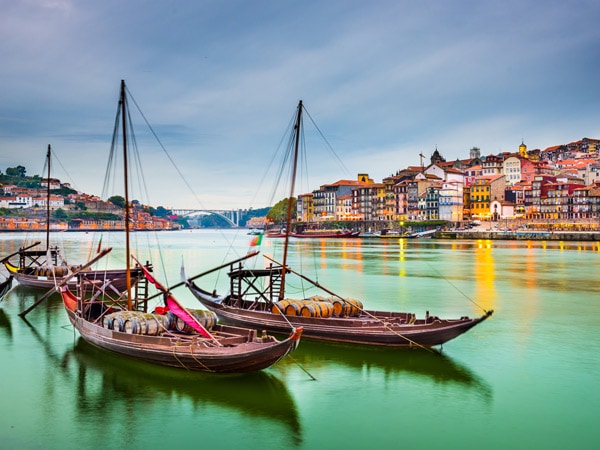
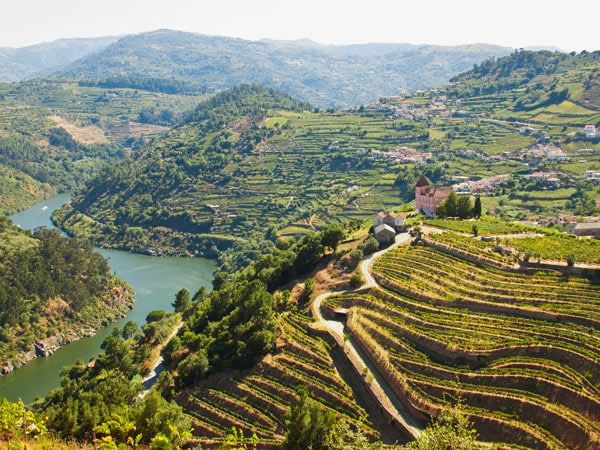
For something more ‘full-bodied’, take a day trip by boat to the Douro Valley, Porto’s nearby wine region. Alternatively, you can take a train to Pinhao and visit some wineries on foot or arrange for an organised day tour.
2. Wander the streets of Ribeira
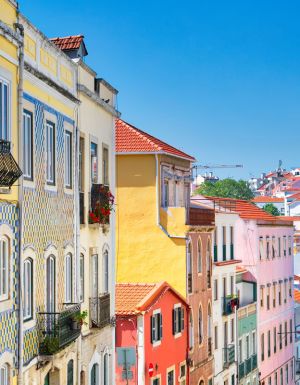
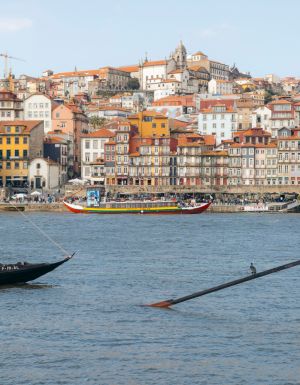
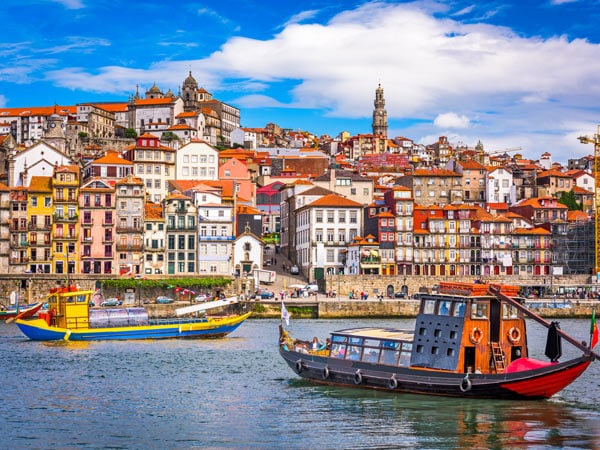
Discover the colourful houses and cobbled streets of the lively Ribeira district down by the riverbank. A UNESCO World Heritage site, Ribeira draws in the crowds with its pretty cafes, rich history, and ample opportunities for boat and people-watching with a glass of port in your hand.
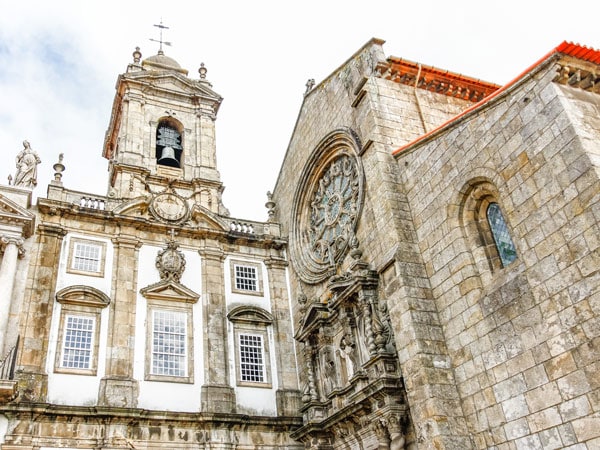
Don’t miss the chance to visit the gothic Church of São Francisco, with its gorgeously gold leaf-adorned interiors.
3. Cross the Dom Luís I Bridge
Now it’s time to venture across the Dom Luís I Bridge – Porto’s most famous bridge. Spanning between Porto and the twin town of Vila Nova de Gaia, this architectural marvel was constructed by a student of Gustave Eiffel (of Le Eiffel Tower fame).
Traverse the bridge at the lower level for easy access to Porto’s renowned port cellars. Alternatively, challenge your vertigo and check out the panoramic views from the top level.
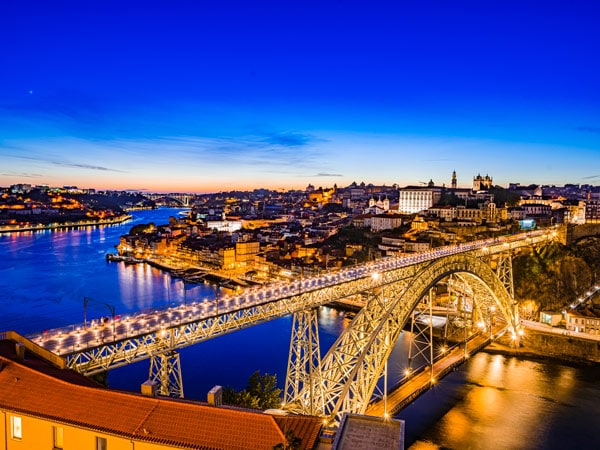
4. Tour the port cellars in Vila Nova de Gaia
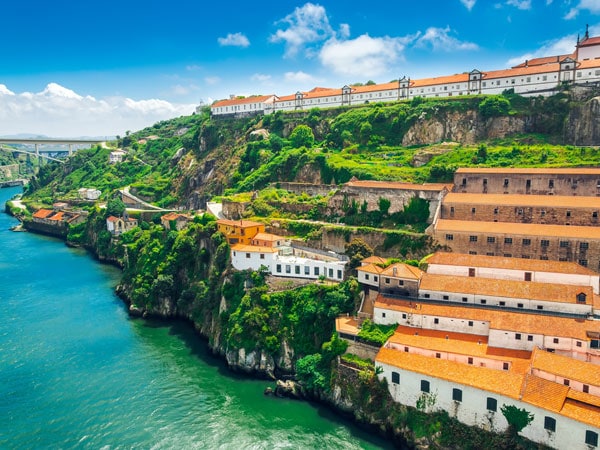
In Gaia, you can savour the city’s most beloved tipple: port wine. It’s lined with fruity-smelling riverside cellars where the sweet wine is aged, having first been carefully picked and fortified in the Douro Valley.
Explore them with a guide, who will explain the process and, it goes without saying, provide a tasting at the end.
5. Snap a photo of the patterned tiles at São Bento Station
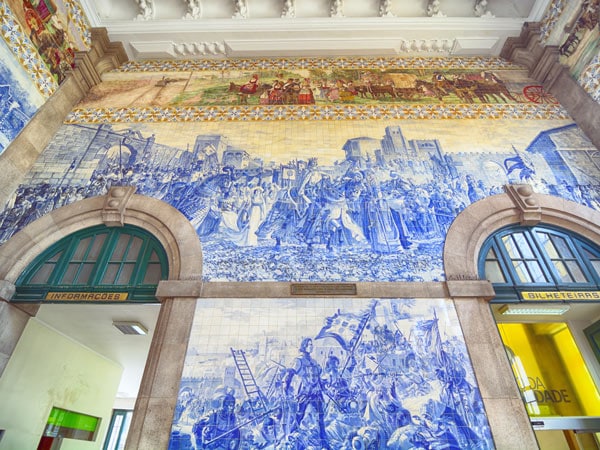
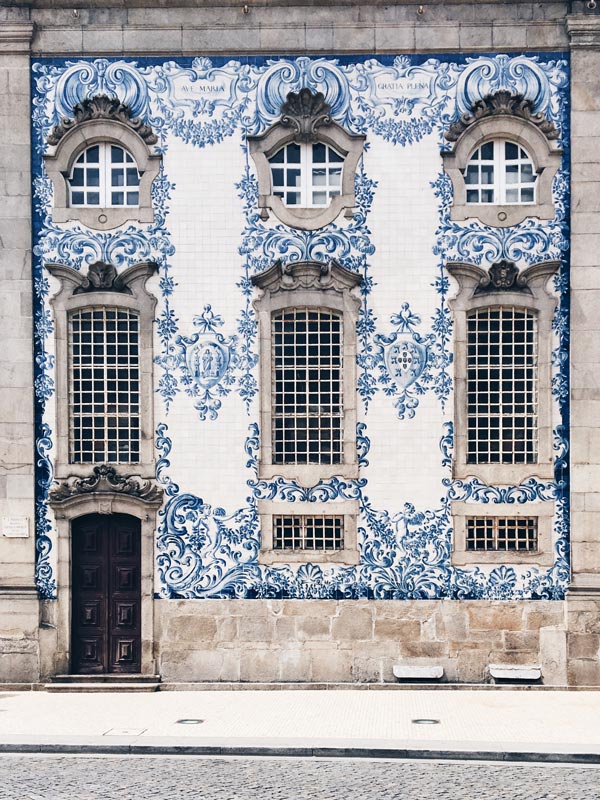
It’s a wonder that more people don’t miss their train in Porto. Why? From staring too long at the dazzling array of blue and white azulejo patterned tiles adorning the walls of São Bento Station.
Look closely (perhaps with the aid of some background reading), and you will make out the intricate historical scenes depicted in them.
6. Picnic in the Jardins do Palácio de Cristal
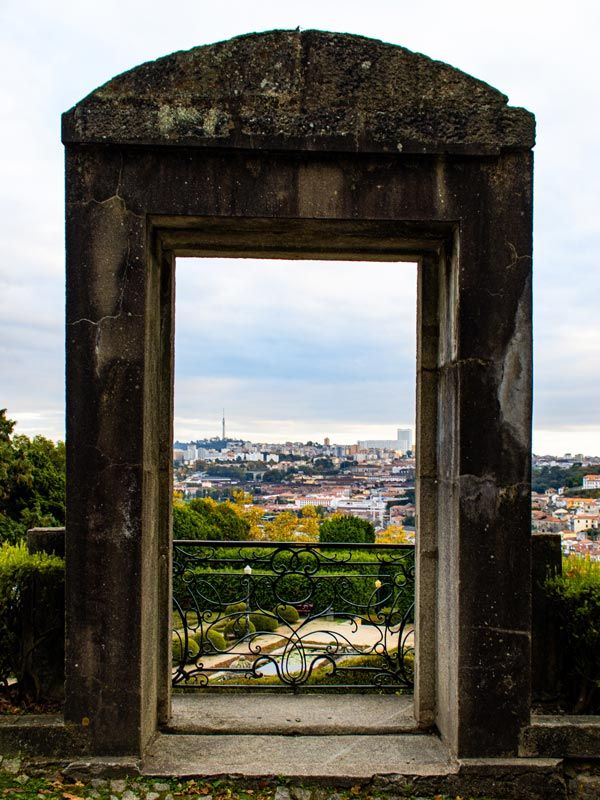
Escape the bustling city and unwind amidst the landscaped lawns of Jardins do Palácio de Cristal (Crystal Palace. These picturesque botanic gardens were designed by renowned German landscaper Émile David and offer panoramic views of the river.
Discover the tranquil “smaller" gardens adorned with fountains, sculptures, and serene green spaces for a perfect oasis to pause, rejuvenate and prepare yourself to get back out there and explore the town.
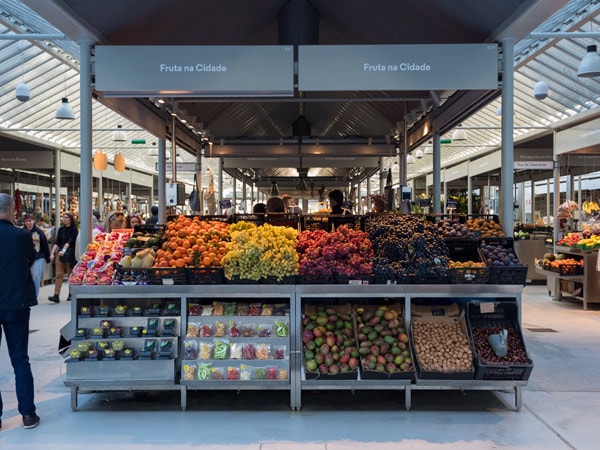
7. Visit the Bolhão Market
In this lovely market, you can tick off several local food dishes in the most enjoyable way possible. The Bolhão Market is housed in a two-storey building and lined with stalls. There are tonnes of things to try out, so it can be a little overwhelming. We’d recommend picking a glass of wine (vino verde also known as green wine, perhaps?) before perusing, glass in hand.
Things to look out for include cups of freshly cut fruit, oysters from the nearby town of Aveiro that are shucked to order, tinned fish, fresh cheeses and the salty-sweet custard tarts known as pasteis de nata. And, of course, you must try Portuguese favourite bacalhau.
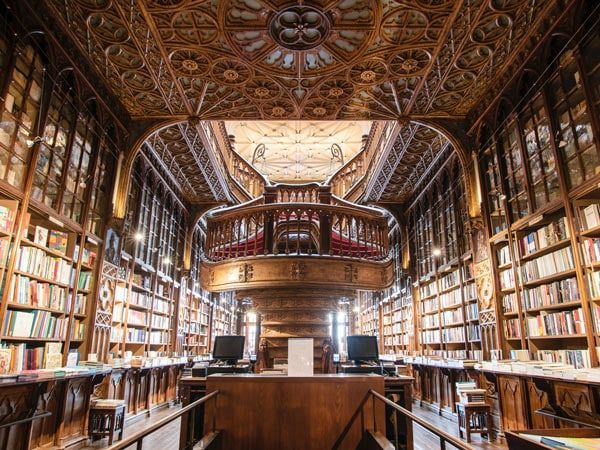
8. Queue for Livraria Lello bookstore
Discover the enchanting Livraria Lello, a beautiful bookstore rumoured to have inspired Harry Potter author J.K. Rowling during her time living in Porto in the ‘90s. (And while she may have since suggested otherwise on Twitter, why let that get in the way of a good story?) You can buy tickets online to visit.
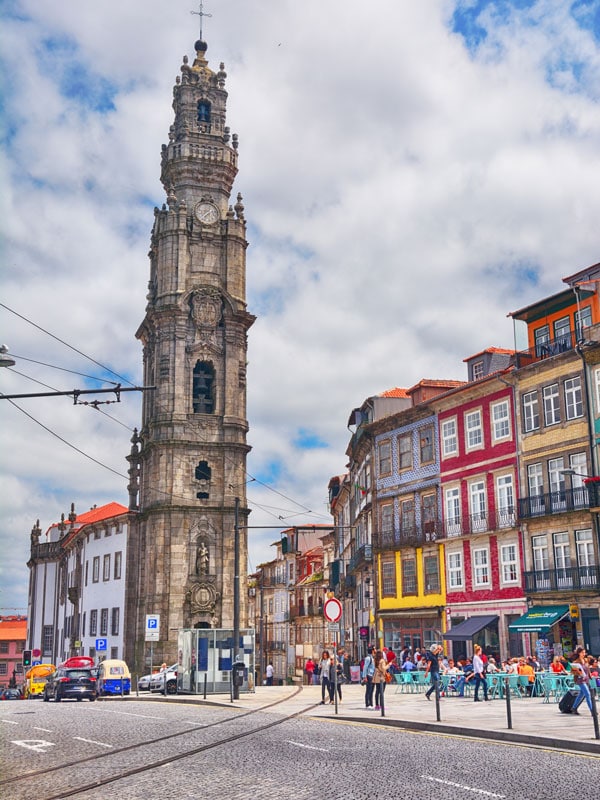
9. Climb the Torre dos Clérigos
Ascend the Clérigos Tower, attached to the Clérigos Church. This baroque architectural masterpiece not only impresses in its own right but also provides some of the most awe-inspiring views in the city.
Arrive early at around 9am to beat the crowds, as the queue here builds up fast.
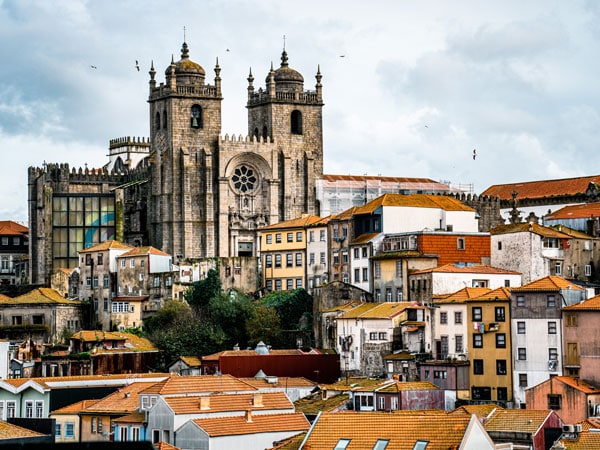
10. Look out from the terrace of Porto Cathedral (Sé do Porto)
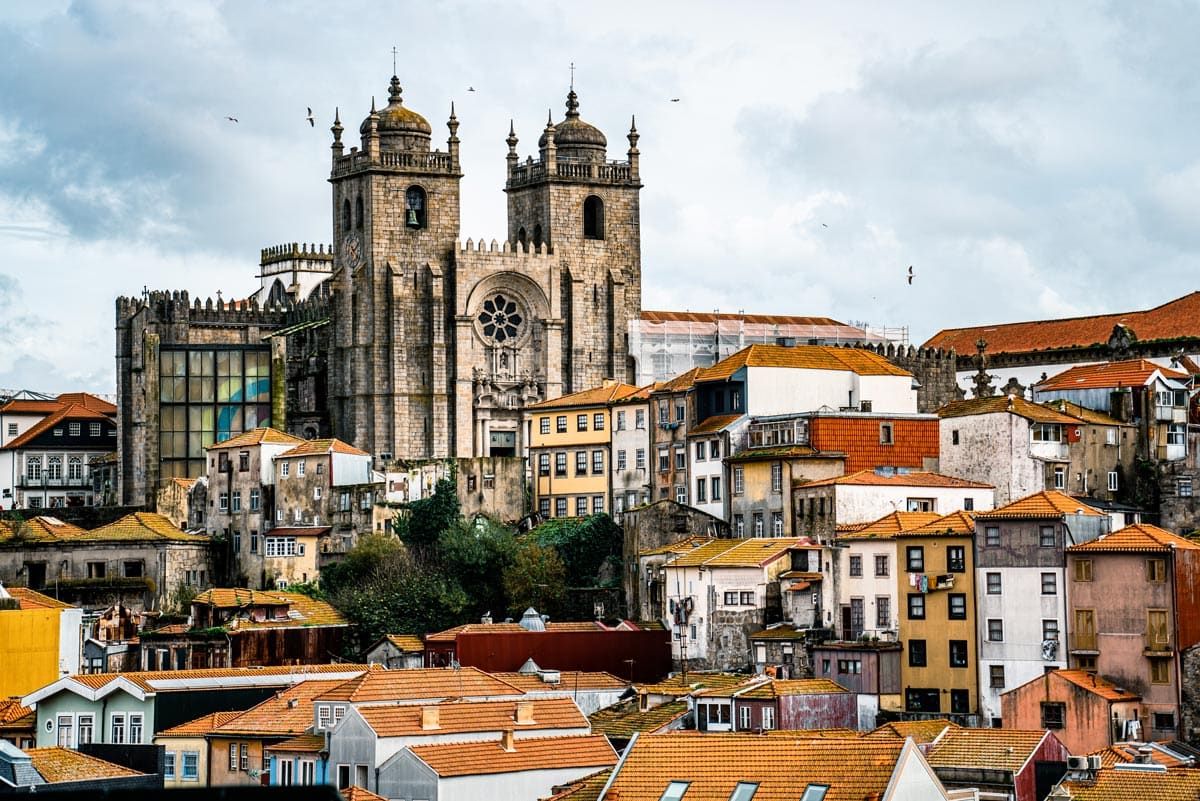
Visit the Porto Cathedral/Sé do Porto and climb the (many, many) stairs. We promise it’s worth it. From the terrace, you will have incredible views of the city’s orange rooftops and the river below. Afterwards, check out the cathedral’s ornate azulejo tiles, gothic cloisters, and grand vaulted ceilings.
Weekly travel news, experiences
insider tips, offers, and more.
11. Unwind at a Beach Bar in Foz do Douro
If you’re feeling the Europe summer heat, take an afternoon to cool off at the sandy beaches of Foz do Douro. After a dip in the refreshing – often chilly – water, kick back at one of the area’s beach bars. It’s easy to get there, simply hop on the picturesque old tram, or take a bus.
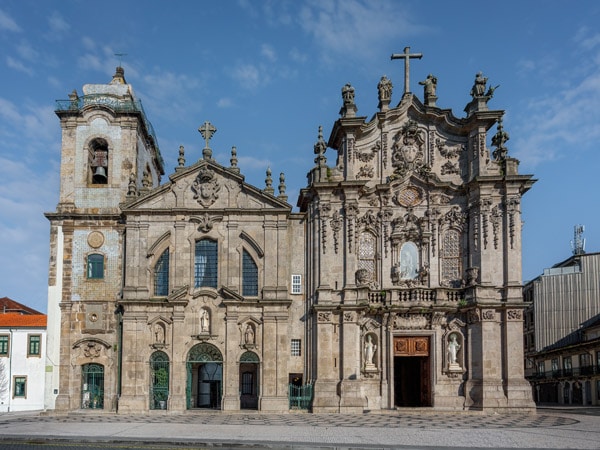
12. Visit the ‘double church’ of Carmo and Carmelitas
Despite what you might think at first, this large building is not one but two churches. They are narrowly separated by a tiny house called Casa Escondida.
While you might miss it at first, the house has an interesting history of hosting secret meetings by clandestine groups. And rumour has it that this inspired J.K. Rowling when creating the headquarters of the secret society of the Order of the Phoenix in the Harry Potter books.
13. Explore the Contemporary Art at Serralves Museum
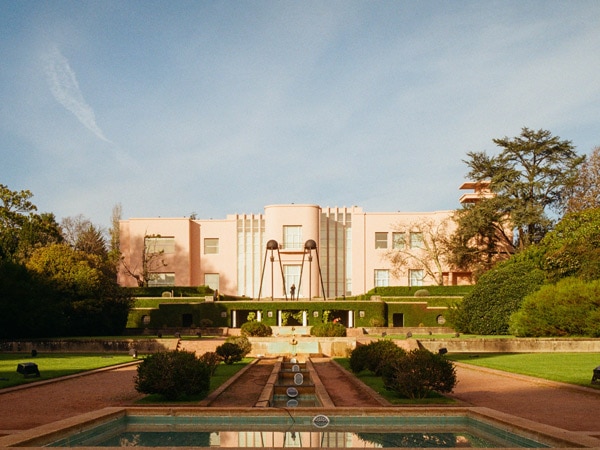
One of the country’s most famous contemporary art museums, Serralves Museum is home to a series of temporary exhibitions throughout the year. But it also has some incredible gardens to explore as part of the wider Serralves Foundation complex.
The Casa de Serralves is an art deco-style villa and museum, and the connected park is filled with landscaped gardens, rambling walks, a rose garden, a lake, and even adorable farm animals.
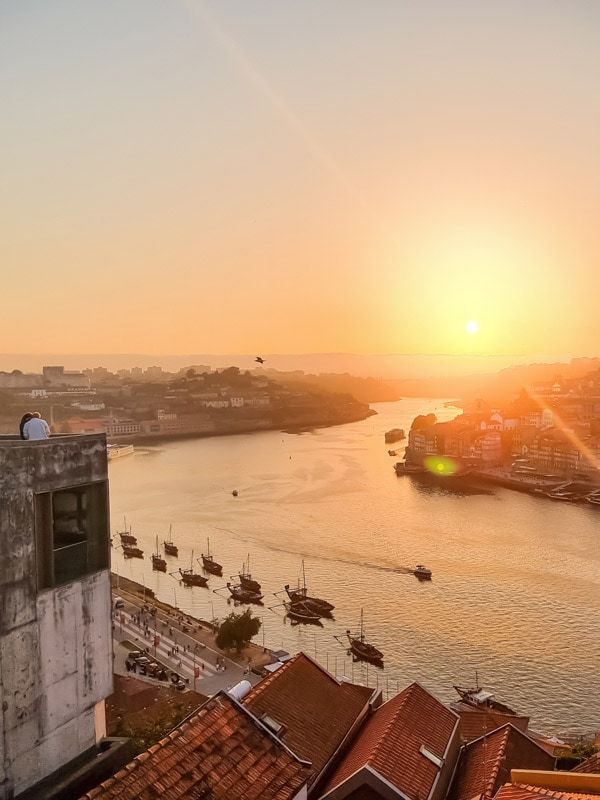
14. Watch the sunset from Jardim do Morro
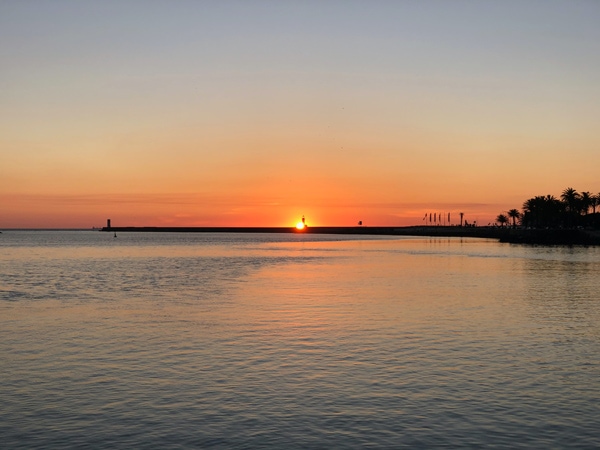
When it comes to impressive sunsets, this river port city seriously serves. One of the best ways to see it is to take some beers and pastries over the Dom Luís I Bridge to Gaia and watch from the Jardim do Morro.
On a sunny day, you will find live music, crowds of friends and families, and wandering vendors that sell everything from cheap cold beer to homemade chocolate truffles to the crowd.
15. Share a Francesinha
The ultimate ‘and then?’ sandwich has an overwhelming number of ingredients and layers. Simply put, it is a veritable king of meat toasties: ham, cheese, steak and sausage, before being topped with more cheese. To enhance the flavours, it is generously smothered in beer-tomato sauce and can even be crowned with a deliciously runny egg.

Want to see more stories from International Traveller in your Google search results?
- Click here to set International Traveller as a preferred source.
- Tick the box next to "International Traveller". That's it.