hero media

9 things to do in Lisbon

Portugal’s captivating capital is also the European Green Capital 2020.

A day out on the tiles

Put Lisbon’s eco credentials to the test by covering some ground and green spaces on foot.
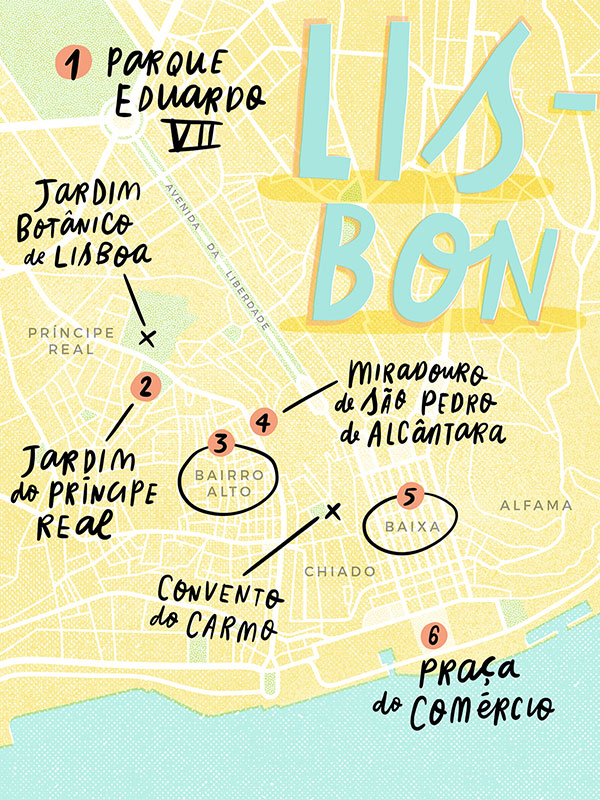
Lisbon map
Cover some ground and green spaces on foot.

1. Parque Eduardo VII

Lisbon’s largest park was unfurled like a giant green carpet between 1926 and 1930 by architect Raul Carapinha. The park pays homage to Edward VII of the UK who visited Portugal in 1902 and is punctuated by winding paths that connect to three greenhouses.

2. Jardim do Príncipe Real

Live like a Lisbon local and visit the organic farmers’ market, held here in this pretty park every Saturday morning under the canopy of a 130-year-old cypress tree. The city’s charmingly overgrown botanical garden is a stone’s throw away, too.

3. Bairro Alto

Wander the higgledy-cobbledy streets in this hip LGBTQIA friendly ’hood where poets, artists and intellectuals have gathered for more than 200 years. Here you will find walls painted with street art, rooftop bars, tattoo parlours and the grooviest of gay bars.
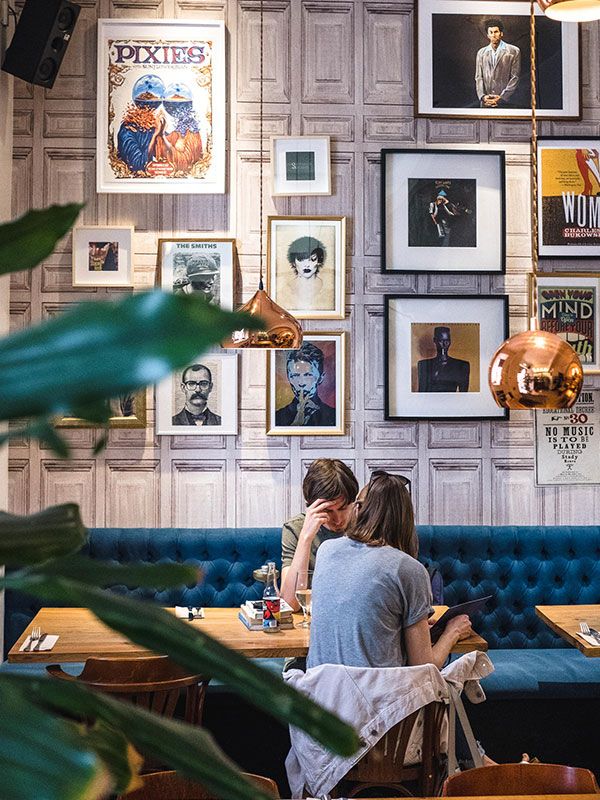
Lisbon cafe
Perch at a cafe and order pastéis de nata.

4. Miradouro de São Pedro de Alcântara

Set in a pretty landscaped terrace, this miradouro (lookout) in Bairro Alto commands views over São Jorge Castle, Sé Cathedral and the spires of São Vicente de Fora. Take it all in, then catch the Ascensor da Glória funicular down to the Baixa district.

5. Baixa

This is downtown district is where visitors to Lisbon spend most of their time. The area comprises stately avenues, magnificent plazas, must-see monuments and distinctive Pombaline architecture. Perch at a cafe and order pastéis de nata (custard tarts) and bica (coffee).

6. Praça do Comércio

Praça do Comércio is located here in Lisbon’s historical heart and is the grandest of all the city’s plazas. Get a sense of Old World Europe in the square, which was constructed in 1755 after the great earthquake of Lisbon destroyed the entire Baixa district, located on the river Tagus.

Lisbon tiles
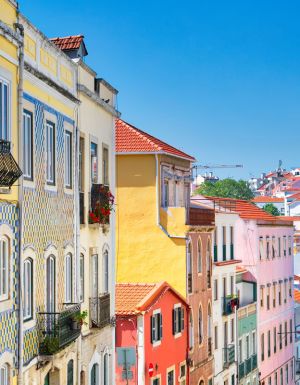
Some beautiful tiles on a building facade in Lisbon.

Sustainable Shopping

Lisbon has evolved as an ecofriendly city for travellers, who can forage everywhere from vintage stores to flea markets to emporiums spruiking Portuguese-made handicrafts.
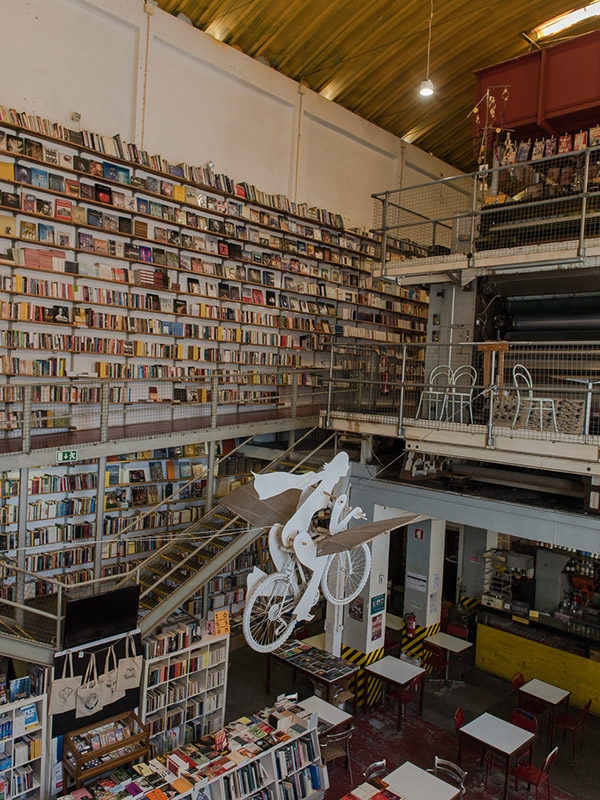
LX-Factory
Forage everywhere from vintage stores to flea markets to emporiums spruiking Portuguese-made handicrafts.

Weekly travel news, experiences
insider tips, offers,
and more.

7. Lx market

Consumers who are conscious about the origins of their clothing should join Portugal’s hip parade at the Sunday flea market at LxFactory, in Alcântara. It’s the vintage haute couture that brings the best value here: if you’re not tempted by the  crocodile-leather boots, try on that faux fur jacket or rhinestone ring.

8. organii

This clean, green beauty store specialises in organic, sustainable and ethical beauty brands sourced from around Europe. Book in for a treatment at the brand’s Bio Day Spa where you can try before you buy. The cosmetics store has an outlet in Baixa.
organii.com

9. A Vida Portuguesa

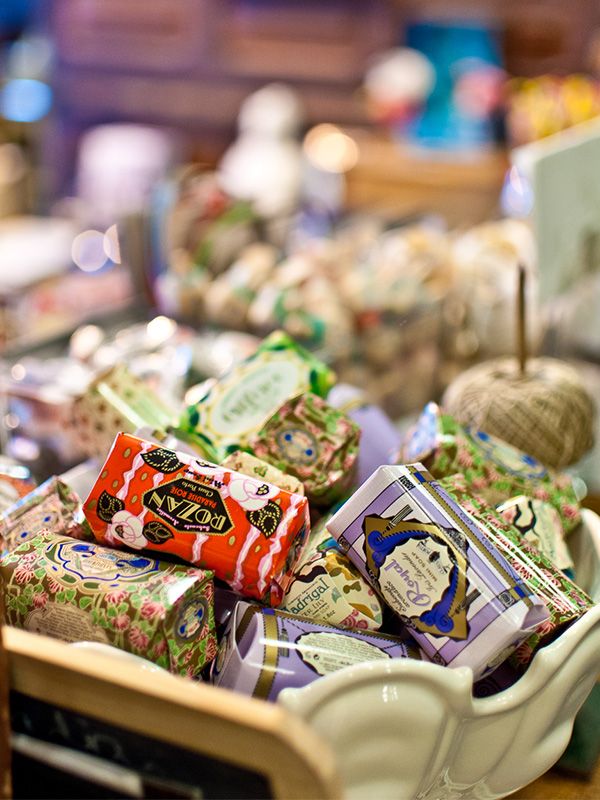
Feel good about the souvenirs you purchase by buying local and shopping at A Vida Portuguesa, where the inventory of brands – everything from retro soaps with Art Deco labels (pictured above) to artisan olive oils and stationery – have all been  produced in Portugal.
Avida
Feel good about the souvenirs you purchase by buying local.

Want to see more stories from International Traveller in your Google search results?

  1. Click here to set International Traveller as a preferred source.
  2. Tick the box next to "International Traveller". That's it.
hero media

What the European heatwave means for your summer travel plans

Temperatures are soaring this summer, breaking records across Europe and the UK. 

Euro summer is a feeling like no other. But when a heatwave hits? The dream trip quickly turns into a sweaty mess. Extreme heat is sweeping Europe and the UK this week, with record-high temperatures impacting travel plans across the continent.

And while Australian summers are typically hotter in absolute temperature, many European cities aren’t equipped for high temperatures, resulting in unbearable weather.

Why is it so hot in Europe?

Signs of a hot summer loomed in May, when the mercury hit unprecedented spring highs. Now, extreme high temperature warning alerts have been issued in countries such as Spain, Italy, France, England, the Netherlands and Germany.

France saw its hottest day on record on Wednesday, with an average temperature of 30°C across the day and night. This surpasses the average temperature for June, which is 15°C to 25°C. Dozens of people have died, including 40 from drowning.

In Spain, 212 deaths have been linked to the heatwave.

The UK recorded its hottest June day ever on Wednesday with temperatures soaring to 36.1°C. In an article published by the Met Office – the UK’s national meteorological service – Professor Stephen Belcher CBE, Met Office Chief Scientist, shared his concerns about June’s heat. “To see temperatures like this in the UK in June is sobering. Events like this bring home the implications of climate change, with very high temperatures and humidity bringing significant health implications from heat stress, as well as impacts to a range of sectors such as transport, energy and water supply,” he said.

Heatwaves are becoming increasingly common in Europe and the UK, neither of which is prepared for such extremes. The World Meteorological Organization reported that in 2025, at least 95% of Europe experienced above-average annual temperatures and that the continent was heating up twice as fast as the global average.

How travel is impacted

A pharmacy sign displaying 40 degrees Celcius
A pharmacy broadcasting local weather data. (Credit: Getty/Dragoncello)

During a heatwave, power grids, water systems and transport networks can be affected, resulting in disrupted itineraries for travellers. In France, power outages have left thousands without electricity and early closures have been implemented for two of Paris’s biggest attractions, the Eiffel Tower (early afternoon rather than late at night) and the Louvre (two hours early). Eurostar cancelled its London to Paris and Paris to London services from the 22nd to the 25th, and major UK rail companies have been advising travellers to avoid using trains where possible, or to travel during early hours.

If a heatwave is predicted, being flexible with your itinerary and having fully refundable/changeable tickets is key, as extreme heat can force the cancellation of outdoor activities, impact rail and flight services and change the opening hours of sites and eateries.

Why does summer in Europe often feel hotter than summer in Australia?

people swimming in the Canal Saint-Martin in Paris
People swimming in the Canal Saint-Martin in Paris to cool off. (Credit: Rachael Thompson)

With some of the highest UV levels in the world, Australians are no strangers to the heat, adapting well to intense weather. But our infrastructure is largely equipped to withstand soaring temperatures with climate-responsive passive design, refrigerated air conditioning or evaporative coolers, as well as swimming spots aplenty.

Buildings in Northern and Western Europe and the UK, however, are constructed to retain heat and handle frosty winters. The lack of universal air conditioning means it generally feels hotter even though the temperature on your app might not look it. During a heatwave, it can feel like you’re in a sauna as cities act like heat traps.

How to stay cool and prepare for another heatwave

Relief is expected across Europe and the UK later this week, but more heatwaves are still possible in the coming months. Summer heat typically peaks in July and August.

Public transport often doesn’t have air conditioning, and buses in particular can be swelteringly hot. If you’re heading outside or your accommodation has no air conditioning, it’s worth buying a spray bottle and a handheld fan from a pharmacy or tourist stand. Check ahead of time if restaurants and cafes have air conditioning and make a booking in advance. The highest temperatures typically hit between 3pm and 6pm, so aim to head outdoors outside of these hours.

Rising temperatures invite travellers to enter a more intentional era of seeing the world. Now more than ever is the time to embrace lower-impact “coolcations” and off-season getaways.