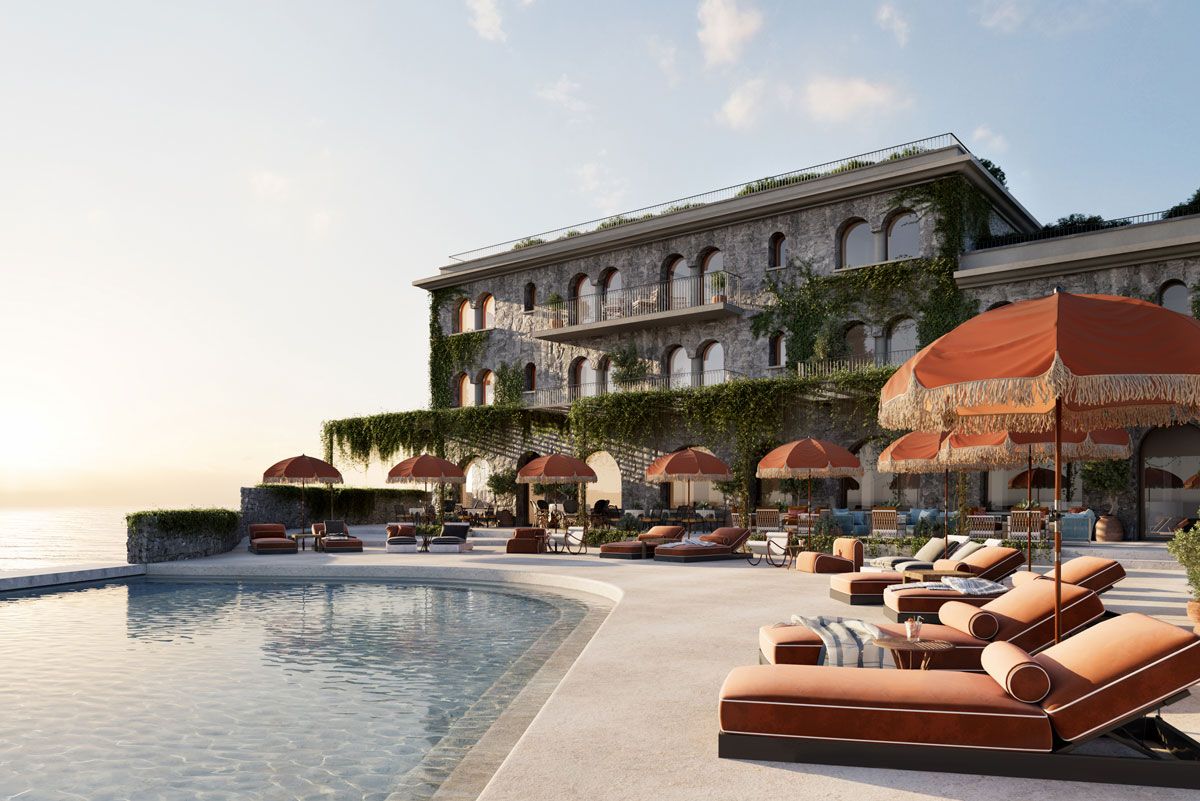

Opening 1 May 2026, Zannier Bendor is reimagining the private Île de Bendor as a luxe coastal idyll.
If you’ve ever fancied old-world French Riviera sans the crowds of St Tropez, this chic new private island resort may just be your best bet.
A highly anticipated hotel set on a storied sliver of land just off Provence’s Bandol coast, Zannier Bendor will officially welcome its first guests on 1 May 2026. Private island Île de Bendor was purchased in the 1950s by Marseille-born pastis pioneer Paul Ricard, who developed it into a glamourous gathering place for creativity and conviviality. Today, Société Paul Ricard and Zannier Hotels are restoring the Ricard family vision with a contemporary edge – and bookings are now live.
The tiny island has big ambitions. After five years of transformation, the revived island will open as a 93-key, village-like retreat that delicately struts the line between calm Provençal charm and the French Riviera’s social buzz. Along with eight dining and drinking spaces, Zannier Bendor will feature a 1200-square-metre wellbeing centre, beach cove, diving centre and three artisan ateliers.
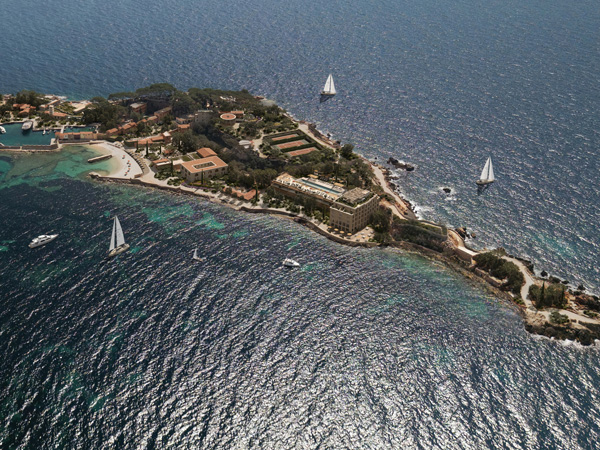
Zannier Hotels founder Arnaud Zannier frames the seven-hectare island project, which will mark Zannier Hotels’ sixth global property and second in France, as a reimagining of Paul Ricard’s island vision and a “miniature world" – with distinct lifestyle, dining, nature and wellness experiences all in one place.
“Île de Bendor was Paul Ricard’s dream – a place of freedom, creativity and joy, cherished by the locals for generations," says Arnaud Zannier. “We feel deeply honoured to be entrusted with its future. Together with the Ricard family, we are restoring the island with sensitivity and emotion – preserving its soul, its memories, its sense of wonder. Our role is to reveal what has always made Bendor extraordinary, and to gently shape its next chapter with the quiet elegance of Zannier Hotels."
The venture is truly a joint effort. The transformation has been led by Marc de Jouffroy (the great-grandson of Paul Ricard), alongside Arnaud Zannier, Hardel Le Bihan Architectes and Niez Studio Paysagistes. Fulfilling Paul Ricard’s dream to make Bendor an island garden, Île de Bendor has been rewilded with 15 per cent more trees than before the rebuild.
From our vantage point, the timing is impeccable. The upscale travel market is shifting – there’s less interest in slick mega‑resorts and more in thoughtful, immersive stays with provenance. Zannier Bendor ticks those boxes. And the buzz around the Riviera’s so-called “new social, culinary and wellness capital" has already begun.
The location
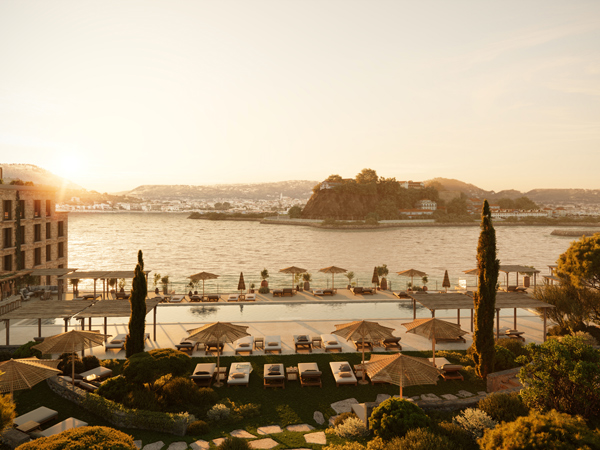
Zannier Bendor is just a seven-minute boat ride from the coastal town of Bandol in Provence, which lies approximately 40 minutes east of Marseille by car. From here, visitors can easily explore the South of France’s idyllic landscapes, from vineyards and villages to sprawling lavender fields. Bandol is around one hour south of Aix-en-Provence and 20 minutes west of Toulon by car. The Côte d’Azur also offers plenty of day trip opportunities, with St Tropez one hour and Nice two hours’ drive away.
On the island itself, guests can enjoy breathtaking views of the Mediterranean from a verdant, tranquil setting with dashes of old-world glamour and Provençal charisma. There are private gardens to wander, beach coves to dive into, art programmes to explore and culinary experiences to indulge in, all designed to immerse visitors in the island’s effortlessly chic lifestyle.
The hotel
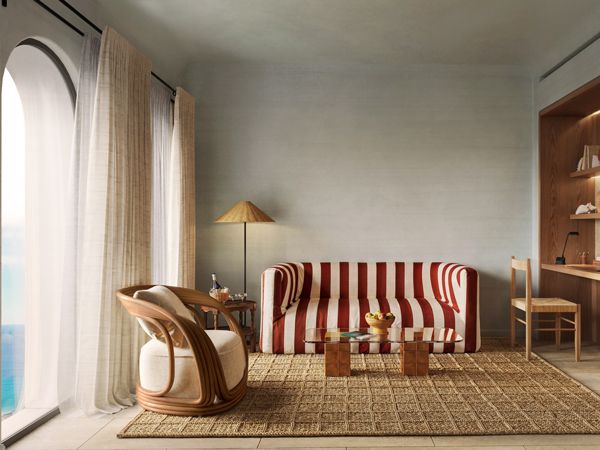
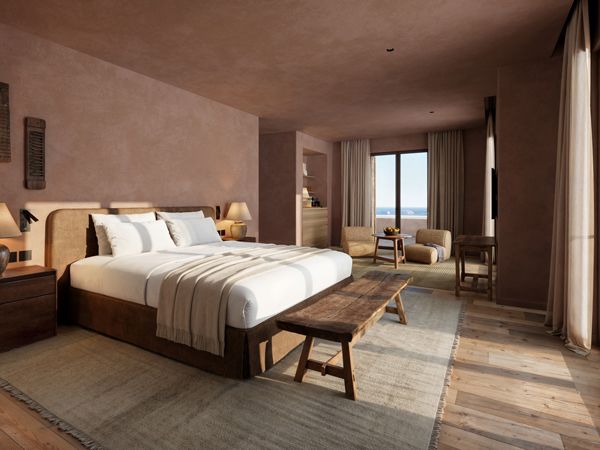
Combining restored heritage buildings with suave new accommodations, the village-style resort will feature 93 airy rooms across three distinct spaces: Delos, Soukana and Madrague – each with its own ambience and design identity.
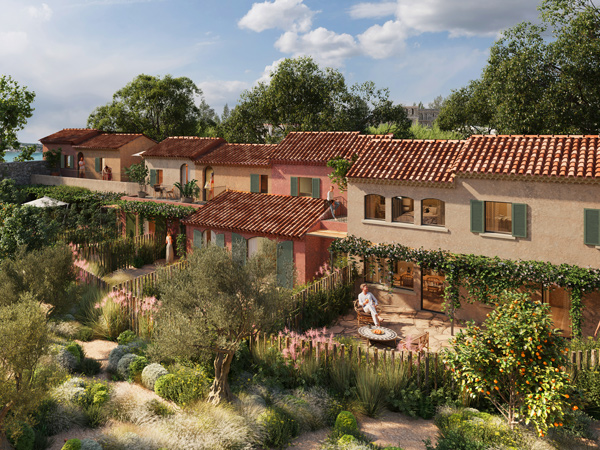
Delos, comprising 39 rooms, harnesses the nostalgic spirit of the 1960s French Riviera with sculptural statements and striped textiles reminiscent of the beloved beach umbrellas often seen dotting the South of France’s coastlines. Forty-nine-key Soukana has its sights set on wellness with a grounding earthy palette that invites connection to nature, while the five two-storey Madrague houses are each decked out with charming Provençal touches and a private garden.
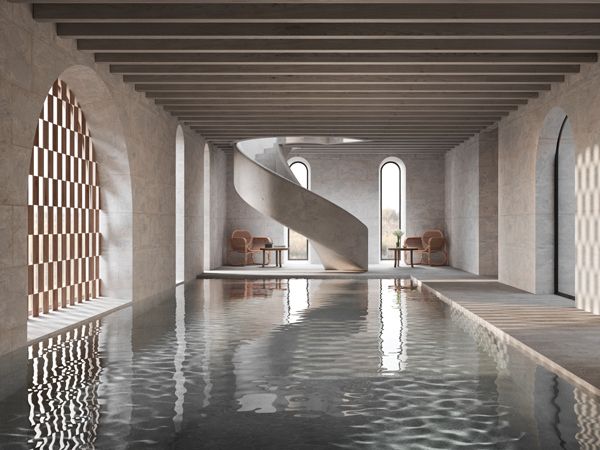
Another highlight of Zannier Bendor is its 1200-square-metre holistic wellness space. One of the largest spas in the region, the centre takes cues from Ayurveda, Traditional Chinese Medicine, acupuncture, osteopathy and naturopathy to offer guests personalised wellbeing journeys. The facilities are extensive: eight treatment rooms including a honeymoon massage suite with private spa, hammam, cold bath, mud bath, Iyashi dome, and indoor and outdoor pool. Ease the mind with meditation, or get endorphins flowing at the yoga and reformer Pilates studio, high-tech gym, tennis court or one of three pickleball courts.
And the resort isn’t exclusive to adults. Families are well catered for with spacious multi-storey houses at Madrague, endless ocean sporting pursuits and a dedicated kids’ club to ensure all members of the clan are kept happy.
The dining
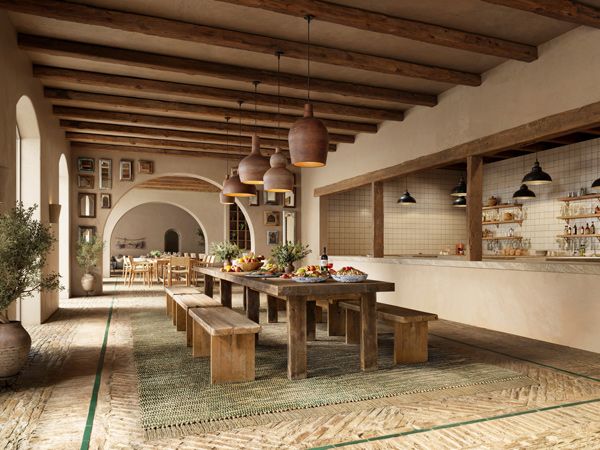
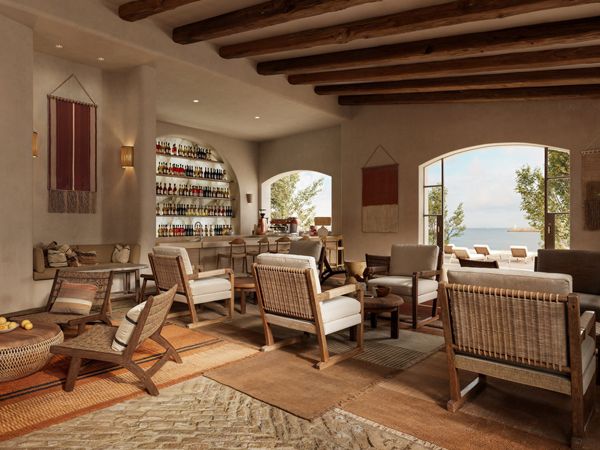
At Zannier Bendor, dining is all about cherishing shared meals with loved ones and new companions. The resort offers three restaurants, four bars and lounges, and a creperie for those with incurable sweet tooths. Le Grand Large restaurant steals the spotlight with stunning ocean vistas and a programme of visiting chefs, Delos delivers laid-back all-day dining by the main pool and Café Paul Ricard keeps things authentic with traditional Provençal cuisine. Meanwhile, Soukana Restaurant dishes up Asian-fusion meals paired with artisanal cocktails and Nonna Bazaar, a multi-sensory dining concept first seen on the Spanish island of Menorca in 2022, hones in on family and friendship with Mediterranean share plates.
Weekly travel news, experiences
insider tips, offers, and more.
Zannier Bendor at a glance
Number of rooms: 93
Nightly room rates: from 620€ for a room and 1455€ for a suite in medium season (1 May to 31 May, 1 September to 31 October), including breakfast; from 745€ for a room and 1745€ for a suite in high season (1 June to 31 August)
Resort focus: local immersion, coastal setting, culinary and wellness
Best for: couples and families seeking a refined and relaxing retreat by the sea
Nearest airport: Marseille Provence Airport (MRS), 55 kilometres
How to get to Zannier Bendor: take a seven-minute boat ride from the town of Bandol, Provence
Opening date: 1 May 2026
Want to see more stories from International Traveller in your Google search results?
- Click here to set International Traveller as a preferred source.
- Tick the box next to "International Traveller". That's it.