
If Nice is on your list, here’s where to go next.
The South of France isn’t just a place – it’s a vibe built from a hundred slow moments strung together. Think two-hour lunches that begin with a baguette dipped in Provençal olive oil, stretching on until the last drop of rosé is gone, and aniseed-sweet pastis makes an appearance. The soft roll and clunk of steel pétanque balls across dusty gravel. Trays of swollen figs at the market. Non-stop saluts to neighbours.
And perhaps the most important moment of all: the realisation that nothing needs to be done at all.
Nice
The unofficial capital of the French Riviera – and where the real Rivierans live – should be the first beach of call. Start with a stroll along the Promenade des Anglais, where the powder-blue sea meets the Belle Époque hotels.
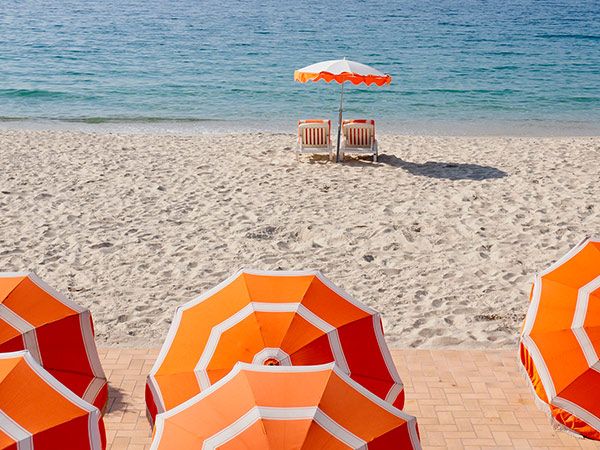
In the Old Town, architecture of Italian-French influences tells the story of a city that only became part of France in 1860. A maze of medieval cobbled alleys hides restaurants serving up Niçoise fare, from crisped chickpea socca to classic salade niçoise. The Colline du Château has views over the bay, above rows of blue-and-white striped umbrellas at the beach clubs.
St Paul de Vence
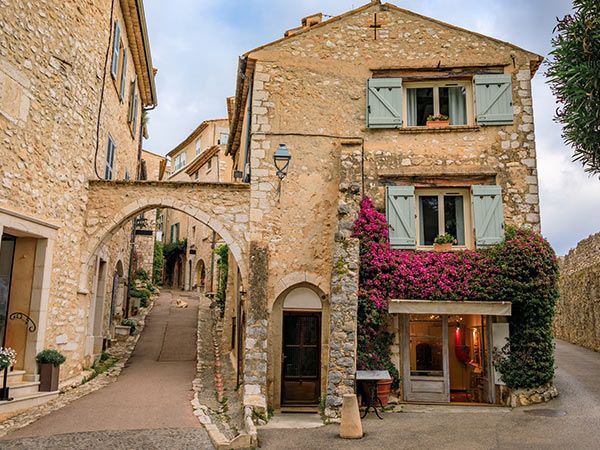
A walled hilltop town that inspired Picasso, Matisse and Chagall. The hills stretch out beneath the sheer ramparts down to the distant smudge of ocean, while narrow streets of pale stone lead past doorways draped in climbing purple bougainvillea. At the village’s edge, the Fondation Maeght has one of Europe’s best collections of 20th-century art (over 13,000 works), including Miró sculptures under pine trees and a pool designed by Georges Braque.
Antibes and Cannes
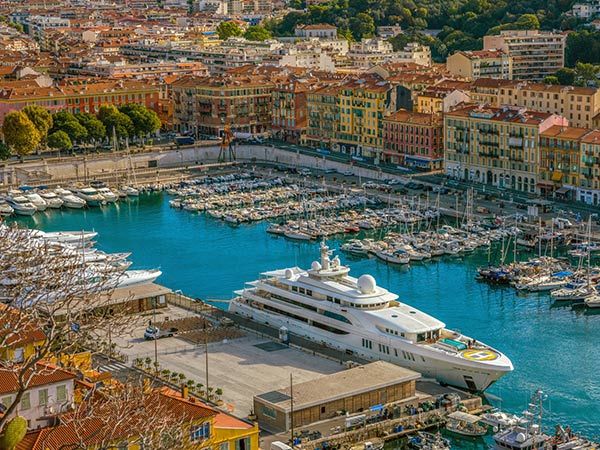
It might be known globally for its film festival, but trust us: there’s far more to do here than celeb-spotting once a year. In Antibes, the old port is the largest marina on the coast, favoured by the superyacht set and watched over by the steely eye of Fort Carré. In its Old Town, the Picasso Museum sits inside the former Château Grimaldi. Around the headland is Juan-les-Pins, where sandy beaches host chic beach clubs in summer, and the town comes alive during its famed summer jazz festival.
And then there’s the cinematic diva herself – Cannes. All old-money glamour, she oozes luxury, from her high-end designer boutiques to grand hotels along the palm-fringed Promenade de la Croisette.
St Tropez
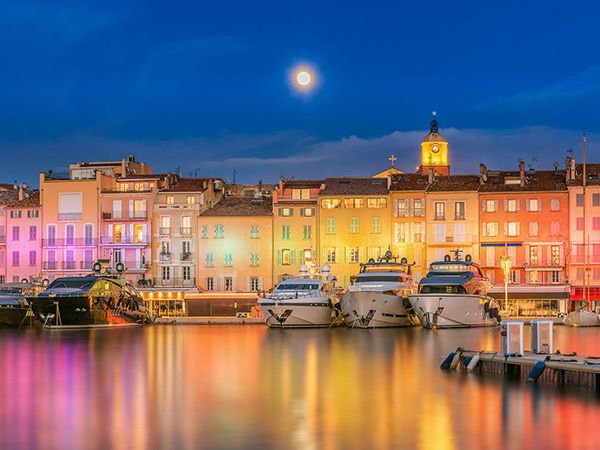
Small it may be, but this once-sleepy fishing village was catapulted into the spotlight by the actress Brigitte Bardot in the 1950s. St-Tropez hasn’t looked back since. Today, it’s a magnet for the jet set, where champagne shoots from bottles and superyachts jostle for space. But beyond the fame are beaches like Pampelonne, the terracotta hues of the Old Town, Provençal markets, and shaded squares where games of pétanque still rule.
Cassis and Les Calanques
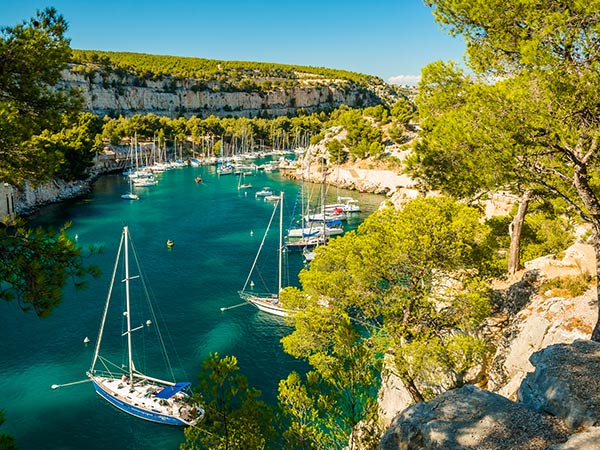
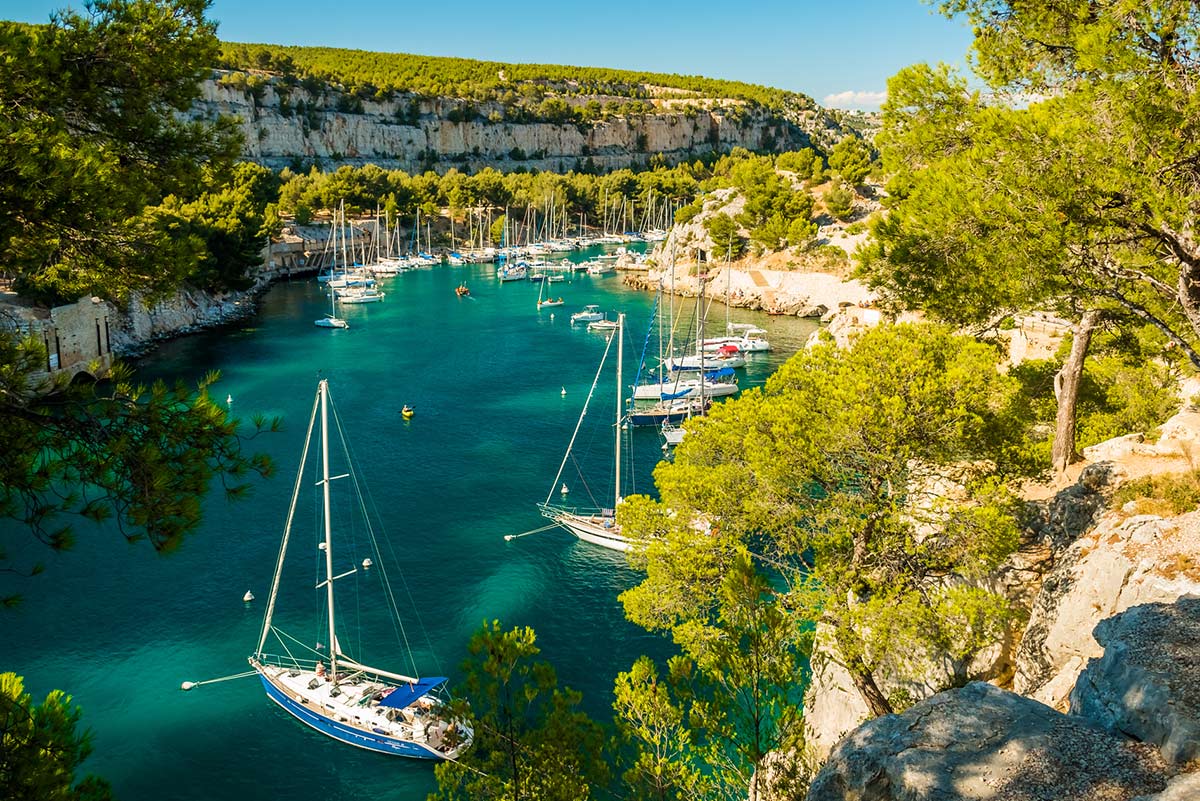
Here, Provence meets the sea. A popular day trip from both Aix-en-Provence and Marseille, the fishing port of Cassis is known for its white and rosé wines, and for its proximity to one of France’s most spectacular natural wonders – the Calanques.
These steep-walled formations carve out finger-like slices of teal water between limestone cliffs. Access to this beloved national park is limited to preserve its beauty, and the best way to explore is by boat, cruising past crowds to reach hidden coves and quiet pockets of turquoise water.
Marseille
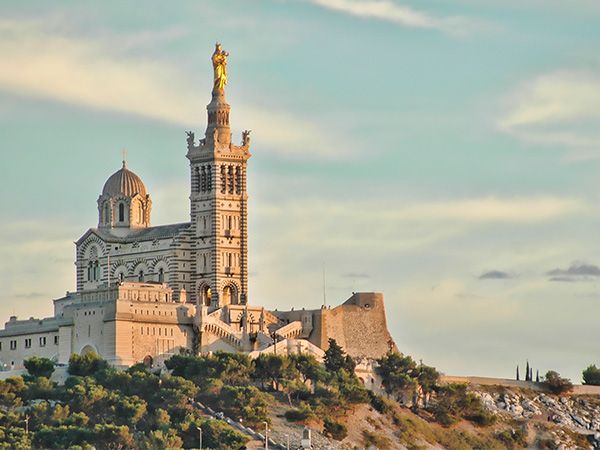
Paris might get the clout, but France’s oldest city is its most electric, wearing its age like a well-worn suit. The striped, beehive-domed Basilica of Notre Dame de la Garde watches over a port alive with shrieking kids, roaming street musicians, and tourists clearing plates of bouillabaisse and panisse next to it all.
Teenagers launch swan dives into the sea as others filter into the MuCEM (Museum of European and Mediterranean Civilisations) above, or ferry out to the stern Château d’If – made famous by The Count of Monte Cristo. In short, this isn’t a city for slowing down.
Aix-en-Provence
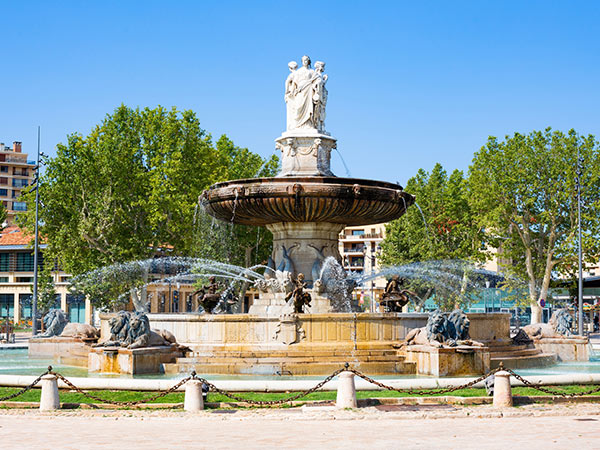
Where doing as little as possible is a talent perfected across the generations. The most active moments are sipping wine in the vineyards near Montagne Sainte-Victoire – the muse of dozens of paintings by former man-about-town, Paul Cézanne. Lavender fields and gaudy stretches of sunflowers lure amateur photographers from around the world, but the real art is found in and around the table.
Markets stock goat cheese wrapped in chestnut leaves, fougasse loaves, and candied calissons d’Aix – perfect for post-nap nibbling in a sun-drenched apartment. Or there’s the Cours Mirabeau: a glass of Maison Saint Aix rosé in hand, a bowl of olives on the table, and nothing to do but watch the world pass by.
Arles
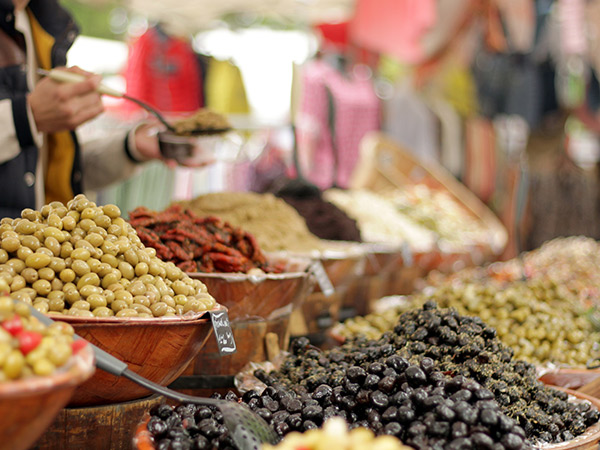
The South of France’s answer to the Colosseum sits right here – a still-used Roman arena that anchors this UNESCO World Heritage city. But it’s not all about the classics. Arles also lays claim to France’s longest covered market, stretching 2.5 kilometres and packed with around 450 stalls. (It’s enough to make the palms sweat of the most disciplined shopper.) Tributes to one of its most famous residents, Vincent van Gogh, appear throughout town, with works like ‘Starry Night (Over the Rhône)’ on display at the Fondation Vincent van Gogh Arles.
For a day trip, the nearby Camargue has flamingo-lined marshes, salt flats, wild white horses and the gardian herdsmen who work alongside them.
Weekly travel news, experiences
insider tips, offers, and more.
Carcassonne
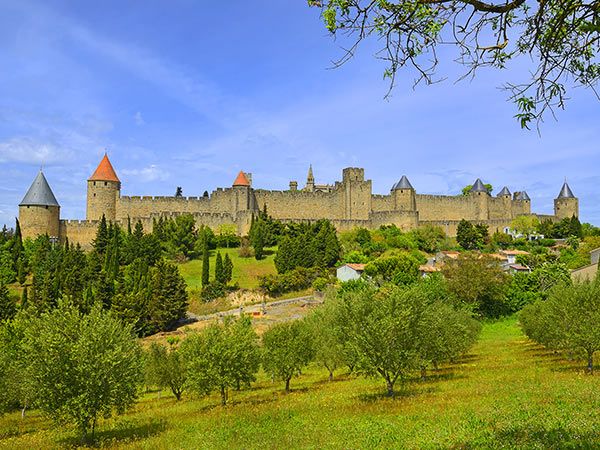
Yes: the same Carcassonne that inspired the epic board game. Considered one of the best-fortified cities in Europe, it was once a stronghold of the Cathars, a Christian sect that was unceremoniously kicked out by the Crusaders. (Pretty impressive, considering its feudal-era Château Comtal, double ramparts, 53 watchtowers, drawbridge and enough arrow slits to make you clutch your throat.) Today, the invaders of the UNESCO-listed Cité are a little less threatening – tourists.
Optional Detours
Èze, Villefranche and Menton
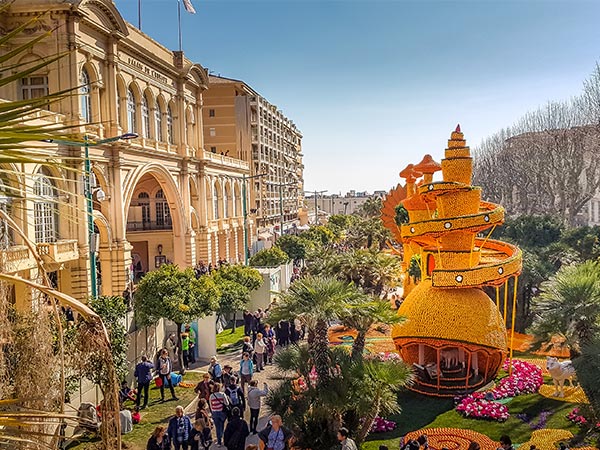
Easy add-ons to your Nice stay that are well worth the time. There’s the citrus-scented air in Menton on the Italian border, the perfume-making heritage of Èze, and the harbour of Villefranche-sur-Mer.
Gorges du Verdon
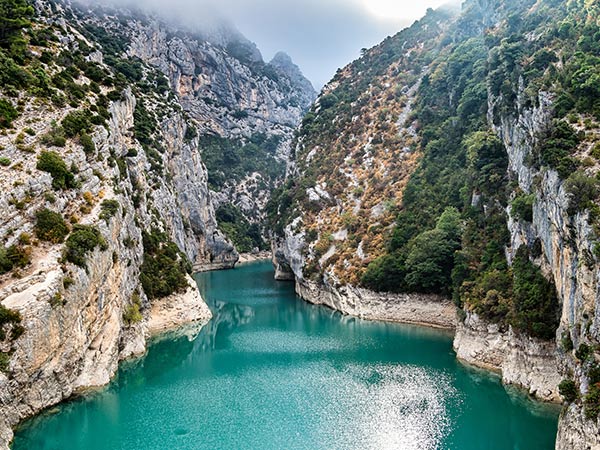
France’s answer to the Grand Canyon. Crack your knuckles, hop into a canoe and row along the turquoise waters and limestone cliffs, before stopping at the edge for a well-earned picnic of cheese and baguette.
Collioure
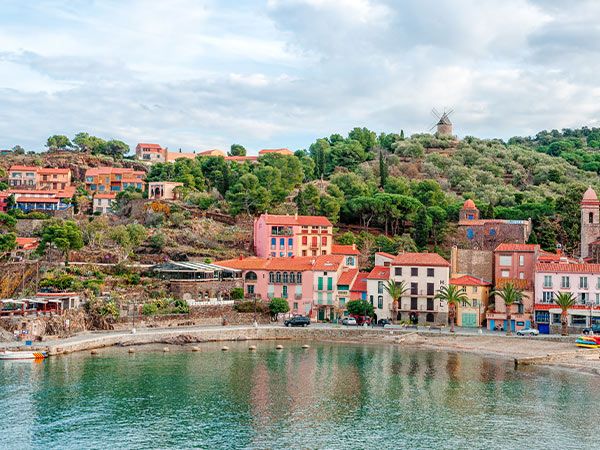
Catalan-meets-French is the tone at this laidback fishing village, made for lunches of grilled sardines and rosé by the water. Its vivid light and saturated colours are said to have inspired Matisse and Derain in the bold Fauvism movement.
Want to see more stories from International Traveller in your Google search results?
- Click here to set International Traveller as a preferred source.
- Tick the box next to "International Traveller". That's it.