hero media

6 incredible things to do in Bordeaux between wine tastings

There’s a lot more to Bordeaux than some of the world’s best wine, and a river cruise is the best way to discover them.

Historic castles, ancient villages, mesmerizing artworks and French feasts are just some of the highlights to enjoy on a Bordeaux river cruise, where wine lovers can experience some of the 53 different appellations in this south-west corner of France.
bordeax, france, at sunset
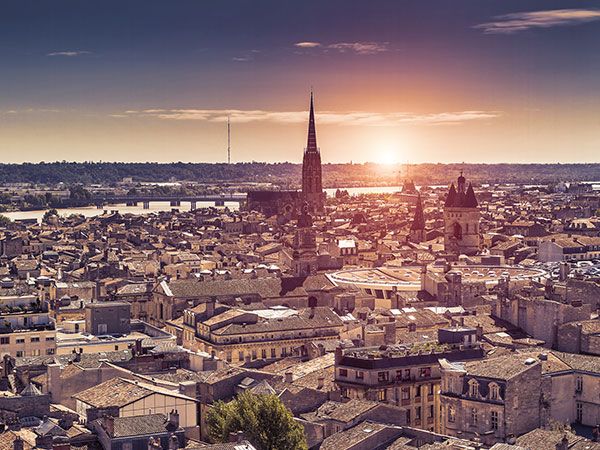
Discover the best of Bordeaux between wine tastings. (Image: PJPhoto69)

Getting there

One of the most luxurious and relaxing ways to travel around Bordeaux? Sitting back and watching the vineyards and vistas glide by on an eight-day river cruise along the Garonne and Dordogne rivers. In 2025, combine it with Avalon Waterways’ other popular cruises for two and three-week sailings along the Seine, Saône, Rhine and Rhône rivers for a fully immersive experience of France.

With two decks of suites featuring floor-to-ceiling windows, the 128-passenger Avalon Artistry II provides uninterrupted views of the French countryside. The Active, Discovery and Classic excursions offer the chance to experience Bordeaux in a variety of ways, including guided bike rides through vineyards and guided tours around art galleries and along cobblestone streets.

Here are some of the experiences you can look forward to when in Bordeaux.
sunset over oyster farm at Bassin d’Arcachon
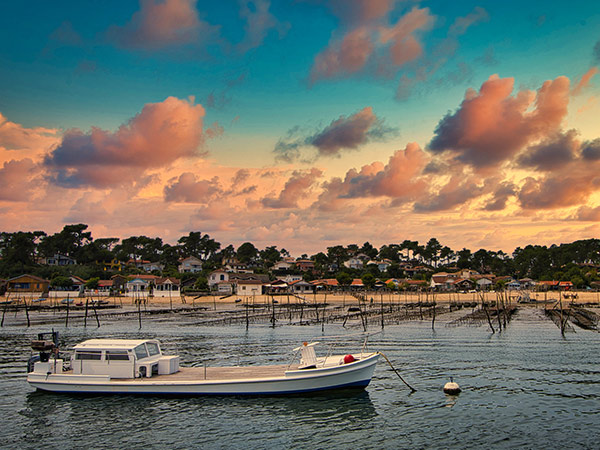
Sit back and enjoy the heavenly views between shore excursions. (Image: Jerome Delaunay)

1. Château de la Brède

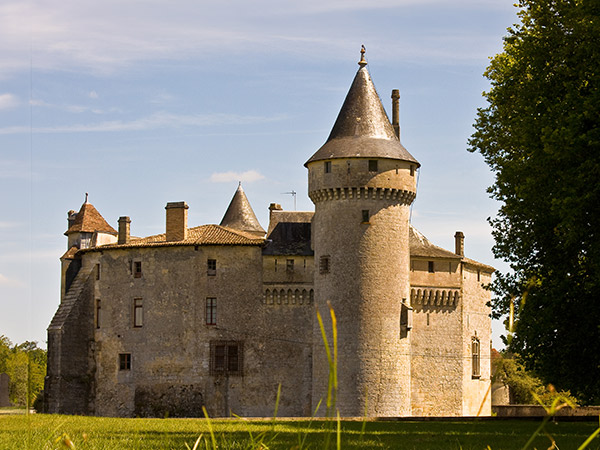
With its turrets and wide moat, and built on the ruins of another castle in the 14th century, the medieval fortress of Château de la Brède looks like something out of a fairy tale. It also has a special place in the history of a different kind of book; in 1689, it became the birthplace of writer and philosopher Charles Louis de Secondat, who would go on to become known as Montesquieu and write The Spirit of Law.

See the castle reflected in the moat before crossing over the threshold to follow in Montesquieu’s footsteps. The château’s library still holds thousands of books from the 17th and 18th centuries, and after visiting the rooms and the chapel you can explore the castle gardens.
Château de la Brède, bordeaux
Seethe medieval fortress of Château de la Brède. (Image: Michael Duxbury)

2. Fort Médoc

The Gironde estuary, where the Garonne and Dordogne rivers meet, is the largest in Europe. When King Louis XIV decided it needed to be protected, he turned to his General Commissioner for Fortifications, Vauban, to come up with a plan.

Vauban created the three-pronged defence of Fort Médoc, the fortified Citadel of Blaye and Fort Paté, and the resulting 17th-century Verrou de l’Estuaire (Bolt of the Estuary) has been a UNESCO World Heritage Site since 2008. On a Bordeaux cruise, you can visit the impressive Ford Médoc, including the barracks, bakery and chapel.
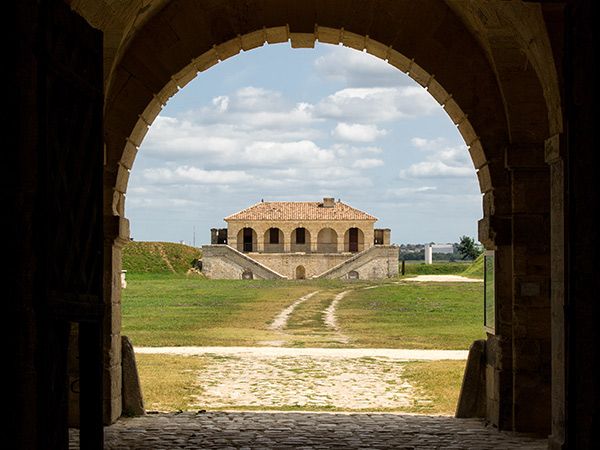
Fort Médoc, bordeaux
Cruise to Fort Médoc. (Image: Federico Moroni)

3. Citadel of Blaye

On a morning cruise towards the Citadel of Blaye, imagine what it would have been like to sail up to the fortress in the 17th century – then go ashore and step inside. The largest of the three Bolt of the Estuary fortifications covers 38 hectares and has underground passages, a prison that was turned into a bakery, a chapel and even its own vineyard. These days you can also find shops and restaurants in the citadel.

While you’re there, visit a museum where you can see models of the medieval castle that’s now in ruins, and learn more about life behind the ramparts over the years.
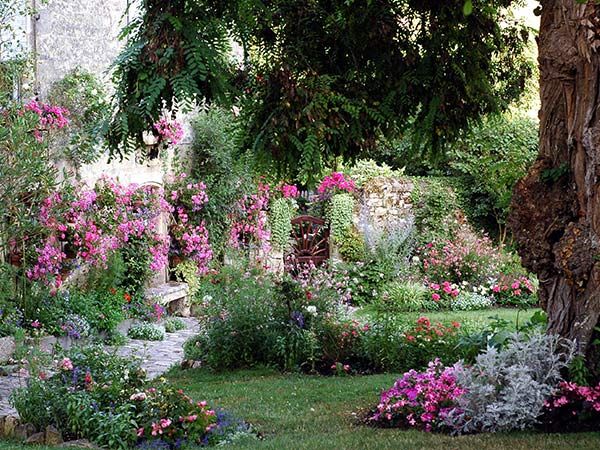
garden in citadel of blaye, bordeaux river cruise
Discover the pretty side of this fort. (Image: Clodio)

4. Saint-Émilion

Best known to wine lovers as a very special appellation, Saint-Émilion is also one of the most fascinating villages in France. Here the history of winemaking dates back to when Romans planted the first vines around the 2nd century, and the village is named after the monk Émilion, who is said to have performed miracles when he lived here in a small cave in the 8th century.

The village is home to the largest monolithic church in Europe, which was carved into a limestone cliff in the 12th century. As you walk the steep cobblestone streets you can find other churches and convents, along with enticing cafes and bakeries, including Macarons de Saint-Émilion, where Nadia Fermigier uses a recipe that has been handed down since 1620.
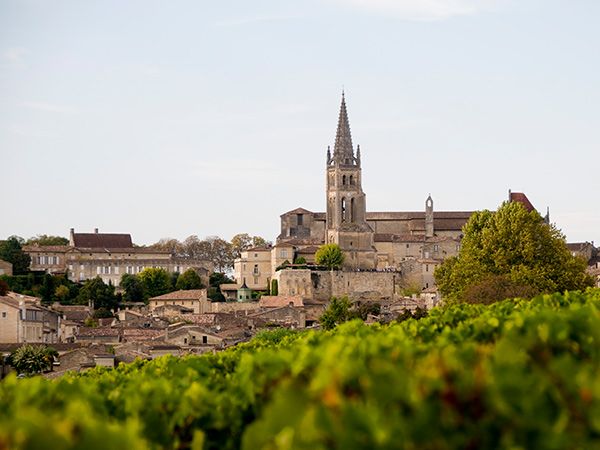
Saint-Émilion, bordeaux
Taste wine at Saint-Émilion. (Image: Patrick Hutter)

Weekly travel news, experiences
insider tips, offers,
and more.

5. Bassins des Lumières

The world’s largest digital arts centre, Bassins des Lumières has transformed a wartime German-built submarine base into an immersive art experience like no other. Visitors are treated to a light and sound spectacular, with artworks projected onto 12,000mof concrete walls and reflected in four 110-metre-long pools of water, all accompanied by a surround sound musical backdrop.

Since opening a Klimt exhibition in 2020 (which attracted around 500,000 visitors), the sensory collections have included works by Dali and Gaudi, with a soundtrack by Pink Floyd. Under the main gallery in Le Cube you can find projections of contemporary art, while the history of the submarine base is remembered in the Museum Space.
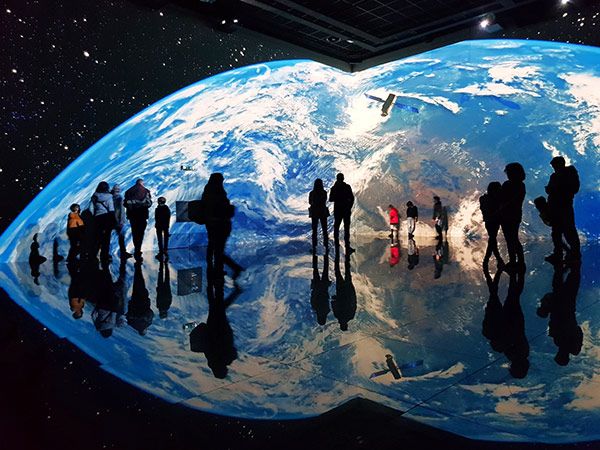
Bassins des Lumières
Marvel at the world’s largest digital arts centre. (Image: Rémy Martineau)

6. Bassin d’Arcachon

With its interesting mix of small villages and towns, Bassin d’Arcachon (Arcachon Bay) is one of the most popular seaside destinations in France. Stroll the streets of the eclectic Winter Town, where Belle Époque mansions are joined by Swiss chalets, Moorish pavilions, neo-classical and neo-gothic houses.

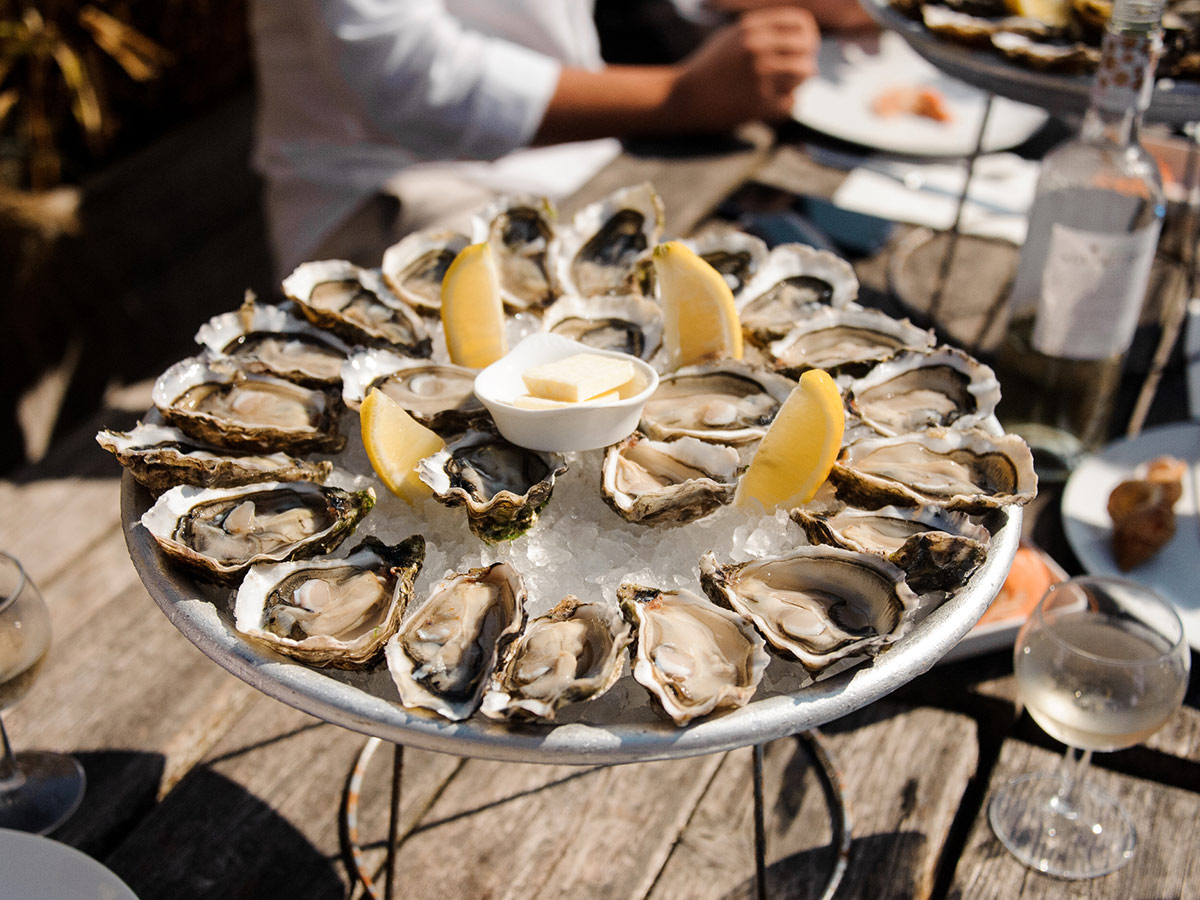
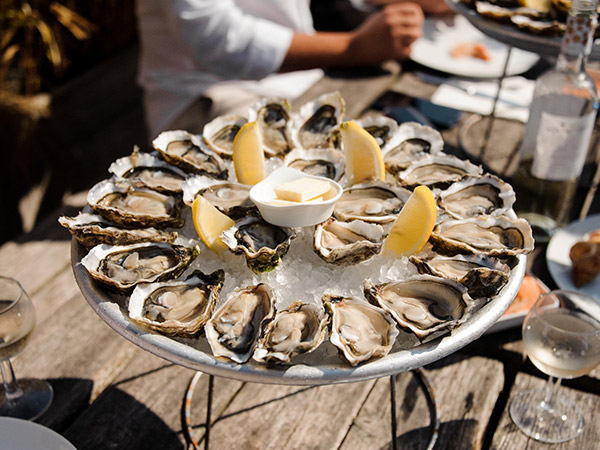
After exploring the area, eat freshly shucked oysters straight from the Atlantic Ocean in a village dotted with colourful oyster farm cabins – served with another drop of Bordeaux wine.
eating oysters at Bassin d’Arcachon on a bordeaux river cruise
Taste fresh oysters in quaint Bassin d’Arcachon. (Image: Maxim Fesenko)
Start planning your Bordeaux adventure at avalonwaterways.com.au.

Want to see more stories from International Traveller in your Google search results?

  1. Click here to set International Traveller as a preferred source.
  2. Tick the box next to "International Traveller". That's it.
hero media

What the European heatwave means for your summer travel plans

Temperatures are soaring this summer, breaking records across Europe and the UK. 

Euro summer is a feeling like no other. But when a heatwave hits? The dream trip quickly turns into a sweaty mess. Extreme heat is sweeping Europe and the UK this week, with record-high temperatures impacting travel plans across the continent.

And while Australian summers are typically hotter in absolute temperature, many European cities aren’t equipped for high temperatures, resulting in unbearable weather.

Why is it so hot in Europe?

Signs of a hot summer loomed in May, when the mercury hit unprecedented spring highs. Now, extreme high temperature warning alerts have been issued in countries such as Spain, Italy, France, England, the Netherlands and Germany.

France saw its hottest day on record on Wednesday, with an average temperature of 30°C across the day and night. This surpasses the average temperature for June, which is 15°C to 25°C. Dozens of people have died, including 40 from drowning.

In Spain, 212 deaths have been linked to the heatwave.

The UK recorded its hottest June day ever on Wednesday with temperatures soaring to 36.1°C. In an article published by the Met Office – the UK’s national meteorological service – Professor Stephen Belcher CBE, Met Office Chief Scientist, shared his concerns about June’s heat. “To see temperatures like this in the UK in June is sobering. Events like this bring home the implications of climate change, with very high temperatures and humidity bringing significant health implications from heat stress, as well as impacts to a range of sectors such as transport, energy and water supply,” he said.

Heatwaves are becoming increasingly common in Europe and the UK, neither of which is prepared for such extremes. The World Meteorological Organization reported that in 2025, at least 95% of Europe experienced above-average annual temperatures and that the continent was heating up twice as fast as the global average.

How travel is impacted

A pharmacy sign displaying 40 degrees Celcius
A pharmacy broadcasting local weather data. (Credit: Getty/Dragoncello)

During a heatwave, power grids, water systems and transport networks can be affected, resulting in disrupted itineraries for travellers. In France, power outages have left thousands without electricity and early closures have been implemented for two of Paris’s biggest attractions, the Eiffel Tower (early afternoon rather than late at night) and the Louvre (two hours early). Eurostar cancelled its London to Paris and Paris to London services from the 22nd to the 25th, and major UK rail companies have been advising travellers to avoid using trains where possible, or to travel during early hours.

If a heatwave is predicted, being flexible with your itinerary and having fully refundable/changeable tickets is key, as extreme heat can force the cancellation of outdoor activities, impact rail and flight services and change the opening hours of sites and eateries.

Why does summer in Europe often feel hotter than summer in Australia?

people swimming in the Canal Saint-Martin in Paris
People swimming in the Canal Saint-Martin in Paris to cool off. (Credit: Rachael Thompson)

With some of the highest UV levels in the world, Australians are no strangers to the heat, adapting well to intense weather. But our infrastructure is largely equipped to withstand soaring temperatures with climate-responsive passive design, refrigerated air conditioning or evaporative coolers, as well as swimming spots aplenty.

Buildings in Northern and Western Europe and the UK, however, are constructed to retain heat and handle frosty winters. The lack of universal air conditioning means it generally feels hotter even though the temperature on your app might not look it. During a heatwave, it can feel like you’re in a sauna as cities act like heat traps.

How to stay cool and prepare for another heatwave

Relief is expected across Europe and the UK later this week, but more heatwaves are still possible in the coming months. Summer heat typically peaks in July and August.

Public transport often doesn’t have air conditioning, and buses in particular can be swelteringly hot. If you’re heading outside or your accommodation has no air conditioning, it’s worth buying a spray bottle and a handheld fan from a pharmacy or tourist stand. Check ahead of time if restaurants and cafes have air conditioning and make a booking in advance. The highest temperatures typically hit between 3pm and 6pm, so aim to head outdoors outside of these hours.

Rising temperatures invite travellers to enter a more intentional era of seeing the world. Now more than ever is the time to embrace lower-impact “coolcations” and off-season getaways.

6 incredible things to do on Bordeaux river cruise between wines