hero media

When to visit these European destinations to avoid the crowds

If you love Europe but hate big crowds, this is the list for you.

Teal blue seas, ancient buildings, unique food specialities, and a heady mix of cultures. It’s no wonder that Europe receives over half a million tourists every year. It’s also an unfortunate truth that popular places like London, Paris and Barcelona get busy enough to cause anyone with the smallest levels of anxiety around crowds to have a meltdown.

If you want to avoid this stressful situation, check out this list of the best off-peak destinations to visit in Europe over the year.

January – Sevilla, Spain

While the rest of Europe shivers its way through the winter months, the warmest city in continental Europe experiences pleasant temperatures and an even more pleasant number of travellers checking out its flamenco dancing, tapas and stunning Moorish-Spanish architecture.
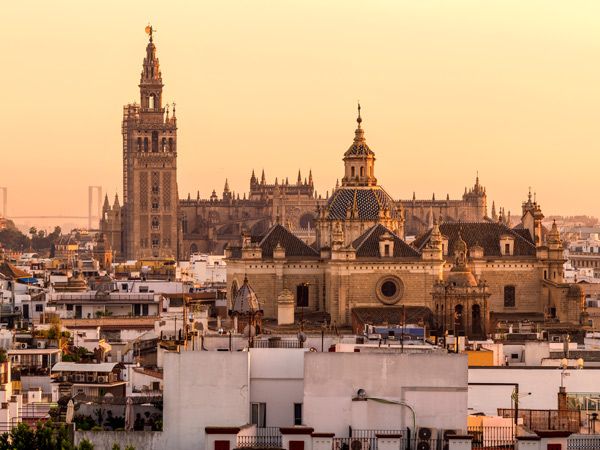
the Seville Cathedral with a sunset backdrop
Explore the Moorish-Spanish architecture in Seville. (Image: Sean Xu via Getty Images)

If you have more time to spare, expand your trip to the wider Andalusian area, visiting the Islamic palace of Alhambra in Granada, and the Alcazaba fortress in Málaga.
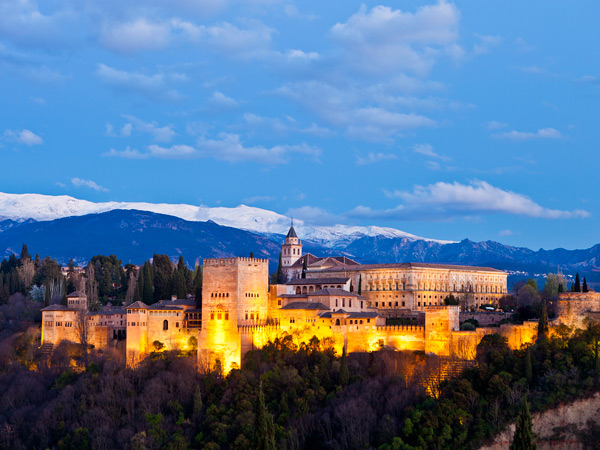
the Alhambra Palace in Granada, Spain
The Alhambra looms over Granada. (Image: traveler1116 via Getty Images)

February – Porto, Portugal

If you’ve ever walked down into the port wine cellars or climbed up the riverside slopes of Portugal’s second city in July, you will already know how busy (and hot) it gets in July. Escape this situation by coming to Porto in February.
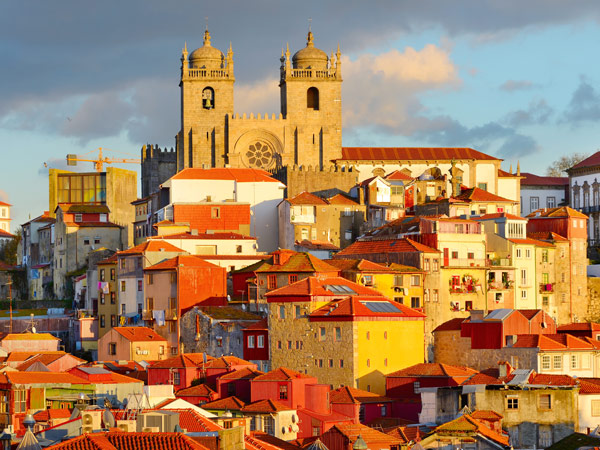
the Porto Old Town at sunset
The sun-kissed Porto Old Town combines Gothic, baroque and modernist styles. (Image: joyt via Getty Images)

While you are very much not guaranteed the same level of sun, you can still get to those attractions, as well as spot azulejos ceramic tiles, admire its baroque architecture, look at the view from Porto Cathedral, and make your way very slowly through a chunky Francesinha sandwich.
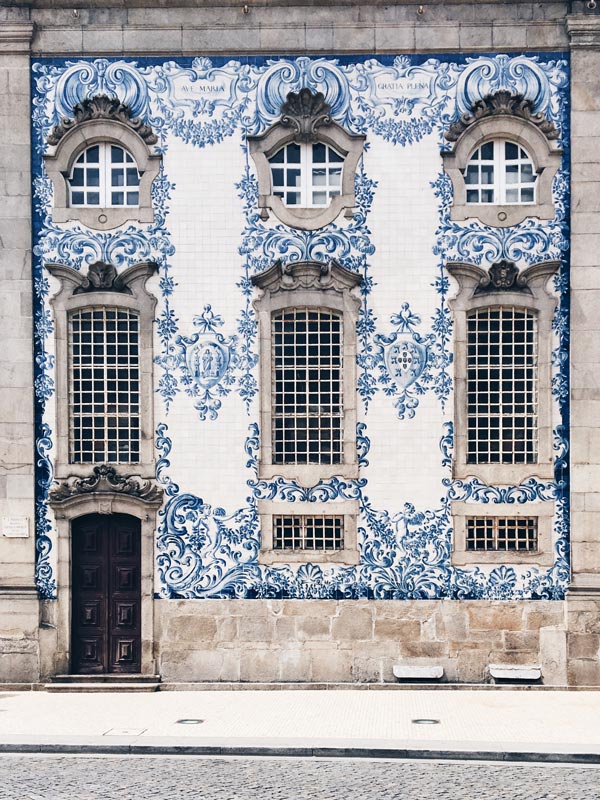
the exterior of Carmelitas Church With Our Lady of Mount Carmel, Porto
Visit Carmo and Carmelitas double church in downtown Porto. (Image: Yana Marudova)

March – Florence, Italy

One of the most famous reasons people go to Florence, Tuscany is to see its art, architecture and grandiose history. Think the Duomo Cathedral, the Ponte Vecchio, Michelangelo’s David and Botticelli’s Birth of Venus at the Uffizi Gallery.
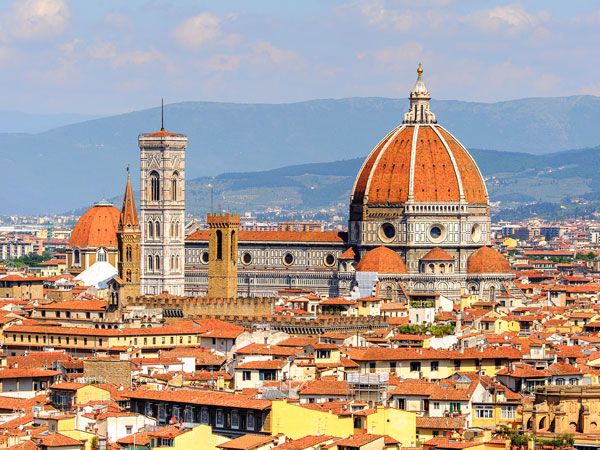
the Florence Cathedral in Italy
The Cathedral of Santa Maria del Fiore is one of the largest churches in the world. (Image: Siempreverde22 via Getty Images)

You know what you don’t need to see this? Good weather. This is why you should snatch the chance to visit Florence during the low season with both hands.
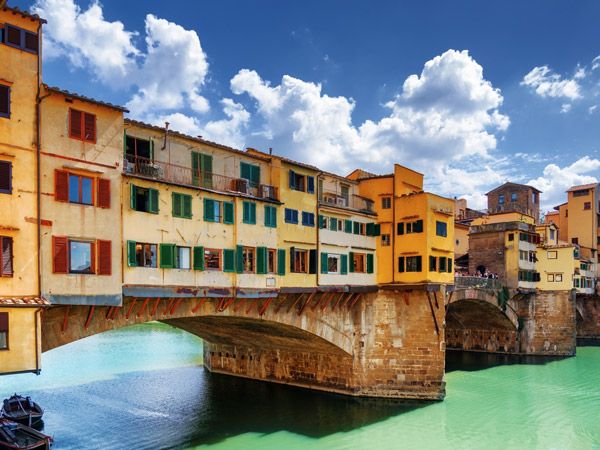
the Ponte Vecchio bridge in Arno River, Florence, Italy
The picturesque Ponte Vecchio bridge is one of Florence’s best sights. (Image: efired via Getty Images)

April – Istanbul, Türkiye

While April is edging closer to the beginning of Istanbul’s May to October higher season, it is also the time of the year when its gorgeous Tulip Festival begins.
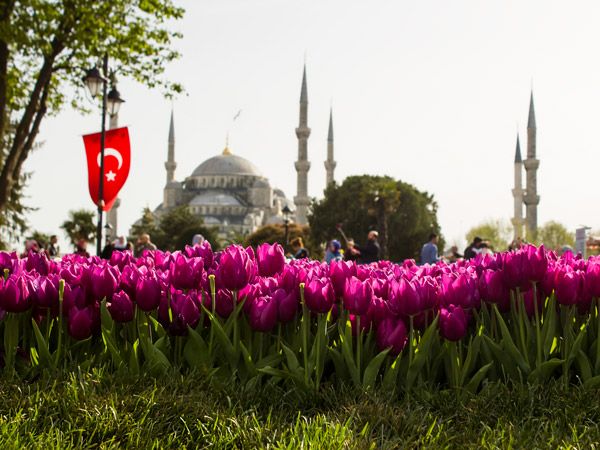
tulips in front of Blue Mosque, Istanbul, Türkiye
Arrive in Istanbul when tulip season begins. (Image: Gulsen-Ozcan via Getty Images)

Make the switch from the Netherlands to Türkiye, and check out the millions of tulips that have been planted in the capital city in recent years.
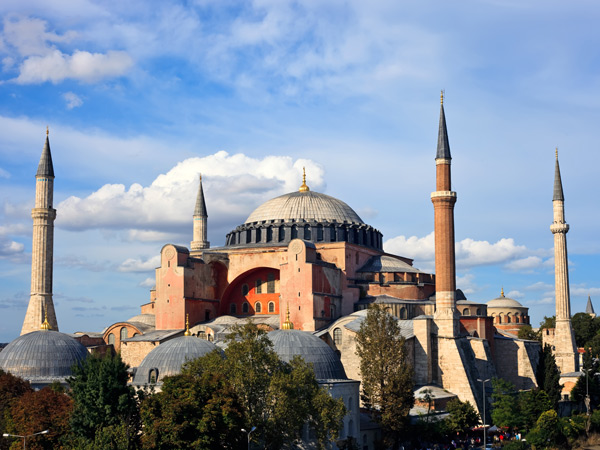
Hagia Sophia in Istanbul, Türkiye
The Hagia Sophia Grand Mosque represents Byzantine architecture and art. (Image: plastic_buddha via Getty Images)

In-between, explore the world-famous Hagia Sophia and the Topkapi Palace, walk through the Grand Bazaar and have a stem ‘n’ scrub at a hammam.
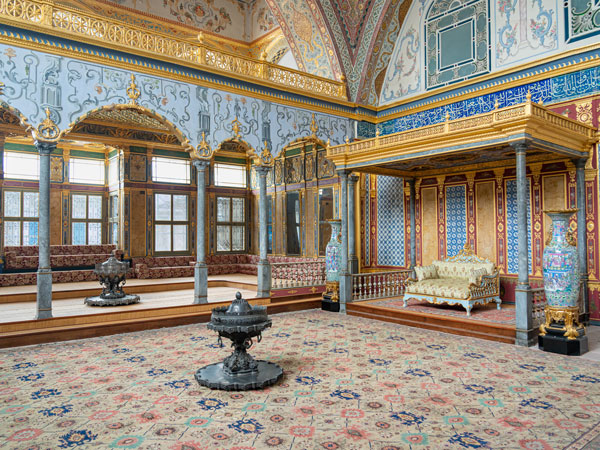
a look inside the Sultan Harem in Topkapi Palace
Topkapi Palace features a century-old Harem where Sultans lived with their families. (Image: Denis-Shevchuk via Getty Images)

May – Ionian Islands, Greece

All the groups of the Greek islands are stunning – and crawling with white-linen-wearing, selfie-photo-taking tourists in the summer. Instead, book a late spring holiday on the naturally gorgeous Ionian islands.
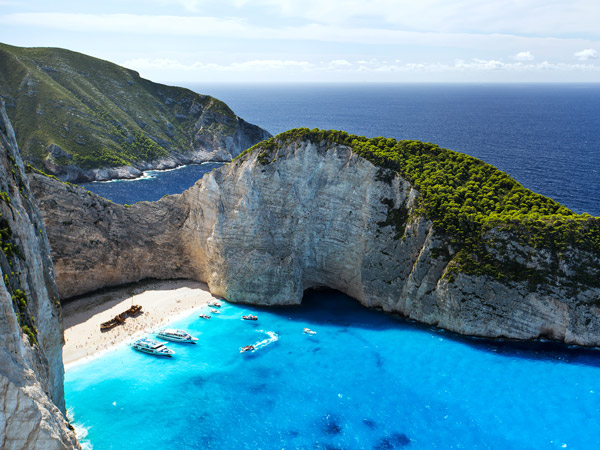
an aerial view of Navagio Beach, Ionian Islands, Greece
Nestled in the Ionian Sea, the wreck of the MV Panagiotis sits on Navagio Beach. (Image: Natalia Deriabina via Getty Images)

More off the beaten track at the best of times, these islands have wild cliffed beaches and small towns serving regional dishes like pastrokio, a dish of eggplant baked in a tomato sauce with eggs and cheese.
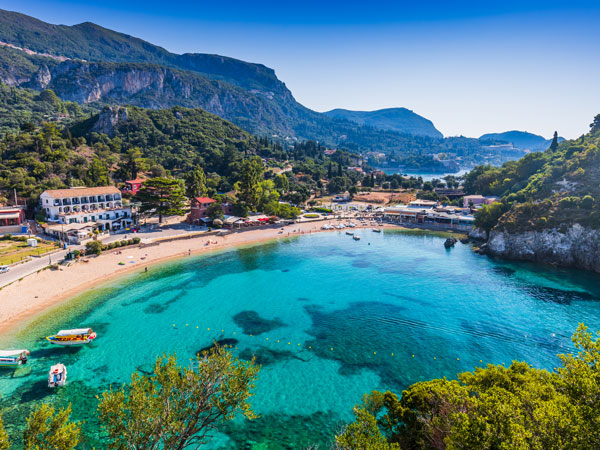
an aerial view of a beach in Corfu, Greece
Discover Corfu’s azure waters. (Image: SC Stock via Getty Images)

June – Sicily, Italy

It’s getting hotter in southern Europe, but it’s still before the European and American school holiday crowds hit in July.

Take advantage of this by sneaking down to the football islands of Sicily at the end of Italy’s boot.
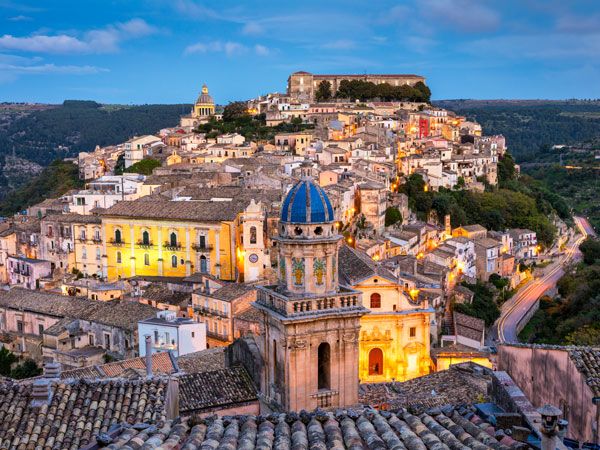
the Ragusa Ibla in Sicily, Italy
Head to Sicily before the summer holidays begin. (Image: Da Liu via Getty Images)

Cool off on the hotter Sicilian days on one of the island’s many beaches and islands, or eat masses of sweet, icy granita, and spend the rest visiting palatial gold churches and devouring treats at one of its one-of-a-kind street food markets.
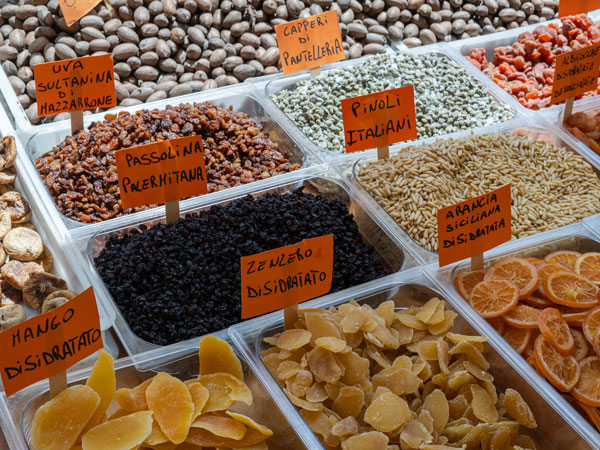
dried nuts and fruits in the Sicily Market, Italy
Don’t pass on the chance to explore Sicily’s markets. (Image: Lizzy Komen via Getty Images)

July – Innsbruck, Austria

While the rest of Europe swelters, the Tyrolean capital of Innsbruck escapes the worst of the heat. This Austrian town is rightly famous for its winter sports, but in summer, temperatures rise to pleasantly cool levels.
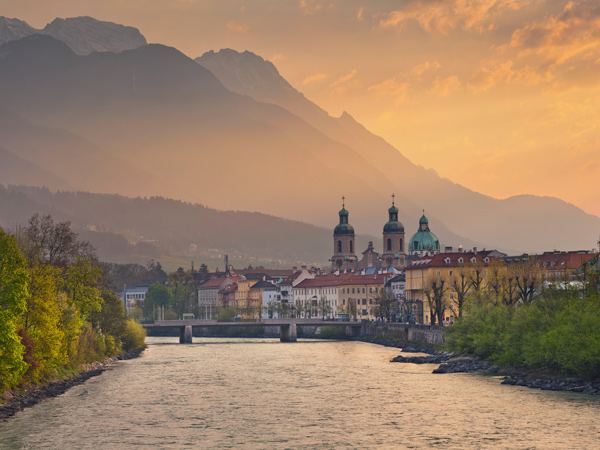
sunrise in Innsbruck, Austria
Watch the sun rise majestically over the Nordkette Mountain Range. (Image: Rudy Balasko via Getty Images)

Take advantage of this and spend sunny days hiking in the hills, exploring its Hapsburg royal past, and swimming in mountain lakes.
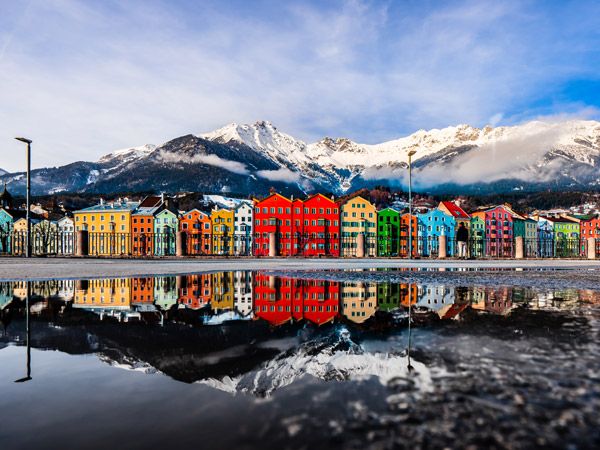
colourful houses by the lake in Innsbruck, Austria
Discover the colourful houses in Innsbruck. (Image: Torben Knauer via Getty Images)

August – England, Scotland and Wales, United Kingdom

While London and Edinburgh will be heaving (the former being very much on the travellers ‘to-do’ list, and the latter for hosting the world-famous Fringe Festival that month), England, the rest of Scotland and Wales, will be experiencing some of the best weather of the year.
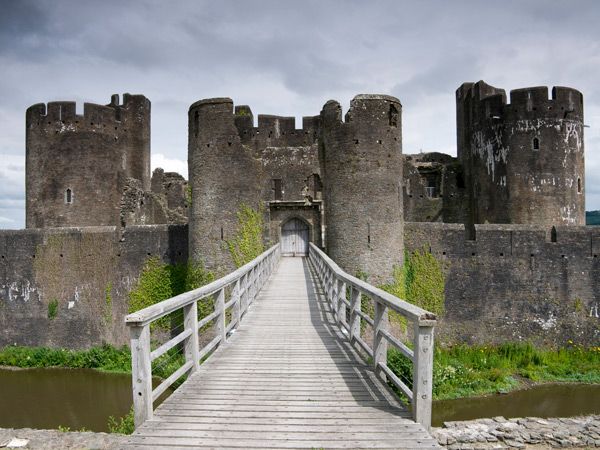
the Caerphilly Castle in Wales
Wales has many castles to explore. (Image: krzych-34 via Getty Images)

Go fossil hunting on the beaches of Dorset, take long walks in the Lake District, check out the mighty castles of Wales and drink strawberry-flavoured Pimms in country pubs.
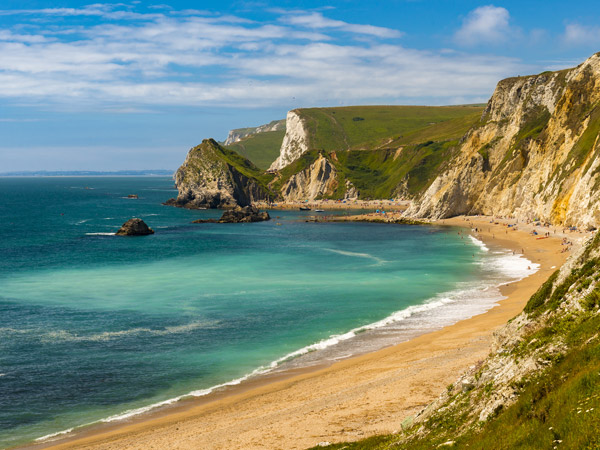
Dorset beach
Explore Dorset’s beaches. (Image: allou2 via Getty Images)

Weekly travel news, experiences
insider tips, offers,
and more.

September – Tromsø, Norway

While the northern lights are most associated with the depths of winter, you are just as likely to see the aurora borealis in September.
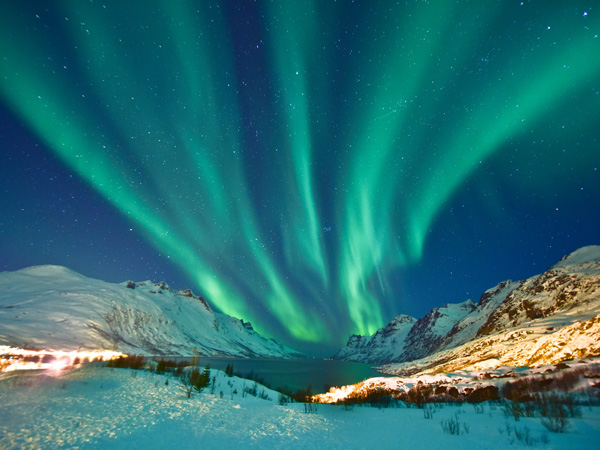
the Aurora borealis in Norway
There’s never been a better time to see the northern lights. (Image: Mu Yee Ting via Getty Images)

After you’ve looked upon this wondrous site in Tromsø, try your hand at foraging. Pick cloudberries, crowberries and lingonberries, porcini and hedgehog mushrooms.

Golden yellow Chanterelles Mushrooms
Norway’s most popular mushroom to pick is the chanterelle. (Image: Michael Workman via Getty Images)

October – Plitvice Lakes, Croatia

Croatia’s summer visitors have gone, but the Plitvice Lakes Park remains open, with all lakes accessible before reduced access comes in on the first of November.
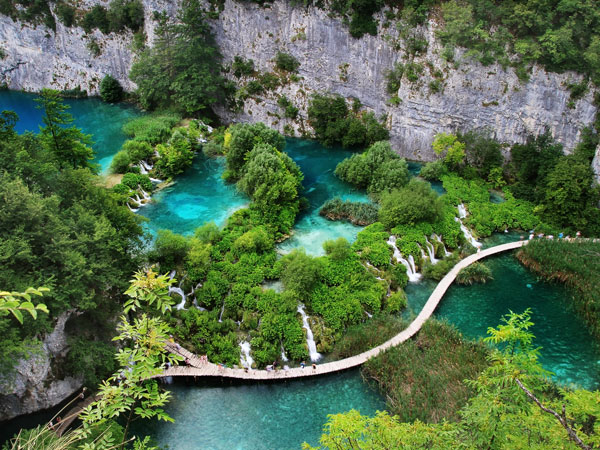
an aerial view of Plitvice National Park, Croatia
Stroll over the turquoise Plitvice Lakes. (Image: gydyt0jas via Getty Images)

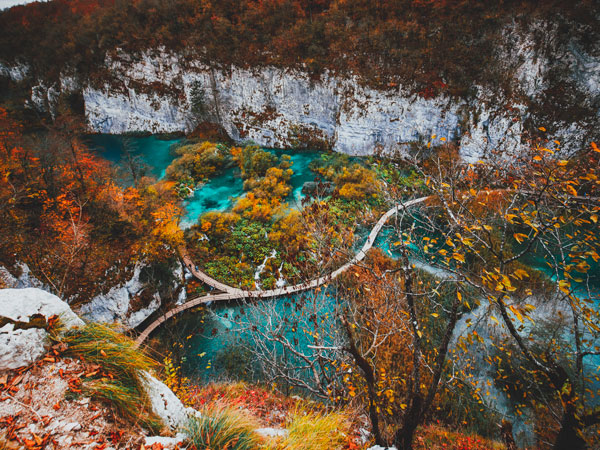
The autumn leaves of oranges and faded greens fall on the reduced crowds, who can also rent rowing boats to cross the lakes. To make the deal even sweeter, there is a reduced price for off-peak entry.
autumn in Plitvice National Park, Croatia
Plitvice Lakes are stunning in autumn. (Image: serts via Getty Images)

November – Prague, Czech Republic

Despite the busyness in the warmer months, the Czech capital’s Bohemian charm keeps travellers coming back again and again.
a boat sailing along Charles Bridge, Vltava River in Prague, Czech Republic
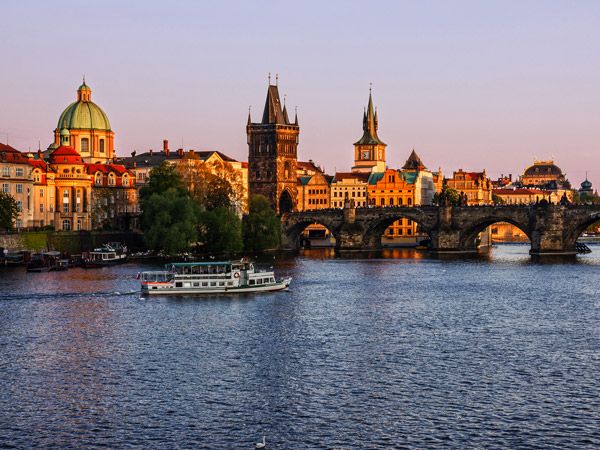
Prague’s Charles Bridge is iconic. (Image: Travel Faery via Getty Images)

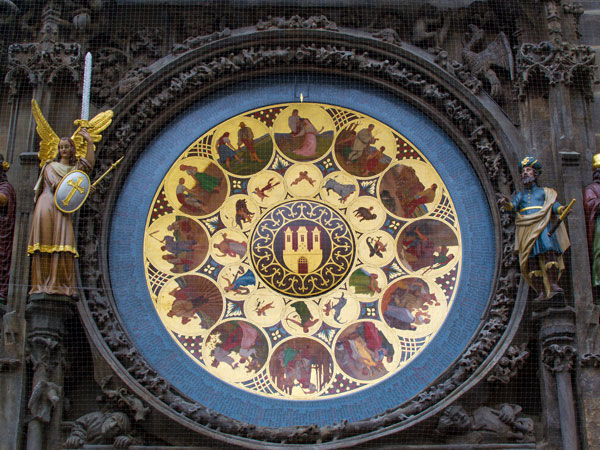
But in late autumn, you can still eat plates of hot Guláš (goulash), sip on its famously cheap and foamy beers, cross the Charles Bridge, wait for the figures of the Astronomical Clock to emerge at the Staroměstská Radnice town hall, and learn about Prague’s resistance in the Second World War.
the Astronomical Clock in Prague, Czech Republic
The Astronomical Clock strikes every hour. (Image: Jesus Barroso via Getty Images)

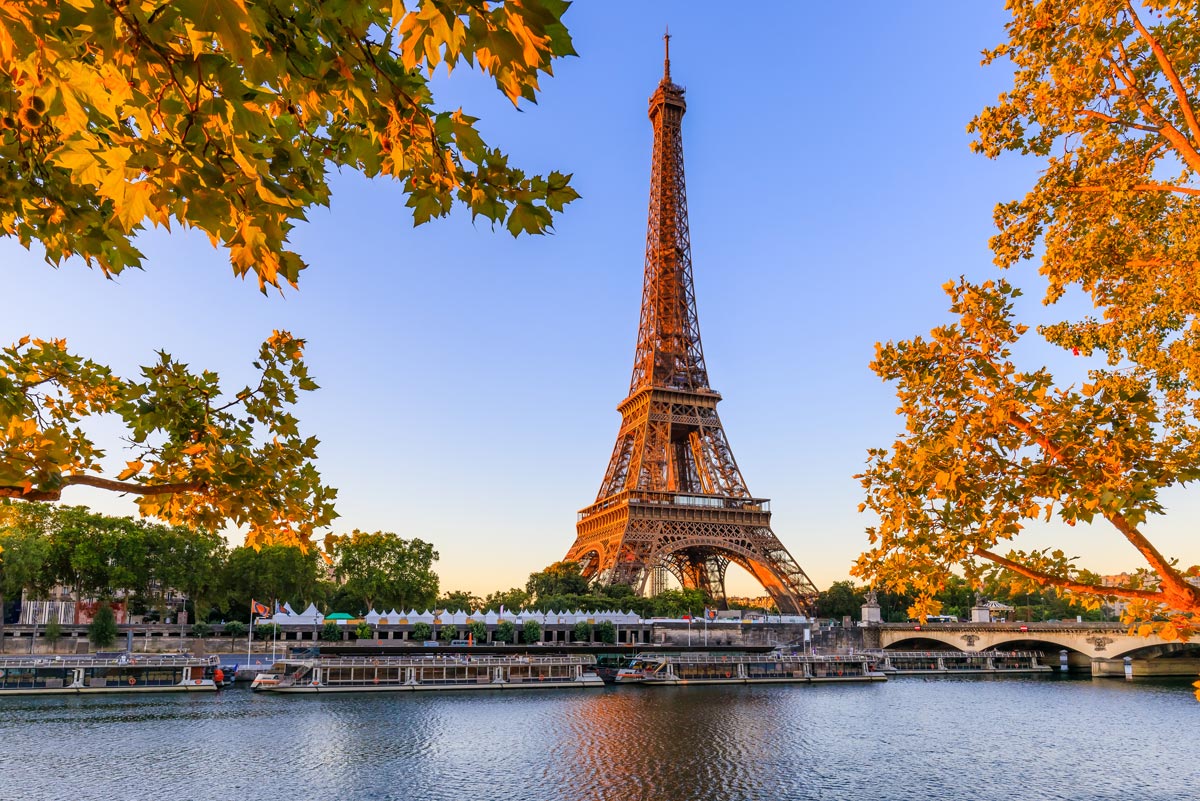
December – Paris, France

Paris, je t’aime. Just not in the smelly, busy and way too expensive summer high season.
Christmas in Paris
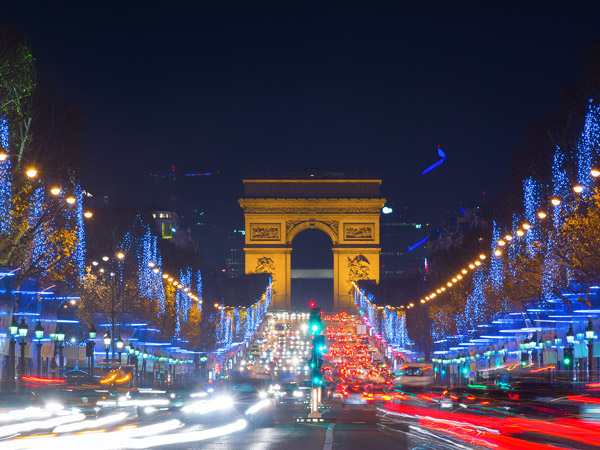
Christmas is a magical time to visit Paris. (Image: Felix Catana via Getty Images)

A far better option is to come to the French capital in December when the shop windows at Les Galeries Lafayette glitter with Christmas scenes, cups of chocolat chaud are a welcoming respite from the cold, Christmas Markets run at the Tuileries Garden, and you can escape the winter weather among the artworks in the Louvre or Musée d’Orsay.
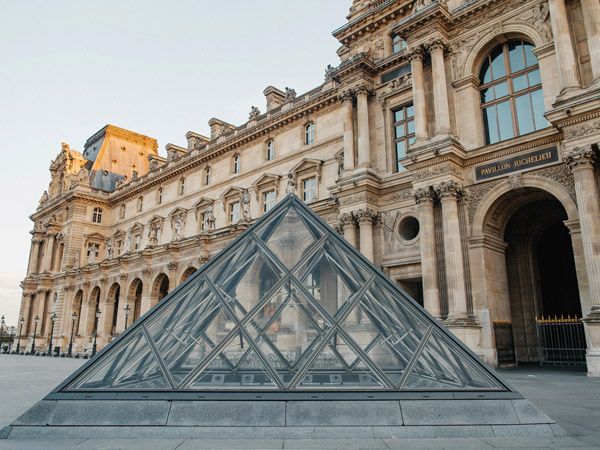
the Louvre Museum in Paris
Escape the weather in The Louvre. (Image: Max Avans)

Want to see more stories from International Traveller in your Google search results?

  1. Click here to set International Traveller as a preferred source.
  2. Tick the box next to "International Traveller". That's it.
Kate Bettes
Kate Bettes is a freelance travel writer. Whether having a picnic in Vietnamese jungle with new friends, or partying in the back of a limousine in Hollywood, Kate’s experiences have left her with the sneaking suspicion that the best travel memories happen when you least expect. It’s this feeling - and how to get it - that she loves to write about.
View profile and articles
hero media

What the European heatwave means for your summer travel plans

Temperatures are soaring this summer, breaking records across Europe and the UK. 

Euro summer is a feeling like no other. But when a heatwave hits? The dream trip quickly turns into a sweaty mess. Extreme heat is sweeping Europe and the UK this week, with record-high temperatures impacting travel plans across the continent.

And while Australian summers are typically hotter in absolute temperature, many European cities aren’t equipped for high temperatures, resulting in unbearable weather.

Why is it so hot in Europe?

Signs of a hot summer loomed in May, when the mercury hit unprecedented spring highs. Now, extreme high temperature warning alerts have been issued in countries such as Spain, Italy, France, England, the Netherlands and Germany.

France saw its hottest day on record on Wednesday, with an average temperature of 30°C across the day and night. This surpasses the average temperature for June, which is 15°C to 25°C. Dozens of people have died, including 40 from drowning.

In Spain, 212 deaths have been linked to the heatwave.

The UK recorded its hottest June day ever on Wednesday with temperatures soaring to 36.1°C. In an article published by the Met Office – the UK’s national meteorological service – Professor Stephen Belcher CBE, Met Office Chief Scientist, shared his concerns about June’s heat. “To see temperatures like this in the UK in June is sobering. Events like this bring home the implications of climate change, with very high temperatures and humidity bringing significant health implications from heat stress, as well as impacts to a range of sectors such as transport, energy and water supply,” he said.

Heatwaves are becoming increasingly common in Europe and the UK, neither of which is prepared for such extremes. The World Meteorological Organization reported that in 2025, at least 95% of Europe experienced above-average annual temperatures and that the continent was heating up twice as fast as the global average.

How travel is impacted

A pharmacy sign displaying 40 degrees Celcius
A pharmacy broadcasting local weather data. (Credit: Getty/Dragoncello)

During a heatwave, power grids, water systems and transport networks can be affected, resulting in disrupted itineraries for travellers. In France, power outages have left thousands without electricity and early closures have been implemented for two of Paris’s biggest attractions, the Eiffel Tower (early afternoon rather than late at night) and the Louvre (two hours early). Eurostar cancelled its London to Paris and Paris to London services from the 22nd to the 25th, and major UK rail companies have been advising travellers to avoid using trains where possible, or to travel during early hours.

If a heatwave is predicted, being flexible with your itinerary and having fully refundable/changeable tickets is key, as extreme heat can force the cancellation of outdoor activities, impact rail and flight services and change the opening hours of sites and eateries.

Why does summer in Europe often feel hotter than summer in Australia?

people swimming in the Canal Saint-Martin in Paris
People swimming in the Canal Saint-Martin in Paris to cool off. (Credit: Rachael Thompson)

With some of the highest UV levels in the world, Australians are no strangers to the heat, adapting well to intense weather. But our infrastructure is largely equipped to withstand soaring temperatures with climate-responsive passive design, refrigerated air conditioning or evaporative coolers, as well as swimming spots aplenty.

Buildings in Northern and Western Europe and the UK, however, are constructed to retain heat and handle frosty winters. The lack of universal air conditioning means it generally feels hotter even though the temperature on your app might not look it. During a heatwave, it can feel like you’re in a sauna as cities act like heat traps.

How to stay cool and prepare for another heatwave

Relief is expected across Europe and the UK later this week, but more heatwaves are still possible in the coming months. Summer heat typically peaks in July and August.

Public transport often doesn’t have air conditioning, and buses in particular can be swelteringly hot. If you’re heading outside or your accommodation has no air conditioning, it’s worth buying a spray bottle and a handheld fan from a pharmacy or tourist stand. Check ahead of time if restaurants and cafes have air conditioning and make a booking in advance. The highest temperatures typically hit between 3pm and 6pm, so aim to head outdoors outside of these hours.

Rising temperatures invite travellers to enter a more intentional era of seeing the world. Now more than ever is the time to embrace lower-impact “coolcations” and off-season getaways.