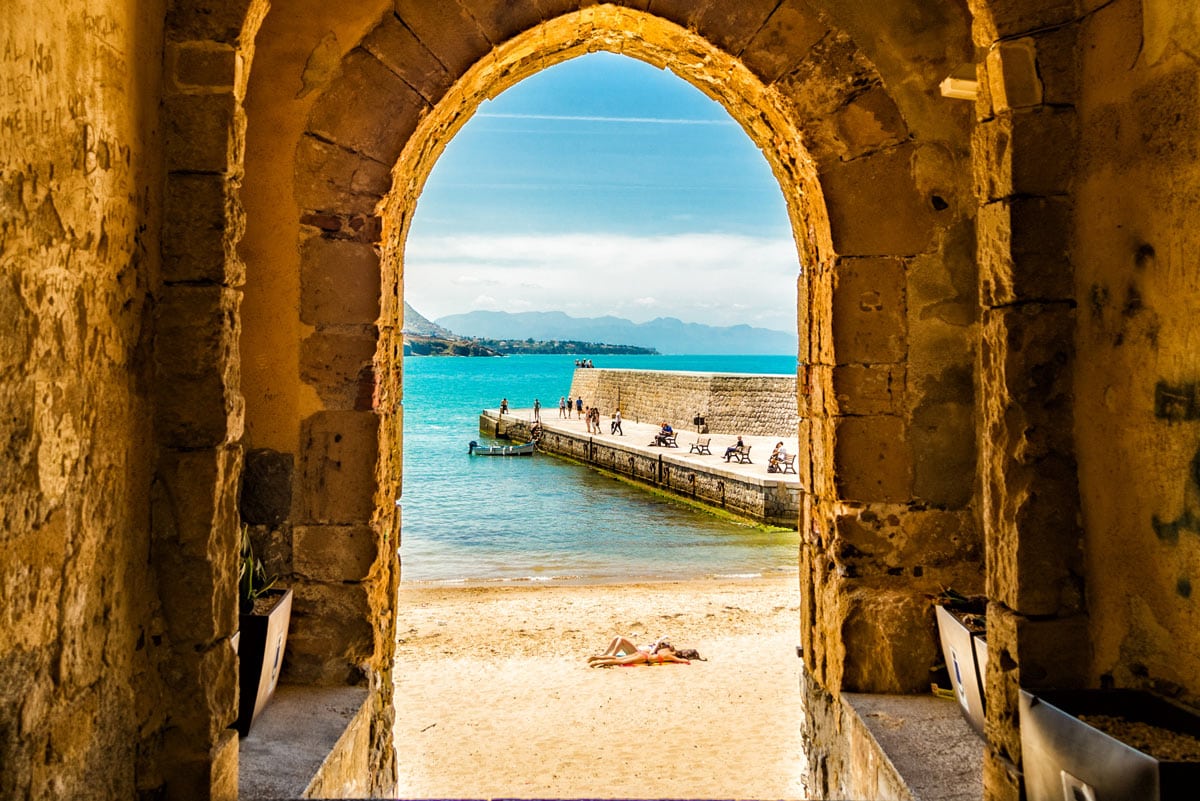
hero media

8 incredible Sicily highlights

No need to hop through southern Europe to find the perfect holiday destination – Sicily has it all.

Never been to the football at the end of the Italian boot? Take this as your signal.

This captivating Mediterranean island of Sicily has it all; from a rich culture (shaped by various conquerors and so distinct from the mainland) to stunning coastlines, magnificent ruins, and unforgettable food and wine. Not sure where to start? Here’s our beginner’s guide to the main sites of Sicily.

1. Palermo

From ancient religious monuments to bustling markets that teem with street food vendors, there is a never-ending stream of things to see and do in Sicily’s capital.
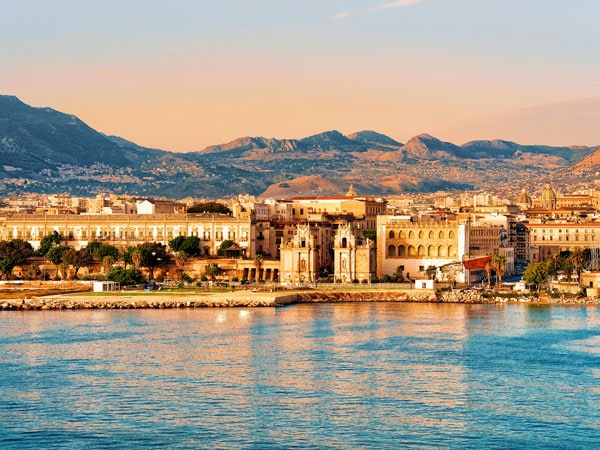
sunrise views over Palermo, Sicily
Admire enchanting sunrise views over Palermo.

Eat at the Ballaro, Vucciria and Capo markets for a unique take on Italian cuisine, gobbling down hot ragu-stuffed arancini, as well as fried seafood and, if you dare, sticks of grilled stigghiola (guts).

Marvel at the golden ceiling and Byzantine-style mosaics of the Palatine Chapel, visit the mummified monks in their niches at the Capuchin Catacombs and recover from the sight over an evening Aperol spritz overlooking the grand Teatro Massimo.
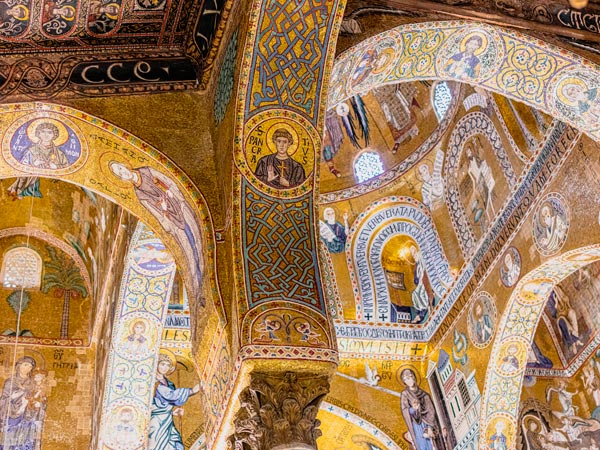
the majestic ceiling paintings in Palatine Chapel, Palermo, Sicily
Palatine Chapel is an early medieval landmark in Palermo, Sicily.

If you have the time, you should also explore the fascinating No Mafia Memorial, an anti-mafia museum that tells the story of Sicily’s fight against organised crime.

2. Cefalú

A popular seaside escape just an hour away from Palermo on the train, Cefalú is perhaps most widely known by tourists for its beach holiday atmosphere, with the sea wrapping around the foot of its walled town.
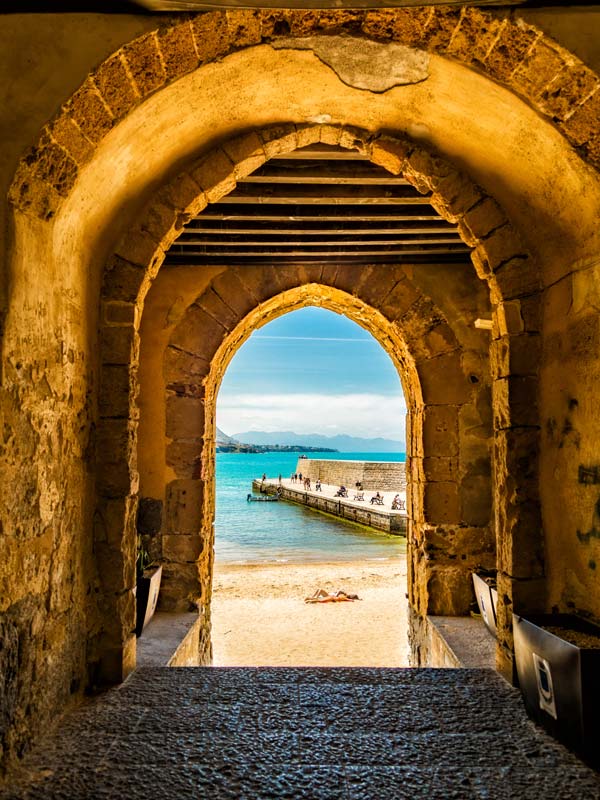
the Cefalú Archway to the beach, Sicily
The Cefalú Archway looks straight out of a painting.

But it is also home to the 12th-century Cathedral of Cefalù, a UNESCO World Heritage site that beautifully blends Norman architecture with Byzantine and Islamic art styles.
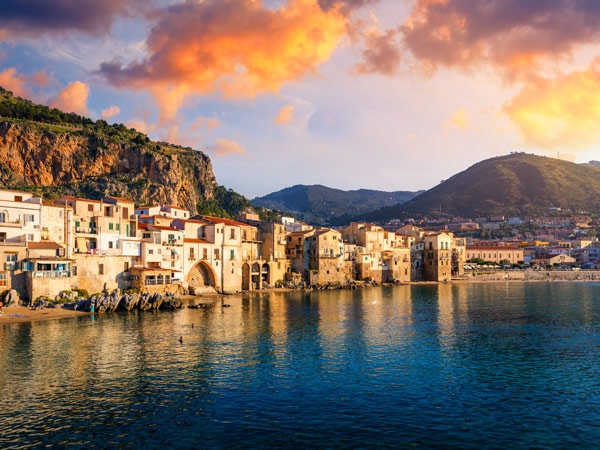
the charming town of Cefalú, Sicily
Cefalú is a charming town set amidst craggy rocks.

If you can tear yourself away from the beach for even longer, embark on a hillside hike leading to the mysterious Temple of Diana, dating back to the fourth century BC.
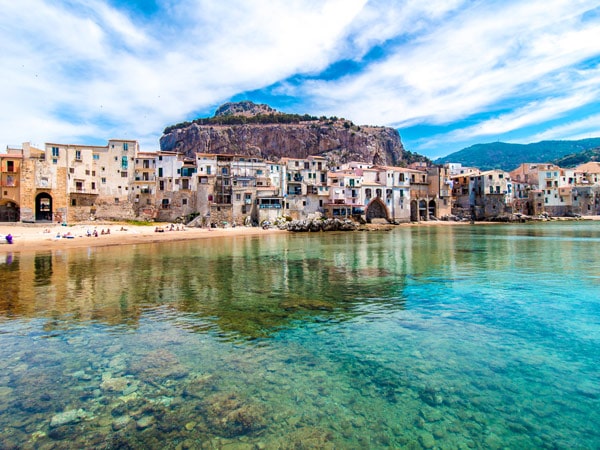
the charming town of Cefalú, Sicily
An ancient fishing port is situated at the heart of Cefalú.

3. Trapani and the Egadi Islands

Serving as an ideal stop on your way to the Egadi Islands, Trapani has more than meets the eye as a low-key coastal destination.

Explore the Trapani port, with its morning pilgrimage of fishermen selling their catch, or head out to check out the saltpans and its windmills outside of the centre. Most days of the week, you can also take the funicular all the way up to the hilltop settlement of Erice.
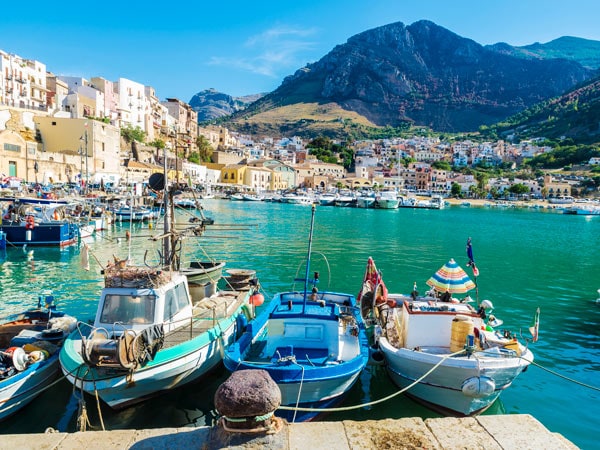
boats docked in Trapani Port, Sicily
Trapani Port is a stopover for commercial and tourist routes in Sicily.

Once you’re ready to go further, take the ferry to the Egadi Islands. Comprising Favignana (the largest and most popular), Levanzo and Marettimo, the islands are part of the largest marine reserve in the Mediterranean.
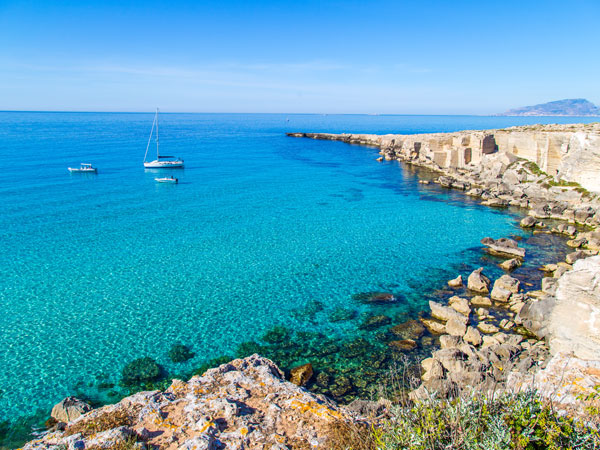
a clear blue lagoon in Favignana Island, Sicily
Favignana Island boasts a dreamy lagoon.

Perhaps it is this that contributes to the water’s impossibly turquoise colours. Spend your days here swimming, sunbathing, and devouring the island’s most famous export, fresh local tuna, prepared every which way.
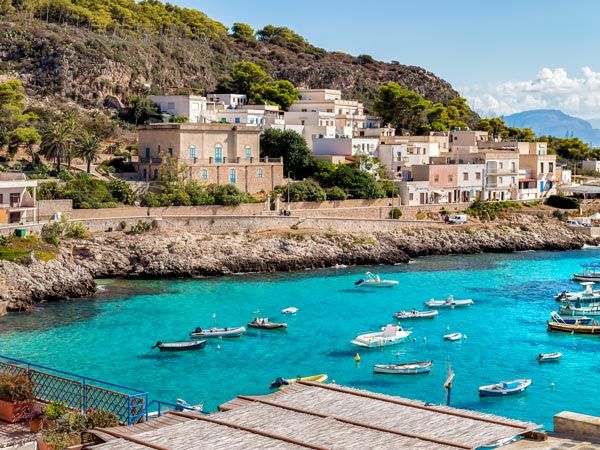
boats docked in the turquoise waters along Levanzo Island
Turquoise blue waters lie off the coast of Levanzo Island.

4. Agrigento

On the south coast of Sicily, Agrigento is home to the awe-inspiring Valley of the Temples, one of Europe’s best-preserved sites of ancient Greek temples. The ‘valley’ (it is actually on a ridge), has half a dozen temples and other ruins.
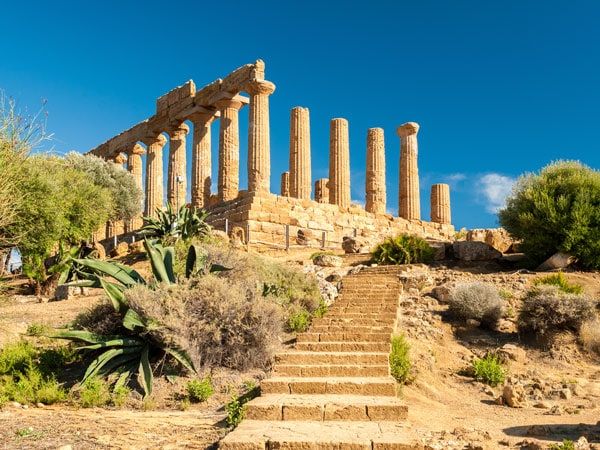
the Temple of Juno at Valley of the Temples, Agrigento, Sicily
The Temple of Juno is one of the many iconic landmarks in the Valley of the Temples, Agrigento.

Of particular note is the Temple of Concordia, a site that is so well preserved, in part because it was turned into a church. Explore this marvel with an audio guide or a guided tour, and immerse yourself in the stories of gods, sea invasions, and secret burial chambers.
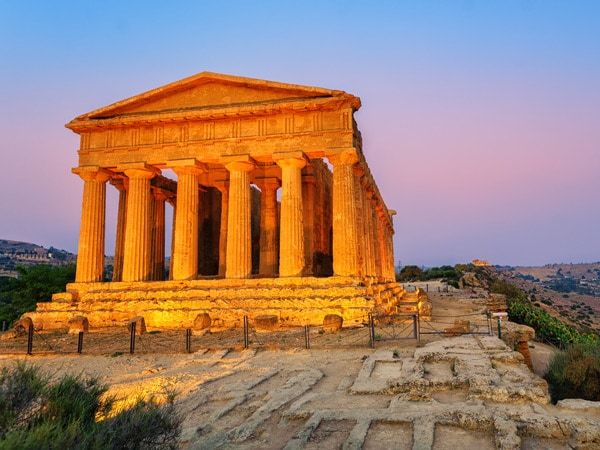
the Temple of Concordia at Valley of the Temples, Agrigento, Sicily
The Temple of Concordia is an ancient Greek Doric temple in Sicily.

If you have extra time, don’t miss the highly Instagrammable Scala dei Turchi (Stair of the Turks), the nearby white sea cliffs.
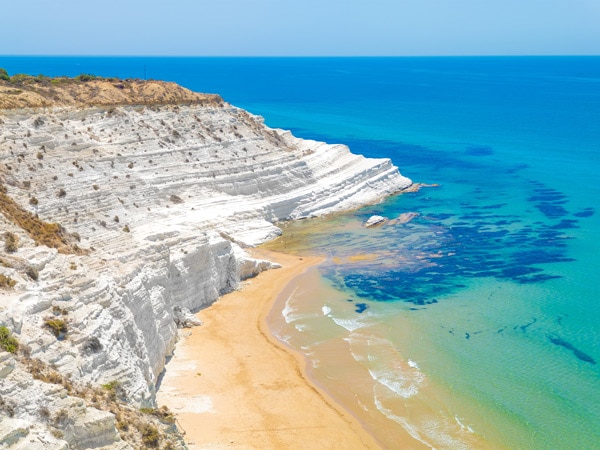
an aerial view of the white cliff at Scaladei Turchi, Agrigento, Sicily
Behold the Scaladei Turchi, a breathtaking white cliff in Agrigento.

5. Taormina

The pretty hillside town of Taormina on the eastern coast of Sicily is one of the most beloved places to visit on the island. Founded by settlers after the destruction of their original city, Taormina boasts a history that spans 2400 years.

Today, the town’s charming boutiques, gardens, and stunning views of the sea and Mount Etna attract travellers from all over the world.
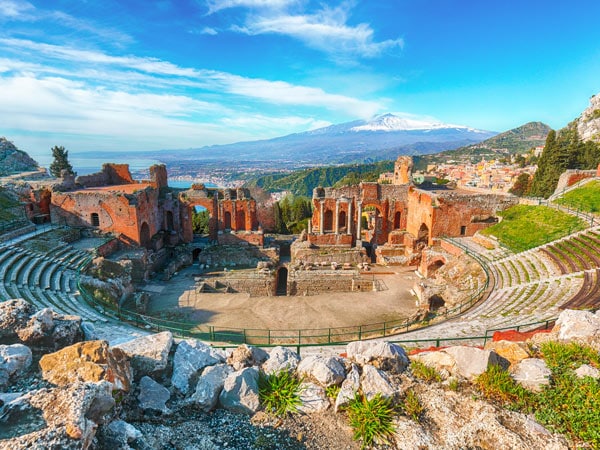
the Teatro Antico di Taormina amphitheatre in Taormina, Sicily
The Teatro Antico di Taormina amphitheatre was built during the third century BC.

Sunbathe at the lovely Isola Bella reserve, indulge in a picnic of homemade panini and mozzarella at the Villa Comunale di Taormina gardens, visit the Teatro Antico di Taormina amphitheatre and sit on a terrace with a mulberry granita, overlooking the awesome Mount Etna nearby.
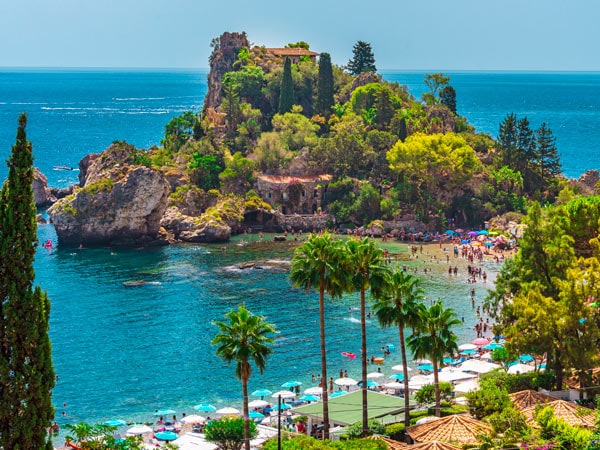
a scenic landscape at Isola Bella, Taormina, Sicily
Head to the dreamy coastal paradise of Isola Bella.

As you can imagine for a hillside town, every day is ‘leg day’ when exploring Taormina. But you can always use the cable car or bus to save time – and your calves – to get around.
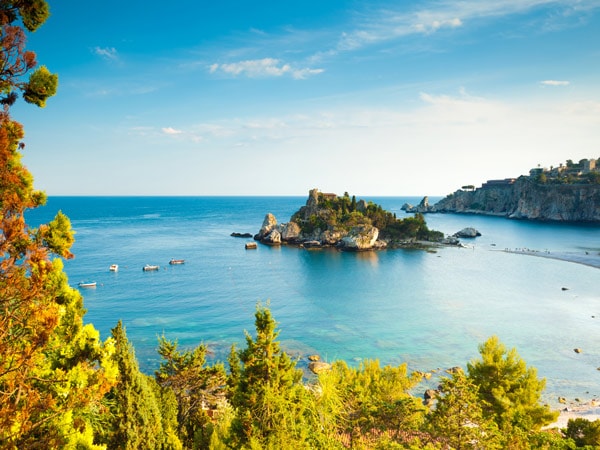
Isola Bella in Taormina Sicily
Taormina will take your breath away.

6. Mount Etna

Majestic and awe-inspiring, the expanse of the volcanic Mount Etna has shaped and defined the life of eastern Sicily. Not only with its super nutrient-rich soils that are ideal for farming, or its snow caps that aided the creation of one of Sicily’s favourite desserts – granita – but also through its unwieldy temper, as an active volcano.
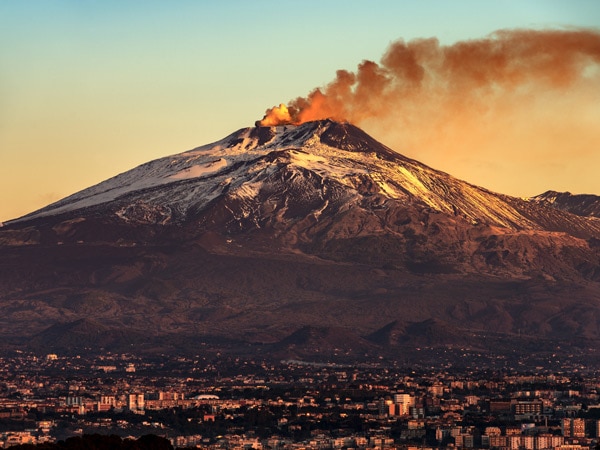
smoke coming out of Mount Etna volcano, Taormina, Sicily
Mt Etna is one of the world’s most active volcanoes.

One of the best ways to visit here is with a guide (though you can visit under your own steam up to 884 metres). Seeing the craters, learning about the magma flows, and discovering more about Europe’s most active volcano, is a must-do day trip from Taormina, as well as the cities of Catania and Messina.
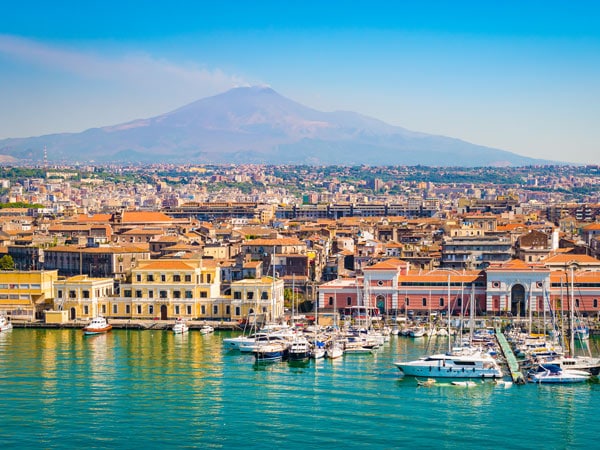
Catania with Mount Etna smoking in back
You’ll see Mount Etna from the city of Catania.

Weekly travel news, experiences
insider tips, offers,
and more.

7. Syracuse and Ortigia

Founded by the ancient Greeks, the city of Syracuse is a layer cake of Greek, Roman, Judaic, Arabic and modern-day history.
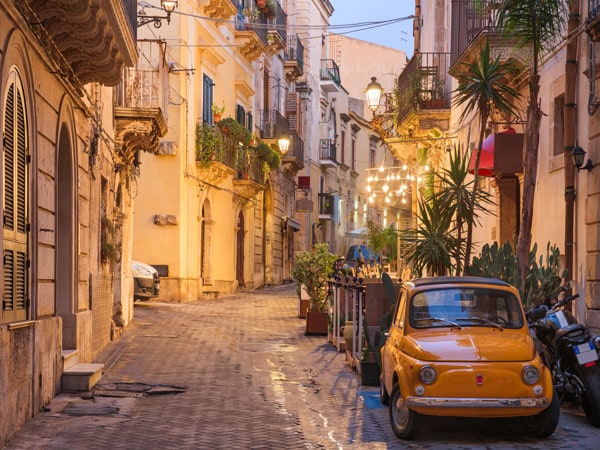
the vibrant streetscape of Syracuse, Sicily
Wander the vibrant streets of Syracuse.

At its cultural epicentre is the island of Ortigia, whose winding, narrow streets hide an array of discoveries and historical landmarks.
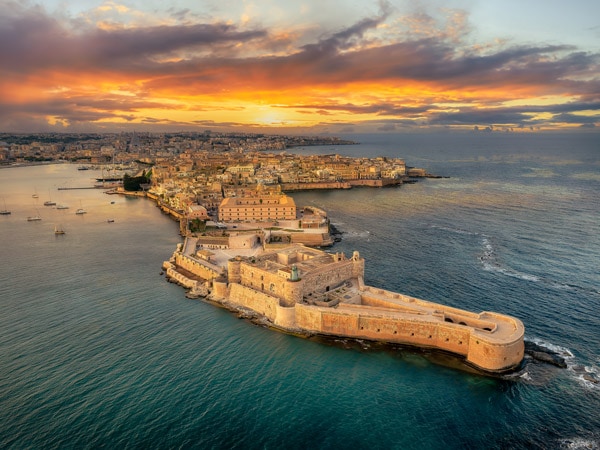
an overhead shot of Ortigia Island, Sicily
Explore Ortigia Island’s historical landmarks.

Take a turn and you might find yourself among the Baroque architecture of Piazza Duomo, which is dominated by the Syracuse Cathedral, which was built on the bones of a thousands-year-old temple.
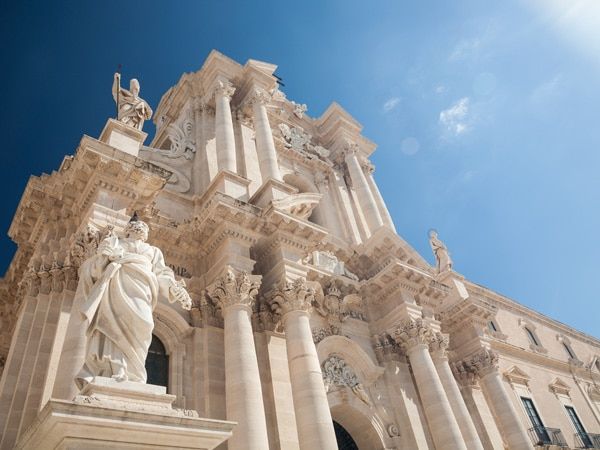
a close-up shot of the Syracuse Cathedral,
Syracuse Cathedral was built on the bones of a thousands-year-old temple.

Or perhaps you’ll find yourself at Arethusa Spring, a natural spring lined with papyrus plants; or the space under the Chiesa di San Filippo Apostolo, which contains ac crypt and a Jewish ritual bathing place (mikveh), and a bomb shelter from the second world war.
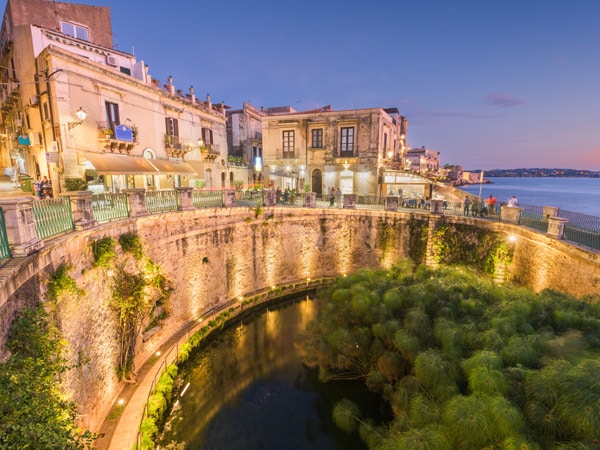
a scenic landscape at Arethusa Spring, Sicily
Arethusa Spring originates from the sea.

Keen to take it slow? Stop off at Ortigia Market (one of the more open and relaxed of the Sicilian street markets) for some fresh oysters and local wine, or peruse the wide range of fruits, vegetables, olives and fish here.
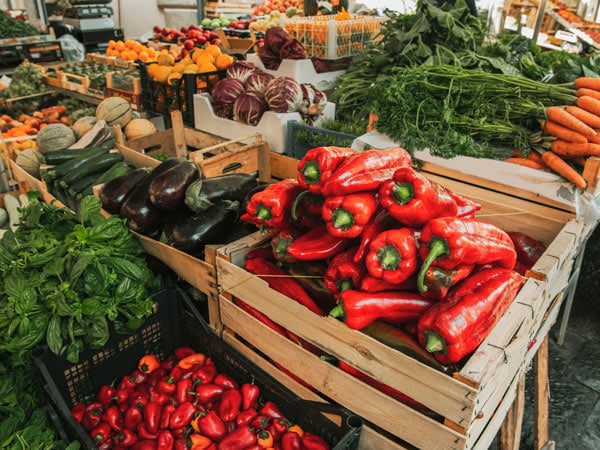
vegetable stalls at
Shop fresh veggies at Ortigia Market.

8. Aeolian Islands

The northeastern archipelago makes for a popular escape from the ‘main island’ of Sicily. Consisting of Lipari, Vulcano, Salina, Stromboli, Panarea, Alicudi, and Filicudi, the islands have an array of natural beauty, opportunities for swimming, snorkelling and boat trips, countless beaches and archaeological museums, as well as the chance to see another active volcano.
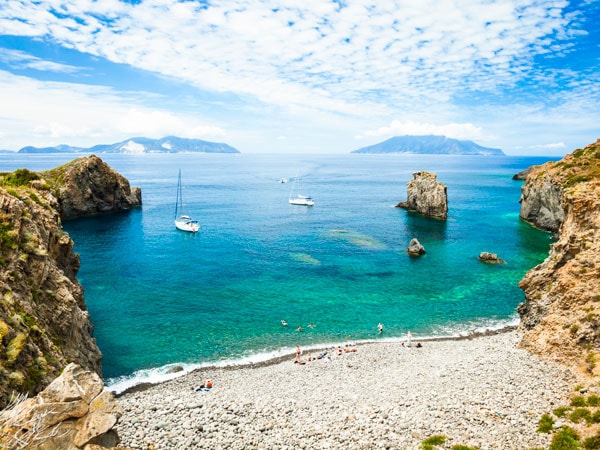
Cala Junco beach in Panarea on Aeolian Islands
Cala Junco beach on Panarea is the perfect beach to relax on.

Lipari is the liveliest, and the largest, while the smaller island of Salina is considered to be the prettiest, while on the island of Stromboli, you will be thrilled (and perhaps a little freaked out) to witness the frequent eruptions of the volcano. With all this, it will be hard to resist spending more time than you planned here.
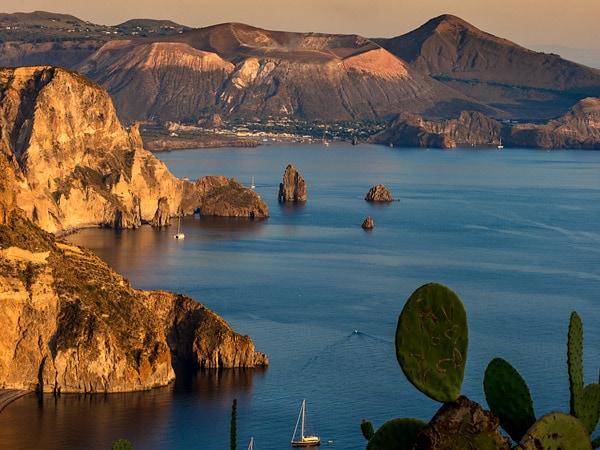
a scenic view of Vulcano Island from Lipari Island, Sicily
Vulcano Island is situated at the further end of Aeolian Islands in the Tyrrhenian Sea.

Want to see more stories from International Traveller in your Google search results?

  1. Click here to set International Traveller as a preferred source.
  2. Tick the box next to "International Traveller". That's it.
hero media

What the European heatwave means for your summer travel plans

Temperatures are soaring this summer, breaking records across Europe and the UK. 

Euro summer is a feeling like no other. But when a heatwave hits? The dream trip quickly turns into a sweaty mess. Extreme heat is sweeping Europe and the UK this week, with record-high temperatures impacting travel plans across the continent.

And while Australian summers are typically hotter in absolute temperature, many European cities aren’t equipped for high temperatures, resulting in unbearable weather.

Why is it so hot in Europe?

Signs of a hot summer loomed in May, when the mercury hit unprecedented spring highs. Now, extreme high temperature warning alerts have been issued in countries such as Spain, Italy, France, England, the Netherlands and Germany.

France saw its hottest day on record on Wednesday, with an average temperature of 30°C across the day and night. This surpasses the average temperature for June, which is 15°C to 25°C. Dozens of people have died, including 40 from drowning.

In Spain, 212 deaths have been linked to the heatwave.

The UK recorded its hottest June day ever on Wednesday with temperatures soaring to 36.1°C. In an article published by the Met Office – the UK’s national meteorological service – Professor Stephen Belcher CBE, Met Office Chief Scientist, shared his concerns about June’s heat. “To see temperatures like this in the UK in June is sobering. Events like this bring home the implications of climate change, with very high temperatures and humidity bringing significant health implications from heat stress, as well as impacts to a range of sectors such as transport, energy and water supply,” he said.

Heatwaves are becoming increasingly common in Europe and the UK, neither of which is prepared for such extremes. The World Meteorological Organization reported that in 2025, at least 95% of Europe experienced above-average annual temperatures and that the continent was heating up twice as fast as the global average.

How travel is impacted

A pharmacy sign displaying 40 degrees Celcius
A pharmacy broadcasting local weather data. (Credit: Getty/Dragoncello)

During a heatwave, power grids, water systems and transport networks can be affected, resulting in disrupted itineraries for travellers. In France, power outages have left thousands without electricity and early closures have been implemented for two of Paris’s biggest attractions, the Eiffel Tower (early afternoon rather than late at night) and the Louvre (two hours early). Eurostar cancelled its London to Paris and Paris to London services from the 22nd to the 25th, and major UK rail companies have been advising travellers to avoid using trains where possible, or to travel during early hours.

If a heatwave is predicted, being flexible with your itinerary and having fully refundable/changeable tickets is key, as extreme heat can force the cancellation of outdoor activities, impact rail and flight services and change the opening hours of sites and eateries.

Why does summer in Europe often feel hotter than summer in Australia?

people swimming in the Canal Saint-Martin in Paris
People swimming in the Canal Saint-Martin in Paris to cool off. (Credit: Rachael Thompson)

With some of the highest UV levels in the world, Australians are no strangers to the heat, adapting well to intense weather. But our infrastructure is largely equipped to withstand soaring temperatures with climate-responsive passive design, refrigerated air conditioning or evaporative coolers, as well as swimming spots aplenty.

Buildings in Northern and Western Europe and the UK, however, are constructed to retain heat and handle frosty winters. The lack of universal air conditioning means it generally feels hotter even though the temperature on your app might not look it. During a heatwave, it can feel like you’re in a sauna as cities act like heat traps.

How to stay cool and prepare for another heatwave

Relief is expected across Europe and the UK later this week, but more heatwaves are still possible in the coming months. Summer heat typically peaks in July and August.

Public transport often doesn’t have air conditioning, and buses in particular can be swelteringly hot. If you’re heading outside or your accommodation has no air conditioning, it’s worth buying a spray bottle and a handheld fan from a pharmacy or tourist stand. Check ahead of time if restaurants and cafes have air conditioning and make a booking in advance. The highest temperatures typically hit between 3pm and 6pm, so aim to head outdoors outside of these hours.

Rising temperatures invite travellers to enter a more intentional era of seeing the world. Now more than ever is the time to embrace lower-impact “coolcations” and off-season getaways.