hero media

Japan’s under-visited gems will leave you wanting more

It may be the country on everyone’s bucket list in 2025, but this itinerary will show you the real Japan – minus the crowds.

Extricate yourself from the deep groove cut by tourists looping from Tokyo to Kyoto to discover real Japanese culture in these lesser-travelled regions, from a quiet neighbourhood to an under-the-radar region and a popular city full of secret spots.

A treasure trove of traditions in Ise-Shima

A resolute stillness prevails on a sunny afternoon on the Nakiri Daiosaki Headland, which protrudes somewhat tentatively from the Shima Peninsula in Japan’s Mie prefecture. Today a gentle sea laps shyly at the base of a towering sea wall, yet the wall’s very existence postulates the waves aren’t always so benign.
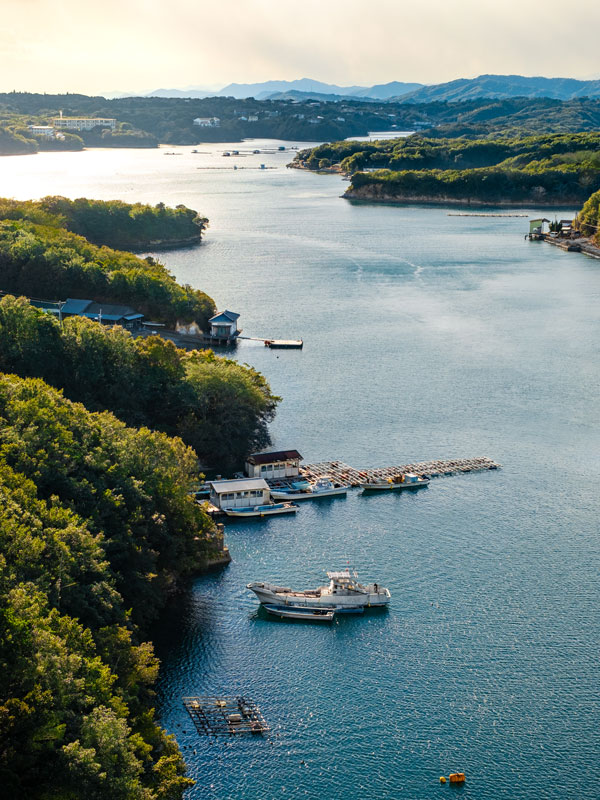
Shima Peninsula in Japan’s Mie prefecture
Ise-Shima is home to some of Japan’s most sacred shrines. (Image: Rachel Claire)

Apart from the watery rhythm below, the only movement comes from a perturbed black cat, whose preening has been interrupted by our presence. It slinks off to occupy another abandoned doorstep. Plenty to choose from in this heavily unpopulated village, where the exceedingly grey buildings are packed so tightly it’s as if there was once great expectation more people would arrive. But, as with many small towns in Japan today, the opposite is true. There are no newcomers and the oldcomers have dwindled to a small handful.

The absence of human presence is confounding given the beauty of this shimmering promontory, where rocky outliers adorn the glittering sea-like ornaments. I would live here in a heartbeat – never mind the typhoons and tsunamis.

The art of producing katsuobushi

In spite of the stillness, life, like the weeds pushing up through the unkempt pavement, stubbornly persists here. It comes in the form of local artisan Yukiaki Tenpaku, a vivacious soul who continues to produce smoked and shaved bonito, or katsuobushi, in the traditional manner.
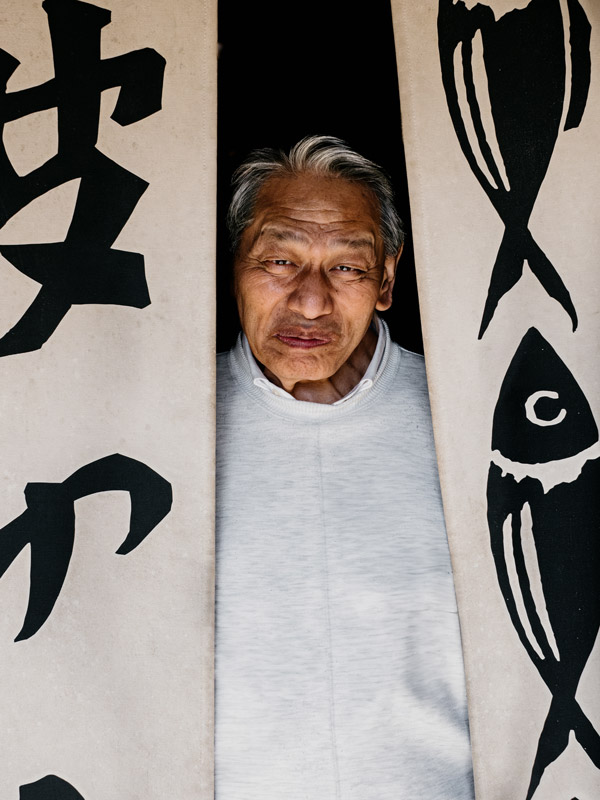
Local artisan Yukiaki Tenpaku
Local artisan Yukiaki Tenpaku supplies top restaurants with bonito flakes. (Image: Rachel Claire)

This village was once a major production area for katsuobushi and while smoking huts once cluttered the headland, now there are just three producers left. One of them being Yukiaki, whose cheerfulness well exceeds his size, as if his personality has grown to occupy the space once held by several vanished villagers.

As Yukiaki takes us through the 100-year history of his hut and the lifecycle of katsuobushi, his animation and humour are in stark contrast to the quietude of his isolation. He is not entirely bereft of visitors, though. Chefs from far and wide have come to seek out Yukiaki’s artisan bonito, even delegates of the 2016 G7 Ise-Shima Summit came to enjoy the delicate bonito shavings so fine they quiver at the very suggestion of warm rice.
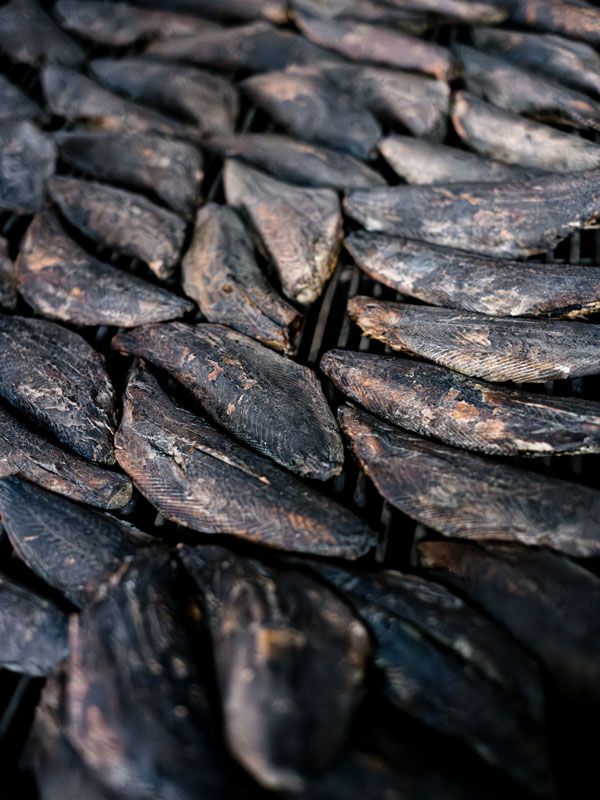
dried bonito in Japan
Dried bonito in Ise-Shima. (Image: Rachel Claire)

A natural beauty

With the likes of Barack Obama, David Cameron, Shinzo Abe and Angela Merkel gathered in Ise-Shima, the G7 gifted an opportunity to captivate the world with this Honshu Island beauty. Yet the region remains largely out of sight from regular international visitors and the labour required to maintain the traditions unique to this peninsula fails to interest the youth. But to venture to Ise-Shima is to experience tangible, time-honed Japan, where customs of the past are honoured, even as they sit on the precipice of extinction.

Alongside Ise-Shima’s deep traditions, such as Yukiaki’s katsuobushi and the incredible ama pearl divers (I’ll come back to them), the sprawling 60,000 hectares of Ise-Shima National Park is a beauty worthy of a detour. This stunning landscape rises up to lushly forested mountains, falls down to soft sweeps of sand and weaves through clear waters where green-topped rocky outcrops are eternally moored.
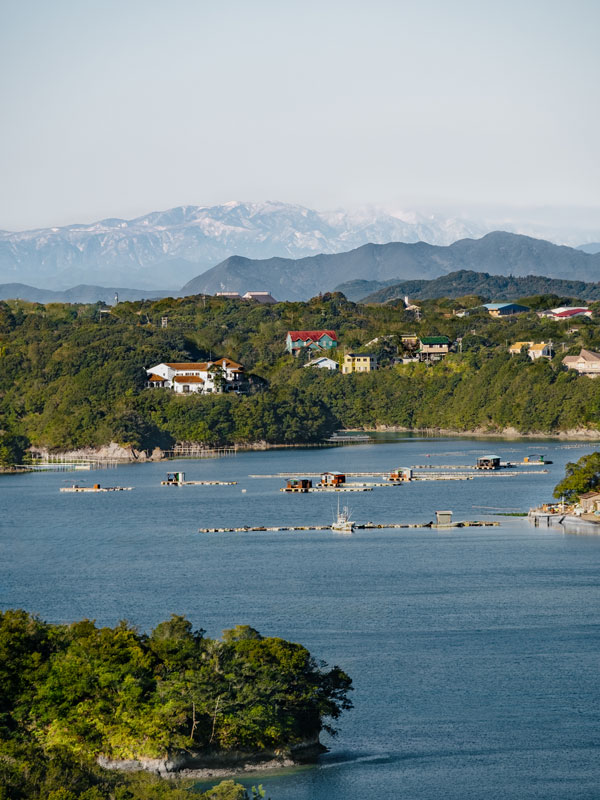
a scenic water view at Ise-Shima, Japan
Ise-Shima shimmers. (Image: Rachel Claire)

Hikes are plentiful in the park, but if time is limited, orient yourself by ascending to the Yokoyama View Point and allowing your eyes to unravel the maze of waterways flowing to Ago Bay. The landscape has whispers of Sydney’s Hawkesbury River with its vegetation-encroached bays and oyster leases festooned along the twinkling surface.
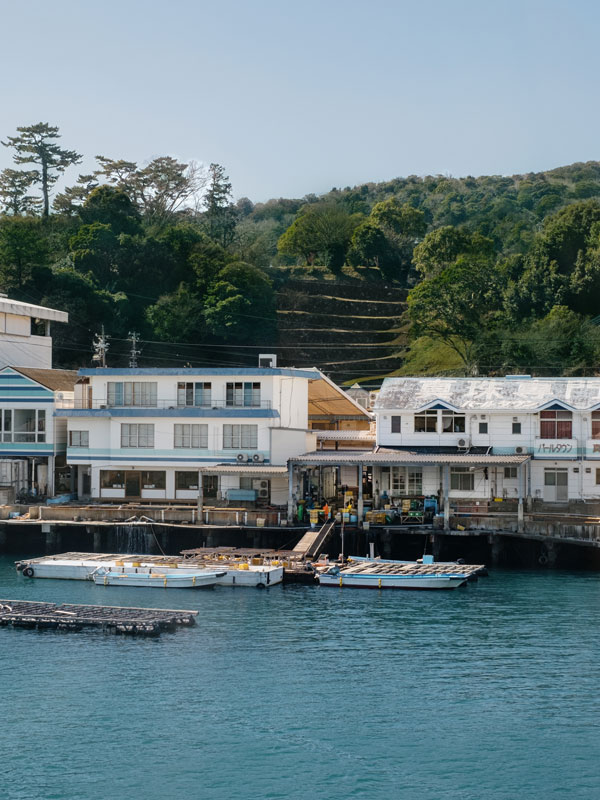
the maze of waterways of the Shima Peninsula, Japan
Explore the maze of waterways of the Shima Peninsula. (Image: Rachel Claire)

It’s imperative you then go searching in the peridot-hued forests to locate the ‘soul of Japan’. Folded within towering Japanese cedar trees, the serenity-swathed Shinto shrine of Ise-Jingu has been welcoming pilgrims for 2000 years. But as ancient as this sanctuary is, it never looks time-worn on account of an unwavering act of devotion that sees the main Kotaijingu (Naiku) shrine, Shogu shrine and Ujibashi Bridge rebuilt from the ground up every 20 years.

As you wander the gravel pathways that crunch softly underfoot, alerting sleeping deities of your mortal approach, it takes no effort to discern why Ise-Jingu is described as Japan’s soul. It’s more than a monument or even a place of ritual, it’s an expression of the purposeful and exquisite beauty of Japanese culture. While that can be easily observed at places such as Ise-Jingu, it also flows in the minutiae of daily life everywhere.

This deliberate way of being is so unique to the Japanese that it seems a hereditary attribute. And it’s at Ise-Jingu where you can perceive how tightly woven it is to the country’s identity.

For that reason alone, a visit to Ise-Shima captivates, but plenty more can be numbered. Among them is to bask in the pearlescent smiles of the women ama divers. Reflecting the sun in their crisp-white cotton diving suits, generations of these remarkable women have been retrieving the sea’s bounty for more than 2000 years.

The incredible ama pearl divers

an ama diver with her feet up in Mikimoto Pearl Island
Visit the ama divers of Mikimoto Pearl Island. (Image: Rachel Claire)

Originally, the ama descended to the deep for treats of abalone and sea cucumbers. But, during the Edo period, their focus shifted to Japan’s thriving pearl industry. You can watch their prowess on display on a tour of Mikimoto Pearl Island, where cultured pearl production took hold thanks to innovations by Kokichi Mikimoto in 1893. Lovely as they are, the young women divers who perform for visitors at Mikimoto are not the real deal, so I head to Ama Hut Satoumian, to find the genuine ama divers. Here, they cook up the day’s catch on a charcoal grill as they explain the nuances of their craft to hungry tourists.

an ama diver in Japan holding a bamboo basket
Ama divers in Japan use bamboo baskets to carry seafood and pearls they collect from the ocean. (Image: Rachel Claire)

I take a seat inside the neat, wooden hut as our designated ama chef, Fumiyo, generously indulges my curiosity about her life. I watch and listen, transfixed, as she arranges the contents of a basketful of squid, scallops, whelks and marinated mackerel on the grill. They’re so sea-fresh they unnervingly release their life with a sigh as they hit the fire.

Fumiyo has been diving since she was 15. Now 70, she still slips into the water to a depth of 15 metres every day, holding her breath for one minute at a time. Enjoying the fruits of her efforts, this supremely healthy saltwater lifestyle has bequeathed her and her sisterhood a palpable inner joy. Sadly, her generation is likely to be the last to live this way. Fumiyo’s daughter hasn’t followed her below the surface, preferring like so many, to decamp to an easier life in the city.

As it always has, this peninsula carries on under the eternal threat of earthquake and tsunami, but the bigger menace is surely the inevitable march of modernity that steadily erodes traditions. Now is the time to see Ise-Shima, before these ancient lifestyles are but an echo.

A five-star stay at Shima Kanko Hotel
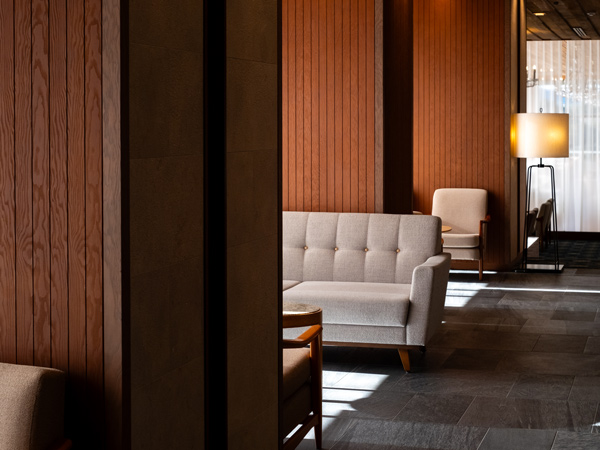
the lounge area at Shima Kanko Hotel, Japan
The Shima Kanko Hotel is a marvel of classic and modern architecture. (Image: Rachel Claire)

The beautiful five-star Shima Kanko Hotel played host to G7 Ise Shima in 2016. With its panoramic vistas across Ago Bay and its meticulous service, this stunningly positioned hotel is the perfect base for exploring the Shima Peninsula.

The Classic wing is separated by lawn from the more modern The Bay Suites, a member of Small Luxury Hotels of the World, but both spoil guests with luxury finesse and incredible onsite dining at the French restaurant, La Mer and kaiseki-ryori and teppanyaki restaurant, Yamabuki.
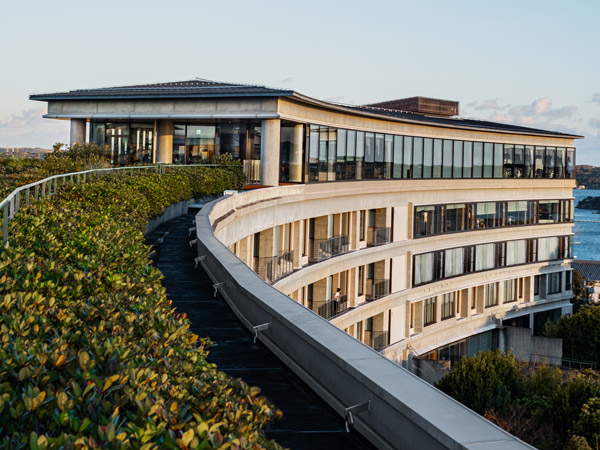
the Bay Suites exterior, Ago Bay, Japan
The Bay Suites, a member of Small Luxury Hotels of the World, mirrors the curves of tranquil Ago Bay. (Image: Rachel Claire)

Tokyo minus the tourists

En route to Ise-Shima, there’s a high probability you’ll enter the country via Tokyo. If you’ve not been before, then certainly, be willingly trapped by the usual tourist spots. But enclosed within this sprawling city visited to the point of exhaustion exists untapped pockets where you’ll not encounter a single sightseer. Unless, of course, they are comprehensively misplaced.

If this and a lack of spoken English appeals, a good place to base yourself is in the cool neighbourhood of Meguro and her hip overflow surrounds of Shimomeguro and Nakameguro. Here, the streets are trodden by chic locals walking dogs appropriately proportioned to Tokyo apartments on their way to their favourite boulangerie.
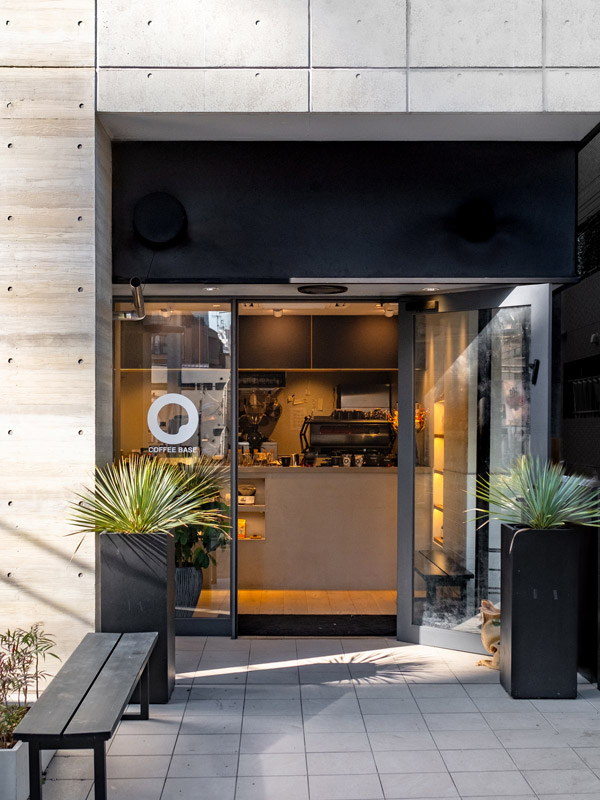
Coffee Base in Meguro, Tokyo
Head to Coffee Base in Tokyo’s hip hood, Meguro. (Image: Rachel Claire)

If you were to triangulate yourself using cool coffee shops (such as Coffee Base in Meguro) and small bars (shout-out to Meguro City’s Iron House), you’d find yourself in this untrampled neighbourhood, where you’re a 15-minute ride to Shibuya and Omotesandō. But instead of visiting those bulging arterial clots, hit cool Shimokitazawa, where record shops and vintage clothing boutiques dish out boho vibes.

vinyl and vintage wear on display at Shimokitazawa
Or uber-cool Shimokitazawa for vinyl and vintage wear. (Image: Rachel Claire)

Weekly travel news, experiences
insider tips, offers,
and more.

The historic beauty of Hotel Gajoen Tokyo

Beautifully historic Hotel Gajoen Tokyo set by the Meguro River is well-placed for your hidden Tokyo excursions. This elegant luxury hotel has been an icon since it was built in 1928.

Today, the member of Small Luxury Hotels of the World is a gentle blend of classic and contemporary Japanese style and houses seven exquisite restaurants and the ornate cultural property Hyakudan Kaidan (the Hundred Stairs), which is all that remains of the original gajoen.

Untapped potential in Nagoya

A stepping stone between Tokyo and Ise-Shima via the pleasure of Japan’s smooth-flowing rail network is the deeply under-visited city of Nagoya in the Aichi prefecture. It’s Japan’s fourth-largest city but has also, rather unfairly, been labelled its most boring. This, however, makes it a bustle-free place to see, especially if you’re suffering traveller’s whiplash from the neon frenzy of Tokyo.
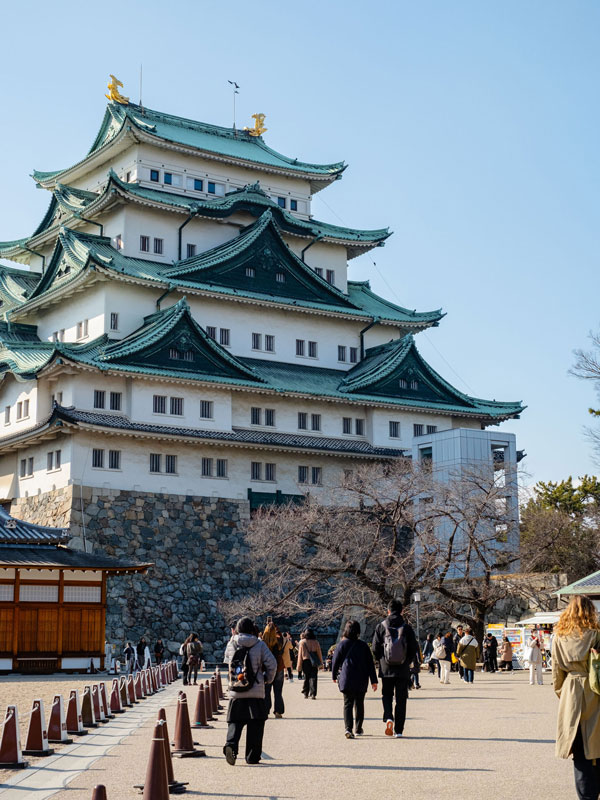
the Nagoya Castle in Japan
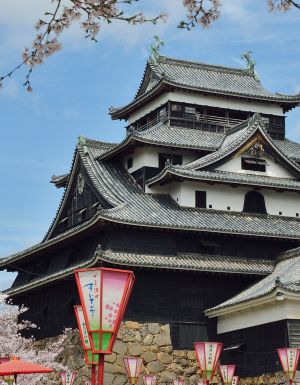
Nagoya Castle was Japan’s first castle to be designated a National Treasure. (Image: Rachel Claire)

Of course, there is still plenty of neon in Nagoya (this is Japan, after all), but this quieter hub with its wide streets and unanimously grey tones, is also home to the beautiful Nagoya Castle, the surprisingly fascinating Toyota Museum, and the Atsuta Jingu Shrine.
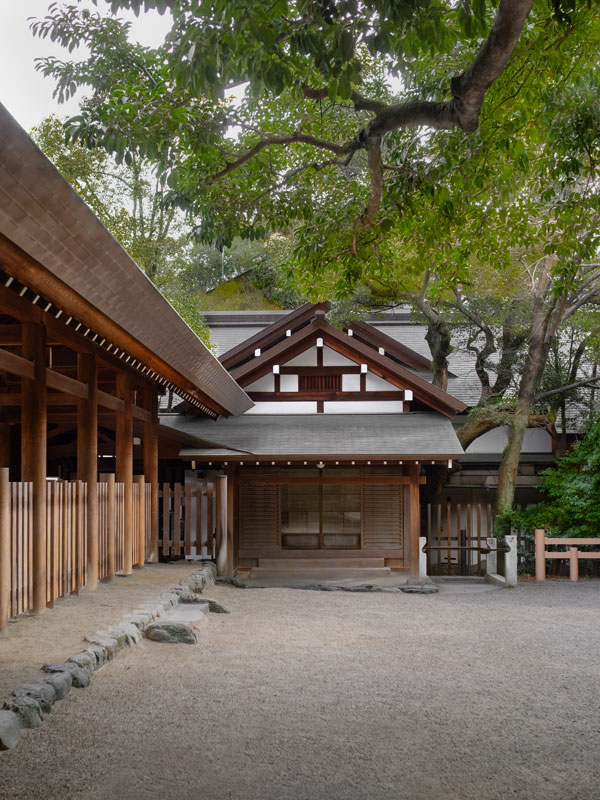
the Atsuta Jingu Shrine in Nagoya
Atsuta Jingu Shrine is a must-visit stop in Nagoya. (Image: Rachel Claire)

Enclosed within an emerald canopy, I visit this shrine on the day of Shichi-Go-San, an annual festival that’s a rite of passage for three-, five-and seven-year-olds. They totter adorably in their intricately embroidered silk kimonos, bought for them as tradition dictates, by their grandparents.
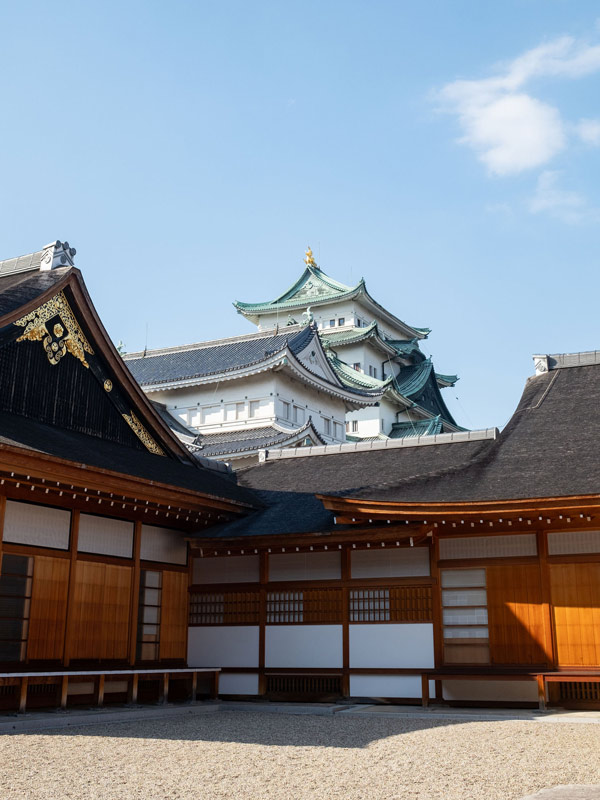
the exterior of Nagoya Castle, Japan
Nagoya Castle was first built in 1615. (Image: Rachel Claire)

Held on 15 November each year, I’m fortunate to stumble upon this ridiculously kawaii procession. It’s a somewhat melancholic reminder, though, that Japan’s birth rate is in decline, placing this unique culture in peril.
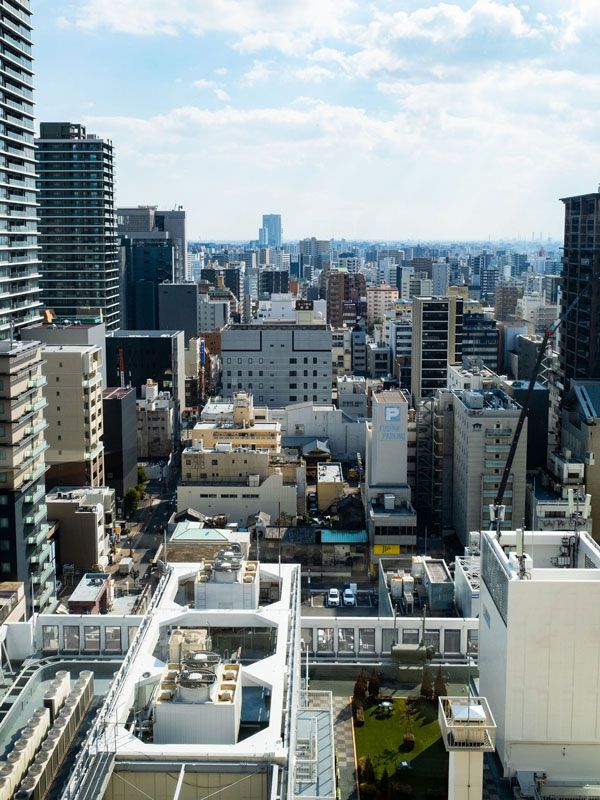
modern buildings in Nagoya, Japan
Modern-day Nagoya. (Image: Rachel Claire)

Between the migration from coast to city, an unwillingness of youth to follow traditional footsteps and even the sparsity of cities such as Nagoya, it’s hard not to view Japanese culture as trapped inside a fragile snow dome. But perhaps gentle and respectful touring of these lesser-trod parts of the country may inspire younger generations to take up these customs before they ebb into the abyss of time.

Retreat into Nagoya Kanko Hotel

the Espacio retreat at Nagoya Kanko Hotel
Espacio is a retreat within Nagoya Kanko Hotel. (Image: Rachel Claire)

The luxe and central Nagoya Kanko Hotel Espacio is a study in elegant contemporary style, proving that ‘boring’ is not a suitable adjective for this city.
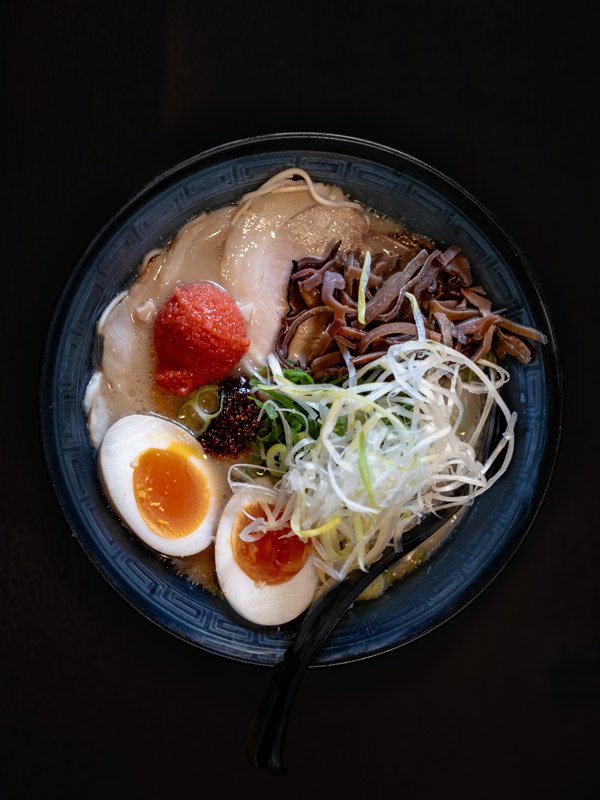
the signature Taiwan ramen in Nagoya
Nagoya is known for its signature ‘Taiwan ramen’. (Image: Rachel Claire)

If you’re staying at this superbly serviced hotel, you’ll eat well at any of the six restaurants, but be sure you don’t miss Yaoyorozu, a traditional yakitori establishment where you’ll experience the most delicately skewered and expertly charred morsels of your life.

Want to see more stories from International Traveller in your Google search results?

  1. Click here to set International Traveller as a preferred source.
  2. Tick the box next to "International Traveller". That's it.
hero media

These community homestays are changing how travellers experience Nepal

    After youth-led protests in 2025, this year Nepal elected a 35-year-old former rapper as Prime Minister. In a country where tourism is its biggest industry, what’s next for travellers? 

    In 1986, Nepal changed its clock. It had used India Standard Time since 1920 so, to differentiate, it wound its clock 15 minutes ahead of, not behind, its big-brother neighbour. Boss move. “Nepal is strongly opposed to the idea that our identity is connected to India,” says Community Homestay Network (CHN) guide Bikal Khanal.  

    Tharu dance
    Tharu dance is traditionally set to hand drums. (Credit: Kate Lewis)

    Today, Nepal is the only independent country with a 45-minute deviation to universal time; an oddity that’s become a symbol of national pride. The quirk is nearly as endearing as Kathmandu’s Tribhuvan airport where carved varnished wood and shiny red bricks rule. One sign points to a ‘Travelator’ and another to a ‘Grievance Handling Desk’ while visas are noisily stamped at customs for US dollars, cash only. When am I?  

    Nepal gray langur
    Spot the endemic Nepal gray langur. (Credit: Simon Urwin)

    The 15 or 45 minute anomaly sees me tap out completely on timezone calculations. Why bend my brain calculating if it’s quarter to or quarter past elsewhere when I’m in the honking here and now of Kathmandu where the air is high-altitude crisp, the prayer flags flutter and the street dogs howl?  

    How tourism is changing in Nepal

    Bardiya National Park
    Bardiya National Park is rich with wildlife. (Credit: Simon Urwin)

    India is not the only association many Nepalis would like to shake. With eight of the world’s 10 tallest mountains, including Mount Everest and Annapurna, Nepal has long attracted mountaineers and trekkers, and expedition numbers are continuing to rise.  

    Tourism is one of the country’s biggest sources of foreign currency, so this growth is not negative, per se. But according to Ang Tshering Lama, who co-founded Phaplu Mountain Bike Club, being reduced to a mere trekking destination is limiting.  

    “Trekking is just one layer of our identity,” says Ang. “When it becomes the dominant narrative, it limits how we’re seen and how we see ourselves.” Nepal’s recent success, however, in diverting trekkers to less-trafficked areas such as Manaslu mofuntain, where visitor numbers rose by 117 per cent last year, offers hope that tourism can diversify even more radically.   

    Local men in Bhada village
    Local men in Bhada village. (Credit: Simon Urwin)

    The founder of CHN, Shiva Dhakal, wants that change. “The whole idea of the Community Homestay Network is to promote experiences outside of trekking,” he says. “Community tourism changes lives and helps kids stay home instead of coming to the city or migrating to the Middle East.”  

    Ang grew up seeing people leave, “not because they wanted to but because there weren’t enough opportunities to stay”, he states. Yet from remote villages to living traditions; food, art, music and emerging subcultures, “there’s so much that’s not being seen.” 

    CHN is opening some of those doors. It doesn’t own, or fund, any homes. Rather, it promotes homestays to travellers on a single, slick platform, while fostering entrepreneurship in places where women, marginalised castes, Indigenous people and the youth stand to benefit the most.  

    A new generation demanding more

    Dalla Town Hall
    Dalla Town Hall, where volunteers discuss anti-poaching tactics. (Credit: Bheem Thapa)

    The future prospects of next-gen Nepalis can no longer be ignored. On a Kathmandu tour with 33-year-old guide Monica K.C, we pass buildings torched in the September 2025 ‘Gen Z protests’, including the Supreme Court and Parliament House. Seventy-two people died. “They were anti-corruption protests,” says Monica. “Politicians’ children are living a lavish life but the airports are crowded with youngsters leaving to find work.”  

    We stop in ‘little Tibet’ at the wondrous sixth-century Boudha Stupa. “The wheel of life is Buddhism in a nutshell,” says Monica. “Things such as hate, ignorance and anger keep you rotating around the wheel, so you must follow the principles of Buddhism to detach. If you can’t, there’s no nirvana for you.”  

    Boudha Stupa's prayer wheels
    Boudha Stupa’s prayer wheels are used to recite Buddhist prayers. (Credit: Kate Lewis)

    In a sun-drenched twist to the usual temple visit, we ascend the stupa’s sloping plinth and roam its whitewashed dome. Tendrils of diaphanous prayer flags stream from a steeple-like structure where the Buddha’s unblinking eyes stare out. No nirvana for you… 

    bouda stupa prayer flags
    Tibetan-style prayer flags embellish the whitewashed dome of Bouda Stupa, a Buddhist temple. (Credit: Kate Hennessy)

    The dome is delightfully free of guard rails or chiding from security. There is, however, a stern ‘No TikTok’ sign, perhaps in response to the youth’s newly flexed power. The booted-out Prime Minister, K.P. Sharma Oli, was replaced in a resounding election victory in March by 35-year-old Balendra Shah of the Rastriya Swatantra Party (RSP) – a former rapper and mayor of Kathmandu. The RSP’s manifesto indicates tourism is a priority, and that Nepal’s cultural identity in areas such as gastronomy will be strengthened.  

    Boudha Stupa vendors
    Vibrant souvenir shops and cafes around Boudha Stupa. (Credit: Kate Hennessy)

    A more confronting stop awaits at Pashupatinath Temple. Today is Bala Chaturdashi, a Hindu festival where thousands of devotees gather to honour their dead ancestors. Vendors hauling foam mattresses do a lucrative trade as people set up for a night of vigil. This includes burning the bodies of recently deceased relatives on bamboo pyres in the Bagmati River, which flows into the sacred Ganges.  

    A woman at annual Hindu festival Bala Chaturdashi
    A woman at annual Hindu festival Bala Chaturdashi, in Kathmandu. (Credit: Kate Hennessy)

    Wrapped in a shroud, the bodies are positioned with their heads facing north to the Himalayas where Lord Shiva resides. They’re covered with flowers and straw and set alight by male family members.  

    Hours later, the ashes are swept into the river where devotees will take a holy dip the next day. As much as Monica assures us it’s not voyeuristic to watch, I struggle to do so. “Here you see the reality of life because everyone ends up there,” she says, gesturing to the river.  

    Life unfiltered in the Terai region

    tharu woman
    Tharu woman and master weaver Parbati Chaudhary in Bhada Village. (Credit: Bheem Thapa)

    The reality of life needs processing time, which the western Terai region delivers in spades. The Terai is largely separated from India by the Karnali River and Bardiya National Park, where elephants, rhinos and the elusive Bengal tiger roam.  

    Once a nomadic tribe, the Indigenous Tharu people are now the largest ethnic group here. “They didn’t know their daily life was interesting for international travellers but they’re starting to understand now,” says CHN founder Shiva.  

    safari through Bardiya National Park
    Take a Jeep safari through Bardiya National Park. (Credit: Bheem Thapa)

    We fly Buddha Air to Dhangadhi airport and drive five hours to stay in Tharu homes. The journey to Bhada village is a blur of roadside fruit stalls, traffic-stopping sacred cows and fields sown with wheat, rice, mustard, spinach, cauliflower and potatoes. Nepal’s agriculture feeds only Nepal.  

    Marigolds
    Marigolds are an important part of Hindu rituals. (Credit: Simon Urwin)

    “The only thing we export is young people,” says our guide Bikal. As the light dims and we plunge evermore rural, mysterious mounds of compacted hay – some house-sized – loom like the creatures from Where The Wild Things Are. Even our trusty driver gets flummoxed by a dirt road that abruptly ends and we find ourselves hurtling across a paddock.  

    On arrival, some are ferried to mud-walled cottages greened by gourd creepers, with thatched roofs and rustic-chic mosquito nets. Myself and two others are ushered to the home of corner store owner, mechanic and mushroom farmer Man Kumar Chilaruwa and his wife Rajkumari.  

    community homestay entrance
    A warm welcome at a community homestay. (Credit: Simon Urwin)

    They escort us to a bunker-esque back building with steel doors and a folding security gate, behind which is gleaming linoleum, dolphin-printed tiles and a shower cavity that must be gingerly stepped through to reach the toilet.  

    The ceiling lights emit a rainbow of colours (the bathroom light gets stuck in, frankly, a quite frightening red). We’re nevertheless touched that our hosts invested in all this bling when the average salary is around $275 a month.  

    In the coming days, we participate in Tharu traditions such as making moonshine, dancing, weaving straw handicrafts and gold-panning. We’re fed well with staples of rice, mustard greens, lentil pancakes, daal, curried chicken and tomato chutney served on antibacterial saal leaves.  

    food at community homestay
    Dig in. (Credit: Kate Hennessy)

    Sonara community homestay president Indradevi Tharu tells us river snails are often served, and the boiled and pickled flesh of rats hunted in the rice fields. “Perhaps next time?” we say and all have a laugh.  

    The power of community homestays 

    community homestay owners in Nepal
    Barda community homestay owners Parbati Chaudhary and Ram Krishni Devi Chaudhary. (Credit: Simon Urwin)

    Immersing Western visitors in foreign cultural practices is not new. But with the Tharu, I never get that uneasy sensation that I’m being performed for. Despite being the only tourists, there’s no ‘othering’; just warm, composed and ultra-dignified welcomes. Like we’ve always been here.  

    “I love to have travellers in my village so I can see the world,” says local woman Parbati Chaudhary. “Why would I travel the world when the world comes to me?” 

    The graceful acceptance the Tharu offer, as well as the slow pace, works miracles on my frazzled nervous system. One day I even take a nap on a vacant homestay bed. 

    Sonara community room
    An authentic stay in the Sonara community. (Credit: Kate Hennessy)

    Roosters strut and goats bray as we sit on the ground in al fresco kitchens, rolling rice flour into cylinders steamed to make dhikri (dumplings). When water is needed, we fetch it using a hand-operated pump as a family of ducks strolls by, side-eying us like curious neighbours.  

    Animal lovers will delight in Tharu villages. Kind and resourceful inventions are everywhere, such as snacking stations where two posts lean together, with leafy boughs dangling on rope for baby goats to forage from.  

    CHN’s CEO, Aayusha Prasain, nods knowingly when one in our group says she cried when she left her host, Shayam Chaudhary, in Bhada. Shayam’s 17-year-old son, Prashant, had translated, which deepened the connection.  

    “Community tourism turns travel into a relationship, not a transaction,” says Aayusha. “It places decision-making power in the hands of local communities, especially women and youth.” Since 2018, CHN has hosted more than 4000 travellers from 52 countries in 408 households, and estimates women’s participation has increased by 381 per cent.  

    Elephant watch
    Elephant watch. (Credit: Simon Urwin)

    In the Bardiya community, where vexing human-animal conflict has been a balancing act for decades due to elephants raiding crops, long-time homestay operator Salik Ram Chaudhary says young people keep the older ones on their toes.  

    Gathering greens
    Gathering greens. (Credit: Bheem Thapa)

    “We can’t keep homestays stagnant,” he says. “We have to upgrade our service and redefine our product or young people won’t see it as an attractive business. If we can keep evolving with this travelling trend we’re confident the youths will stay and continue it.” 

    Back in Kathmandu, Monica explains that after the deaths of young protestors in September, a determination had spread to not let their sacrifice be in vain. “We want to keep holding the government accountable,” she says. “We don’t know what situation we’re facing, but we’re ready to face it.”  

    Interested in Nepal but prefer to experience it in total comfort? Read our guide to luxury travel in Nepal