
Discover the vibrant new offerings changing the face of Manchester.
The heart of Britain’s Industrial Revolution and home of its most successful football team, Manchester has long drawn in history buffs and sports fans. But the sprawling northern city is in the middle of a cultural renaissance. Here’s how we suggest you spend 48 hours there.
Day one
9am: You simply can’t visit Great Britain without sampling at least one full English breakfast – a signature national dish featuring a plate piled high with sausages and bacon, eggs and baked beans. Find your fave full English in the Northern Quarter, Manchester’s achingly cool arts district lined with vintage and vinyl stores and home to some of the best spots for breakfast in the city. The Koffee Pot is like a blast from the past; it’s where to find the best full English in town.
There is often a queue for tables at this Mancunian institution that’s fed hungry locals since 1978, especially on weekends. But this greasy spoon is well worth the wait. The KP English will more than satisfy, with strips of locally sourced, dry-cured bacon rubbing shoulders with saucy baked beans and slices of fluffy toast. Vegans are more than accounted for too, with several plant-based options on the menu, including the towering MancMuffin, a brunch burger filled with potato rosti, cheesy ‘bacon’ and tofu scramble.
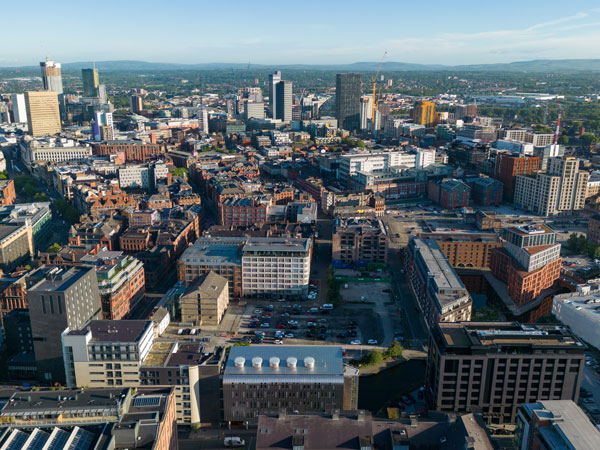
11am: Since you’ll be in the area, it would be remiss not to sift through the Northern Quarter’s fashion racks looking for retro gems. Known for its offbeat boutiques and curated vintage stores, your first stop should be Affleck’s, a quirky indoor market that originated as a drapery but was transformed into a trading space in the 1980s. It became the fashion cornerstone for Manchester’s music scene in the 1990s, and remains a melting pot of alternative culture, with more than 60 independent stores offering everything from modern art to old-school collectables. Vintage lovers will also relish the stores that line Oldham Street, such as Blue Rinse, Cow Vintage and Pop Boutique.
1pm: Manchester has been transformed into a film set for everything from the award-winning British period crime drama Peaky Blinders to Marvel’s Captain America (and, of course, the longest-running television soap opera in the world, Coronation Street). Film buffs will definitely want to book The Locationist, an interactive tour of famous and lesser-known filming locations across the city. Not only will you hear how regular streets and buildings were taken back in time (or forward to the future) thanks to crafty set design, but you’ll also get a great feel for the city and its many vibrant districts.
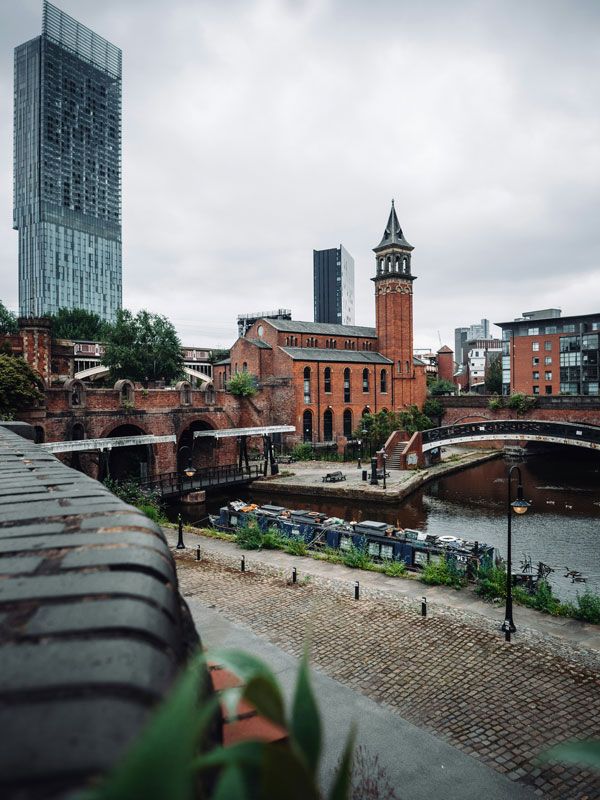
3pm: Manchester is notoriously rainy. But if you are blessed with sunny skies, head to the Castlefield Viaduct to walk through its striking garden. This Victorian-era steel structure was once used as a rail route between Manchester Central Station and the Great Northern Warehouse, before being abandoned for decades.
More recently, it has been transformed into a community green space like New York’s High Line. Even if it starts to drizzle, Castlefield is a fascinating area of Manchester to explore, brolly in hand. Wander the cobbled streets that meander along historic canals – part of the Roman city that once stood in the area – before visiting the Roman fortress Mamucium and its surrounds.
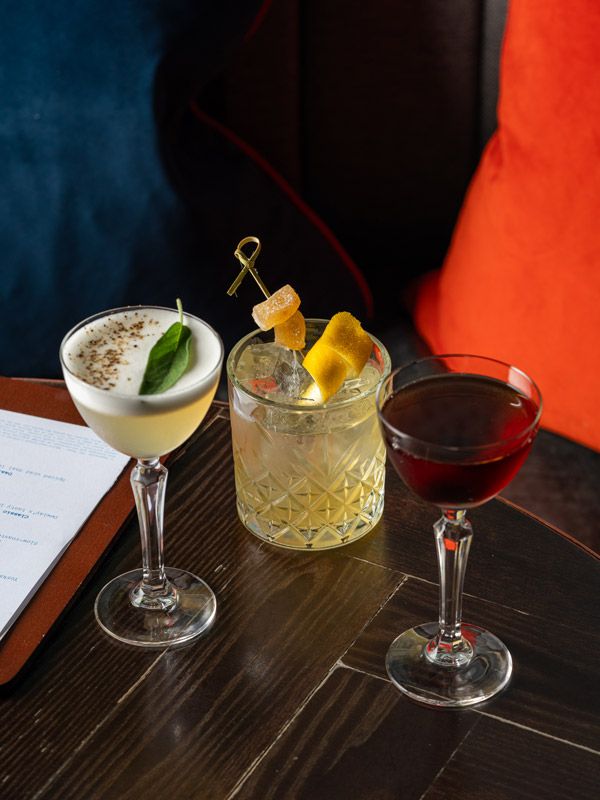
5pm: England is famous for its gin, and the award-winning local gin joint Manchester Gin distillery is one to try if you’re a fan of the spirit boasting fragrant botanicals.
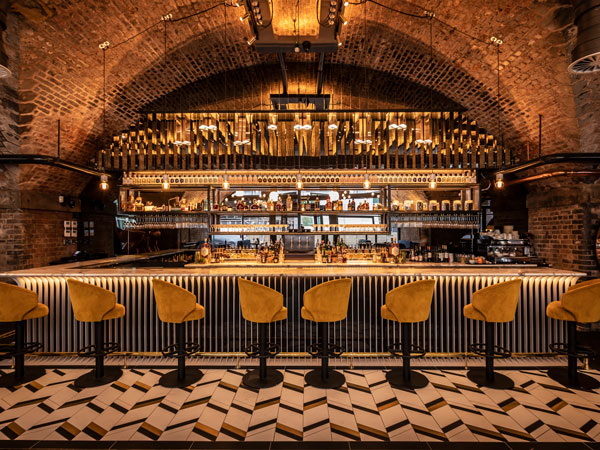
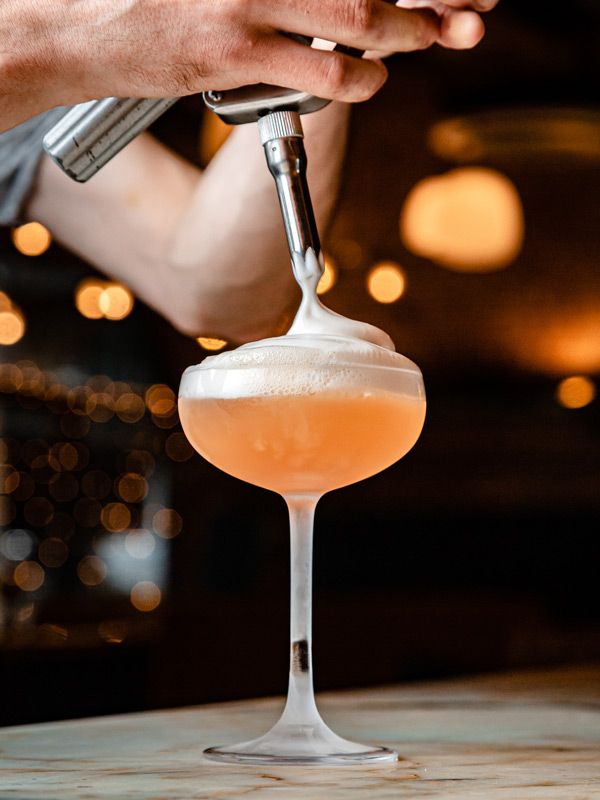
Head to the distillery’s restaurant, Three Little Words, built within heritage railway arches in Spinningfields, Manchester’s city centre, for pre-dinner drinks followed by an early meal. Book a distillery tour and tasting experience if you want to sample the offerings, then continue into the restaurant for a dinner of share plates and, of course, some exemplary gin cocktails.
7pm: The new darling of Manchester is Aviva Studios, a multimillion-dollar art space that seasonally hosts immersive theatre performances curated by production company Factory International. Immerse yourself in art within the cavernous purpose-built building which is the UK’s largest new cultural project since the Tate Modern.
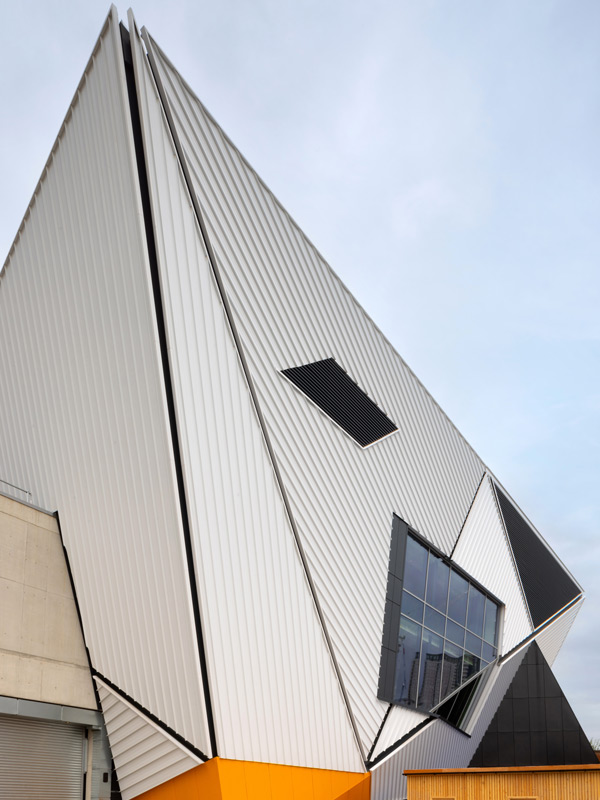
The year-round program at Aviva Studios includes music, dance and performance and features diverse acts that range from rising local talent to global superstars. At the time of writing, Factory International’s eclectic line-up includes American LGBTQI+ activist and writer Armistead Maupin, British electronic music group Underworld and a major new stage work by avant-garde artist Laurie Anderson.

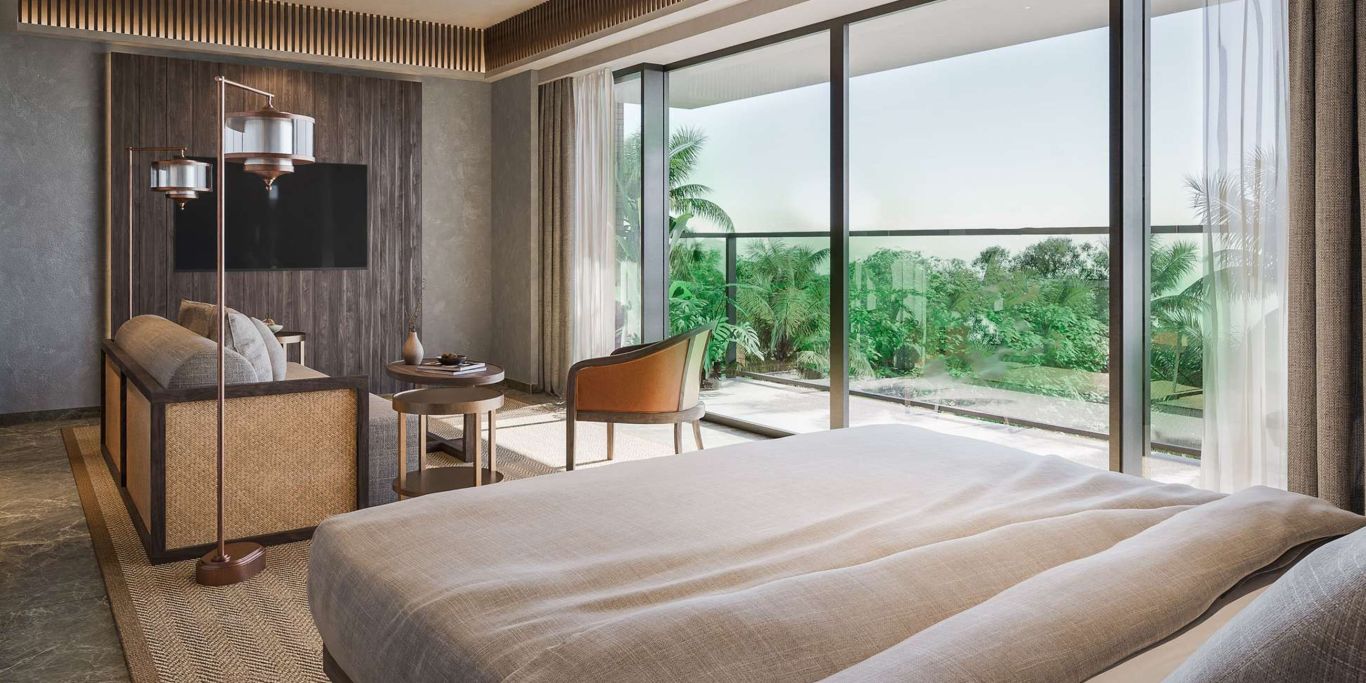
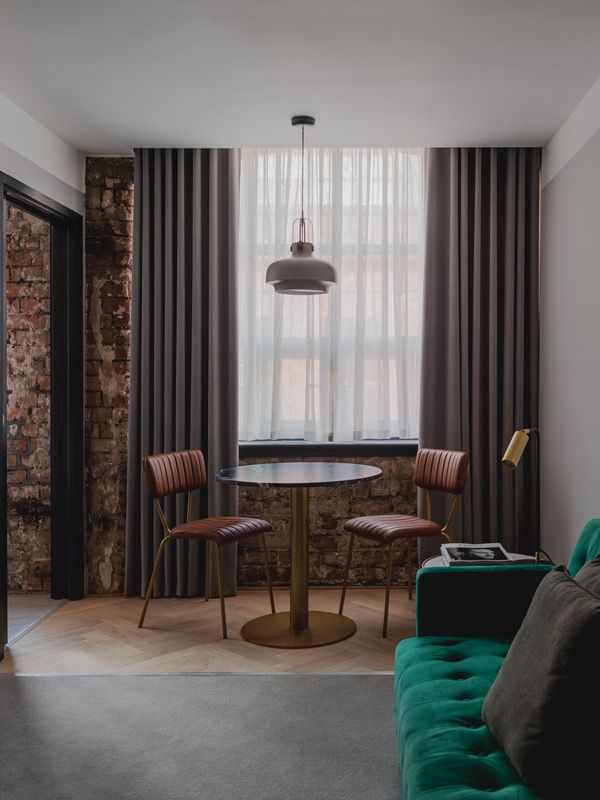
10pm: After a jam-packed day, you’ll want a relaxing place to lay your head. Book into Leven, a design-led aparthotel on Canal Street in Manchester’s effervescent Gay Village district.
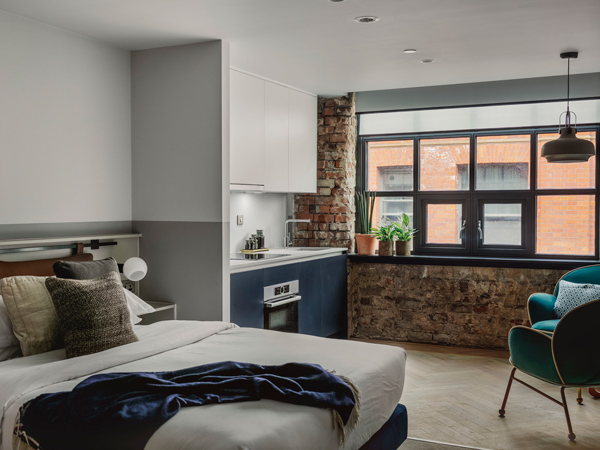
With a focus on creating spaces that feel like home, the rooms at the cool new canal-side hotel feature mattresses made from 100 per cent natural fibres, Grown Alchemist amenities and bespoke furniture that draws inspiration from the Art Deco era. Many of the thoughtfully designed rooms overlook the glittering canal or offer views of the city’s skyline.
Day two
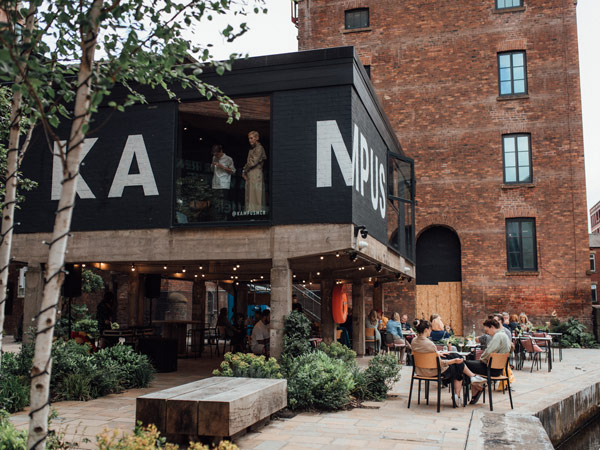
8am: Make an early start way less of an effort by grabbing a quick breakfast near Leven. Simply cross the canal and you’ll find yourself at Kampus, home to some of Manchester’s best independent food and drink vendors. Pollen Bakery is considered an institution in Manchester, and you’ll often see its baked goods on some of the best menus in town. Grab a few pastries to go with your morning latte. Alternatively, if you’re missing home, you’ll find acai bowls and fresh smoothies at Aussie-inspired start-up Bondi Bowls.
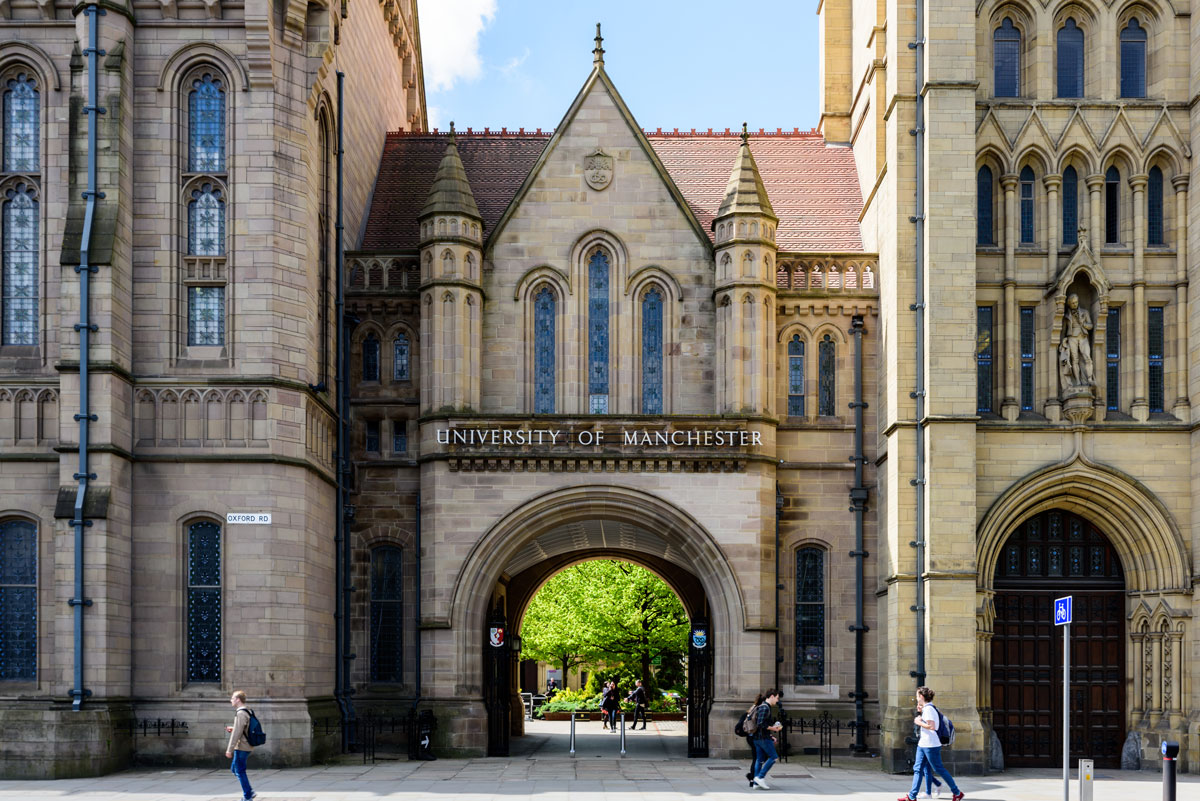
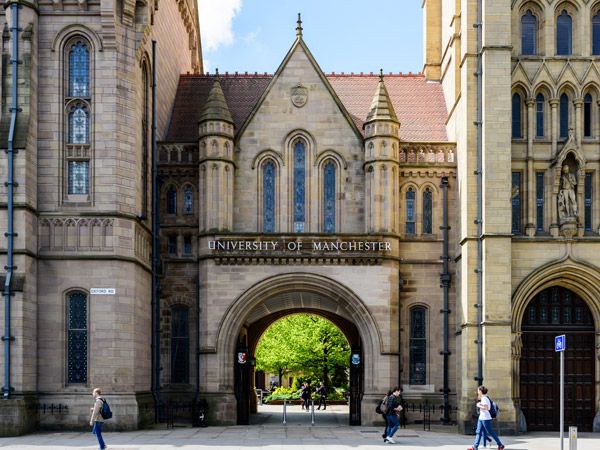
10.30am: It’s time to dive into a lesson on world history. After a $29 million renovation that took 18 months, Manchester Museum has finally reopened and is well worth a visit. The museum, now one of the UK’s largest, holds more than 4.5 million historical artefacts and features state-of-the-art galleries and a new temporary exhibition space. Don’t miss the 278-square-metre South Asia Gallery, co-created with the South Asia Gallery Collective, a group of 30 local community leaders, artists, historians and educators.
12pm: Walk down Oxford Street and you’ll find The Refuge, a sprawling dining venue with multiple food and drink options under its roof.
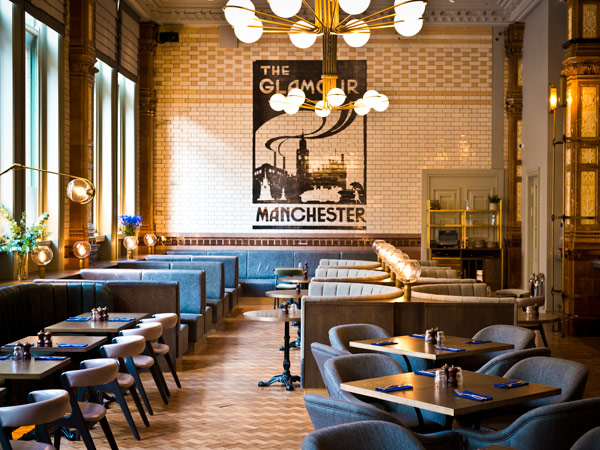
Our pick is the informal yet chic Dining Room, which serves a global menu that changes daily.
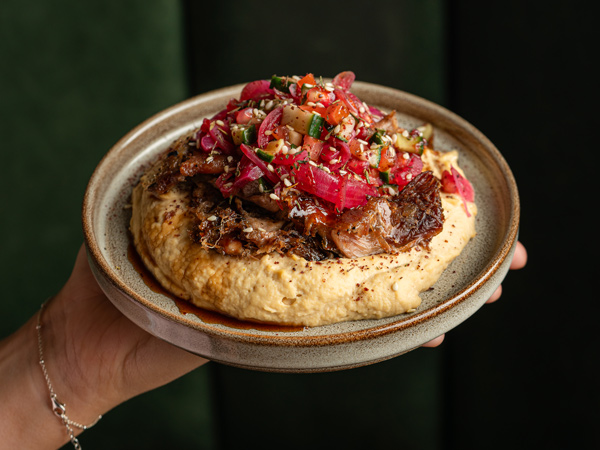
If you have time, enjoy a drink in the stunning glass atrium of the Winter Garden – it feels like an outdoor terrace even in the middle of winter.
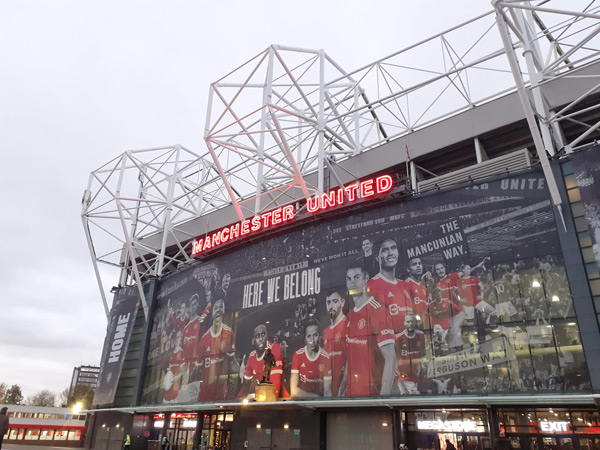
3pm: It’s somewhat compulsory to get schooled on soccer while in Manchester.
Even the football-averse will enjoy Old Trafford, the home of Manchester United and an iconic venue in the world of soccer. On non-match days, stadium tours will take you behind the scenes to learn about the extensive history of the venue, which opened in 1910. Afterwards, take a Manchester United Museum & Stadium tour of Old Trafford to learn more about its heritage and walk through the trophy room. Superfans will enjoy seeing the football kits worn by Man United legends such as the late Sir Bobby Charlton and Wayne Rooney.
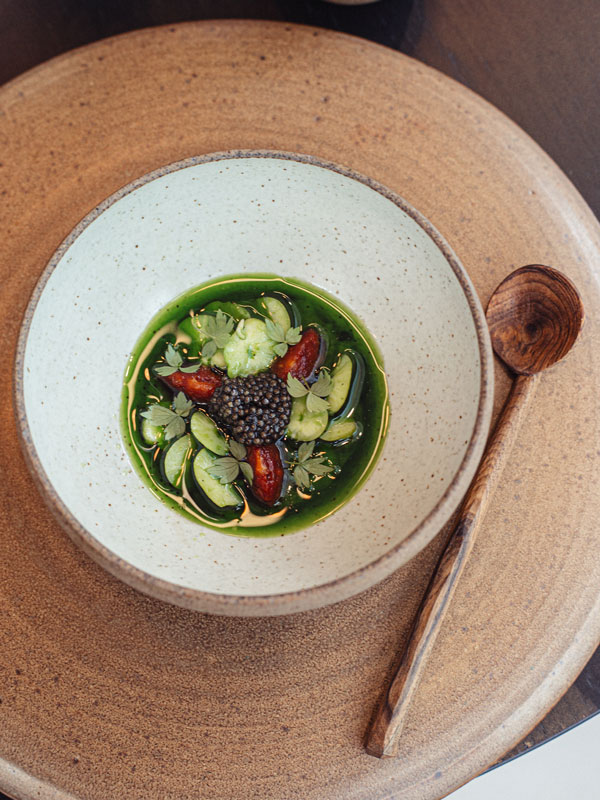
7pm: Ancoats is the latest district in Manchester to generate a buzz. It’s also home to Manchester’s first Michelin-starred restaurant since 1977, mana. You’ll want to book in advance to nab a table, as mana is, understandably, one of the hottest dining spaces in the city.
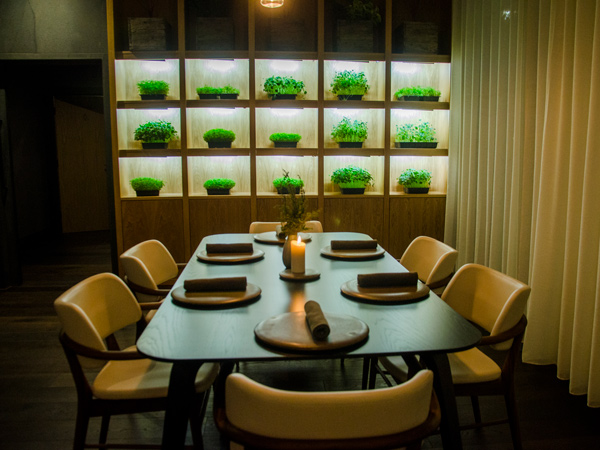
With hyper-creative fare that focuses on seasonal produce, mana’s extensive tasting menu is ever-changing. Expect out-of-the-box dishes such as a teardrop of heavily reduced sunchokes or barbecued hogget with Welsh orange wine and young miso sabayon. And make space in your camera roll: each dish is so beautifully plated, it will be impossible not to take a snap for your social media feed.
Weekly travel news, experiences
insider tips, offers, and more.
Want to see more stories from International Traveller in your Google search results?
- Click here to set International Traveller as a preferred source.
- Tick the box next to "International Traveller". That's it.