hero media

This luxurious Tuscany retreat combines wine and wellness

This Tuscan hotel is offering a full rejuvenation retreat combining luxury, wellness and wine.

Some of the best wines in the world, picturesque rolling hills and an unrivalled artistic legacy: Tuscany has earned its reputation as one of the most beautiful and sophisticated places in the world. But what if you could combine two of its best features into one luxurious retreat? Enter the Wine & Wellness package at The Club House in the heart of Chianti Classico.

This sensory experience combines Tuscany’s deep-rooted wellness practices with the incredible food and wine this region is famous for. Guests embark on a journey that combines tailor-made holistic treatments, vine-based rituals, exclusive tastings at the nearby Vallepicciola winery and delicious dinners.

Most importantly (if you ask me), wine is at the centre of every element during the stay: from tastings, to Tuscan cuisine, to beauty rituals.
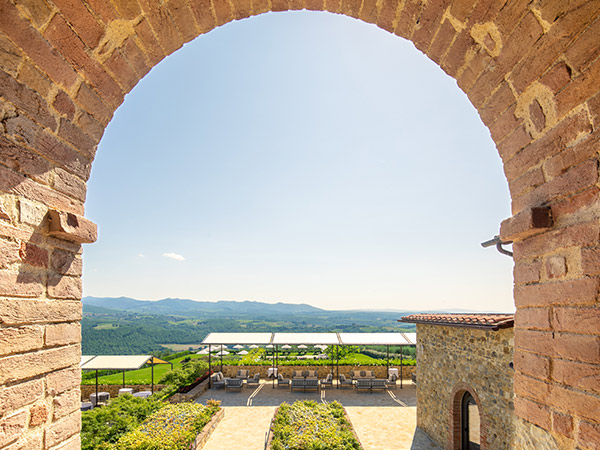
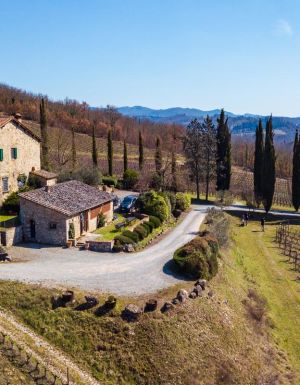
view from The Club House hotel
This Wine & Wellness retreat is the perfect way to experience Tuscany.

The accommodation

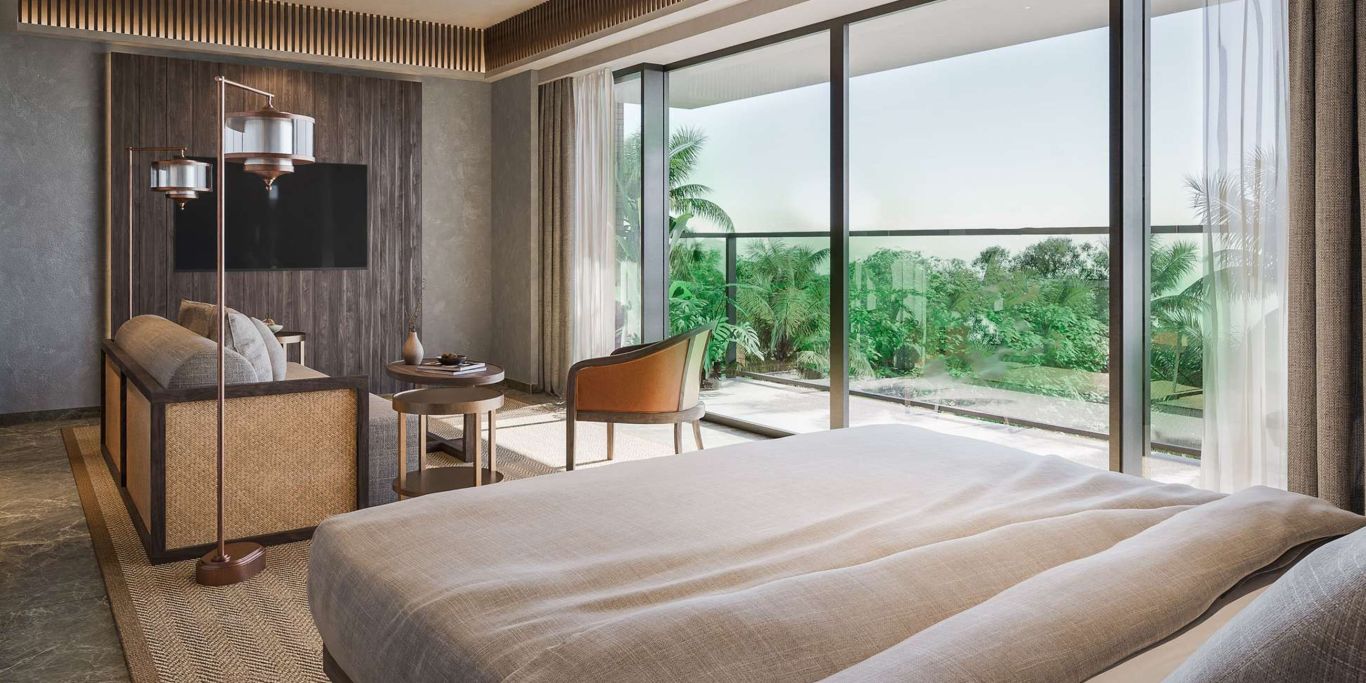
The package includes a two-night stay at, of course, The Club House: a boutique, adult-only (14+) hotel. Stay in one of just 15 rooms, converted from an old farmhouse. The building’s heritage is kept intact, with earthy tones and quaint decor epitomising the essence of the region. Outside the rooms, discover shared spaces for relaxing,

Either opt for total relaxation, or choose to move in a well-equipped gym, a dedicated yoga space, the tennis courts, a golf range and e-bikes for rental. Dive into the indoor pool – a bright oasis with hydromassage areas and heated water. Outside, another pool offers panoramic views of the surrounding vineyards and rolling hills.
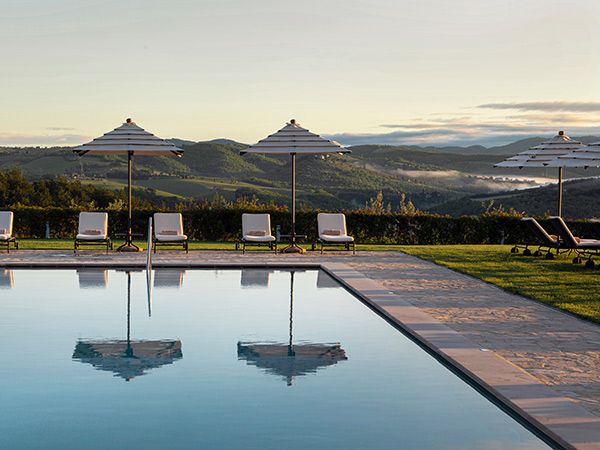
The Club House Outdoor Pool
Dive into gorgeous views. (Image: Mattia Aquila Photography)

Wellness

Also on-site, is The Club House’s Wellness Sanctuary, which Wine & Wellness package guests have full access to. Dedicated to wellness, this 400 sqm retreat is designed to restore harmony to body and mind as soon as they walk in the door, starting with a relaxing atmosphere and delicate scents.

Unwind in the tepidarium (the lukewarm room in Roman bathhouses) with a salt mist to purify and relax the body. Spend time in the sauna and experiential showers stimulate and revitalise. Or brave the ice fountain and Kneipp therapy to boost circulation. Take time before, after or in between to sip herbal teas in the wellness lounge.
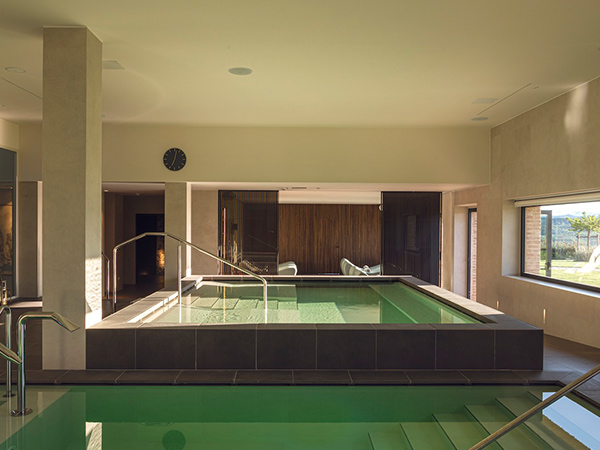
The Club House Wellness Sanctuary in tuscany
Relax in the Wellness Sanctuary.

The package also includes a 60-minute ‘wine therapy’, harnessing the rejuvenating properties of grapes (and don’t worry, you’ll also get to harness those rejuvenating properties in the form of wine – more on that later). Wondering how that works?

Start with a relaxing drink and a personalised consultation. Then move onto a grape jam exfoliation to stimulate microcirculation, and then a nourishing massage using grape seed oil for deep hydration of the skin. A mist of grape water enriched with red vine extract ends the treatment, although guests can opt for an aromatic bath with vine leaves.

Spa sessions can be complemented with yoga, meditation or facial treatments.

Wine & dine
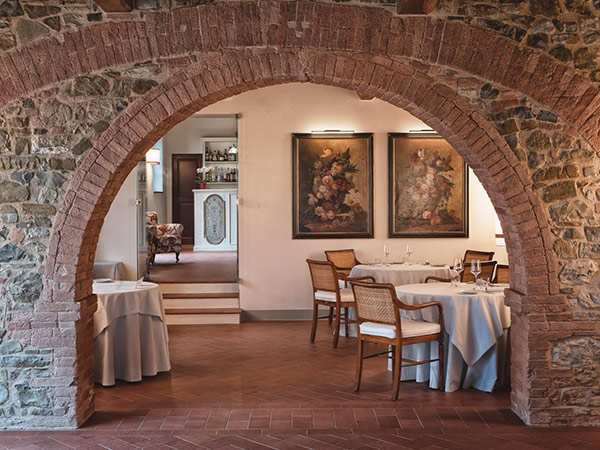
interior of Osteria Il Tuscanico
Enjoy two meals at Osteria Il.

What is a wellness retreat without also treating your taste buds? The Wine & Wellness package also includes two Tuscan-inspired dinners at Osteria Il Tuscanico (by chef Daniele Canella, who also runs Il Visibilio, a fine dining restaurant awarded a Michelin star). Enjoy Tuscan cuisine classics, from Pici Cacio e Pepe to Ombrina alla Livornese (Livornese-style sea bass) to Tagliata di Manzo (grilled Chianina beef).

Also enjoy a private tasting at Vallepicciola winery, nestled in the Tuscan hills. Maybe even take home some housemade wines, Champagne, spirits or oils when the tasting is over.

Wondering what else to do in Tuscany? Discover our guide to five unforgettable days in the region.

Want to see more stories from International Traveller in your Google search results?

  1. Click here to set International Traveller as a preferred source.
  2. Tick the box next to "International Traveller". That's it.
Kassia Byrnes
Kassia Byrnes is the Native Content Editor for International Traveller. She's come a long way since writing in her diary about family trips to Grandma's. After graduating a BA of Communication from University of Technology Sydney, she has been writing about her travels (and more) professionally for over 10 years for titles like AWOL, News.com.au, Pedestrian.TV, Body + Soul and Punkee. She's addicted to travel but has a terrible sense of direction, so you can usually find her getting lost somewhere new around the world. Luckily, she loves to explore and have new adventures – whether that’s exploring the backstreets, bungee jumping off a bridge or hiking for days.
View profile and articles
hero media

What the European heatwave means for your summer travel plans

Temperatures are soaring this summer, breaking records across Europe and the UK. 

Euro summer is a feeling like no other. But when a heatwave hits? The dream trip quickly turns into a sweaty mess. Extreme heat is sweeping Europe and the UK this week, with record-high temperatures impacting travel plans across the continent.

And while Australian summers are typically hotter in absolute temperature, many European cities aren’t equipped for high temperatures, resulting in unbearable weather.

Why is it so hot in Europe?

Signs of a hot summer loomed in May, when the mercury hit unprecedented spring highs. Now, extreme high temperature warning alerts have been issued in countries such as Spain, Italy, France, England, the Netherlands and Germany.

France saw its hottest day on record on Wednesday, with an average temperature of 30°C across the day and night. This surpasses the average temperature for June, which is 15°C to 25°C. Dozens of people have died, including 40 from drowning.

In Spain, 212 deaths have been linked to the heatwave.

The UK recorded its hottest June day ever on Wednesday with temperatures soaring to 36.1°C. In an article published by the Met Office – the UK’s national meteorological service – Professor Stephen Belcher CBE, Met Office Chief Scientist, shared his concerns about June’s heat. “To see temperatures like this in the UK in June is sobering. Events like this bring home the implications of climate change, with very high temperatures and humidity bringing significant health implications from heat stress, as well as impacts to a range of sectors such as transport, energy and water supply,” he said.

Heatwaves are becoming increasingly common in Europe and the UK, neither of which is prepared for such extremes. The World Meteorological Organization reported that in 2025, at least 95% of Europe experienced above-average annual temperatures and that the continent was heating up twice as fast as the global average.

How travel is impacted

A pharmacy sign displaying 40 degrees Celcius
A pharmacy broadcasting local weather data. (Credit: Getty/Dragoncello)

During a heatwave, power grids, water systems and transport networks can be affected, resulting in disrupted itineraries for travellers. In France, power outages have left thousands without electricity and early closures have been implemented for two of Paris’s biggest attractions, the Eiffel Tower (early afternoon rather than late at night) and the Louvre (two hours early). Eurostar cancelled its London to Paris and Paris to London services from the 22nd to the 25th, and major UK rail companies have been advising travellers to avoid using trains where possible, or to travel during early hours.

If a heatwave is predicted, being flexible with your itinerary and having fully refundable/changeable tickets is key, as extreme heat can force the cancellation of outdoor activities, impact rail and flight services and change the opening hours of sites and eateries.

Why does summer in Europe often feel hotter than summer in Australia?

people swimming in the Canal Saint-Martin in Paris
People swimming in the Canal Saint-Martin in Paris to cool off. (Credit: Rachael Thompson)

With some of the highest UV levels in the world, Australians are no strangers to the heat, adapting well to intense weather. But our infrastructure is largely equipped to withstand soaring temperatures with climate-responsive passive design, refrigerated air conditioning or evaporative coolers, as well as swimming spots aplenty.

Buildings in Northern and Western Europe and the UK, however, are constructed to retain heat and handle frosty winters. The lack of universal air conditioning means it generally feels hotter even though the temperature on your app might not look it. During a heatwave, it can feel like you’re in a sauna as cities act like heat traps.

How to stay cool and prepare for another heatwave

Relief is expected across Europe and the UK later this week, but more heatwaves are still possible in the coming months. Summer heat typically peaks in July and August.

Public transport often doesn’t have air conditioning, and buses in particular can be swelteringly hot. If you’re heading outside or your accommodation has no air conditioning, it’s worth buying a spray bottle and a handheld fan from a pharmacy or tourist stand. Check ahead of time if restaurants and cafes have air conditioning and make a booking in advance. The highest temperatures typically hit between 3pm and 6pm, so aim to head outdoors outside of these hours.

Rising temperatures invite travellers to enter a more intentional era of seeing the world. Now more than ever is the time to embrace lower-impact “coolcations” and off-season getaways.