
Florence is a feast for the senses, with Renaissance masterpieces, artisan craftsmanship and delectable Tuscan cuisine around every corner.
If you only have five days in Florence and Tuscany, there’s a lot to take in. You’ll want to experience the city’s rich culture and art, savour the leisurely Italian pace and, of course, indulge in the incredible food. This guide offers the perfect balance – showcasing Florence’s iconic landmarks, hidden culinary gems and an escape to the serene Tuscan countryside. Each day combines must-see sites with unique experiences to make the most of your time in this enchanting region.
Day 1: Local crafts, organic pasta and gelato
Stay at The Place Firenze
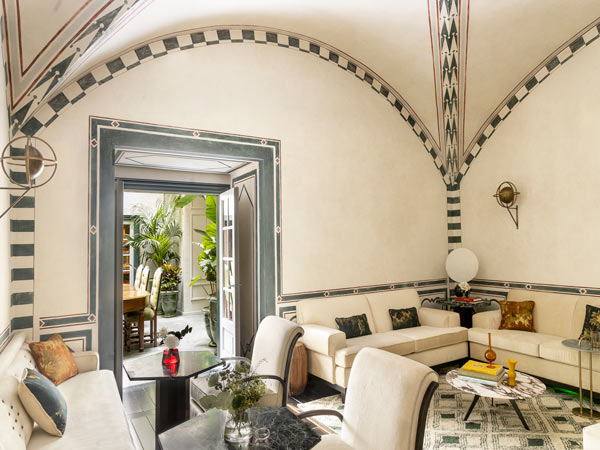
Situated on the beautiful Piazza Santa Maria Novella, The Place Firenze has emerged from a recent, extensive renovation with a refreshed style across its 20 rooms and suites. The lobby feels more like an elegant, cosy living room, with the reception desk discreetly tucked away in a private office, creating an inviting and home-like atmosphere. Guests can choose from a variety of room options, including a spectacular two-level suite that overlooks the Duomo, complete with unforgettable views from an upstairs bathtub. The whole property boasts a curated selection of art and furniture crafted by local artisans.
Experience local trades firsthand
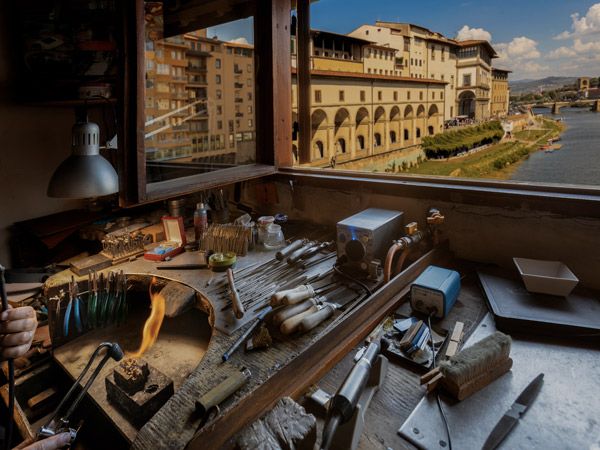
Experience the enduring legacy of Florentine craftsmanship through The Place’s philanthropic experience, The Place of Wonders. This exclusive experience invites guests to visit local artisans – masters in cashmere production, glass etching and goldsmithing – and witness their crafts firsthand. Each visit supports the hotel’s mission to preserve these cherished traditions in the Florence community.
Simbiosi for organic pasta
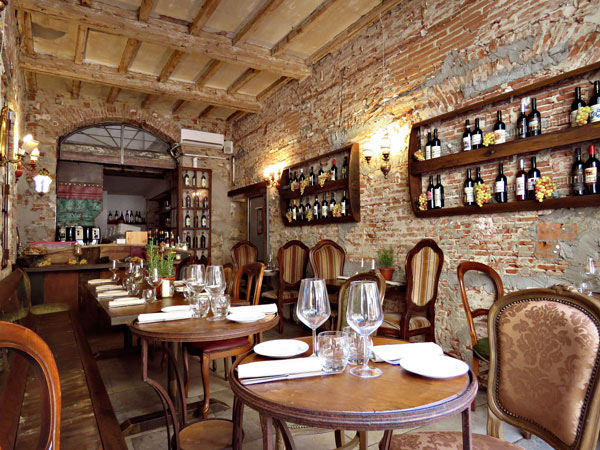
Be careful going to Simbiosi for dinner on your first night, as you may be tempted to return several times throughout your visit (as I did!) From the mouth-wateringly fragrant truffle tagliolini to the potato tortelli doused with wild boar ragu, every dish I tried here was unbelievably flavourful.
Edoardo Gelato and first look at The Duomo
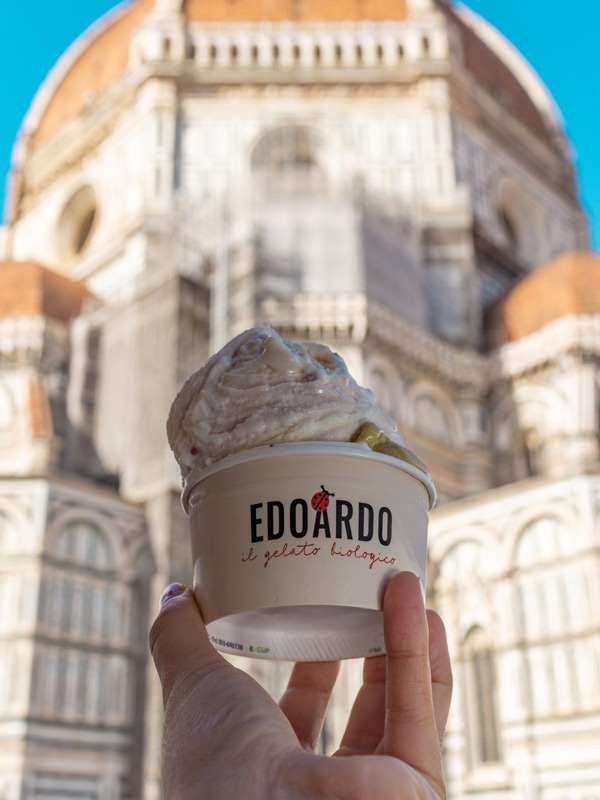
You can’t let the sun go down on your first day in Florence without a glimpse of the stunning Santa Maria del Fiore Cathedral – more commonly referred to as The Duomo. Shockingly, one of the highest quality gelaterias in town is right by this touristy spot. Just follow the smell of their freshly made cones and be sure to try a salted pistachio scoop.
Day 2: The must-do touristy stops
Uffizi and Accademia Galleries: Discover Iconic Renaissance Art
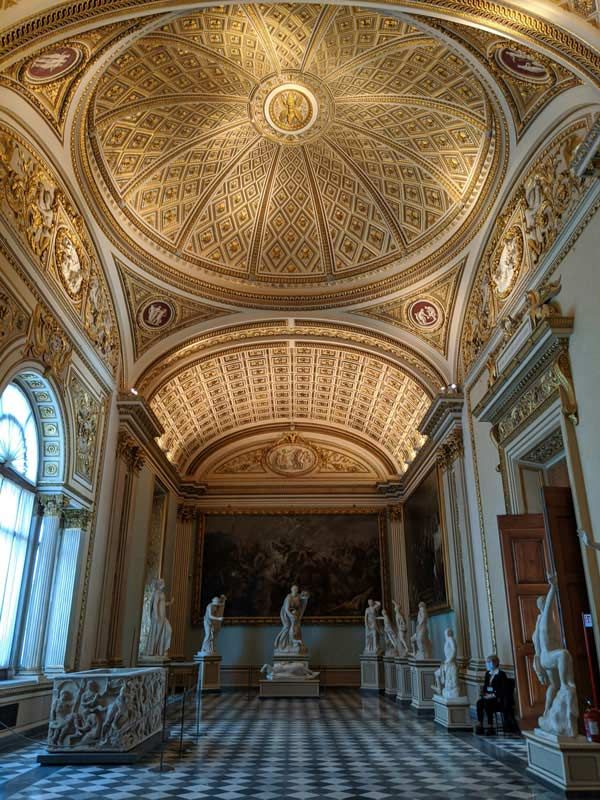
Florence, like many famed European cities, has its share of must-see spots that can feel a bit crowded. Still, some experiences simply can’t be missed. The Uffizi Gallery is Florence’s primary treasure trove of Renaissance masterpieces, housing iconic works by Botticelli, Michelangelo and da Vinci. I recommend booking your timed ticket on a weekday morning to beat the crowds.
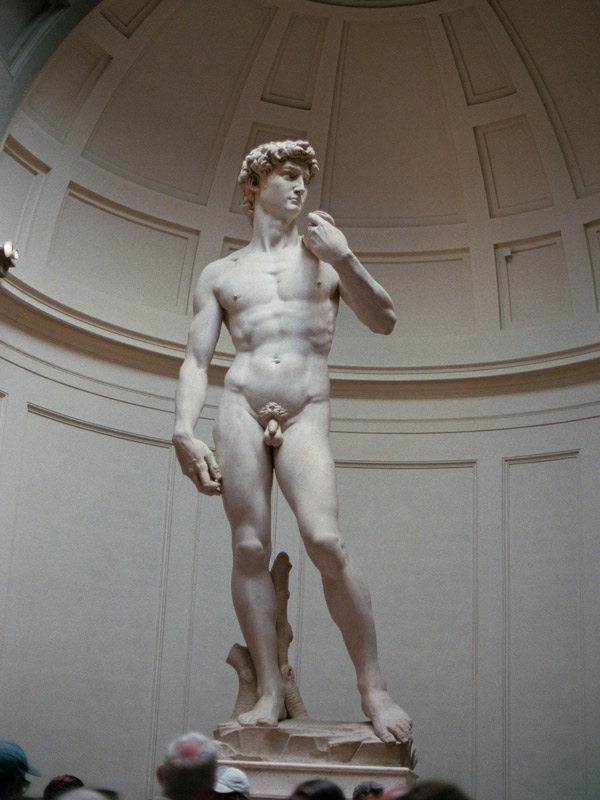
A visit to Florence also isn’t complete without seeing Michelangelo’s David at the Accademia Gallery. This towering marble masterpiece captures the spirit of Renaissance artistry, drawing countless visitors each year. Swing by for a glimpse of this iconic statue and marvel at its intricate details up close.
Grab an All’antico sandwich and a Vivoli Affogato
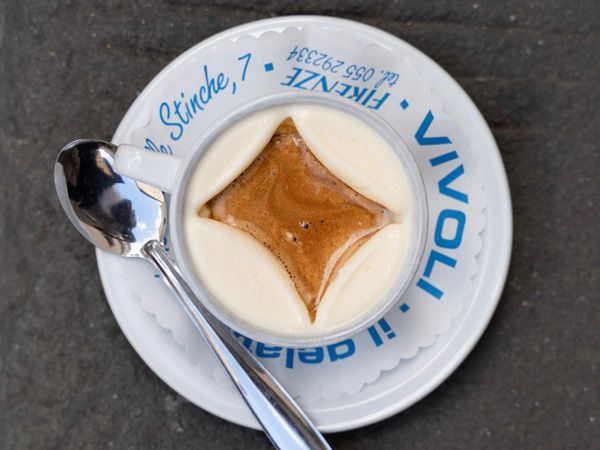
Served between giant slabs of crisp-edged, fluffy focaccia and loaded with fresh cold cuts and cheeses, All’antico Vinaio’s sandwiches are worth the wait in line. Depending on your energy level, wander through San Lorenzo Market to find stalls selling leather goods, clothing and souvenirs, often crafted by local artisans. If you need a pick-me-up, head to Vivoli for one of their famous pistachio affogatos.
Day 3: Take a walk on the local side
Get a cappuccino and read at the park
After a day exploring Florence’s iconic sights, take a break from the crowds and slow down. Stroll over to Caffè Lietta for a cappuccino and one of their delicious pastries, then head to the hidden gem of Giardino dell’Orticoltura. Large green spaces are rare in Florence, and this one is tucked away and easy to miss unless you know where to look. Here, you’ll find local kids hanging out after school and parents with prams, offering a peaceful glimpse into everyday Florentine life. While you’re in the neighbourhood, don’t miss grabbing a fabulous pizza at a local hole-in-the-wall pizzeria, Spera.
Eat a classic Florentine steak at Perseus
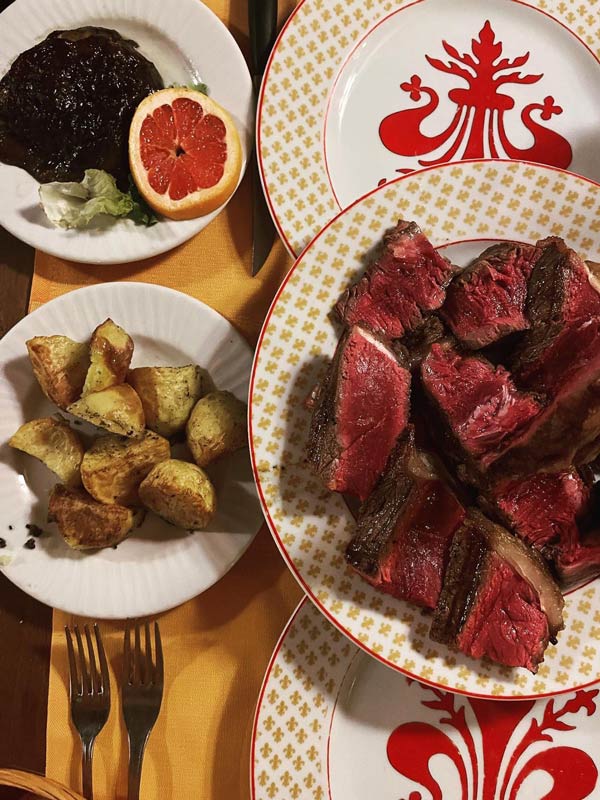
Florentine steak, or bistecca alla fiorentina, is a Tuscan classic renowned for its hefty serving size and typically served rare – or al sangue in Italian, meaning “to the blood." Perseus is the perfect spot to sit back and let the waiter bring the best of the menu to your table. Just ask for some potatoes and seasonal vegetables on the side, and don’t forget to order a bottle of the house wine to complete the experience.
Day 4: Oltrarno: The other side of the river
Check in at Portrait Firenze
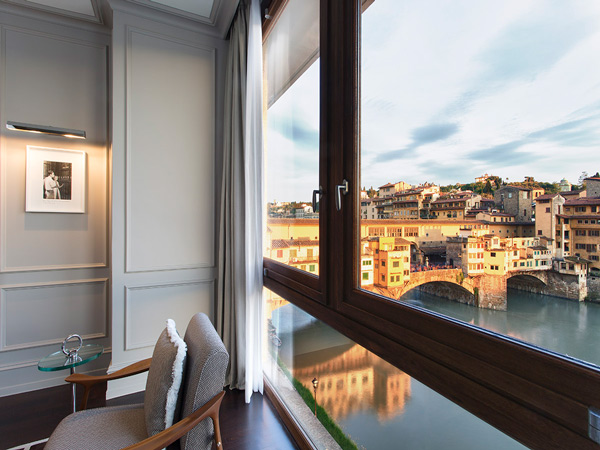
Anyone looking for Four Seasons-level rooms and service will feel right at home at Portrait Firenze. Their suites are absolutely stunning, with floor-to-ceiling windows looking over the Arno River and historic Ponte Vecchio. The historic photographs on the walls add a personal touch, combining luxury with thoughtful decor. Enjoy a lovely breakfast downstairs or an Aperol spritz in the lounge as you watch people walk by. The prime location puts you in the heart of all the bustle of Florence, but it’s also just a short walk across the bridge to the quieter side of the river.
Pitti Palace
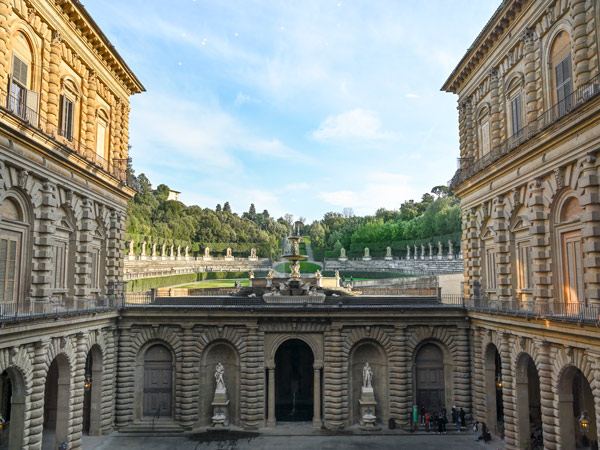
For a break from Renaissance art, head to Pitti Palace. While it’s home to countless Renaissance works, I found the Museum of Costume and Fashion particularly captivating. Its collection of clothes and accessories progressing from the 18th century to the modern day offers a unique look at Europe’s changing tastes. The Gallery of Modern Art, with works from the late 18th to early 20th century, was another highlight. All displayed within the grand halls of the former Medici palace, later occupied by Napoleon Bonaparte.
Weekly travel news, experiences
insider tips, offers, and more.
Enjoy a meal at a classic Italian trattoria
Oftentimes, the best places to eat in Florence are no-frills, family-friendly trattorias or osterias. These terms denote establishments that are less formal than a ristorante. Two wonderful spots to try out in the Oltrarno neighbourhood are Osteria Santo Spirito for their sizzling truffle gnocchi and Trattoria La Casalinga for their excellent sage chicken.
View Florence from Piazzale Michelangelo
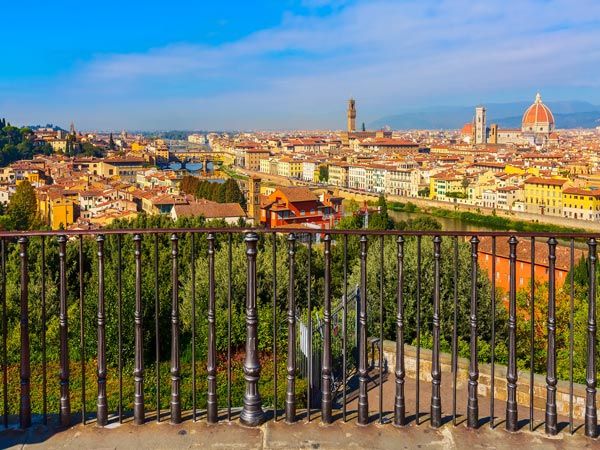
For the best panoramic view of Florence, head to Piazzale Michelangelo. Perched on a hill across the Arno River, this square offers sweeping vistas of the city’s iconic skyline, including the Duomo, Ponte Vecchio and the rolling Tuscan hills in the distance. After taking in the view, wander through the Oltrarno neighbourhood and check out the cool antique shops.
Day 5: A day trip to Tuscany’s Chianti region
Day in Siena
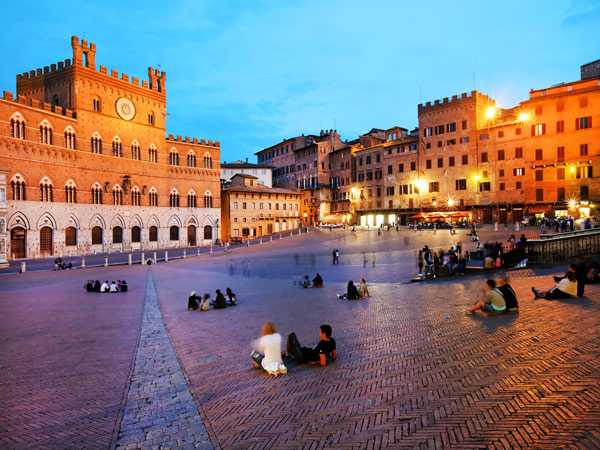
Siena, a medieval gem nestled in the heart of Tuscany, is just a 1.5-hour drive from Florence, making it an easy day trip. Known for its stunning Piazza del Campo, the historic Palio horse race, and impressive architecture, Siena offers a glimpse into Italy’s rich past. If you’re planning to drive, keep in mind that an international driver’s license is typically required for most visitors, so make sure to have that in hand before hitting the road.
Wine tasting at Le Miccine Vineyards & Winery
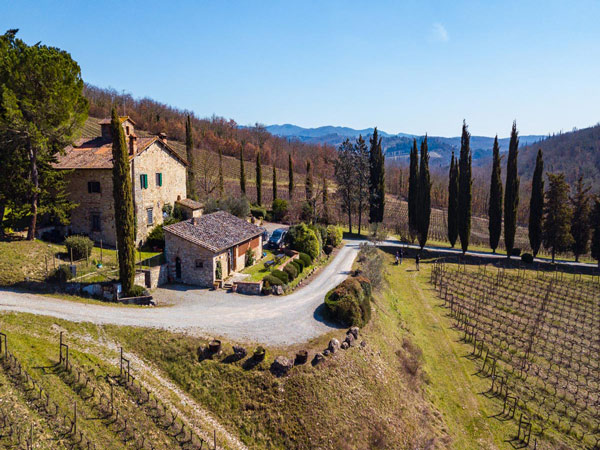
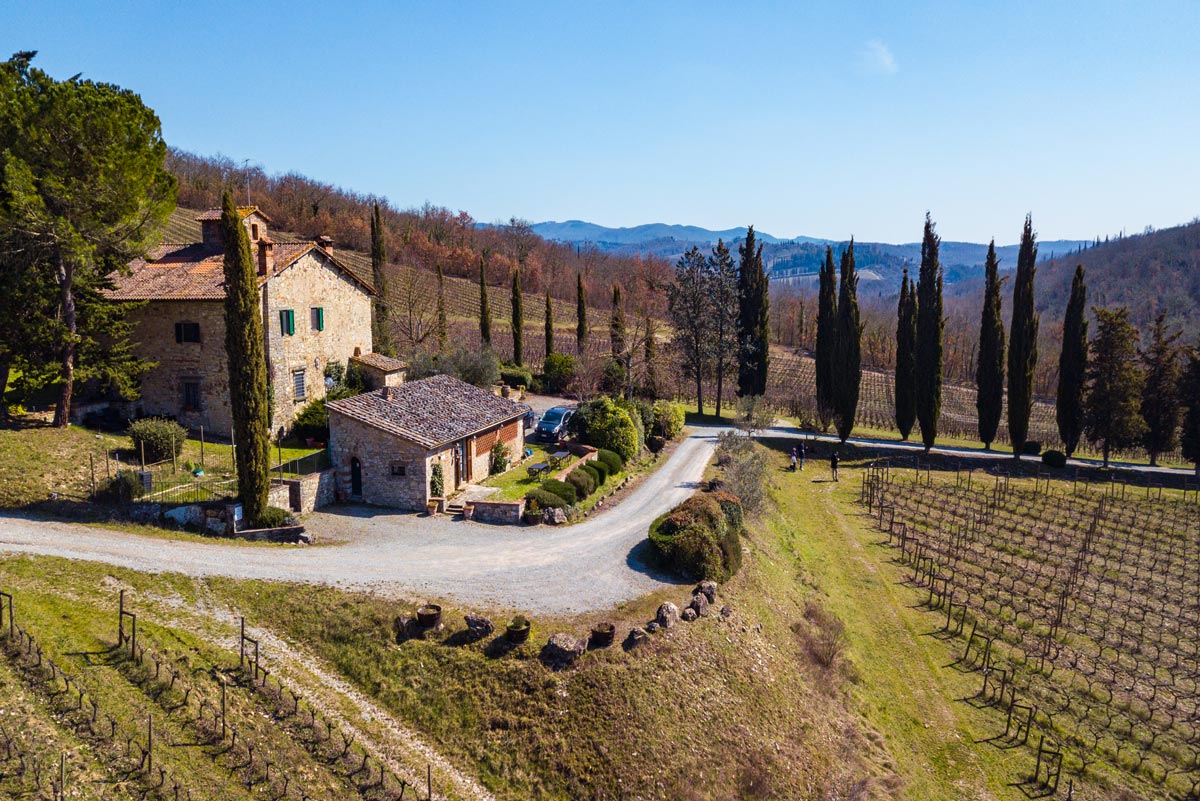
This small, family-owned winery offers an unforgettable property tour and wine tasting experience that’s both down-to-earth and authentic. You’re likely to spot the owners tending to the grounds or, in our case, jamming out to the radio while personally preparing to harvest the grapes. In addition to outstanding wines, they also produce exceptional olive oil, which you can sample during the tasting. With sweeping views over the rolling hills, the setting perfectly captures the quintessential Tuscan landscape.
Dinner at Il Vescovino Ristorante
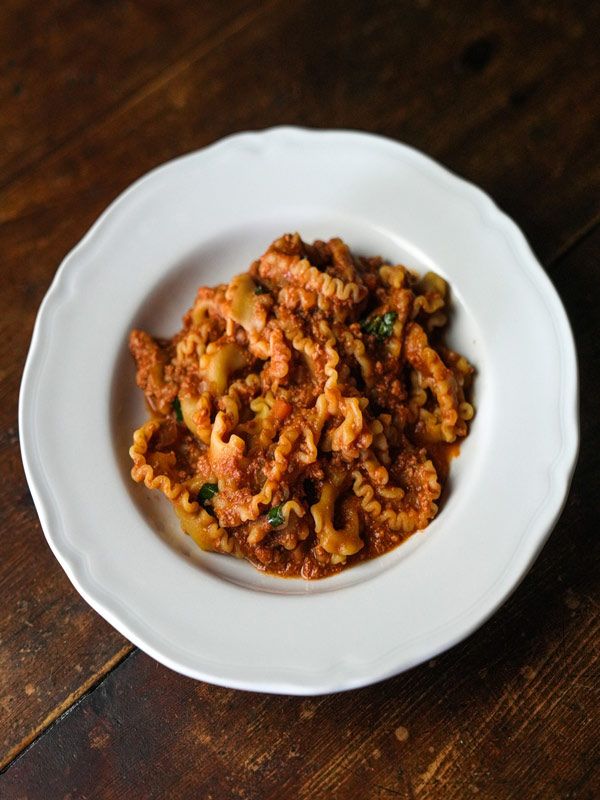
Time your dinner reservation here to catch the sunset as it bathes the Tuscan landscape in a golden glow – this spot in Pieve di Panzano offers breathtaking views over the region’s vineyards and rolling hills. A true family-run gem, the father is in the kitchen while the mother and son warmly serve guests. We feasted on steak, pasta and, of course, a bottle of chianti classico.
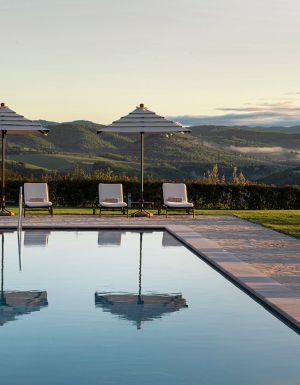
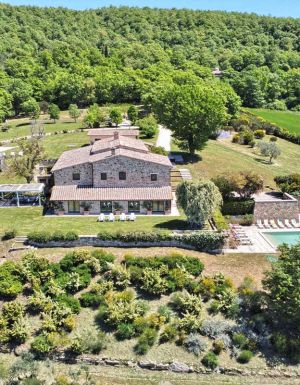
TIP: You can easily extend your time in Tuscany by as many spare days as you have available to you. For the opportunity to stay in an intimate, working vineyard setting, Le Miccine Winery offers two villa rental options. For a boutique hotel experience, try Villa Fontelunga or Villa Sassaloni for a wonderful culinary and hospitality experience wrapped into one.
Want to see more stories from International Traveller in your Google search results?
- Click here to set International Traveller as a preferred source.
- Tick the box next to "International Traveller". That's it.