The Amalfi Coast is wondrous, and while it brims with plenty of beautiful surprises, other surprises can hinder your travel there. Here’s what to know before visiting.
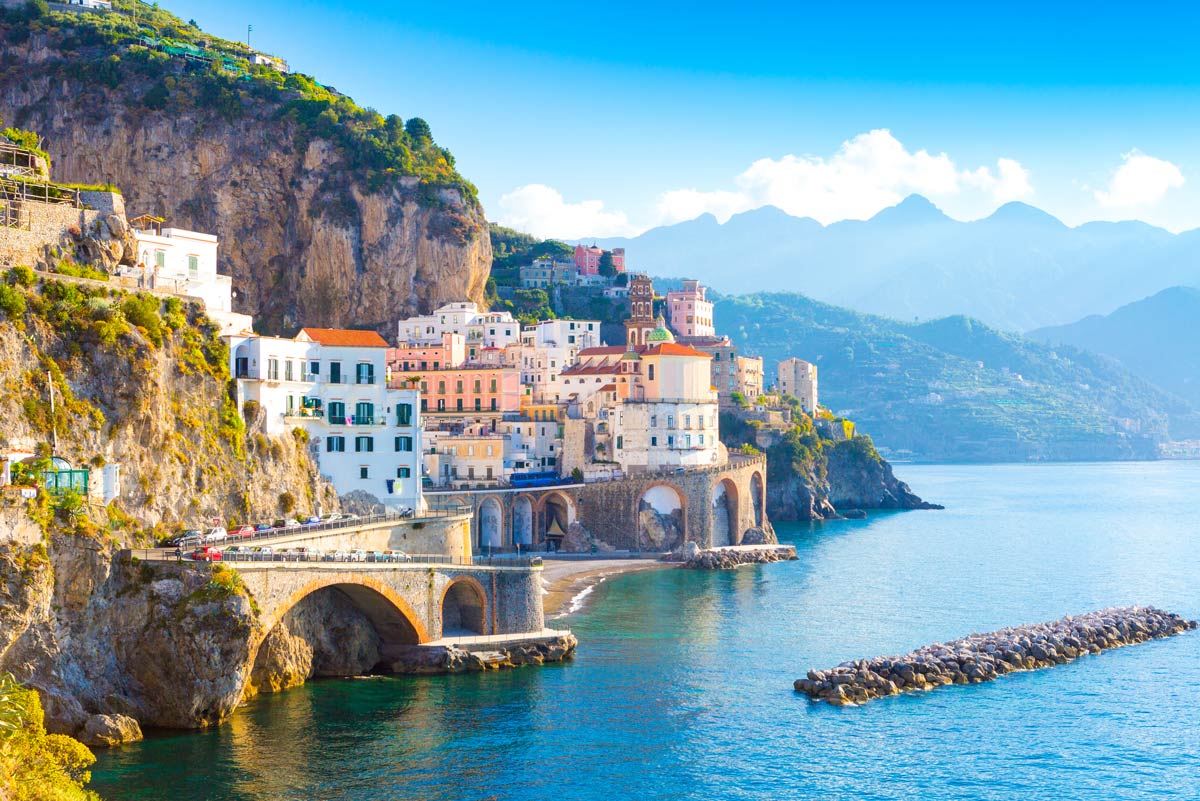
One of Italy’s most desired destinations, the Amalfi Coast attracts approximately five million visitors annually. It’s easy to see why – otherworldly coastlines, whole societies built into impossible cliff faces, a luxurious yachting scene and sensational seafood. Whether you’re considering a trip or are well into planning your itinerary, here are key things to be mindful of.
When is the best time to go?
The Amalfi Coast has a reputation of being exorbitantly expensive, but this certainly isn’t the case all year round. Outside of the peak months of June to August, accommodation is extremely reasonable, perhaps due to the fact of how much accommodation exists along the coast. If you’re assuming the coast is out of your budget, investigate going in May or September, when the weather is still generally pleasant.
Be particularly mindful of travelling in peak season and during specific holidays, such as Republic Day (2 June) and the August school holidays. The Amalfi Coast is an extremely popular spot for domestic travellers during these times, impacting traffic and congestion. With narrow town streets and many travellers, the over-tourism during these times may impact how much you relax and your ability to enjoy all the coast has to offer. Instead, schedule visiting Italy’s bigger cities during these national holiday times; as they usually experience an exodus.
How to narrow down where to stay
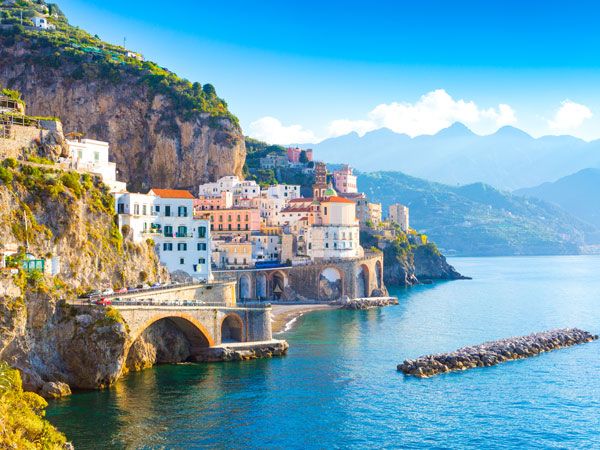
There are an inordinate number of accommodation options on the Amalfi Coast. First, it’s best to ask what kind of experience you’re after. An agricultural homestay, something more luxurious, or renting a classic Amalfitana apartment. From there, look at key things you’d like to do – whether it’s boat cruises, cooking classes, or visiting restaurants on your bucket list. The most popular towns of Positano and Amalfi are undoubtedly stunning but are extremely busy during peak season. If travelling between June and August, consider staying more inland or at an underrated town such as Tramonti or Vietri sul Mare, and making day trips to the renowned towns.
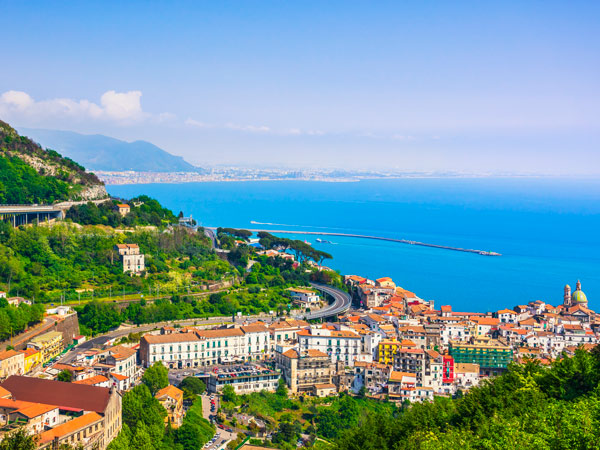
It’s also wise to research the accessibility of your chosen destination. Taxis to more remote towns are expensive, so be prepared to pay. If convenience and budget are key factors, consider towns that are accessible by ferry or bus.
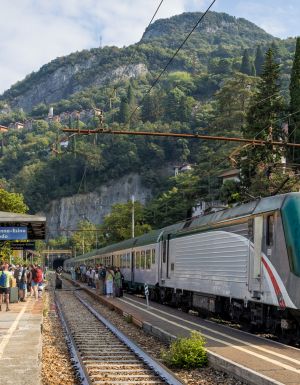
Sometimes the best base is not actually on the Amalfi Coast. Sorrento, which is tucked around the corner on the Sorrento Coast, makes for an ideal launchpad. It’s located at the end of the Circumvesuviana train line which connects Naples to the Sorrento Coast. The train is extremely affordable and, one of the best perks, it dodges any traffic on the one road that winds along the coastline. It also passes through some more underrated towns and villages, such as Castellammare di Stabia and Vico Equense, if you’d like to experience some lower-key places.
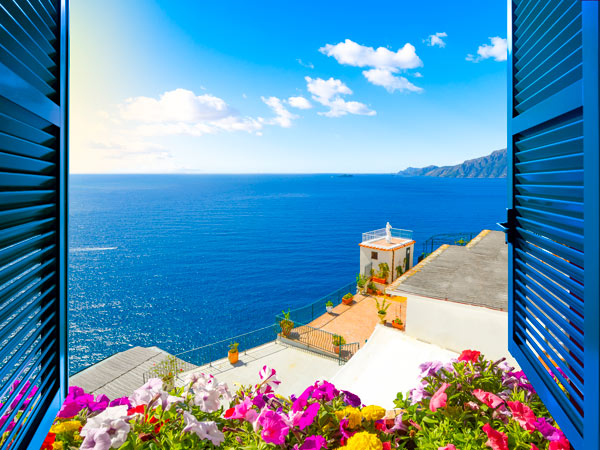
Another great base is Salerno, which is to the east of the Amalfi Coast. Salerno is a bigger city, it’s more affordable than staying at neighbours Amalfi and Positano and is well connected via ferry.
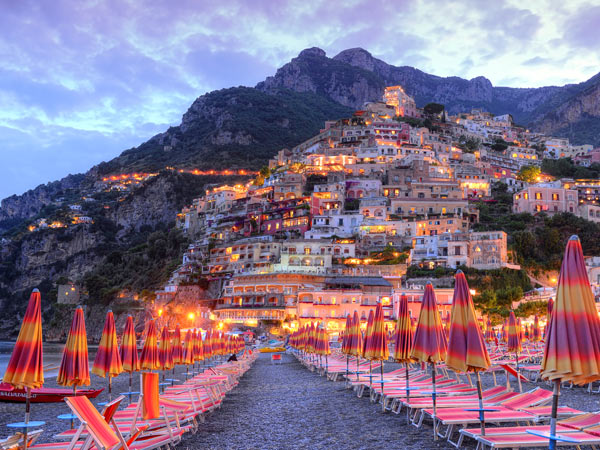
Amalfi is best by boat
There is nothing better than enjoying the coast from the water. Exploring the towering coastlines and its old fortresses, the petite islands speckled along and pulling into kaleidoscopic, sun-kissed cliffside towns make for some of the most memorable moments.
There are a few ways to enjoy the water. First is via the ferries that connect the towns and villages. This is one of the best ways to travel around – it’s affordable and avoids road traffic. It’s best to book your ferry tickets in advance, particularly important during peak season to guarantee you a spot. There are plenty of websites selling ferries, some fraudulent, so to be safe, use what the locals do. Ferries travel to highlight destinations such as Capri, Amalfi and Positano. However, even if you have booked a ferry ticket, you’ll still need to have it verified at the port. In peak, the port lines can be lengthy, so as a rule of thumb, try to get there one hour prior to your ferry departure time.
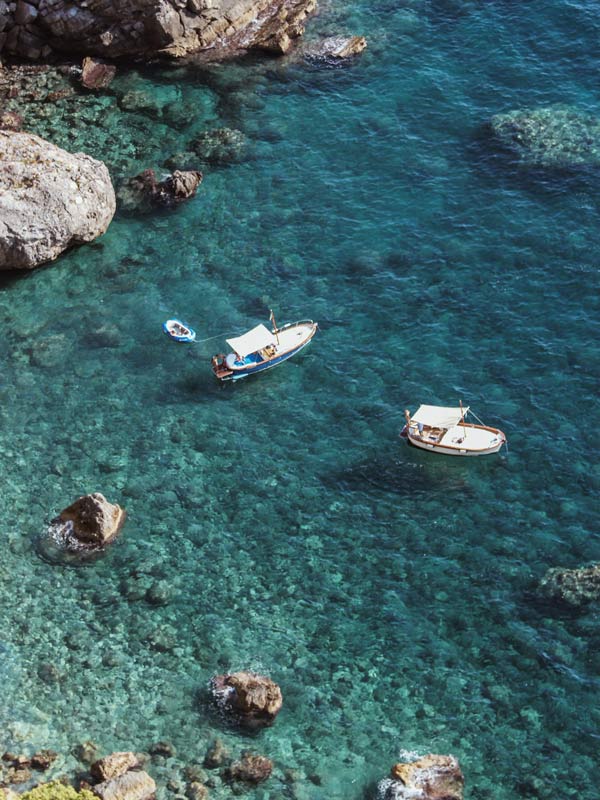
You can also opt for a semi-private boat tour, which usually comprises a beautiful, leather-lined and mahogany-clad boat that hosts 12–15 people. It’s an intimate way to get to know other travellers and a peaceful way to enjoy the water. These boat tours travel several locations on the coast, including swimming spots and one or two towns.
Know that the price of your day tour ticket most likely won’t include the entry fee to key sites, such as Capri’s Blue Grotto. There is also a boat tax that is charged in addition to the ticket fee; make sure you always have some cash on hand for these additional expenses.

Weekly travel news, experiences
insider tips, offers, and more.
Drinking and eating
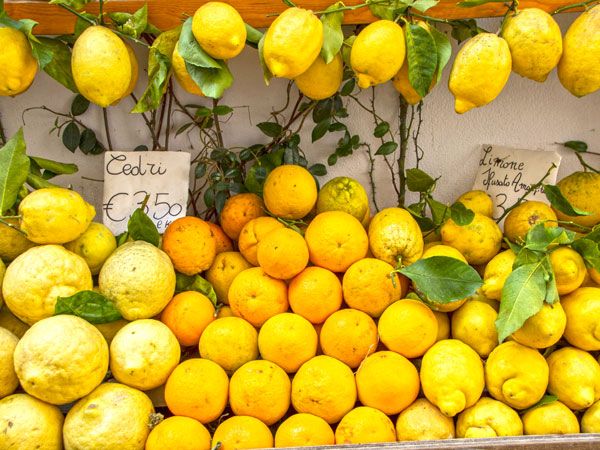
Ensure you spend enough time enjoying the produce of the coast. In this part of Italy, lemons are worshipped. You’ll see them on everything from kitchen tiles to swimwear. Fittingly, it’s the home of limoncello, so try and get your hands on a bottle from a local producer. Sip slowly if you want to enjoy the taste, but a shot is said to assist with digestion.
The seafood is extremely fresh, perfect when it’s grilled, served with linguine or in a risotto. A classic way of sampling the seafood is by ordering Insalata di Mare (seafood salad), which usually combines calamari, octopus, mussels and clams.
Restaurant bills in Italy usually include a cover charge, which accounts for a tip. However, if you are extremely satisfied with the service you’ve received, you can leave an additional tip. In this case, locals will usually leave a few euros on the table.
Cake stores can be overwhelming with choice, but be sure to crunch into a sfogliatella, a shell-shaped pastry filled with semolina and ricotta. Enjoy one standing at the bar with an espresso.

To really acquaint yourself with the coast’s produce and dishes, book yourself into a cooking class. There are many family-run cooking schools along the coast, some of which use their farm or property’s produce as part of the classes. Head home with secrets from nonnas and nonnos and cook for your loved ones back home.
Want to see more stories from International Traveller in your Google search results?
- Click here to set International Traveller as a preferred source.
- Tick the box next to "International Traveller". That's it.