hero media

A new Lake Como hotel is opening in a historic 19th-century palazzo

Lake Como has a new place to see and be seen with the official debut of The Lake Como EDITION hotel in March 2026.

EDITION senior vice president George Fleck describes the opening of The Lake Como EDITION as ‘a defining moment’ for the brand. The hotel, located on Cadenabbia on the lake’s western shores, is housed in a restored 19th century palazzo originally known as The London.

The restoration of the 148-room property blends the original features of the palazzo with EDITION’s signature minimalist aesthetic. Fleck believes the hotel will set a new benchmark for contemporary hospitality in the region, which he says balances individuality with a strong sense of place.

“This opening marks a new era in the EDITION story, where the timeless glamour of Lake Como converges with a new generation of luxury," Fleck says.

“This iconic destination provides the perfect canvas for our most captivating chapter yet, a defining moment that reflects EDITION’s continued evolution on the global stage," he says.

The location
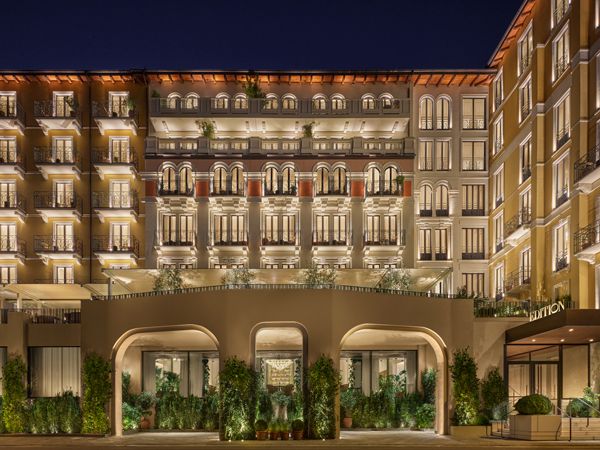
the exterior of The Lake Como EDITION
A historic 19th-century palazzo reimagined and refined to bring lakeside luxury.

Lake Como’s waterfront has long been a much dreamed-about destination. And the property reflects the brand’s continued global expansion, marking its 21st location worldwide.

Omnam CEO David Zisser says the goal was always to create “a sophisticated luxury experience that seamlessly blends with Lake Como’s natural beauty while remaining welcoming to all".

The striking reinvention of the hotel, built in 1830, maintains reverence for the palazzo’s storied past by keeping the palazzo’s cream-toned façade, its vaulted ceilings and classical arches. Zisser says the project brings “our shared vision for transformative hospitality to one of the world’s most breathtaking destinations."

Standout features
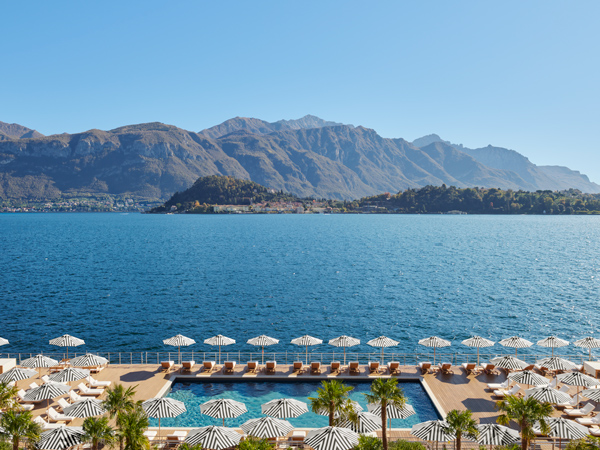
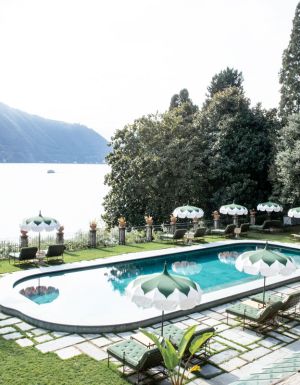
the floating pool with waterfront views at the Lake Como EDITION
Lounge by the lakefront pool.

The floating pool – complete with cabanas and a lounge bar – and private dock – allowing for arrivals by boat – exemplify this philosophy. Directly in front of the hotel, the floating pool and private dock create an immersive connection to Lake Como, allowing guests to experience the water as a natural extension of the property.

Immersion is also central to the spa experience, with the Lake Como EDITION home to Italy’s second Longevity SPA by The Longevity Suite Group. The facility offers advanced biohacking programs, Blue Zone-inspired rituals, a thermal pool, herbal sauna, Turkish bath and seven treatment rooms alongside a fitness centre.
the Cetino restaurant in the the Lake Como EDITION
Cetino is Mauro Colagreco’s first restaurant in Italy.

Culinary innovation is another cornerstone of the hotel, with the signature restaurant Cetino and all-day terrace restaurant led by three-Michelin-starred chef Mauro Colagreco.

General manager Anton Moore says chef Mauro Colagreco will shape the hotel’s culinary identity through his nature-first philosophy and a personal exploration of his Italian heritage. “Cetino, the hotel’s signature restaurant, will present an elevated expression of contemporary gastronomy, with a menu that harmoniously blends land and sea," he says.

The design: a balance between old and new
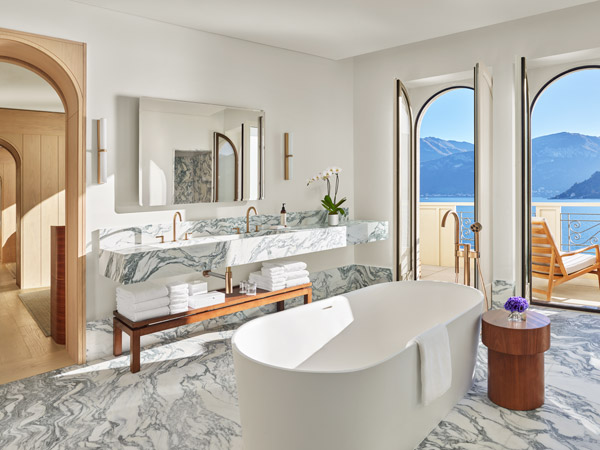
the Penthouse bathroom at the Lake Como EDITION
Calacatta marble bring a luxurious vibe.

The reimagined property overlooking the famed promontory of Bellagio was developed in partnership with design firm Neri&Hu and architects De. Tales. Inside, the design draws inspiration from Italian materials and craftsmanship and is defined by its terrazzo flooring, carved stone and high-vaulted ceilings and sculptural marble staircase.

All up, the hotel has 148 rooms, including 25 suites and two penthouses with nine guestrooms in the revitalised Villa Gina. Moore describes the hotel as a retreat that honours Lake Como’s legacy while introducing fresh energy through “innovative dining, pioneering wellness experiences and spaces designed for both tranquil escape and dynamic social connection."
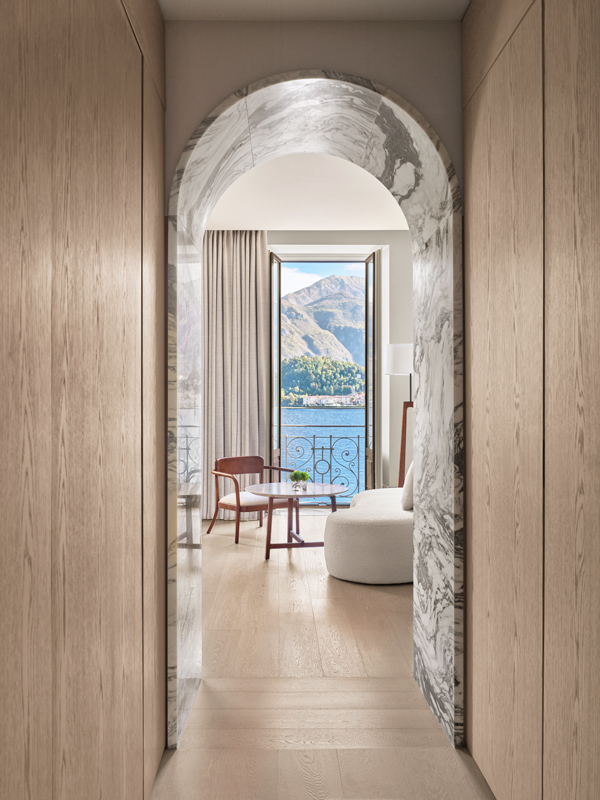
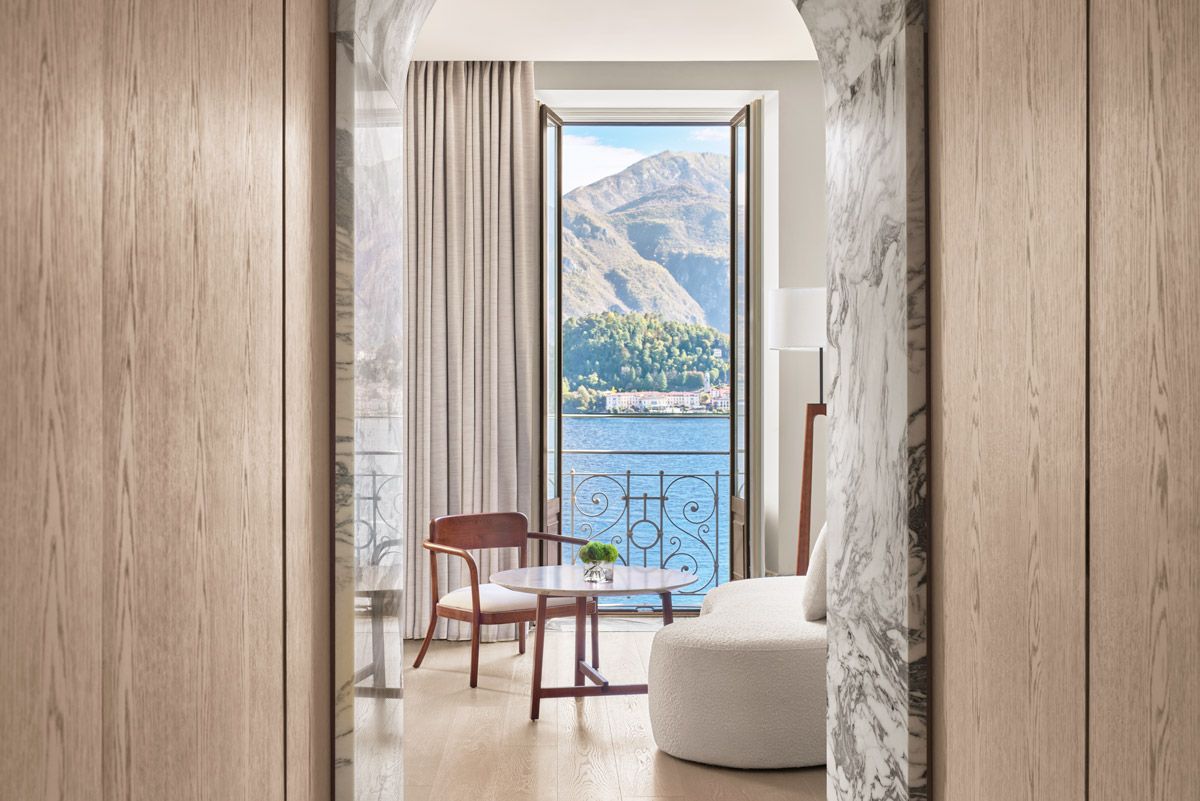
the balcony of the Lake Como EDITION
Live la dolce vita in a suite overlooking the lake.

“The property’s reimagining was guided by a progressive vision, honouring the palazzo’s 19th-century character and surrounding landscape, while introducing a contemporary sense of refinement. We preserved the building’s original heritage façade, with its distinctive cream, butter, and clay palette, as an anchor to its historical identity," Moore says.

Inside, the soaring vaulted lobby remains intact, along with the classical arches that connect the social spaces. “Our intention was to celebrate the palazzo’s timeless craftsmanship while subtly layering in EDITION’s signature modernity, allowing history, culture, and contemporary elegance to coexist in a way that feels both authentic and of its place," he says.

Weekly travel news, experiences
insider tips, offers,
and more.

Details
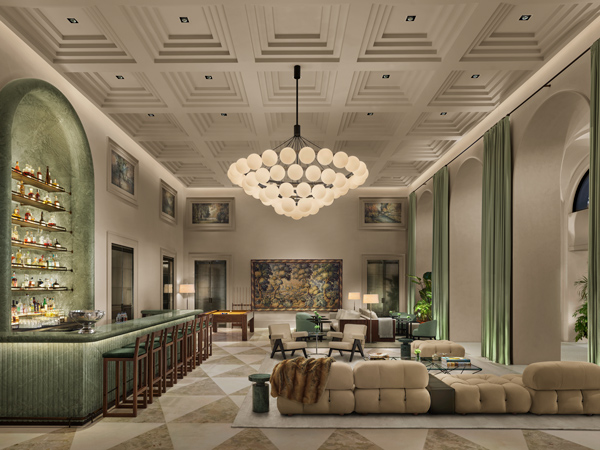
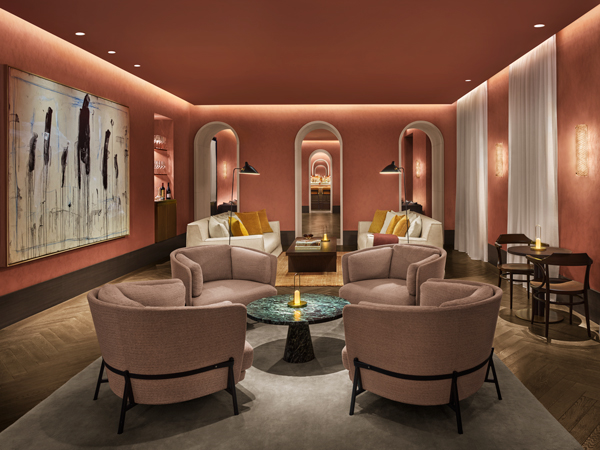
the Lobby Bar at The Lake Como EDITION hotel in Italy
The interior design is true to the elegance of the brand.

Where: Via Regina, 41, 22011 Cadenabbia CO, Italy
Opening date: March, 2026
Website: The Lake Como EDITION

Want to see more stories from International Traveller in your Google search results?

  1. Click here to set International Traveller as a preferred source.
  2. Tick the box next to "International Traveller". That's it.
hero media

What the European heatwave means for your summer travel plans

Temperatures are soaring this summer, breaking records across Europe and the UK. 

Euro summer is a feeling like no other. But when a heatwave hits? The dream trip quickly turns into a sweaty mess. Extreme heat is sweeping Europe and the UK this week, with record-high temperatures impacting travel plans across the continent.

And while Australian summers are typically hotter in absolute temperature, many European cities aren’t equipped for high temperatures, resulting in unbearable weather.

Why is it so hot in Europe?

Signs of a hot summer loomed in May, when the mercury hit unprecedented spring highs. Now, extreme high temperature warning alerts have been issued in countries such as Spain, Italy, France, England, the Netherlands and Germany.

France saw its hottest day on record on Wednesday, with an average temperature of 30°C across the day and night. This surpasses the average temperature for June, which is 15°C to 25°C. Dozens of people have died, including 40 from drowning.

In Spain, 212 deaths have been linked to the heatwave.

The UK recorded its hottest June day ever on Wednesday with temperatures soaring to 36.1°C. In an article published by the Met Office – the UK’s national meteorological service – Professor Stephen Belcher CBE, Met Office Chief Scientist, shared his concerns about June’s heat. “To see temperatures like this in the UK in June is sobering. Events like this bring home the implications of climate change, with very high temperatures and humidity bringing significant health implications from heat stress, as well as impacts to a range of sectors such as transport, energy and water supply,” he said.

Heatwaves are becoming increasingly common in Europe and the UK, neither of which is prepared for such extremes. The World Meteorological Organization reported that in 2025, at least 95% of Europe experienced above-average annual temperatures and that the continent was heating up twice as fast as the global average.

How travel is impacted

A pharmacy sign displaying 40 degrees Celcius
A pharmacy broadcasting local weather data. (Credit: Getty/Dragoncello)

During a heatwave, power grids, water systems and transport networks can be affected, resulting in disrupted itineraries for travellers. In France, power outages have left thousands without electricity and early closures have been implemented for two of Paris’s biggest attractions, the Eiffel Tower (early afternoon rather than late at night) and the Louvre (two hours early). Eurostar cancelled its London to Paris and Paris to London services from the 22nd to the 25th, and major UK rail companies have been advising travellers to avoid using trains where possible, or to travel during early hours.

If a heatwave is predicted, being flexible with your itinerary and having fully refundable/changeable tickets is key, as extreme heat can force the cancellation of outdoor activities, impact rail and flight services and change the opening hours of sites and eateries.

Why does summer in Europe often feel hotter than summer in Australia?

people swimming in the Canal Saint-Martin in Paris
People swimming in the Canal Saint-Martin in Paris to cool off. (Credit: Rachael Thompson)

With some of the highest UV levels in the world, Australians are no strangers to the heat, adapting well to intense weather. But our infrastructure is largely equipped to withstand soaring temperatures with climate-responsive passive design, refrigerated air conditioning or evaporative coolers, as well as swimming spots aplenty.

Buildings in Northern and Western Europe and the UK, however, are constructed to retain heat and handle frosty winters. The lack of universal air conditioning means it generally feels hotter even though the temperature on your app might not look it. During a heatwave, it can feel like you’re in a sauna as cities act like heat traps.

How to stay cool and prepare for another heatwave

Relief is expected across Europe and the UK later this week, but more heatwaves are still possible in the coming months. Summer heat typically peaks in July and August.

Public transport often doesn’t have air conditioning, and buses in particular can be swelteringly hot. If you’re heading outside or your accommodation has no air conditioning, it’s worth buying a spray bottle and a handheld fan from a pharmacy or tourist stand. Check ahead of time if restaurants and cafes have air conditioning and make a booking in advance. The highest temperatures typically hit between 3pm and 6pm, so aim to head outdoors outside of these hours.

Rising temperatures invite travellers to enter a more intentional era of seeing the world. Now more than ever is the time to embrace lower-impact “coolcations” and off-season getaways.