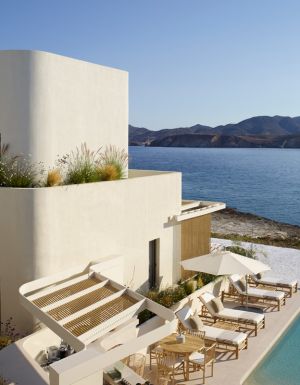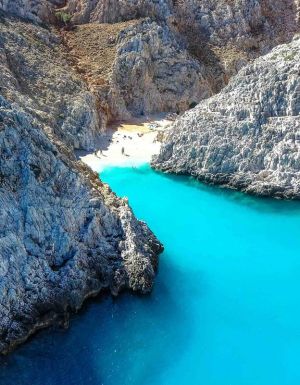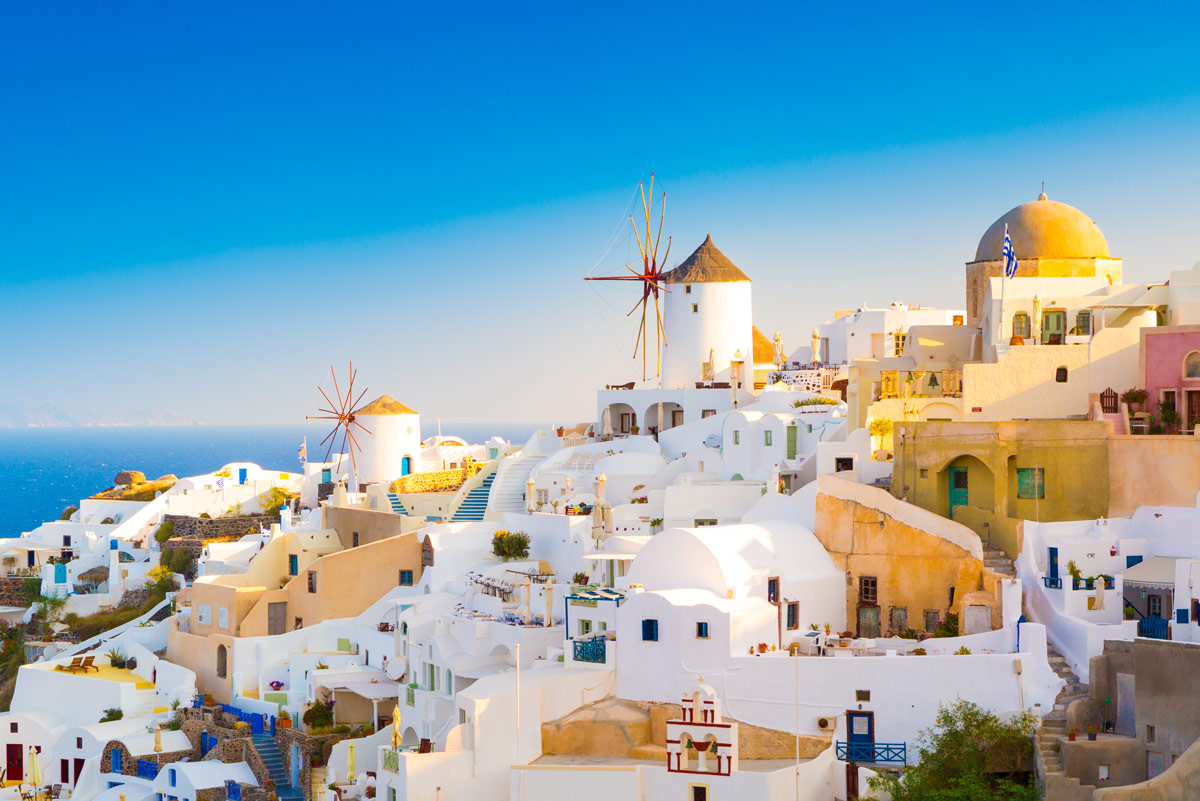
Located in the southern Aegean Sea, around 200 kilometres south-east of Greece’s mainland, Santorini has long been considered the most alluring and romantic of the Cyclades Islands.
Each year sees over one million tourists flock to its shores to immerse themselves in its picture-perfect sunsets and rugged landscape created when a volcano devastated the island in the 16th century BC.
The dazzling blue domes and brilliant whitewashed buildings are some of Santorini’s most well-known features, but it’s the countless beaches with their crystal-clear water and contrasting volcanic-pebble-and-black-sand shorelines that make it so unique.
With so many to choose from, where do you start? Here are six of the most breathtaking on Santorini’s main island.
1. Kamari Beach
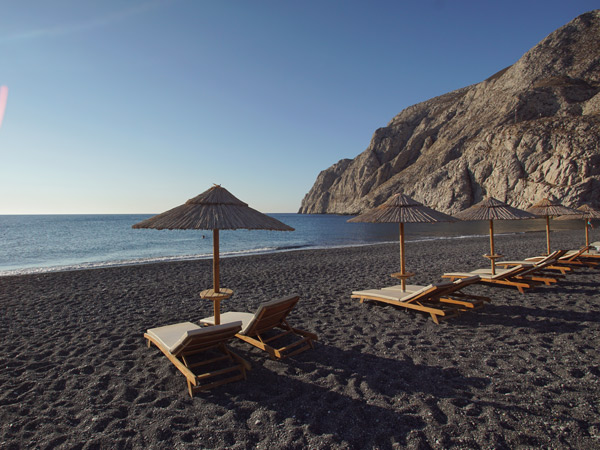
Kamari is one of the most popular beaches on the island due to the distinctiveness of its black-pebbled shoreline.
Easily accessible by local bus or quad bike, the village of Kamari is a charming resort area located on the east coast of the island.
Dive into the cool blue water and admire the backdrop of the stark mountainside that encloses this charming seaside town. It offers many resorts and hotel options, with beach bars, cafes and boutique shops lining the streets.
Hire one of the many sunbeds set up along the beach or bring your own towel and find a little space of your own to lie down and relax. Just make sure you don’t pay any more than six euros for two beds for the day.
2. Perivolos and Perissa beaches
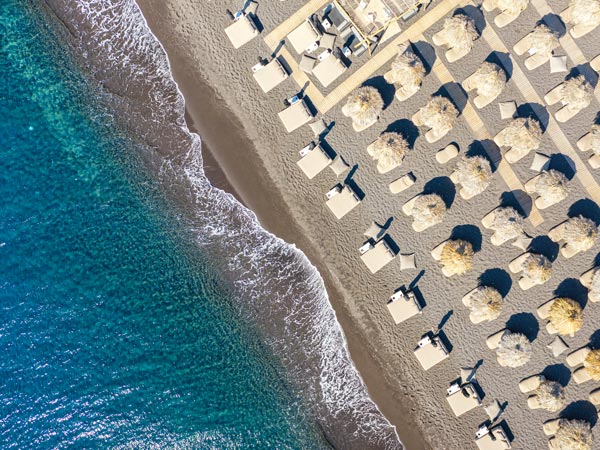
Perivolos and Perissa are known collectively as Black Beach – one long stretch of shoreline located on the south-east coast of the island. Considered one of the liveliest Santorini spots, one visit in the summertime will show you why.
It’s a stunning 15- to 20-minute stroll between both beaches. There are also local buses operating in the area to shuttle you to and fro, and then back to the island’s main towns.
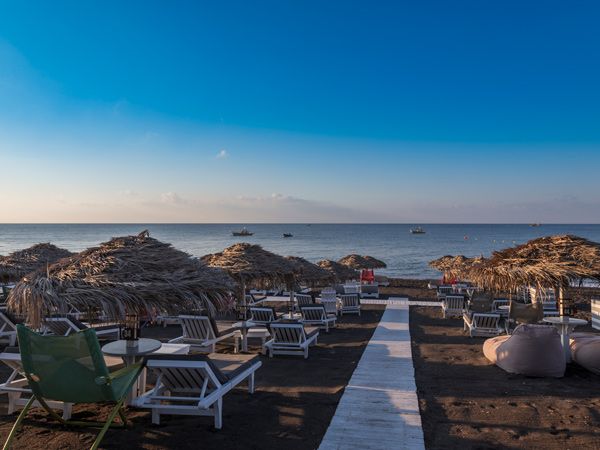
In the warmer months, the whole coastline becomes an energetic hub for travellers. Walking down the promenades, the many bars, restaurants and taverns beckon you, and there is always one activity or another going on down by the beach – anything from volleyball to water sports.
DJs from all over the world pump out music up and down Black Beach. Its party atmosphere makes it a big attraction for many young travellers, but there is a large array of food, shops and activities that cater to all ages.
3. Red Beach
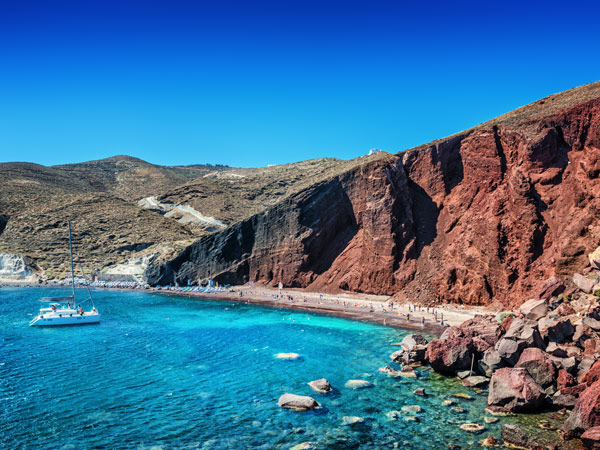
True to its name, and with no picture able to do justice to its beauty, Red Beach is an iconic destination of reddish-hued sand and vibrant volcanic rock located on the south coast of Santorini.
To get to the beach, it’s about a 20-minute bus or quad bike ride from Fira – Santorini’s capital.
Be sure to bring some snorkelling gear with you, as the shores here are home to all kinds of beautiful sea creatures. And for the history lovers out there, Red Beach is located only a few steps away from the ancient site of Akrotiri, an archaeological site where you can learn about the history of the island and its people.
Though there isn’t much here in the way of restaurants and shops, there is a cool little canteen close to the parking lot where you can quench your thirst with a refreshing juice or bite to eat.
4. Monolithos Beach
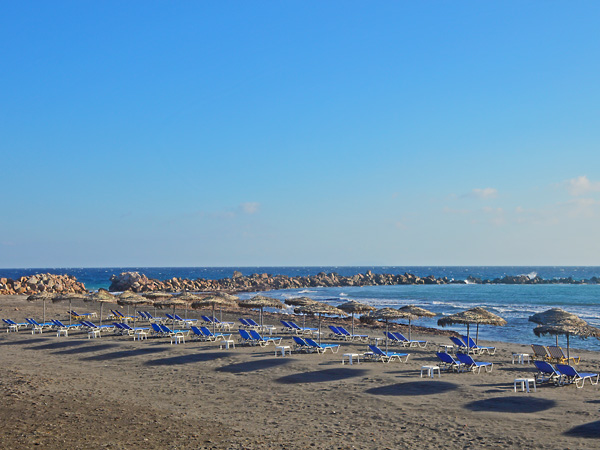
Located near Santorini airport, but far enough that you’re not disturbed by the planes, Monolithos Beach is a more family-friendly coastal spot to venture out to, known for its unusually shaped rocks that wrap around the beach.
With its calm shallow waters and kids’ playing area, it’s the perfect location for a family day out in the sun without any of the hustle and bustle.
Unlike the vast majority of Santorini’s beaches, the shoreline isn’t black or pebbly, so the kids can build sandcastles to their heart’s content. Though Monolithos stands on its own without a central hub or village, there are a few restaurants and cafes scattered along the beach to ensure the kids are well fed for the day.
Weekly travel news, experiences
insider tips, offers, and more.
5. White Beach
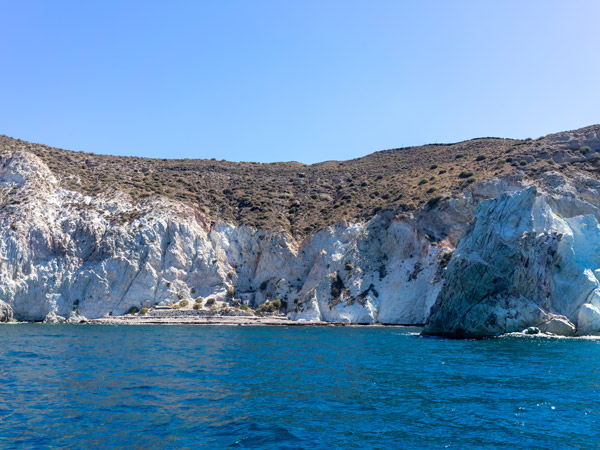
Though similar to Santorini’s other beaches with its fine black sand, White Beach stands out due to the uniqueness of the brilliant white cliffs that shield it from the masses. Located on the south coast of the island, about 14 kilometres from Fira, this tranquil beach is best accessed by water taxi or boat tour.
With that being said, if you’re up for a hike, go by car or bus to the parking lot at Red Beach near the village of Akrotiri, and hike your way around the side of the island. The route is signposted, but bring a map just in case.
When you finally reach your destination, you’re greeted by the most magnificent sight of pastel cliffs and sparkling water. The secluded location makes it the perfect spot for a peaceful beach day, minus the tourists.
Just remember that White Beach is praised for its remoteness, so there are no toilet facilities or places to eat; make sure to pack food and water.
6. Ammoudi Bay
Some call it the best swimming spot on the island, others applaud it for just its sheer natural beauty. Though not classified as a beach, there was no way we could miss adding Ammoudi Bay to the list.
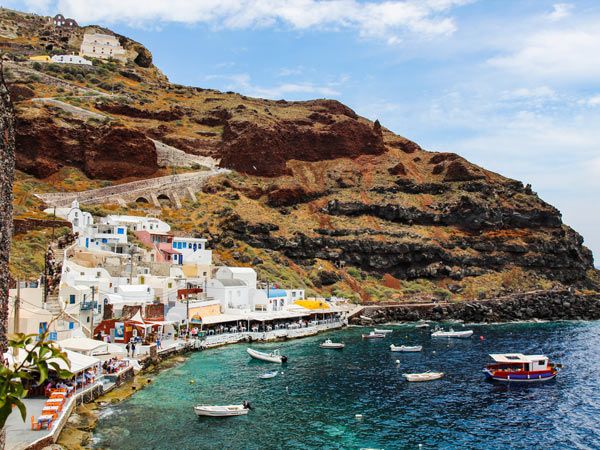
The port of Ammoudi sits 300 steps below Oia, a picturesque village that hangs off a cliff on the north coast of the island, renowned for its bucket-list-worthy sunsets and white-marble streets. This charming little port is known for its waterside seafood restaurants and as a perfect swimming and cliff-diving spot in the summer.
Home to the most beautiful rock pools, a trip to this bay will make you fully appreciate the brilliance of the Aegean Sea and Santorini’s majestic volcanic landscape.
Want to see more stories from International Traveller in your Google search results?
- Click here to set International Traveller as a preferred source.
- Tick the box next to "International Traveller". That's it.