


The sound of sewing machines floating out of tailors’ shops. Intricate warehouses converted into cool cafes, where you can sit and savour locally grown iced coffee. Bicycling through the backstreets, where grandmothers hand-make mot tea, a secret recipe of herbs and flowers stewed until fragrant. These are just a few reasons we’re tipping Hoi An as the unsung gem of Vietnam.
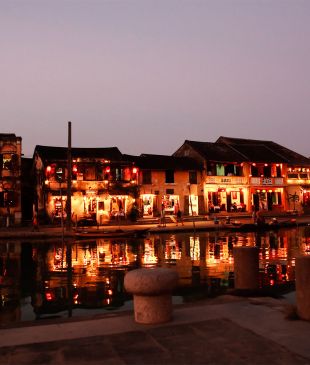
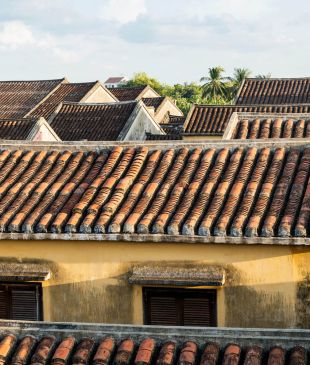
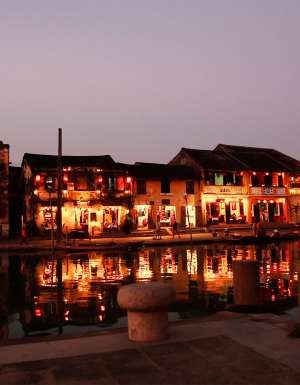
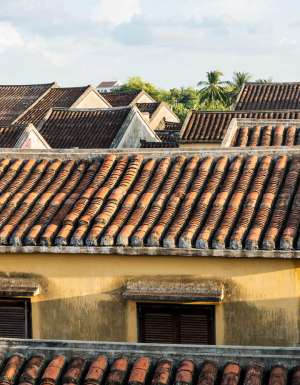
Once a thriving port city and key stop on the Silk Route, it’s still a beguiling blend of French, Chinese, Japanese and Dutch influences. Strict building regulations mean the Old Town remains a romantic maze of twisting lanes lined by traditional buildings painted yellow and roofed with handmade ceramic tiles. At night, when nothing but silk lanterns light the quiet houses down by the river, it feels as if little has changed at all.
Things to see in Hoi An
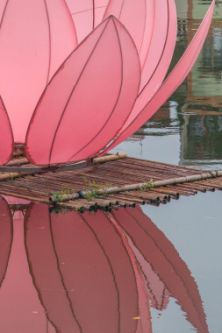
Savour sweet Vietnamese coffee while drinking in views of the Old Town from Faifo Coffee’s rooftop terrace, watch a potter craft a vase on a foot-powered wheel, or light a lantern and set it afloat on the sacred river.
If all that sightseeing gets a little much, hire a bicycle and explore Hoi An’s coastline. An Bang Beach has soft sand and refreshing sea breezes, making it a great place to escape the humidity and try parasailing – it’s fairly developed, with sun loungers, beach bars such as La Plage, and several spas (note the beach itself has narrowed noticeably due to erosion in recent years). Cua Dai, closer to town, has faced its own erosion issues but is still worth a visit for shade under the palms and a cold coconut from the sun-wizened locals hawking their wares at picturesque beach shacks.
Best places to visit in Hoi An
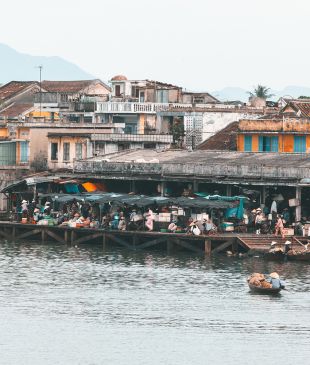
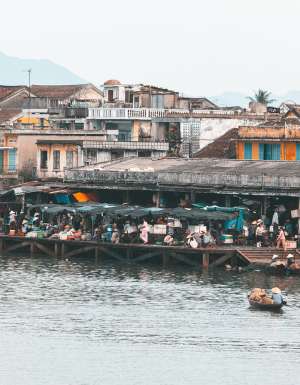
Across the river from Hoi An Ancient Town, on what locals call “the party side" for its cluster of cheap cocktail bars, is the Hoi An Night Market – almost exclusively populated by tourists, but a buzzing place for street food and trinkets. For something more authentic, rise with the sun and cycle the 3km to the Fish Market at Thanh Ha, which opens at 6am sharp daily (barring one day a month on the full moon) – fishermen in conical hats haggling with local matriarchs over everything from small sharks to juicy prawns.
Hidden among mist-wreathed mountains in the Duy Xuyen District, at the mouth of the Thu Bon River, My Son is Vietnam’s answer to Angkor Wat – romantically crumbling ruins built between the 4th and 13th centuries by the Cham people, gradually being reclaimed by the forest. A day’s boat trip from Hoi An takes you into the heart of the sanctuary via traditional villages such as Duy Hai and Tra Nhieu.
Best time to visit
Vietnam’s weather can be extreme. The best time to visit for a beach holiday is between late February and mid-May and September to early October, before the rainy season sets in. June, July and August are the peak summer months.
Where to stay in Hoi An
Hoi An’s hotel scene is as varied as its architecture, from five-star hotels to homestays in leafy mansions on the outskirts of town and boutique guesthouses tucked into crumbling townhouses. Vietnam remains cheap enough to travel that you won’t need to break the bank for genuine luxury.
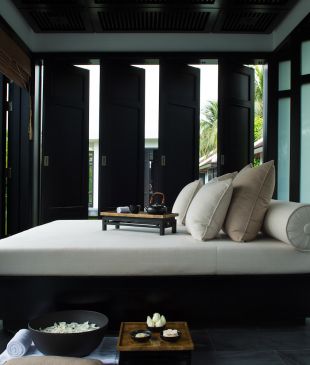
Hotels: Nestled among lush gardens flowing down to the Thu Bon River, less than 1km from the historic quarter, Anantara Hoi An’s location is hard to beat – try the coconut and black sesame scrub in its award-winning spa. Hoi An Rivergreen Boutique Hotel combines excellent value with river-view balconies and rain showers in the heart of the city.
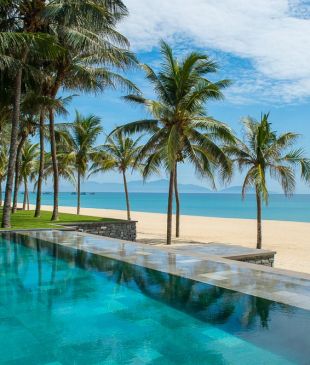
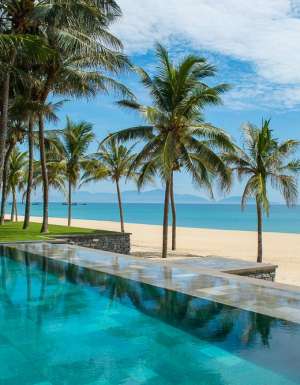
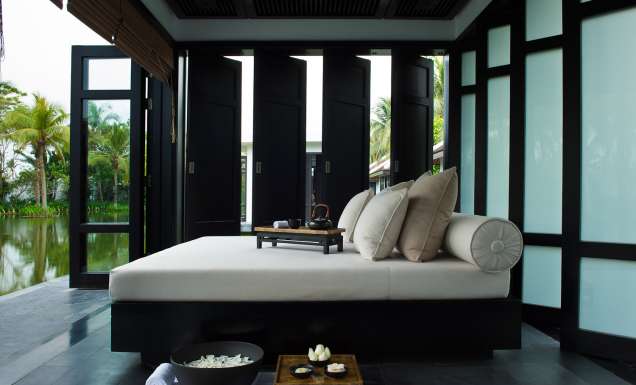
Resorts: With direct access to miles of platinum sand and views over the South China Sea, Four Seasons Resort The Nam Hai is widely regarded as Hoi An’s best beach accommodation, with attentive beach butlers on hand for cold water, ice cream and sunglasses cleaning. For a haven from the heat, Almanity Hoi An is a lush retreat of lily-pad ponds and swaying palms, with a well-regarded yoga school and wellness centre.
Homestays: At Blue Clouds Homestay, owner Duong takes real pride in the home he built for his family – modern and airy, with a distinctly homely feel thanks to fresh flowers and a pot of green tea always on hand in the lobby. Joy Hoi An Homestay offers a window into traditional worship rites and Vietnamese cooking, with hosts who welcome you into the family; its triple rooms suit groups well.
Best places to eat in Hoi An
Crispy crepes filled with shrimp. Elastic noodles swimming in rich pork broth. Snakehead fish wrapped in mustard leaves and dipped in zingy sauce. Hoi An’s food scene blends French, Chinese and Japanese influences with quirky local specialities found nowhere else in the world.
For a meal that looks as good as it tastes, White Rose Restaurant serves delicate mouthfuls of minced pork wrapped in thick white dough pinched to resemble a flower, made to a secret recipe passed down through three generations – peek at the team of women hand-making them at the back. For a cheap dinner on the go, Banh Mi Phuong is a humble hole-in-the-wall whose signature banh mi (baguettes filled with pork, cream cheese and fragrant herbs) famously earned the approval of the late Anthony Bourdain.
Cultural experiences in Hoi An
From quiet shrines hidden by clouds of incense to colourful pagodas bedecked with dragons, the pull of the sacred is everywhere in Hoi An, reflecting the city’s multicultural past. Phuc Kien Assembly Hall, originally built by Hoi An’s Chinese community, is a tropical explosion of colour – look out for the fish-shaped weather vane and intricate rooftop figures meant to bring good luck. Quan Cong Temple was built for merchants to pay respects to their ancestors before heading out to sea, and houses beautiful murals and collections of ritual processional weapons.
Hoi An Ancient Town is an exceptionally well-preserved example of a South-East Asian trading port dating from the 15th to 19th centuries, and holds UNESCO status as a result – simply strolling its narrow streets, admiring the tiled buildings and carved wooden doors, is an experience in itself (entrance costs around 120,000 VND). Look out for the Japanese Covered Bridge, dating to the 1590s, and Phung Hung Old House, an old mansion whose entrance hall is lit by colourful lanterns and lined with exquisite silks.
Places to shop in Hoi An
The bustling merchant ships that once docked in Hoi An have been replaced by pleasure cruises, but international visitors still flock here to capitalise on Vietnam’s cheap silks with bespoke, tailor-made outfits. Bao Khanh Silk has a vast choice of fabrics, while B’LAN Silk, on Tran Phu Street, is housed in a 200-year-old house you can tour before your fitting. Prices are almost always negotiable, so don’t be afraid to haggle.
Getting to Hoi An
The closest airport to Hoi An is Da Nang, with flights available from Melbourne, Sydney and Perth via a single layover. From the airport, bus number one runs to Hoi An for around 30,000 VND and takes just under an hour, or you can book a private transfer through a local operator for a more hassle-free option.
By road: Hoi An is reachable from most major Vietnamese cities. Overnight buses are a wallet-friendly option if you’re not short on time – some are practically luxurious with two floors and mattresses, while others are standard coaches with seats that barely recline. From Ho Chi Minh City, the journey takes around 17 hours, with most buses departing from the Pham Ngu Lao tourist hub. From Hanoi, sleeper buses take around 18.5 hours.


