
Vietnam

Discover the best places to eat, stay and things to do in Vietnam with our complete travel guide. Plan your trip today.

Ho Chi Minh City Vietnam
29°C
CHANCE OF RAIN
21:36
JUL 9 UTC +7
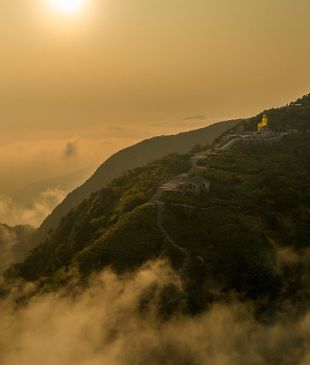
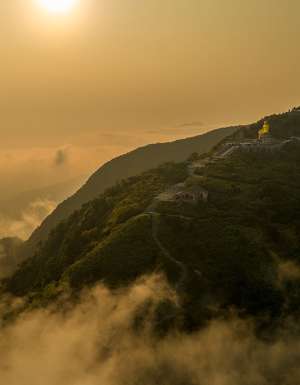
Yen Tu Mountain
Things to do

Hanoi to Ha Long Bay: 3 unique ways to experience Northern Vietnam

Whether you’re crouched low over bowls of pho on the streets of Hanoi, ascending through shrines on Yen Tu Mountain or gliding across the waters of Ha Long Bay, Northern Vietnam shifts your line of vision. 

Read more
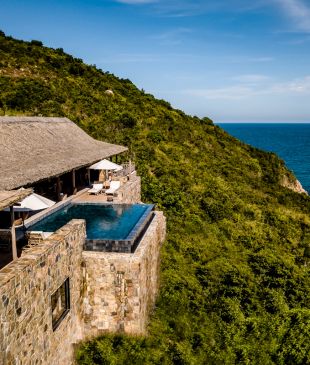
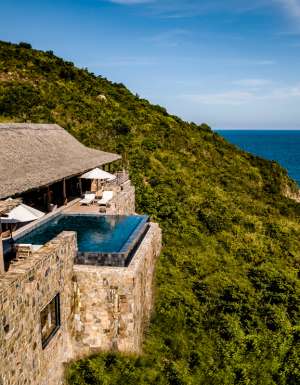
Zannier Bãi San Hô pool
Accommodation

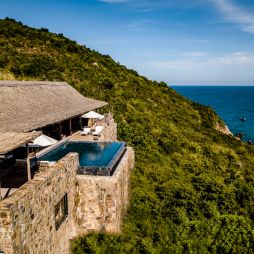
How a local community helped rebuild a luxury coastal resort in Vietnam

After a typhoon devastated Vietnam’s south-central coast, Zannier Bãi San Hô was rebuilt through a remarkable community effort – to tell a story of resilience and renewal. 

Read more
Crafting a mother-daughter trip in Hôi An full of treasured moments
Cultural Travel

Crafting a mother-daughter trip in Hôi An full of treasured moments

Returning to Vietnam with her daughter in tow, Jac Taylor goes in search of bespoke couture, authentic experiences and memory-making moments in Hôi An and the hills beyond.

Read more
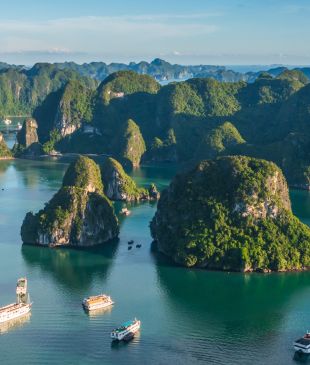
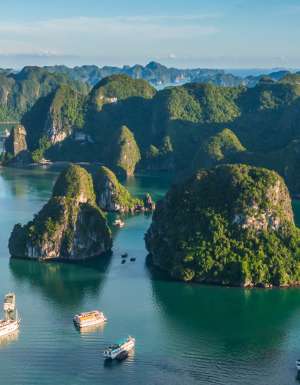
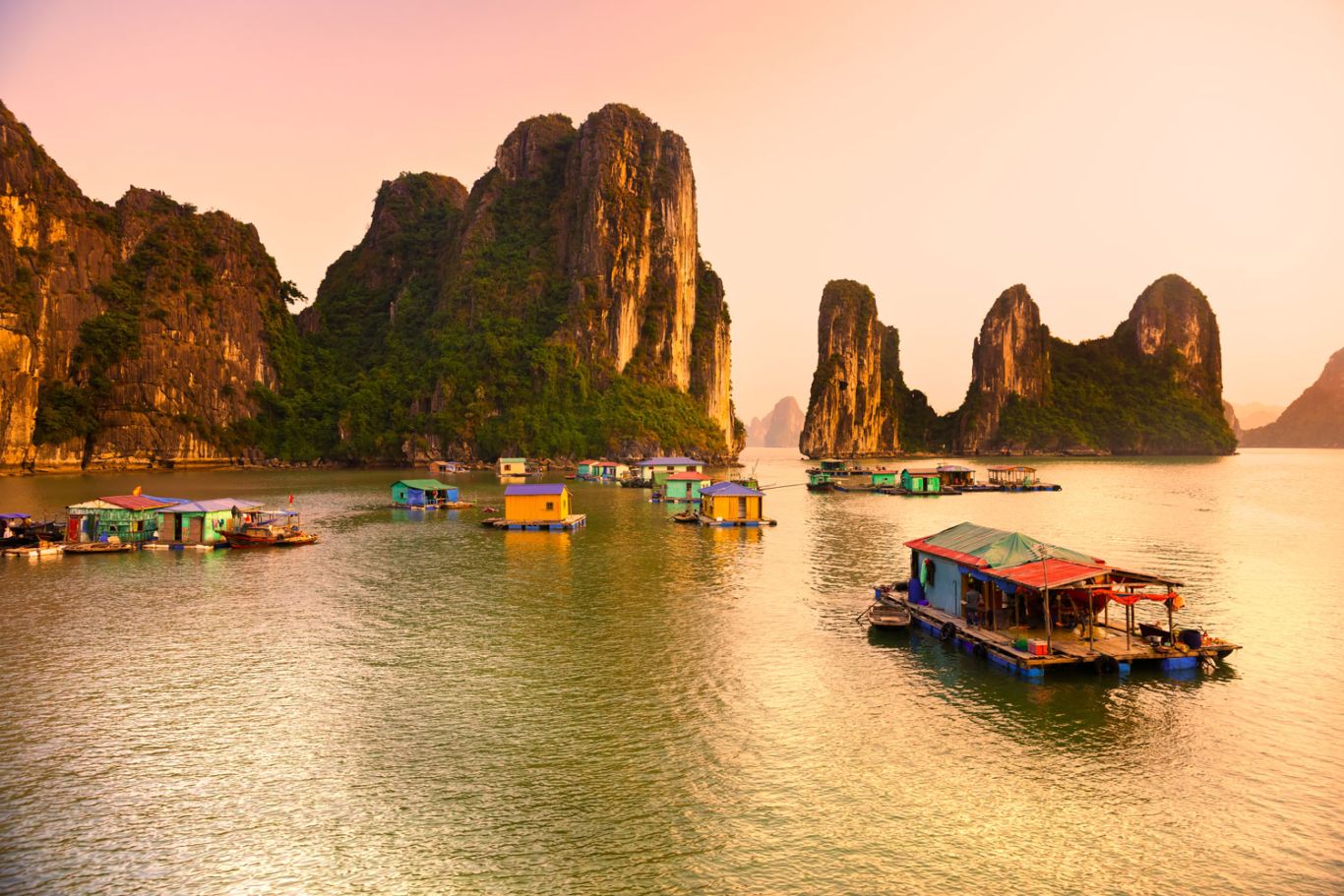
Ha Long Bay
Adventure Travel

Everything you need to know about cruising Ha Long Bay

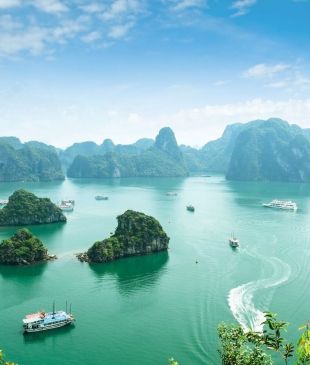
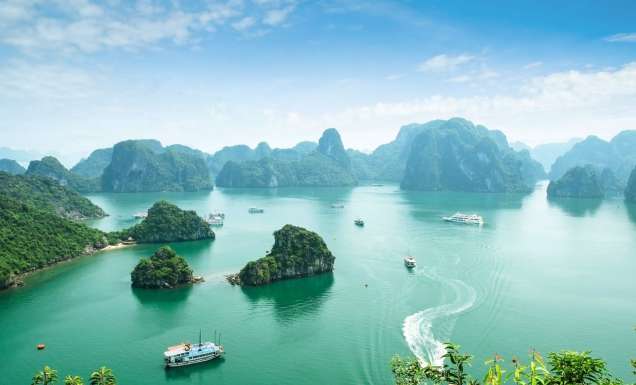
Steeped in fairytale myths and scattered with 1600 jagged islets that snag powder puffs of mist at dawn, Ha Long Bay is one of Vietnam’s greatest natural treasures.

Read more
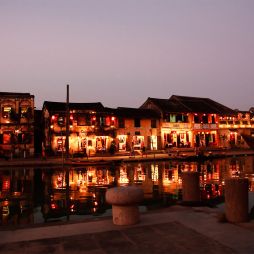
Hoi an at night
Cultural Travel

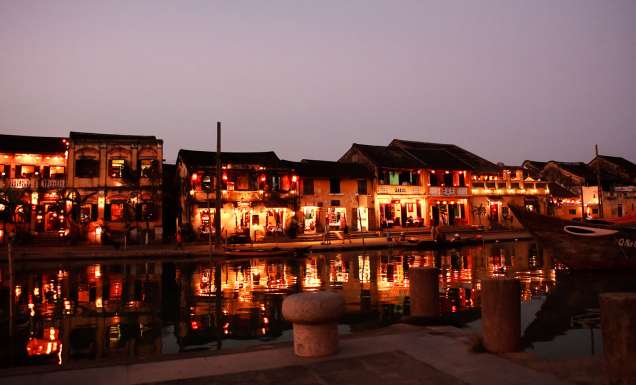
10 ways to make the most of Hoi An’s nightlife

It may not have the neon-lit nightclubs and thumping basslines of cities such as Ho Chi Minh and Hanoi, but Hoi An’s nightlife has a major advantage.

Read more
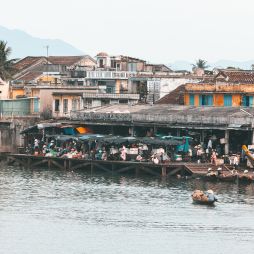
vietnam markets
Budget Travel

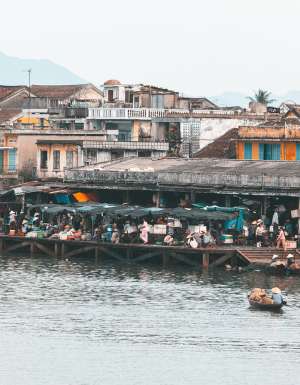
How to navigate Hoi An’s best restaurants and food stalls

Heading to Hoi An on an empty stomach? Here's how to savour Hoi An’s best restaurants and food stalls

Read more
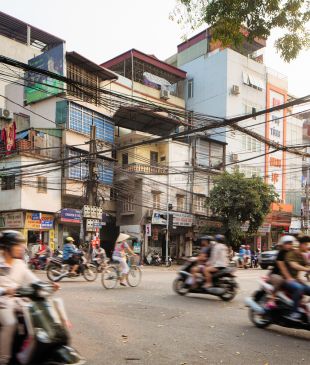
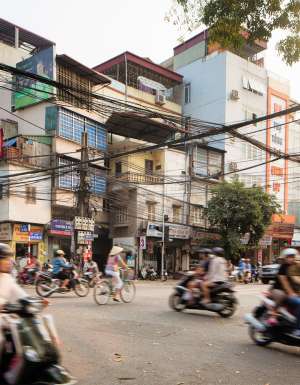
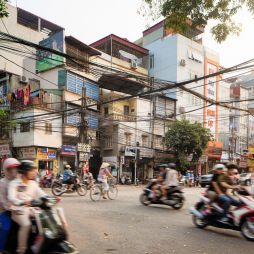
Hanoi Vietnam bikes
Budget Travel

9 unmissable things to do in Hanoi

From the Colonial charm of the Old Quarter to the delectable street food begging to be devoured; Hanoi’s frenetic pace will leave you breathless and hungry for more.

Read more
InterContinental Phu Quoc Long Beach Resort
Cultural Travel

Hotel review: InterContinental Phu Quoc Long Beach Resort

Tucked away off the coast of Cambodia lies the Vietnamese island of Phú Quoc, a hidden paradise that is set to become the next must-see destination for island lovers and experience seekers alike.

Read more
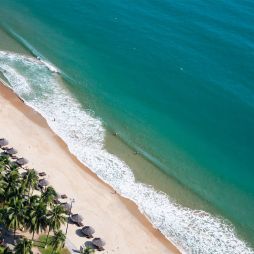
8 best beaches in Vietnam
Adventure Travel

8 best beaches in Vietnam

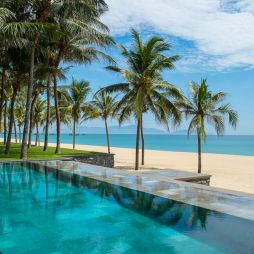
With a coastline that stretches – in a big, sandy 'S' shape – for over 3200 kilometres, it's not surprising that Vietnam boasts so many beautiful beaches. From Nha Trang and Mui Ne and Phu Quoc Island, here's our pick of the best. Don’t forget to pack your swimmers!

Read more
hero media

The first-timer’s guide to Vietnam

Read

DO & SEE

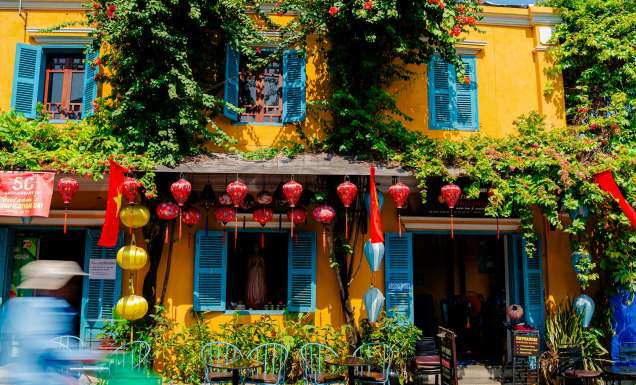
Hoi An Vietnam Wooden buildings sights

Things to do during the day and night in Hoi An, Vietnam

Head to Hoi An in Vietnam and you'll find yourself in the romantic vision of south-east Asia you've perhaps always harbored.

Read more

STAY

Vietnam offers travellers scenic treasures in the form of jungle mountain vistas, heavenly beaches and modern, constantly changing cities, all while paying homage to the traditional culture and design of pre- and post-colonial times. Welcome to our Vietnam travel guide.

For travellers who want an all-modern-facilities experience alongside a rich South East Asian cultural one, Vietnam delivers – shrines and temples rub shoulders with skyscrapers and resort hotels, while an escape from the city sees travellers landing on remote rice terraces or beaches where the sun, sky and golden sand stretch in all directions.

Things to see in Vietnam

Most flights to Vietnam land in Ho Chi Minh City (also known as Saigon). From there, stay and soak up the bustling city life, or travel on to Hoi An (a quieter historic town), Phu Quoc Island (home to 99 forested mountains, off the south coast), Nha Trang (white sandy beaches for miles), or Ha Long Bay (a stunningly beautiful World Heritage Site in the north). Whether it’s beaches, markets, shopping, hiking or cruises you’re after, all are achievable with a little forward planning.

Vietnam’s landscape is built to be walked, trekked, climbed and ambled. Lang Bian Mountain in Dalat offers a variety of adventurous walks, with rock climbing and camping alongside hiking among the most popular activities. Ba Be National Park, established in the early 1990s, is packed with rainforests, waterfalls and sky-high limestone mountains, with plenty of multi-day trekking options taking in waterfalls, caves and rice fields.

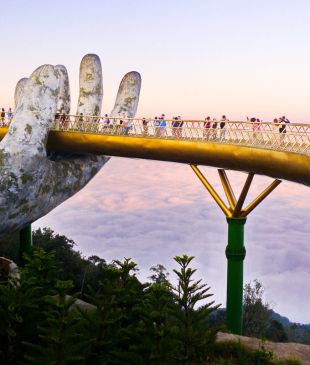
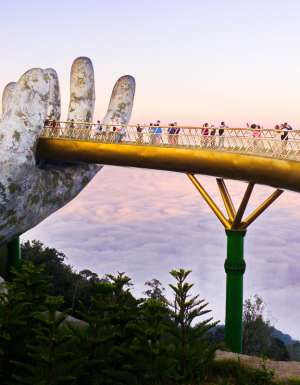
Cat Ba National Park, on an island near Ha Long Bay, has an 18km hiking trail up a mountain that takes roughly six hours (best tackled with a guide) – a wildlife lover’s idyll, with a good chance of spotting civets, macaques and deer. Cuc Phuong National Park, Vietnam’s oldest and largest, is a rich conservation area with trails ranging from karst mountain hikes with unforgettable valley views to gentler forest walks, with local guides available or self-guided options. Ba Na Hills suits those after scenic walks without too much challenge, with trails through a quirky replica French colonial town and a miniature railway leading to gorgeous waterfalls.

Best places to visit in Vietnam

In the north, Sapa is the mountainous home of hill tribes including the H’mong and Red Dzao, and a great spot for scenic walks through rice fields and immersion in traditional rural life. Hanoi, the capital, mixes classic French colonial architecture, delicious street food and the Old Quarter with wide, graceful boulevards, and is a wonderful place for a walking adventure.

Ha Long Bay is home to caves, cliffs and jungle-covered terrain across more than 2000 islands – a cruise on a traditional junk boat through this World Heritage-listed region is a popular choice, though it’s worth setting aside time to simply absorb the natural wonder of the bay rather than rushing between photo stops.

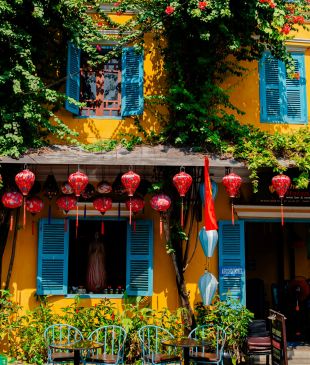
Hue offers a rare glimpse into Vietnam’s ancient history, from pre-colonial Citadel architecture to the emperors’ tombs, and is also the centre of the country’s Buddhist culture, with many pagodas and temples to explore. Hoi An, on the water in central Vietnam, is well known for its tailors, chic bars, restaurants and shopping – street food carts jostle for space alongside French cafes and riverfront restaurants.

Nha Trang, once a quiet fishing village, is now known for its beautiful beaches, with radiant white sand and deep blue sea providing an ideal view from a seaside bar. Ho Chi Minh City is a modern, cosmopolitan hub where locals still burn incense on the footpaths to honour their ancestors – art galleries, bars, restaurants and busy markets make it well worth a few days, and it’s likely where you’ll land from Australia.

Phu Quoc Island, off Vietnam’s south coast, is a hidden paradise known for breathtaking sunsets, sugar-white sand and its famous fish sauce – it’s set to become a major beach resort destination over the coming years, with a growing number of international resorts, including the InterContinental Phu Quoc Long Beach Resort. Long Beach, Ong Lan Beach and Bai Sao are among the island’s best stretches of sand. Eat out at the Phu Quoc Night Markets, ride a motorbike to the hidden Starfish Beach, take the world’s longest non-stop sea-crossing cable car to Pineapple Island, and watch the sunset with a cocktail at INK 360 Rooftop Bar.

Best time to visit

Vietnam is over 1,000km in length, with diverse landscapes between regions, so timing gets more complex the more of the country you plan to cover. That said, the best overall windows to visit are February to April and August to October, when temperatures are pleasant, and rainfall is lower. March and April bring the driest conditions, though it remains cool in the far north.

Where to stay in Vietnam

Vietnam has long been a favourite for first-time travellers and backpackers thanks to its affordable accommodation, travel and food, and the ease of getting from north to south. Whether you’re after hostels, budget hotels, private homestays, luxury resorts or beachside villas, there are options at every price point.

Best places to eat in Vietnam

Australians are well acquainted with pho, the noodle soup in peppery broth, but it’s worth trying it in its original home – along with banh mi, bun cha, hai san (seafood), banh xeo and mi quang. Vietnam has sweet and savoury options galore, whether you’re after fine dining or street food. Menus are typically in Vietnamese, which can be tricky for those with allergies or dietary restrictions, so a little research before you arrive goes a long way.

In Ho Chi Minh City, pho is typically richer, arriving with a range of condiments from hot to sweet and plenty of fresh, vibrant herbs – pho ga (chicken) and pho bo (beef) are the most popular, though tofu and shrimp versions are common too, usually eaten for breakfast. Banh mi, inspired by French colonial history, is a baguette filled with meat, pâté, cucumber and other savoury ingredients, herbs and condiments.

Bun cha – rice noodles with grilled and minced pork in a savoury fish sauce, sugar and vinegar dressing, served with lettuce, coriander, bean sprouts and banana blossom – gained international fame after Barack Obama shared a meal of it with Anthony Bourdain on television. Bun bo Hue, a beef noodle soup that hails from Hue but is available across the country, gets its distinctive spicy flavour from lemongrass, shrimp paste and lime juice.

With its lengthy coastline, Vietnam offers seafood lovers a genuine cornucopia of choice – crab, squid, shrimp, oysters, sea snails and a huge variety of fish appear on menus nationwide, best paired with a cold local beer, the drink of choice for most locals.

Cultural experiences in Vietnam

Like many Southeast Asian destinations, Vietnam is friendly, hospitable and welcoming to tourists. Over half the population is Buddhist, though there are 11 recognised religions in the country, including Islam, Baha’i, Catholicism, Protestantism, Hoa Hao and Cao Dai. Shrines to family ancestors are common in homes regardless of religious identity.

Vietnam’s culture reflects over a thousand years of Chinese influence on its values, norms and traditions, alongside a strong French influence following 19th-century colonisation, still visible in the country’s architecture, design and food.

When visiting religious sites, wear sleeves that cover the shoulders and knee-length or longer pants. If visiting a family home, greeting the elders first is expected and respectful, and shoes should be removed when entering homes or religious sites (carry a bag for them if you’re worried about security). Gifts of fruit, flowers or confectionery are the norm when invited into someone’s home.

Festivals: Vietnam’s most recognised festivals include Tet (New Year), the biennial Hue Arts Festival, the Hoi An Lantern Festival, the Ghost Festival (Trung Nguyen), the Dalat Flower Festival, the Perfume Pagoda Festival and the Mid-Autumn Festival. Tet combines elements of New Year, Thanksgiving and Christmas to honour family ancestors, with evening celebrations often including fireworks, performances and street food stalls. The Hue Arts Festival brings dance, theatre and music performances alongside boat races and kite flying, while the Hoi An Lantern Festival, when lanterns are lit and sent down the river to twinkle as crowds gather on the banks, is unmissable if your visit lines up with it.

Getting to Vietnam

Vietnam Airlines offers non-stop flights to Ho Chi Minh City, taking between 8.5 and 12 hours depending on your Australian departure city. Other operators typically take just over 14 hours, including stopovers.

Getting around Vietnam

Vietnam offers plenty of options for getting around: planes, trains, buses, tuk-tuks and scooters among them. Many travellers fly into Ho Chi Minh City, then travel north to Hanoi (or vice versa) via bus, hiking, motorbike or bicycle, flying back out. Domestic flights connect major hubs including Da Nang, Hai Phong, Can Tho, Hue, Nha Trang, Da Lat and Phu Quoc.

Trains are pricier than buses but more comfortable and faster between destinations – the Hanoi–Ho Chi Minh City route is popular, though it takes over 30 hours (book an overnight service so you sleep through most of it, and reserve early in peak season). Buses serve most cities well, though road quality varies, so taxis, trains or flights may be worth the extra comfort on longer trips; English isn’t always spoken on buses, so it pays to study your route beforehand.

Your driving licence isn’t recognised in Vietnam, so renting a car isn’t advisable or easy – a private driver is a more realistic option and can be an affordable, comfortable choice for groups. Bicycle tours are widely available, and Dalat, Hoi An, Ninh Binh and Hue are all considered particularly cycle-friendly cities. Motorcycle taxis, motorbike rentals and cyclos are also an option – settle on a price before you set off, and don’t be afraid to negotiate, since it’s expected. Given how chaotic the roads can be, it’s generally advisable to avoid self-driving a motorbike or car.

Explore Asia