Bangkok

Discover the best places to eat, stay and things to do in Bangkok with our complete travel guide. Plan your trip today.

Bangkok Thailand
31°C
PARTLY CLOUDY
20:06
JUL 9 UTC +7
hero media

Thailand has updated its entry rules for travellers – here’s what to know

Read

DO & SEE

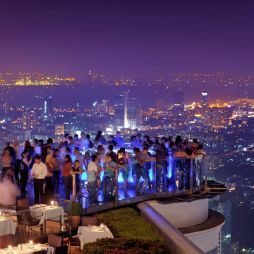
Floating markets and elderly women tossing enormous woks on street corners. Hushed temples and shadowy sacred courtyards, rowdy Thai boxing matches, free-flowing Chang beer and neon-lit nightlife.

More than 11 million people live in Thailand’s capital, and it has the hectic traffic and bizarrely mismatched buildings to prove it. This is a city of thousands of contrasts that coexist in exhilarating harmony – look beyond the chaos, and you’ll find a certain beauty in the sound of car horns and monks chanting at sunrise. Whether you love it or hate it, there’s no place like Bangkok.

Things to see in Bangkok

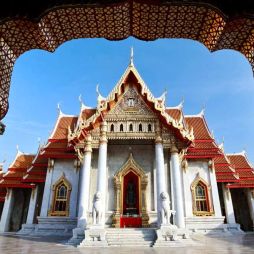
The number one tourist attraction in Bangkok has to be the Grand Palace, a vast complex of golden spires, temples and throne rooms built to house the Kings of Siam in 1782. Don’t miss the Temple of the Emerald Buddha, home to a tiny yet vastly significant jade statue that has its clothes changed three times a year by the King himself.

Silk entrepreneur Jim Thompson’s House is now a fascinating museum filled with rare, beautiful artefacts and steeped in myths about his mysterious disappearance. The National Museum is equally fascinating, built largely around King Rama V’s private art collection. Travelling with kids? Wat Pariwat, a kooky temple complex with references to pop culture scattered throughout its dazzling community of sacred statues, is one of Bangkok’s best attractions for younger visitors.

Best places to visit in Bangkok

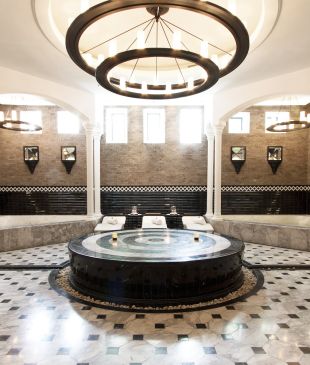
Massage is a key part of Bangkok’s culture, and there’s a famous massage school at Wat Pho, the national headquarters for the preservation of Thai medicine – combine some pampering time with a visit to the complex’s temples and its enormous reclining Buddha statue.

Hire a bicycle and freewheel through the coconut groves and mango farms of Bang Krachao, a verdant island hidden in a bend of the Chao Phraya River, where life moves at a far slower pace than in the city centre. Escape the bright lights by exploring the Charoen Krung Road art district, a low-rise street crammed with creative types and contemporary galleries.

For a taste of more traditional Thai creativity, head to Sampran Riverside (also known as the Rose Garden Cultural Centre), around an hour’s drive from Bangkok. This organic farm offers workshops such as weaving and cooking classes.

Best time to visit

There’s no such thing as a quiet day in Bangkok, but late November into early December tends to be a little calmer, ideal for visiting the city’s many tourist attractions. From December to March, expect balmy, dry days on Thailand’s islands too, making this the perfect window to combine Bangkok with a beach holiday. July and August are the rainiest months, with short, sharp bursts that often flood streets in areas like Lad Phrao. April, May and June are the hottest months of the year.

Where to stay in Bangkok

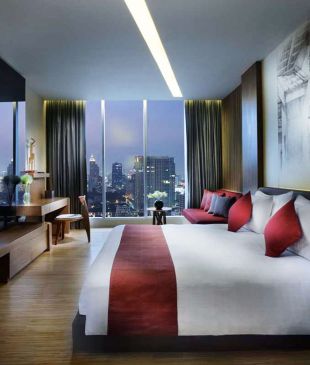
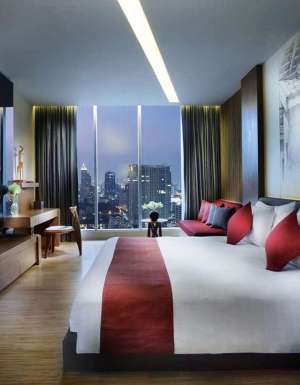
It isn’t called the “Land of Smiles" for nothing, and Bangkokians know a thing or two about hospitality, with everything from stylish guesthouses and humble homestays to ultra-luxe design havens on offer.

Best places to eat in Bangkok

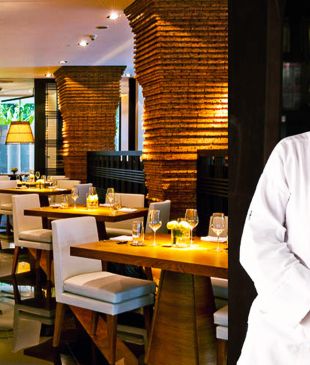
Fragrant wafts of lemongrass and sour, spicy noodle soup. Rice flour cakes topped with toasted coconut, sticky rice with fresh mango, and fiery curry. The abundance of cheap, delicious food is one of Bangkok’s biggest draws.

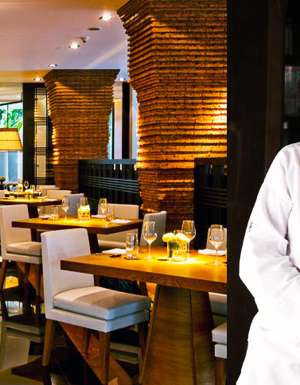
Canvas, in bustling Thonglor, is where art meets food, reworking Thai ingredients into creative six- and nine-course tasting menus that change seasonally. For serious fine dining, Bangkok’s Michelin scene has grown considerably in recent years – the city is now home to two three-Michelin-star restaurants (Sorn and Sühring), alongside a deep bench of two- and one-star tables. Gaggan, the theatrical, boundary-pushing Indian tasting-menu restaurant that first put Bangkok’s fine-dining scene on the global map, closed its original venue in 2019 but has since reopened and currently holds one Michelin star.

Despite government crackdowns on unlicensed vendors, street food remains the beating heart of Bangkok’s dining scene. It doesn’t get more authentic than perching on a stool by the roadside and demolishing khao pad (fried rice) off a paper plate – most vendors don’t have websites, so it pays to do a little research on the best spots before you go.

Places to shop in Bangkok

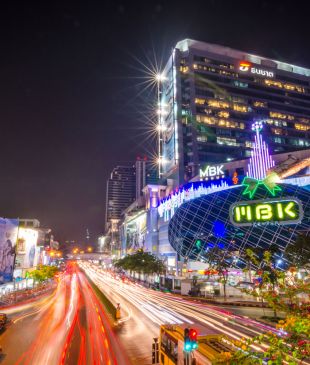
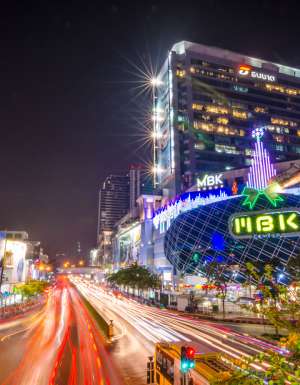
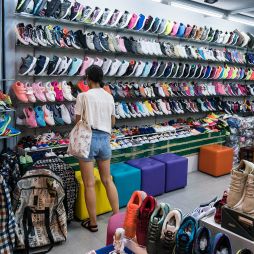
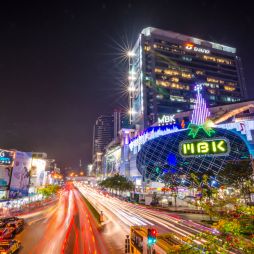
Bangkok is a shopaholic’s dream, with countless bargains, bootleg items and fake designer goods on offer. Downtown, focus on Chit Lom and Pratunam for clothing by up-and-coming designers, or MBK Center, a mall specialising in convincing counterfeits.

Bustling Banglamphu is the city’s backpacker area, and a wander down Thanon Khao San market is a rite of passage for younger visitors – expect the “essentials," like hemp clothing and bootleg Nike and Apple gear. The godfather of all markets, though, is the Chatuchak Weekend Market, a kaleidoscope of arts, crafts and (controversially) live animals that draws more than 200,000 people a day.

Cultural experiences in Bangkok

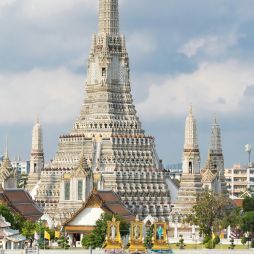
One of the top sightseeing experiences in Bangkok is cruising the Chao Phraya River at night, as the glittering lights of Rama I Bridge, Wat Arun and the Royal Palace glide by – dinner cruises with live music are widely available from several operators.

Stroll under the imposing archway and straight into the 18th century in Chinatown, the city’s oldest and most atmospheric neighbourhood. A local tour guide is genuinely useful here – exploring its warren-like streets and higgledy-piggledy buildings on a walking tour is one of the city’s major attractions.

Getting around Bangkok

Public transport in Bangkok is generally reliable and inexpensive. For nipping around the inner city, the Skytrain is quick and air-conditioned – buy single tickets at individual stations, or a rechargeable card for around 100 baht.

The best way to get around at night is by taxi, with plenty of distinctive yellow-and-green cars ready to be hailed on every street – make sure the driver uses the metre, since it’s illegal for them to name a fixed fare upfront. Tuk-tuks buzz through the old town’s streets at speed and don’t have metres, so you’ll need to negotiate the fare yourself – but sitting in the little carriage while colourful snatches of Bangkok life flash by is one of the city’s must-dos regardless.

Explore Asia