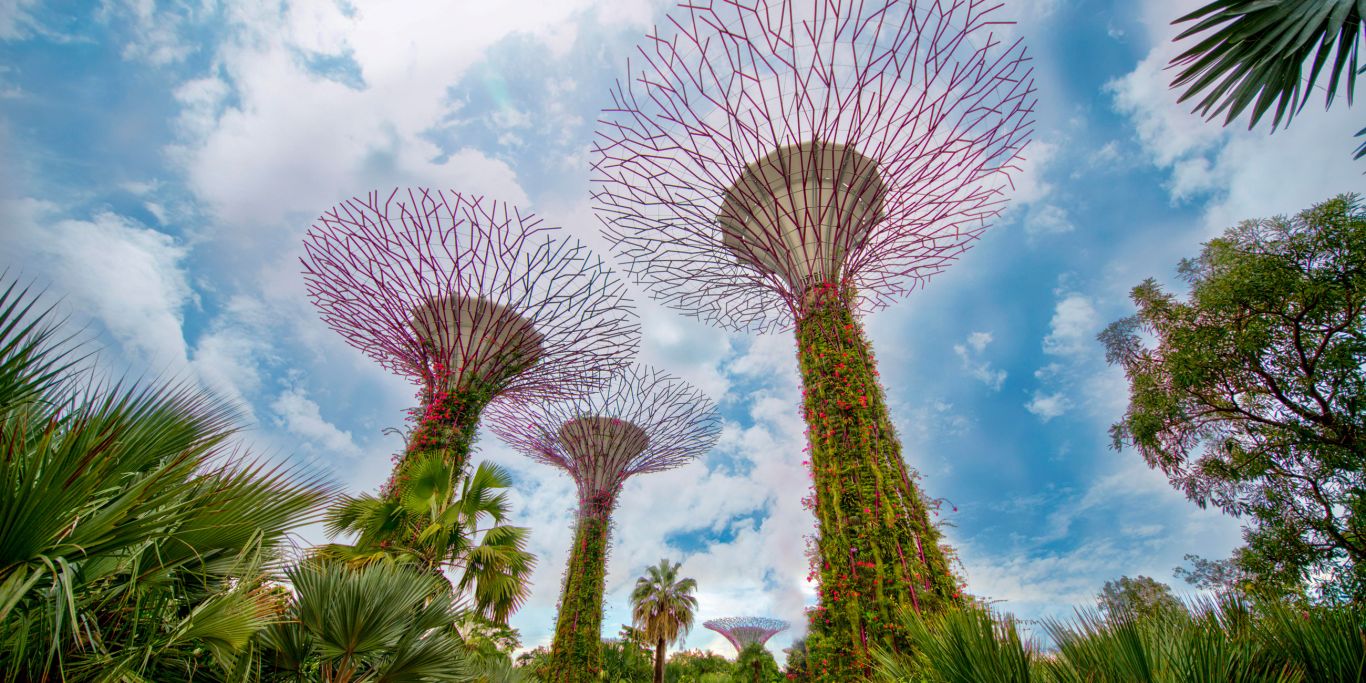

From heritage precincts and hawker-lined streets to futuristic gardens, world-class museums and nocturnal wildlife, these are the Singapore experiences worth making time for.
Singapore rewards curiosity: one minute you can be wandering the colourful shophouses of Kampong Glam, the next walking beneath towering tree sculptures or sipping on cocktails in an historic hotel. We’ve brought together the best things to do in Singapore, including classic Singapore attractions, free experiences, family-friendly outings and a few less-obvious places worth seeking on a return visit.
Best free things to do in Singapore
Kampong Glam
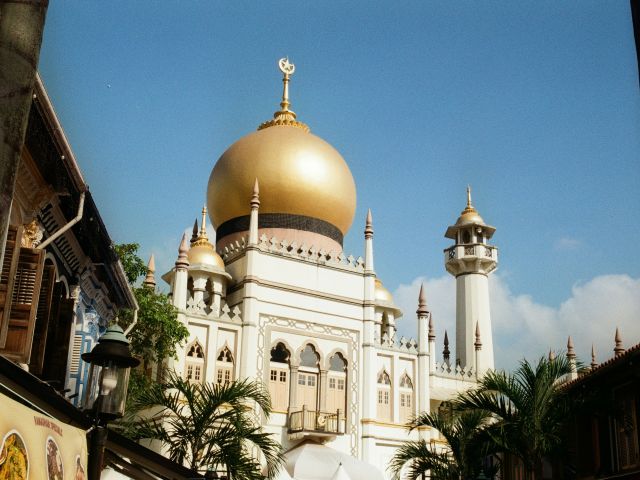
Kampong Glam is one of Singapore’s oldest urban neighbourhoods dating to the early 19th century when it became the seat of Malay royalty. Anchored by the golden-domed Sultan Mosque, it’s a mix of heritage shophouses, colourful street art and traditional markets. The pleasure of visiting here is in strolling the streets and lanes; head to Haji Lane for its funky little boutiques, bars and restaurants or Arab Street with its shops selling traditional fabrics such as batik and handmade perfumes.
Closest MRT Station: Bugis
Buddha Tooth Relic Temple & Museum
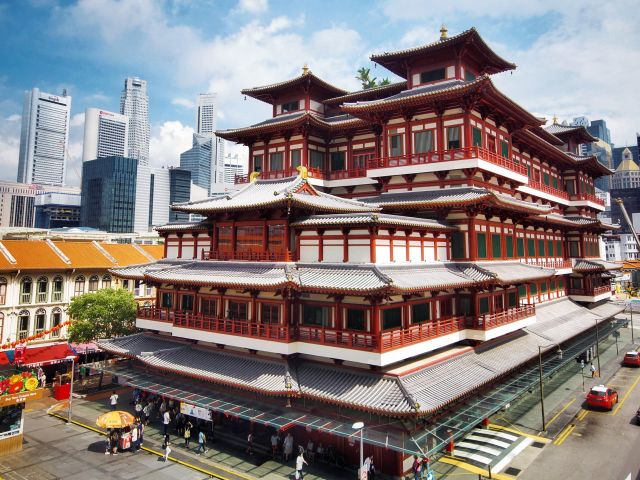
The behemoth Buddha Tooth Relic Temple & Museum is an impressive Buddhist temple complex built in 2007 that houses a Sacred Buddha Tooth Relic that is believed to have belonged to Buddha himself. The temple complex is a cavalcade of lanterns, statues, artworks and artefacts; make your way through the floors to the peaceful rooftop garden with its pagoda and prayer wheel.
Address: 288 South Bridge Road, Singapore
Closest MRT Station: Maxwell
Opening hours: 9am – 5pm daily, free entry
Singapore Botanic Gardens
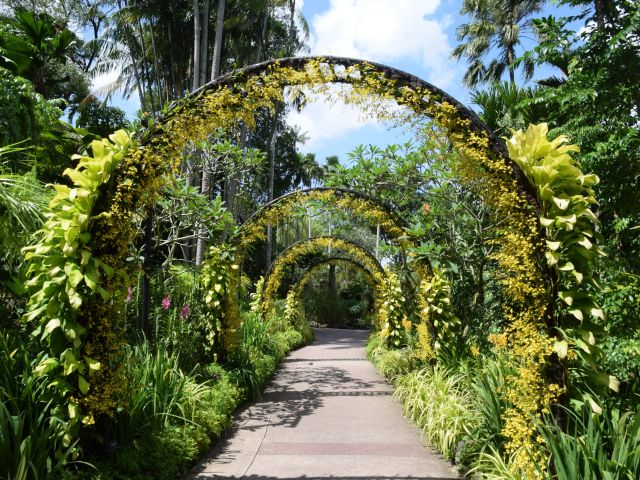
Inscribed in 2015, Singapore’s 74-hectare botanic garden is a UNESCO World Heritage Site, the world’s first and only tropical botanic garden on the list. Established in 1859, it’s a tropical oasis of lakes, lawns and themed gardens, including the spectacular National Orchid Garden, a children’s garden and a sculpture collection. The gardens also protect a rare patch of primary rainforest that stretches six hectares and is home to more than 300 plant species, many of which are rare. Wandering around this botanic wonderland is also one of the best things to do in Singapore with kids.
Address: 1 Cluny Road, Singapore
Closest MRT Station: Botanic Gardens
Opening hours: 5am – midnight daily
Singapore River walk
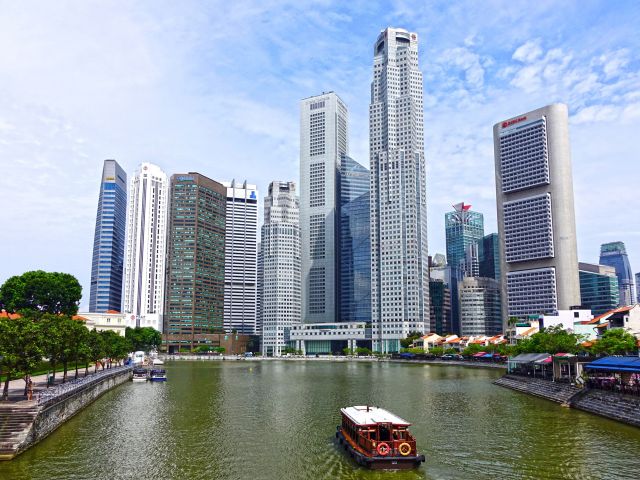
Once home to an ancient fishing village, the Singapore River became the birthplace of modern Singapore after Stamford Raffles established a British trading post here in 1819. Its quays and waterways soon became bustling hubs of commerce, with bumboats and sampans continuously loading and unloading goods. Today, the city’s main port is Keppel Harbour and the Singapore River has become a hive of leisure activity. Wander the riverbanks, exploring Boat Quay and Clarke Quay, where former warehouses have been transformed into colourful restaurants and bars. Or take in the sights from a historic bumboat, with daily cruises departing from Clarke Quay (purchase your tickets).
Closest MRT Station: Clarke Quay
Little India
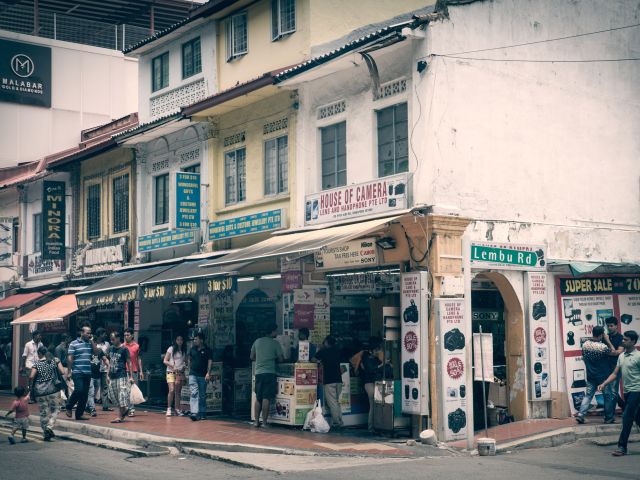
Little India is a vibrant, fragrant slice of Indian culture in Singapore, with the colourful Sri Veeramakaliamman Temple at its heart. Wander the bustling streets and you’ll find shops selling silky sari fabrics and elaborate gold designs, alongside others touting delicious Indian desserts and restaurants dishing up fragrant curries. Seek out the Indian Heritage Centre, an excellent museum exploring the history and culture of Singapore’s Indian community, and the colourful former house of Tan Teng Niah, one of the last surviving Chinese villas in Little India. Open 24/7, the Mustafa Centre is a multi-level market selling everything from frozen roti to electronics and groceries – the local wisdom is that if you can’t find it here, it doesn’t exist. The Tekka Centre is a must for lunch from one of its many hawker stalls.
Closest MRT Station: Little India
Best things to do in Singapore with kids
Mandai Wildlife Reserve
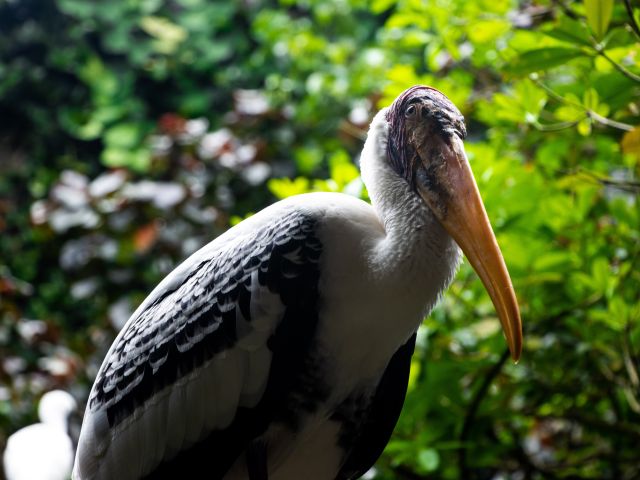
Around 30 kilometres north of the city, Mandai Wildlife Reserve spans a staggering 126 hectares and comprises six separate attractions. It all started with Singapore Zoo in 1973, which is now home to 4200 animals, and expanded with the Night Safari, the world’s first nocturnal wildlife park. Newer additions include River Wonders, which focuses on river dwelling species, Bird Paradise, Asia’s largest bird park, Rainforest Wild Adventure, which combines animal viewing with treetop walkways, swings and other thrill-seeking activities, and Exploria, an indoor nature-themed multimedia space. With a mind-boggling array of attractions, you’d need a couple of days to see it all properly.
Address: 80 Mandai Lake Road, Singapore
Closest MRT Station: Khatib, then board a connecting bus to Singapore Zoo
Opening hours: From 8:30am daily (each attraction has its own operating hours, so check the website)
Night Safari
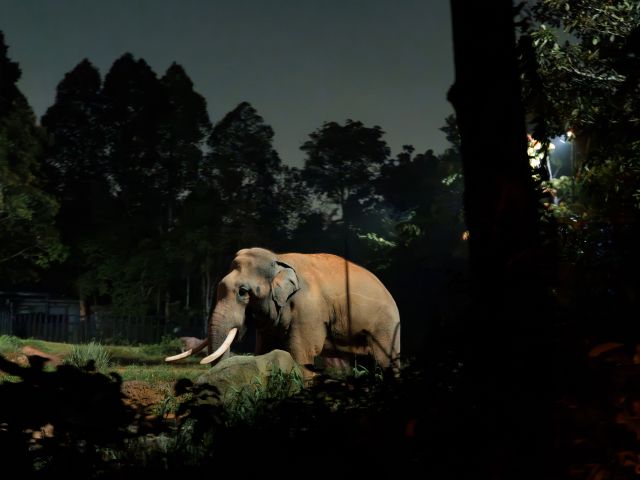
As part of Mandai Wildlife Reserve, the 35-hectare Night Safari could be a standalone attraction. It gives visitors a chance to see some of the most fascinating animals in the world after the tropical heat of the day has subsided. You might spy Asian elephants, the critically endangered Malaysian tiger or the curious Sanda Pangolin, one of the most trafficked animals in the world. The Night Safari operates as a tram service that weaves through coloured-coded zones, with regular stops where you can jump off to explore by foot and get a closer look at some of the almost 900 animals, a staggering 41 per cent of which are threatened.
Address: 80 Mandai Lake Road, Singapore
Closest MRT Station: Khatib, then board a connecting bus to Singapore Zoo
Opening hours: 6:30pm – midnight daily
Sentosa Island
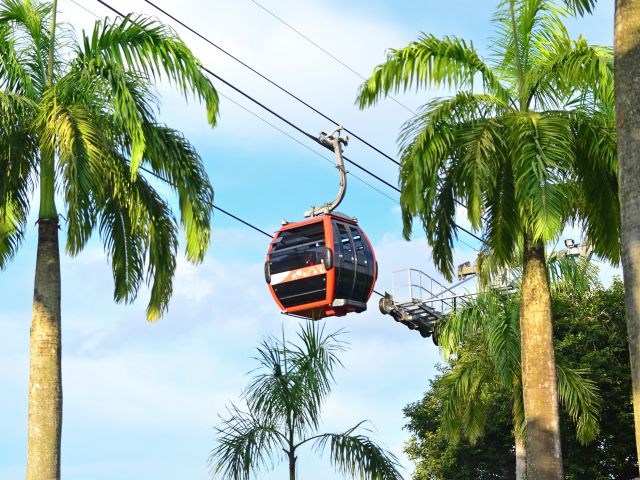
This island playground is a destination in its own right, but it’s also an easy day trip from the city. Getting to Sentosa Island is part of the fun: take the Sentosa Express monorail from VivoCity, walk across the Sentosa Boardwalk from VivoCity Waterfront, or take the scenic Singapore Cable Car from Mount Faber. Plan your day carefully – Universal Studios Singapore or Adventure Cove Waterpark can easily fill an entire day. For something no less thrilling, zip down four winding tracks on the Skyline Luge or climb, swing and soar among the treetops at Mega Adventure Park. Or simply spend the day on the beach, stopping for lunch and sunset drinks at one of the many beachfront bars. The complimentary Sentosa Beach Shuttle makes it easy to get around the beachfront. If you’re still on the island after dark, the Wings of Time Fireworks Symphony at Siloso Beach is a dazzling show of lasers, fire and fireworks. The show runs at 7:40pm and 8:40pm, combining laser lights, water fountains, fire effects and fireworks.
Closest MRT Station: HarbourFront, then walk along the Sentosa Boardwalk or take the monorail
Museum of Ice Cream
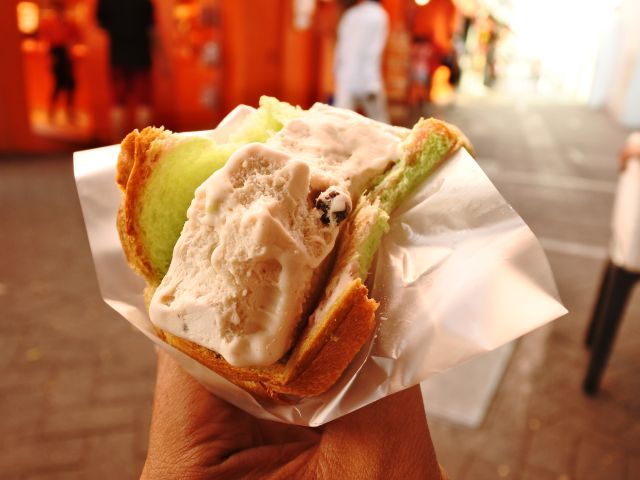
Who doesn’t love ice cream? This will be a big hit with everyone, but particularly the kids in your life. All pretty in pink, the Museum of Ice Cream is a fun, interactive experience featuring 12 multi-sensory installations, including a unicorn playground, magnet room, bouncy castle and sprinkle pool. It’s a great option for a rainy day, a break from Singapore’s heat or simply a fun way to fill an hour or two. Mention the unlimited ice cream and the kids will be sold.
Address: 100 Loewen Rd, Singapore
Closest MRT Station: Napier
Opening hours: 10am – 6pm daily
Best things to do for first-timers
Gardens by the Bay
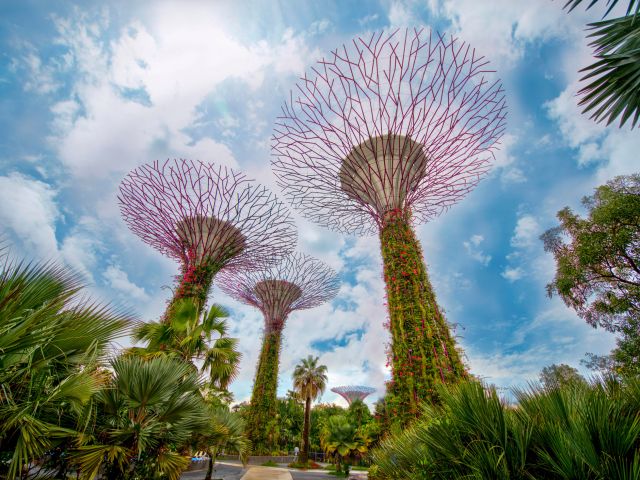
Singapore prides itself on being a city within a garden, and the magnificent Gardens by the Bay complex is the crowning glory of this concept: two gargantuan domed conservatories filled with myriad plants and flowers and the sculptural Skytree Grove that is illuminated each evening in a dramatic light show. The Cloud Forest dome really is stunning, with its almost 35-metre-high waterfall and elevated walkway that snakes around the lush tropical indoor ‘mountain’. This is one of the most popular attractions in town so plan to get there early.
Address: 18 Marina Gardens Drive, Singapore
Closest MRT Station: Gardens by the Bay or Bayfront
Opening hours: 5am – 2am daily (outdoor gardens); 9am – 9pm (most other attractions)
National Gallery Singapore
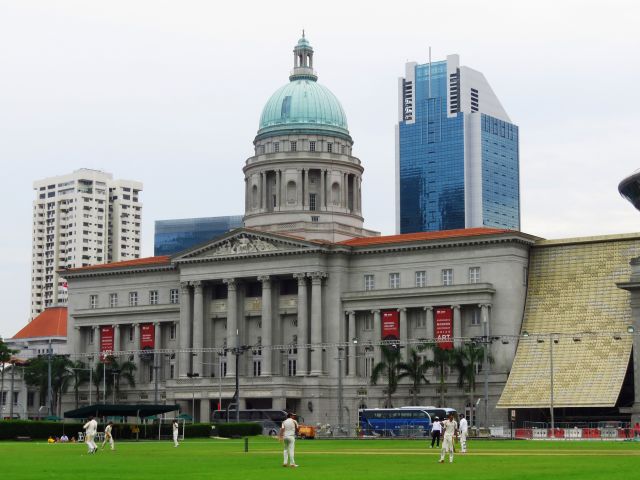
Boasting the world’s largest public collection of Singapore and Southeast Asian modern art in the world, the imposing National Gallery Singapore features more than 8000 works spanning from the 19th century to today. The gallery is made up of the historic City Hall and former Supreme Court buildings, which have been restored and fused together by a stunning modern glass atrium designed by studioMilou Singapore.
After browsing the permanent and visiting exhibitions, head to the rooftop garden for stunning views over the city and then exit through the gift shop; Gallery & Co. is a funky shopping and dining spot offering up art and design products and a light café menu. Come back after dark to dine and drink at some of the best restaurants and bars in town including National Kitchen by Violet Oon and Odette.
Address: 1 St Andrews Road, Singapore
Closest MRT: City Hall
Opening hours: 10am – 7pm daily
Weekly travel news, experiences
insider tips, offers, and more.
Shopping on Orchard Road
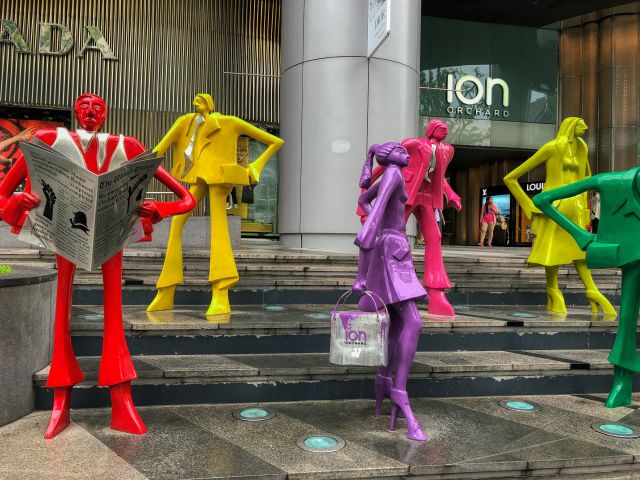
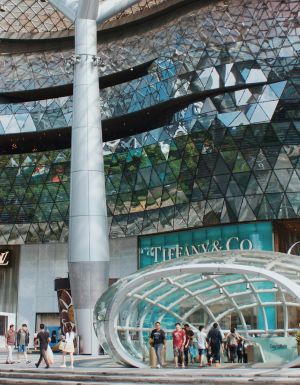
Shopping along the city’s main 2.2-kilometre retail strip will literally make you drop at the end of the day. Start by scanning the eight levels of ION Orchard before moving to Paragon: both centres offer a mix of luxury and everyday brands, from Balenciaga to Birkenstock and Loewe to Levis. If you haven’t maxed out your spending already, hit 313@Somerset, which has crowd favourites Charles and Keith, Mango and Zara. Next door, Orchard Central leans towards independent boutiques and local labels.
Closest MRT Station: Orchard or Somerset
High tea at Raffles Singapore
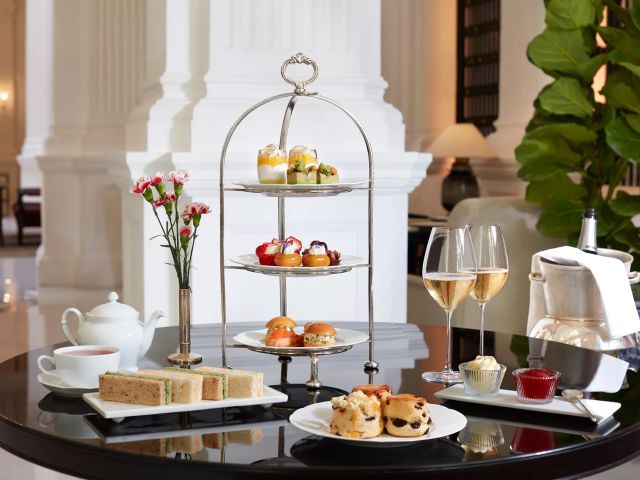
This world-renowned hotel is an historic landmark in its own right. And one of its most delightful offerings is taking afternoon tea in the hotel’s exquisite Grand Lobby, a ritual that has been occurring here since the 19th century, during Asia’s golden age of travel. With a dress code listed as ‘casual chic’ the afternoon tea menu includes dainty finger sandwiches, homemade scones and petit sweet treats crowned with a steaming pot of loose-leaf tea or a glass of Champagne. Bookings are recommended, but having seen the daily turn-out first hand, they are actually essential. Vegetarian and gluten-free menus are available.
Address: 1 Beach Road, Singapore
Closest MRT Station: City Hall or Esplanade
Opening hours: 12:30pm – 5:30pm daily
Best hidden gems for repeat visitors
The Southern Ridges
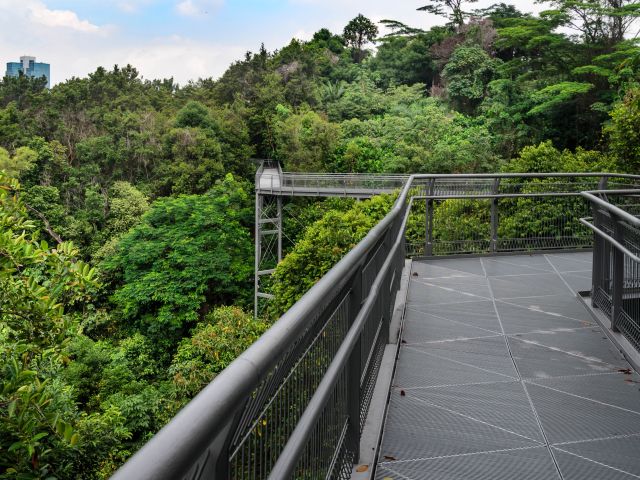
An oasis for birdwatchers and nature lovers, The Southern Ridges is a 10-kilometre trail in Singapore’s south. Linking five parks – Mount Faber Park, Telok Blangah Hill Park, HortPark, Kent Ridge Park and Labrador Nature Reserve – the trail cuts through lush secondary forest, home to hundreds of species of native birds and tropical flora, and passes HortPark, a 23-hectare park with themed gardens, vertical displays and glasshouses. It’s easy to navigate, with clear signage, well-constructed paths and elevated walkways, including Henderson Waves, an undulating bridge suspended 36 metres above the ground.
Closest MRT Station: Harbourfront (start point) and Kent Ridge (end point)
Lee Kong Chian Natural History Museum
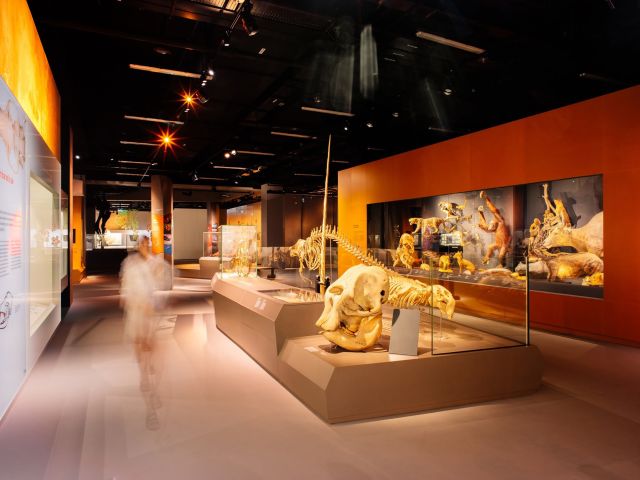
Located at the National University of Singapore, the Lee Kong Chian Natural History Museum is a must as much for the building it is housed in as what it houses. Designed by veteran Singaporean architect Mok Wei, the $35-million design is a cast-form concrete hulk with a large section looking like it has been sliced off to reveal a verdant terraced garden. Windows on the structure are limited and small to protect the 2000-plus natural history specimens inside, including three giant diplodocid sauropod skeletons at its heart.
Address: 2 Conservatory Drive, Singapore
Closest MRT: Kent Ridge
Opening hours: 10am – 6pm, Tuesday to Sunday
Peranakan Museum
Singapore’s Peranakan heritage can be traced back to the 15th century, when Chinese settlers came from the southern provinces to the Malay Archipelago and settled alongside Malay and Indonesian communities, resulting in a unique mix of customs, language and food. Housed within the former 1912-built Tao Nan School, The Peranakan Museum displays artefacts from traditional garb to beautifully handcrafted beadwork to historic photographs of past and present-day Peranakans.
Address: 39 Armenian Street, Singapore
Closest MRT: City Hall
Opening hours: 10am – 7pm daily, closes 9pm Fridays
Want to see more stories from International Traveller in your Google search results?
- Click here to set International Traveller as a preferred source.
- Tick the box next to "International Traveller". That's it.