
Tokyo is flush with exceptional hotels and world-renowned hospitality, but choosing the right can make or break your time in the country’s most magnetic city.
There are two sides to the Japanese hotel coin. On one, you’ll find a masterclass in compact living, where clever design and efficient use of space come together to create artfully considered stays. Often budget-friendly yet impeccably clean and reliable, these hotels are perfect for travellers who spend more time exploring than sleeping.
On the other, Japan delivers some of the world’s most refined luxury stays, sanctuaries that feel entirely removed from the pace of the city, where holistic wellness, meticulous service and thoughtful design take centre stage.
For a city as densely populated as Tokyo, it sets an exceptionally high bar for hotel stays, no matter which side of the coin you choose. To help you navigate which city areas and hotels to hang your hat at the end of a busy day, we’ve curated a heady list from luxury and boutique to mid-range and family-friendly.
The best areas to stay in Tokyo
While Tokyo is incredibly easy to navigate – with neighbourhoods flowing into one another – each area has its own distinct energy. Choosing where to stay can shape your entire experience.
Shinjuku
If you really want to be in the thick of Tokyo’s neon-lit nightlife, charismatic locals and non-stop energy, Shinjuku is hard to beat. Home to everything from mid-range and sky-high stays to capsule hotels, it’s one of the city’s most versatile bases, and a major transport hub.
Shibuya
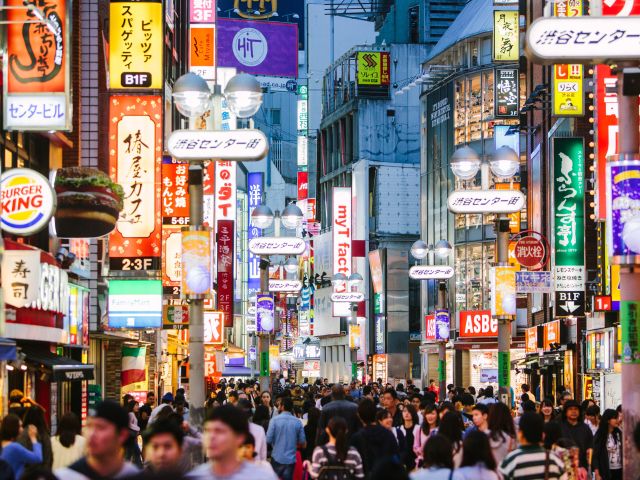
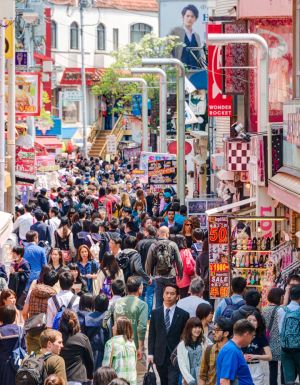
Seamlessly blending city chaos with modern style, Shibuya feels slightly younger and more trend-driven than most other neighbourhoods in Tokyo. A cultural melting pot of cafes, shopping and bustling nightlife, it’s a go-to spot for travellers who favour contemporary stays over traditional ones.
Asakusa
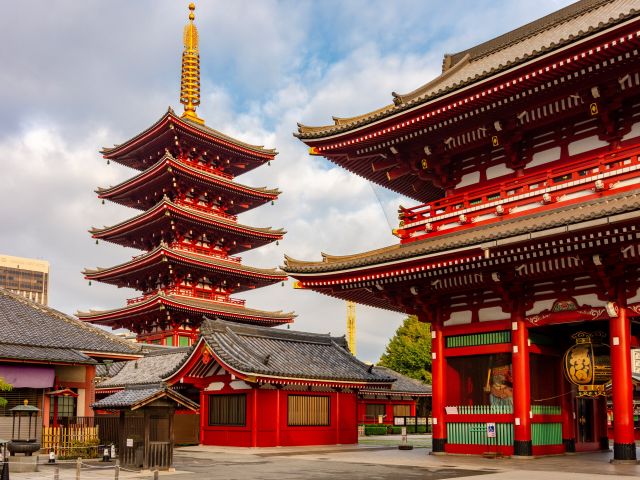
For a more traditional slice of Tokyo, Asakusa delivers. Home to iconic landmarks like the Senso-ji Temple, it’s a delightfully walkable and historic neighbourhood, offering a slower pace. It’s ideal for travellers seeking a quieter base, while remaining relatively close to the city action.
Ginza
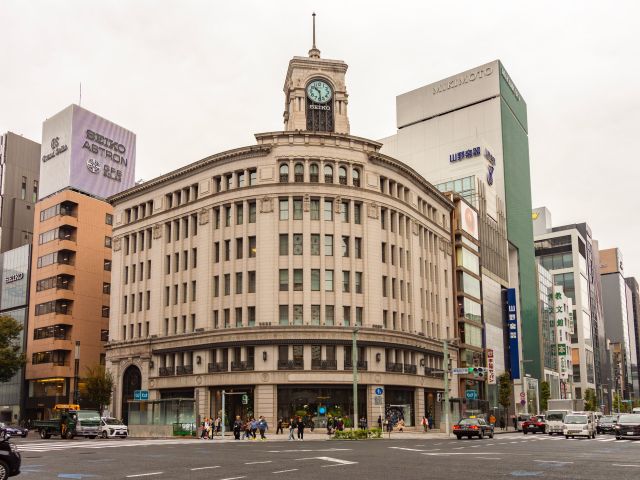
Revered as one of the most sophisticated suburbs in Tokyo – thanks to its healthy offering of designer stores and Michelin star restaurants – Ginza offers a mix of polished stays and luxury retreats less than a kilometre from Tokyo’s CBD.
Roppongi
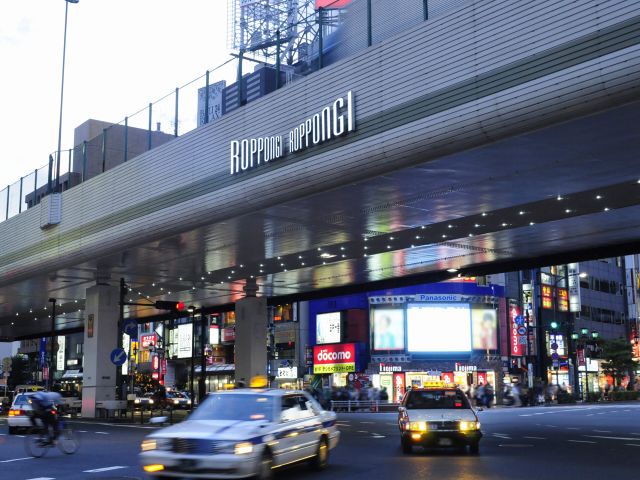
If nightlife, art and a more international crowd appeal, Roppongi is a premium choice. Known for its cosmopolitan flair, travellers can expect lively bars, museums, galleries and buzzing hotel lobby bars all minutes from each other.
Marunouchi
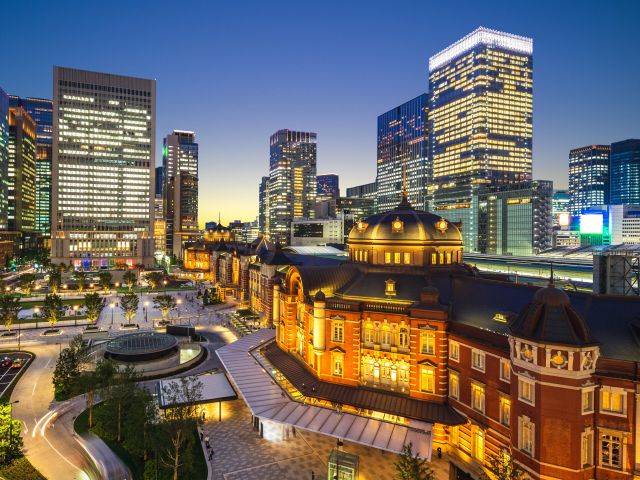
Close to both Tokyo Station and the Imperial Palace – yet far enough away to deliver a calmer and more refined atmosphere – Marunouchi offers a calm contrast to the city’s busier districts. Home to many of Tokyo’s most esteemed hotels, travellers can expect spacious suites and effortless convenience.
Best luxury hotels
Aman Tokyo
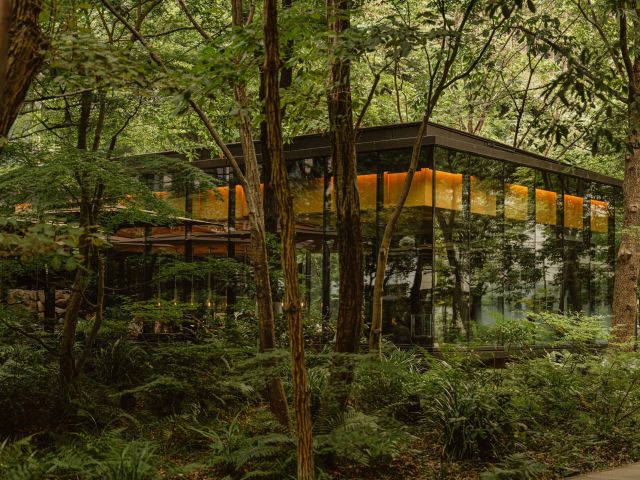
Central Tokyo
Starting from approximately $1,800 per night
Celebrated as a sanctuary in the sky, Aman Tokyo is a contemporary take on a traditional ryokan, epitomising Japanese luxury at its most refined. Each suite offers sweeping views across the city, with select signature suites revealing striking vistas over the Imperial Palace – and even Mount Fuji on a clear day.
From its generously proportioned rooms – where signature suites begin at 121 square metres – to its sought-after wellness spa, Aman Tokyo has become a destination in its own right. It’s the perfect stay for travellers with a penchant for modern design, serenity and a true sense of escape above the city.
Four Seasons Tokyo at Otemachi
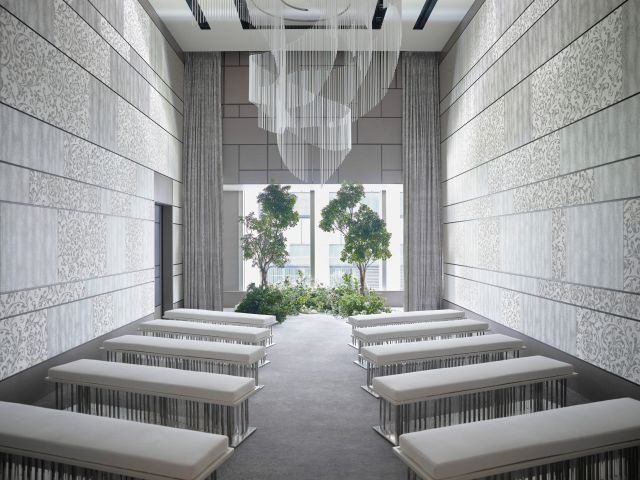
Where: Otemachi
Price: Starting from approximately $1,200 per night
The Four Seasons has long been synonymous with some of the world’s most opulent hotels, and its Four Seasons Tokyo at Otemachi outpost more than lives up to the name.
Conveniently set within the well-connected Otemachi district, the hotel soars high above the city, meticulously blending modern elegance with subtle Japanese craftsmanship. Designed to make you feel instantly at home, children under 18 stay for free, and you can even request your room to be childproofed with bed rails and bottle sterilisers.
Home to the Michelin-star dining French restaurant est, revered Italian fine dining at PIGNETO, and expertly crafted cocktails at VIRTÚ, Tokyo at Otemachi is certainly designed for sophisticated epicureans. Add to that some of the most plush king-sized beds in the city, and it’s a stay guaranteed to elevate your time in Tokyo.
Park Hyatt Tokyo
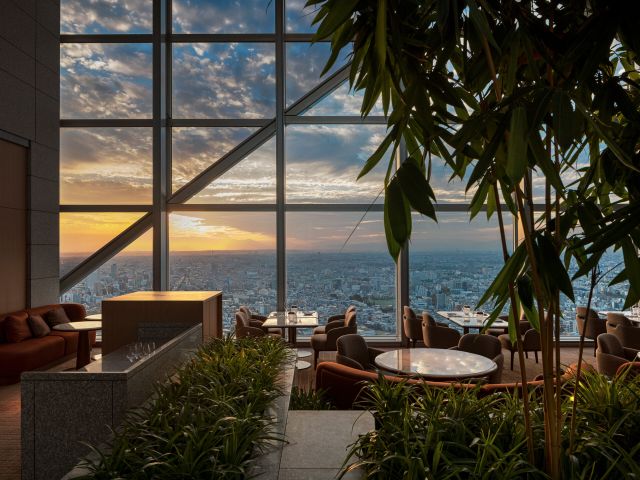
Where: Shinjuku
Price: Starting from approximately $900 per night
Speaking of reputation, after a 19-month renovation, Park Hyatt Tokyo – famously immortalised in the 2003 Sophia Coppola film Lost In Translation – is back, and it’s never looked better. From redesigned rooms and elevated fine dining, to the same dramatic floor-to-ceiling sweeping skyline views that first catapulted it to global acclaim, it remains effortlessly striking.
Romanticised by cinephiles and designer-hotel aficionados alike, this is one hotel stay that more than lives up to the moment.
Palace Hotel Tokyo
Where: Marunouchi
Price: Starting from approximately $1,200 per night
When it comes to five-star elegance and exceptional hospitality, it doesn’t get much more refined than Palace Hotel Tokyo in the city’s central Marunouchi district. Awarded three Michelin Guide keys – the guide’s highest distinction, it offers a stay that feels quietly luxurious.
Overlooking the Imperial Palace gardens, the hotel delivers a rare sense of space and greenery in the heart of Tokyo. Its design leans into understated, contemporary luxury, favouring calm interiors, natural light and impeccable attention to detail. With a suite of world-class amenities, it’s the kind of place that makes stepping outside entirely optional.
Bvlgari Hotel Tokyo
Where: Central Tokyo
Price: Starting from approximately $2,700 per night
Bringing a distinctly contemporary Italian glamour to the capital of Japan, Bulgari Hotel Tokyo is the latest jewel in the brand’s portfolio – and it delivers a welcome slice of indulgence. Inspired by the 1970 Bvlgari brooch featuring Mount Fuji, the hotel’s 98 rooms and suites pay subtle homage to the house’s unmistakable design language.
From its shimmering mosaic-lined pool to the Michelin-starred Niko Romito restaurant, every detail feels considered. It’s an idyllic base for the design-driven and fashion-forward, where bold meets Tokyo’s precision. Plus, if you have little ones in tow, they’re catered for too with themed toys, backpacks, whimsical in-room teepees, and a dedicated children’s menu.
Best boutique hotels
K5
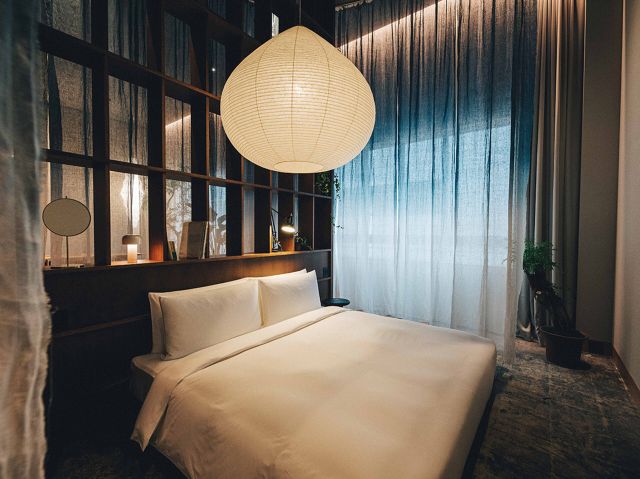
Where: Nihonbashi
Price: Starting from approximately $500 per night
A masterclass in restoration and revitalisation, K5 occupies a former 1920s bank building, thoughtfully reimagined as a design hotel where slow living and quality craftsmanship take centre stage. Its contemporary and minimalist approach to interiors is softened with Japanese art and tactile furnishing, creating a warm, homely feel – one that invites guests to unwind with a whisky in hand and a spinning vinyl in the background.
Located in the Nihonbashi neighbourhood, the hotel offers a range of accommodation, from entry-level 21 square metre studios to an expansive 80 square metre suite ideal for parties and entertaining. With plush king beds, record players in every room, and a collection of celebrated on-site venues including a brewery, bar, cafe and Japanese-Nordic restaurant, K5 leaves little reason to leave.
TRUNK (Hotel)
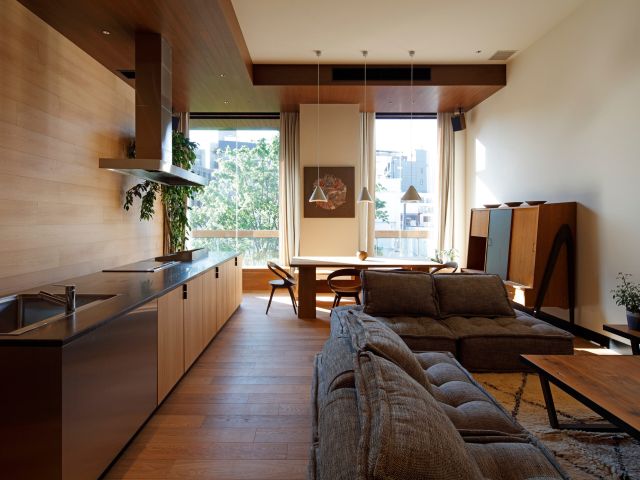
Where: Shibuya
Price: Starting from approximately $500 per night
Despite its location in the heart of energetic Shibuya, TRUNK (Hotel) offers an elevated, design-led retreat cradled high above the city’s bustle. Spread across two high-rise buildings, this 15-room boutique hotel caters to a range of travellers, from compact, thoughtfully-designed double rooms or those spending more time out exploring, to a 140 square metre suite complete with a private terrace.
Channelling an understated, industrial aesthetic, the hotel interiors are layered with lush greenery and a curated mix of plush leather, warm wooden panelling, and contemporary artworks. With Shibuya Station just 11 minutes walk away, it feels like a true urban oasis and an ideal base to explore Tokyo’s most dynamic neighbourhoods. And if you’re travelling as a family, children under 12 stay for free when sharing a bed.
Yuen Bettei Daita
Where: Setagaya
Price: Starts from approximately $370 per night
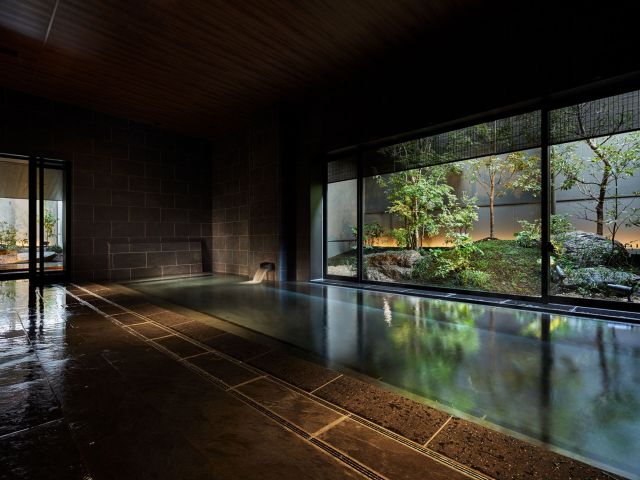
If you’re seeking a truly tranquil stay in the heart of the city, look no further than Yuen Bettei Daita. This intimate, traditional-style ryokan offers a rare sense of calm within Tokyo, feeling worlds away while still just a short stroll from the vibrant streets of Shimokitazawa.
Designed to evoke a countryside retreat, the hotel takes a holistic approach to wellness, with a serene spa offering aromatherapy treatments and restorative full-body massages. But the pièce de résistance? The hotel’s open-air Hakone hot spring onsen is an inviting space to unwind and melt away the day’s fatigue. Finish with a fragrant cup of tea, and you have the perfect antidote to Tokyo’s fast pace.
The Aoyama Grand Hotel
Where: Aoyama
Price: Starts from approximately $500 per night
Brimming with fashion boutiques and culturally credible dining, Aoyama is one of Tokyo’s most exclusive neighbourhoods – and the award-winning The Aoyama Grand Hotel only adds to its allure. Recently recognised with a coveted Michelin Key, the boutique property has amassed acclaim from both industry leaders and travellers alike for its approachable yet luxurious mid-century modern design and highly sought-after location. With just 40 rooms, it strikes a considered balance between intimate boutique charm and full-service five-star hospitality.
While the hotel offers a refined mix of Japanese and Italian restaurants, bars and cafes, its crowning feature is the sky-high rooftop. Here, guests can take in sweeping neon-lit views of Tokyo’s skyline while unwinding with a meticulously crafted cocktail.
The best mid-range hotels
MUJI Hotel
Where: Ginza
Price: Starts from approximately $180 per night
Located in the heart of Ginza and set above MUJI’s flagship concept store, MUJI Hotel is more than just a place to stay; it’s an extension of the brand’s philosophy. Embracing a minimalist, no-fuss approach to living, the design-led property is ideal for travellers who value simplicity, functionality, and location over excess space and traditional luxury.
Compact yet considered, rooms range from a modest 14 square metres to a more generous 52 square metres, each thoughtfully appointed with warm wood panelling, crisp white bedding and chic robes designed for comfort. From its highly efficient layouts to its focus on rest and wellbeing, the hotel offers a calm, carefully curated base – perfect for those seeking a sense of stillness while remaining within reach of Tokyo’s vibrant city life.
Weekly travel news, experiences
insider tips, offers, and more.
Hotel Groove Shinjuku
Where: Shinjuku
Price: Starting from approximately $400 per night
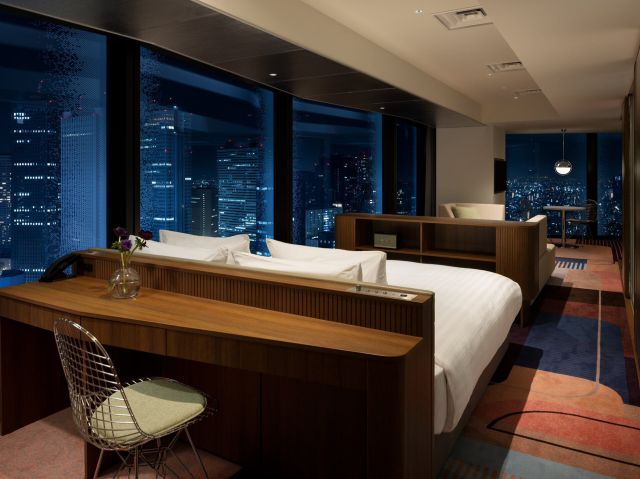
Living up to its moniker, Hotel Groove Shinjuku strikes a balance of style, price and comfort – but with a veil of eclecticism and imagination. Drawing inspiration from music, art and Shinjuku electric energy, the hotel leans into a playful, design-forward aesthetic that feels distinctly Tokyo.
Set high above the city in Tokyu Kabukicho Tower, rooms offer sweeping skyline views, while interiors channel a moody, contemporary edge with thoughtful touches throughout. But it’s the hotel’s signature Groove Rooms that best capture its identity. Designed to immerse guests in the spirit of Shinjuku, blending cultural cues and playful artworks inspired by the neighbourhood’s art and music scene.
Mitsui Garden Hotel
Where: Nihonbashi
Price: Starting from approximately $300 per night
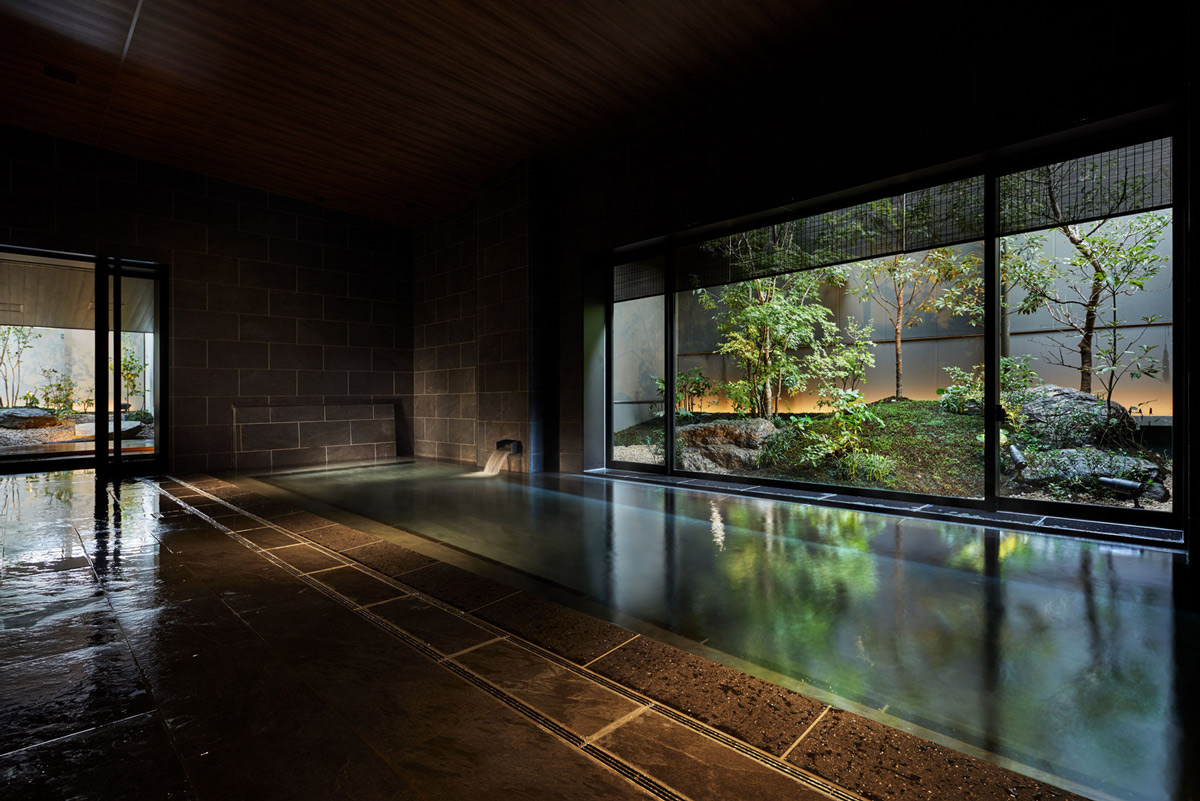
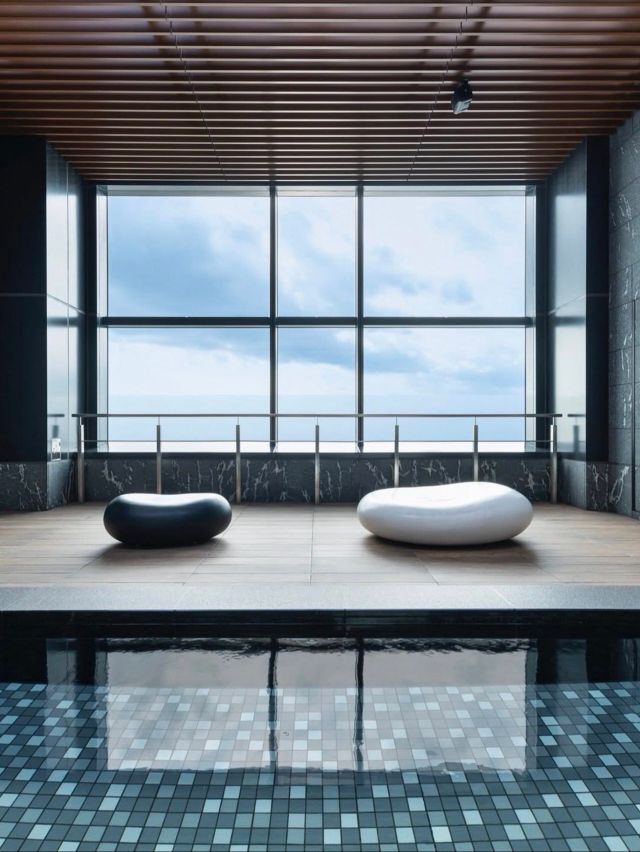
It’s rare to find a hotel in the heart of Tokyo that offers an expansive onsen-style public bath – let alone a mid-range one – but Mitsui Garden Hotel in Nihonbashi delivers that and then some.
Exuding a quiet confidence, the hotel places a sharp focus on polished interiors and elevated amenities, embodying the “Nihonbashi Value" through spaces designed to engage the senses. From its serene, onsen-style bath, accented with cypress and Japanese umbrella pine, to its terrace bar pouring meticulously crafted cocktails, this urban retreat offers a refined stay without the luxury price tag.
Best family-friendly hotels
Grand Hyatt Tokyo
Where: Tokyo Central
Price: Starting from approximately $450 per night
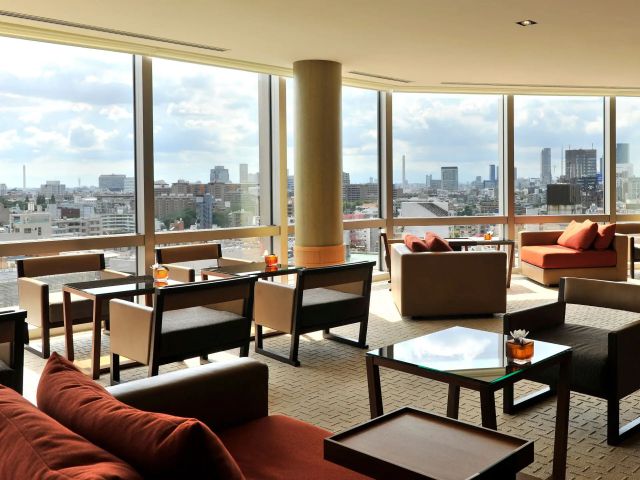
Located within the Roppongi Hills lifestyle complex, Grand Hyatt Tokyo offers a refreshing blend of adult sophistication and family-friendly amenities. Thoughtful touches make travelling with children seamless – young guests are welcomed with a kids’ pack featuring cotton yukata robes to match their parents’, along with toothbrushes, and even nappies if needed. Children under 12 stay for free, while children under five dine for free at the limitless buffet.
What truly sets the reputable hotel apart, however, is its expansive wellness offering. The serene indoor spa and fitness centre, located on the fifth floor, provides a welcome retreat with a range of aromatherapy treatments. There’s also a spacious, family-friendly pool, making it easy to unwind after a day of exploring – without having to compromise on comfort or convenience.
MIMARU Apartment Hotels
Where: Various locations
Price: Starting from approximately $450 per night
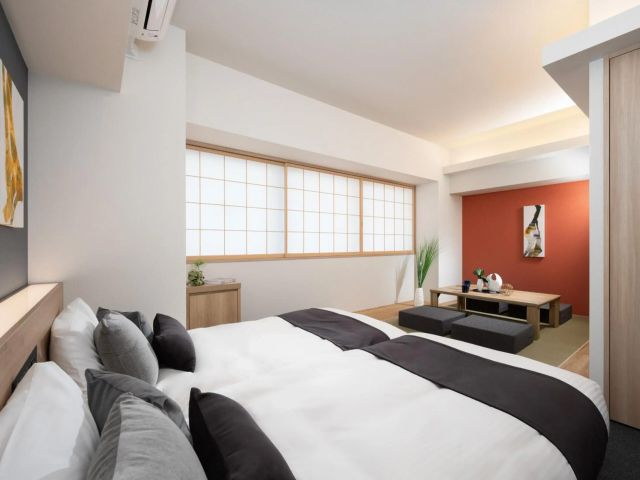
Sure, hotel rooms can be great when travelling with young ones in tow, with many offering thoughtful family-friendly touches, but having more space with your own kitchen to cook and unwind is hard to beat. And that’s where MIMARU Apartment Hotels comes into its own.
With more than 20 locations across Tokyo, finding a convenient base is rarely an issue. Designed to accommodate four to 10 guests in a single space – and priced per room, not per person – the generously-sized apartments start from around 40 square metres. Some feature family-friendly bunk beds, while others offer multi-bedroom layouts, making them ideal for larger groups.
From board games and themed rooms to laundry facilities and complimentary rentals, like baby baths and toys, every detail feels thoughtfully considered. The result is a seamless, stress-free stay that makes travelling with family not only easier, but genuinely enjoyable.
Cerulean Tower Tokyu Hotel
Where: Shibuya
Price: Starting from approximately $400 per night
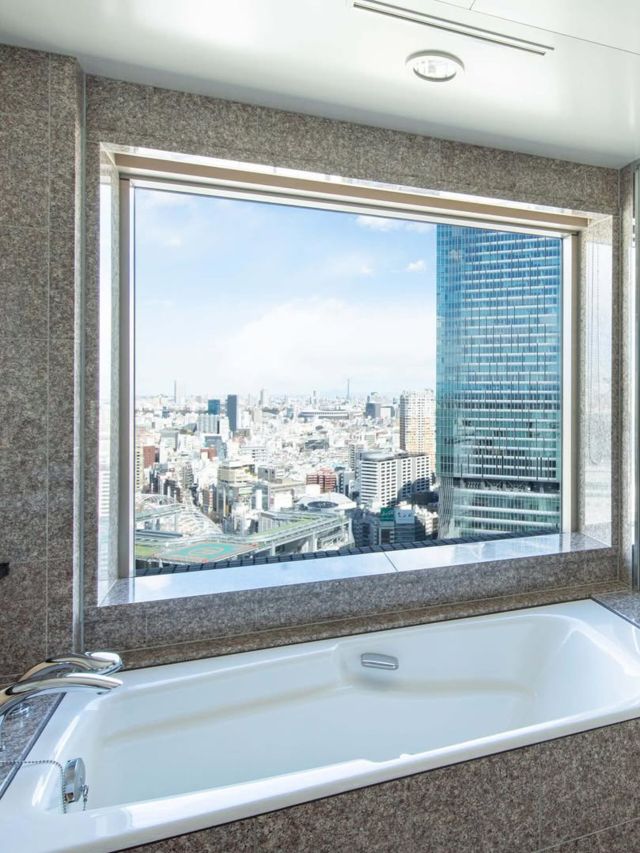
Set high above the buzz of Shibuya, the Cerulean Tower Tokyu Hotel offers a sophisticated retreat with sweeping skyline views, with a calmer, more elevated perspective on one of Tokyo’s busiest neighbourhoods. Pairing polished design with exceptional service, it’s no wonder it was awarded a coveted Michelin Key.
For families, though, it’s the ease of it all that stands out. Rooms are generously sized by Tokyo standards, and thoughtful touches – like onsite babysitting – take the pressure off travelling with little ones. With multiple kid-friendly dining options, wellness facilities and a prime location just minutes from Shibuya Station, you’ve got a stay that balances energy with escape – without missing a beat.
Where to stay in Tokyo for first-timers
While Tokyo is an easy city to navigate and get around, the more convenient it is for first-timers, the better. Opt to stay close to one of the larger, more central train stations, so it’s easier to explore. Suburbs like Shibuya and Shinjuku are well-connected with large train stations and boast both coveted shopping spots and a vibrant nightlife, while Ginza offers a more elevated stay, yet is just as centrally located.
How many nights do you need in Tokyo?
In reality, there is no right or wrong answer. If time and budget aren’t a concern, a week or two allows you to slow your Tokyo experience down and properly savour Tokyo – balancing iconic hot spots and lesser-known gems. That said, four to five days is more than enough to get a meaningful taste of Tokyo.
If you’re keen to experience different sides of the city and don’t mind moving, consider splitting your stay. Start with a centrally located hotel in Shibuya or Shinjuku, then switch to a different neighbourhood for contrast – Shimokitazawa for an indie, creative feel, or Yanaka for a quieter, more traditional and nostalgic experience.
Want to see more stories from International Traveller in your Google search results?
- Click here to set International Traveller as a preferred source.
- Tick the box next to "International Traveller". That's it.