hero media

8 places to see the best of Japan without the crowds

Tokyo, Kyoto and Mt Fuji deserve their fame. But step into a castle town, an art-filled island or a coastal shrine – and you’ll find a Japan that still feels like a secret.

Japan’s famous Golden Route is usually at the top of the list in terms of must-see locations. But if you venture beyond those blockbuster destinations, you’ll find castles, coastlines, food and festivals that are just as memorable – and often it’s Japan without the crowds.

Whether it’s sipping sake in Niigata, journeying along hiking trails once walked by samurai, or drifting through an island bay, these destinations should easily slot into your itinerary.

1. Matsumoto
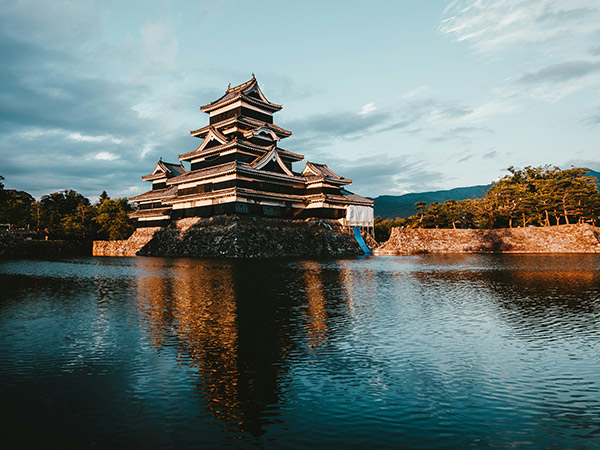
Matsumoto Castle
See Matsumoto Castle. (Image: Claire Chang)

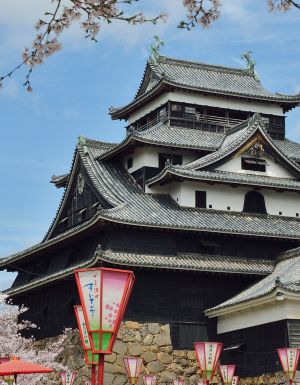
Matsumoto sits at the base of the Japanese Alps, and its star attraction is impossible to miss. Surrounded by a carp-filled moat, Matsumoto Castle’s dark exterior gives off an air of intrigue, while its creaking floorboards and narrow staircases not-so-subtly remind you of its medieval past.

The city has a creative side, too. The Matsumoto City Museum of Art pays tribute to Yayoi Kusama, one of the world’s most famous artists, who was born in this very city.

2. Tottori Prefecture
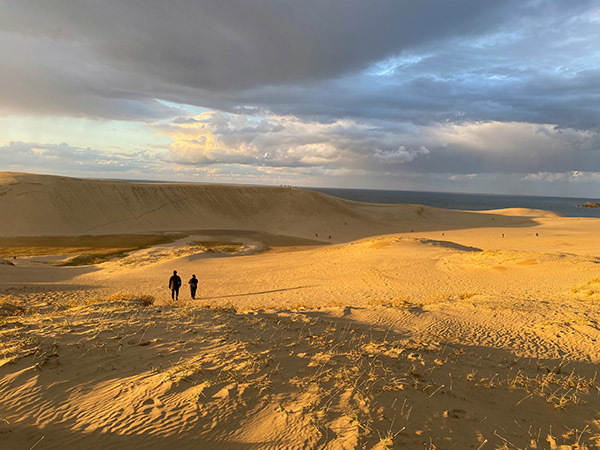
Tottori Sand Dunes
Walk along Japan’s only large sand dunes. (Image: Anni W)

The sand dunes in Tottori Prefecture need to be seen to be believed. The prefecture is home to the country’s only large sand dunes, stretching for 16 kilometres along the coast. You can climb them, sandboard down them, or even ride a camel across them.

Once you’ve had your fill of sand, the coastline offers quiet beaches and rocky cliffs where the sea does most of the talking. Just inland, Mt. Daisen is the highest peak in the Chugoku region and a favourite for both hikers and skiers.

The mountain sits inside Daisen-Oki National Park, where changing seasons mean a vastly different experience depending on the month you’re there.

3. Nakasendo Hiking Trail
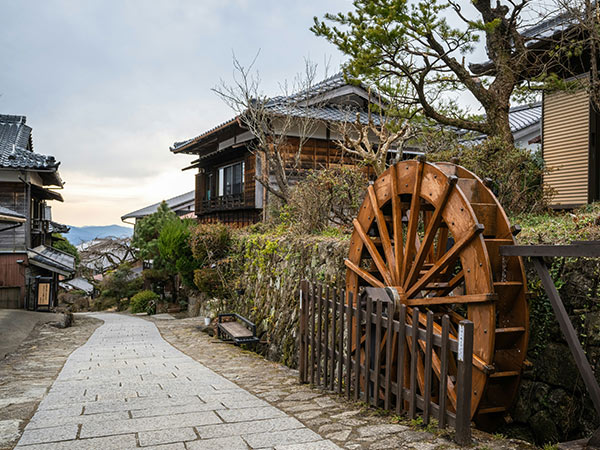
Nakasendo Trail
Follow the trail from Tokyo with Kyoto. (Image: Pen Ash)

Long before planes, trains and automobiles, the Nakasendo Trail was one of the main walking routes linking Tokyo with Kyoto. Once containing 69 post towns each spaced roughly a day’s walk apart, travellers would stop at towns along the way for a meal and a bed. Today, you can still follow that route and stay in quaint inns that feel perfectly preserved.

The Kiso Valley is one of the most stunning offshoots of the trail, with villages like Magome and Tsumago keeping their wooden houses, cobbled streets and tea shops intact. Spending a night here is more than enough to empathise with ancestors who would have to plan their journey based on the speed of their feet.

4. Niigata Prefecture
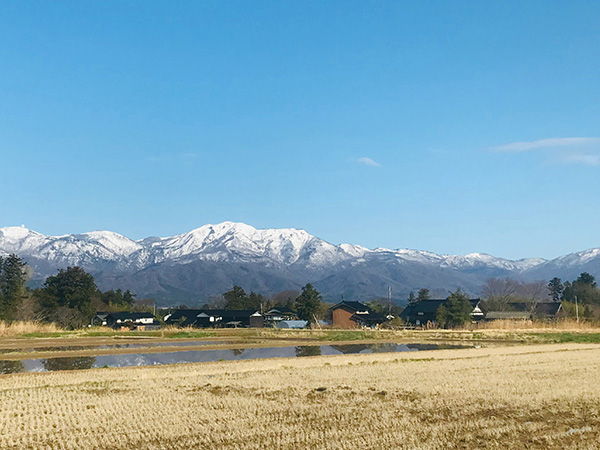
Sado Island
Find coast scenes, cute inland towns and snow-capped mountains on Sado Island. (Image: Siraj Shahjahan)

Niigata is renowned throughout Japan for producing some of the finest sake in the country. Snowmelt from the surrounding mountains provides incredibly pure water, and – when it combines with local rice – the results are worth raising a glass to. Pair that with sushi made from seafood caught offshore, and you’ve got a meal to write home about.

Take the ferry to Sado Island for more than coastal scenery. The UNESCO World Heritage Sado Island Gold Mines were once a mining centre that supplied around one-third of all the gold found in Japan. This island retreat now produces some eclectic theatre and festivals.

Dedicated to global unity, the Earth Celebration Festival sees hordes of gig-hunters flock to the town of Ogi to watch the Kodo drumming group beat up a storm.

5. Aichi Prefecture
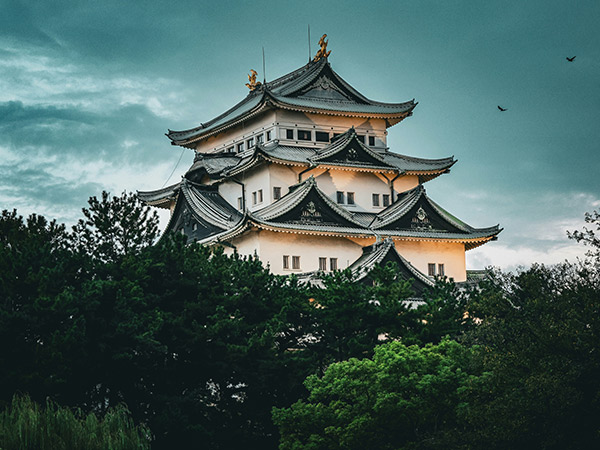
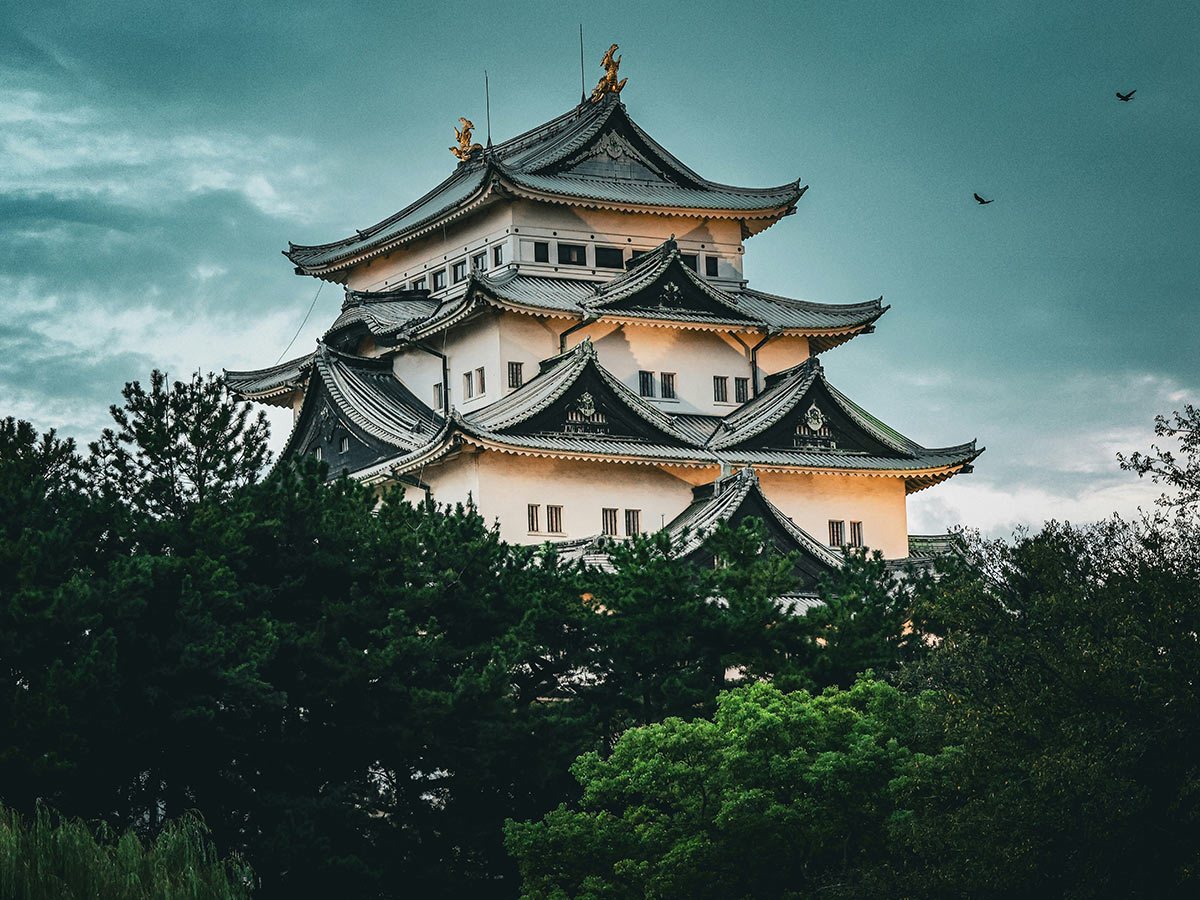
Nagoya Castle
Nagoya Castle carves a striking silhouette. (Image: Tim D)

Nagoya Castle is the obvious starting point in Aichi. With its golden ornaments and distinct shape standing tall among a sea of skyscrapers, it’s one of Japan’s most striking castles.

Aichi is also the birthplace of Toyota, and the company’s museum showcases how it evolved from weaving looms to cars that revolutionised the way the world moves. The machines on display are surprisingly hands-on, which is an added perk for the curious motorhead.

And then there’s Ghibli Park, which will delight anime fans around the world. Unlike a theme park full of rides, it’s a place to immerse yourself in the universe created by filmmaker Hayao Miyazaki. You can walk through Totoro’s forest, visit Satsuki and Mei’s house, or explore exhibitions dedicated to Studio Ghibli’s most beloved films.

6. Miyagi Prefecture
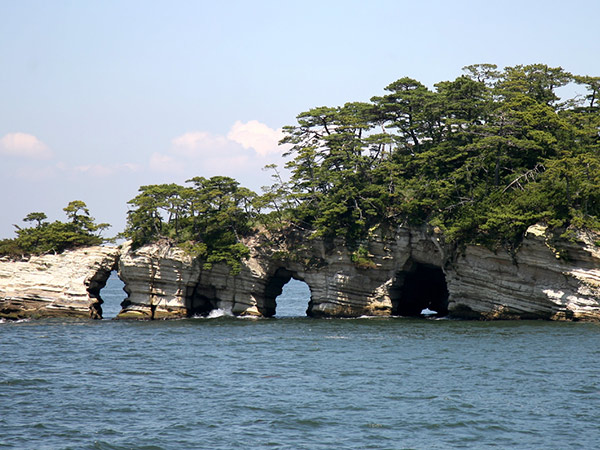
Matsushima Bay
Soak in the striking scenery of Matsushima Bay. (Image: Nakae)

An astounding 260 small, pine-covered islands cover Matsushima Bay – making it one of Japan’s most baffling and beautiful views to witness in person. The best way to see these natural marvels is from a boat, weaving between the islets. Or, on foot along Matsushima’s coastline.

Back on dry land, the Zao Kokeshi Museum is home to the most handmade dolls you’ve likely ever seen in one place. Each traditional doll has its own expression and style – its handiwork can be traced back centuries, roughly around the Edo period.

To relax your travel-weary bones, Akiu Onsen offers hot spring baths surrounded by serene mountain scenery. The mineral-rich water has been drawing visitors since the sixth century, and its rumoured healing powers are still going strong.

Weekly travel news, experiences
insider tips, offers,
and more.

7. Mie Prefecture
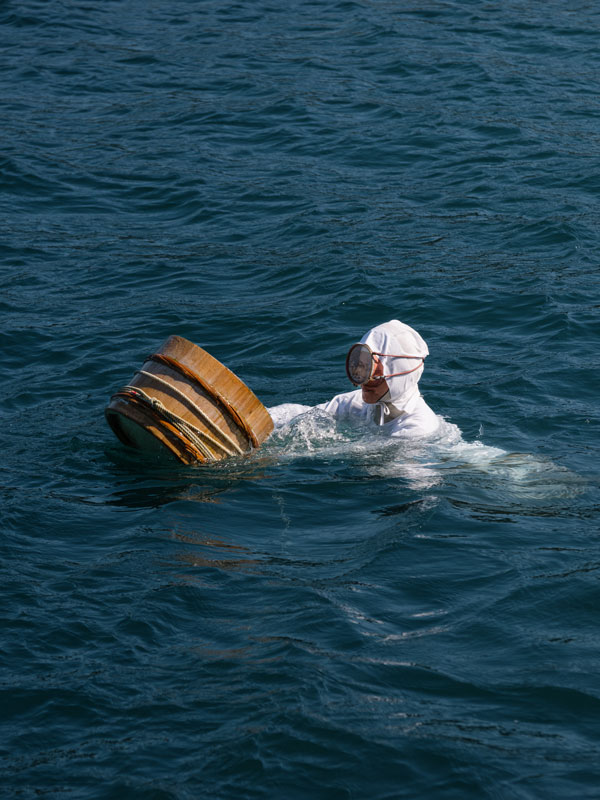
an ama diver in Japan holding a bamboo basket
Visit the Ama divers of Japan. (Image: Rachel Claire)

Mie is one of the few places in Japan where Ama divers still practice their craft. Once thought to be immortal by folklore standards, these women free-dive without oxygen tanks to collect shellfish – a tradition that has been passed down for hundreds of years. Visitors can join them in seaside huts where fresh seafood is cooked over an open fire while the divers share stories from their lives.

The region is home to Ise-Jingu Naiku, one of Japan’s most sacred Shinto shrines. Surrounded by forest, it’s rebuilt every 20 years as a symbol of renewal.

In the food department, Matsusaka beef is known for its marbling, while Ise lobster is considered a rich, buttery delicacy. Both are reason enough to linger here.

8. The Setouchi Art Islands
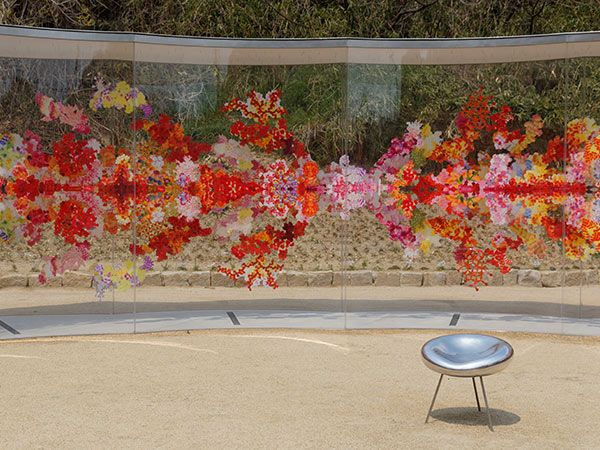
Setouchi Islands A-ArtHouse
Wander through local artworks. (Image: Kimon Berlin)

For anyone who loves art, the Setouchi Islands provide a gallery without walls. Naoshima leads the way with world-class museums designed by Tadao Ando and outdoor sculptures that have become icons in their own right. The giant pumpkin by Yayoi Kusama is as popular with photographers as it is with fellow artists.

Teshima adds another layer with installations in rice fields and abandoned homes, while Shodoshima mixes galleries with olive groves and mountain trails. Together, the islands create a region where art spills out onto the surrounding land, refusing to be contained by museum walls or a glass box.

Want to see more stories from International Traveller in your Google search results?

  1. Click here to set International Traveller as a preferred source.
  2. Tick the box next to "International Traveller". That's it.
Louis Costello
Refusing to rest before his entire bucket list is complete, Louis loves nothing more than travelling to obscure locations and uncovering little-known highlights that make those places shine. Writing about his experiences both in Australia and overseas, Louis has picked up a trick or two to get the most out of a holiday, whether it's a weekend or six months.
View profile and articles
hero media

5 things every hotel needs for a more restorative stay

    Kate Bettes Kate Bettes
    Wellbeing means different things to different travellers. Here’s how to pick a hotel that gets it right for you.

    The best wellness holidays aren’t necessarily spent wrapped in a spa robe. Sometimes they’re found around a dinner table in Cambodia, on a hiking trail in New Zealand or after finally beating jet lag on the other side of the world. The hotel you choose is what makes them happen.

    1. Easy access to good food

    meals from Novotel Bangkok Sukhumvit 20
    Taste delicious meals at Novotel Bangkok Sukhumvit 20.

    One of the quickest ways to derail healthy habits on holiday is to spend half of it working out where to eat instead of digging into the culture around you. Thankfully, Novotel has done much of the hard work already, with chefs building menus that lean into the flavours, ingredients and traditions of each destination.

    In Sihanoukville, Cambodia, Korkor soup – often dubbed ‘Cambodian ratatouille’ – sits alongside raw blue crab dressed with lime and chilli, best enjoyed with views across the Gulf of Thailand.

    In the lovingly chaotic city of Bangkok, the presence of food cranks up the sociability. At Novotel Bangkok Sukhumvit 20, you can settle in with mango sticky rice and stranger-turned-friends beside the pool at Sky on 20 rooftop bar, or bring them along to tackle river prawns and stir-fried crab with holy basil at the buzzing Crab Paradise Dinner Buffet.

    Then Novotel Dubai Al Barsha welcomes you with a laidback twist on the level of indulgence the Middle Eastern city is best known for up on Deck Se7en. Looking towards Burj Al Arab, the rooftop lounge has everything from Mediterranean-style dishes like seabass ceviche to Italian prosecco sundowners.

    At the other end of the scale, in the hills that surround the Novotel Bali Ubud Resort, calm comes from nature. At Siralada restaurant, Balinese traditions shape the menu while thunder rumbles over the surrounding jungle – proving the setting is as nourishing as the food itself.

    While at Novotel Nha Trang, chef Kieu Thi My Hanh and her team showcase Vietnam’s knack for balancing freshness, texture and fragrant herbs. Pho remains a favourite, while seafood salad with pomelo and mango brings those flavours together in one bright dish.

    It’s all an approach backed by partnerships with expert food creators such as Alfie Steiner, whose plant-forward recipes prove healthy food should never taste plain.

    2. Better sleep options

    Novotel Bali Ubud Resort room
    Sleep deeply with Novotel.

    There are few travel experiences more disappointing than arriving in a new country, determined to seize the day, only to fall asleep fully clothed by 3pm.

    For Australian travellers, jet lag is often an unavoidable part of the journey. That’s one reason Novotel runs sleep-focused initiatives that help guests adjust quickly without compromising on health. We’re talking partnerships with Sydney-based sleep specialist Olivia Arezzolo, known for her advice on everything from better sleep habits to beating jet lag, alongside features like pillow menus, in-room yoga content and tailored sleep guidance.

    The sooner you’re operating on local time, the sooner you can get back to more pressing matters – like deciding which spa treatment to book.

    3. More ways to move

    woman hiking around queenstown new zealand
    Stay at Novotel Queenstown Lakeside and explore local hiking trails. (Credit: GettyI mages/ naruedom)

    Every place in the world has its own way of getting you moving: whether that’s hiking up ice-bitten mountains before a sauna or gentle stretching by the pool before a facial. From fitness centres to spas, Novotel recognises that wellbeing rarely looks the same.

    At Novotel Queenstown Lakeside, activity is inescapable. Here, hiking trails, ski fields, bungee jumps, and white-water rafting have made the region famous. The hotel’s location on the shores of Lake Wakatipu means less time spent organising yourself and more time out there experiencing them. To top it all off, you can book a private hot tub for the evening before heading back into the wilderness tomorrow.

    Bali, of course, takes a softer approach. At Novotel Bali Ubud Resort or Novotel Bali Nusa Dua, movement is less about conquering a mountain and more about a dance class between the tropical gardens and lagoon pools. Afterwards, the spa takes over, with traditional treatments like a Lulur body scrub: a combination of rice, turmeric, sandalwood, ginger and jasmine that’ll soothe muscles already relaxed by the Balinese heat.

    4. Better connections

    Novotel Sharm El Sheikh
    Kids will love a stay at Novotel Sharm El Sheikh.

    One of the best things about travel is that it gives your family stories you’ll be telling for years. Novotel helps create them with activities that bring everyone together, whether that’s trying something new, learning a local skill, or simply spending more time together.

    Go for a distinctly Thai twist at Novotel Phuket Vintage Park, where many of the family activities draw on local culture. Kids can try everything from beginner Thai boxing and language lessons to umbrella painting and – a pastime beloved by children the world over – pool foam parties. Everyone is welcome to join in, whether that’s getting splashed, covered in paint, or simply watching their children discover a new side of Thailand during the dedicated Family & Kids Day.

    A different adventure awaits at Novotel Sharm El Sheikh. Kids could be perfectly content with discos, drawing classes and new holiday friends, but the Red Sea has other ideas. Sitting on the edge of Naama Bay, days here might involve snorkelling colourful reefs, taking a boat trip to Ras Mohammed National Park or heading into the desert by quad bike or camel for a Bedouin-style dinner beneath the stars.

    5. Location is everything

    Surin Beach, Choeng Thale, Thalang District, Phuket, Thaiföld
    Explore Phuket’s gorgeous beaches. (Credit: Bence Biczo)

    Everyone’s idea of wellness looks a little different. With more than 600 hotels across 65 countries, Novotel gives guests the freedom to choose the destination that suits them best. Whether that’s a beachside escape in Phuket, an alpine expedition in Queenstown or a city break in Bangkok, there’s a good chance a Novotel isn’t far away.

    All that’s left? Choosing your version of wellbeing.

    Discover stays to inspire your everyday at novotel.accor.com.