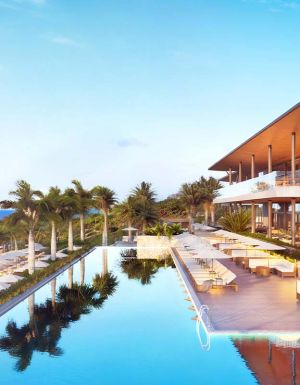

A visit to Cape Town reveals a storied city embracing its African soul and sublime setting in fresh new ways.
Sandwiched between the hulking sandstone mountains of the Cape Fold Belt and the glittering sapphire waters of the South Atlantic, few global cities are as spectacularly situated as Cape Town.
Rising up from the edge of its urban core like a giant altar to the gods, the flat-topped Table Mountain presides over streets awash with colour and creativity.
A cultural capital on the rise
The last time I visited Cape Town, it was a cultural capital on the rise, basking in its 2017 designation as Africa’s first UNESCO Capital of Design. Its innovative energy lifts my jetlagged spirits anew as I check into the Cape Grace hotel on the V&A Waterfront.
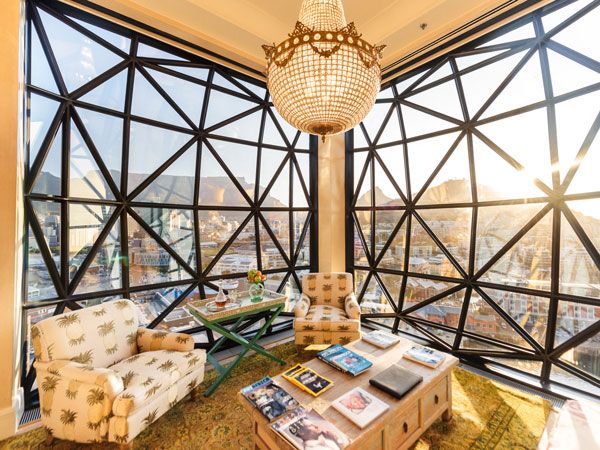
Reopened as a Fairmont-managed hotel earlier this year, it’s one of several grand Capetonian hotels (including the neighbouring Victoria & Alfred Hotel) fresh from an extensive post-pandemic facelift.
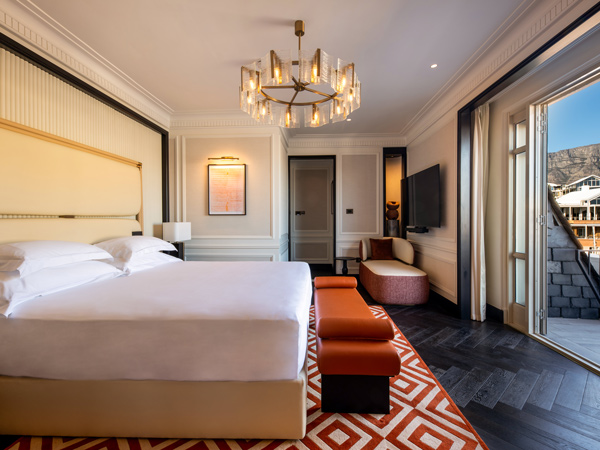
Formerly decorated with antiques once owned by controversial imperialist Cecil Rhodes, the reimagining of the Cape Grace – where walls are now hung with contemporary African art and the bookshelves in my smart rooftop terrace suite are stacked with tomes by award-winning African authors – hints at a city increasingly reclaiming its African identity.
Also conveniently located on Cape Town’s historic waterfront is the Zeitz Museum of Contemporary Art Africa (MOCAA), impressively carved out of a 1920s grain silo.
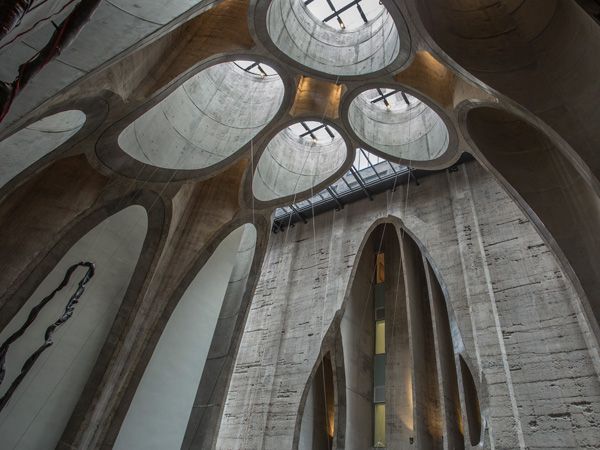
Here Cameroon-born executive director and chief curator Koyo Kouoh, who joined the gallery in 2019, has been credited for transforming the continent’s largest collection of contemporary African and diaspora art into a more dynamic, inclusive space.
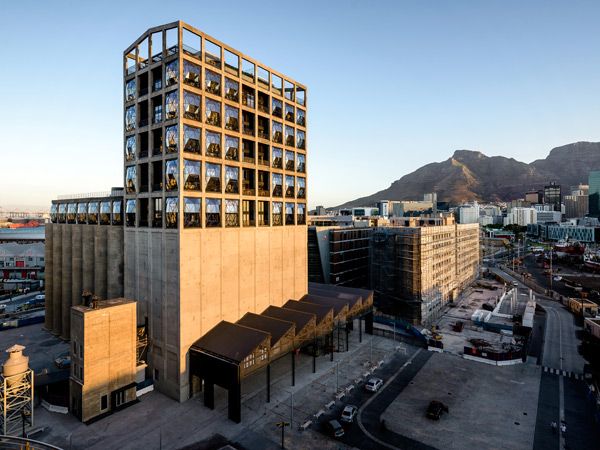
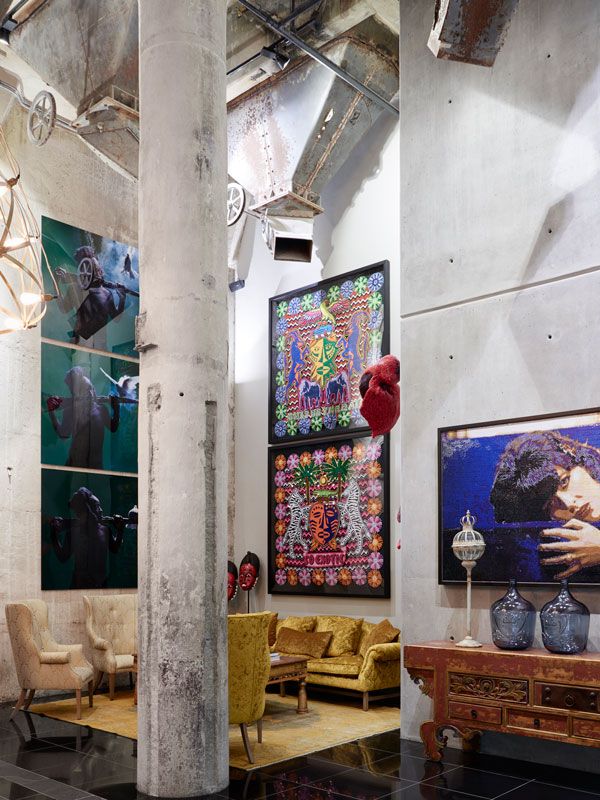
Housed in the same silo building, the opulent Silo Hotel doubles as an exhibition space for contemporary African art collected by the hotel’s owner and designer Liz Biden.

Biden is known for her fondness of bold, colourful works by the likes of South African artist Athi-Patra Ruga, whose fantastical photography work, The Night of The Long Knives 4 (2013), hangs in the lobby. Making the art here more accessible is the hotel’s own art concierge, Michael Jacobs.
“Instead of focusing solely on interpretation, I encourage guests to ask questions and share their perspectives," says Michael, who was a member of the Zeitz MOCAA founding team.
“This interaction often reveals common themes like land, labour and people prevalent in many contemporary African artworks. By fostering a dialogue, I help guests connect with the stories and cultural contexts behind the pieces, deepening their appreciation and understanding."
Vibrant and dynamic food scene
Cape Town’s food scene offers another opportunity to connect with the city’s story. Named among the world’s 30 coolest streets by Time Out in 2024, Bree Street is a popular culinary hub, with eateries lining this city-centre strip serving everything from American-style burgers to Nikkei cuisine, nodding to Cape Town’s rich cultural diversity.
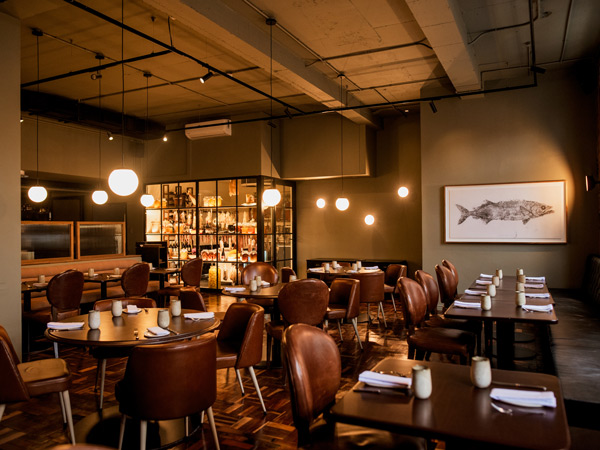
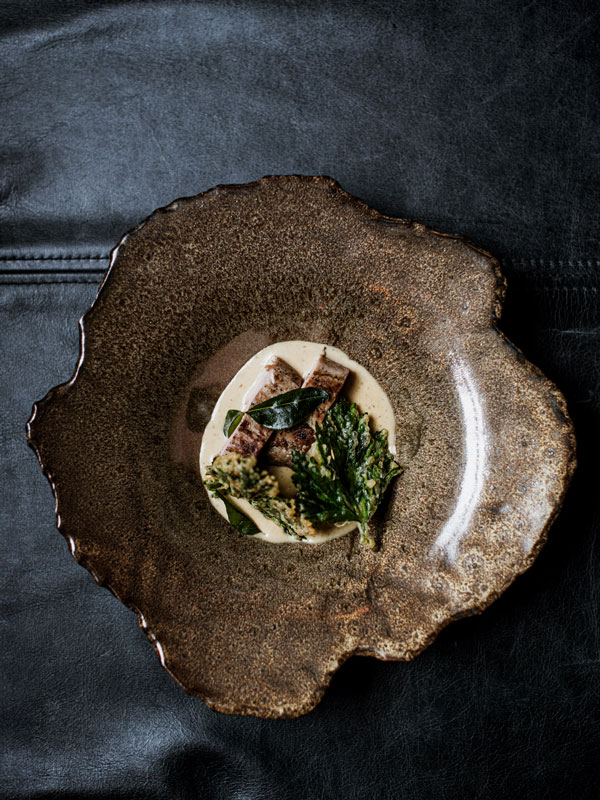
Yet its stand-out restaurants are driven by African flavours. South African street food with a twist (think: boerewors sausage with grilled bacon and banana) and good times are go at desert-inspired Boma, while South African produce is heroed at new nose-to-tail restaurant Merchant Bar & Grill, where the menu shifts with the seasons.
Bree Street is also dotted with hip boutiques including Stiebeuel, known for its dreamy-soft Karoo mohair sweaters. But Jacobs sends guests with a proclivity for cutting-edge pan-African fashion to Merchants on Long, two blocks east. Browsing its racks of original designs in a riot of colours and textures, I wish I’d brought a bigger suitcase.
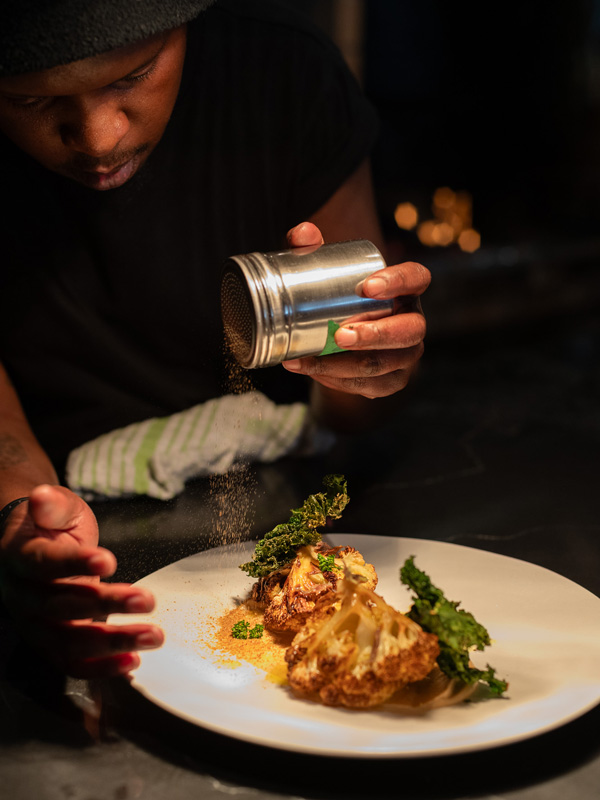
Also at the forefront of African fashion and design is AKJP Studio on Kloof Street, arguably Cape Town’s second-coolest thoroughfare. Like Merchants on Long, it’s a concept store dedicated to nurturing local talent, platforming fashion and lifestyle products from up to 40 South African designers and creatives, as well as its own label centred on chic everyday wear.
Even wine tourism is evolving on the Western Cape. Just a 20-minute drive from the city, the vineyards of Constantia patchwork the foothills of the whale-backed Constantiaberg mountain. Launched in late 2023, the Constantia Wine Walk offers an immersive way to experience South Africa’s oldest wine region that goes beyond the tasting notes.
“The ‘sweet, luscious and agreeable’ dessert wines of Constantia were the toast of palaces and ballrooms across Europe in the 1700s," says Matthew Sterne, the walk’s founder and lead guide, as we begin our walk at the snow-white gates to Groot Constantia, the birthplace of South African wine.
“Along with pineapples, Constantia wine was a symbol of wealth and status – it’s said Queen Victoria drank a glass of it every night," he adds.
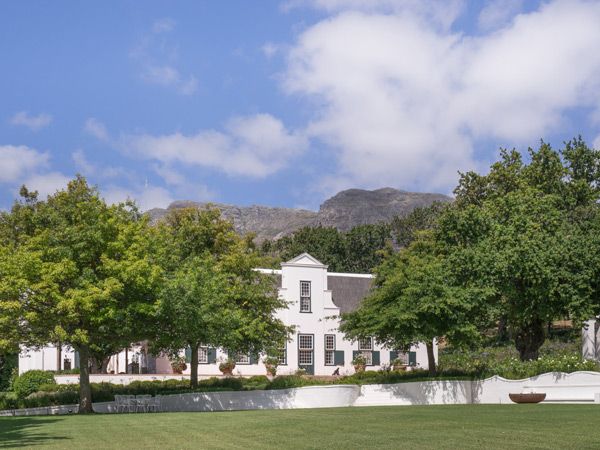
A born storyteller, Matthew expertly taps his deep knowledge of Constantia’s history as we stroll private trails linking a trio of local wineries.
Among its early pioneers, he tells our small group, was Zwarte Maria Evert, who, after being born into slavery in Cape Town not only became one of the colony’s first free Blacks, but also one of its most powerful farmers and landowners.
Her son, Johannes Colijn, put Constantia wine on the map after reaching an agreement to supply the Dutch East India Company annually from 1727, and his descendants continued to produce their sought-after wines on a subdivision of Groot Constantia until the late 1850s.
Yet the family’s significant contribution to the industry went largely unsung until recently, Sterne tells us.
As I sip and swirl from one postcard-perfect winery to the next, it becomes easier to understand why Constantia wines are now making a comeback after the local industry collapsed in the 1860s.
While some excellent dessert wines are still produced here, the sauvignon blancs and Bordeaux-style reds I sample – particularly at Klein Constantia, the historic wine farm formerly owned by Colijn – are sensational.
I reconnect with Sterne at Cape Town’s Signal Hill on a crisp autumnal morning to tackle The Lion Trail, a more adventurous storytelling experience he also founded in 2023.
After kicking off with an intro to the city’s maritime history, we track a fynbos-clad side-route around the base of Lion’s Head, Cape Town’s second most famous mountain, before dropping into a lush valley.

Here, we pause to learn about a program tracking the caracals that roam this urban forest, and while the wild cats elude us, I spot a plump hyrax (like a supersized guinea pig, known locally as a dassie) basking on the rocks at perversely picturesque Camps Bay Beach, where we snack on gourmet samosas popularised by the city’s Cape Malay community.
We zoom back to the heart of the city aboard a fleet of electric scooters. Speeding along the winding Sea Point Promenade as the swell surges against the seawall and the briny aroma of kelp fills the air, I can picture myself living here. Charismatic, complex and constantly evolving, Cape Town is a city I could never tire of.
Weekly travel news, experiences
insider tips, offers, and more.
A traveller’s checklist
Getting there
Qantas and South African Airways fly to Cape Town via Johannesburg from Australian capitals. Uber is among the safest and most affordable local transport options.
Staying there
Soak up the mountain and water views, contemporary design and central location of the Cape Grace hotel or The Silo Hotel.
Drinking there
Learn the stories of Cape Town through the cocktail list at Fable.
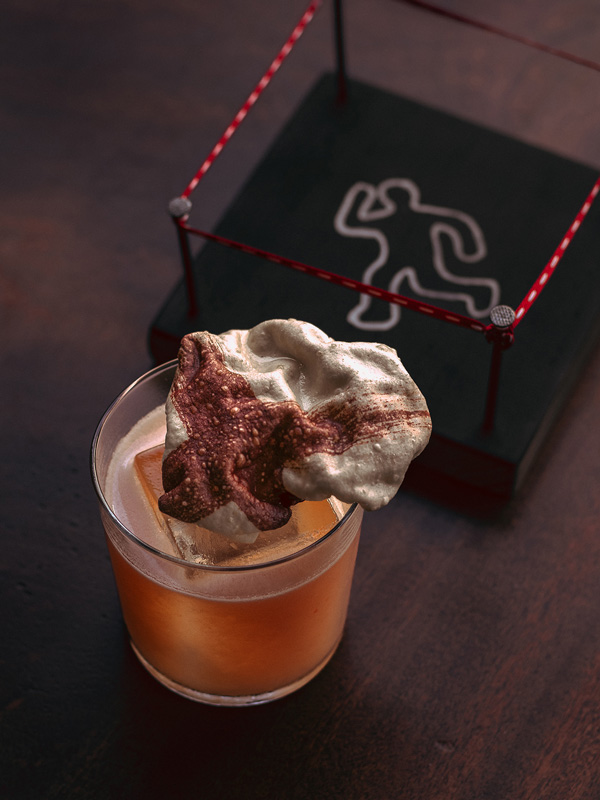
Or cosy up with a whisky at the Cape Grace’s reimagined Bascule Bar.
Want to see more stories from International Traveller in your Google search results?
- Click here to set International Traveller as a preferred source.
- Tick the box next to "International Traveller". That's it.