Africa is full of diverse countries, communities and cultures. Add these experiences to your bucket list for memories that will last a lifetime.
1. Taste the flavours of Mauritius
Travelling with: Elizabeth Whitehead
“Creole food is typically eaten in the home…nobody thought it would interest anyone," says Marie-Christine Forget, owner of Escale Créole, a beloved restaurant in the village of Moka, Mauritius.
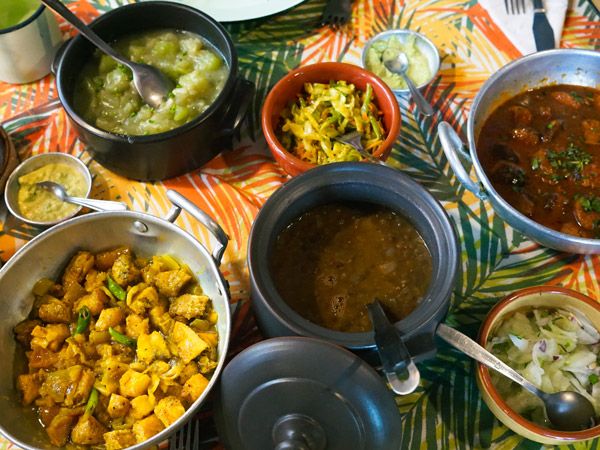
The popularity of her restaurant has firmly disproved that notion. I sample the gamut of curries, octopus vindaloo with papaya; Cured fish vindaye infused with ginger and pickled lemon; Hearty deer salmi in red wine; Creole pork sausage Rougaille simmered in a fragrant red sauce; And chou chou, a light, savoury dish of sauteed choko fruit.
A shot of homemade spiced rum caps off the truly veritable feast. “Even if you stay in beautiful resorts, just once you need to taste what true Mauritian cuisine is all about," says Marie-Christine.
2. Be dazzled by Brazzaville fashion in the Republic of Congo
Travelling with: Catherine Marshall
Marche Poto-Poto – ‘the market of mud’ – conjures visions of drab brown. But this textile hub in the Republic of Congo’s capital city, Brazzaville, is flooded with colour; bolts of psychotropic ankara (African wax fabric) tumble from its shelves. Common across West and East Africa (where it’s called kitenge), the cotton cloth is said to have originated in Indonesia.
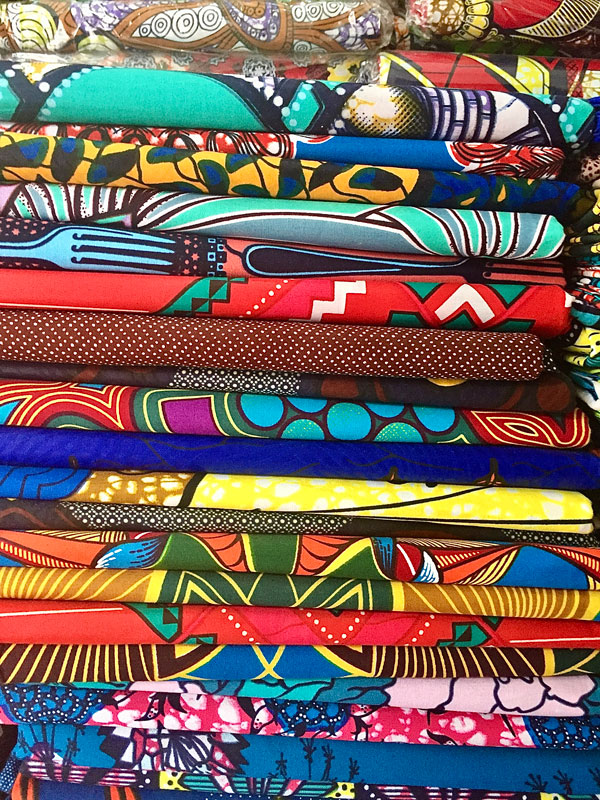
It finds exuberant expression in Brazzaville’s fashion: men wear suits splashed acid yellow and turquoise; women wrap their heads in swirls of flaming scarlet and fluorescent pink. Sapeurs (dandies) are more restrained: they fasten neckties of burnt oranges and greens so lush they recall the rainforests cloaking much of this central-west African country.
3. Board Norwegian Dawn to safari in South Africa
Travelling with: Carla Grossetti
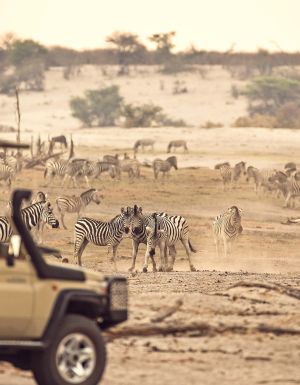
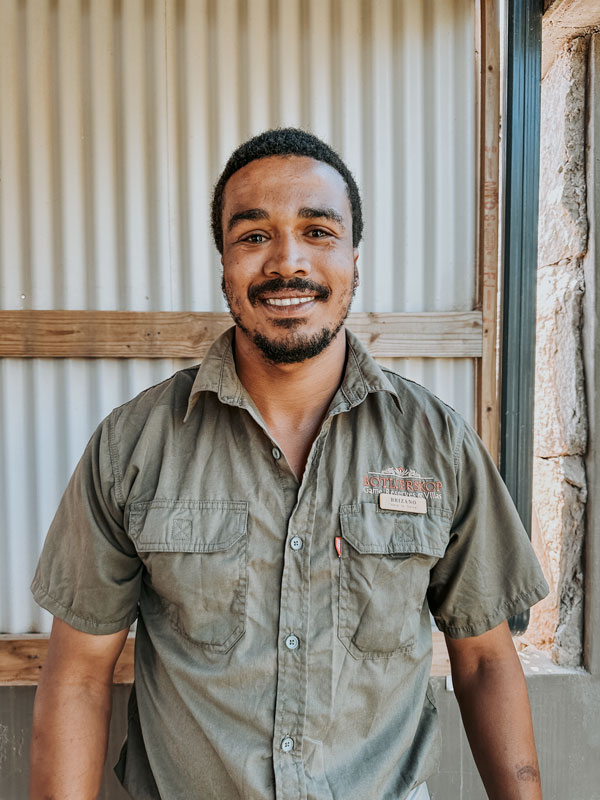
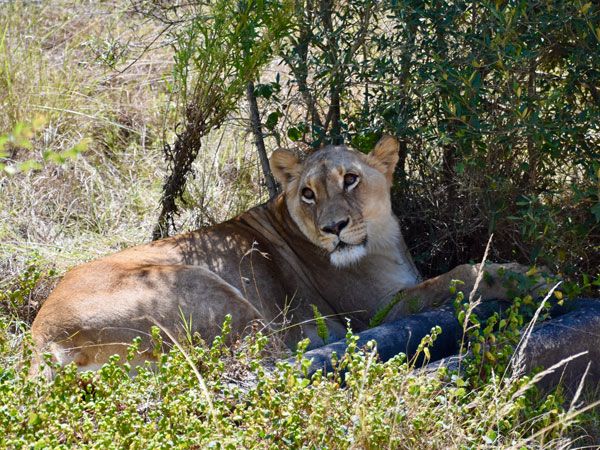
Our guide Brizano Dekock hits the brakes of the safari truck and scans the horizon of Botlierskop Private Game Reserve. Then, he accelerates towards a tangle of trees where a lioness crouches in the shade. She’s been watching us this whole time, camouflaged in the long grass, her fur the colour of straw, dark eyes like full stops.
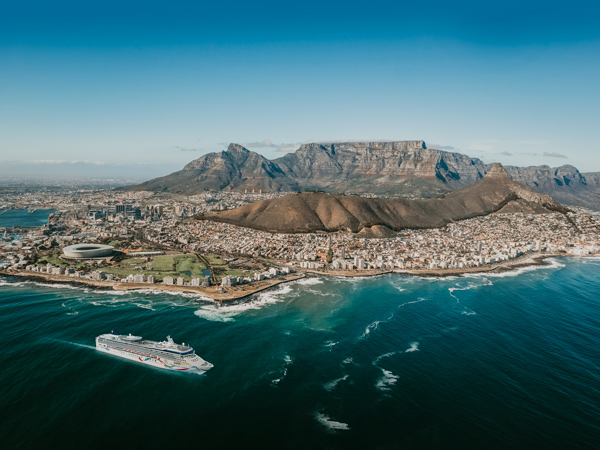
It’s day eight of our 12-night cruise on NCL’s Norwegian Dawn sailing from Port Louis in Mauritius to Cape Town and this shore excursion to the private game reserve in Mossel Bay provides a memory that will last a lifetime.
By the time we get back onboard the ship, the sun is fat and low in the sky, and we’re ready to relive the day’s adventures over cocktails as we sail onward around the coast of South Africa.
4. Toast to freedom at a South African shebeen
Travelling with: Catherine Marshall
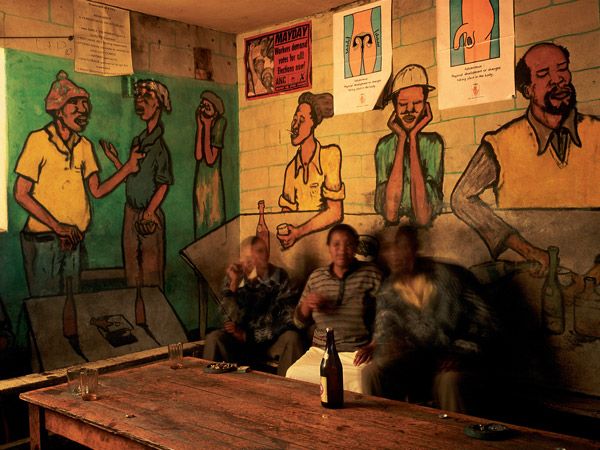
It’s Freedom Day in South Africa – an annual event commemorating the country’s transition to democracy in 1994 – and Mbe’s Place in Soweto is pumping. Pulling up in a tuk-tuk on a township tour, I’m handed a celebratory bottle of Soweto Gold lager. Shebeens such as Mbe’s Place are the embodiment of freedom: these informal bars originated during apartheid when women known as ‘shebeen queens’ would brew umqombothi (maize beer) and bootleg it to thirsty customers. It was a small act of subversion so redolent of the fight for democracy. Raising our bottles, we revellers honour those brave shebeen queens. “Cheers to freedom," we toast.
5. Journey to Gambia’s Kunta Kinteh Island
Travelling with: Catherine Marshall
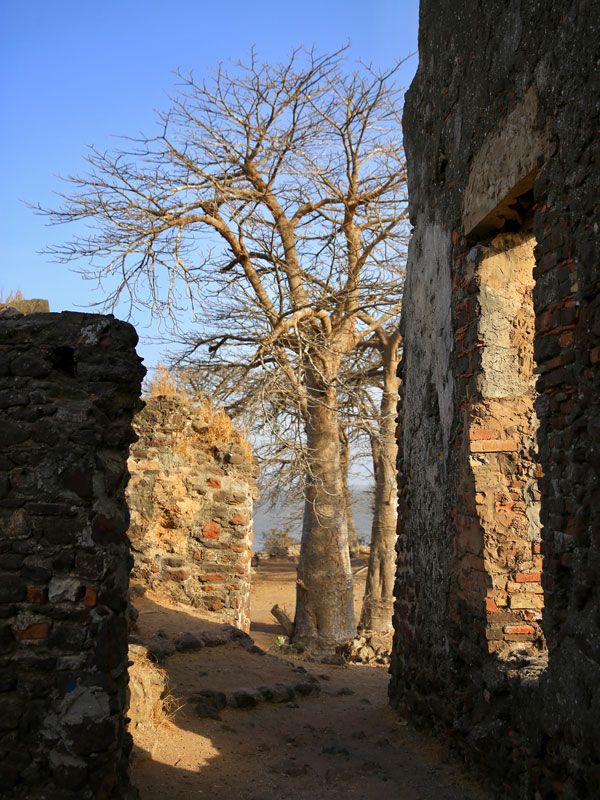
“Each time a ship docked here, around 100 slaves were taken," says guide Lamin Njie as we step ashore on Kunta Kinteh Island during a cruise along the Gambia River. Formerly known as James Island and now incorporated into one of Gambia’s two UNESCO World Heritage sites, the islet was renamed for the Mandinka man captured on the nearby shore, shipped to America and later immortalised in Alex Haley’s book, Roots. The ruins of Fort James encode this wretched history: the landing site where enslaved people were branded; the room where their names were changed (Kinteh became Toby). Only the baobabs standing guard on this fast-eroding islet can bear firsthand witness to slavery’s legacy.
6. See mountain gorillas in their natural habitat in Rwanda
Travelling with: Carla Grossetti
You’re walking through the jungle in Rwanda looking for primate-shaped tunnels in the vegetation when suddenly you hear the disembodied grunts and grumbles of gorillas. Spotting a family of the endangered mountain gorillas playing with their infants in the wild is profound.
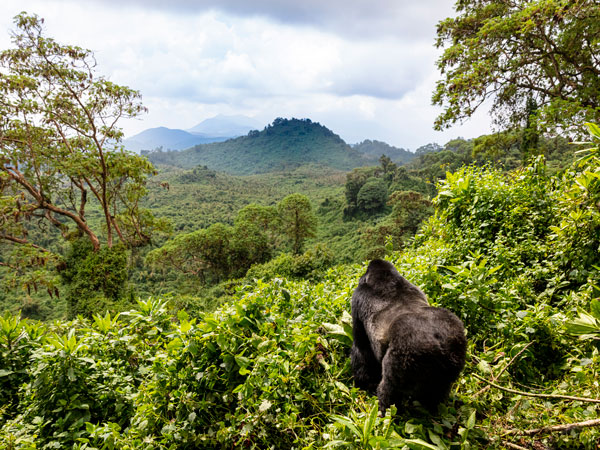
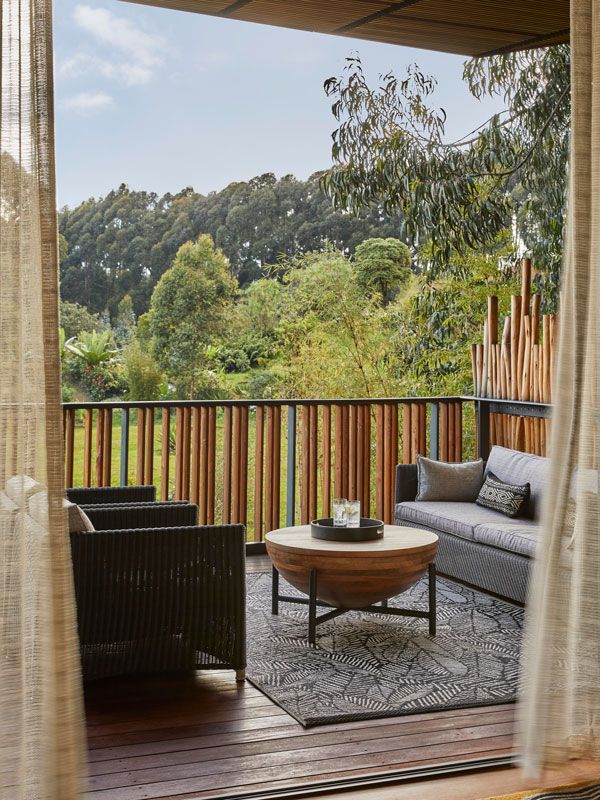
With conservation efforts at their peak, now is the time to visit. Beyond the highlight of trekking in Volcanoes National Park and staying in swish digs like One&Only Gorilla’s Nest. Immerse yourself in the East African country’s culture and history by exploring its capital, Kigali, home to memorials to the nation’s resilience as well as an eclectic art scene. Arrange your custom-made trip with a destination expert such as African Wildlife Safaris or Safari Guru.
7. Be a part of Namibia’s rhino conservation story
Travelling with: Imogen Eveson
The reimagined Wilderness Desert Rhino Camp has opened in Namibia’s starkly beautiful mountainous region of Damaraland, and continues its 20-year commitment to conservation in safeguarding one of the world’s last free-roaming populations of critically endangered black rhinos.
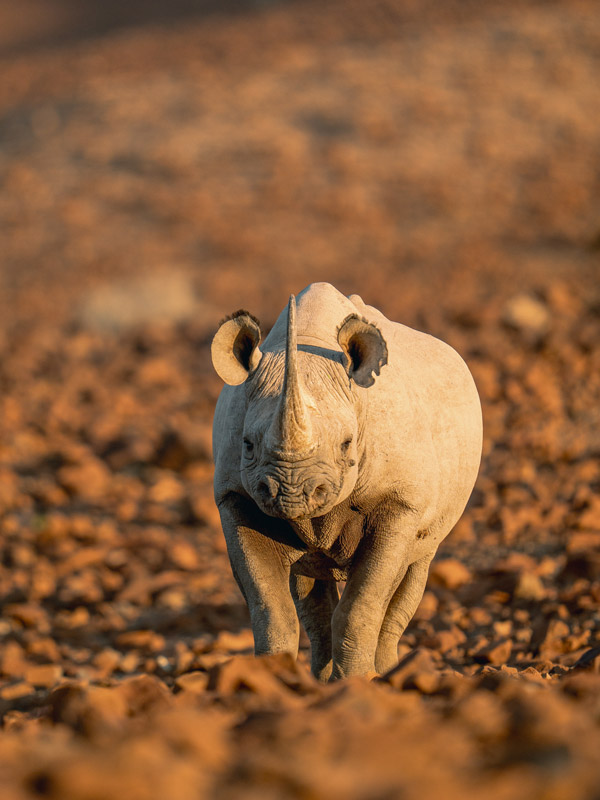
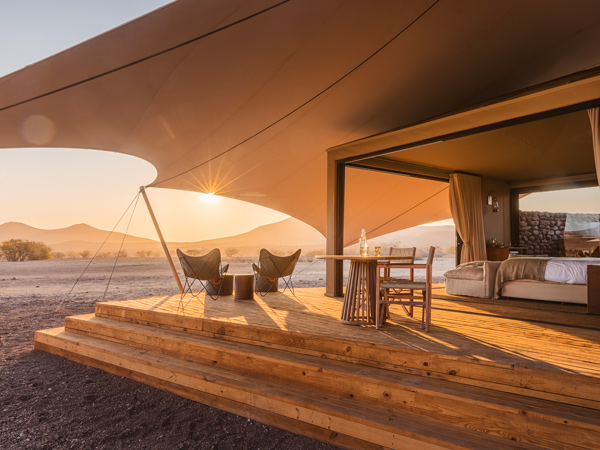
The new desert sanctuary provides guests the opportunity to track rhinos on foot and by vehicle with Rhino Trust Namibia guides and be part of the conservation story. All from a luxe solar-powered camp designed to harmonise with the surrounding terrain using fabric roofs and locally sourced stone in copper-coloured earth and red rock hues. The dining experience similarly reflects the camp’s conservation ethos and draws from Namibia’s diverse gastronomic landscape.
Weekly travel news, experiences
insider tips, offers, and more.
8. Discover the world of the Maasai in Kenya
Travelling with: Imogen Eveson
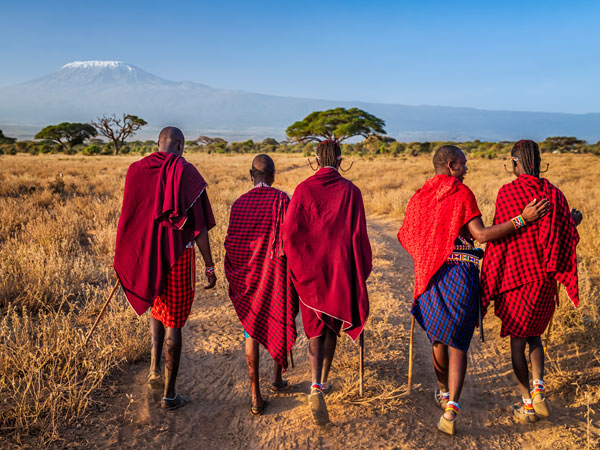
A journey to Kenya’s iconic Maasai Mara National Reserve or up-and-coming Amboseli National Park offers some of the best wildlife experiences in the world. A visit also opens a window into the world of the Maasai people, whose distinctive red robes, or kanga, cut a contrast on the savannah.
On safari with Abercrombie & Kent, our Maasai guide Anthony shares wisdom, culture and anecdotes as we embark on our game drives each morning and afternoon from the riverside retreat of the Mara’s Sanctuary Olonana.
9. Explore the Spice Route history of Stone Town in Zanzibar
Travelling with: Carla Grossetti
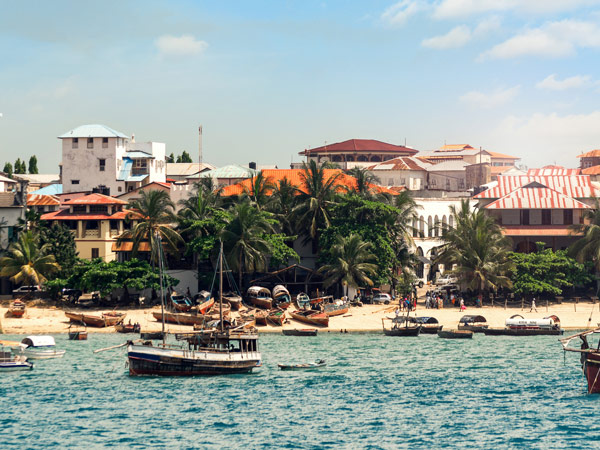
Getting lost in the warren of alleyways around central Stone Town should be compulsory when visiting the historic Old Town on the coast of Zanzibar’s main island, Unguja. The Tanzanian archipelago’s strategic position on the Spice Route has shaped Stone Town over millennia and the scenes playing out in the central market make for an intriguing collage that nods to that rich history. Reminders of the so-called Spice Island’s heritage can be found in the melting pot of cultures hawking everything from trinkets to teapots and turmeric in the local market.
10. Experience Morocco’s Gnaoua & World Music Festival
Travelling with: Emma Ventura
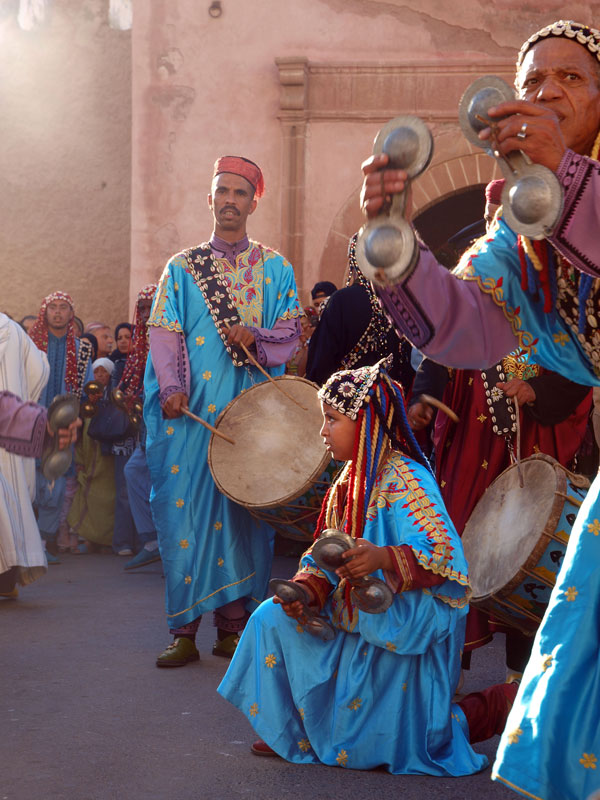
Cat Stevens, Frank Zappa and Jimi Hendrix were all inspired by Essaouira – the breezy Atlantic city with a live-and-let-live attitude that informs everything from religion to the arts. Every June, these two combine in a fusion of modern beats and traditional rhythms at the Gnaoua & World Music Festival, which celebrates the spiritual music sometimes described as North Africa’s answer to gospel. The city is entranced from opening night, when the maâlems (Gnawa masters) parade through the packed medina laneways to the beat of tbals (goatskin-covered drums) to the heights of the festival, when fans of all generations sway to the sounds of jazz, rap and Gnawa iron castanets.
11. Cruise Egypt’s legendary Nile
Travelling with: Carla Grossetti
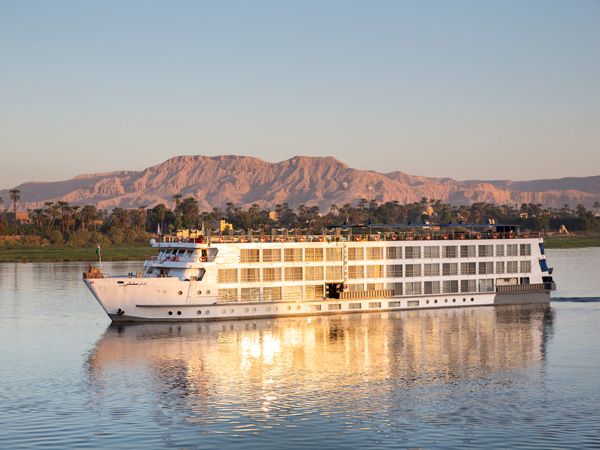
A cruise along the Nile, in Egypt, is always going to lead passengers back to the past and into the very cradle of civilisation. Uniworld Boutique River Cruises follows the course of the river in north-eastern Africa for 12 days on a voyage that starts and ends in Cairo.
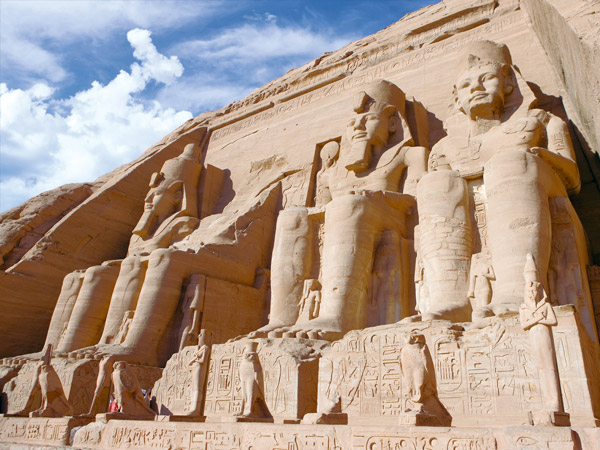
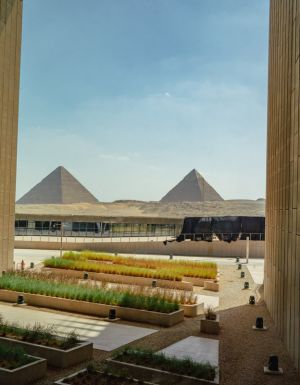
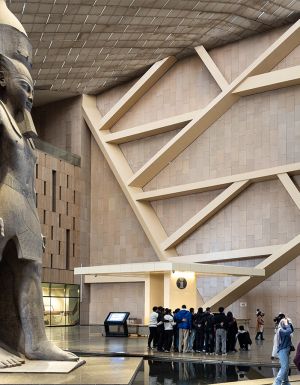
Highlights of the Splendors of Egypt & the Nile cruise along the longest river in the world include a visit to the Egyptian Museum, the Citadel of Salah al-Din and an exclusive tour of the Grand Egyptian Museum on the Giza Plateau before it officially opens to the public. The itinerary also includes excursions to the ancient cities of Luxor and Aswan and past lunar landscapes bathed in a brilliant, honeyed light.
This round-up of cultural experiences is part of our curated list of 100 Cultural Experiences, explore the full list here.
Want to see more stories from International Traveller in your Google search results?
- Click here to set International Traveller as a preferred source.
- Tick the box next to "International Traveller". That's it.