hero media

Why I changed my mind about joining group tours when I travel

In my early 20s, group tours was a dirty phrase. Now, I know how wrong I was.

When I first started spending all my money on travelling the world in my early 20s, I had a somewhat snobbish attitude towards how travel ‘should’ be done. To be an authentic traveller, you had to traverse the world solo, making friends along the way. You could only stay in hostels; the larger the dorm room, the better (no matter how smelly). And group tours were an absolute boycott. They were obviously for tourists who were too scared to see the ‘real’ side of the country they were visiting.

In my defence, as a uni student, these ideas were also fuelled by my minimum wage jobs and unpaid internships. But now – with the wisdom of 15 years and an actual savings account – I have long since realised how dead wrong I was.

The case for group tours is strong (when you take the time to choose a good one), especially with the rise of small group tours being offered around the world. Here’s why.

Being respectful
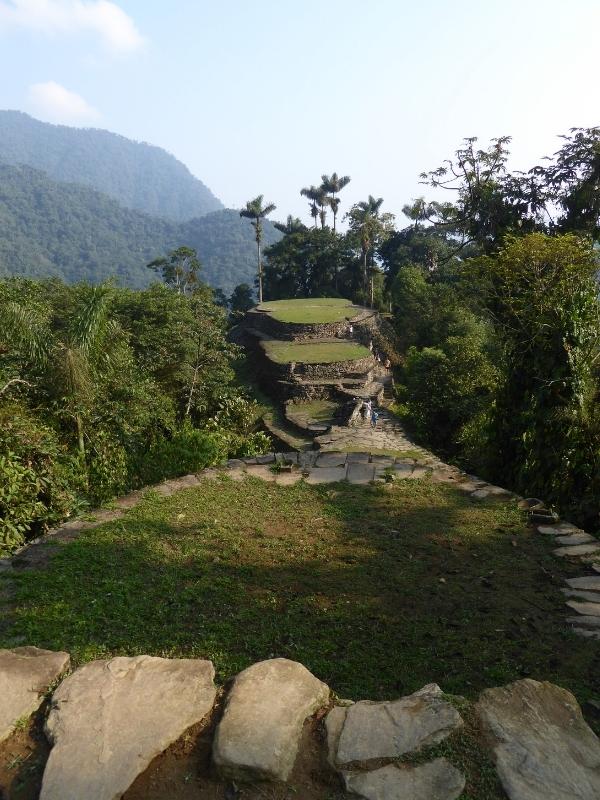
Ciudad Perdida in colombia
Hiking to Ciudad Perdida was transformed with a lcoal guide. (Image: Kassia Byrnes)

The necessity for joining a group tour really hit me when I travelled to Colombia. Excited to take a four-night hike into the Sierra Nevada mountains to see the ancient remains of Ciudad Perdida (The Lost City), I realised that with a sense of direction like mine, going it alone would be a terrible idea. Not to mention, I didn’t have a tent.

Upon further research, it became clear that hikers weren’t actually allowed to hike it without a tour group. Upon even more research, there was only one company that employed people from the local Indigenous groups we’d pass through to lead the tours and transport the food to feed us each night. This alone was enough to make me choose it over the others, but upon actually entering Ciudad Perdida, another became abundantly clear.

As a sign of respect (and a guarantee of safe passage), Indigenous groups of the area perform a short ceremony to the ancestors before entering the ruins. All while every other hiking group on the trail bustled past us. I hadn’t seen this even mentioned anywhere else, not even on the website description of this particular tour. Not only do I strongly believe in following local customs as a sign of respect, but it’s also something I never would have known about if not for joining a tour with the locals.

Another example came when, through work, I joined a sunrise hike to the top of a volcano in Bali. This hike was incredibly popular; the unbroken line of lights held by other hikers heading up the top for sunrise made that abundantly clear. Going it alone would have been very easy. The thing is, my guide was again from the local area, and more than once, he stopped at specific points along the trail where it was expected that locals would give thanks.

Yet another example was on a tour through Arnhem Land in the Northern Territory. Not only is it a remote destination that is harder to get to on your own, but the company I travelled with worked with local Indigenous communities to obtain permissions for everything we did, and stayed out of any areas where we weren’t welcome. So all I had to do was enjoy the trip, sound in the knowledge I wasn’t causing any harm.

The bottom line is, many mountains, volcanoes and other landscapes are sacred to the locals. We know how to treat a church, but it’s impossible to know exactly where to show that respect all around the world. So let the locals guide you.

Giving back to the community
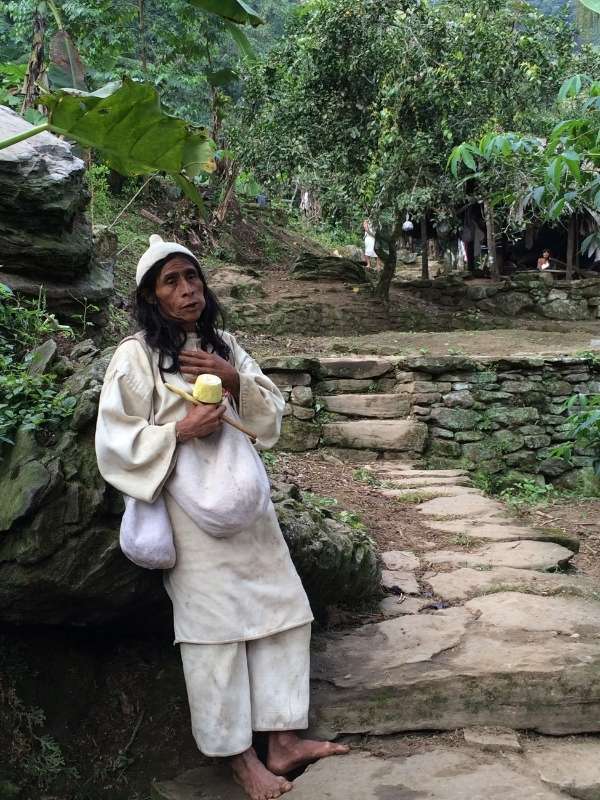
a local Shaman in Ciudad Perdida colombia
Meet the locals, and give back. (Image: Kassia Byrnes)

We’ve already touched on this one, but it’s a goody, so I’m going to expand. There are many ways to ensure you’re giving back to the place you’re travelling in, like buying from local food vendors and artisans and staying in locally-owned accommodations. But one of the best ways is to ensure that you pump a little of that sweet, sweet tourism dollar back into the community by joining local-owned tours.

Why does it matter? By engaging in meaningful tourism activities, the presence of travellers supports broader infrastructure and service development. With increased demand often comes increased investment in tourism infrastructure, transportation networks and public services – all of which benefit residents as well.

It also creates opportunities for local entrepreneurs – from the aforementioned food and arts vendors, to experience providers and guides.

Anyone lucky enough to travel the world has a fair amount of privilege (even if they’re 20 and only earning minimum wage), so pass it on.

Gaining context and knowledge
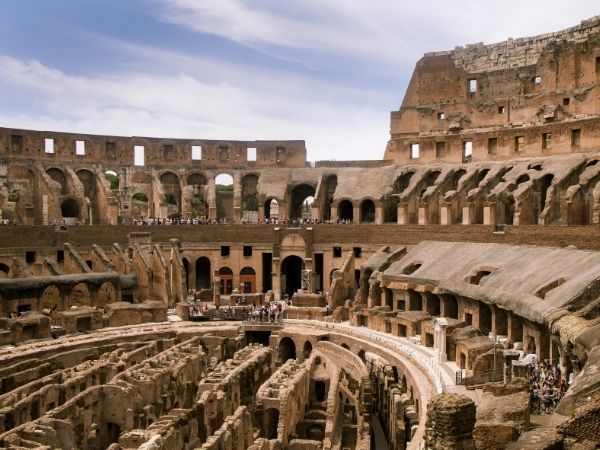
interior shot of the Colloseum, rome
Seeing and discovering are two different things. (Image: Korng Sok)

On my very first overseas trip (and my first classic uni student Euro trip), I found myself with hundreds of other tourists, in line for Rome’s Colosseum. The line was estimated to take another two hours to reach the front. The sun was relentless, the shade was nonexistent – and pretty soon, so was my patience. It was pure desperation that made me accept when a random man claiming to be a tour guide promised to take anyone who paid him €50 right to the front of the line, but it turns out it was the best thing I could have done.

Modern history had been more my jam in high school, and while I had a passing interest in Ancient Rome, at the time of this trip, I could only really tell you a baseline of what it was all about. This tour guide gave context and shared knowledge I was completely ignorant of. Then, the most surreal moment for me and what I still remember as one of my favourite moments in travel ever – he pointed out lightly faded graffiti that had been left in a cell by one of the unfortunate gladiators, most likely about to head to his doom.

The way this moment centred ancient history as something real and human. I started looking at everything in a completely different light. It was honestly an incredible moment that I guarantee I would have missed had I waited out those extra two hours and saved that €50 to wander around the Colosseum on my own.

Weekly travel news, experiences
insider tips, offers,
and more.

Not carrying your own bags
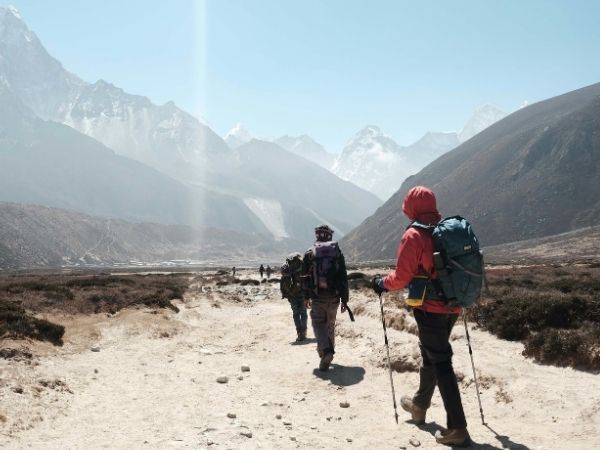
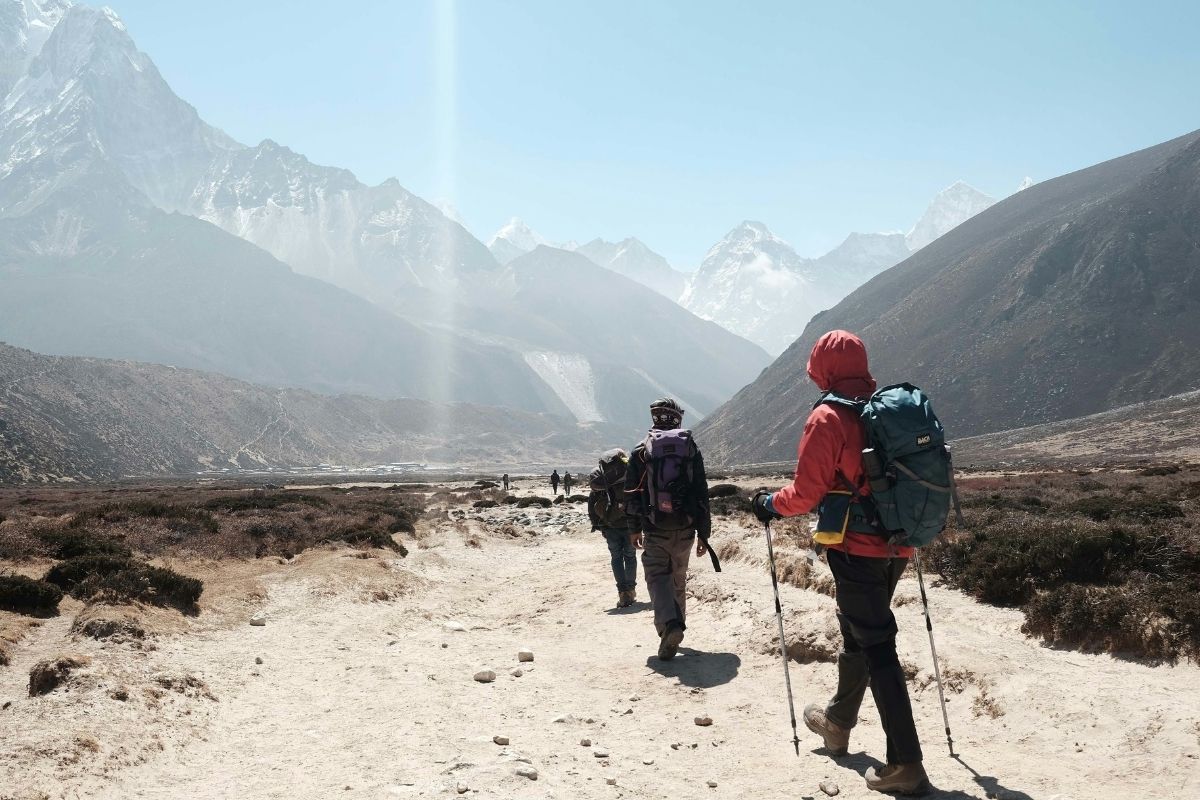
group tour hiking towards himalayan mountain ranges
Only needing your day pack on a hike is absolute heaven. (Image: Ted Bryan)

Ok, I admit it. I also really love not lugging my giant backpack around with me, letting group leaders take care of it instead. So sue me.

Want to see more stories from International Traveller in your Google search results?

  1. Click here to set International Traveller as a preferred source.
  2. Tick the box next to "International Traveller". That's it.
Kassia Byrnes
Kassia Byrnes is the Native Content Editor for International Traveller. She's come a long way since writing in her diary about family trips to Grandma's. After graduating a BA of Communication from University of Technology Sydney, she has been writing about her travels (and more) professionally for over 10 years for titles like AWOL, News.com.au, Pedestrian.TV, Body + Soul and Punkee. She's addicted to travel but has a terrible sense of direction, so you can usually find her getting lost somewhere new around the world. Luckily, she loves to explore and have new adventures – whether that’s exploring the backstreets, bungee jumping off a bridge or hiking for days.
View profile and articles
hero media

5 things every hotel needs for a more restorative stay

    Kate Bettes Kate Bettes
    Wellbeing means different things to different travellers. Here’s how to pick a hotel that gets it right for you.

    The best wellness holidays aren’t necessarily spent wrapped in a spa robe. Sometimes they’re found around a dinner table in Cambodia, on a hiking trail in New Zealand or after finally beating jet lag on the other side of the world. The hotel you choose is what makes them happen.

    1. Easy access to good food

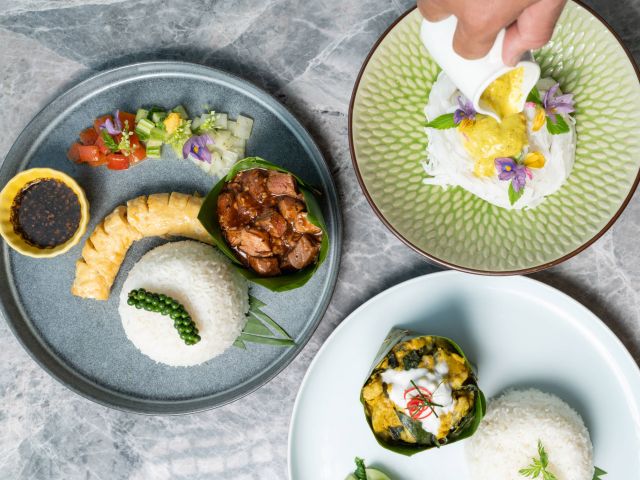
    meals from Novotel Bangkok Sukhumvit 20
    Taste delicious meals at Novotel Bangkok Sukhumvit 20.

    One of the quickest ways to derail healthy habits on holiday is to spend half of it working out where to eat instead of digging into the culture around you. Thankfully, Novotel has done much of the hard work already, with chefs building menus that lean into the flavours, ingredients and traditions of each destination.

    In Sihanoukville, Cambodia, Korkor soup – often dubbed ‘Cambodian ratatouille’ – sits alongside raw blue crab dressed with lime and chilli, best enjoyed with views across the Gulf of Thailand.

    In the lovingly chaotic city of Bangkok, the presence of food cranks up the sociability. At Novotel Bangkok Sukhumvit 20, you can settle in with mango sticky rice and stranger-turned-friends beside the pool at Sky on 20 rooftop bar, or bring them along to tackle river prawns and stir-fried crab with holy basil at the buzzing Crab Paradise Dinner Buffet.

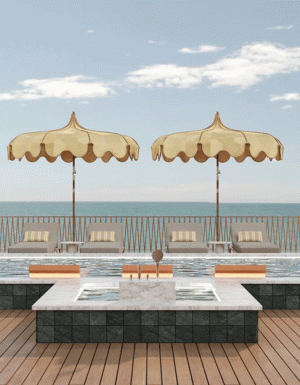
    Then Novotel Dubai Al Barsha welcomes you with a laidback twist on the level of indulgence the Middle Eastern city is best known for up on Deck Se7en. Looking towards Burj Al Arab, the rooftop lounge has everything from Mediterranean-style dishes like seabass ceviche to Italian prosecco sundowners.

    At the other end of the scale, in the hills that surround the Novotel Bali Ubud Resort, calm comes from nature. At Siralada restaurant, Balinese traditions shape the menu while thunder rumbles over the surrounding jungle – proving the setting is as nourishing as the food itself.

    While at Novotel Nha Trang, chef Kieu Thi My Hanh and her team showcase Vietnam’s knack for balancing freshness, texture and fragrant herbs. Pho remains a favourite, while seafood salad with pomelo and mango brings those flavours together in one bright dish.

    It’s all an approach backed by partnerships with expert food creators such as Alfie Steiner, whose plant-forward recipes prove healthy food should never taste plain.

    2. Better sleep options

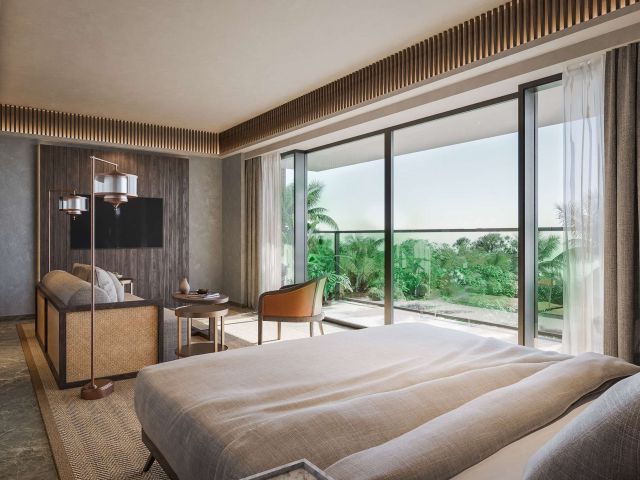
    Novotel Bali Ubud Resort room
    Sleep deeply with Novotel.

    There are few travel experiences more disappointing than arriving in a new country, determined to seize the day, only to fall asleep fully clothed by 3pm.

    For Australian travellers, jet lag is often an unavoidable part of the journey. That’s one reason Novotel runs sleep-focused initiatives that help guests adjust quickly without compromising on health. We’re talking partnerships with Sydney-based sleep specialist Olivia Arezzolo, known for her advice on everything from better sleep habits to beating jet lag, alongside features like pillow menus, in-room yoga content and tailored sleep guidance.

    The sooner you’re operating on local time, the sooner you can get back to more pressing matters – like deciding which spa treatment to book.

    3. More ways to move

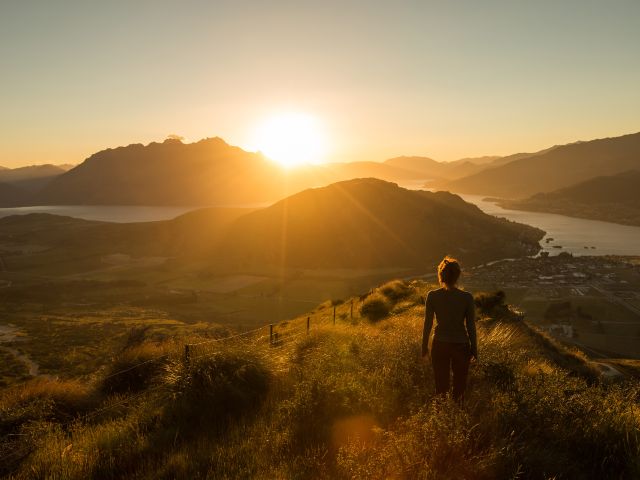
    woman hiking around queenstown new zealand
    Stay at Novotel Queenstown Lakeside and explore local hiking trails. (Credit: GettyI mages/ naruedom)

    Every place in the world has its own way of getting you moving: whether that’s hiking up ice-bitten mountains before a sauna or gentle stretching by the pool before a facial. From fitness centres to spas, Novotel recognises that wellbeing rarely looks the same.

    At Novotel Queenstown Lakeside, activity is inescapable. Here, hiking trails, ski fields, bungee jumps, and white-water rafting have made the region famous. The hotel’s location on the shores of Lake Wakatipu means less time spent organising yourself and more time out there experiencing them. To top it all off, you can book a private hot tub for the evening before heading back into the wilderness tomorrow.

    Bali, of course, takes a softer approach. At Novotel Bali Ubud Resort or Novotel Bali Nusa Dua, movement is less about conquering a mountain and more about a dance class between the tropical gardens and lagoon pools. Afterwards, the spa takes over, with traditional treatments like a Lulur body scrub: a combination of rice, turmeric, sandalwood, ginger and jasmine that’ll soothe muscles already relaxed by the Balinese heat.

    4. Better connections

    Novotel Sharm El Sheikh
    Kids will love a stay at Novotel Sharm El Sheikh.

    One of the best things about travel is that it gives your family stories you’ll be telling for years. Novotel helps create them with activities that bring everyone together, whether that’s trying something new, learning a local skill, or simply spending more time together.

    Go for a distinctly Thai twist at Novotel Phuket Vintage Park, where many of the family activities draw on local culture. Kids can try everything from beginner Thai boxing and language lessons to umbrella painting and – a pastime beloved by children the world over – pool foam parties. Everyone is welcome to join in, whether that’s getting splashed, covered in paint, or simply watching their children discover a new side of Thailand during the dedicated Family & Kids Day.

    A different adventure awaits at Novotel Sharm El Sheikh. Kids could be perfectly content with discos, drawing classes and new holiday friends, but the Red Sea has other ideas. Sitting on the edge of Naama Bay, days here might involve snorkelling colourful reefs, taking a boat trip to Ras Mohammed National Park or heading into the desert by quad bike or camel for a Bedouin-style dinner beneath the stars.

    5. Location is everything

    Surin Beach, Choeng Thale, Thalang District, Phuket, Thaiföld
    Explore Phuket’s gorgeous beaches. (Credit: Bence Biczo)

    Everyone’s idea of wellness looks a little different. With more than 600 hotels across 65 countries, Novotel gives guests the freedom to choose the destination that suits them best. Whether that’s a beachside escape in Phuket, an alpine expedition in Queenstown or a city break in Bangkok, there’s a good chance a Novotel isn’t far away.

    All that’s left? Choosing your version of wellbeing.

    Discover stays to inspire your everyday at novotel.accor.com.