
With a collective thirst for global discovery, Australia is home to some of the tourism industry’s biggest players whose founders have blazed a path for travellers worldwide.
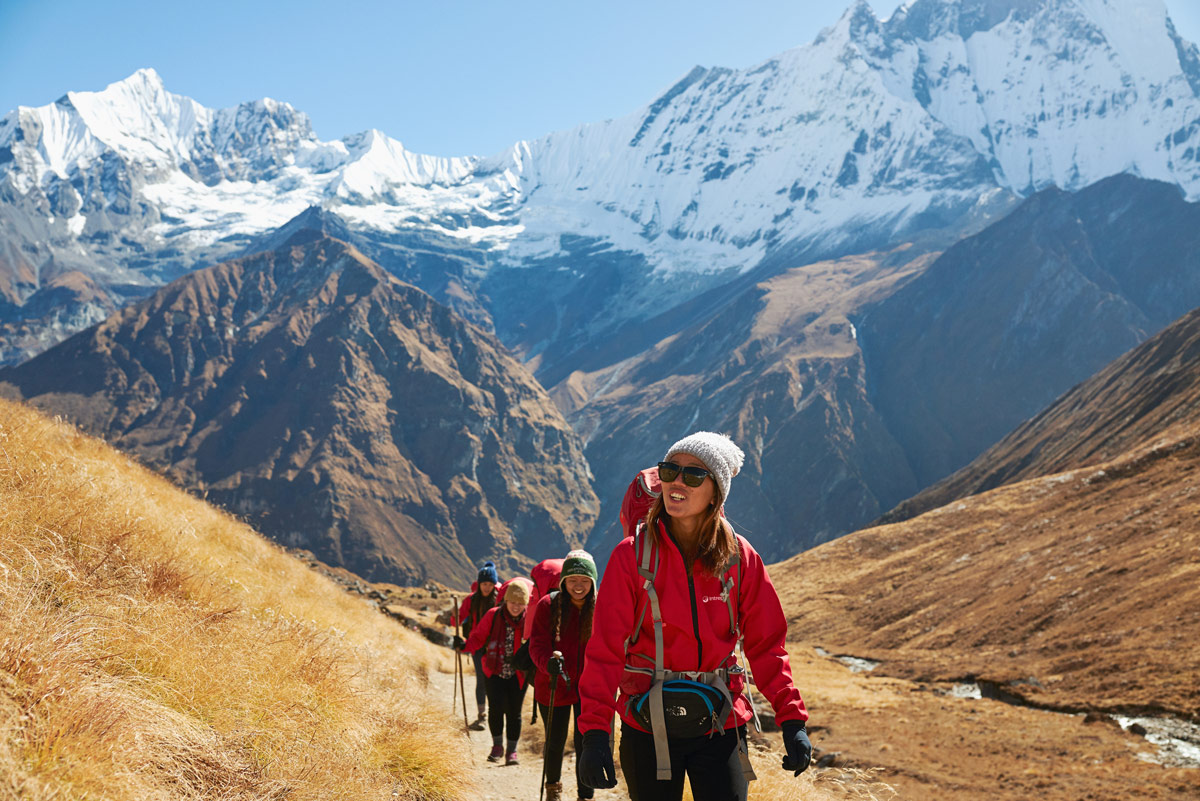
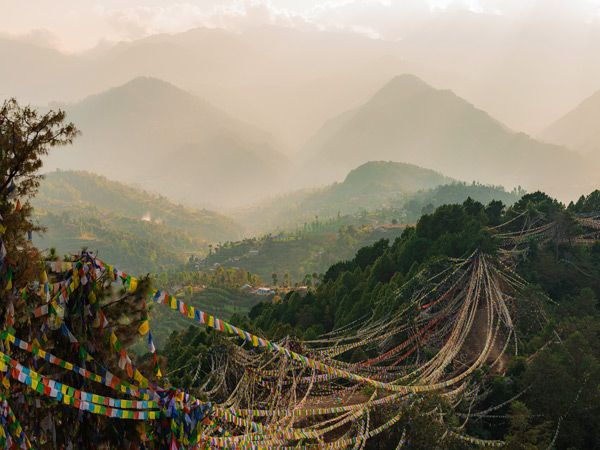
Australians love to travel. You’ll find us surfing waves in Indonesia. And sipping espressos in Rome. You’ll find us in the world’s most remote pockets, trekking to cliff-clinging monasteries in the Himalayas and kayaking amid ice-blue glaciers in Patagonia.
Unfazed by our geographical isolation, we are some of the most avid travellers around the globe. Some three or four decades ago, when airfares were expensive, travel times were lengthy and there was uncertainty and lack of information about these far-flung places, plucky Australians still packed their bags and made pilgrimages across the world. Last year alone – despite rising interest rates and the cost-of-living crisis – there were 9.7 million outbound passengers, according to the Australian Travel Industry Association.
Tony Wheeler, Lonely Planet – guides to inspire exploration
In an interview with Tony Wheeler, co-founder of travel publishing giant Lonely Planet, he credits our distance as the catalyst for our adventurous ways. “Australians are great travellers – enthusiastic, enterprising, ready to head out anywhere. Perhaps our location has simply ensured this instinct to explore," he suggests.
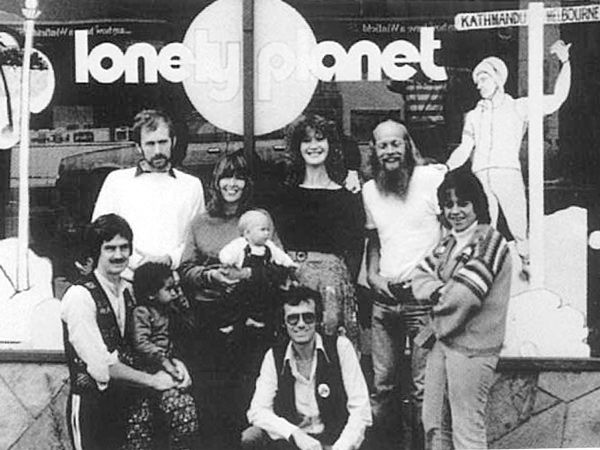
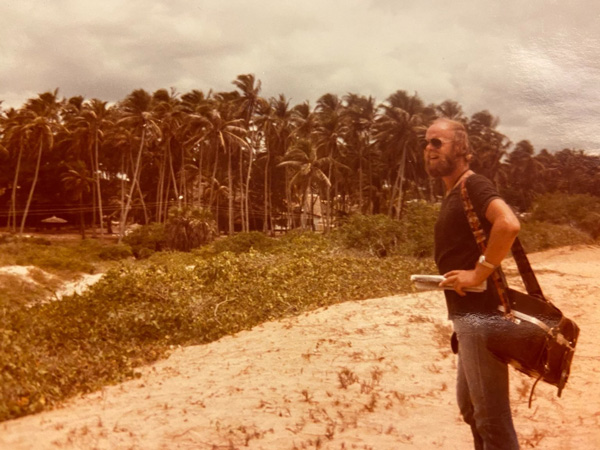
Tony’s very own inclination to explore has inspired countless others across the world to do the same. A 1972 trip with his wife, Maureen – driving from London to Afghanistan, then hitchhiking through Asia along the renowned Hippie Trail – inspired them to write a guidebook about how to do Asia on the cheap – and eventually go on to launch Lonely Planet together.
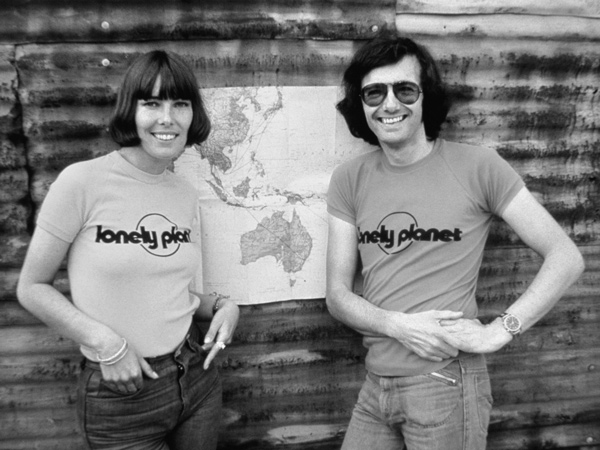
The 94-page, self-published booklet was stapled together in their Sydney/Warrane home and was so popular it was reprinted twice (the company has sold more than 150 million guidebooks since). What they did differently at the time was appeal to budget-conscious travellers, eschewing big-name hotels and well-trodden tourist trails. The practical guides were filled with detailed hyperlocal and no-nonsense advice, and opened the world to a new wave of travellers.
Graham ‘Skroo’ Turner, Flight Centre – the age of global connection
From the 1980s, the growth in international tourism was rapid, thanks to the deregulation of airlines and introduction of low-cost airfares, faster connectivity and booking tools for travel agents – this was also the decade Australian Graham ‘Skroo’ Turner started his now-global agency Flight Centre. By the 2000s, the internet had dramatically changed the landscape.
Darrell Wade and Geoff (Manch) Manchester, Intrepid – travel done differently
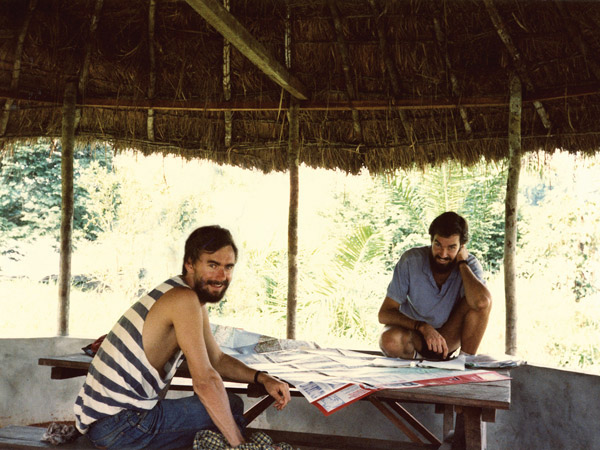
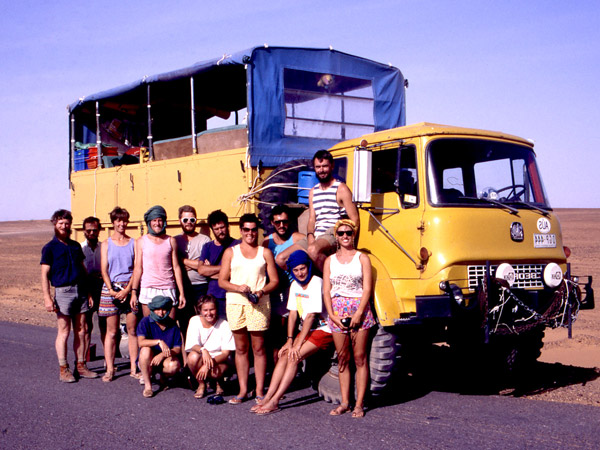
Avoiding the mainstream, however, Melbourne/Naarm-based friends Darrell Wade and Geoff (Manch) Manchester wanted to do things differently on an overland journey from London to Nairobi in 1988. “We wanted to go deep into the local culture, travel quite flexibly, avoid big tourist groups and over-touristed places. And try to respect the host communities through which we were travelling," Wade says.
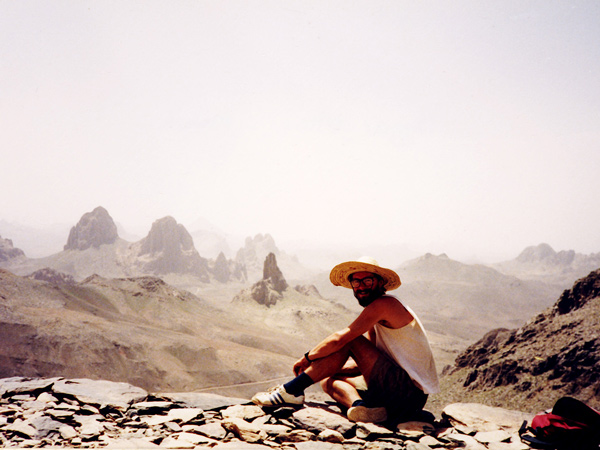
They travelled across Africa in a second-hand truck with 12 of their mates, spending nine months on the road. During this trip, the lifelong friends considered whether other travellers were also seeking immersive, unforgettable and affordable travel that you can’t get from a traditional tour, without the inconvenience of doing it on your own.
The following year, Intrepid Travel ran its first tours to Southeast Asia with 47 travellers. Today, it has become the world’s largest adventure travel company, leading some 400,000 travellers in 2024 across 1000 different itineraries and seven continents.
True pioneers of sustainable travel, the company has been carbon-neutral for 15 years and was the first global tour operator to end elephant riding and visits to orphanages. It actively works closely with local leaders and communities, including impactful experiences in its itineraries that, for example, help to preserve Indigenous traditions and generate employment for women. In 2018, Intrepid Travel was certified as a B Corp, recognised for creating positive change and benefitting both people and the planet.
“In many ways, Intrepid was set up to see the world in a very different way to traditional tourism," Wade says. “It’s fair to say that some of the places we pioneered 30 or so years ago are very different now to what they used to be. Not necessarily worse, just different and more mainstream. Some of us might find new destinations that are fresh and wonderful and, in doing so, spread the load and benefits of tourism in a more beneficial, equitable manner. But it’s not as simple as that either."
Lisa Pagotto, Crooked Compass – travelling responsibly off the beaten track
This complex issue is at the forefront of Lisa Pagotto’s mind, too. What began as a blog about her own travel experiences turned into Crooked Compass, a handcrafted tour operator specialising in meaningful and responsible travel to lesser-explored regions.
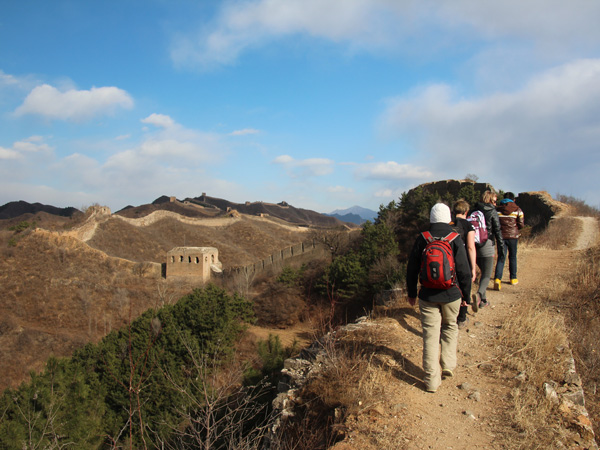
“Globally, we have introduced our travellers to frontier and post-crisis regions – places such as Papua New Guinea, the Balkans and the Middle East – where tourism can have a transformative effect.

In doing so, we’ve been able to provide economic support to local communities that often don’t benefit from conventional tourism," Pagotto says.
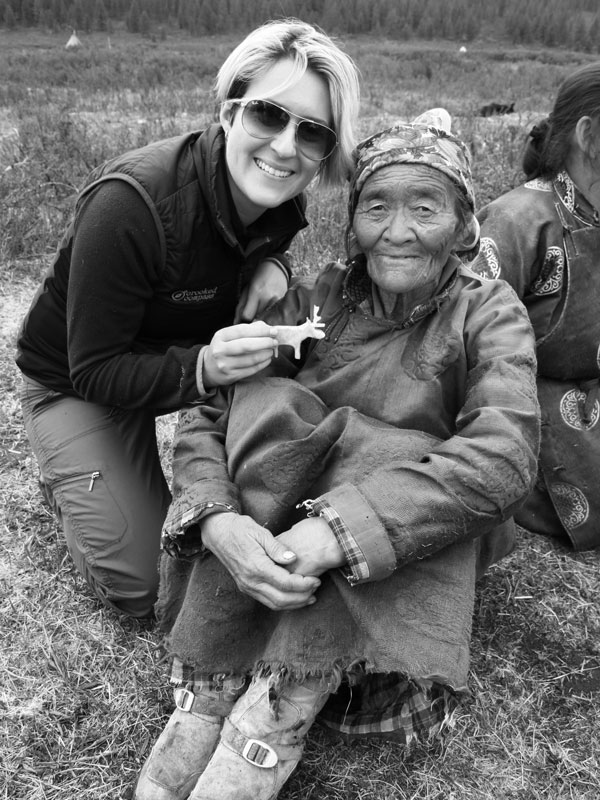
From a young age, Sydney-based Pagotto was inspired by her well-travelled ‘Nana’ and parents, as well as their mementos of foreign places such as coins from Syria and papyrus prints from Egypt.
Her first overseas trips as a young woman were to Tunisia, India and Morocco – “I realised early on that following the well-trodden path wasn’t for me," she says.
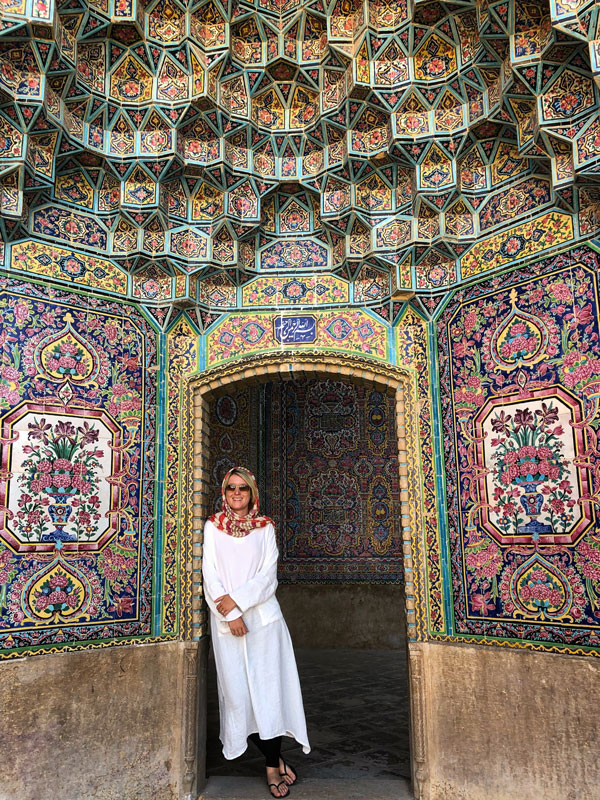
Trailblazing travel can be a force for good
And while we romanticise faraway places, there are many closer destinations Australians love, such as New Zealand, Fiji and Bali. According to the Australian Bureau of Statistics, Indonesia was our most popular destination in 2023, with about 1.37 million Australians travelling there.
“Bali is a place [Lonely Planet is] often accused of ruining," says Tony Wheeler. “People say it was quiet and peaceful. There were no paved roads in Kuta Beach, there were just sandy tracks, and then Lonely Planet came along and it all went downhill."
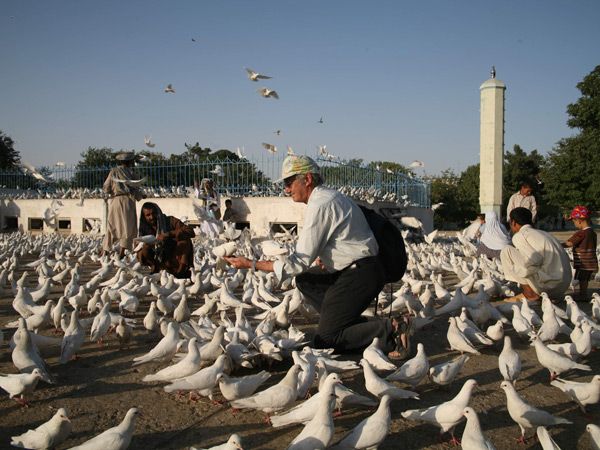
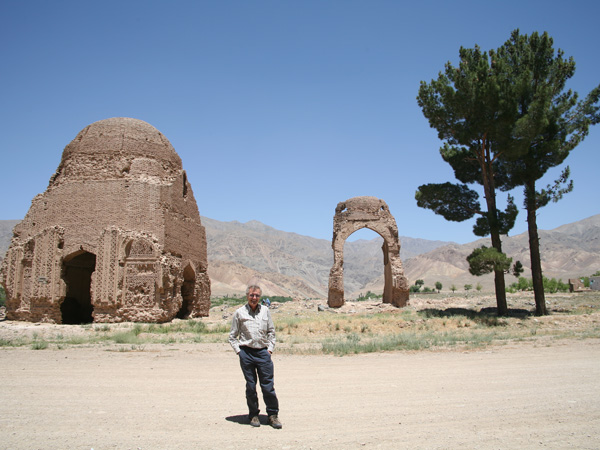
There’s a country, however, he wishes Lonely Planet ‘ruined’. “We did a one-off guide to Afghanistan, and nobody has ever accused us of ruining Afghanistan. I would be very happy if I could make that claim." When Tony and Maureen travelled the Hippie Trail in the 1970s, Afghanistan was at peace, still poor and underdeveloped, but it was changing at a rapid pace. “Afghanistan has everything: history, amazing cities, wonderful wilderness and hiking opportunities," reflects Wheeler. Perhaps if tourism took off in the country, things may look very different today.
Darrell Wade agrees that “as an industry, we have helped to lift tens of millions of people out of poverty through the money we spend and jobs we create. We also contribute enormously to global cultural understanding and peace," he says. “It’s said that you never go to war with friends, and tourism promotes more cross-cultural friendships and understanding than any other industry I can think of."
Euan Landsborough, Albatross Tours – the need for slower-paced travel
Done in the right way, our most popular destinations can still be magical, too, and we can still make a positive impact on locals and the environment without compromising its authenticity. Albatross Tours is an Australian operator doing just this. Its founder Euan Landsborough was leading a tour through Europe in the ’90s, driving over a spectacularly scenic mountain pass from Germany into Austria, when he noticed all the passengers on the bus were asleep.
“These tours were designed for Americans who have just two weeks of holiday a year. They’re designed at a speedy pace, with one or two nights in each place," Landsborough says. Seeing how exhausted these travellers were and how much they were missing, he vowed to design tours specifically for the needs of Australian and New Zealander travellers – slower-paced travel that goes beneath the tourist veneer.
Founded in 1995, Albatross Tours’ itineraries go against the grain of classic group tours of Europe, instead staying three or four nights in each town, likely in family-run accommodation with floors that creak and old wooden beams on the ceiling. “It’s not a corporate hotel with 500 rooms, which all look the same no matter which country you’re in," he says. Instead, it has character and a true sense of place, with the community receiving the full benefit of the visit.
All the must-do excursions are built into the cost of the tour, but Euan says the guaranteed ‘My Time’ (free time) is the most essential part. “You will have the time to enjoy a long, languid, liquid lunch in a village where you’re not paying attention to your watch. It’s the kind of dreamy stuff you see in the films, like Under the Tuscan Sun," he says.
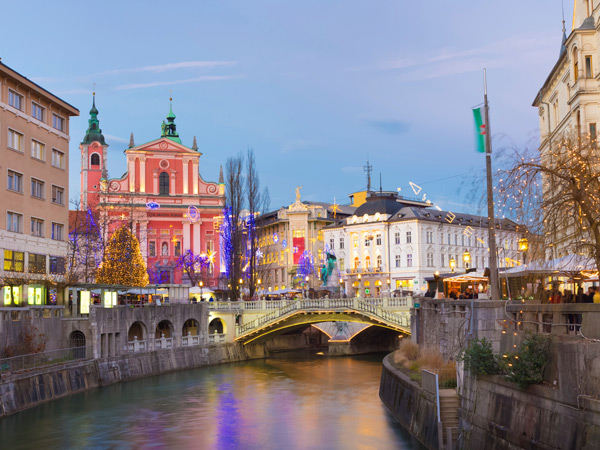
Albatross Tours was also the first Australian tour operator to design a dedicated Christmas itinerary to Europe, taking in the atmospheric markets and festive experiences, such as a horse-and-carriage ride through pine forests and snow-clad meadows to a wooden gasthof (German-style inn) for mulled wine and schnapps.
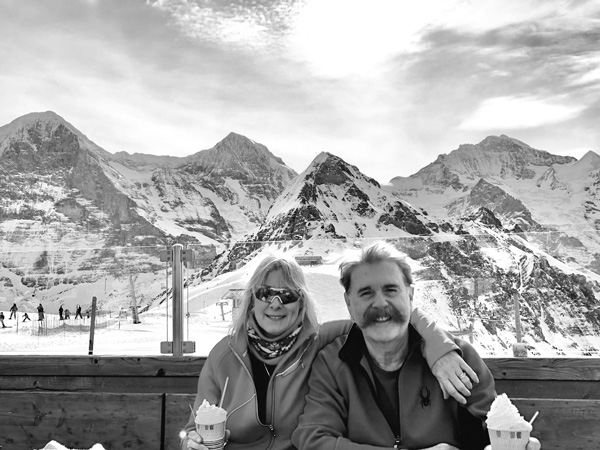
On a recent reconnaissance trip to Iceland with his wife Julie, they followed a popular tourist trail to Kirkjufell, the country’s most photographed mountain. “I focus on what others don’t do," Euan says, “so at a junction where most tour buses turn right, we went left." The scenery they find on this alternate route is breathtaking: “There’s a mountain there that looks like a green sponge that some God-like Thor is stamping on because it’s leaking with waterfalls," he describes. “I think back to the junction and I wonder, ‘Why does everyone else go right?’"
It’s this innovative thinking that has made Albatross Tours so successful in its 30 years of operation, with many of its loyal customers paying to join Landsborough on ‘mystery tours’ where they know nothing about the itinerary in advance. He uses these to test out different destinations and experiences on spirited guests who are flexible and trust in the brand.
Glen Moroney, Scenic Tours – the evolution of a brand
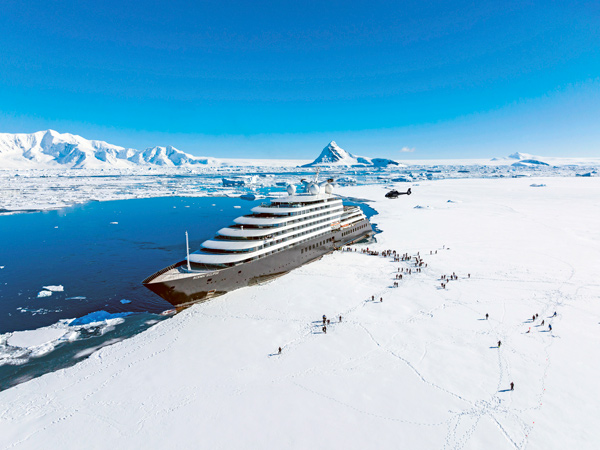
Many homegrown travel brands have become globally recognised and trusted. Take Scenic Tours, which started as bus journeys along the Great Ocean Road in 1986 and is now one of the world’s leading luxury cruise lines and tour operators. Its founder, Novocastrian Glen Moroney, developed a passion for travel after being tasked with rejuvenating his father’s motel business in Warrnambool. He admits he got the ‘travel bug’ after being captivated by the Victorian region’s dramatic landscapes and quaint villages. A little more than a decade later, Scenic went international and today it operates premium journeys everywhere from the Arctic to Antarctica, with more than a dozen luxury vessels under the Scenic name.
Wendy Wu, Wendy Wu Tours – the appetite for Asia
Wendy Wu Tours is another Australian-built brand that has a devoted following.

According to Tibetan-born, China-raised owner Wendy Wu, the company was founded in 1994 “purely by accident".

While living in Sydney as a petroleum chemistry graduate, she had planned a four-week trip to China with her partner who had to cancel last minute due to work commitments.

With no chance of a refund, she placed a newspaper advertisement seeking someone to take his place. “I said, ‘This is the itinerary, these are the costs, if you want to join me, I’ll be your guide.’"
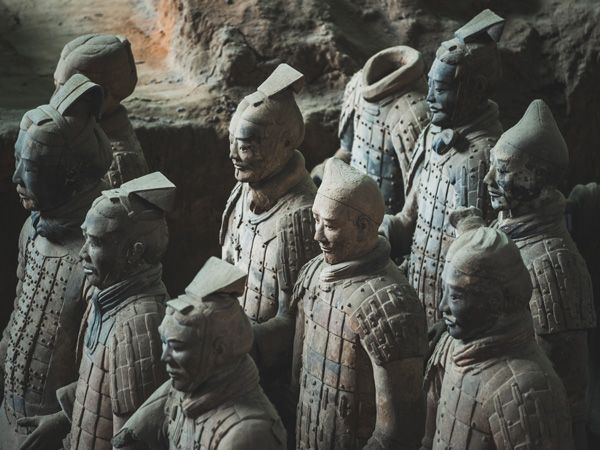
Wendy was astonished at how much interest she received and realised there was a gap in the Australian market for tours to China.
Today, Wendy Wu Tours has offices in Sydney, London, Johannesburg and Auckland and operates almost 70 group itineraries across Asia, also expanding into South America, Africa and the Middle East.
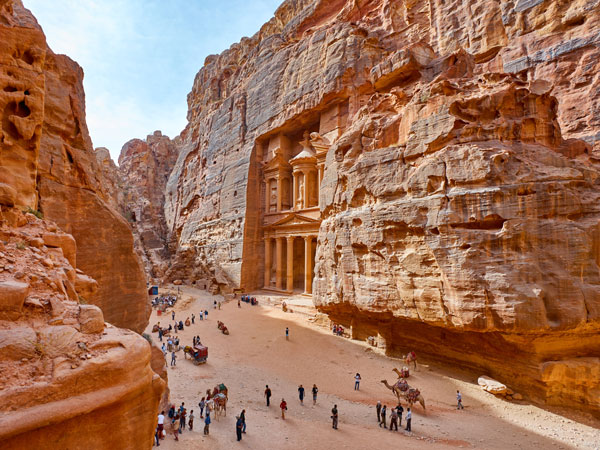
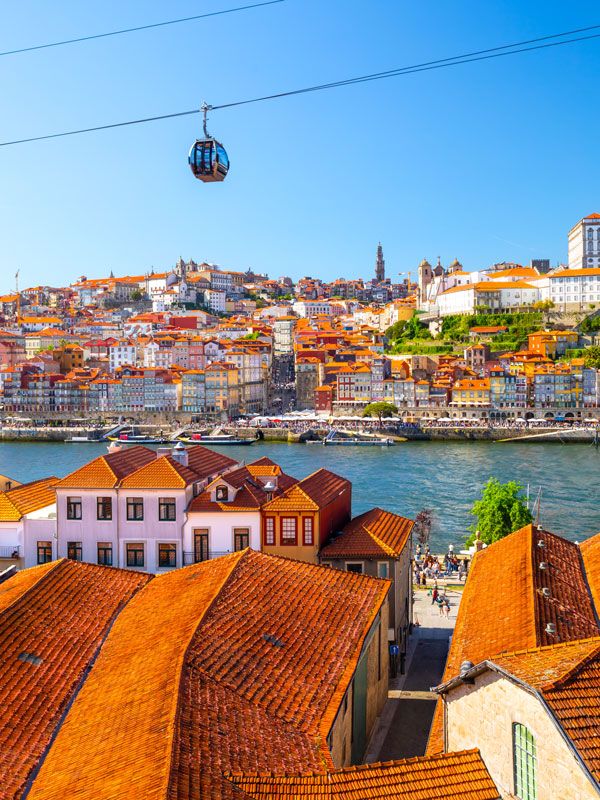
But while her offering is extensive, it’s also considered – with Wu noting that the reason she chose to add Portugal to the portfolio recently is because of its long trading history with China and Japan, and Jordan because it was once a thriving metropolis on the Silk Road.
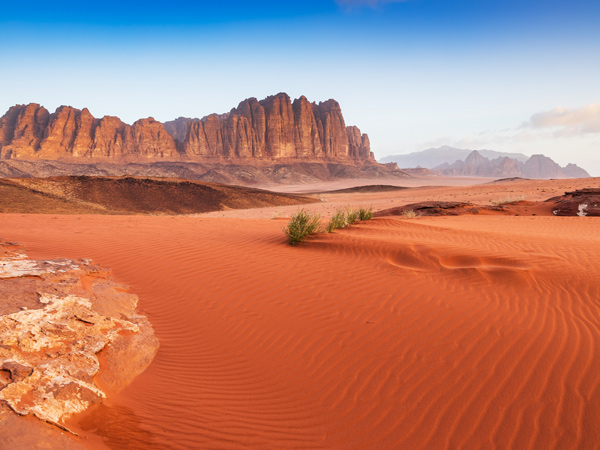
“When we go somewhere, we really know what we’re talking about. I want our customers to experience the culture and history and explore with comfort – but always with very good knowledge."

In the early days, Wu would check customers in at the airport herself, many who are still travelling with the company to this day and remember her fondly. These days she spends time trialling out new tours and seeking out new destinations.
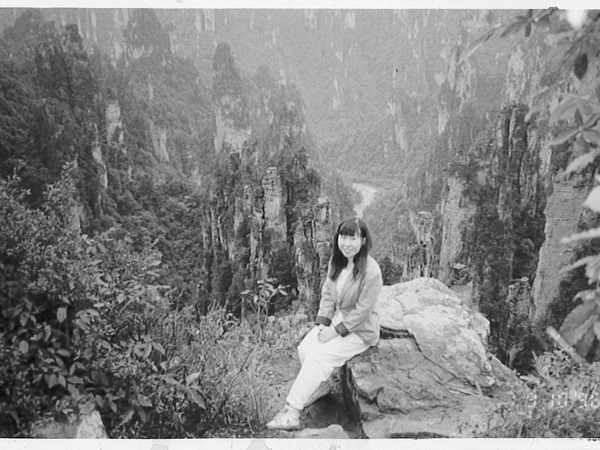
Never resting on her laurels, she spent time lobbying the Chinese government for an easier visa process for Australian travellers. This year, Australian citizens were granted visa-free travel for up to 30 days.

Weekly travel news, experiences
insider tips, offers, and more.
Aussies are trailblazers at heart
Constant innovation is at the core of the Crooked Compass product too, driven by a combination of research, first-hand exploration, and listening to feedback from both travellers and local partners.
“Every tour is a living, evolving creation that responds to the world as it is today," Lisa Pagotto says. “Ultimately, our aim is to keep pushing boundaries to offer our travellers an experience that goes beyond sightseeing to lesser-known corners of the world. Our Australian travellers are not looking for luxury for the sake of it – they have a thirst for discovery."
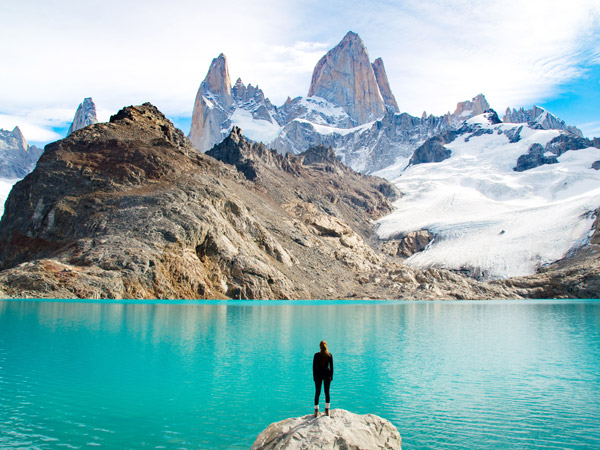
Darrell Wade echoes that there’s something in the Australian psyche that means we’re natural-born travellers. “The reality is Australia is at the end of the world," he says. “I think many Australians inherently feel this, which is why we like to jump on a plane and orient ourselves with the world at large."
And helping us do this are those who have gone before us. Those trailblazers who packed a bag – perhaps with nothing but curiosity, a few hundred bucks to buy a second-hand vehicle and a thumb to hail down a friendly passerby. They’ve encouraged us to step outside our doors – on our own with a dog-eared, annotated guidebook or with a group of like-minded travellers on a well-considered, offbeat tour. And as we seek these meaningful connections with locals and place, we ultimately foster a greater understanding of the world through travel.
Want to see more stories from International Traveller in your Google search results?
- Click here to set International Traveller as a preferred source.
- Tick the box next to "International Traveller". That's it.