hero media

I ate at North America’s number 1 restaurant and can’t stop thinking about it 

A purple grape, hot sauce and a Korean fine-dining icon taught me what separates a good meal from the greatest of my life. 

It felt inevitable when New York City’s Atomix was crowned the number-one restaurant in North America by The World’s 50 Best Restaurants this year. Chef Junghyun ‘JP’ Park has quietly become one of the sharpest voices in modern Korean cooking: thoughtful, meticulous, and obsessed with balance. Atomix is his defining work.  

After honing his craft at Melbourne’s Cutler & Co. and London’s The Ledbury, Park led the kitchen at New York’s Jungsik before launching Atoboy, a casual Korean restaurant co-founded with his wife and fellow food scientist, Ellia.  

Atomix followed in 2018, then Naro at Rockefeller Center and the new Seoul Salon, establishing a multi-tiered Korean dining empire that now dominates New York’s hyperkinetic food scene. 

Atomix restaurant exterior
Atomix establishes Korean cuisine as the finest in New York. (Image: Studio Writers)

I’ve eaten across all of Park’s venues (except Seoul Salon) and can confidently call Atomix the most memorable dining experience I’ve had. The reason lies in the couple’s unwavering dedication to Korea’s culture of precision and symbolism. 

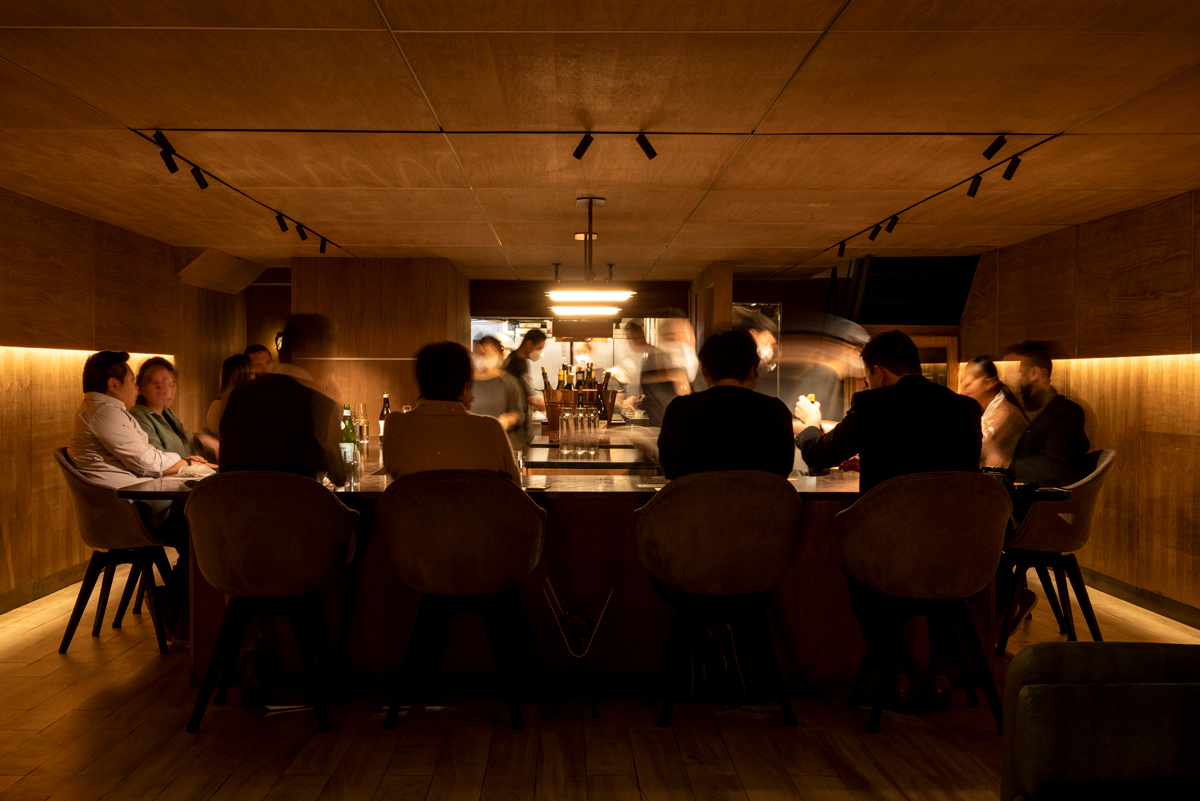
The Parks commission South Korean ceramicists for Atomix’s tableware, each piece echoing traditional forms. Guests choose their own chopsticks from a personal collection, and dishes arrive with handmade cutlery from long-established Seoul shops. The horseshoe-shaped counter, framed by minimalist geometry, mirrors the simplicity of Korean cuisine. Each course arrives with a collectable card, blending storytelling and augmented reality to visualise the inspiration behind the dish. 

Conceptual, multisensory fine dining is nothing new, but rarely is it this studious. Yet atmosphere is only secondary to what truly distinguishes this as a top-shelf experience: a desire to keep finding the perfect flavours.  
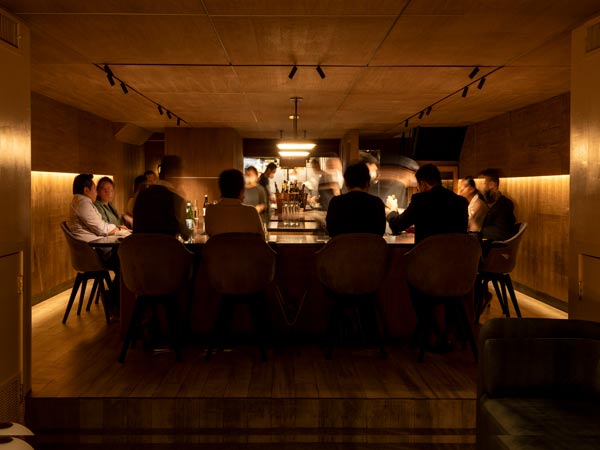
Atomix dining room
The dining room is equal parts intimate and inviting. (Image: Evan Sung)

Two floors above the dining room, an R&D kitchen and cocktail bar drive constant experimentation, dissecting fermentation and balance to push Korean cuisine beyond its familiar foundations of bap (rice) and banchan (small dishes). 

The subterranean chef’s table is the endpoint for many of these dishes, worked into a 10-12 course set priced around A$610. That’s the most I’ve ever dropped on a dining experience. I didn’t expect to get my money’s worth, and yet the revelatory rollout of textures, temperatures and precision felt like a masterclass in how flavour behaves. It was like culinary Tetris, every piece fitting flawlessly. 

Horse mackerel and monkfish liver overlapped on a crispy nuruk cookie. Creamy sea urchin served on steamed carrot cake. Pops of juicy Kristal caviar flecked between a medley of bluefin tuna, sugar snap peas and fermented cabbage. Buttery soft A5 wagyu lifted by tomato ssamjang with potato and chopi. I’ve never had a set menu as consistent and fascinating.  
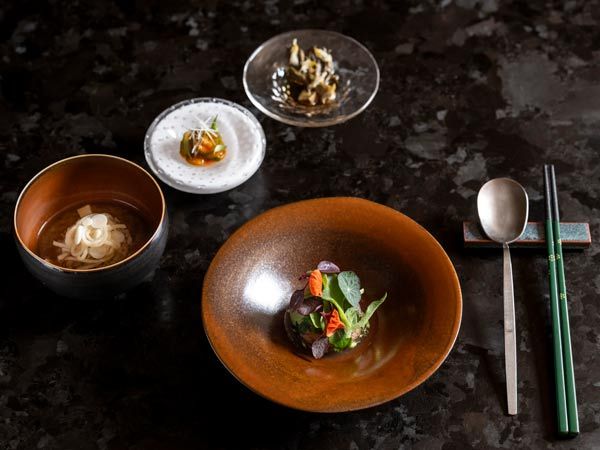
Atomix food
Each plate is a feast to the senses. (Image: Evan Sung)

Although it’s the fifth course, scallop with Japanese firefly squid, gochugaru and moo, that floored me. The squid’s squishy texture and dense flavour contrasts with the fresh flakiness of the scallop, swimming in a rich broth made from fish sauce and crème fraîche.  

A slightly smoky gochugaru sauce brings it all together, rolling a pleasant heat across the palate for the most complex spice I’ve ever experienced. It’s smartly restrained, heightening the full-flavoured palate without overwhelming the premium ingredients. 

I didn’t fully grasp Park’s intelligence until months later, sitting in a classroom at the Culinary Institute of America in New York State for its Taste Like a Chef masterclass. 

A masterclass in taste 
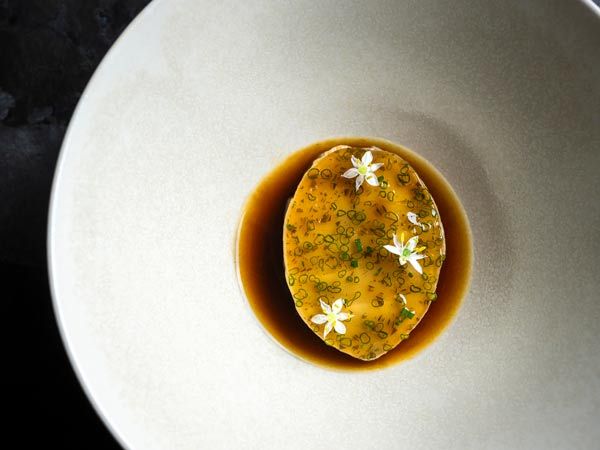
abalone eggplant
Exposure to different flavours refines one’s taste buds. (Image: Evan Sung)

“Now dip the grape in the hot sauce," my lecturer says as I scoop some sriracha onto a slice and pop it into my mouth. Shallow dishes of salt, sugar, lime, hot sauce, sliced purple grapes and red jellybeans are hardly what I expect when I enter the prestigious cooking school, which has birthed everyone from Anthony Bourdain to Daniel Humm. 

Yet the short, hour-long lesson is hinged on the physiology of taste and the perception of flavour, so it makes sense to break things down to the bare bones. Sweet, sour, salty, bitter and umami are represented by each of the seemingly disparate ingredients in front of me. 

I pinch my nose and chow down on a jellybean that tastes like nothing, only to slowly release my nostrils so I can feel the familiar flavour pour back onto my palate, by way of smell. I sprinkle salt on a grape to brighten the sweetness while being told to focus on the dryness and astringent skin like a gastronomic guided meditation. 
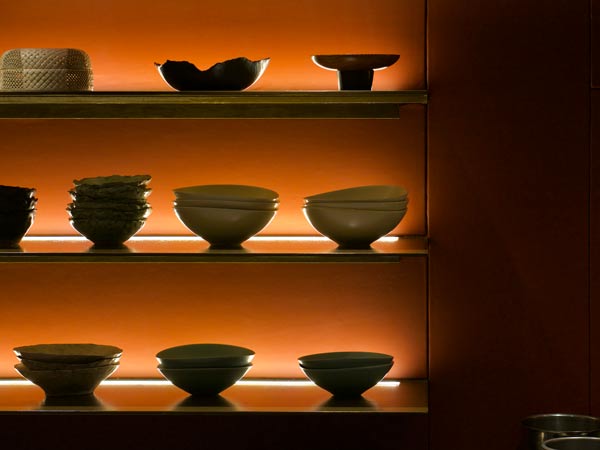
Atomix bar
South Korean culture is embedded in their ethos, reflected even in the tableware. (Image: Kelt T)

My guide, Chef Kamen, told me that to taste like a chef means to be open to all flavour combinations, even if they don’t initially make sense. Flavour is largely based on memory after all, and the more you taste in life, the more references you have. 

The hot sauce on the grape doesn’t make sense at all; the heat comes in one big burst and then just drops off, while the sweetness is lost. There’s no balance, but when I add more ingredients to the odd combination, it starts to come together.  

The lingering heat moves to the sides of my tongue before dancing to the back of the palate while leaving a pleasant tingle. I instantly think of the gochugaru sauce from Atomix, and how it felt like Park was orchestrating exactly how the heat would streak across my taste buds.  

“Chefs need to understand the has-needs relationships when it comes to foods," Chef Kamen tells me afterwards.  

“What do some ingredients have that others need, and how do we bring as many of the senses into play. Texture, aroma, flavour, appearances and even the sound of food all contribute to a sense of deliciousness." 

Weekly travel news, experiences
insider tips, offers,
and more.

The K-Wave 
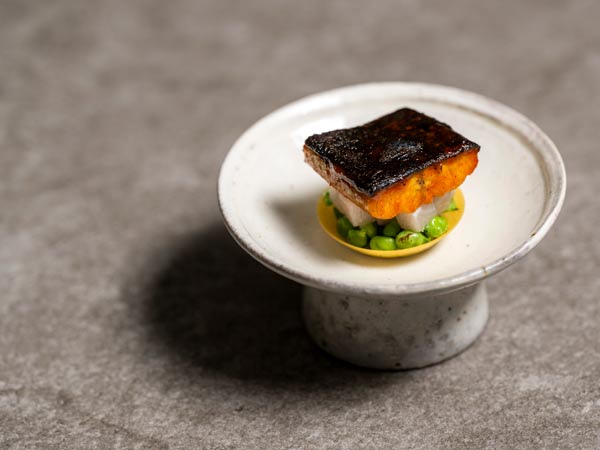
Yellowtail Freshwater Eel,
Yellowtail Freshwater Eel, a must-try dish in Atomix. (Image: Evan Sung)

I read a study a few years ago on how South Korea has used gastrodiplomacy to better their economy. This makes sense in the wider context of Hallyu (or, Korean Wave) that has seen the global popularisation of Korean culture through music, film and food. It’s a form of soft power that’s most obvious in New York City, where wider cultural trends are born almost daily.  

Reportedly, there are over 500 Korean restaurants across the city hitting all price points. Casual charmers like Her Name is Han and tofu-based Cho Dang Gol are great for quick pop-ins, while institutions like Park’s Atoboy, known for the best fried chicken in New York, and pioneering fine diner Jungsik remain top-shelf experiences. I’ve even been to a Korean fine diner, Noksu, hidden in an otherwise unremarkable subway station. Cote, a luxurious take on KBBQ, is considered the best steakhouse in North America. 

The reasons Korean food is so popular in an unforgiving, fickle city like New York are plentiful. But one is most obvious. Korean food lives and breathes on the art of fermentation. It’s this that brings a new depth of deliciousness to a city that’s already considered top tier for gourmands.  

Fermentation tells the story of Korea’s strong seasonality. Once a survival technique for long winters, it’s now the foundation for the umami depth and textural complexity that give Korean ingredients their remarkable adaptability.  

And it’s because of this that Korean ingredients have so much potential for chefs the world over, opening them up to complex tastes that can be used to find new flavour profiles in ongoing experiments.  

And as the Culinary Institute of America taught me, what truly distinguishes the top brass in the culinary world is a precise understanding of how to build flavour. And sitting at that counter in New York, I realised the best meals don’t just feed you but teach you how to taste. 

Enjoyed that? Discover the New York restaurants to have on your radar, according to Neil Perry. 

Want to see more stories from International Traveller in your Google search results?

  1. Click here to set International Traveller as a preferred source.
  2. Tick the box next to "International Traveller". That's it.
Chris Singh
Chris Singh is an arts, travel and food journalist with 17 years of experience in digital media and 4 years of experience in SEO writing. He is the former travel editor of premium men's lifestyle title Boss Hunting and currently balances his role as Deputy Editor-At-Large of the AU review with freelance travel writing gigs at Australian Traveller, Luxury Escapes, Cruise & Travel and Sydney Travel Guide. Chris holds a Bachelor of Arts & Sciences (Sociology and Psychology) from the University of Sydney and once worked as a line dancer for steakhouse chain Lone Star (no, seriously). He's always got his finger on the pulse for good live music and delicious new restaurants, has a particular love of historic hotels and is starting to see the restorative value of the ever-present wellness industry. Although he is a born-and-bred Sydneysider, his favourite Australian cities are Hobart and Adelaide. Internationally, he can never get enough of big cities like Tokyo, New York and Chicago. If you're looking for him, he's either at a concert, on a plane or behind a laptop.
View profile and articles
hero media

5 things every hotel needs for a more restorative stay

    Kate Bettes Kate Bettes
    Wellbeing means different things to different travellers. Here’s how to pick a hotel that gets it right for you.

    The best wellness holidays aren’t necessarily spent wrapped in a spa robe. Sometimes they’re found around a dinner table in Cambodia, on a hiking trail in New Zealand or after finally beating jet lag on the other side of the world. The hotel you choose is what makes them happen.

    1. Easy access to good food

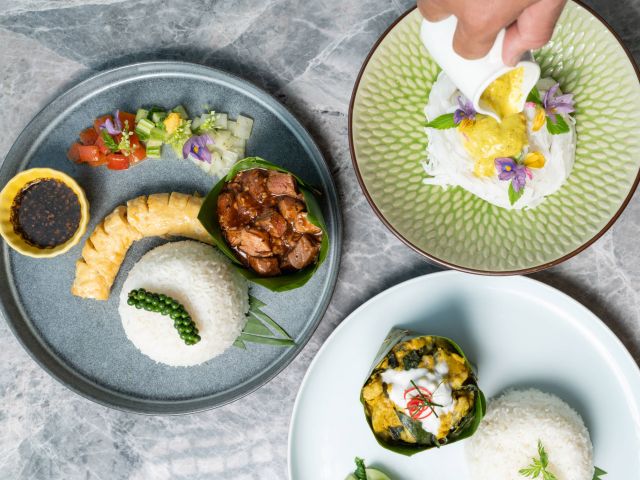
    meals from Novotel Bangkok Sukhumvit 20
    Taste delicious meals at Novotel Bangkok Sukhumvit 20.

    One of the quickest ways to derail healthy habits on holiday is to spend half of it working out where to eat instead of digging into the culture around you. Thankfully, Novotel has done much of the hard work already, with chefs building menus that lean into the flavours, ingredients and traditions of each destination.

    In Sihanoukville, Cambodia, Korkor soup – often dubbed ‘Cambodian ratatouille’ – sits alongside raw blue crab dressed with lime and chilli, best enjoyed with views across the Gulf of Thailand.

    In the lovingly chaotic city of Bangkok, the presence of food cranks up the sociability. At Novotel Bangkok Sukhumvit 20, you can settle in with mango sticky rice and stranger-turned-friends beside the pool at Sky on 20 rooftop bar, or bring them along to tackle river prawns and stir-fried crab with holy basil at the buzzing Crab Paradise Dinner Buffet.

    Then Novotel Dubai Al Barsha welcomes you with a laidback twist on the level of indulgence the Middle Eastern city is best known for up on Deck Se7en. Looking towards Burj Al Arab, the rooftop lounge has everything from Mediterranean-style dishes like seabass ceviche to Italian prosecco sundowners.

    At the other end of the scale, in the hills that surround the Novotel Bali Ubud Resort, calm comes from nature. At Siralada restaurant, Balinese traditions shape the menu while thunder rumbles over the surrounding jungle – proving the setting is as nourishing as the food itself.

    While at Novotel Nha Trang, chef Kieu Thi My Hanh and her team showcase Vietnam’s knack for balancing freshness, texture and fragrant herbs. Pho remains a favourite, while seafood salad with pomelo and mango brings those flavours together in one bright dish.

    It’s all an approach backed by partnerships with expert food creators such as Alfie Steiner, whose plant-forward recipes prove healthy food should never taste plain.

    2. Better sleep options

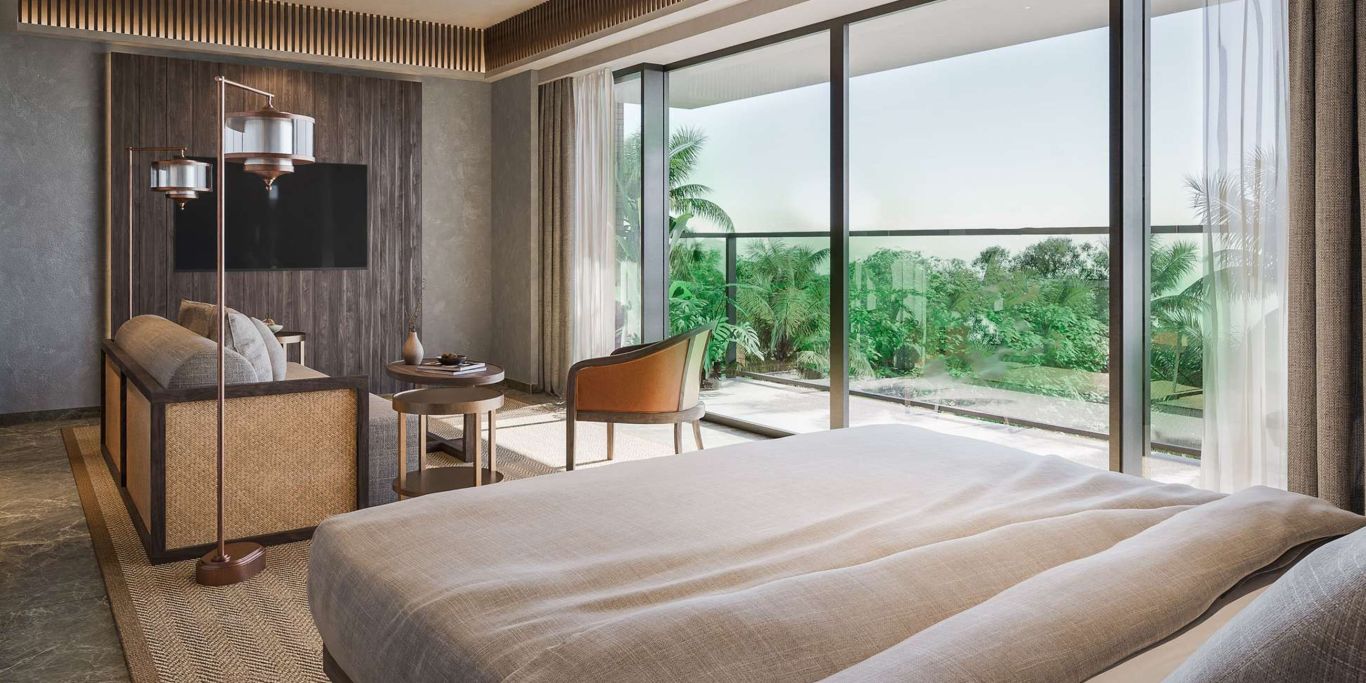
    Novotel Bali Ubud Resort room
    Sleep deeply with Novotel.

    There are few travel experiences more disappointing than arriving in a new country, determined to seize the day, only to fall asleep fully clothed by 3pm.

    For Australian travellers, jet lag is often an unavoidable part of the journey. That’s one reason Novotel runs sleep-focused initiatives that help guests adjust quickly without compromising on health. We’re talking partnerships with Sydney-based sleep specialist Olivia Arezzolo, known for her advice on everything from better sleep habits to beating jet lag, alongside features like pillow menus, in-room yoga content and tailored sleep guidance.

    The sooner you’re operating on local time, the sooner you can get back to more pressing matters – like deciding which spa treatment to book.

    3. More ways to move

    woman hiking around queenstown new zealand
    Stay at Novotel Queenstown Lakeside and explore local hiking trails. (Credit: GettyI mages/ naruedom)

    Every place in the world has its own way of getting you moving: whether that’s hiking up ice-bitten mountains before a sauna or gentle stretching by the pool before a facial. From fitness centres to spas, Novotel recognises that wellbeing rarely looks the same.

    At Novotel Queenstown Lakeside, activity is inescapable. Here, hiking trails, ski fields, bungee jumps, and white-water rafting have made the region famous. The hotel’s location on the shores of Lake Wakatipu means less time spent organising yourself and more time out there experiencing them. To top it all off, you can book a private hot tub for the evening before heading back into the wilderness tomorrow.

    Bali, of course, takes a softer approach. At Novotel Bali Ubud Resort or Novotel Bali Nusa Dua, movement is less about conquering a mountain and more about a dance class between the tropical gardens and lagoon pools. Afterwards, the spa takes over, with traditional treatments like a Lulur body scrub: a combination of rice, turmeric, sandalwood, ginger and jasmine that’ll soothe muscles already relaxed by the Balinese heat.

    4. Better connections

    Novotel Sharm El Sheikh
    Kids will love a stay at Novotel Sharm El Sheikh.

    One of the best things about travel is that it gives your family stories you’ll be telling for years. Novotel helps create them with activities that bring everyone together, whether that’s trying something new, learning a local skill, or simply spending more time together.

    Go for a distinctly Thai twist at Novotel Phuket Vintage Park, where many of the family activities draw on local culture. Kids can try everything from beginner Thai boxing and language lessons to umbrella painting and – a pastime beloved by children the world over – pool foam parties. Everyone is welcome to join in, whether that’s getting splashed, covered in paint, or simply watching their children discover a new side of Thailand during the dedicated Family & Kids Day.

    A different adventure awaits at Novotel Sharm El Sheikh. Kids could be perfectly content with discos, drawing classes and new holiday friends, but the Red Sea has other ideas. Sitting on the edge of Naama Bay, days here might involve snorkelling colourful reefs, taking a boat trip to Ras Mohammed National Park or heading into the desert by quad bike or camel for a Bedouin-style dinner beneath the stars.

    5. Location is everything

    Surin Beach, Choeng Thale, Thalang District, Phuket, Thaiföld
    Explore Phuket’s gorgeous beaches. (Credit: Bence Biczo)

    Everyone’s idea of wellness looks a little different. With more than 600 hotels across 65 countries, Novotel gives guests the freedom to choose the destination that suits them best. Whether that’s a beachside escape in Phuket, an alpine expedition in Queenstown or a city break in Bangkok, there’s a good chance a Novotel isn’t far away.

    All that’s left? Choosing your version of wellbeing.

    Discover stays to inspire your everyday at novotel.accor.com.