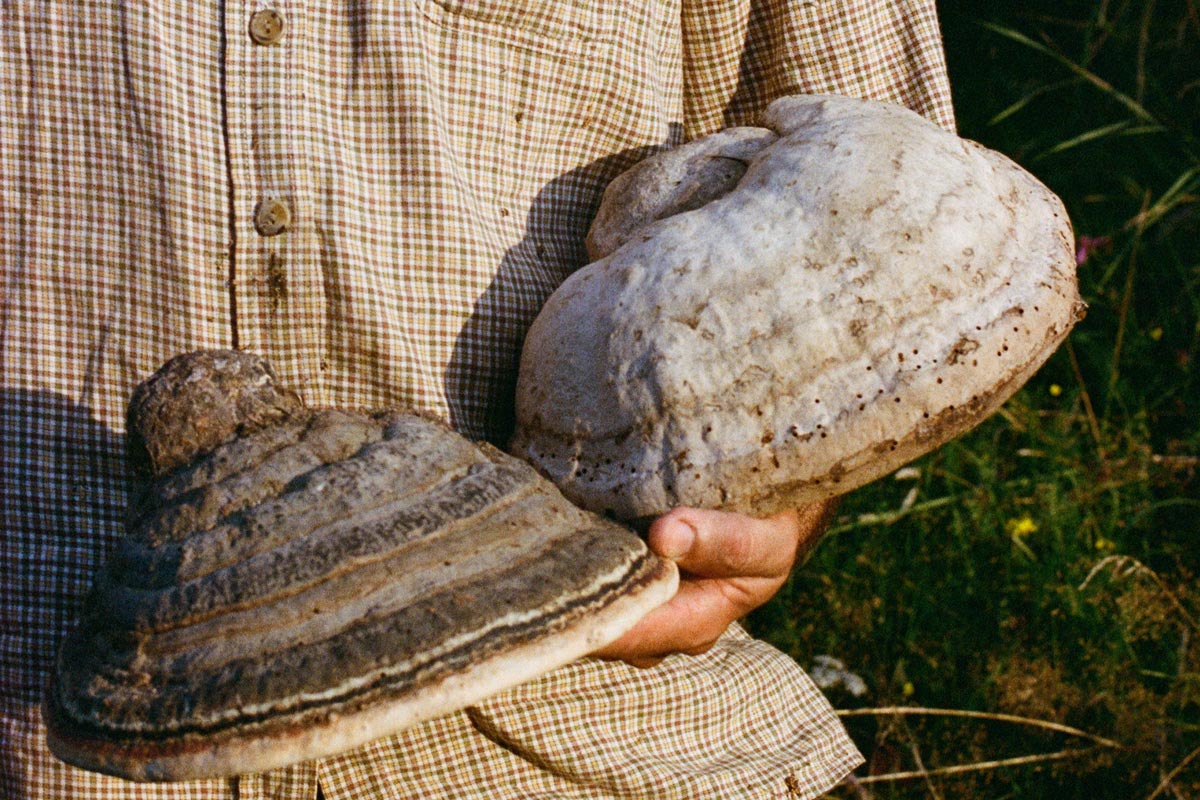

In Transylvania, a near-extinct folk art is being revived by its last remaining artisans.
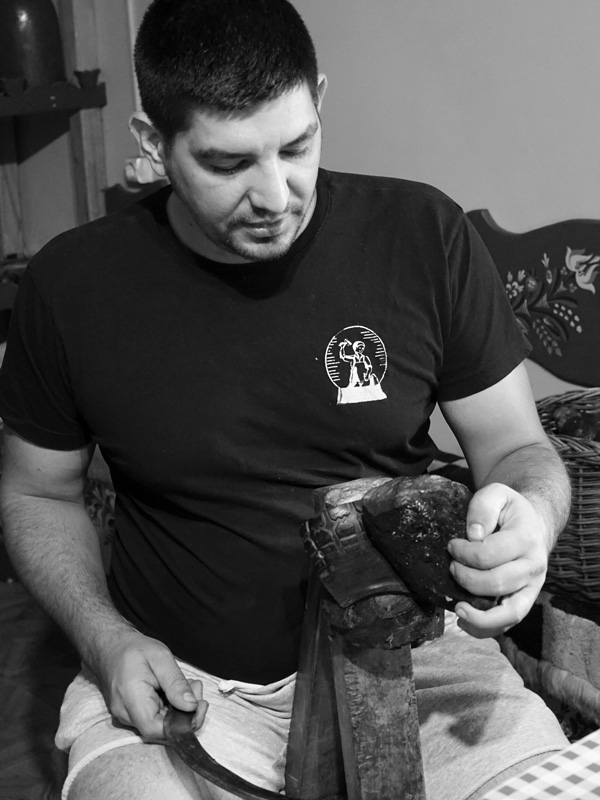
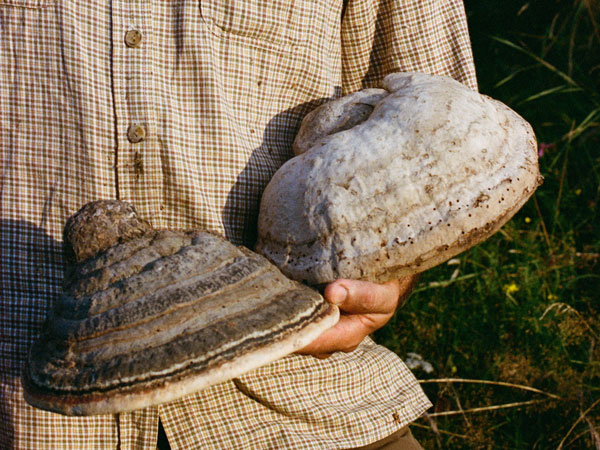
Artisan Károly Mate Jr straddles a stool in his workshop, patiently dragging a mighty sickle through a bulbous wedge of fungus. The mushroom, which has been fermented and dried for weeks, is deceptively wooden in texture, but Károly hews his blade effortlessly, slicing it as if he’s peeling the skin off an apple.
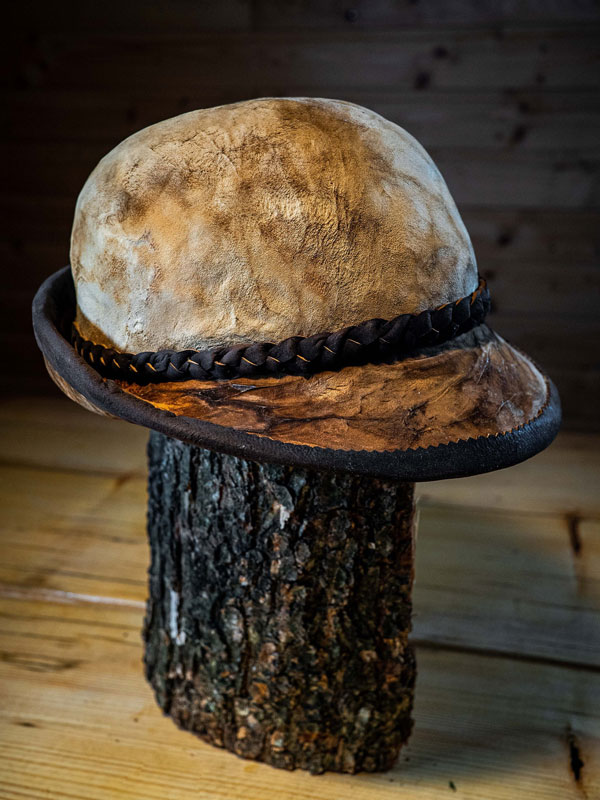
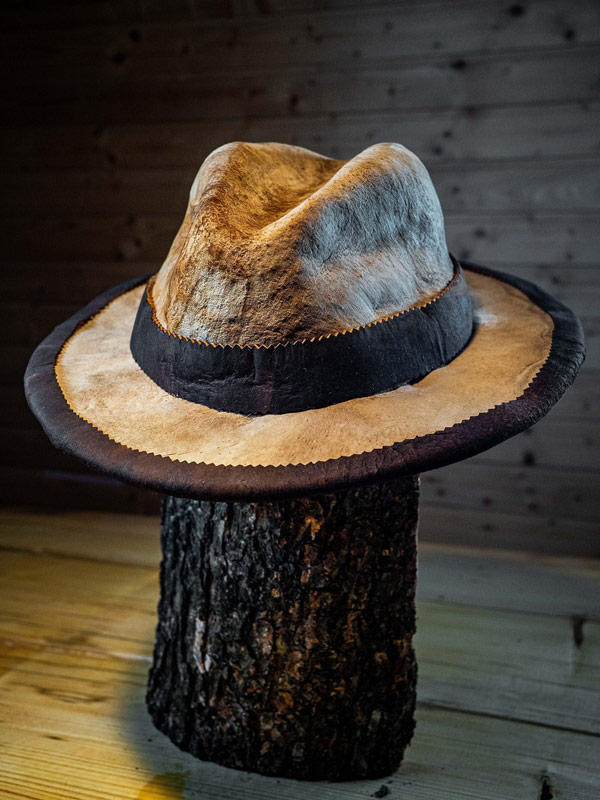
The finished products of his labour are strewn about the workshop – whimsical hats made from soft, weightless mushroom leather. Some are embossed with an array of Transylvanian folk motifs such as mountain flowers, pine trees and leaves, while others are embellished with feathers or wiry tufts of bear fur.
The material Károly is making for the hats is amadou – a traditional fabric painstakingly crafted from the horseshoe fungus (also known as conk) that grows on birch trees. Amadou is an ancient material, archetypal and almost mythic in its origin. It’s both a medicinal cloth and a powerful fire starter – an elemental panacea used by early human cultures for survival.
In fact, the earliest known owner of this mysterious textile is none other than Ötzi the Iceman, the famous 5300-year-old mummy discovered in a glacier in the Tyrolean Alps, frozen in time. At the time of Ötzi’s death, he was carrying little more than an axe, a few flint tools and several fragments of amadou.
But despite the storied, millennia-long history of the craft, Károly is one of the last amadou artisans left in existence. And he regularly risks his life to keep the craft alive. “In the last year, I was attacked three times by a bear," he says, shaking his head, hardly glancing up from the conk he’s whittling with his sickle.

To obtain suitable fungus specimens, Károly must venture high into the Carpathian Mountains, often for several days at a time. Like Ötzi, he carries little more than an axe and a few strips of amadou, which he uses to dress wounds or get a campfire blazing at night. On a recent expedition, he was searching a tree for conk when he stumbled across two brown bear cubs sitting in the bough above him.
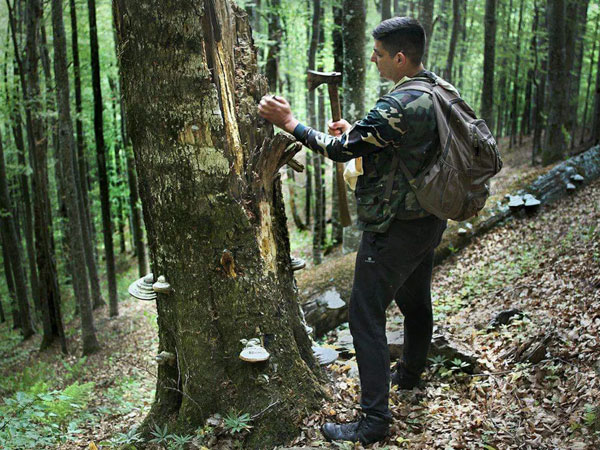
“I saw the mother bear rise up a few metres away," he recounts. “It was a matter of two or three seconds that determined whether I survived or not." Luckily, Károly was able to launch off a hill and roll into a stream, narrowly avoiding pursuit. “I did not even feel myself run … But I lived to tell this story. Many people do not."
This is the wild side of Europe, where bears and wolves stalk the forests and folk tales spring from the landscapes like mountains. To reach Károly’s village of Corund in the foothills of the Carpathians, I drive through swathes of Transylvanian backcountry, cleaving the region’s bucolic heart.
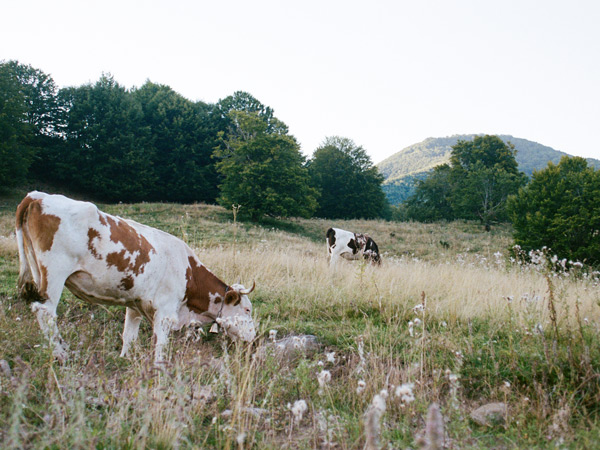
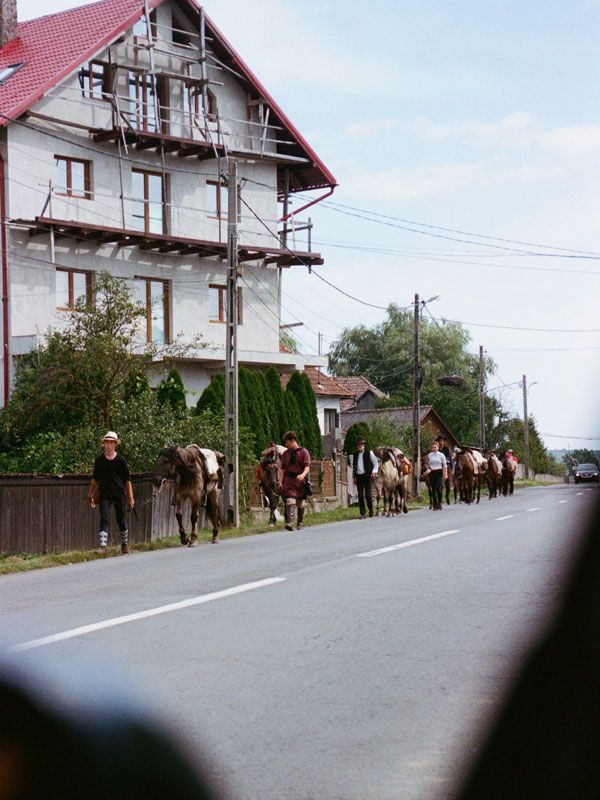
It’s high summer, and the meadows are flecked with wildflowers, speckling the landscape with vivid bursts of purple, yellow and red. I share the road with horse-drawn carts, some piled high with hay, others ferrying Romani girls with colourful skirts and scarves in their hair.
Corund soon comes into view: a storybook village of red thatched roofs nestled in the sloped palm of a green valley.
“Amadou hats have been made here in Corund for over 150 years," Károly says as he passes me the sickle and the mushroom. “Here, try it. You need to carve away the outer layers from the centre. That’s the part we want."
It takes all of my strength to make a single incision. My partner has even less luck, slicing his finger on the blade, prompting scarlet blood to begin weeping from the wound. Károly takes a fragment of amadou fabric and bandages it around the abrasion.
“I’ve done this many, many times," Károly smiles. “My fingers are like stones." When he removes the cloth, the bleeding has miraculously stopped and the wound is closed, almost as if it was never there.
Amadou fell into decline across Europe when matches for fire became more widespread, usurping the need for the fabric. But Corund’s isolation and the idiosyncratic local headwear industry kept the craft ticking along. But another blow was dealt when all private work was forbidden when Romania entered 40 years of communist rule after the Second World War.
“Gradually, people just gave it up. The old guys died; the young ones never learned. There used to be 70 families in the village working with amadou, now there are just three."
Amadou might have completely faded into obscurity by now if it wasn’t for Károly’s business partner, biologist István Moldován. I visit him at his cosy mushroom bungalow in the historic neighbouring county of Mureş.
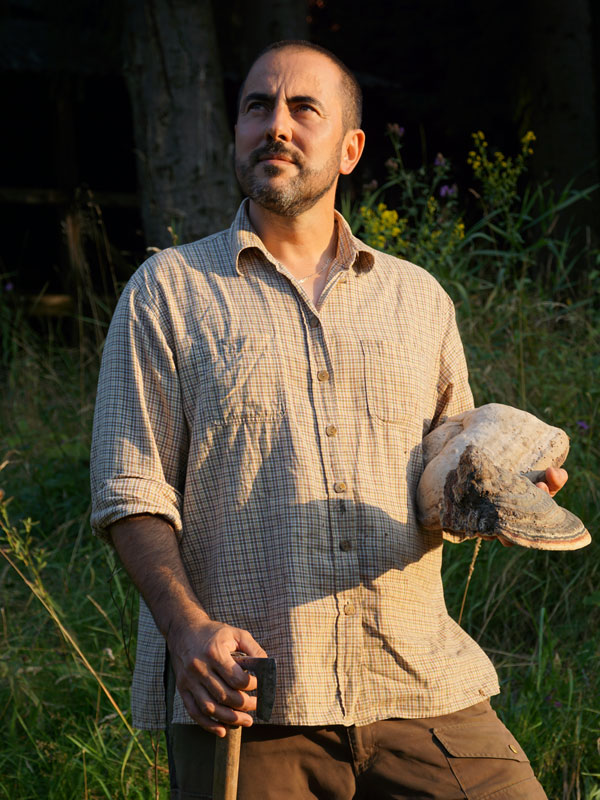
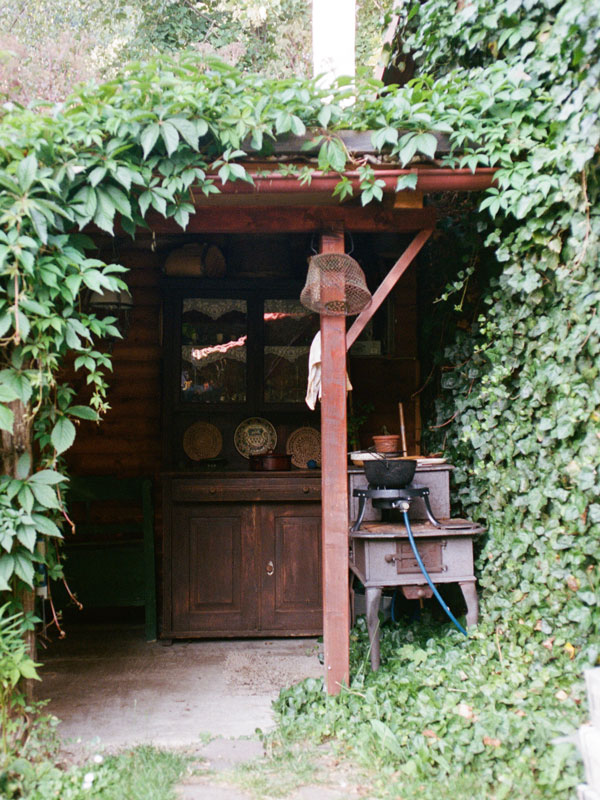
We sit in the garden, threads of evening sunlight piercing through the pines like spun gold while a chorus of insects rasp away in the background. He’s cooked a hearty meal of ciulama de gălbiori (a traditional dish of creamy chanterelle mushrooms and polenta), complemented with a charcuterie of local boar sausage, cheeses and a bottle of pear palincă (fruit brandy) to wash it all down.
István was drawn to visit Corund after learning his grandfather once owned an amadou hat. Intrigued, he arrived in the village determined to learn more about the mysterious craft.
“I was asking, asking, asking, ‘Does anyone make mushroom hats?’" he recalls. “But everyone told me that it was already in the past." Eventually, István found Károly Jr’s father, Károly Sr, who was still crafting a few fedoras as a hobby.
“I wanted to make some noise, and see if I could sell the hats online," István says. Not long after, the eminent mycologist Paul Stamets appeared on the Joe Rogan podcast wearing a hat that István had sent him. Like a fragment of amadou, this became the tinder that ignited a revival.
“Within a day, my inbox was flooded," István recalls. “When I went to Károly Sr and told him we had over 100 hat orders he said, ‘Are you crazy? That will take 10 years!’ But I told him, there are still a few elders who know how to make it. Ask them for help. And from there, we began to activate the people."
Business was thriving so much that Károly Sr’s, son, Károly Jr, returned home from living in Budapest to continue working with the craft. Now, István and Károly Jr host mushroom-foraging expeditions and amadou workshops for tourists. They hope that by sharing the knowledge, the craft will live on.
“We have to teach the people because one day the [older artisans] will die," István says. “It happened with many other crafts … the knowledge died with the elders who wanted to keep it a secret. It took me three years to convince the elder amadou artisans to share the knowledge. It’s working … we have people visit here from all over. There are a few people who are really interested, and at home, they’re working with amadou."
Back in Károly Jr’s workshop, with the core of the conk extricated, he demonstrates how to hammer and stretch it to form a large ream of felt amadou fabric. I am short on time, so I don’t have the chance to watch how he moulds it into a completed hat.
But I do purchase one from Károly’s shop, which is full of different styles he’s experimenting with. There are mushroom cowboy hats, baseball-style caps, bags and vests. I select a plain hunter’s fedora with a dark, braided band.
“I learned this craft from my father," Károly says. “My grandfather also worked in this profession, as did my great-grandfather."
Outside, Károly’s five-year-old son plays on the steps of his workshop. “When he’s older, I want to take him with me to the forest to collect conk," he says. “If I can pass the knowledge to the next generation, then it will be safe."
Want to see more stories from International Traveller in your Google search results?
- Click here to set International Traveller as a preferred source.
- Tick the box next to "International Traveller". That's it.