hero media

What and where to eat in Barcelona

Not sure what the difference between a fideuà and a jamon is? Here’s a nifty guide to help you on your way.

What to buy

Catalan tiles

Use these decorative ceramic tiles as coasters to brighten your table.
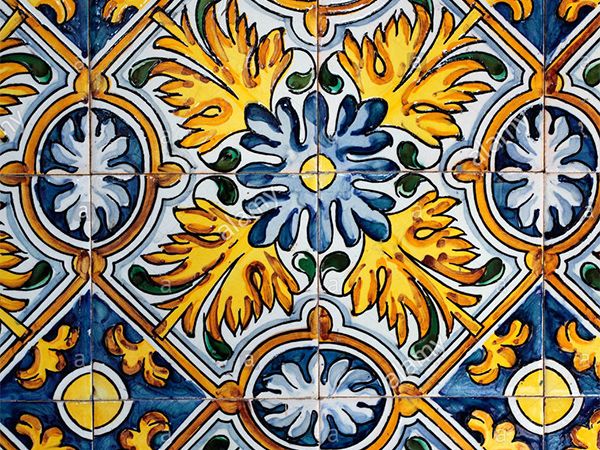
There are at least 13 different tile types around the city

Porron

Drink wine directly from this traditional Catalan wine vessel.

Panellets

These ancient sweets are the traditional fare of All Saints’ Day.
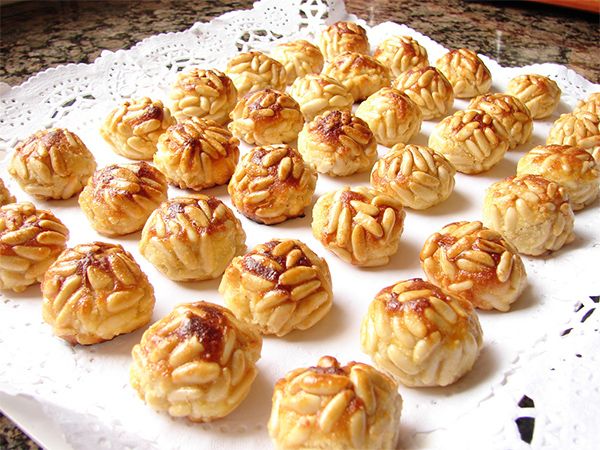
Nothing says Barcelona like panellets

Espardenyes

Catalan for espadrilles; a shoe made from jute rope and linen fabric.

What to eat

Besides all the tapas, be sure to leave room for these local delicacies…

Fideuà

Similar to paella but made with pasta instead of rice.

If you like a good paella, you will love fideuà

Weekly travel news, experiences
insider tips, offers,
and more.

Pa amb tomàquet

Bread brushed with a delicious trinity of oil, tomato and salt.

Jamon

Similar to prosciutto.

Sangria

An alcoholic beverage consisting of red wine and fruit.

Crema Catalana

A sweet dish similar to creme brulee however Crema Catalana is made with citrus zest and cinnamon.

Churros

Everything tastes better deep-fried and bathed in chocolate, churros are like a dense donut that tick those two boxes.
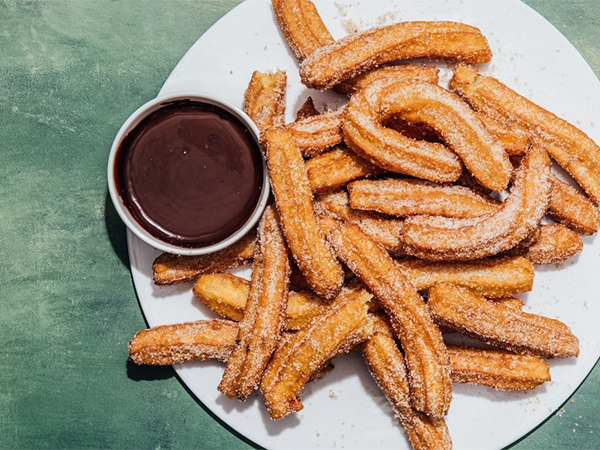
Your trip to Barcelona isn’t complete without a good churro

Where to eat

Breakfast

Milk

This is Barcelona’s one stop shop for a coffee and a wholesome breakfast.
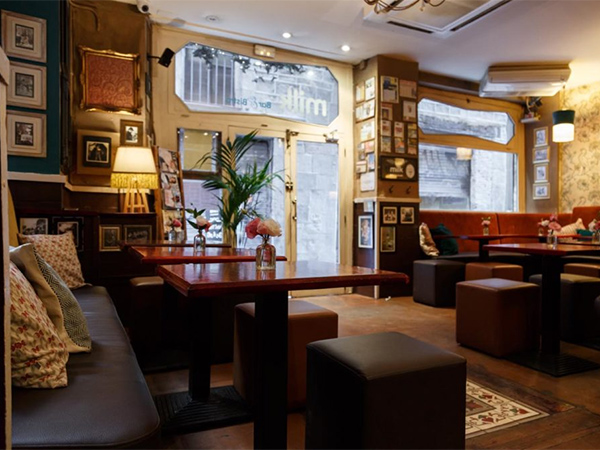
Milk has a little something for everyone

Enjoy a delicious (and exotic) crab benedict, featuring (you guessed it) crab meat, poached eggs, hollandaise sauce and toasted chapata. Or go for a chorizo hash, with sautéed potatoes, poached eggs, spinach and chorizo sausage.
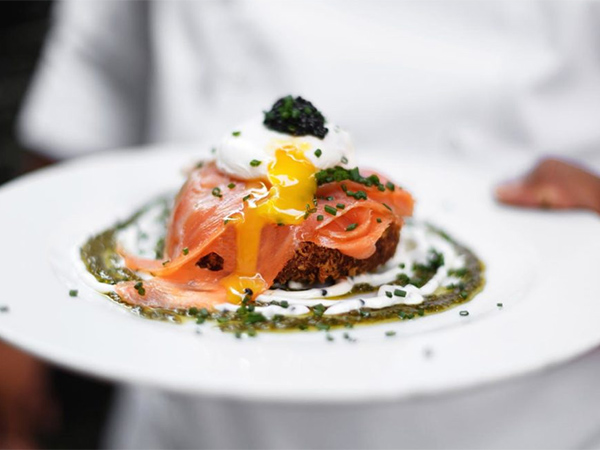
Milk was opened by an Irish couple in 2005 and has since grown to be among the most popular restaurants and cocktail bars in the area

Milk also offers more humble breakfasts for tourists who are less daring, like the American bagel, French toast, pancakes or fruit and granola. This place has everything you need to fuel a busy day in bustling Barcelona.

Xurreria Laietana

Skip the wholesome breakfast, and if you’re game, jump straight to the Spanish churro.

Xurreria Laietana offers caramel or Nutella-filled churros, which promise a good time. This is a great way to start a day in Barcelona (and a great way to finish it if you come back in the afternoon for seconds).

Ugot Bruncherie

Add gorgeous interiors (of salmon-coloured walls, wooden food displays and antique pendant lights) and an outstanding brunch menu, and what have Ugot?
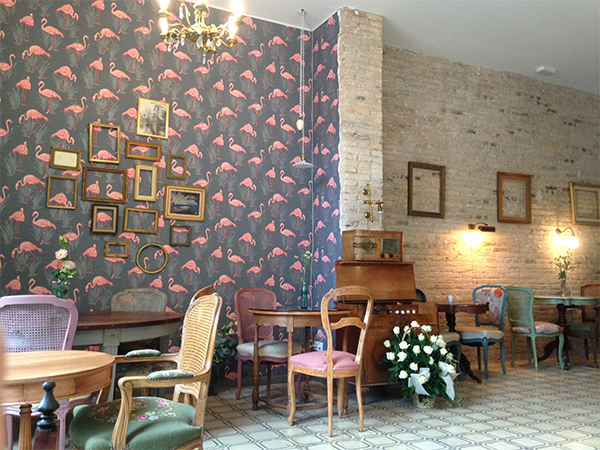
Look for the Flamingo Wallpaper and Dreamy Cakes

Ugot boasts a glorious (and rather exotic) brunch menu of roast beef and truffle hollandaise, eggs and chorizo sausage and a daily round of house-made brioche bread. Being a Spanish establishment, the café also has a range of brunch-related tapas: grilled tomino cheese, smoked herring and broken olives with garlic.

Lunch

Although most breakfast places are interchangeable with lunch, thanks to the strong Spanish brunch culture, try these places out for a quick lunch on a day of exploring.

The Pans Club

A vegetarian restaurant serving bagels, burgers and salads, The Pans Club is a great place to balance out your churro desserts while in Barcelona.

This place is famous for its quiches, serving ricotta, bacon and cheese or vegetable varieties (and more!). Their great lunch box initiative, where you can buy a quiche, salad and smoothie combo to go, is a great picnic option to take to the beach, and soak in some rays.

With the title of ‘Best vegetarian restaurant in Barcelona’, even the biggest carnivores will be salivating over this menu.

Kersol

Perfect for a post-siesta late lunch, Kersol serves a great range: salads (quinoa or potato), vegetable curry, grilled capsicum stuffed with pork, vegetable meatballs and even cheesecake, if you’re feeling like a dessert for/with/after lunch.
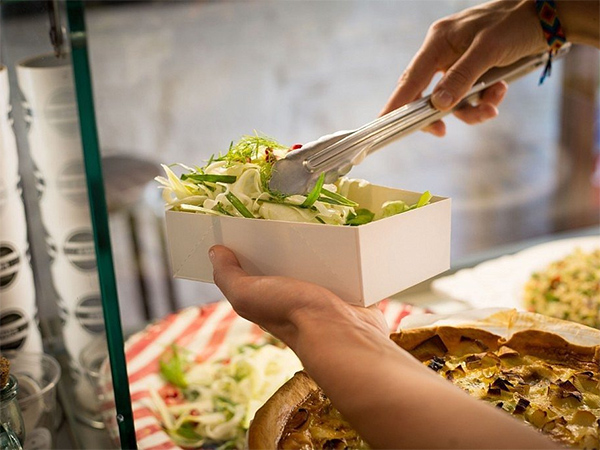
Lunch from the Best Vegetarian Restaurant in Barcelona

Dinner

La Pubilla

For an authentic Spanish feast, head over to La Pubilla.

Do not let the tired façade fool you, the food is incredible and without fault. Start off with steak tartar or roasted meat croquette, then head to the roast pork belly salad with tomato and herbs or cuttlefish paella for the main.

Finish off with a Catalan cheese assortment and a wine.
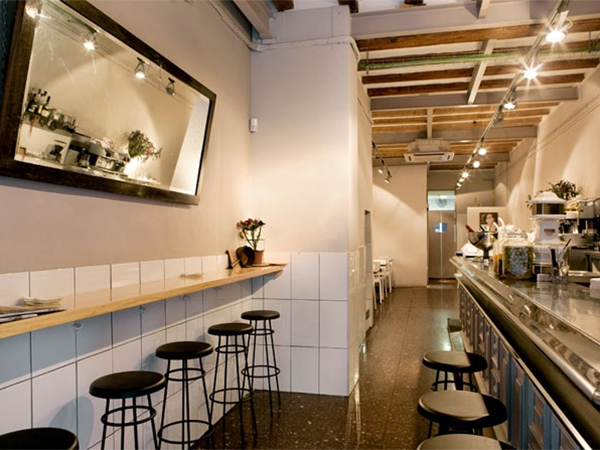
Based on creativity, originality and seasonal product.

La Pepita

A small local tapas bar in the heart of Barcelona, La Pepita is the best place to enjoy authentic Spanish tapas. With tapas including marinated sea bass with spinach and strawberry, roasted artichokes with blue cheese and the traditional patatas bravas (a slightly spicy potato dish), you need to get yourself to La Pepita.

The cosy atmosphere and great drinks menu also help to make this one of the best hangouts in Barcelona. Dinner service starts at 7:30pm, but get there early to nab a table, this place is popular.

Lab Restaurant

Imagine the best culinary experience you have ever had, and then combine that with some hard-core science, and you get Lab.

Serving dishes like crispy lasagna, pasta foie gras and lady figs and messy zarzuela, the creativity in this restaurant will excite you as much as the food does.
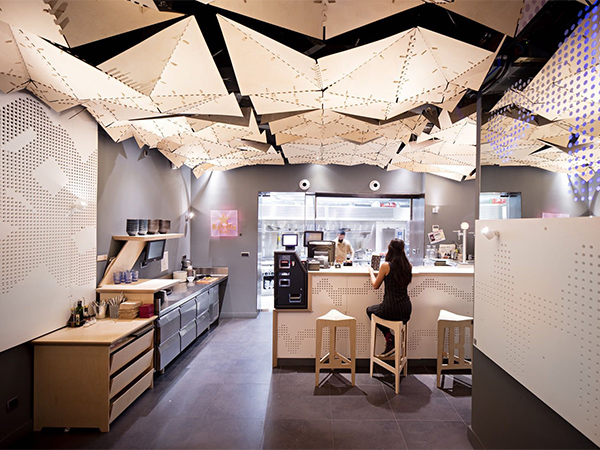
Prepare yourself for a thrilling and sophisticated gastronomic experience

Where to stay

If you’re wondering where to stay while in Barcelona, check out our reviews of Hotel Claris and Mercer Hotel.

Want to see more stories from International Traveller in your Google search results?

  1. Click here to set International Traveller as a preferred source.
  2. Tick the box next to "International Traveller". That's it.
hero media

What the European heatwave means for your summer travel plans

Temperatures are soaring this summer, breaking records across Europe and the UK. 

Euro summer is a feeling like no other. But when a heatwave hits? The dream trip quickly turns into a sweaty mess. Extreme heat is sweeping Europe and the UK this week, with record-high temperatures impacting travel plans across the continent.

And while Australian summers are typically hotter in absolute temperature, many European cities aren’t equipped for high temperatures, resulting in unbearable weather.

Why is it so hot in Europe?

Signs of a hot summer loomed in May, when the mercury hit unprecedented spring highs. Now, extreme high temperature warning alerts have been issued in countries such as Spain, Italy, France, England, the Netherlands and Germany.

France saw its hottest day on record on Wednesday, with an average temperature of 30°C across the day and night. This surpasses the average temperature for June, which is 15°C to 25°C. Dozens of people have died, including 40 from drowning.

In Spain, 212 deaths have been linked to the heatwave.

The UK recorded its hottest June day ever on Wednesday with temperatures soaring to 36.1°C. In an article published by the Met Office – the UK’s national meteorological service – Professor Stephen Belcher CBE, Met Office Chief Scientist, shared his concerns about June’s heat. “To see temperatures like this in the UK in June is sobering. Events like this bring home the implications of climate change, with very high temperatures and humidity bringing significant health implications from heat stress, as well as impacts to a range of sectors such as transport, energy and water supply,” he said.

Heatwaves are becoming increasingly common in Europe and the UK, neither of which is prepared for such extremes. The World Meteorological Organization reported that in 2025, at least 95% of Europe experienced above-average annual temperatures and that the continent was heating up twice as fast as the global average.

How travel is impacted

A pharmacy sign displaying 40 degrees Celcius
A pharmacy broadcasting local weather data. (Credit: Getty/Dragoncello)

During a heatwave, power grids, water systems and transport networks can be affected, resulting in disrupted itineraries for travellers. In France, power outages have left thousands without electricity and early closures have been implemented for two of Paris’s biggest attractions, the Eiffel Tower (early afternoon rather than late at night) and the Louvre (two hours early). Eurostar cancelled its London to Paris and Paris to London services from the 22nd to the 25th, and major UK rail companies have been advising travellers to avoid using trains where possible, or to travel during early hours.

If a heatwave is predicted, being flexible with your itinerary and having fully refundable/changeable tickets is key, as extreme heat can force the cancellation of outdoor activities, impact rail and flight services and change the opening hours of sites and eateries.

Why does summer in Europe often feel hotter than summer in Australia?

people swimming in the Canal Saint-Martin in Paris
People swimming in the Canal Saint-Martin in Paris to cool off. (Credit: Rachael Thompson)

With some of the highest UV levels in the world, Australians are no strangers to the heat, adapting well to intense weather. But our infrastructure is largely equipped to withstand soaring temperatures with climate-responsive passive design, refrigerated air conditioning or evaporative coolers, as well as swimming spots aplenty.

Buildings in Northern and Western Europe and the UK, however, are constructed to retain heat and handle frosty winters. The lack of universal air conditioning means it generally feels hotter even though the temperature on your app might not look it. During a heatwave, it can feel like you’re in a sauna as cities act like heat traps.

How to stay cool and prepare for another heatwave

Relief is expected across Europe and the UK later this week, but more heatwaves are still possible in the coming months. Summer heat typically peaks in July and August.

Public transport often doesn’t have air conditioning, and buses in particular can be swelteringly hot. If you’re heading outside or your accommodation has no air conditioning, it’s worth buying a spray bottle and a handheld fan from a pharmacy or tourist stand. Check ahead of time if restaurants and cafes have air conditioning and make a booking in advance. The highest temperatures typically hit between 3pm and 6pm, so aim to head outdoors outside of these hours.

Rising temperatures invite travellers to enter a more intentional era of seeing the world. Now more than ever is the time to embrace lower-impact “coolcations” and off-season getaways.

What and where to eat in Barcelona