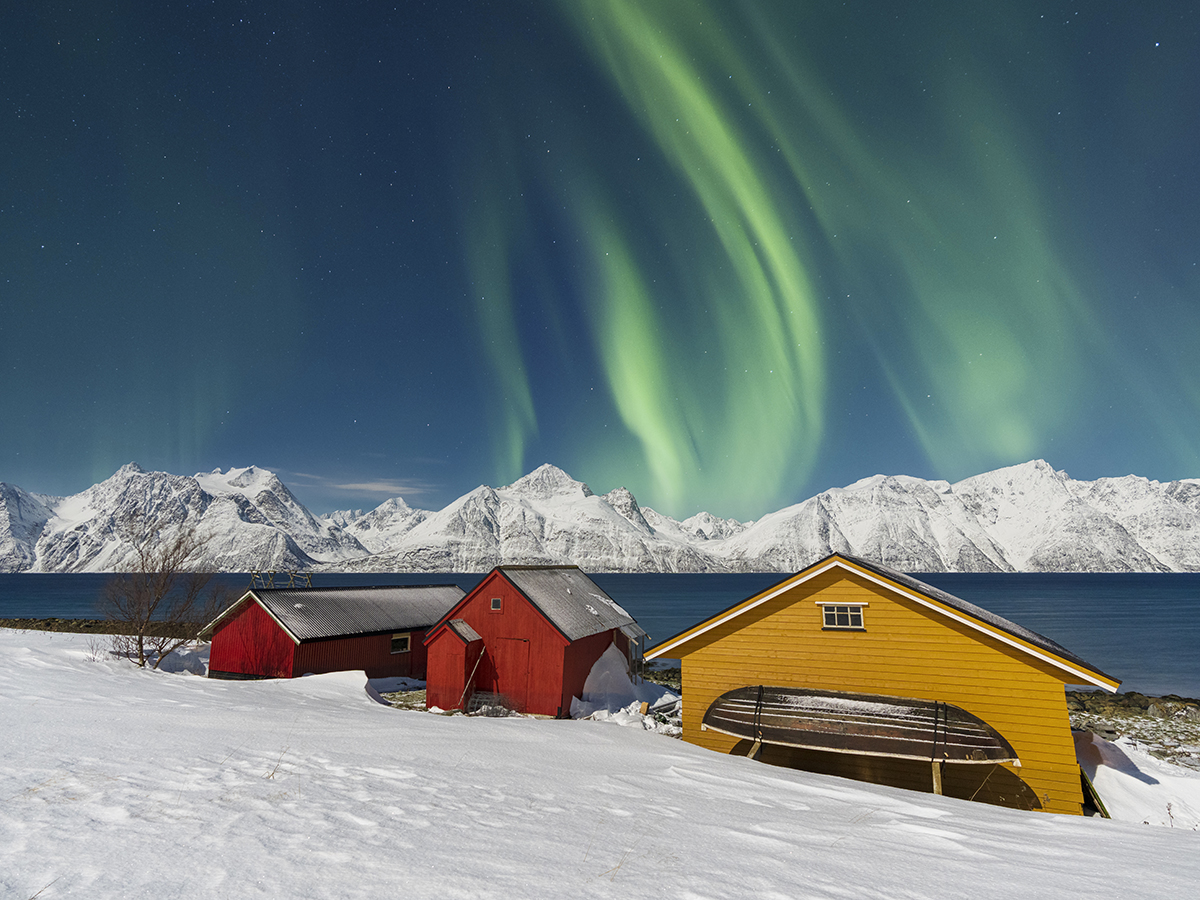
hero media

8 experiences you can only have in Scandinavia (and 3 new ways to get there)

Dramatic fjords, Arctic cities and a wealth of thrilling snow adventures; when it comes to travelling Scandinavia, these experiences are just the tip of the iceberg.

Chasing the Northern Lights beneath an inky sky or observing wildlife in snow-dusted forests. Exploring towering fjords that carve through a wild coastline, or lingering over menus in Michelin-star restaurants. From nature and culture to cuisine and cosy hygge, Scandinavia delivers it all. And three new Signature Limited Collection voyages from Hurtigruten offer new ways to explore it.

Sailing in spring, autumn and winter 2027–2028, Hurtigruten’s Signature Limited Collection voyages offer a deeper, more personal way to experience this northern European gem. Each all-inclusive adventure offers longer itineraries in port, world-class dining in multiple restaurants and unlimited selected drinks. The key attractions? Consider these a mere taste of what’s to come.

1. Marvel at the Northern Lights
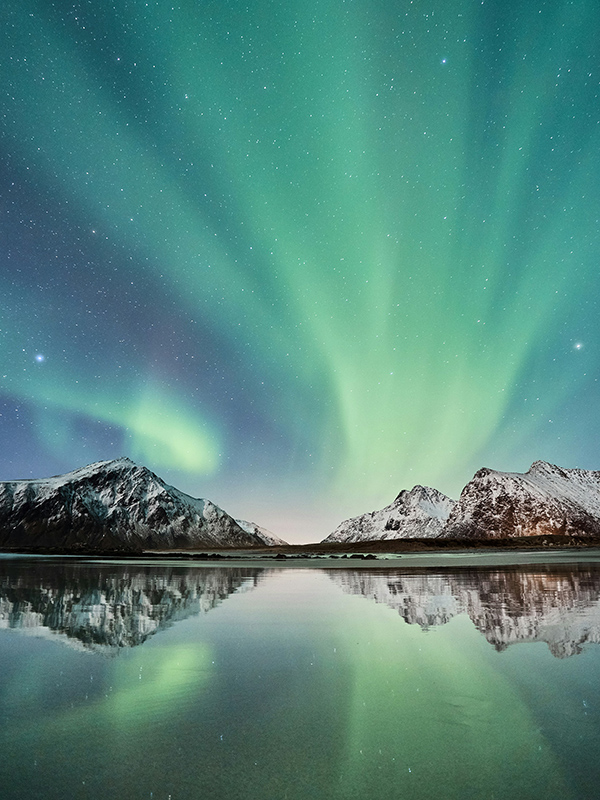
The aurora borealis dances across the night sky, illuminating rugged mountains and the calm, glistening sea below.
Catch the magic of the aurora. (Image: Johny Goerend)

Cosy up and settle in to watch aurora borealis, the greatest light show in the world, when ribbons of green and purple dance across the sky. With Hurtigruten’s 12-day The Arctic Line itinerary there’s no need to settle for frostbite, unlike land tours; as you cruise between Copenhagen and Tromsø via icy fjords and glittering landscapes, you can stay warm and relaxed until the crew lets you know the light show is beginning.

What’s more, Hurtigruten is so committed to getting all guests a glimpse of the Northern Lights that they’ll gift an Original voyage free of charge for anyone who misses out during an aurora sailing, thanks to their Northern Lights Promise.

2. Observe orcas in their natural habitat
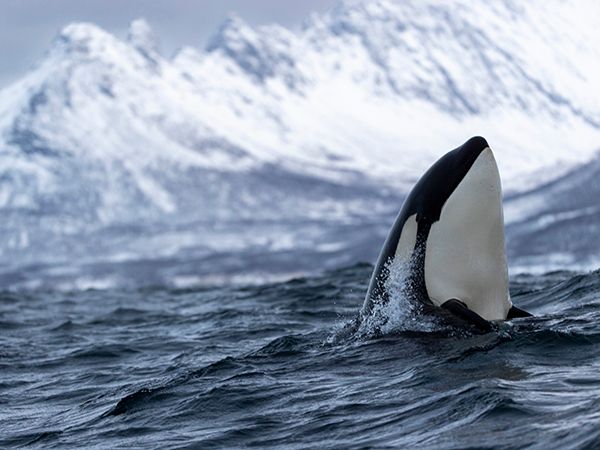
a killer whale inspects the surroundings in Tromsø, Troms and Finnmark county, Norway
Watch orcas glide by. (Image: Getty/ Cavan Images)

Arctic foxes and wolverines make for regular sightings around Altafjord, but it’s hard to match the raw power of watching pods of orcas and humpback whales as they slice through Arctic water surrounded by snow-covered mountains.

Whale watching along the coast of Alta is a key feature of Hurtigruten’s eight-day The Arctic Circle Explorer itinerary. This Tromsø-return voyage includes scenic cruising of the Lofoten Islands’ ice-gripped fjords, as well as a host of adventures like sledding and snowshoeing.

3. Embrace Copenhagen cool
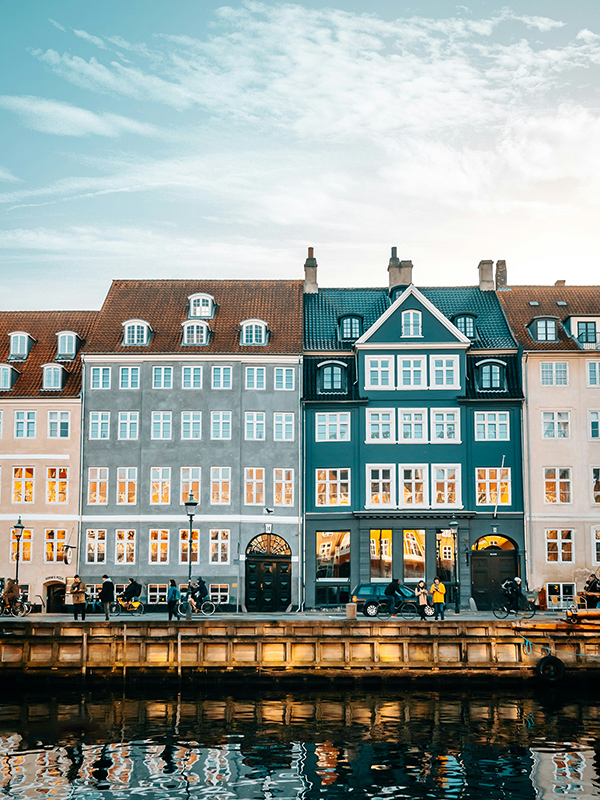
Colourful, charming houses line Copenhagen’s canals.
Take a quiet moment in Copenhagen. (Image: Jacob Buchhave)

Welcome to a world where cutting-edge design sits alongside opulent royal palaces, elegant parks and candy-coloured harbour houses. In Copenhagen it’s not only possible, but encouraged, to visit world-class museums, feast on Nordic cuisine and do a cycle tour through the city all in one day.

Keen to explore the 17th-century houses of Nyhavn or stroll Tivolo Gardens? Hurtigruten’s The Arctic Line itinerary kicks off or ends in Denmark’s historic city and features a visit to the charming city of Bergen, as well as an overnight stay (igloo optional and recommended) in Alta.

4. Sail through the western fjords
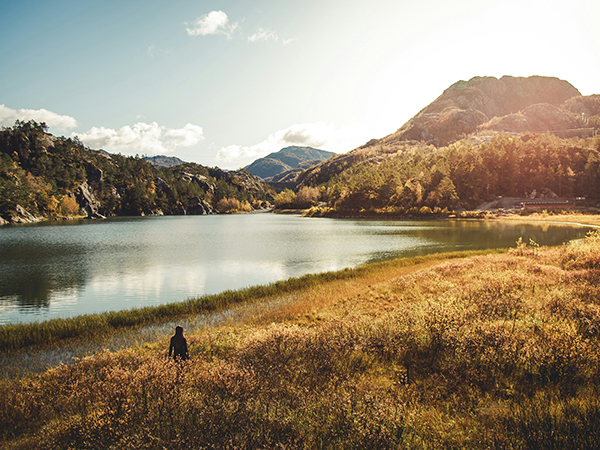
A lone figure takes in the breathtaking panorama of Norway’s Western Fjords.
Take in the breathtaking Western Fjords. (Image: Mareks Steins)

This is the Norwegian adventure dreams are made of. Jagged and oh-so-steep cliffs rocket straight out of mirror-still water, waterfalls tumble from improbable heights, and tiny villages cling to the cliff edges.

Hurtigruten’s seven-day The Inner Fjords Explorer (Bergen return) takes in the two UNESCO World Heritage Sites of Geirangerfjord and Nærøyfjord, and also treats travellers to the beauty of Sognefjord, Lysefjord, Hardangerfjord and Nordfjord.

5. Check out UNESCO-listed rock carvings

The rock art in Alta, hunting scene, Norway, UNESCO World Heritage Site - prehistoric paintings and stone carvings high in the north of Norway in August 12, 2011
Appreciate prehistoric paintings up close. (Image: Getty/ Lumir Pecold)

Taking a step back to Scandinavia 4200 BC is as easy as visiting Alta, known as the gateway to the Indigenous Sámi heartlands. Here, high above the Arctic Circle, thousands of UNESCO-listed Alta rock carvings – created by hunter-gatherer communities – tell stories of local life, offering modern-day visitors a glimpse into Arctic life thousands of years ago.

Etched into smooth rock surfaces that slope gently towards the fjord, the best way to see them is through Hurtigruten’s The Arctic Circle Explorer itinerary, which also includes an overnight stay in Alta and complete Finnmark wilderness immersion.

6. Experience charming village life
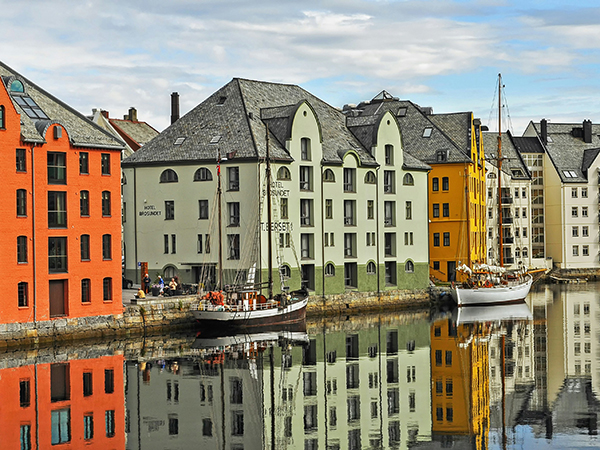
Quaint houses showcasing Ålesund’s iconic Art Nouveau architecture.
Feel the local way of life. (Image: James Obernesser)

Literature goes to great lengths to articulate the beauty of the villages dotting Norway’s inner fjords. It discusses the region’s ancient stave churches, the fragrant orchards of Rosendal, Ålesund’s Art Nouveau architecture and the traditions shaped by sea and seasons. Few pieces, however, mention the wonder of seeing goats munching leaves on roofs (particular to this part of the world).

Discover this local village life with Hurtigruten’s The Inner Fjords Explorer itinerary, which cruises Bergen return. Take in a host of quaint villages framed by waterfalls and mountains, each one in possession of a striking trail just begging to be hiked.

Weekly travel news, experiences
insider tips, offers,
and more.

7. Meet reindeer at Europe’s northernmost edge
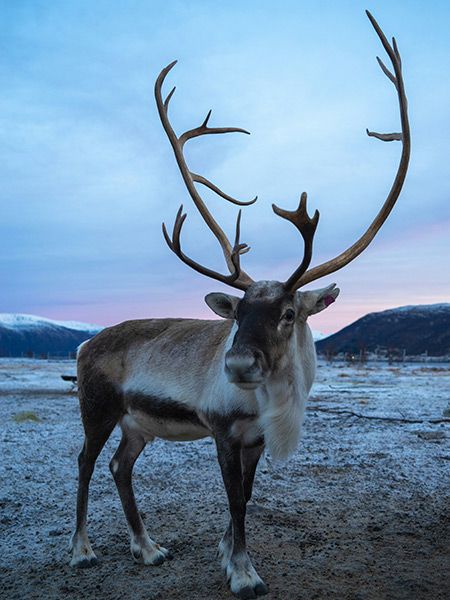
reindeer in tromso
Meet the locals. (Credit: Yihang Li Ciu)

It isn’t unusual for those travelling above the Arctic Circle to witness herds of reindeer grazing along the tundra, or, in the wintertime, moving across snowy plateaus.

Hurtigruten’s The Arctic Circle Explorer itinerary offers guests a chance to get closer to the local culture with many shore excursions, including visits to Sámi communities where you can learn about reindeer herding and the deep cultural significance of the animals. The cherry on top? The itinerary also includes a visit to North Cape, Europe’s northernmost edge, where the land meets the sea.

8. Experience Norway’s Arctic capital
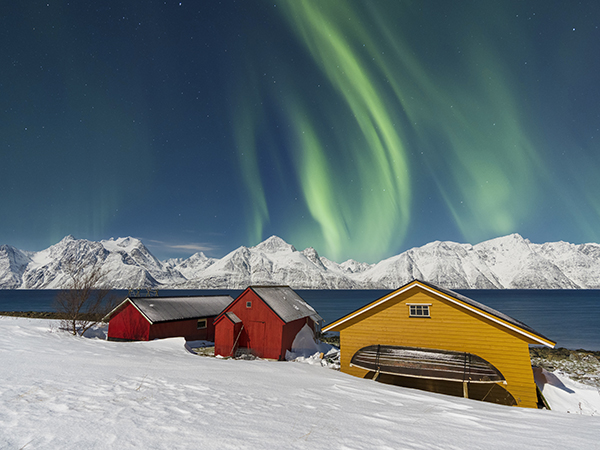
Traditional fisherman cottages in the snowy landscape under northern lights (aurora borealis), Lyngen Alps, Troms, Nord-Norge, Norway, Scandinavia
Embrace Norway’s natural splendour. (Image: Getty/ Paolo Graziosi)

A city where you can see the Northern Lights, spot whales gliding effortlessly around fjords and experience Sámi culture, all while enjoying a lively cafe scene and striking modern architecture? It’s a breathtaking promise, but one that Tromsø delivers like it’s no big deal.

A visit to The Polar Museum, catching the Fjellheisen cable car up Mt Storsteinen for panoramic views, or checking out the modernist Arctic Cathedral: it’s all on your doorstep with Hurtigruten’s The Arctic Line itinerary.

Discover your perfect Hurtigruten Signature Limited Collection voyage at hurtigruten.com.

Want to see more stories from International Traveller in your Google search results?

  1. Click here to set International Traveller as a preferred source.
  2. Tick the box next to "International Traveller". That's it.
hero media

What the European heatwave means for your summer travel plans

Temperatures are soaring this summer, breaking records across Europe and the UK. 

Euro summer is a feeling like no other. But when a heatwave hits? The dream trip quickly turns into a sweaty mess. Extreme heat is sweeping Europe and the UK this week, with record-high temperatures impacting travel plans across the continent.

And while Australian summers are typically hotter in absolute temperature, many European cities aren’t equipped for high temperatures, resulting in unbearable weather.

Why is it so hot in Europe?

Signs of a hot summer loomed in May, when the mercury hit unprecedented spring highs. Now, extreme high temperature warning alerts have been issued in countries such as Spain, Italy, France, England, the Netherlands and Germany.

France saw its hottest day on record on Wednesday, with an average temperature of 30°C across the day and night. This surpasses the average temperature for June, which is 15°C to 25°C. Dozens of people have died, including 40 from drowning.

In Spain, 212 deaths have been linked to the heatwave.

The UK recorded its hottest June day ever on Wednesday with temperatures soaring to 36.1°C. In an article published by the Met Office – the UK’s national meteorological service – Professor Stephen Belcher CBE, Met Office Chief Scientist, shared his concerns about June’s heat. “To see temperatures like this in the UK in June is sobering. Events like this bring home the implications of climate change, with very high temperatures and humidity bringing significant health implications from heat stress, as well as impacts to a range of sectors such as transport, energy and water supply,” he said.

Heatwaves are becoming increasingly common in Europe and the UK, neither of which is prepared for such extremes. The World Meteorological Organization reported that in 2025, at least 95% of Europe experienced above-average annual temperatures and that the continent was heating up twice as fast as the global average.

How travel is impacted

A pharmacy sign displaying 40 degrees Celcius
A pharmacy broadcasting local weather data. (Credit: Getty/Dragoncello)

During a heatwave, power grids, water systems and transport networks can be affected, resulting in disrupted itineraries for travellers. In France, power outages have left thousands without electricity and early closures have been implemented for two of Paris’s biggest attractions, the Eiffel Tower (early afternoon rather than late at night) and the Louvre (two hours early). Eurostar cancelled its London to Paris and Paris to London services from the 22nd to the 25th, and major UK rail companies have been advising travellers to avoid using trains where possible, or to travel during early hours.

If a heatwave is predicted, being flexible with your itinerary and having fully refundable/changeable tickets is key, as extreme heat can force the cancellation of outdoor activities, impact rail and flight services and change the opening hours of sites and eateries.

Why does summer in Europe often feel hotter than summer in Australia?

people swimming in the Canal Saint-Martin in Paris
People swimming in the Canal Saint-Martin in Paris to cool off. (Credit: Rachael Thompson)

With some of the highest UV levels in the world, Australians are no strangers to the heat, adapting well to intense weather. But our infrastructure is largely equipped to withstand soaring temperatures with climate-responsive passive design, refrigerated air conditioning or evaporative coolers, as well as swimming spots aplenty.

Buildings in Northern and Western Europe and the UK, however, are constructed to retain heat and handle frosty winters. The lack of universal air conditioning means it generally feels hotter even though the temperature on your app might not look it. During a heatwave, it can feel like you’re in a sauna as cities act like heat traps.

How to stay cool and prepare for another heatwave

Relief is expected across Europe and the UK later this week, but more heatwaves are still possible in the coming months. Summer heat typically peaks in July and August.

Public transport often doesn’t have air conditioning, and buses in particular can be swelteringly hot. If you’re heading outside or your accommodation has no air conditioning, it’s worth buying a spray bottle and a handheld fan from a pharmacy or tourist stand. Check ahead of time if restaurants and cafes have air conditioning and make a booking in advance. The highest temperatures typically hit between 3pm and 6pm, so aim to head outdoors outside of these hours.

Rising temperatures invite travellers to enter a more intentional era of seeing the world. Now more than ever is the time to embrace lower-impact “coolcations” and off-season getaways.

Cruise Scandinavia with Hurtigruten Signature Limited Collection