From design-led hotels and wine caves to an epic cycling route through the Loire Valley, embark on these epic journeys to discover the best of Europe.
1. Cycle the Loire Valley
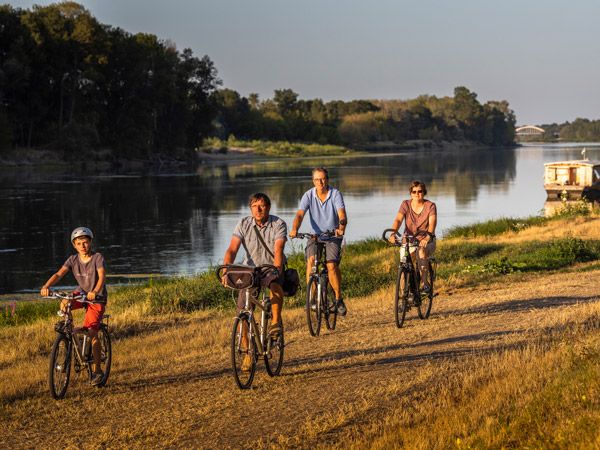
There is certainly no shortage of reasons to visit the Loire Valley. It’s the beating heart of fairy-tale France, with picturesque castles framed by the rushing waters of the Loire River and vineyards that cover 53 appellations of Protected Designation of Origin. Time stands still here, with multigenerational families ploughing the land and making wine.
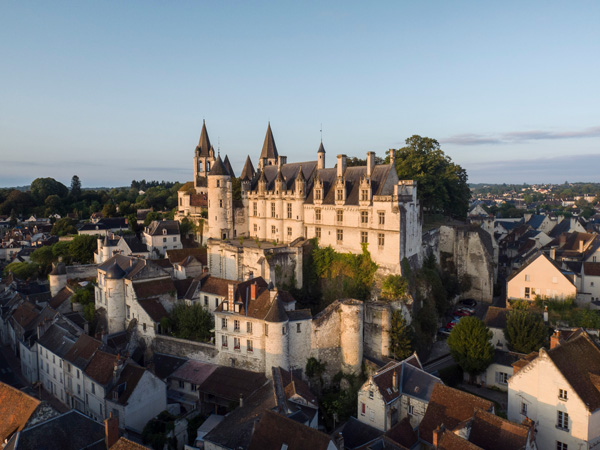
More than 300 châteaux rise above woodlands and bucolic vistas; it’s easy to see why the Loire is also known as the ‘Garden of France’ and ‘Valley of the Kings’. While 280 kilometres of the river’s mid-section is listed as a UNESCO World Heritage Site, the river flows deftly, crafting its well-worn path into the modern day. The best way to explore the Loire is, unquestionably, by bike. Take a week or two and lean into Loire time, stretching out the days in this land of abundance: wine, food, history, culture and natural beauty.
2. Europe’s grand hotels
Travelling with: Carla Grossetti
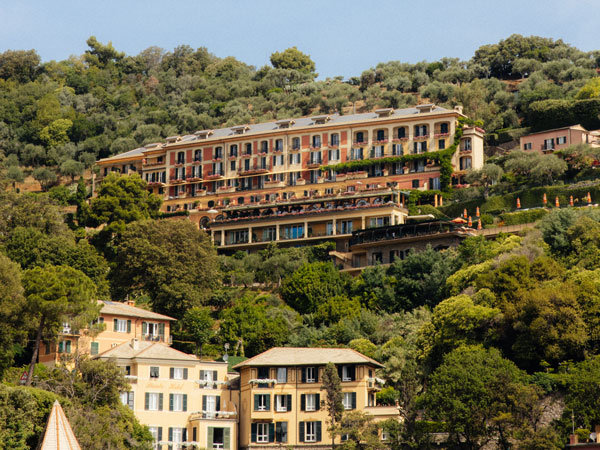
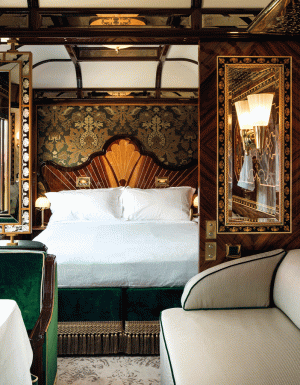
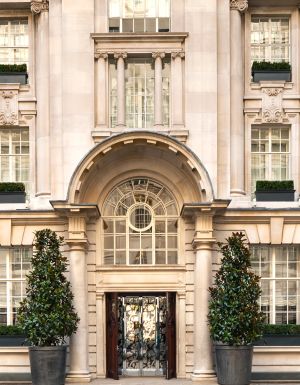
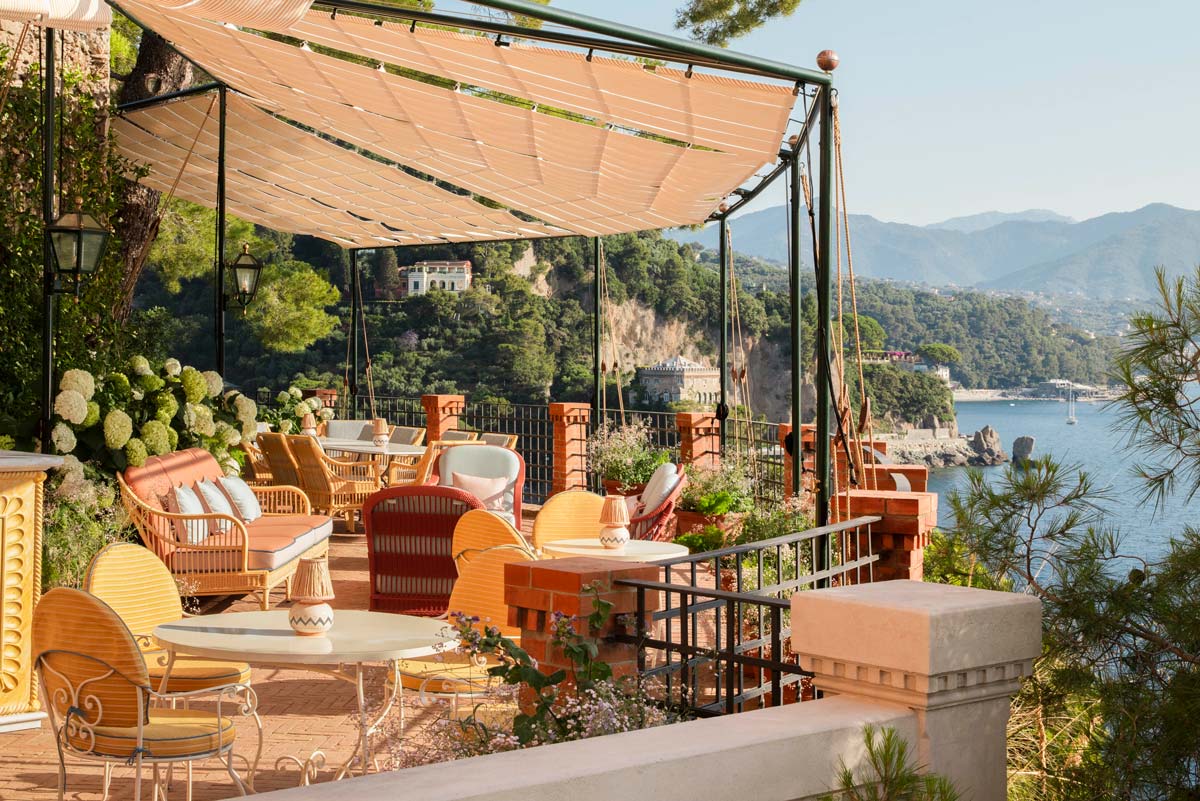
Grand historic buildings and stately manors across Europe are being transformed into design-led hotels. The newly revamped Splendido, A Belmond Hotel, Portofino, is a case in point. First built as a Benedictine monastery, then transformed into a hotel in 1901, the property sitting pretty on a hillside in Portofino has since had a lot of work done. Much like the Versace-clad couples canoodling on its day beds. Bespoke is also best at Heckfield Place in Hampshire in the UK and Valverde Sintra Palácio de Seteais in Sintra, Portugal.
3. Visit the Big Three cities
Travelling with: Carla Grossetti
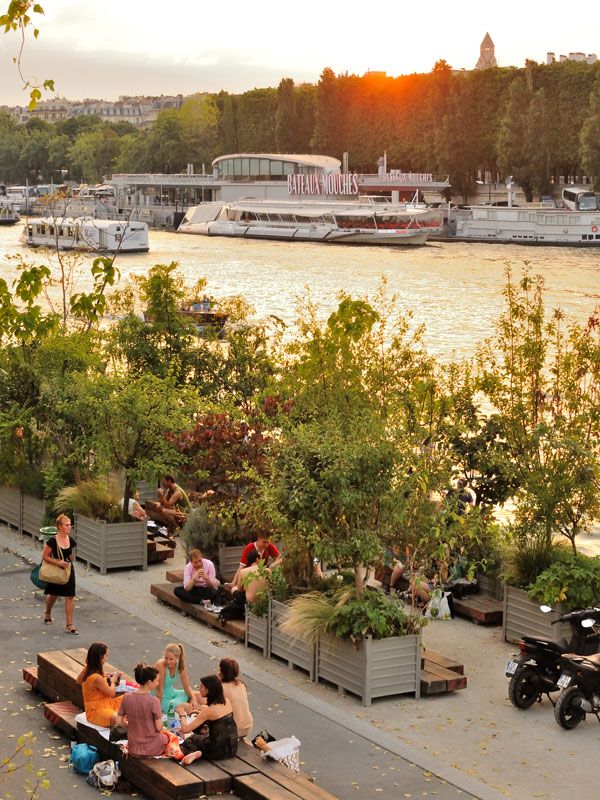
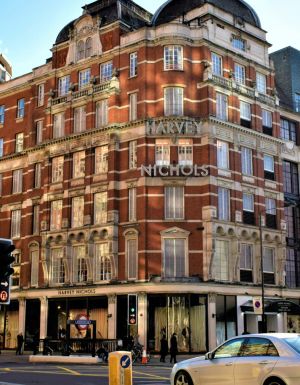
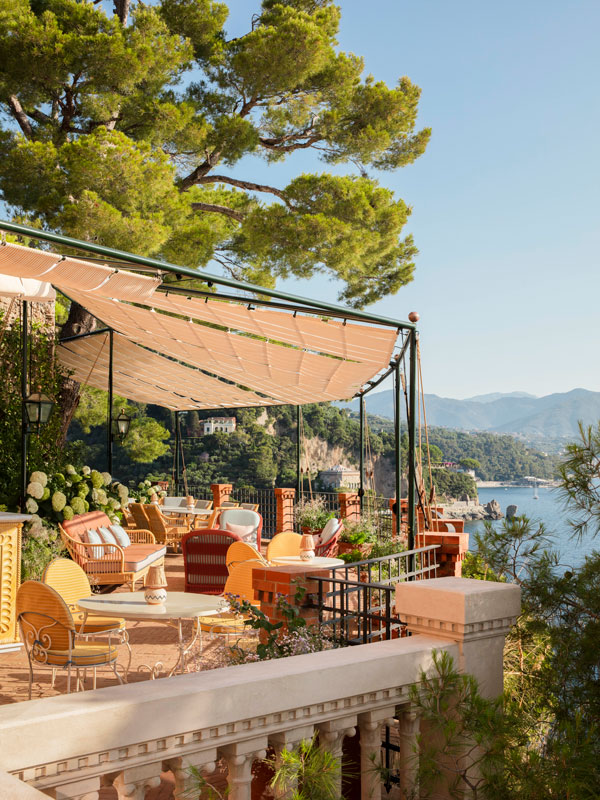
The capital cities of London, Paris and Rome continue to captivate no matter your age, budget or preferred mode of travelling. The big three cultural capitals are home to world-class art, architecture and cobbled streets steeped in history. Whether you’re fossicking in a market along the Thames in London, picnicking by the Seine or enjoying an aperitivo while gazing at Roman ruins, these cities will never go out of fashion.
4. The Great Spa Towns of Europe
Travelling with: Imogen Eveson
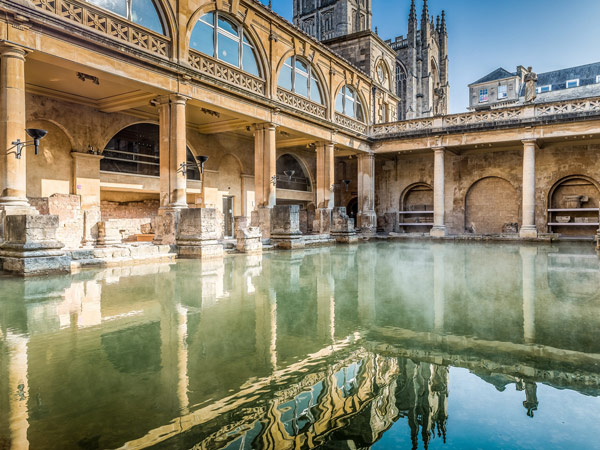
The Great Spa Towns of Europe is a UNESCO World Heritage listing that brings together 11 towns across seven countries. Collectively, they tell the story of the spa culture that flourished from the early 18th century to the 1930s, shaping the rise of grand international resorts. Today, destinations such as Baden-Baden in Germany, Bath in the UK, Karlovy Vary in the Czech Republic, Baden bei Wien in Austria and Vichy in France – each built around natural mineral springs – offer as much for history enthusiasts as they do for modern wellness-seekers.
5. Europe by rail
Travelling with: Carla Grossetti
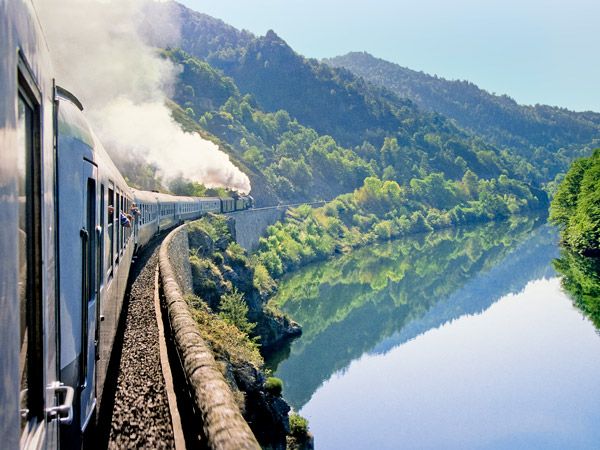
You’ll see Europe at its most cinematic by rail. Find views that fill the skyline when winding your way through Austria, Switzerland, Spain, Germany and France with a Global Pass from Eurail that lets you explore at your own pace. Reserve a window seat and take all the trains you want around Bulgaria with a One Country Pass that tracks past beautiful mountains, Black Sea beaches and pretty pink lakes. Eurail’s network in Poland has also been expanded with new carriers, offering new routes to destinations like Kraków or the mountain town of Zakopane.
6. Skiing in Switzerland
Travelling with: Rachael Thompson
Switzerland has more than 200 ski areas, but you can soar to new heights at Matterhorn Ski Paradise, perched nearly 4000 metres above sea level in the heart of the Alps. Carve your way down legendary slopes that suit all levels against a backdrop of one of the world’s most iconic mountains. Then trade your skis for a robe and sink into the alpine serenity of Ātman Mountain Spa at CERVO Mountain Resort in Zermatt.
7. The castles of Eastern Europe
Travelling with: Elizabeth Whitehead
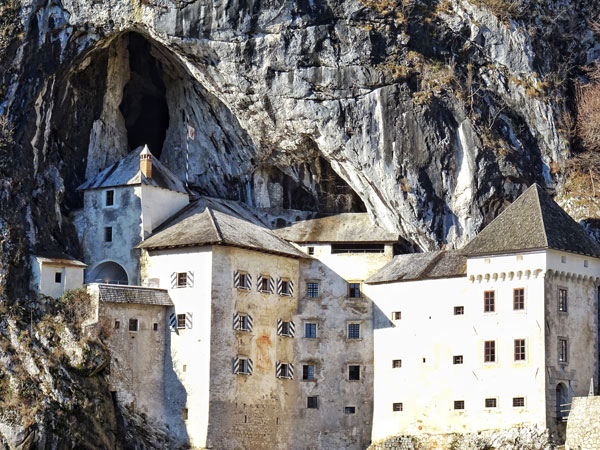
There’s something truly spellbinding about the castles dotted around Eastern Europe. However, you won’t find the gilded, saccharine style à la Palace of Versailles here: these castles draw their magnificence from their ruggedness and the grandeur of the landscapes they rise from. Take Predjama Castle, Slovenia, for instance, tucked into the mouth of a cave, or Orava Castle, Slovakia, teetering atop a hill, that seems to merge with the geography itself.
Weekly travel news, experiences
insider tips, offers, and more.
8. Cruise the Danube River
Travelling with: Carla Grossetti
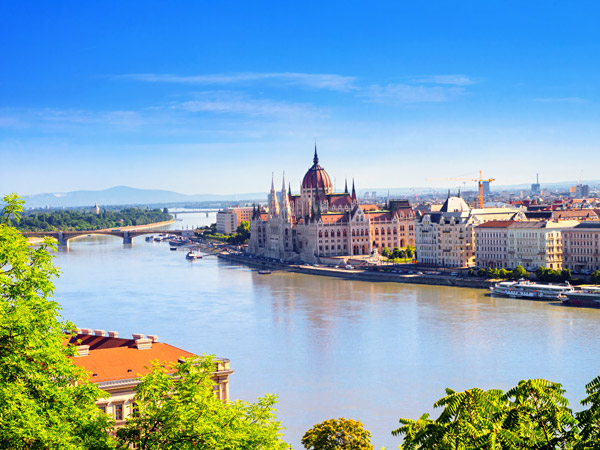
See everything from turreted medieval castles to Gothic cathedrals and vineyards embroidered into the hills as you sail past five countries on a Danube river cruise. Choose a company such as Tauck to cruise: Amsterdam to Budapest by riverboat and experience Old World Europe at its best. The journey includes stops to see UNESCO-listed gems such as the Hungarian Parliament in Budapest, as well as excursions to Rothenburg, ‘Germany’s perfect fairy-tale town’ and the baroque palaces of Bratislava.
9. Budget-friendly Albania
Travelling with: Carla Grossetti
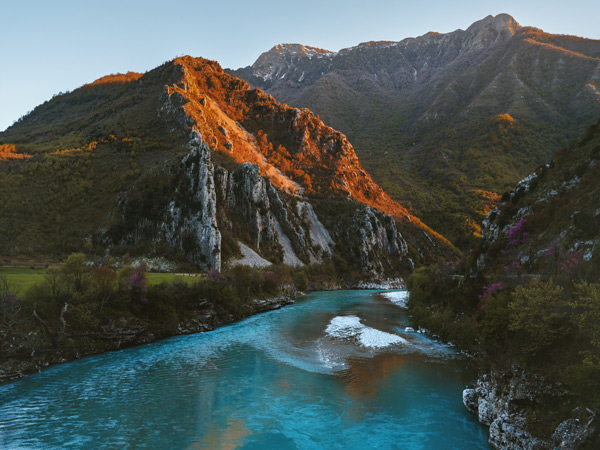
Google ‘cheapest country in Europe’ and Albania will be one of the places that pop up. The country is gaining traction with budget-conscious travellers who want to get more bang for their Euro. In addition to being more affordable, small-group tour companies such as Collette are visiting Albania for its beauty and rich history, including it for the first time on its 15-day The Balkans: From Coastal Croatia to Legendary Greece tour.
10. The wine caves of Hungary
Travelling with: Carla Grossetti
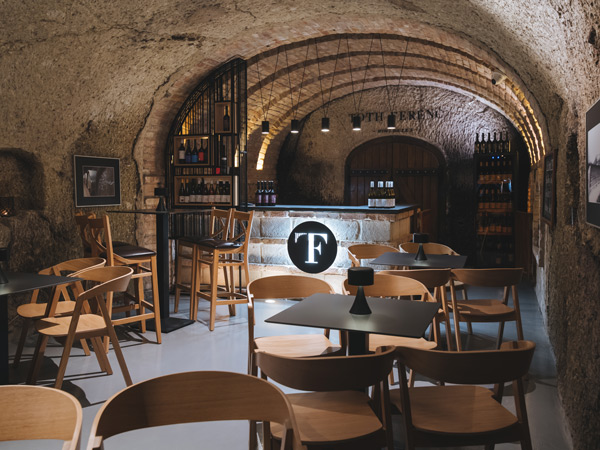
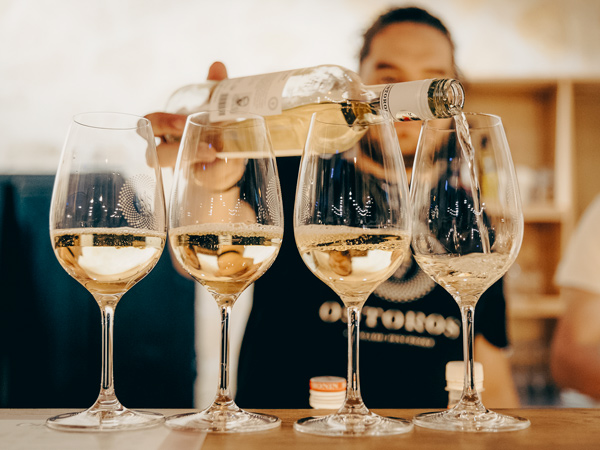
The town of Eger – a 90-minute drive from Budapest – is home to the Szépasszony-völgy wine region, which translates to ‘Valley of Beautiful Women’. It is said to have earned its name back in the 1800s when the only women permitted into its wine cellars were beautiful escorts invited by men. Thankfully, these days everyone can try wine in the 200-odd cellars, all carved into the rock of Eger’s mountainside. Visitors wind their way down the cobblestoned corridors, which open into ancient cellar ‘caves’ where they can try the region’s flagship wine, Egri Bikavér – or ‘Bull’s Blood’. What’s more, all these cellar caves are situated within walking distance from one another, making it effortless for travellers to wander from one to the next.
Want to see more stories from International Traveller in your Google search results?
- Click here to set International Traveller as a preferred source.
- Tick the box next to "International Traveller". That's it.