hero media

9 things you need to know about Corsica

Get ready to learn a thing or two about this stunning Mediterranean island.

Who knew Corsica had so much going for it? Well, the French as it is part of France, but Corsica has been under the radar for way too long for island-loving Aussies.

Here are some enticing titbits about the fourth-largest island in the Mediterranean. Before you finish reading, you’ll be making plans to visit.

1. It sports some of the most beautiful beaches in the Mediterranean

Corsica has more than 1000 kilometres of coastline with granite headlands punctuated by a wide array of gorgeous beaches and aquamarine waters. Here is just a tiny sampling.
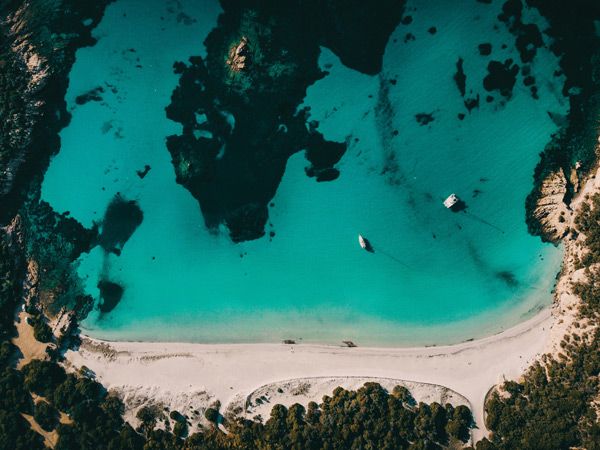
a drone shot of a white sand beach and emerald blue waters at Plage de Roccapina, Corsica
Plage de Roccapina is a beach lover’s dream. (Image: Mario Von Rotz)

In the north, there are the champagne-coloured sands and aquamarine waters of Lotu and Saleccia beaches of the Desert des Agriates and the cliff-backed black sand beach of Nonza on Cap Corse.
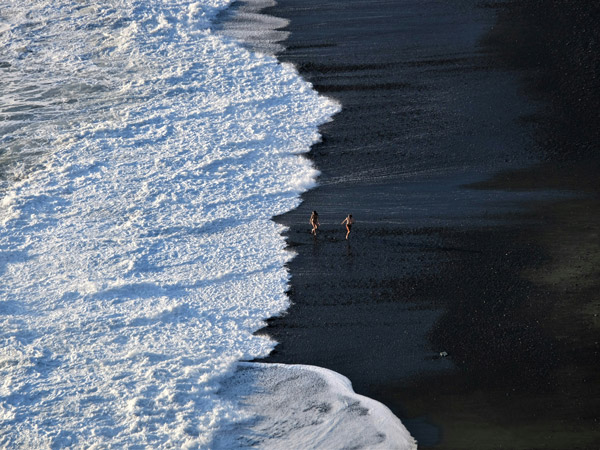
the black sand beach at Nonza, Corsica
Set foot on the beautiful black sand beach, Nonza. (Image: Alessandro Venturi)

On the east coast, there’s the fine white sandy Pinarello Beach with a boardwalk, a pine forest behind and a few beachside restaurants and the two-kilometre-long sweep of dove white-coloured beach at Palombaggia, south of Porte Vecchio.

Not far from Bonifacio in the south is the lunar-like landscape with sculpted chalk cliffs and a giant sea cave next to Saint-Antoine Beach where you can swim with translucent fish.

While in the southwest, there are many tucked-away beaches of biscuit-coloured sand in the Sartene region (Roccapina Beach with its lions-head-shaped headland and Tizzano Beach).
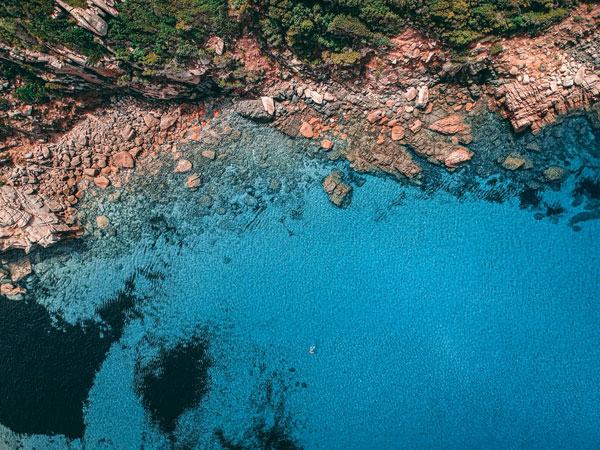
an aerial view of the waters and rocky coast on Tizzano Beach, Corsica
Admire the turquoise waters at Tizzano Beach. (Image: Niko C)

You can even take a day boat to the Lavezzi Islands, a group of tiny granite islands off the coast of Bonifacio, which is a perfect spot to go snorkelling with lots of fish.
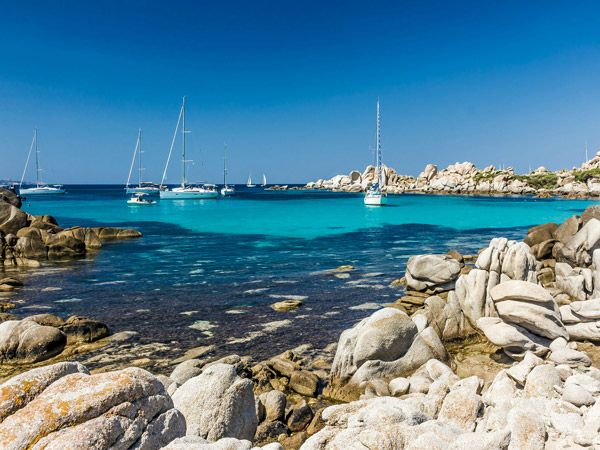
limestone rocks on the Lavezzi Islands
Take a day boat to the Lavezzi Islands. (Image: Kevin Et Laurianne Langlais)

2. It has some of Europe’s most dramatic mountains and one of the most spectacular long-distance walks on the continent

Corsica is mountainous (really mountainous) with jagged red rocks forming rugged cliffs and headlands, particularly in the west. In fact, there are 472 named mountains and 20 peaks that are higher than 2000 metres, with the highest peak being Monte Cinto at 2706 metres.
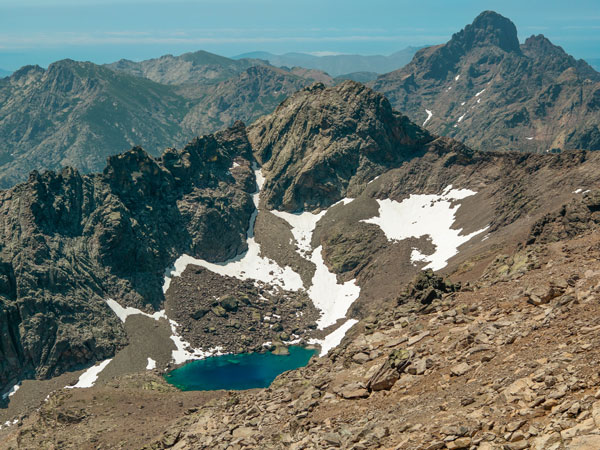
the towering mountains in Monte Cinto, Corsica
Monte Cinto is the highest point on the island. (Image: Getty Images/ValerioMei)

It also has one of the most famous and toughest long-distance hikes in Europe: the 180-kilometre GR20, which traverses the island from north to south with a vertical elevation range of 10,000 metres.
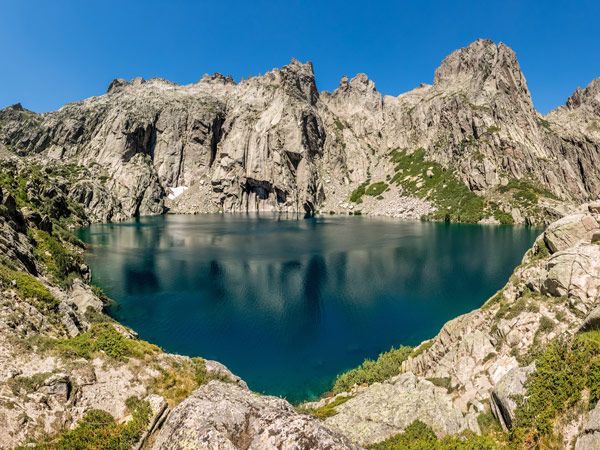
the lake of Capitello in Corsica
The lake of Capitello is part of the GR20. (Image: Getty Images/joningall)

It’s special because it leads experienced hikers into the sort of terrain usually only accessible to mountaineers and along the way offers rugged cliffs, sea views, secret mountain lakes and spectacular panoramas.

Day trekkers can also enjoy one of the island’s best day hikes up the Restonica Gorge to lakes Melu and Capitello in the Rotondo Massif, which is part of the GR20.
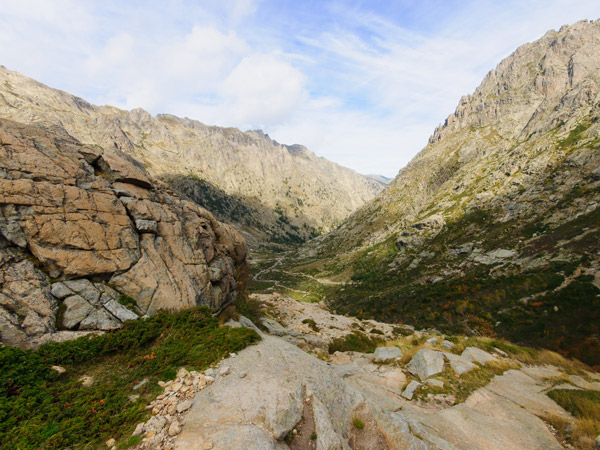
a scenic landscape at Restonica Gorge, Corsica
Restonica Gorge is one of Corsica’s most picturesque canyons.

3. It’s famous for its very own surf and turf cuisine

Corsica has a rich food culture that is tied both to the land and the sea. Inland, it’s all about lamb and veal stews, charcuterie, sausages and hams made from wild boar as well as a wide range of flavourful cheeses (try the ricotta-like brocciu) made from goats and sheep milk.

Other local specialties include olive oil, chestnut pastries and honey flavoured with the flowers of the fragrant maquis-covered landscape. There is also a wide range of delicious local Mediterranean fish including dentex, scorpion fish, corb, sea bream and sea bass.
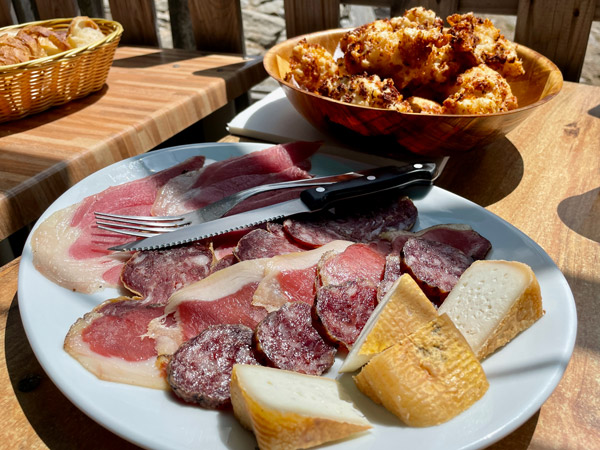
crispy golden beignets de fromage, ham, salami sausage and goat cheese
Discover Corsica’s rich food culture. (Image: Getty Images/Maleo Photography)

4. It has delicious wines made from indigenous grape varieties you’ve never heard of

More than 30 different grape varieties are grown in nine AOC regions that cover more than 8000 hectares under vine. This makes for some pretty interesting wine touring all over the island.

Be adventurous and discover some of the indigenous grape varieties such as sciacarello, nielluccio, and mamolo (for reds) and vermentino, malvoisie and biancu gentile (for whites). Patrimonio in north east Corsica, the island’s first wine region, has the largest number of wineries.
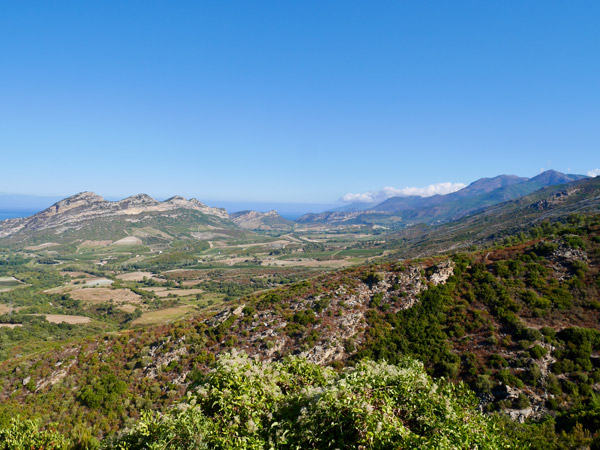
a wide expanse of vineyards in Patrimonio in north east Corsica
Vineyards are spread across Patrimonio. (Image: Getty Images/Maleo Photography)

Also check out Domaine Saparale in Sartène, which also offers accommodation in traditional bergerie huts, while Domaine de Peretti della Rocca in Figari has a terrific cellar-door restaurant and accommodation overlooking the vines.
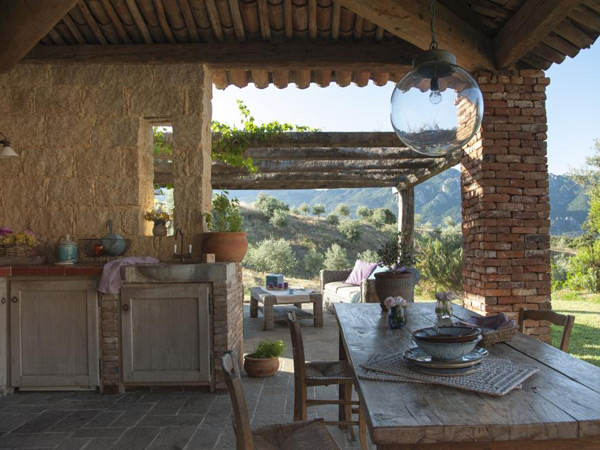
Domaine Saparale in Sartène.
Make sure you check out Domaine Saparale in Sartène.

5. It has mysterious prehistoric archaeological sites with a variety of megaliths

Corsica has numerous archaeological sites with prehistoric stone dolmen structures and menhirs (standing stones).

Filitosa is the most impressive, about one-and-a-half hour’s drive southeast of Ajaccio. It was inhabited continuously from the 9th millennium BC until 300 BC when Corsica came under Roman control.
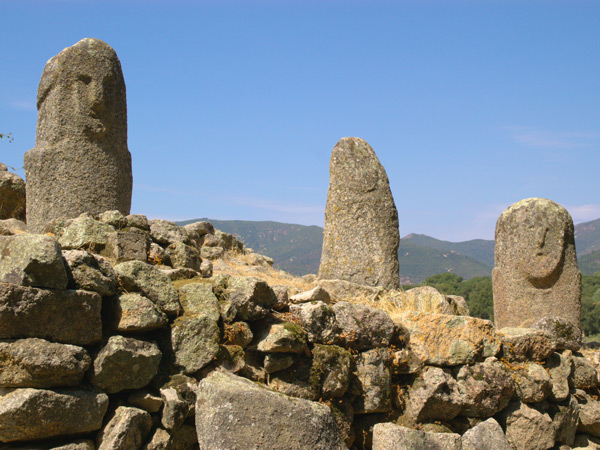
the megaliths of Filitosa
Be mesmerised by Filitosa. (Image: Getty Images/x-drew)

You’ll discover wooden implements from the Mesolithic Age; flint tools, ceramics, dolmen and grindstones from the Neolithic period; and carved menhir statues and stone towers from the Bronze Age. The sixteen sculpted granite menhir statues, with human faces, shoulders and arms as well as swords, daggers and helmets, are the most mysterious.
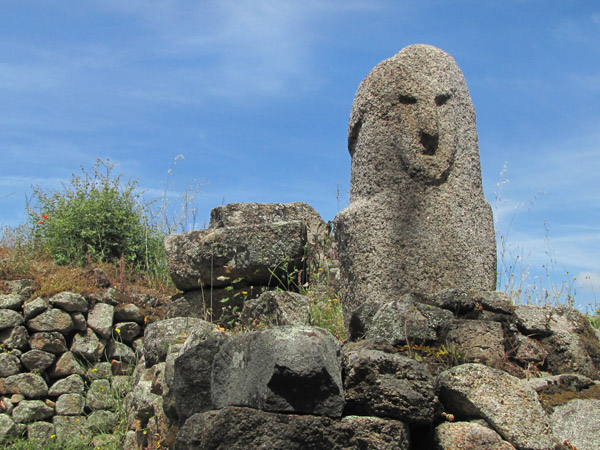
a menhir statue in Filitosa, Corsica
The sixteen sculpted granite menhir statues are incredibly mysterious. (Image: Getty Images/Yvonne Wacht)

6. It has one of the richest marine diversity hotspots in Europe

The Scandola Nature Reserve is both a land and marine reserve located on the Gulf of Porto in the north west. It’s a global benchmark for biodiversity protection and is one of the richest marine diversity hotspots in Europe.
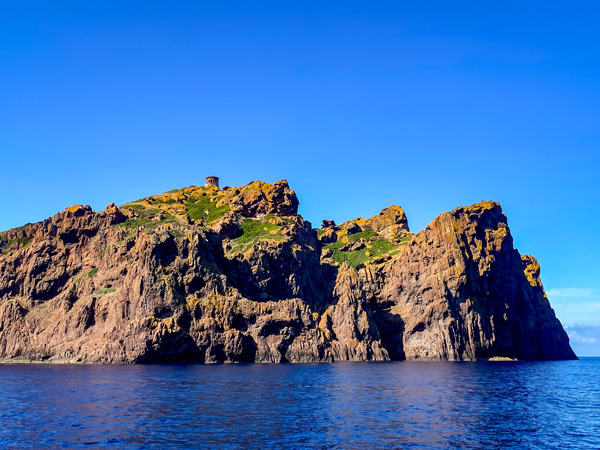
the Scandola Nature Reserve in Corsica
Scandola Nature Reserve is one of the richest marine diversity hotspots in Europe.

Between its cliffs of red granite lie aquamarine coves with nearly 200 species of fish including some that have almost disappeared from the Mediterranean, as well as more than 450 species of algae. It’s also home to gannets, moray eels, red coral and gorgonian fans and is renowned for its successful restocking of ospreys and groupers.

The Scandola Nature Reserve, along with the nearby Calanques of Piana and the gulfs of Porto and Girolata, is a UNESCO World Heritage site.
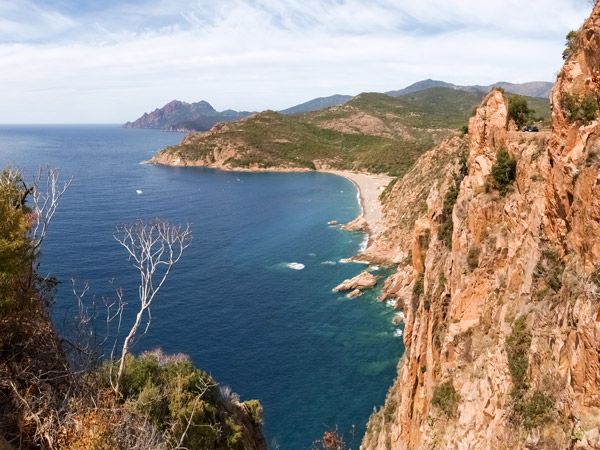
the Calanques of Piana in Corsica
The craggy peaks of Calanche de Piana were chiselled by erosion. (Image: Getty Images/Mor65)

You can drive two kilometres along the road between Piana and Porto to admire spectacular red granite rock formations or take a boat trip to marvel at the cliffs and pillars from the sea. You’ll see plenty of marine life too.
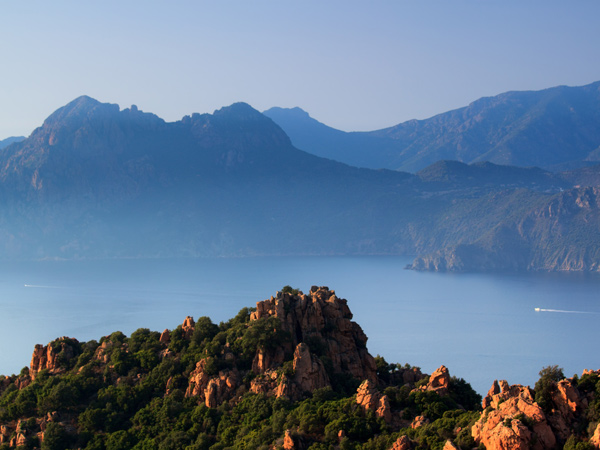
Calanques of Piana and the mountains of Scandola in the background
Calanche de Piana overlooks Scandola’s mountains. (Image: Getty Images/digital chateau)

Weekly travel news, experiences
insider tips, offers,
and more.

7. It has a desert that frames 37 kilometres of exquisite, protected coastline

Located west of Saint-Florent in the Balagne region of northern Corsica, the Desert des Agriates is Corsica’s largest territory of uninhabited wilderness. Not really a desert, it’s more a landscape of rocky ridges covered with maquis scrubland that frames sublimely beautiful beaches and headlands.

The endemic flora includes holm oak, olive trees, myrtle, sage, juniper, strawberry tree, rock rose and other aromatic plants while the beaches of fine powdery champagne-coloured sand rimmed with crystal clear aquamarine waters are possibly the most beautiful and unspoiled in the Mediterranean.

The easiest way to access some of these beaches is on a short ferry or jet-boat ride from Saint-Florent. Lotu and Saleccia beaches are the most popular and both have rustic restaurants offering seafood and other classic Corsican fare.

You can walk the Sentier des Douaniers between the two, or if you’re feeling particularly adventurous, you can hike the entire 37-kilometre trail, between Plage de l’Ostriconi and Saint Florent, over three days (there are only primitive camping facilities). Route D81 is the only road, which marks the southern limits of the Agriates, while branching tracks are accessible to four-wheel-drive vehicles.
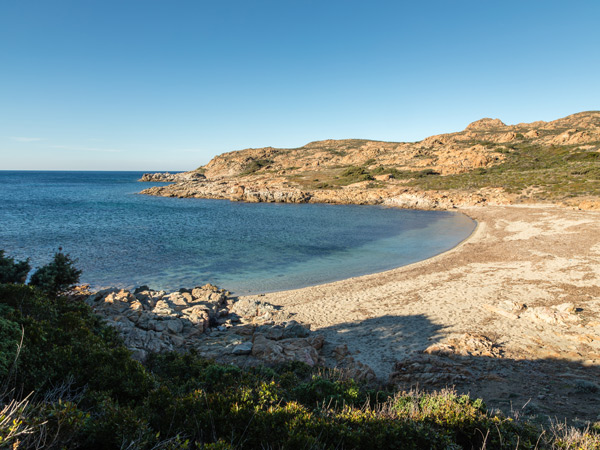
a clear blue sea and deserted beach on the coastline of the Desert des Agriates
The Desert des Agriates is Corsica’s largest territory of uninhabited wilderness. (Image: Getty Images/joningall)

8. Its polyphonic choral singing is an acapella tradition unique to the island

Corsican polyphonies are a part of the island’s identity and culture and are sometimes linked with political agitation for the island’s independence. This singing tradition, which originates from shepherds’ songs of daily life in the mountains, had almost become extinct until its revival in the 1970s.

These days, you’ll see flyers advertising choral groups in many towns across the island. There’s an annual polyphonic singing festival in September in the heart of the Calvi citadel, where you’ll not only hear the finest Corsican choirs but also polyphonic ensembles from all over the world.
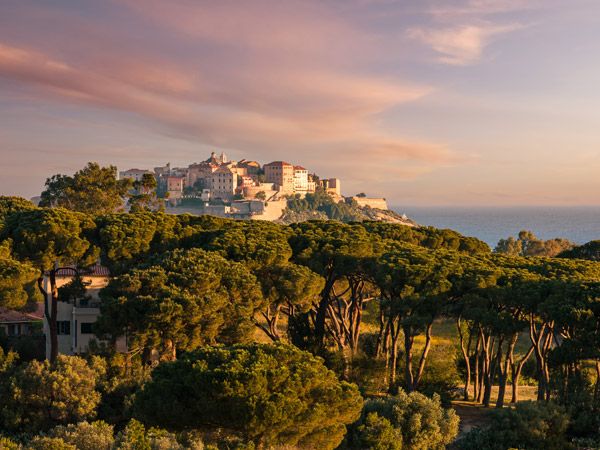
the citadel of Calvi with pine trees in the background
Calvi’s massive citadel is perched atop a rocky headland. (Image: Getty Images/joningall)

9. It was the birthplace of Napoleon

Napoleon Bonaparte was born in Ajaccio in 1769, a year after the Republic of Genoa ceded Corsica to France. Bonaparte ruled France for over a decade until his defeat at Waterloo in 1815.

Today you can visit where he was born at the Maison Bonaparte, which is also a museum dedicated to his legacy; the Ajaccio Cathedral where he was baptised and where members of his family are buried; and the Salon Napoleonien at the Ajaccio Town Hall, where portraits and busts of the family are on display. There’s also a monumental statue of the emperor on a horse, surrounded by his four brothers, on Place du Diamant as well as a marble statue of him dressed as a Roman Consul at the Place des Palmiers.
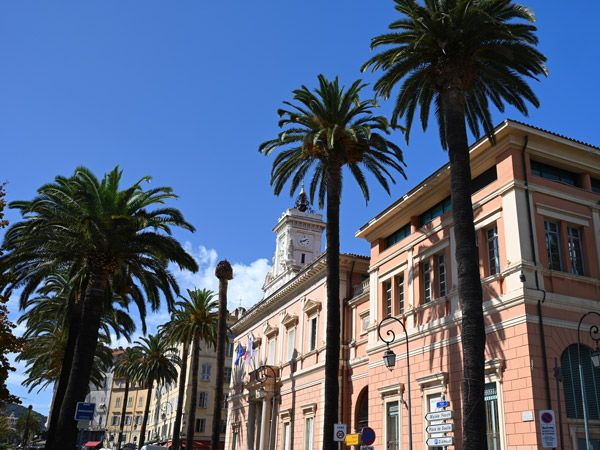
the Ajaccio Town Hall with palm trees on the side
Portraits and busts of the Bonaparte family are on display at Ajaccio Town Hall. (Image: Getty Images/Richard Villalon)

In another nod to history, the members of the French Resistance took their nickname from the maquis (the scrubby bushland fragrant with aromatic sage, juniper, rosemary, laurel and immortelle (everlasting flowers) that covers the Corsican landscape) because the Corsican rebels were the first to repel the German occupiers during the Second World War.
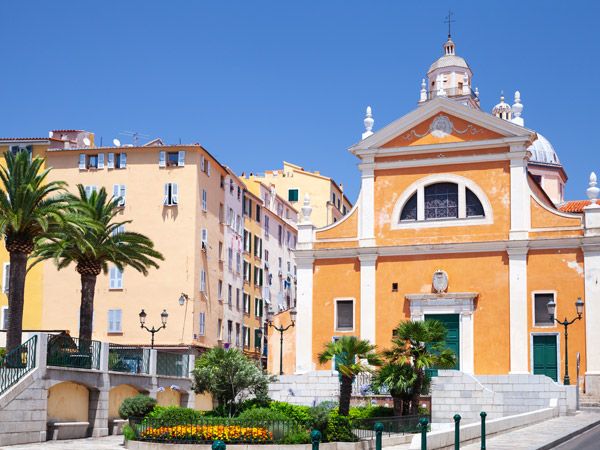
the Ajaccio Cathedral in Corsica
Napoleon was baptised in Ajaccio Cathedral. (Image: Getty Images/eugenesergeev)

Want to see more stories from International Traveller in your Google search results?

  1. Click here to set International Traveller as a preferred source.
  2. Tick the box next to "International Traveller". That's it.
Sue Gough Henly
Sue Gough Henly divides her time between a treehouse on Sydney's Northern Beaches and a farmhouse in Bordeaux, with lengthy sojourns in the United States. Wherever she's travelling, she's always looking to meet the locals and to discover the most authentic experiences that offer a real sense of place. Then she does her best to bring readers along for the ride.
View profile and articles
hero media

5 things every hotel needs for a more restorative stay

    Kate Bettes Kate Bettes
    Wellbeing means different things to different travellers. Here’s how to pick a hotel that gets it right for you.

    The best wellness holidays aren’t necessarily spent wrapped in a spa robe. Sometimes they’re found around a dinner table in Cambodia, on a hiking trail in New Zealand or after finally beating jet lag on the other side of the world. The hotel you choose is what makes them happen.

    1. Easy access to good food

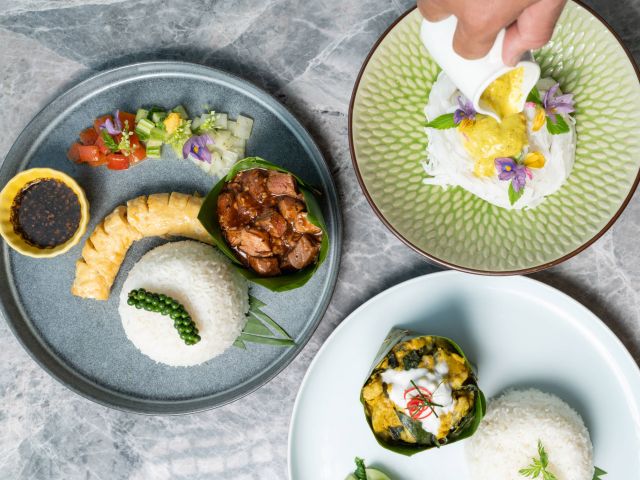
    meals from Novotel Bangkok Sukhumvit 20
    Taste delicious meals at Novotel Bangkok Sukhumvit 20.

    One of the quickest ways to derail healthy habits on holiday is to spend half of it working out where to eat instead of digging into the culture around you. Thankfully, Novotel has done much of the hard work already, with chefs building menus that lean into the flavours, ingredients and traditions of each destination.

    In Sihanoukville, Cambodia, Korkor soup – often dubbed ‘Cambodian ratatouille’ – sits alongside raw blue crab dressed with lime and chilli, best enjoyed with views across the Gulf of Thailand.

    In the lovingly chaotic city of Bangkok, the presence of food cranks up the sociability. At Novotel Bangkok Sukhumvit 20, you can settle in with mango sticky rice and stranger-turned-friends beside the pool at Sky on 20 rooftop bar, or bring them along to tackle river prawns and stir-fried crab with holy basil at the buzzing Crab Paradise Dinner Buffet.

    Then Novotel Dubai Al Barsha welcomes you with a laidback twist on the level of indulgence the Middle Eastern city is best known for up on Deck Se7en. Looking towards Burj Al Arab, the rooftop lounge has everything from Mediterranean-style dishes like seabass ceviche to Italian prosecco sundowners.

    At the other end of the scale, in the hills that surround the Novotel Bali Ubud Resort, calm comes from nature. At Siralada restaurant, Balinese traditions shape the menu while thunder rumbles over the surrounding jungle – proving the setting is as nourishing as the food itself.

    While at Novotel Nha Trang, chef Kieu Thi My Hanh and her team showcase Vietnam’s knack for balancing freshness, texture and fragrant herbs. Pho remains a favourite, while seafood salad with pomelo and mango brings those flavours together in one bright dish.

    It’s all an approach backed by partnerships with expert food creators such as Alfie Steiner, whose plant-forward recipes prove healthy food should never taste plain.

    2. Better sleep options

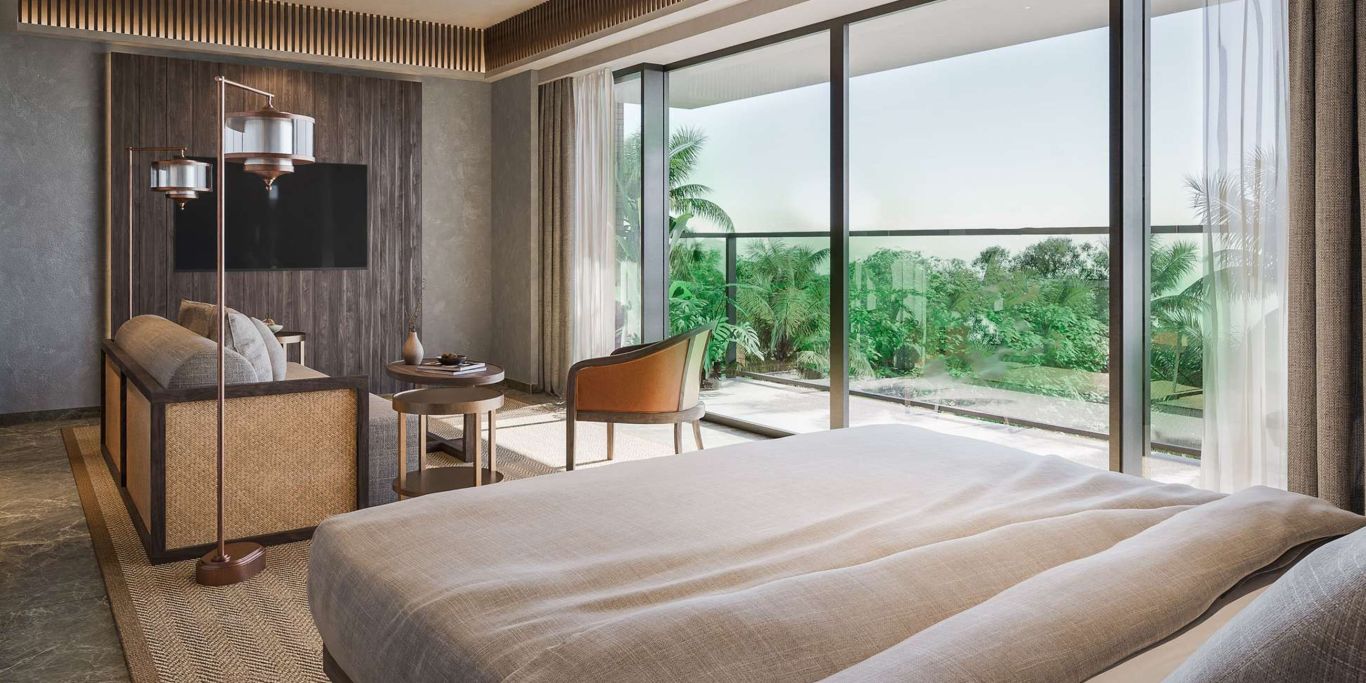
    Novotel Bali Ubud Resort room
    Sleep deeply with Novotel.

    There are few travel experiences more disappointing than arriving in a new country, determined to seize the day, only to fall asleep fully clothed by 3pm.

    For Australian travellers, jet lag is often an unavoidable part of the journey. That’s one reason Novotel runs sleep-focused initiatives that help guests adjust quickly without compromising on health. We’re talking partnerships with Sydney-based sleep specialist Olivia Arezzolo, known for her advice on everything from better sleep habits to beating jet lag, alongside features like pillow menus, in-room yoga content and tailored sleep guidance.

    The sooner you’re operating on local time, the sooner you can get back to more pressing matters – like deciding which spa treatment to book.

    3. More ways to move

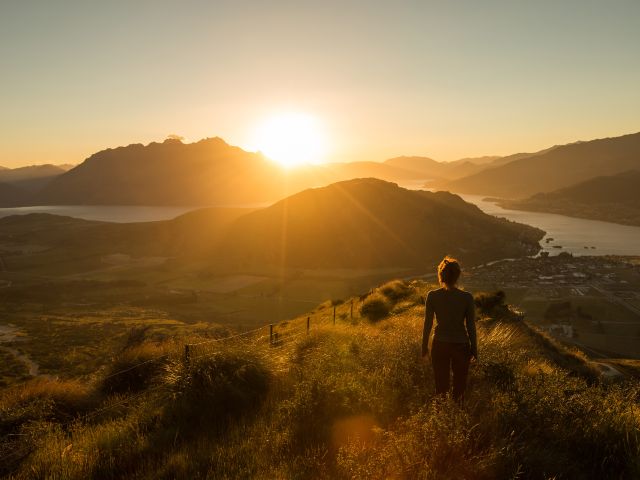
    woman hiking around queenstown new zealand
    Stay at Novotel Queenstown Lakeside and explore local hiking trails. (Credit: GettyI mages/ naruedom)

    Every place in the world has its own way of getting you moving: whether that’s hiking up ice-bitten mountains before a sauna or gentle stretching by the pool before a facial. From fitness centres to spas, Novotel recognises that wellbeing rarely looks the same.

    At Novotel Queenstown Lakeside, activity is inescapable. Here, hiking trails, ski fields, bungee jumps, and white-water rafting have made the region famous. The hotel’s location on the shores of Lake Wakatipu means less time spent organising yourself and more time out there experiencing them. To top it all off, you can book a private hot tub for the evening before heading back into the wilderness tomorrow.

    Bali, of course, takes a softer approach. At Novotel Bali Ubud Resort or Novotel Bali Nusa Dua, movement is less about conquering a mountain and more about a dance class between the tropical gardens and lagoon pools. Afterwards, the spa takes over, with traditional treatments like a Lulur body scrub: a combination of rice, turmeric, sandalwood, ginger and jasmine that’ll soothe muscles already relaxed by the Balinese heat.

    4. Better connections

    Novotel Sharm El Sheikh
    Kids will love a stay at Novotel Sharm El Sheikh.

    One of the best things about travel is that it gives your family stories you’ll be telling for years. Novotel helps create them with activities that bring everyone together, whether that’s trying something new, learning a local skill, or simply spending more time together.

    Go for a distinctly Thai twist at Novotel Phuket Vintage Park, where many of the family activities draw on local culture. Kids can try everything from beginner Thai boxing and language lessons to umbrella painting and – a pastime beloved by children the world over – pool foam parties. Everyone is welcome to join in, whether that’s getting splashed, covered in paint, or simply watching their children discover a new side of Thailand during the dedicated Family & Kids Day.

    A different adventure awaits at Novotel Sharm El Sheikh. Kids could be perfectly content with discos, drawing classes and new holiday friends, but the Red Sea has other ideas. Sitting on the edge of Naama Bay, days here might involve snorkelling colourful reefs, taking a boat trip to Ras Mohammed National Park or heading into the desert by quad bike or camel for a Bedouin-style dinner beneath the stars.

    5. Location is everything

    Surin Beach, Choeng Thale, Thalang District, Phuket, Thaiföld
    Explore Phuket’s gorgeous beaches. (Credit: Bence Biczo)

    Everyone’s idea of wellness looks a little different. With more than 600 hotels across 65 countries, Novotel gives guests the freedom to choose the destination that suits them best. Whether that’s a beachside escape in Phuket, an alpine expedition in Queenstown or a city break in Bangkok, there’s a good chance a Novotel isn’t far away.

    All that’s left? Choosing your version of wellbeing.

    Discover stays to inspire your everyday at novotel.accor.com.