
There’s a lot more to an eastern Mediterranean cruise when you have the right itinerary and ship.
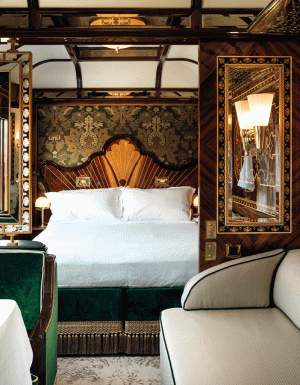
I find the perfect balance of island pleasure and cultural immersion with historic poignancy while enjoying impeccable service, food and wine, amenities and accommodation onboard Explora Journeys’ ultra-luxury ship EXPLORA I.
My wife and I spend a leisurely two days in an uncrowded Mykonos and a languid day in Skiathos, before diving into the astonishing history of Macedonia and arriving in Istanbul.
Port 1: The streets of magnificent Mykonos
The careful itinerary planning of EXPLORA I has us arriving in Mykonos without another cruise ship in port. And with just 700 guests on this sailing in late September (the ship takes a maximum of 922 guests onboard), Mykonos is at its ideal: warm and uncrowded.
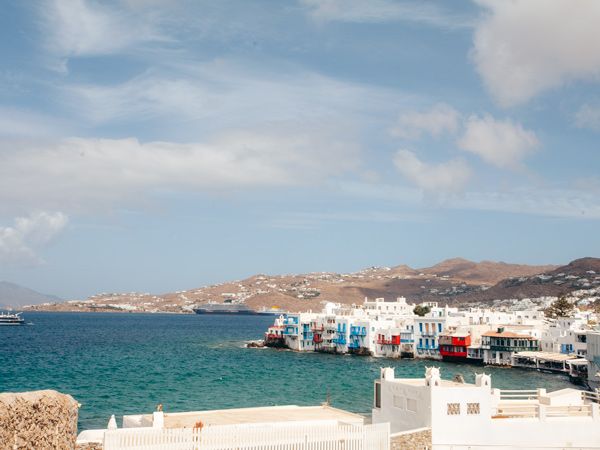
The waterfront restaurants in the Old Town of Mykonos all have ample tables, but at 10am we are in search of coffee not a meal. We wander the narrow white alleys filled with local boutiques and high fashion. I steer us to my favourite local bakery, Gioras Wood Medieval Mykonian Bakery. The stooped entrance gives way to steep uneven stairs that lead to a basement-like space.
People were a lot smaller in 1420 when the bakery was established. Trays of warm tiropita (feta pastry), spanakopita (spinach and feta pastry) and simpler chicken pies are joined by cream rolls, chocolate croissants, honey balls and baklava on a simple table in the atrium. There are more sweet treats in the glass display cabinet opposite: chocolate-drizzled biscuits made from nuts and dried fruit and different varieties of baklava and biscotti.
The white wooden chairs and table where we sit are almost as old as the bakery itself. The coffee is terrible (the coffee onboard EXPLORA I was the best throughout the journey). But the tiropita and historic ambience are priceless.
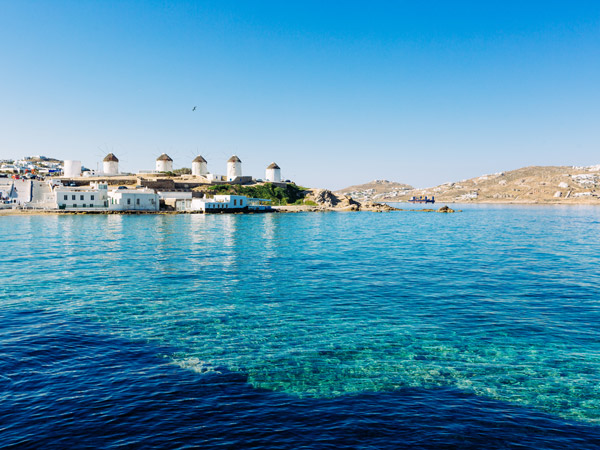
We stroll to the famous Mykonian windmills and back to a waterfront taverna for a lunch of taramasalata and chicken souvlaki with a decent wine. Once back on the ship for an afternoon siesta, Stanley, our butler, has prepared the spa on our balcony suite. Refreshed, we head back into town for dinner. The warm, evening breeze blows through the still-uncrowded alleyways.
The queue at local favourite taverna To Maereio is too long and we wander a bit further to find a different unfussy taverna for another delightful, local meal. I envy my wife’s impression of Mykonos as a calm and delightful island of simple strolling and pleasures.
Port 2: Sun, sand and Spritz in Skiathos
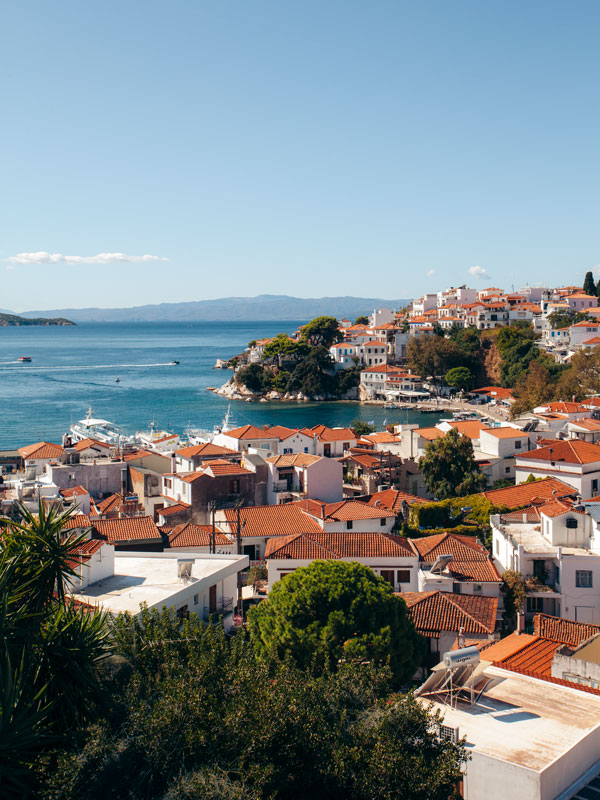
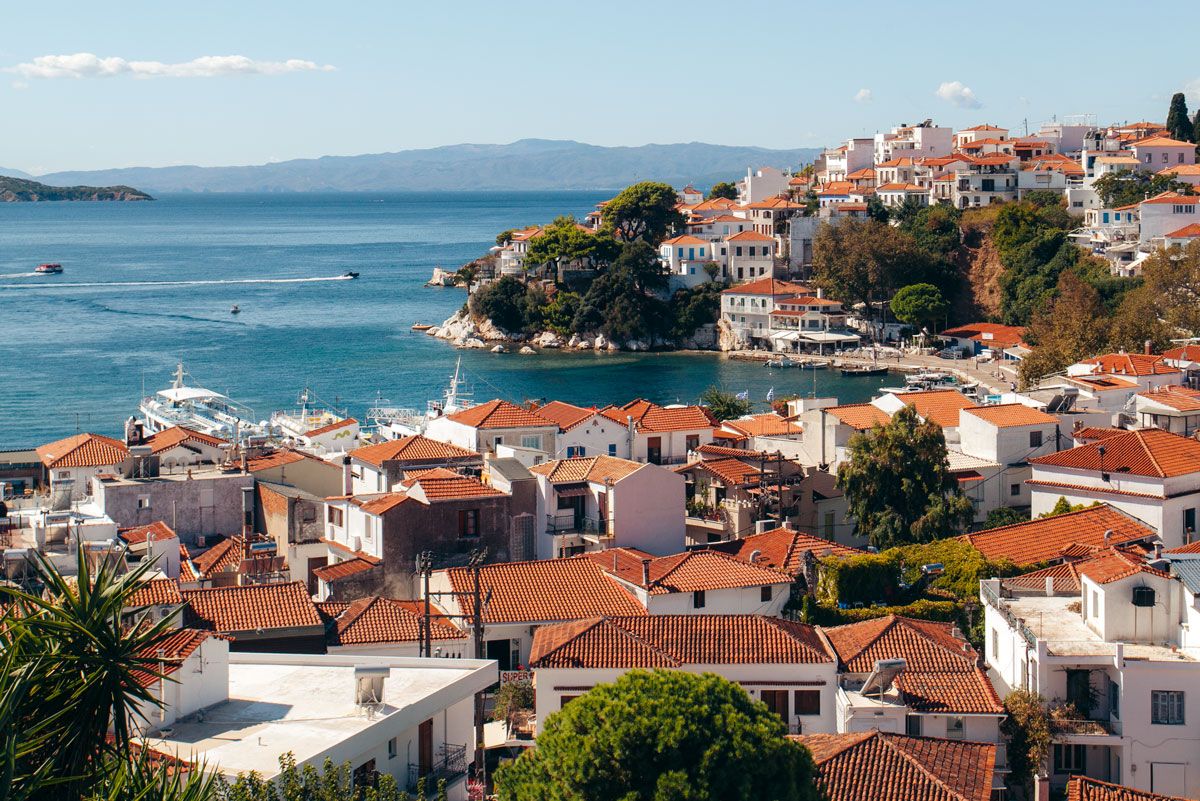
Squat, whitewashed houses with terracotta tiled roofs stand shoulder to shoulder hugging the cliff faces. In comparison to Mykonos, Skiathos is green; there are stands of trees rising between the stubby houses that cover the surrounding hillsides.
On the historical Bourtzi peninsula we sip an Aperol Spritz in the shade of pine trees. Young locals scamper down the stairs to leap into the Aegean Sea from the rocks. I regret not packing my swimmers to join them. We climb up the steep steps to the Church of St Nikolas past houses adorned in the ubiquitous bougainvillea.
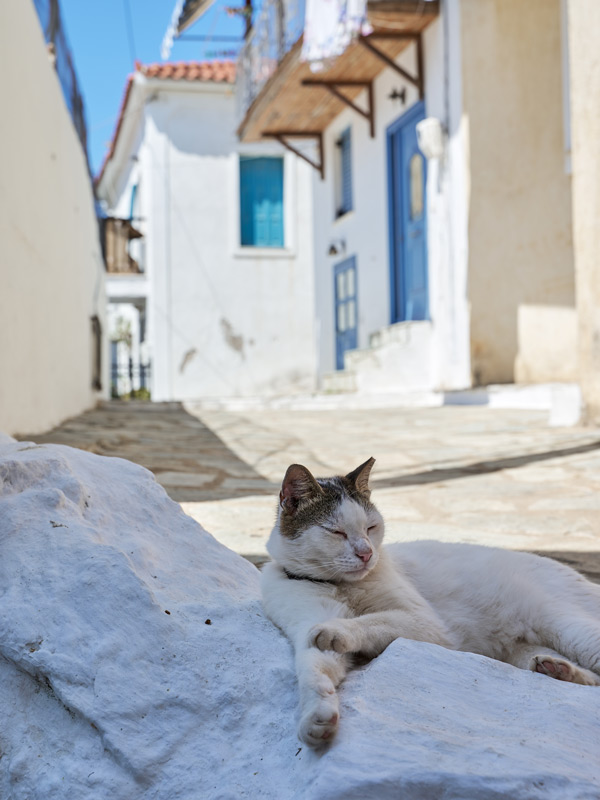
While there are cats snoozing on chairs and tables, there is none of the grime or ageing and fragrant cat food scraps typical of other Mediterranean islands. The views from the chapel-sized church confirm this is the most charming of Greek Isles. Famous as the filming location of Mamma Mia! the movie, the beauty is undeniable. Wandering back down to the marina for lunch, we find inoffensive shops catering to visitors. Dawdling in and out of shops is a quiet pleasure.
Explora Journeys’ careful itinerary planning has again delivered an uncrowded delightful day in Greece. Surrounded by shopping bags full of Christmas gifts for yet unnamed recipients and extra summer linen, we find a table at one of the tavernas at the marina.
“This is my favourite island. We are definitely coming back here," my wife shares as she sips on a local wine and helps herself to the haloumi and dolmades.
Port 3: The forgotten city of Thessaloniki
The conditions, though overcast and blustery, are welcome. To explore Greece’s seldom-visited second city Thessaloniki on a hot day would be close to unbearable.
Thessaloniki is the centre of Macedonian pride; it was named after Alexander the Great’s half-sister after all. Our guide Alevtina Tano starts our tour with the most famous (and bloodthirsty) remnant of Ottoman rule, the White Tower, which became known as the Bastille of Thessaloniki.
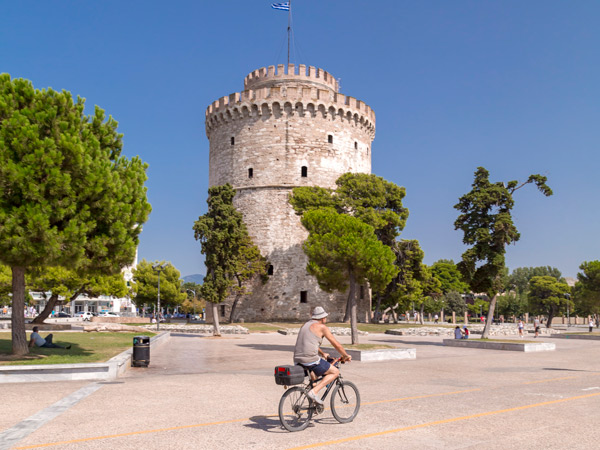
Like its Parisian counterpart, the tower housed prisoners and facilitated their gory execution, ensuring the unlucky resident’s blood would streak down the facade. As sensibilities changed, it was thought better to change its image with a liberal dose of literal: the eponymous whitewash.
Built as the eastern buttress of the city wall, the 34-metre structure would have been an imposing deterrent for most of the duration of Ottoman occupation. Now it takes pride of place on the waterfront promenade where locals cycle, walk and fish, and tourist cruise boats depart.
We stroll along the promenade a few hundred metres to the monument for the city’s favourite son, Alexander. The to-scale sarissa (Macedonian spears) that surround the white marble plinth supporting a rearing Bucephalus (Alexander’s favourite horse) are bewildering. Transporting a five-to-seven-metre length of wood across the steppes of Asia to the doorstop of India exhausts me at the very thought.
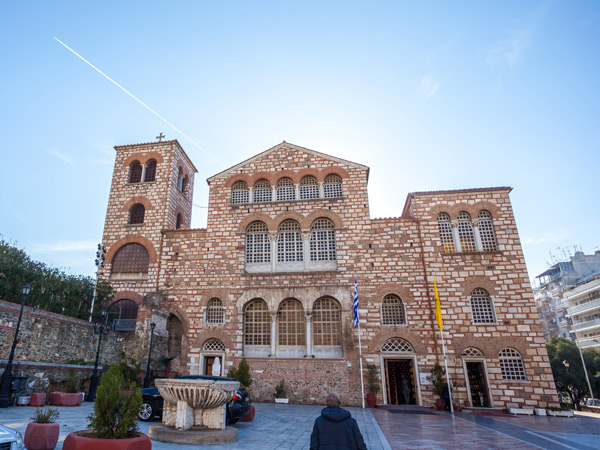
The UNESCO World Heritage-listed Hagios Demetrios is Thessaloniki history in one structure. Built over Roman baths, the Byzantine church became a mosque during the Ottoman reign. The tomb of St Demetrios was left in situ during its time as a mosque for Christian worship.
I line up dutifully to observe St Demetrios’s silver casket, but it is the fragments of Byzantine mosaics on the columns of the church that spark my imagination. What the Ottomans didn’t chisel off, the great fire of Thessaloniki in 1917 mostly finished off. But what could have been?
Weekly travel news, experiences
insider tips, offers, and more.
Drifting past Gallipoli
We are travelling at 20 knots, the only sound the rhythmic lapping of water off the hull. We slide quietly past Turkish forts, military bases and villages. There is no sign of life. The sun is slowly falling into the shadowed hills that rise from the water. The colours in the sky change from blazing gold to orange as the sun sinks over the horizon.
My wife and I sit in silence on the balcony with a glass of Champagne, courtesy of Stanley, who restocks the fridge every day. “You know where we are?" I ask my wife. “Gallipoli is about 10 kilometres over those hills." I point in the direction of the sun. It has been on my mind since we entered The Narrows, the tightest part of the Dardanelles.
Here in 480 BCE, Xerxes I of Persia lashed hundreds of boats together into a bridge to move his army into Greece before confronting Leonidas and his 300 Spartans at Thermopylae. Then, in 1914, Churchill’s disastrous naval attack was repelled by the Turkish navy, which necessitated the Gallipoli landings. This place has special resonance. It is fitting it is so still and quiet. We sit in silence, count our blessings and never forget.
Do it yourself: how to cruise the Med on EXPLORA I
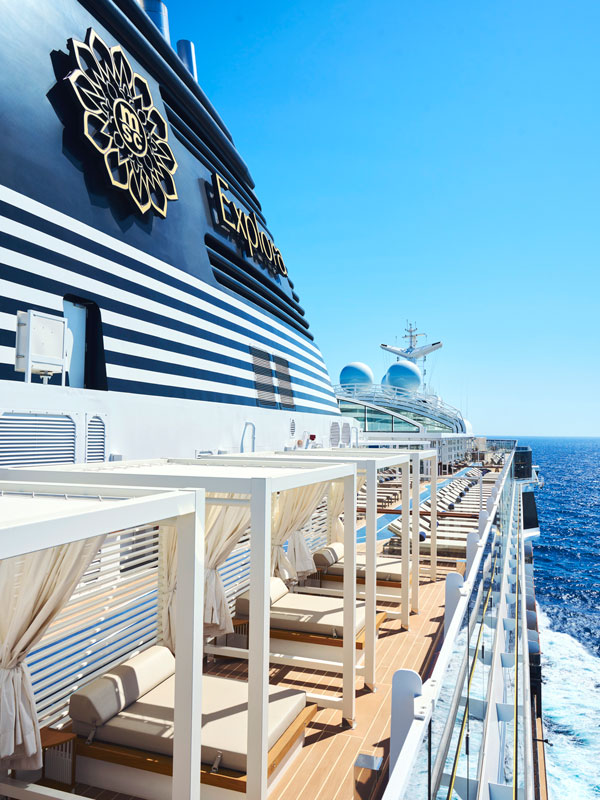
Explora Journeys is the luxury all-inclusive cruise division of mega shipping company MSC (Mediterranean Shipping Company) Group, which also operate MSC Cruises.
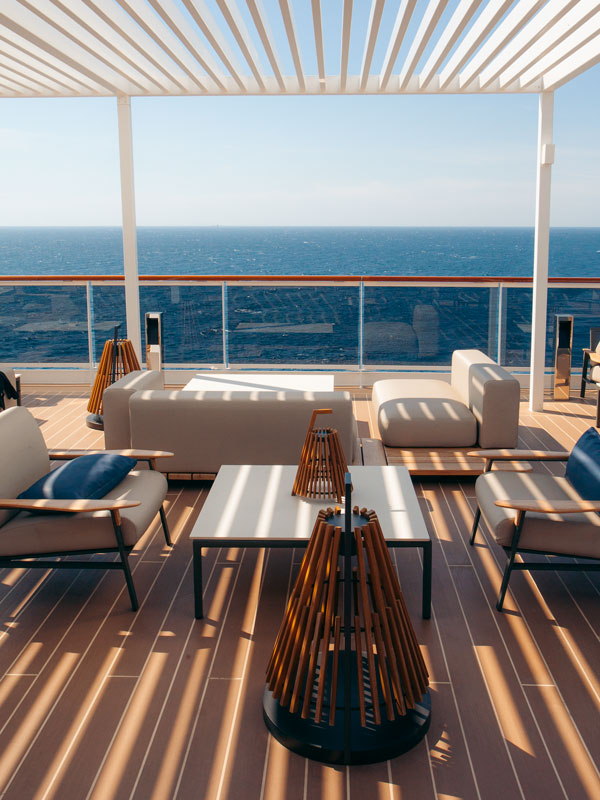
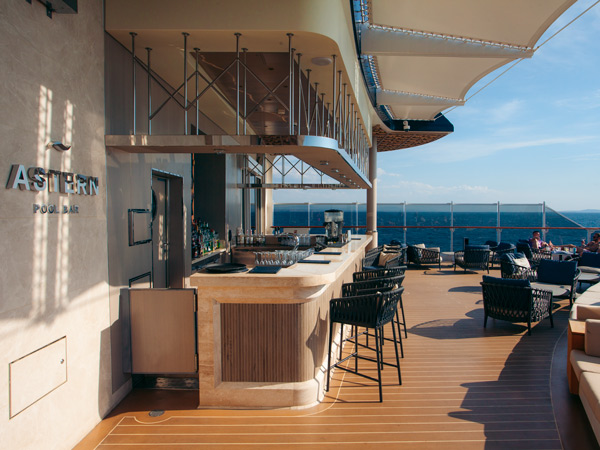
EXPLORA I carries a maximum of 922 guests with six restaurants, five heated pools and 12 bars and lounges and cruises a classic northern hemisphere cycle: summer in the Mediterranean and winter in the Caribbean.
Want to see more stories from International Traveller in your Google search results?
- Click here to set International Traveller as a preferred source.
- Tick the box next to "International Traveller". That's it.