hero media

Faroe Islands uncovered: Classic vs unique things to do

A guide to pairing the Faroe Islands’ classic experiences with unique, off path alternatives. 

The Faroe Islands are a captivating wonderland of unspoiled, otherworldly landscapes. This 18-island archipelago, nestled in the North Atlantic Ocean between Scotland and Iceland, is a self-governing nation that has its own language, currency and identity, but officially remains part of the Kingdom of Denmark. It’s far less visited than its neighbours, with just 100,000 to 150,000 visitors annually (a fraction of Iceland’s millions) 

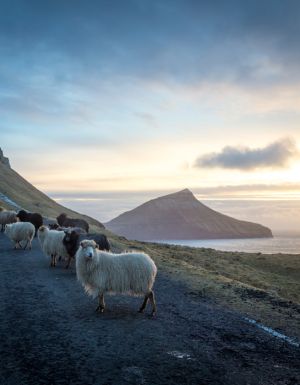
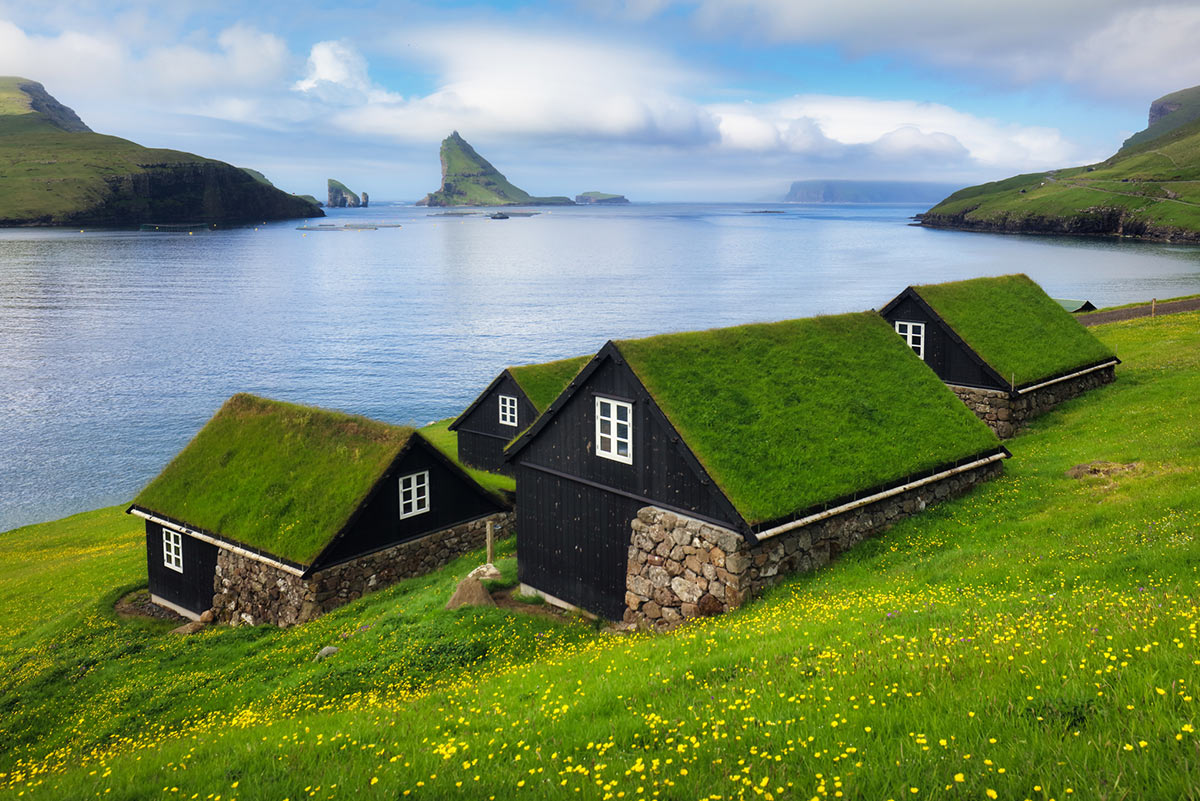
However, tourism is steadily on the rise. Certain sights, like the iconic grass-covered roofs and the shaggy sheep that outnumber the human population, are becoming synonymous with the Faroe Islands. 

From the world’s most remote Michelin-starred restaurant to the famous puffin colonies, the Faroe Islands offer plenty of iconic experiences. But as tourism continues to grow, be sure to balance your trip by exploring some of the hidden, off-the-beaten-path gems as well. 

Where to eat in the Faroe Islands 

Classic: Dine at the world’s most remote Michelin-starred restaurant
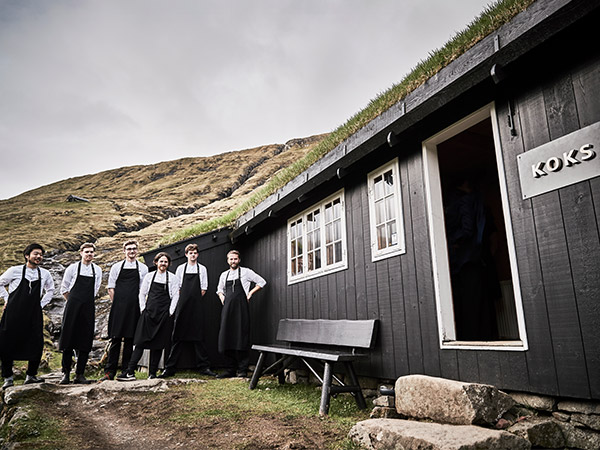
KOKS restaurant staff
KOKS is leading the charge in Faroe’s dining scene.

As the most remote Michelin-starred restaurant in the world, KOKS is undoubtedly leading the charge in Faroe’s evolving, fascinating dining scene.  

As an island in the middle of the ocean with intense seasons of wind, rain and snow and little farmable land, the people of the Faroe Islands have always relied heavily on the sea and creative preservation methods – fermentation, salting and smoking to name a few – to stretch their food supply.  

Head chef Poul Andrias Zisca pays homage to these traditional techniques and ingredients with adventurous menus in a truly immersive, turf-roofed space. 

Unique: Feast on the best shoulder of lamb at Áarstova
lamb dish at Aarstova
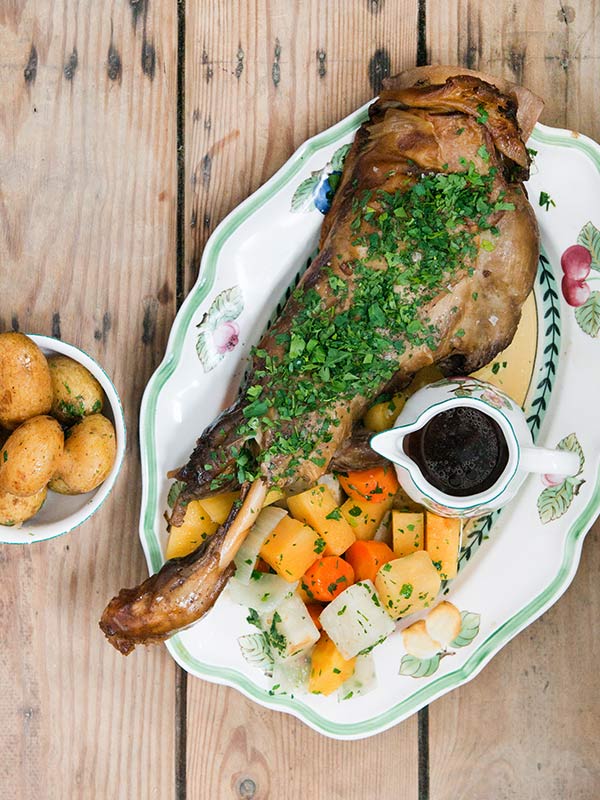
Indulge in the signature slow-roasted lamb shoulder. (Image: Beinta á Torkilsheyggi)

Housed in a charming 18th-century building in Tórshavn, Áarstova feels like dining inside a cosy Faroese story. Known for its signature slow-roasted lamb shoulder – marinated in beer, roasted for 16 hours, and served with root vegetables and rich lamb gravy – it’s a dish locals claim is the best in the country. Life changing. Plus, I can highly recommend the wine pairing. 

Exploring nature in the Faroe Islands 

Classic: Spot puffins on Mykines Island 
puffins at Faroe Islands
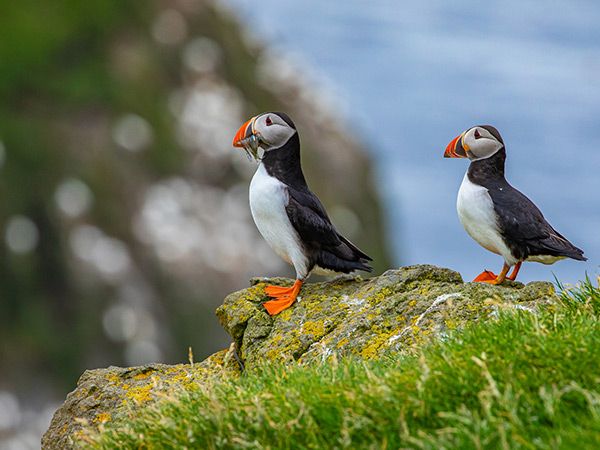
Puffins are a top attraction in the Faroe Islands. (Image: Getty Images/mariusz_prusaczyk)

A mecca for outdoor adventure lovers, natural beauty is around every corner, from Múlafossur waterfall to Drangarnir Sea Arch. But nothing captures the imagination like the large colony of puffins that lives on Mykines Island, a small isle in the Faroe’s far west. You can take a boat safari to see these incredibly cute seabirds in their natural habitat.  

Please note: Puffins have suffered from irresponsible visitation in recent years so remember to have virðing (Faroese for respect) for the environment. Keep your distance from animals, stay on designated paths and bring all rubbish out with you. 

Unique: Paddle through sea caves on a kayaking expedition 
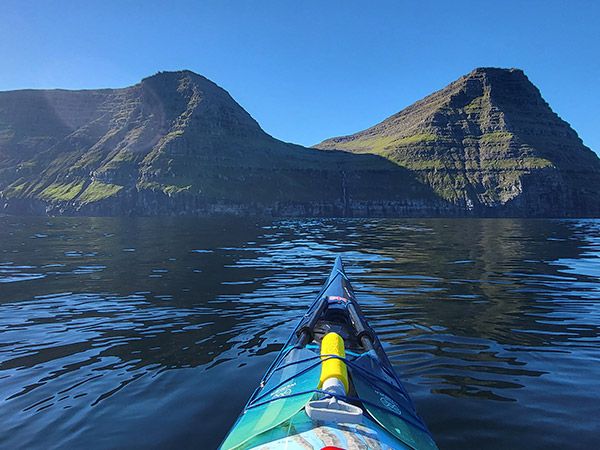
southern sea ventures
Swap the hiking boots for a paddle. (Image: Southern Sea Ventures)

For an intimate encounter with the Faroes’ raw beauty, swap the hiking boots for a paddle. Guided kayak tours reveal hidden sea caves, towering cliffs and isolated inlets inaccessible by land.  

For the more seasoned paddler, you can even sign up for an immersive five-day kayaking journey with Southern Sea Adventures – an exploration of sea stacks, colourful villages, lighthouses and wild waterfalls by day, and waterside cabins and home cooked meals by night.  

Cultural experiences in the Faroe Islands 

Classic: Experience Faroese hospitality with Heimablídni 
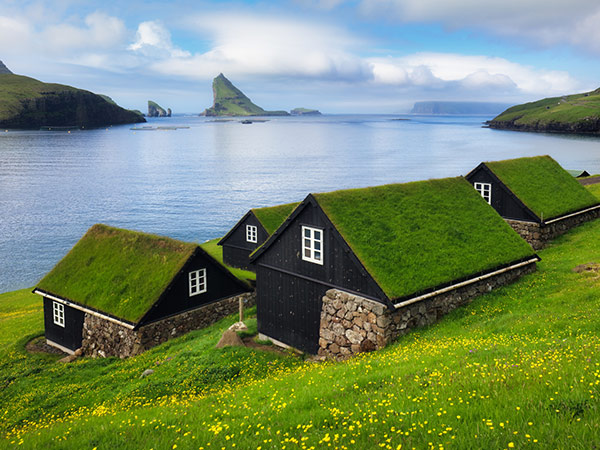
Bour Village
The Faroese welcome tourists from all over the world. (Image: Getty Images/Tomas Sereda)

The Faroese are so famous for their welcoming spirit that they have a word for hosting strangers: heimablídni, which translates directly to “home hospitality."  

This is a practice where travellers are invited into local homes to experience authentic Faroese food and culture. It’s a classic way to immerse in the island’s traditions, offering a genuine connection with the people and their way of life.  

You can enjoy homemade dishes that you’ll have trouble finding in restaurants, such as skerpikjøt (fermented mutton) or ræst kjøt (fermented fish), all while learning about Faroese customs and stories from their hosts. Browse these locally hosted experiences, from farms to fishing boats, at Eat Local 

Weekly travel news, experiences
insider tips, offers,
and more.

Unique: Discover Faroese folklore through public sculpture 
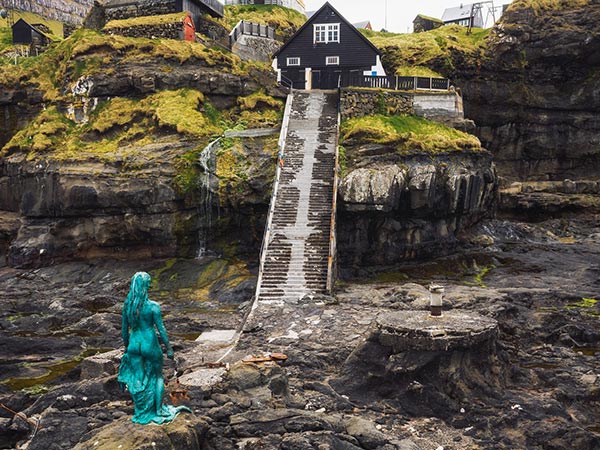
Kopakonan statue
The statue of the Seal Woman is a tribute to one of the best known folktales in the Faroe Islands. (Image: Getty Images/miroslav_1)

One thing I was not expecting to see in Faroe were all of the beautiful, public sculptures set in unexpected corners of the islands’ stunning landscapes. Many pay homage to the history and legends of the islands.  

One of the most famous is the striking bronze statue of The Seal Woman in Mikladalur standing against the crashing waves, immortalising the selkie legend of a seal who sheds her skin to live among humans. 

Near the village of Sandavágur, another sculpture known as The Nix tells the Faroese legend of a mythical water horse that, according to legend, lured people into lakes.  

The art installation within the Eysturoyartunnilin undersea tunnel, created by Faroese artist Tróndur Patursson, features a striking illuminated steel sculpture depicting people holding hands, linked around the centre of the roundabout. There are many more in Tórshavn inspired by Faroese folklore, such as the “Tarira" who is also called the Elf Girl. 

Where to stay on the Faroe Islands 

Classic: Sleep in style at Havgrím or Hotel Brandon 
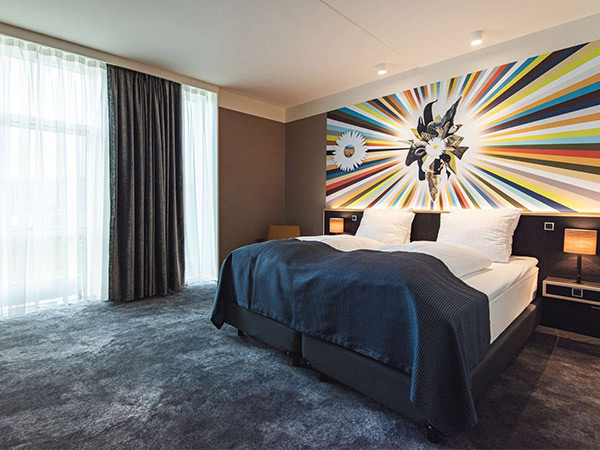
interiors of Hotel Brandon
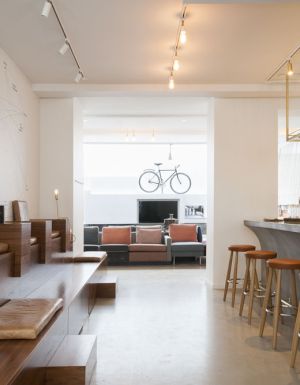
Hotel Brandon offers modern luxury and style.

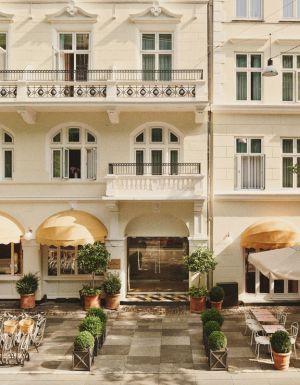
Several new hotels have popped up in Tórshavn, Faroe’s capital and largest town. Two of the best are the modern, stylish Hotel Havgrím, which is located directly on the coast, and sleek Hotel Brandon, slightly larger scale at 32 rooms. These sustainable hotels with all the bells and whistles are both centrally located in walkable Tórshavn. 

Unique: Stay local at a bed and breakfast
Hanusarstova
Book a stay in Hanusarstova for their local charm and renowned hospitality. (Image: Harriet av Gørðum)

For a more personal touch, bed and breakfasts offer charm and connection in equal measure. These boutique B&Bs offer an immersive option to connect with locals and many also have fabulous, intimate dining inclusions beyond breakfast.  

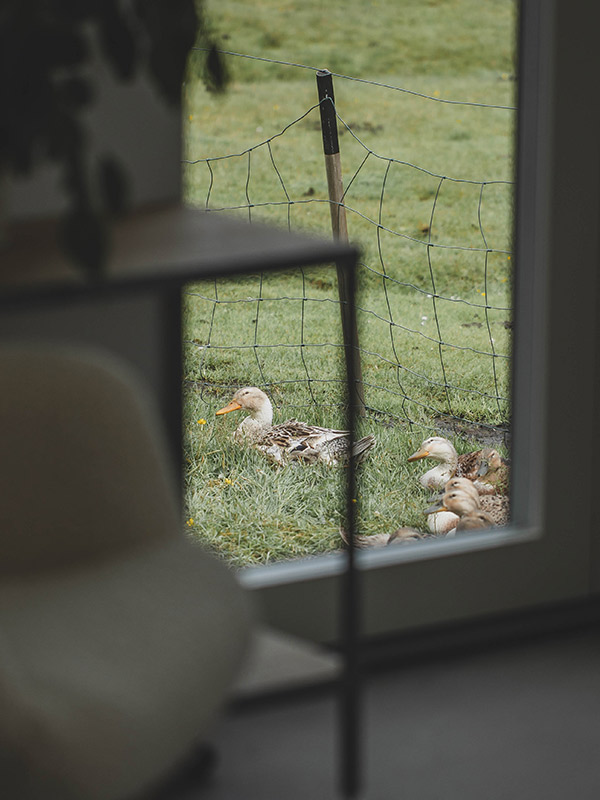
Hanusarstova is a luxury farm stay perched on cliffside pastures, surrounded by grazing sheep and panoramic sea views. Over on Hvalba island, Heima í Stovu welcomes guests into a family-run 1912 home, rich with character and Faroese heimablídni. 

Want to see more stories from International Traveller in your Google search results?

  1. Click here to set International Traveller as a preferred source.
  2. Tick the box next to "International Traveller". That's it.
Mary Cate McMillon
Mary Cate McMillon is a travel writer with a passion for exploring new places. In between new adventures, she calls Santa Monica, California homebase where she enjoys reading novels on the beach, doing yoga in the park, and eating lots of dark chocolate peanut butter cups.
View profile and articles
hero media

5 things every hotel needs for a more restorative stay

    Kate Bettes Kate Bettes
    Wellbeing means different things to different travellers. Here’s how to pick a hotel that gets it right for you.

    The best wellness holidays aren’t necessarily spent wrapped in a spa robe. Sometimes they’re found around a dinner table in Cambodia, on a hiking trail in New Zealand or after finally beating jet lag on the other side of the world. The hotel you choose is what makes them happen.

    1. Easy access to good food

    meals from Novotel Bangkok Sukhumvit 20
    Taste delicious meals at Novotel Bangkok Sukhumvit 20.

    One of the quickest ways to derail healthy habits on holiday is to spend half of it working out where to eat instead of digging into the culture around you. Thankfully, Novotel has done much of the hard work already, with chefs building menus that lean into the flavours, ingredients and traditions of each destination.

    In Sihanoukville, Cambodia, Korkor soup – often dubbed ‘Cambodian ratatouille’ – sits alongside raw blue crab dressed with lime and chilli, best enjoyed with views across the Gulf of Thailand.

    In the lovingly chaotic city of Bangkok, the presence of food cranks up the sociability. At Novotel Bangkok Sukhumvit 20, you can settle in with mango sticky rice and stranger-turned-friends beside the pool at Sky on 20 rooftop bar, or bring them along to tackle river prawns and stir-fried crab with holy basil at the buzzing Crab Paradise Dinner Buffet.

    Then Novotel Dubai Al Barsha welcomes you with a laidback twist on the level of indulgence the Middle Eastern city is best known for up on Deck Se7en. Looking towards Burj Al Arab, the rooftop lounge has everything from Mediterranean-style dishes like seabass ceviche to Italian prosecco sundowners.

    At the other end of the scale, in the hills that surround the Novotel Bali Ubud Resort, calm comes from nature. At Siralada restaurant, Balinese traditions shape the menu while thunder rumbles over the surrounding jungle – proving the setting is as nourishing as the food itself.

    While at Novotel Nha Trang, chef Kieu Thi My Hanh and her team showcase Vietnam’s knack for balancing freshness, texture and fragrant herbs. Pho remains a favourite, while seafood salad with pomelo and mango brings those flavours together in one bright dish.

    It’s all an approach backed by partnerships with expert food creators such as Alfie Steiner, whose plant-forward recipes prove healthy food should never taste plain.

    2. Better sleep options

    Novotel Bali Ubud Resort room
    Sleep deeply with Novotel.

    There are few travel experiences more disappointing than arriving in a new country, determined to seize the day, only to fall asleep fully clothed by 3pm.

    For Australian travellers, jet lag is often an unavoidable part of the journey. That’s one reason Novotel runs sleep-focused initiatives that help guests adjust quickly without compromising on health. We’re talking partnerships with Sydney-based sleep specialist Olivia Arezzolo, known for her advice on everything from better sleep habits to beating jet lag, alongside features like pillow menus, in-room yoga content and tailored sleep guidance.

    The sooner you’re operating on local time, the sooner you can get back to more pressing matters – like deciding which spa treatment to book.

    3. More ways to move

    woman hiking around queenstown new zealand
    Stay at Novotel Queenstown Lakeside and explore local hiking trails. (Credit: GettyI mages/ naruedom)

    Every place in the world has its own way of getting you moving: whether that’s hiking up ice-bitten mountains before a sauna or gentle stretching by the pool before a facial. From fitness centres to spas, Novotel recognises that wellbeing rarely looks the same.

    At Novotel Queenstown Lakeside, activity is inescapable. Here, hiking trails, ski fields, bungee jumps, and white-water rafting have made the region famous. The hotel’s location on the shores of Lake Wakatipu means less time spent organising yourself and more time out there experiencing them. To top it all off, you can book a private hot tub for the evening before heading back into the wilderness tomorrow.

    Bali, of course, takes a softer approach. At Novotel Bali Ubud Resort or Novotel Bali Nusa Dua, movement is less about conquering a mountain and more about a dance class between the tropical gardens and lagoon pools. Afterwards, the spa takes over, with traditional treatments like a Lulur body scrub: a combination of rice, turmeric, sandalwood, ginger and jasmine that’ll soothe muscles already relaxed by the Balinese heat.

    4. Better connections

    Novotel Sharm El Sheikh
    Kids will love a stay at Novotel Sharm El Sheikh.

    One of the best things about travel is that it gives your family stories you’ll be telling for years. Novotel helps create them with activities that bring everyone together, whether that’s trying something new, learning a local skill, or simply spending more time together.

    Go for a distinctly Thai twist at Novotel Phuket Vintage Park, where many of the family activities draw on local culture. Kids can try everything from beginner Thai boxing and language lessons to umbrella painting and – a pastime beloved by children the world over – pool foam parties. Everyone is welcome to join in, whether that’s getting splashed, covered in paint, or simply watching their children discover a new side of Thailand during the dedicated Family & Kids Day.

    A different adventure awaits at Novotel Sharm El Sheikh. Kids could be perfectly content with discos, drawing classes and new holiday friends, but the Red Sea has other ideas. Sitting on the edge of Naama Bay, days here might involve snorkelling colourful reefs, taking a boat trip to Ras Mohammed National Park or heading into the desert by quad bike or camel for a Bedouin-style dinner beneath the stars.

    5. Location is everything

    Surin Beach, Choeng Thale, Thalang District, Phuket, Thaiföld
    Explore Phuket’s gorgeous beaches. (Credit: Bence Biczo)

    Everyone’s idea of wellness looks a little different. With more than 600 hotels across 65 countries, Novotel gives guests the freedom to choose the destination that suits them best. Whether that’s a beachside escape in Phuket, an alpine expedition in Queenstown or a city break in Bangkok, there’s a good chance a Novotel isn’t far away.

    All that’s left? Choosing your version of wellbeing.

    Discover stays to inspire your everyday at novotel.accor.com.