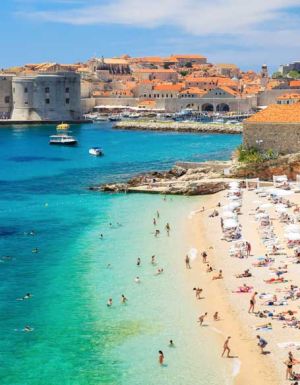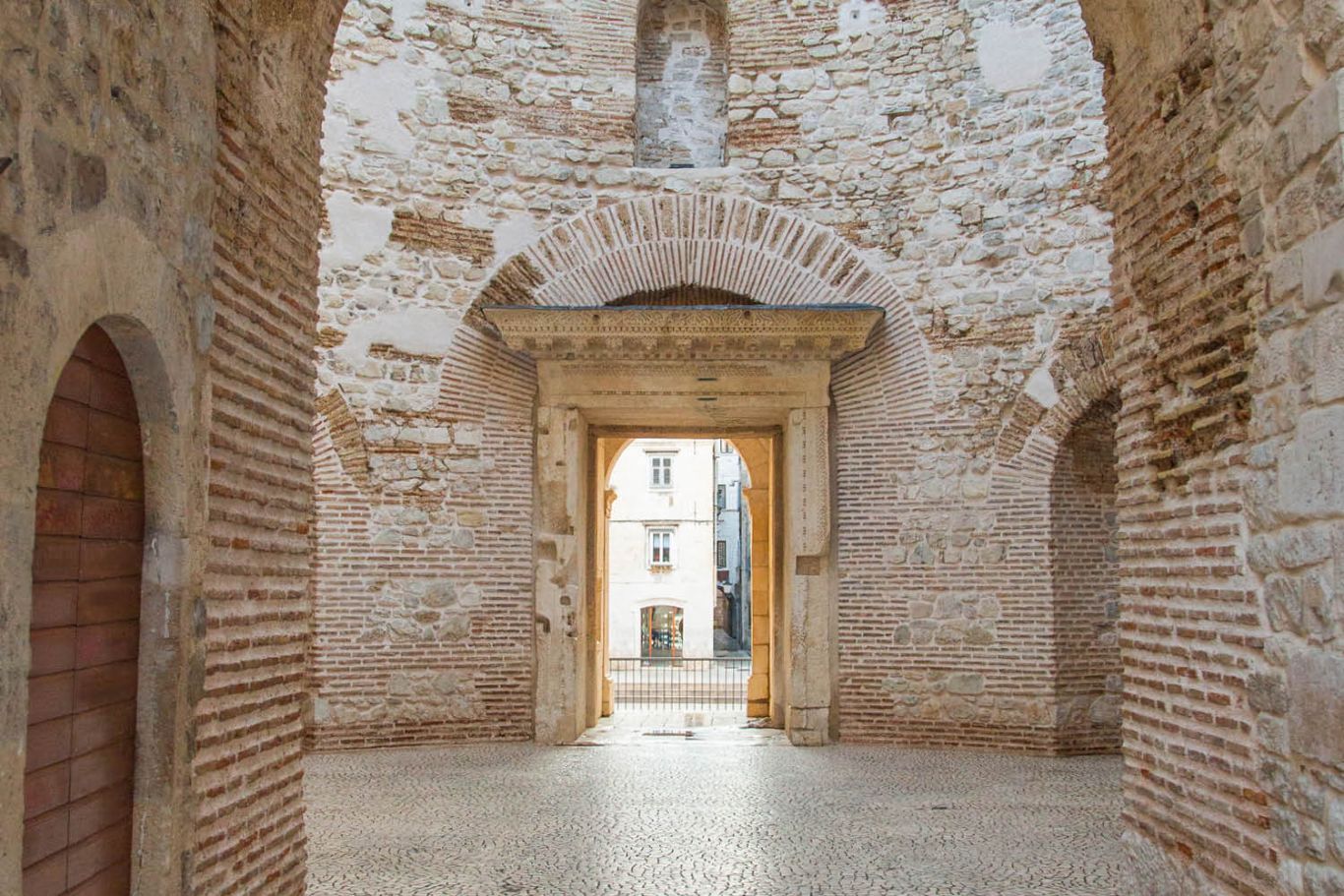
Located along the Adriatic Coast, the dazzling coastal city of Split was long thought of as just another industrial town. But over the past decade, the tourism industry has struck gold on its potential, turning it into one of the most sought-after summer destinations in the region.
The city’s character is found in its charming mix of ancient architecture and modernity, making it a unique place to explore.
Accessible by boat or plane, it’s a hub for travellers venturing between the Croatian islands, and especially buzzing in summer.
With so much on offer in and around the city, here’s a guide to what to see and do – whether you’re in town for just a few days or have a week or more up your sleeve.
When to go
The city thrives in summer (between June and August), but the shoulder seasons of spring and autumn will offer pleasant, sunny days minus the crowds. The winter months (between December to February) are the wettest time of the year.
What to do
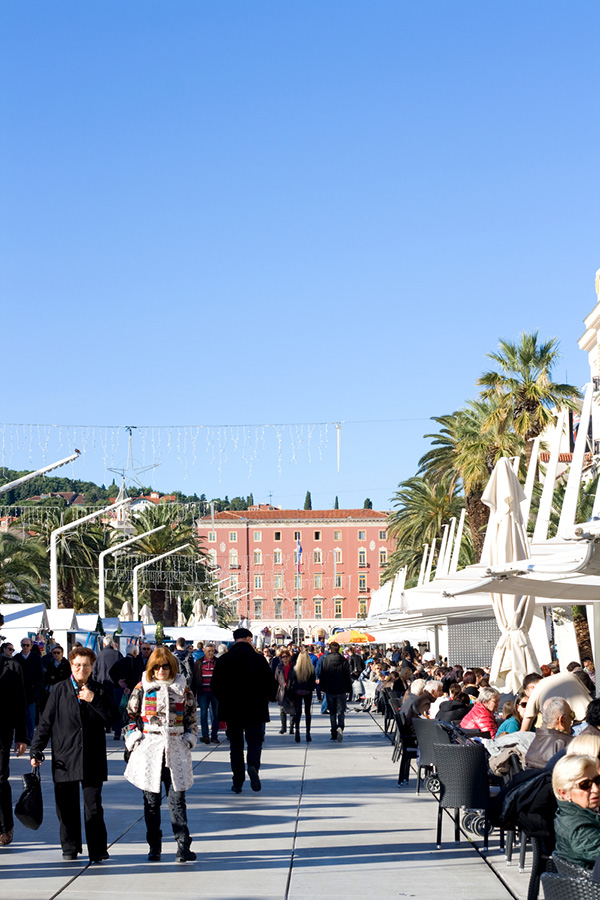
Walk down the Riva promenade
Split’s a very walkable city so you’ll spend the majority of your time on foot. And the best place to start is the Riva promenade.
This is the seafront strip that wraps around the harbour and looks out onto the mesmerising Adriatic Sea; it’s lined with charming old-time buildings fronted by an array of cafes and bars.
The Riva is the perfect place to grab a bite to eat after a long day of exploring, or to stay until the evening with a cocktail or glass of wine as you watch the promenade come to life before your eyes.
During the day, grab a fresh juice or some delicious Fritule, aka Croatian doughnuts from one of the many stalls along the boardwalk. Then, take a seat and do some people-watching while lapping up that amazing European sun.

Visit the Old Town
As Croatia’s second largest city, Split is rich with history. It’s also home to some truly fascinating ancient sites, including the Old Town of Split.
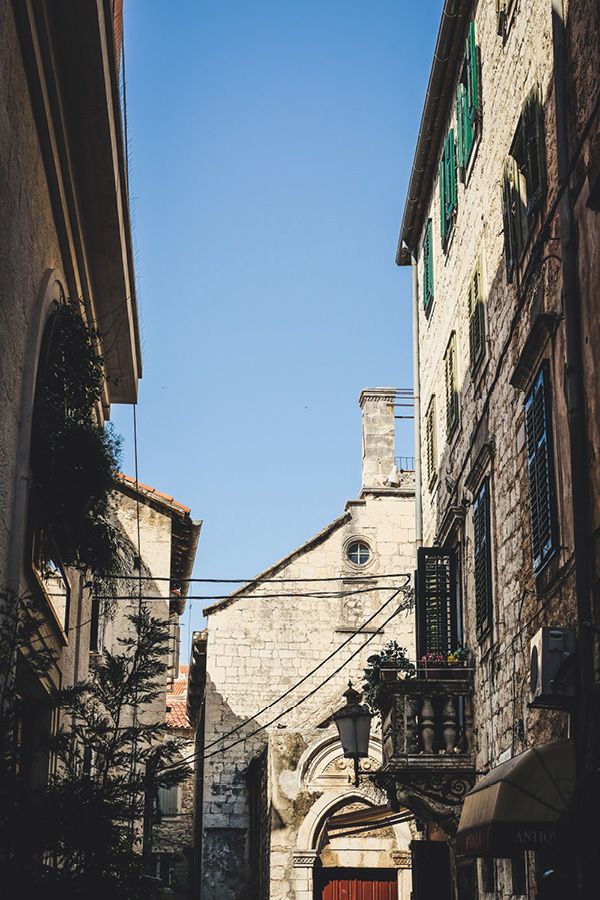
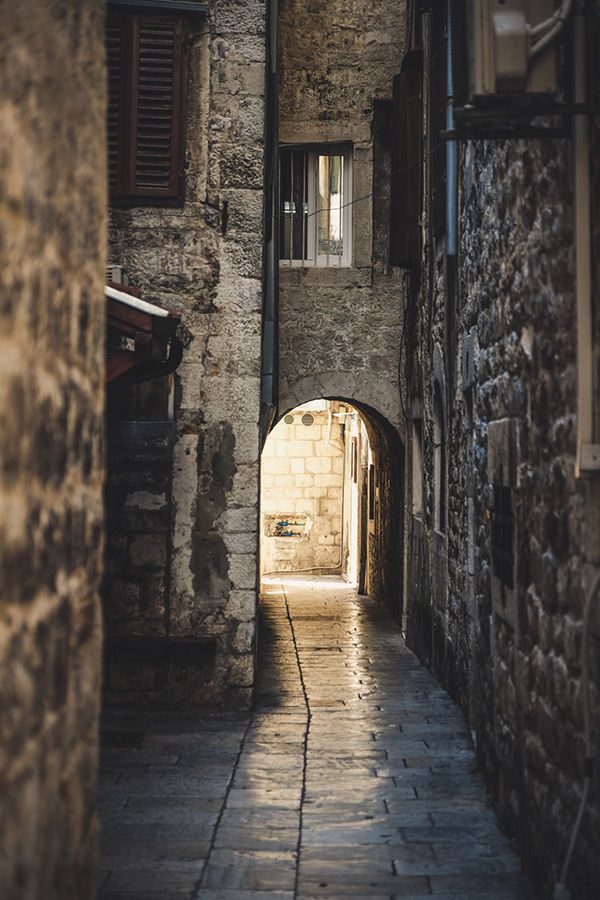
It’s the gem of the region and known for its cobblestone streets and medieval atmosphere. Venture into this historic ‘city within a city’ and be prepared to delve into the true essence of Croatian culture.
Make sure you stop off at one of its many souvenir stores or quirky candy shops, like The Candy Bar, where you’ll find all types of sugary treats held in old-school wooden barrels.
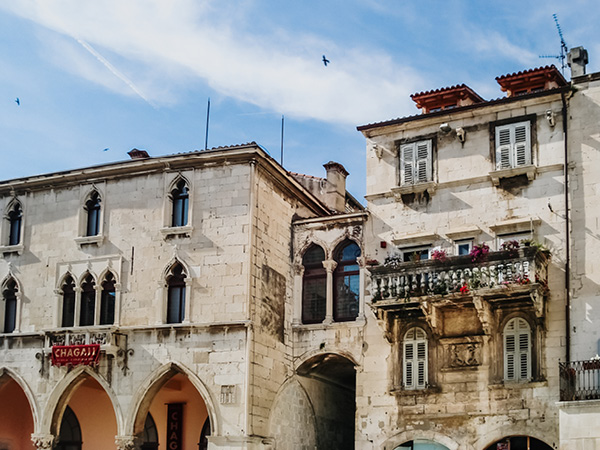
Don’t visit the Old Town without heading down to the People’s Square, found in its centre. Home to a myriad of cafes and restaurants, this is where you can get a taste of some signature local cuisines.
Diocletian’s Palace
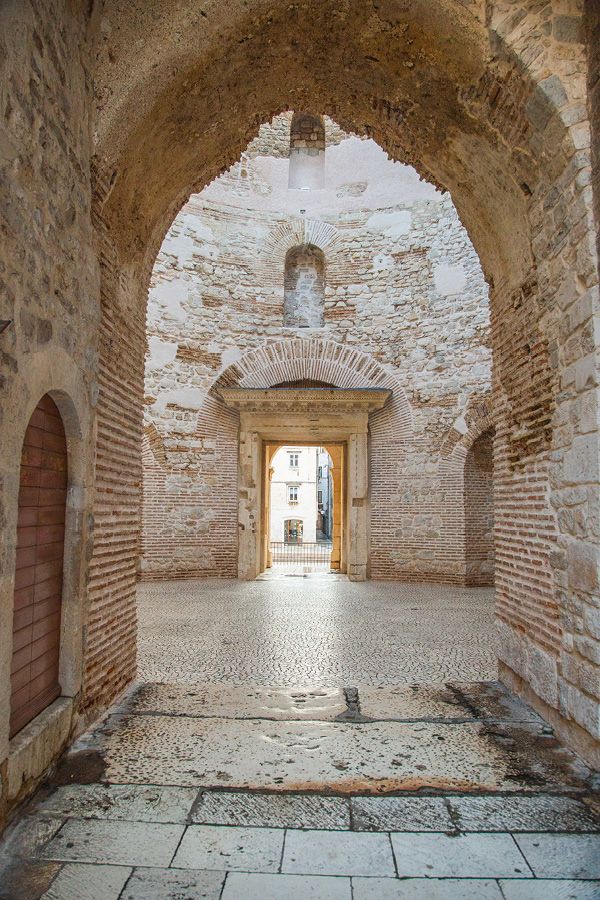
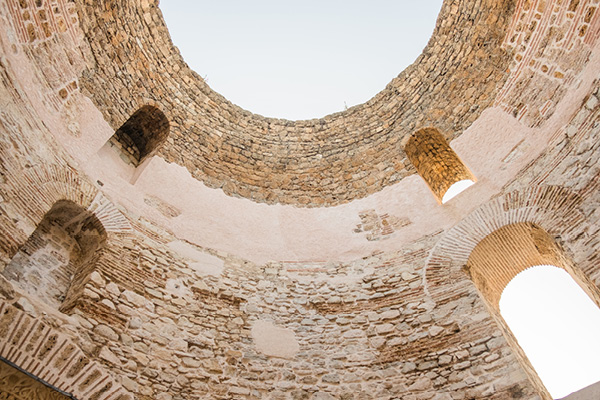
Considered the heart of the Old Town of Split, the ancient Diocletian’s Palace is a historic World Heritage Site made of white stone and marble.
Created in the fourth century, it’s a pillar of grand Roman architecture and was built like a fortress, making it a maze to navigate.
From courtyards and ancient sculptures to basements and living quarters, the palace has become a bustling living museum incorporated into normal city life.
Explore the majestic St Domnius Cathedral, located within the site, and climb the narrow staircase leading up to its famous bell tower. Though a later addition built into the cathedral, the bell tower has become an important symbol of Split – plus the views from the top of the tower will make it well worth the climb.
Finish up your palace tour at Peristyle, also known as the Emperor’s Square. Found at the centre of the palace, this place has become a hub for modern culture and entertainment.
When exploring Diocletian’s Palace, we recommend making Peristyle your meeting place, just in case you ever lose your friends or travel group in its maze. You’ll thank us later.
Pazar Market
If you love fresh produce and wholesome Mediterranean food, then the Pazar Market is for you.
Located on Hrvojeva Street, along the east side of the Diocletian Palace, the vendors of this daily market have stalls filled to the brim with the best fruits and vegetables in town.
Pazar Market encompasses the best that the cities produce has to offer, and is open from the early morning until well after the sun goes down, so there’s no bad time to visit it. Known as the ‘green markets’ it really is a feast for the senses.
We recommend that you dabble in all the fresh ingredients they have to offer, and try your hand at some cooking. Not only is it a great way to save money on your trip, but it’s culturally enriching as well.
Mestrovic Gallery
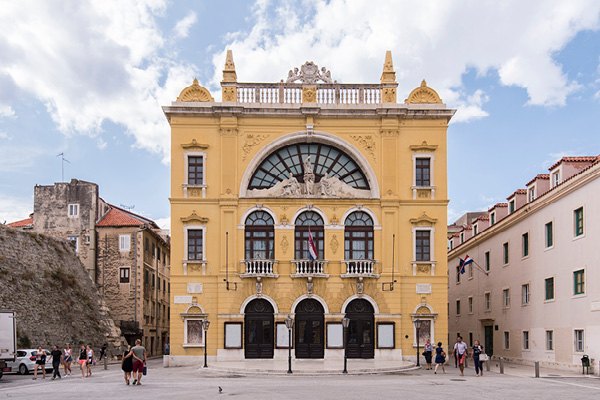
The Mestrovic Gallery, located just outside the Old Town of Split, is an art gallery dedicated to the work of 20th-century sculptor and writer Ivan Mestrovic. His most famous statue, Grgur Ninski, can be found in the heart of town.
Spend some time exploring the gallery, as it showcases around 200 of his most creative sculptural pieces and other works as well.
The stunning villa the gallery is housed in was designed by the sculptor himself, and is perfectly placed on a hill looking out over the Adriatic Sea.
And if that wasn’t beautiful enough, the museum also has a tranquil garden surrounding it, in which some of his wooden sculptures are displayed.
Weekly travel news, experiences
insider tips, offers, and more.
Krka National Park Tour
The Krka National Park is located in central Dalmatia, close to the city of Sibenik. An easy one-hour drive from Split, it runs along the 73-kilometre Krka River that spans from the Adriatic Sea all the way into the Croatian mountains.
Upon arrival, the sight before you will take your breath away. Its abundance of charming walkways, monasteries and sparkling lakes will easily fill your day’s exploring.
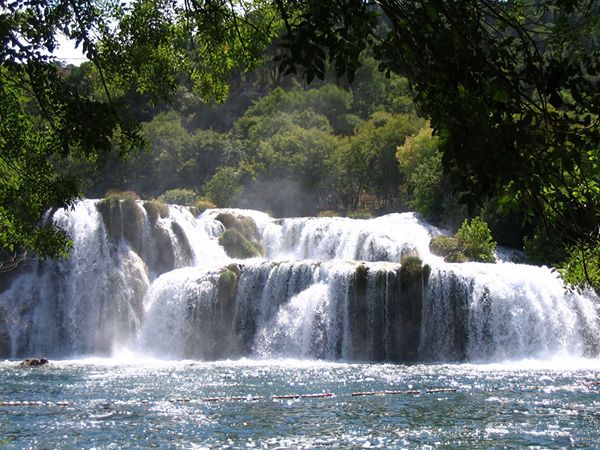
But it’s the Krka Waterfalls that are the true jewels here. There are seven marvellous waterfalls scattered along the Krka River but the most famous is the Skradinski Buk.
This waterfall’s cascading feature has made it famous worldwide, with its base forming a picturesque natural swimming pool that gives you a perfect view of the stunning rapids and surrounding lush flora.
From the main parking lot, situated near Skradinski Buk, there’s a network of wooden walking trails that take you around Krka and through the town of Skradin. The streets of this alluring little village are paved with cobblestones and have hidden passages around every corner.
With hiking trails, river canyons and splendid lake views, a tour through this natural beauty is every explorer’s dream.
Guided tours
Guided tours are a great way to meet like-minded travellers, while also getting to experience the uniqueness of Split’s culture in ways you may have never thought of. A quick trip to any of the travel agencies around the city, will have you booked and ready in no time.
Don’t miss a sunset sailing tour around Split and its neighbouring islands, and an Old Town walking tour.
Klis Fortress
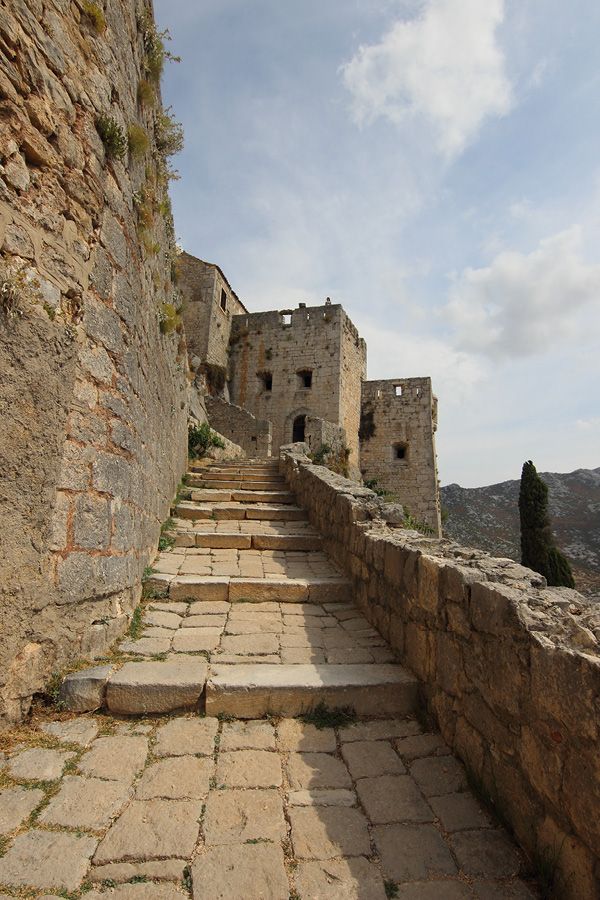
This medieval fortress is 20 minutes north of Split and is positioned between two mountains, Mosor and Kozjak.
Its historical importance in Croatia dates all the way back to the second century, where the panoramic views of the coast were commonly used as a vantage point for Croatian defence.
As an attraction that flies under the radar for many tourists, witnessing a sunset from the rarely visited Fortress of Klis is a serene opportunity that you shouldn’t pass up.
You can wander through these historic grounds as you please, which is uncommon in many ancient sites nowadays. Just be careful to watch your step.
And for all the Game of Thrones fans out there, this fortress is the filming location for the City of Meereen. There are also several Game of Thrones tours dedicated to taking groups to all the filming locations around Split.
Want to see more stories from International Traveller in your Google search results?
- Click here to set International Traveller as a preferred source.
- Tick the box next to "International Traveller". That's it.