
Discover a walking holiday that weaves through vineyards, connecting South Styria’s best cellar doors and historic wine taverns.
When your mind wanders, where does it go? Perhaps you find yourself in rolling green hills etched with row upon row of grapevines. Or hiking shaded forest paths. Maybe it’s a day that ends with visiting a local wine bar with a handwritten menu. It could even be luxuriating in the thermal spring-fed waters of an architecturally designed masterpiece.
If your daydreams find form in a place like this, it’s time you become acquainted with Austria’s South Styria.
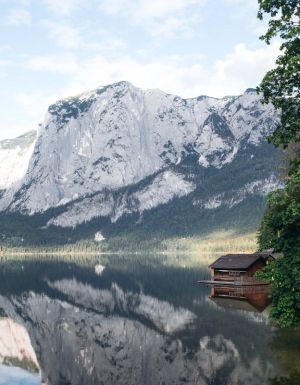
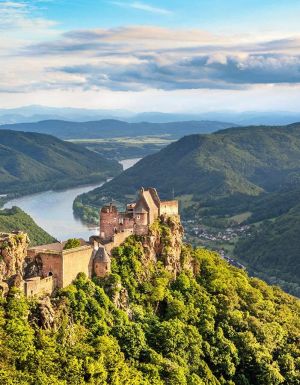
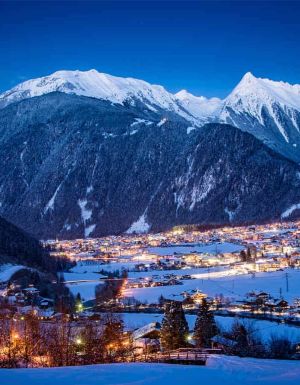
Venture a little off Austria’s well-trodden tourist path and you’ll be rewarded. Unlike the tourist hubs of Vienna, Salzburg and Hallstatt, South Styria (and its Wine Road) has yet to crack the mainstream.
Discover the South Styrian Wine Road
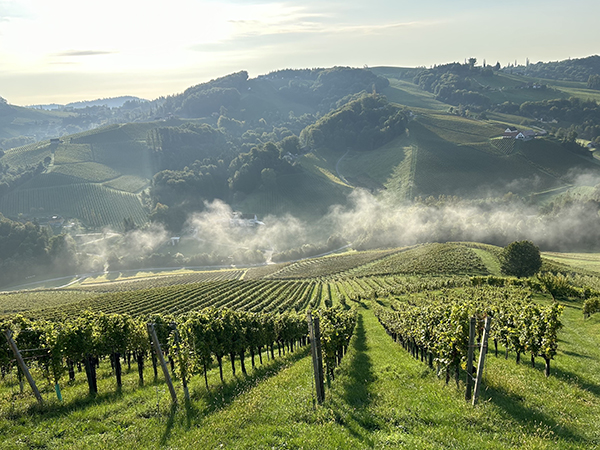
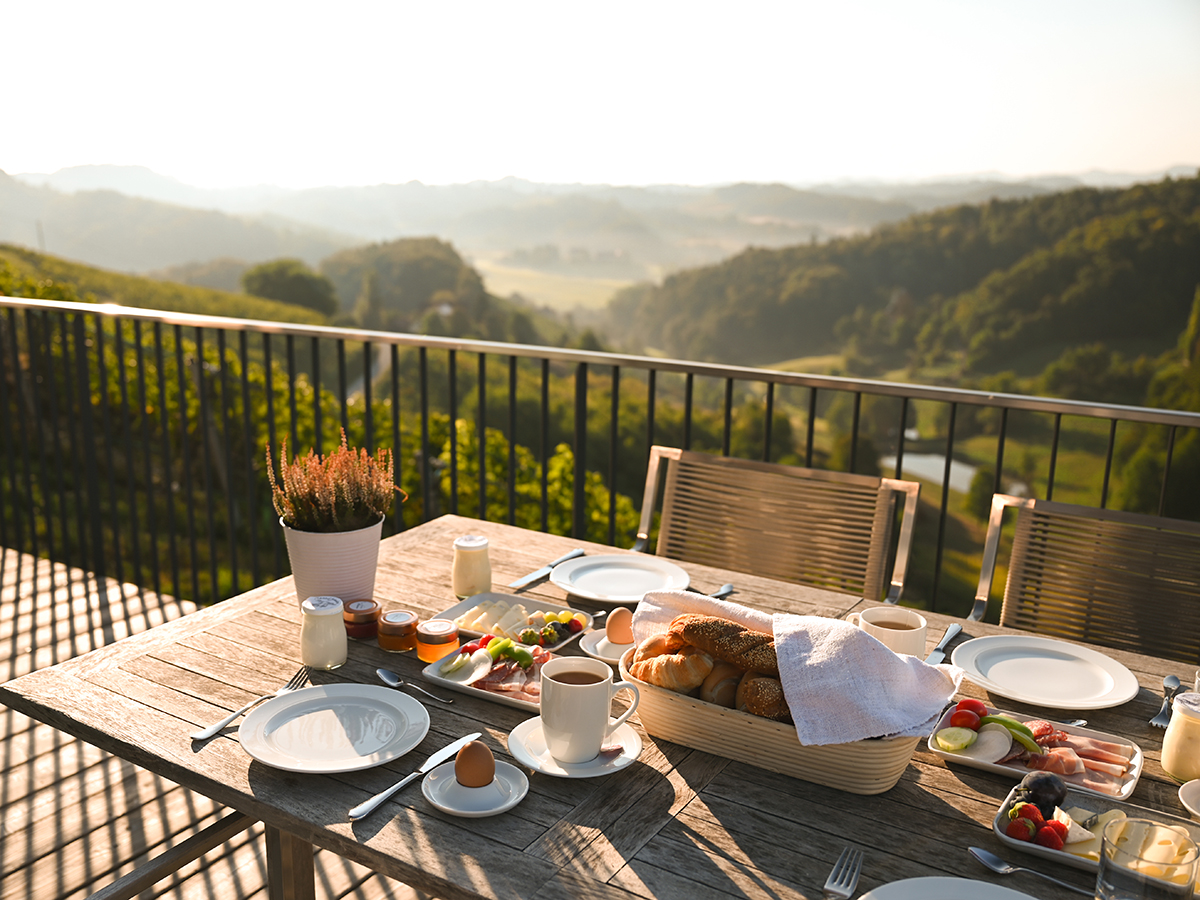
South Styria’s hills are carved with familiar lines of sloping vineyards and winding mountain roads – one of which has the sole purpose of taking you from winery to winery to sample their wares on sun-drenched terraces.
Here, time feels like a glitch. Local winemakers’ routines are time-honoured, and their orchards and vineyards flourish under centuries of inherited customs. You’ll even spot their klapotetz (traditional windmills) still tempering the horizon and protecting their harvests from birds.
Yet it feels entirely new. The South Styrian Wine Road stitches glass-walled, modern cellar doors, yesteryear wine taverns (buschenschänke) and fields of wildflowers together to create the ultimate trail.
The road unspools across 25 kilometres of vineyards from Ehrenhausen to Platsch and Berghausen. At certain sections, the road even acts as the border between Austria and neighbouring Slovenia.
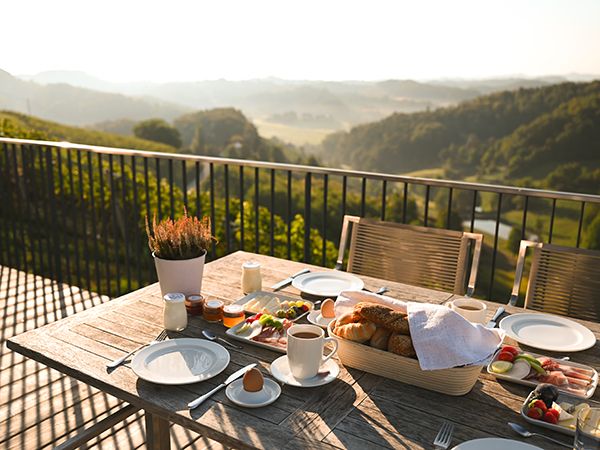
The region is the heartland of Austria’s white wine varietals, and sauvignon blanc grapes are the area’s prize drop. To sample the wines, call in somewhere like Wolfgang Maitz Weingut; at this third-generation vineyard and hotel, everything – from cutting to picking the grapes – is done by hand. Or drop into Die Weinbank, where you won’t ever find a menu; the offering works in flux with what’s in season and what’s in your glass.
For something more traditional, Casa Firmenich will be your go-to. Don’t expect fancy, but do expect homemade everything, like platters filled with sausages and kren (horse radish) that have satiated local drinkers for as long as Styria remembers.
How you traverse the road is up to you. Venture out on an e-bike, tackle it on foot, or opt for a wine taxi to cart you to and from your chosen vineyards.
The ultimate wine hike
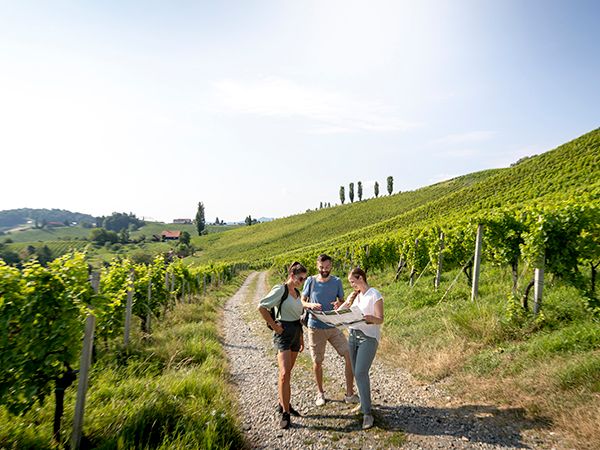
The Wine Road is connected by a series of circular hiking trails, which means you can venture off and discover moorland landscapes, alpine meadows and staggering gorges as you go.
For a view of the horizon’s linocut-print vista of rolling vineyards, opt for path number six: Eckberg–Steinbach–Ratsch. At just over 10 kilometres the hike takes roughly three hours, and the loop takes you past countless vineyard terraces, taverns and restaurants. Why not spend the day wandering from vineyard to vineyard, snacking as you go?
If you’re up for more of a challenge, the Heiligengeistklamm walk juts behind the vineyards to climb up 500 metres alongside a flowing gorge and into Slovenia. Call in to one of the wine taverns along the way for lunch, and try refreshing white wine varietals at the many cellar doors conveniently dotted along the hike.
To make the most of the region’s gastronomy, the Culinary Vineyard Hike does exactly what it says on the tin. The trail climbs steadily through the forest to bring you to exceptional food, wine and views. Stop in at the award-winning Weingut Germuth Stammhaus to sample some of the best wines the region has to offer.
Celebrate wine in the autumn
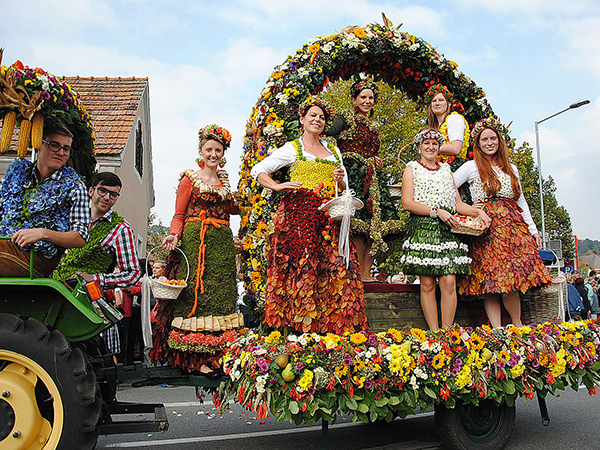
Autumn in South Styria means heading to Gamlitz to catch the Gamlitzer Weinlesefest, a wine festival with an itinerary perfect for getting acquainted with the region. Think food stalls with wine, roasted chestnuts and even a large amusement park for children (and the young at heart).
While in town make sure you head to Schloss Gamlitz. This palace’s flower-dotted grounds and 450-year-old wine cellar are considered the place where heaven and Earth meet by locals.
Weekly travel news, experiences
insider tips, offers, and more.
Relax and detox in thermal springs
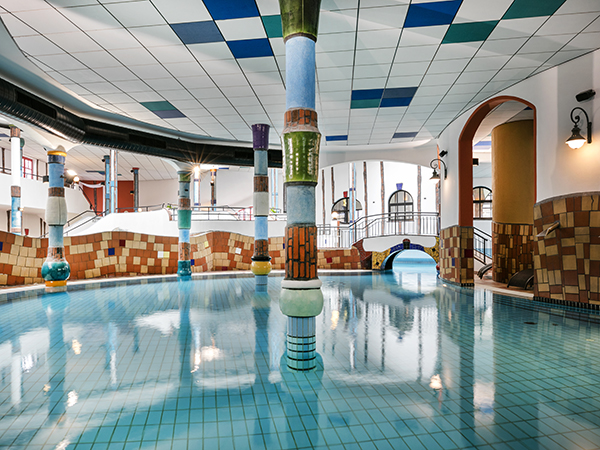
If you’ve visited Austria’s capital, Vienna, you’ll be familiar with the work of the famed architect Friedensreich Hundertwasser. His love of nature is reflected at Rogner Bad Blumau, which has been given the title of Austria’s most popular thermal spa nine times for a reason. The spa lies in a sprawling hillside meadow and contains no corners, edges or straight lines. Anywhere. Rather, it’s brought to life in a way that reflects the landscape, with organic forms, colours and open spaces combining to create a living, breathing work of art.
Here, you can dip into 14 different bathing pools fed by natural thermal springs, with water temperature ranging from 21–37°C. Stay for the day, or extend your visit at the onsite hotel.
Discover the city of Graz
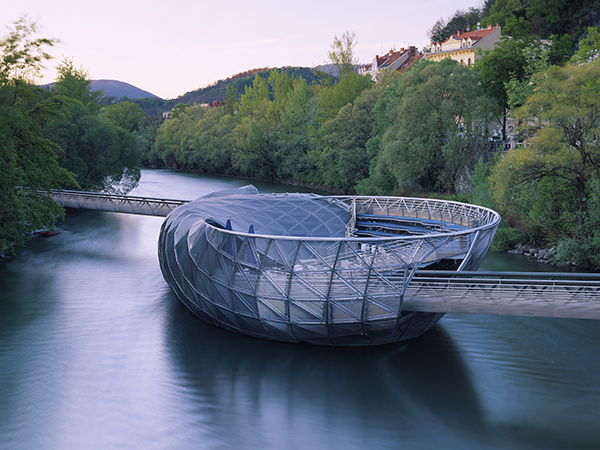
To get to the Wine Road, you’ll most likely take a train from Vienna to Graz (they run every half hour). Known to Austrians as the country’s culinary capital, and a UNESCO World Heritage Site, dedicate at least a day to exploring Graz before heading into the wineries.
Dine in the city’s terraces, explore the local farmers markets, wander cobblestone streets and marvel at contemporary art at the futuristic Kunsthaus. For a slice of history, visit the Schlossberg (which you can exit via the largest underground slide in the world) or head out to beautiful Eggenberg Palace.
Plan your South Styrian Wine Road adventure at austria.info.
Want to see more stories from International Traveller in your Google search results?
- Click here to set International Traveller as a preferred source.
- Tick the box next to "International Traveller". That's it.