From vibrant festivals to unique traditions, uncover the incredible cultures that make up Latin America.
1. Stroll the streets of Havana
Travelling with: Megan Arkinstall
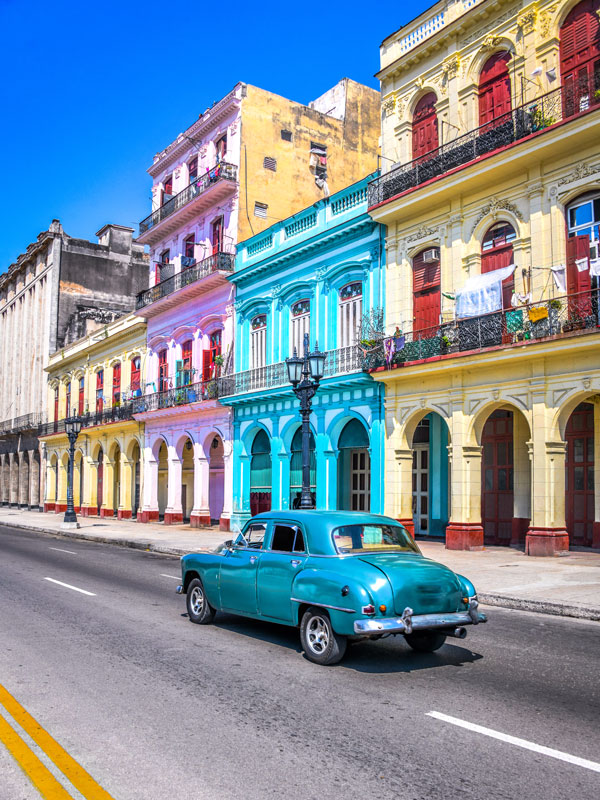
Havana is an intoxicating city, equal parts grandiose and grit, where time has ticked very slowly since the Cuban Revolution. In the capital’s 500-year-old centre – a UNESCO World Heritage site encircled by forts – the historic buildings are a mélange of architectural styles and bright, poppy colours, spanning Moorish and Baroque to Art Deco.
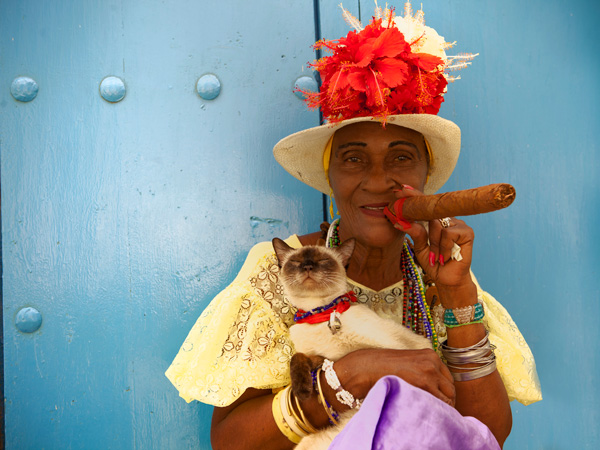
Vintage 1950s American cars such as Chevrolets and Cadillacs line the cobblestoned streets and the city is all but untouched by commercialism thanks to the most enduring trade embargo in modern history. Life here is lived on the balconied streets, which are adorned with washing, elderly men smoking cigars while playing dominos and kids kicking soccer balls. As night falls, the cafes and bars spill into the plazas and live Afro-Cuban music floats with the breeze off the Caribbean Sea.
2. Witness Mexico’s monarch butterfly migration
Travelling with: Lola Mendez
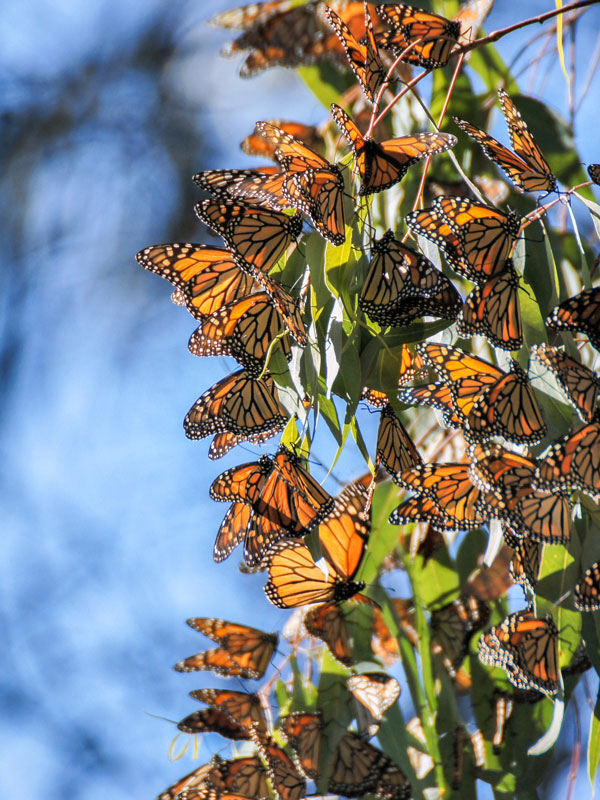
I’m constantly visited by golden-hued beauties as I slowly make my way up the 3048-metre hike to El Rosario butterfly sanctuary. Thousands of endangered Monarch butterflies flutter around me. Every year, the butterflies, which are native to North America, migrate to Mexico after breeding in the Rocky Mountains. They’re not just beautiful, they hold deep spiritual meaning as Mexicans believe that Monarchs are our ancestors visiting us. One of the sacred insects lands on my hand and I wonder if it’s my late father saying hello. It’s estimated that 1 million of the butterflies rested at the 55,846-hectare Monarch Butterfly Biosphere Reserve World Heritage site from December to February. It might sound like an astonishing amount, but it’s significantly less than the year before.
3. Marvel at Mayan landmarks in Central America
Travelling with: Carla Grossetti
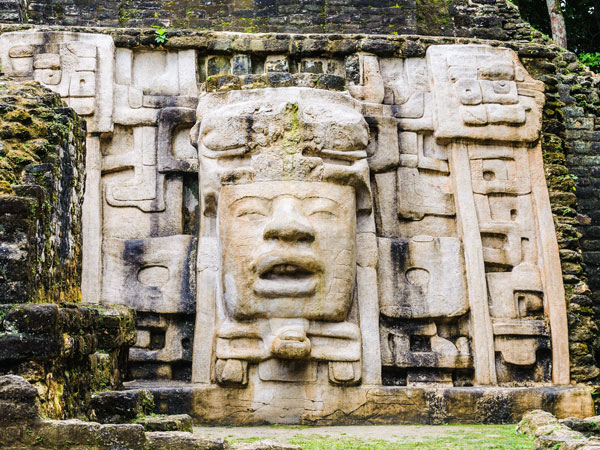
The legacy of the ancient civilisation of the Maya people remains evident in Central America everywhere from the soaring temples in the ancient city of Tikal, Guatemala, to the intricate carvings in Copán, Honduras. Wander through the UNESCO sites scattered across Belize, Guatemala, Honduras and El Salvador to imagine what life might have been like for the ancient Mayan civilisation that was at the pinnacle of its powers between 2000 BCE and 1500 CE.
4. Unmask lucha libre in Mexico
Travelling with: Lara Picone
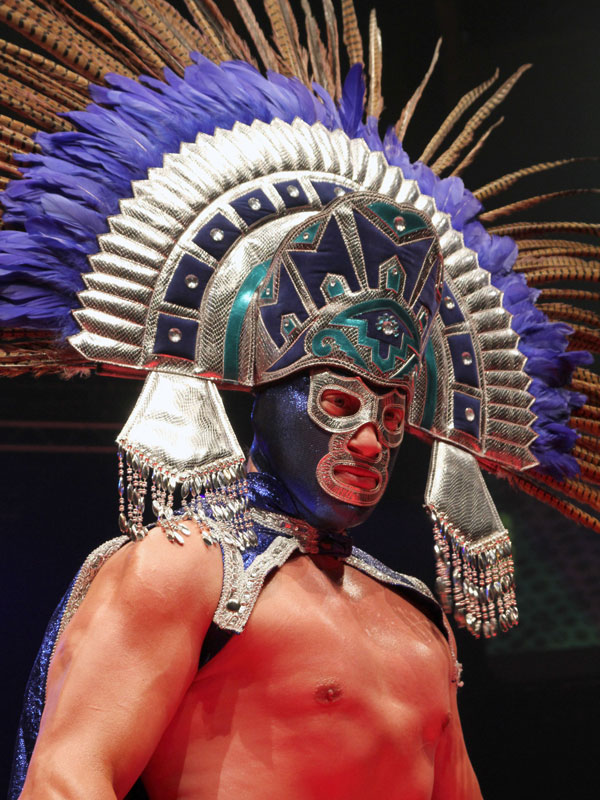
Every sense is concurrently affronted with chaos, colour and hyperbolic dynamism while seated in Arena Puebla. You don’t need to speak Spanish to get the gist of things in this seemingly alternate dimension. The cultural phenomenon of lucha libre, AKA Mexican wrestling, feels as though the Marvel Universe, Cartoon Network and all the gold lamé ever manufactured has been knitted together into one bonkers event. It’s the wildest romp of trash-talking grandeur I have ever been fortunate enough to witness. Between the pantomime-like performances, the emphatic verbal investment by the audience and the sheer assortment of leotards (the getting into of which by their XXL wearers would give those shapewear TikTokers a run for their money), you can’t actually have more fun. If you’re ever in Puebla…
5. Ride with cowboys in Patagonia
Travelling with: Sarah Reid
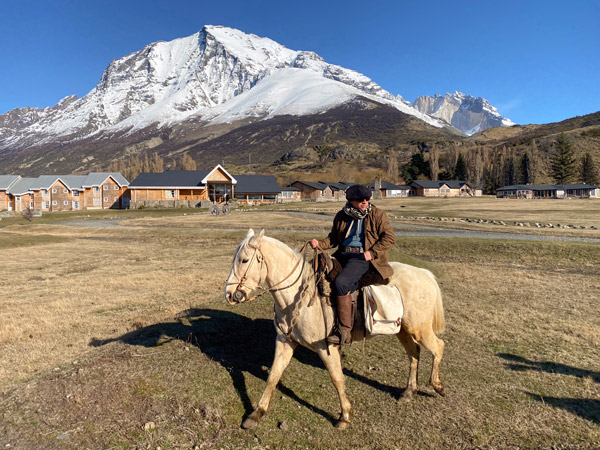
Known as gauchos in Argentina and baqueanos in Chile, these South American cowboys are an icon of the Patagonian Steppe (also known as the Patagonian Desert). Their roles on estancias (ranches) have evolved over time, with some baqueanos in Chile now working to protect livestock, as well as threatened species such as pumas. Yet their traditions – from folk songs to their unique bond with horses – continue to run deep. Saddle up to experience this cowboy culture on a guided horse ride at the likes of Hotel Las Torres in Chilean Patagonia, where the baqueanos are descendants of horseman who came to work at the estancias of this wild, remote region over a century ago.
6. Attend a folklore festival in the Brazilian Amazon
Travelling with: Joel Balsam
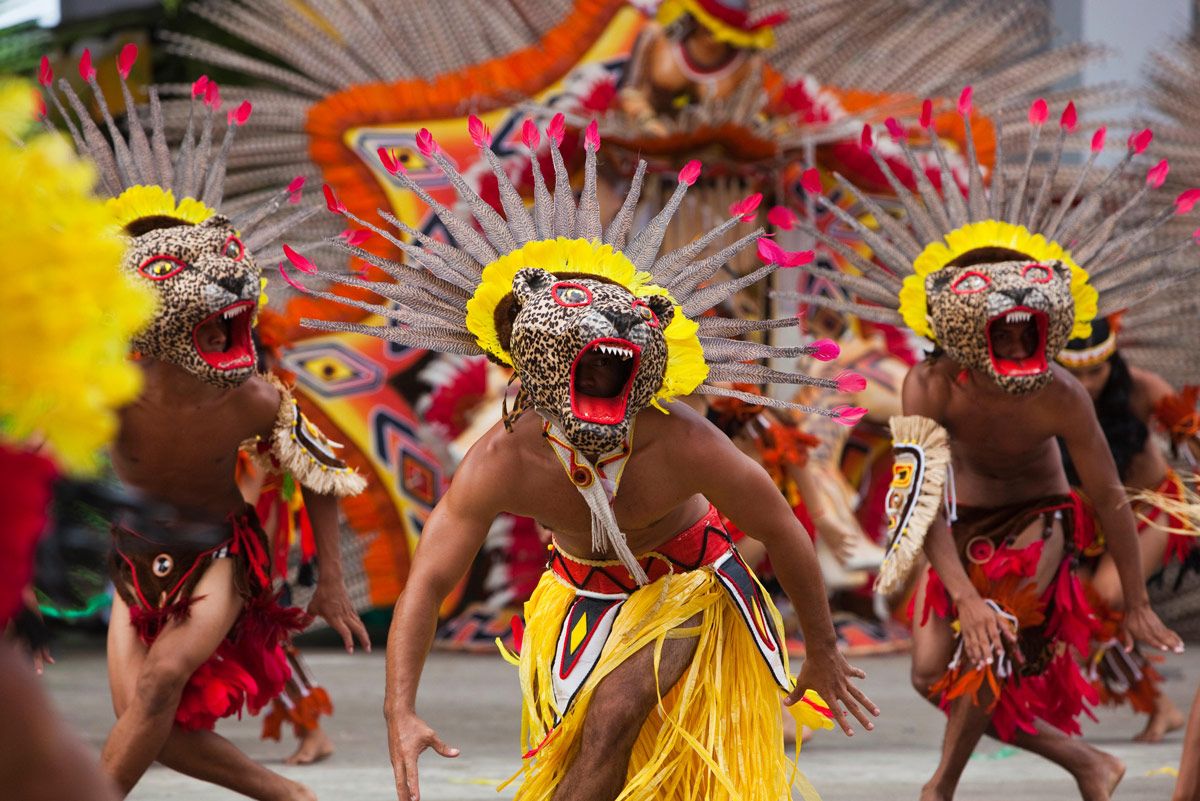
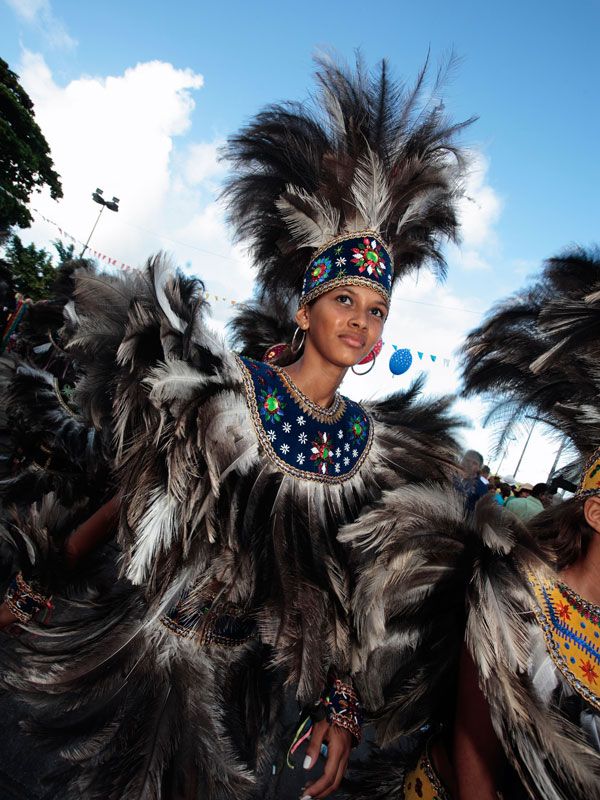
Deep in the Amazon in the city of Parintins, accessible only by boat or plane, two teams go head-to-head in Brazil’s second-largest folklore festival (behind Carnaval).
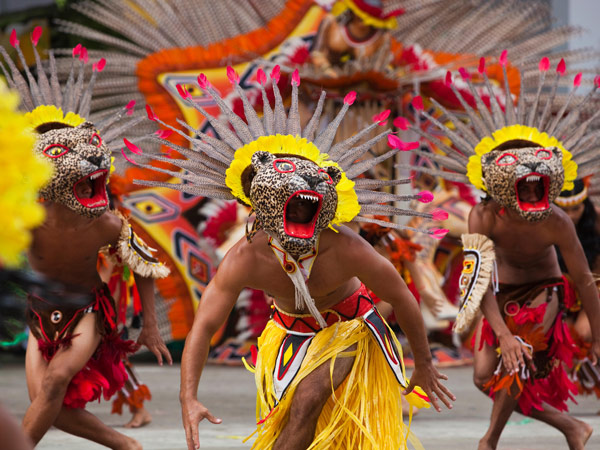
At Boi-Bumbá, teams Caprichoso (blue) and Garantido (red) tell Indigenous and Brazilian cultural stories, including the legend of the resurrected boi (ox), through choreographed dances, elaborate costumes, gigantic floats, fireworks and catchy songs performed in front of 35,000 at the Bumbódromo Stadium.
While the festival takes place over three nights in June, it is felt year-round, with street signs in Parintins painted red and blue. The event is sponsored by Coca-Cola and the company even produces a rare blue can for Boi-Bumbá each year.
Weekly travel news, experiences
insider tips, offers, and more.
7. Taste mate, a pan-national drink steeped in tradition
Travelling with: Catherine Marshall
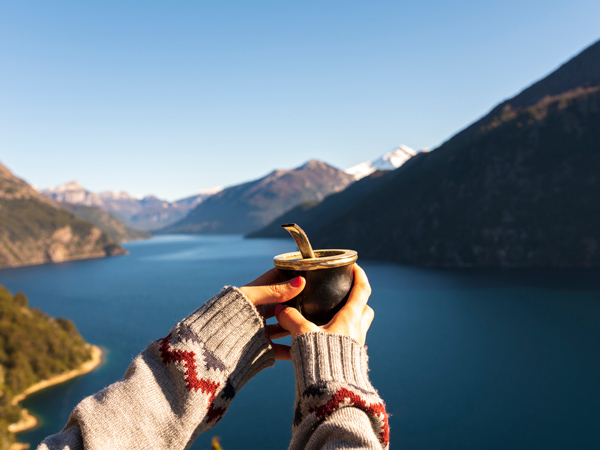
The drink that curls foreigners’ tongues is cherished in South America. “Have the first sip," says my Argentinian guide as he fills a gourd cup with leaves from the yerba mate tree. He steeps them in hot water and stirs the brew with a bombilla – a silver straw that has a sieve at its base for tea-leaf filtration. I take a mouthful; my tastebuds recoil. “The first taste is always the strongest," he confesses. Bitter is a more apt description; but a second hit reveals the herbaceous undertones of a brew that was first consumed by the continent’s Indigenous Guaraní people and is now a pan-national treasure.
8. Dance in Colombia’s world capital of salsa
Travelling with: Kee Foong
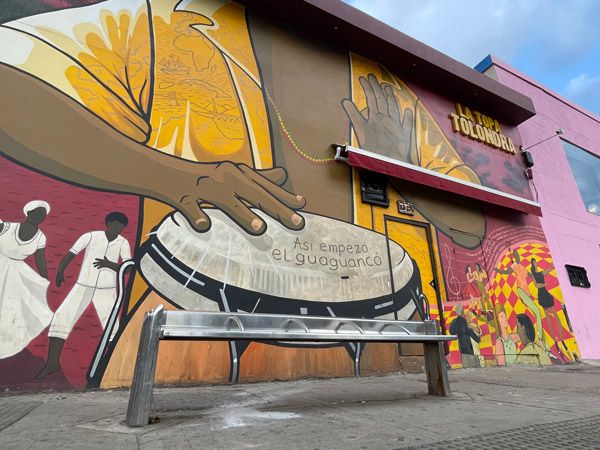
Salsa may have originated in the Caribbean, but the little-known city of Cali in Colombia claims to be the world capital. This highly social dance form sees plenty of fancy footwork and hip swinging to the sound of bongos, congas, trumpets and percussion instruments, including cowbells. There are heaps of salsa clubs around town, but one of the best and most accessible for visitors is La Topa Tolondra, with its red vinyl stools, chequerboard floor tiles and mural of salsa legends inspired by The Last Supper. Note: it’s common for strangers to ask for a dance. Most people accept but if you don’t wish to, you can politely decline.
9. Spend the night with a Quechuan family on Peru’s Lake Titicaca
Travelling with: Ricky French
There’s something slightly haunting about arriving in Llachon, a community of mudbrick homes jutting into the Peruvian portion of Lake Titicaca. An overnight homestay – part of Intrepid Travel’s Classic Peru itinerary – offers visitors an authentic immersion in the traditional life of a Quechuan family, a side of Peru few tourists get to see.
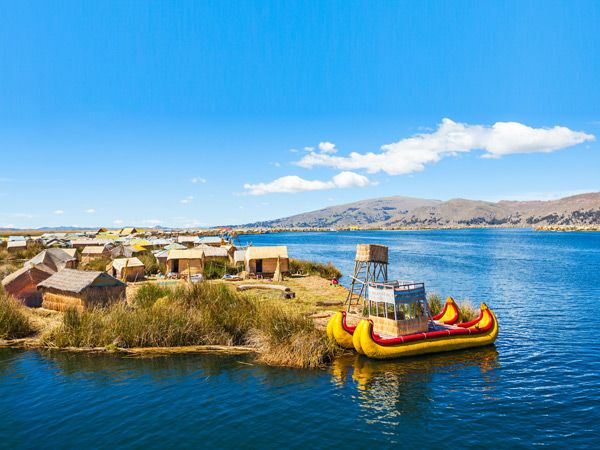
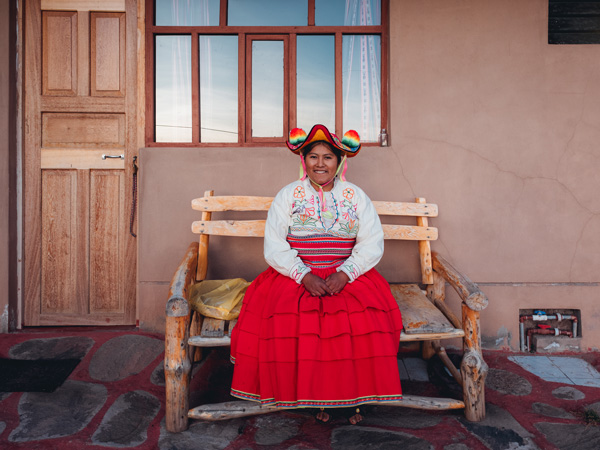
My host Magdalena places a welcome wreath of kantuta flowers around my neck as I arrive, before leading me and another member of our tour group to her home, etched into a terrace above the lake. Together, we dig potatoes for a pachamanca (earth oven) feast, followed by a locals versus visitors volleyball match, where we’re convincingly trounced 21 – 10. I blame the altitude.
This round-up of cultural experiences is part of our curated list of 100 Cultural Experiences, explore the full list here.
Want to see more stories from International Traveller in your Google search results?
- Click here to set International Traveller as a preferred source.
- Tick the box next to "International Traveller". That's it.