
Glorious beaches, excellent cuisine and world-class accommodation that doesn’t necessarily have to break the bank – there’s good reason so many Australians visit Phuket, Thailand’s largest island, every month.
Don’t let the crowds put you off, though. If it’s rest and relaxation you want, there are plenty of quieter parts of the island where you can get off the beaten track and indulge in spa treatments, yoga classes and peaceful dinners. But for more social travellers, who like their own patch of empty sand with a dash of entertainment close at hand, there’s excitement and adventure to be had in Phuket too.
Things to see in Phuket
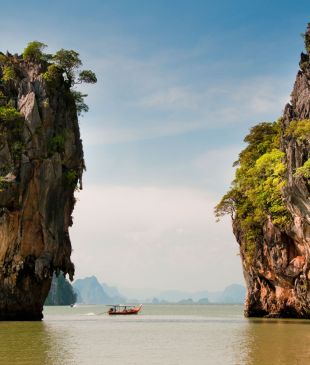
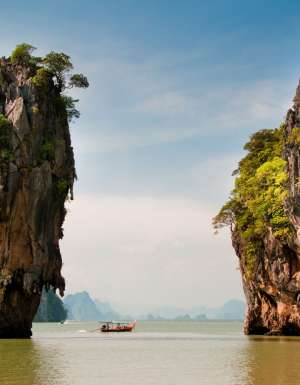
The beauty of Phuket is that you can do as little or as much as you want – take it easy on a banana lounge and dip in the warm waters off the coast, or get your adrenaline up with boat trips to James Bond Island, scuba diving and snorkelling.
Most travellers congregate around Patong, Karon and Kata beaches. For more peace and quiet, hop on a longtail boat (roughly December to June) to Freedom Beach – nestled in a gorgeous bay, this secluded stretch has powdery white sand, turquoise water, great snorkelling and a few small restaurants.
Around Phuket, elephant tourism remains a sensitive topic. Once used widely in the logging industry until it was banned in 1989, many elephants shifted into tourism work, and some are still poached from the wild for this purpose. If you want an elephant experience, do your research and choose one genuinely focused on welfare, conservation and observation rather than rides, shows or tricks.
Best places to visit in Phuket
While Phuket itself is beautiful, it’s also the jumping-off point to some spectacular smaller islands. Koh Phi Phi, made famous by the film The Beach, is around 45 minutes away by speedboat. Koh Yao Noi, just 20 minutes away, is relatively untapped by tourists and home to a Six Senses resort, while its neighbour Koh Yao Yai has grown from a single fishing village into a spot for travellers seeking peace and tranquillity in a wild, natural setting. Koh Racha Yai, about 30 minutes by speedboat, is home to The Racha, a boho-chic resort of white-washed low-rise villas on the shores of a pristine beach. Koh He (Coral Island) is popular with day-trippers for its two beaches and handful of bars and restaurants, while Koh Naka Yai, a short speedboat ride off Phuket’s east coast, offers long, wide beaches, coconut groves and a single fishing village for a proper tropical escape.
Further afield, the stunning Similan Islands, about 30km off the coast of Khao Lak, are ranked among the best dive sites in the world for their lively coral reefs and excellent visibility.
Away from the beaches, Old Phuket Town offers a slower, more authentic side of the island. Separated from Patong by a mountain range, its compact centre is peppered with pockets of vibrant, centuries-old architecture reflecting the island’s substantial Thai-Chinese heritage. The highlight is Thalang Road Market, held Saturday evenings when the narrow road closes to traffic for a distinctly local market of homewares, clothing and food. For a genuine local meal, head to Patiphat Road, where humble à la carte restaurants serve Thai families rather than tourists – order whatever’s on the board and expect to pay a fraction of resort prices.
Best time to visit
The best time to visit Phuket is between November and April. May to October is monsoon season on this side of Thailand – accommodation prices drop, but water conditions can turn dangerous, and rain is likely for much of your trip.
Where to stay in Phuket
From cheap and cheerful backpacker dorms to some of the world’s most high-end luxury villas, Phuket has something to suit every budget.
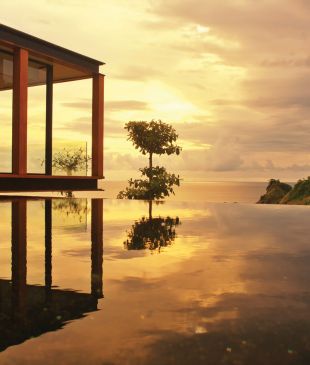
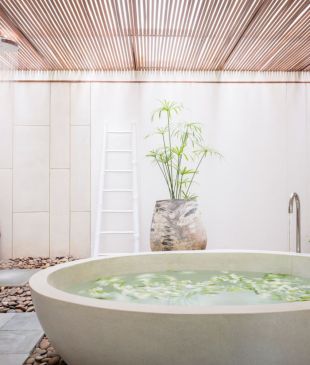
Head out of Patong, or hop to one of the nearby islands, and you’ll find some incredible resorts showcasing traditional Thai design and hospitality. The JW Marriott Phuket Resort & Spa, on tranquil Mai Khao Beach, offers traditional Thai pavilions and wraparound balconies across a tropical oasis. The Renaissance Phuket Resort & Spa sits amid vibrant gardens on a palm-fringed, 17km stretch of sand, with a contemporary design that’s minimal without feeling austere. The Naka Phuket is an exclusive hideout; its ultra-modern treetop villas cantilever down a hillside with glass façades and endless Andaman Sea views. An hour north of Phuket airport, Casa de la Flora in Khao Lak was the area’s first stylish, futuristic hotel, its cube-shaped glass-and-concrete villas standing in striking contrast to the older, more traditionally Asian-inspired resorts nearby.
Best places to eat in Phuket
One of the big drawcards of any trip to Thailand is the food – spicy Pad Thai washed down with a cold beer, fresh seafood, and soups laden with coconut milk. It’s a genuinely mouthwatering island.
The simply named Pad Thai Shop in Karon does exactly what it says on the label and remains a local institution. For something fancier, the Blue Elephant Restaurant and Cooking School, set in a beautifully restored century-old Sino-Portuguese mansion in Phuket Town, is well worth a visit – even if you just admire the building.
Cultural experiences in Phuket
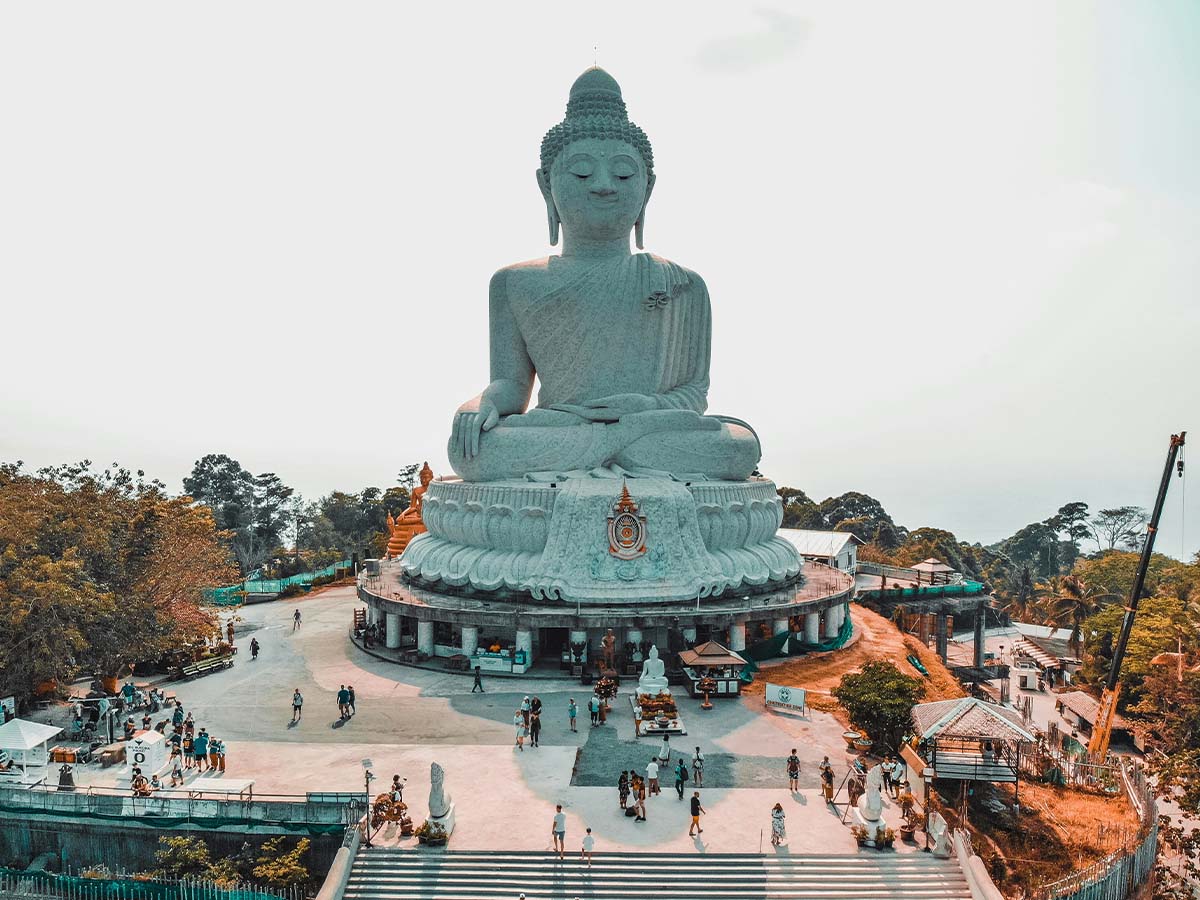
Phuket Old Town has old shophouses and busy markets, and many consider it the place to see a more authentic side of the island, less shaped by mass tourism. For a culture hit elsewhere on the island, visit the imposing Big Buddha, which sits atop the Nakkerd Hills looking down over Chalong, Kata and Rawai, or Wat Chalong, one of Phuket’s most important temples, visited by thousands each year and beautifully decorated with reflections from hundreds of tiny glass pieces across its pagodas.
Getting to Phuket
Direct flights from Australia to Phuket have become considerably more affordable over the past decade, largely thanks to budget carriers like Jetstar – it’s worth signing up for flight alerts to catch a good deal.
A few practicalities: the currency is the Thai Baht. All travellers need a passport valid for at least six months beyond their intended stay. Australians don’t need a visa in advance, provided they hold an Australian passport and aren’t staying more than 30 days. Vaccinations aren’t generally required for typical tourist areas, though if you’re heading beyond the main towns and tourist zones, hepatitis A and B, typhoid, tetanus, tuberculosis, rabies and Japanese encephalitis immunisations are worth considering – check with a travel doctor before you go.