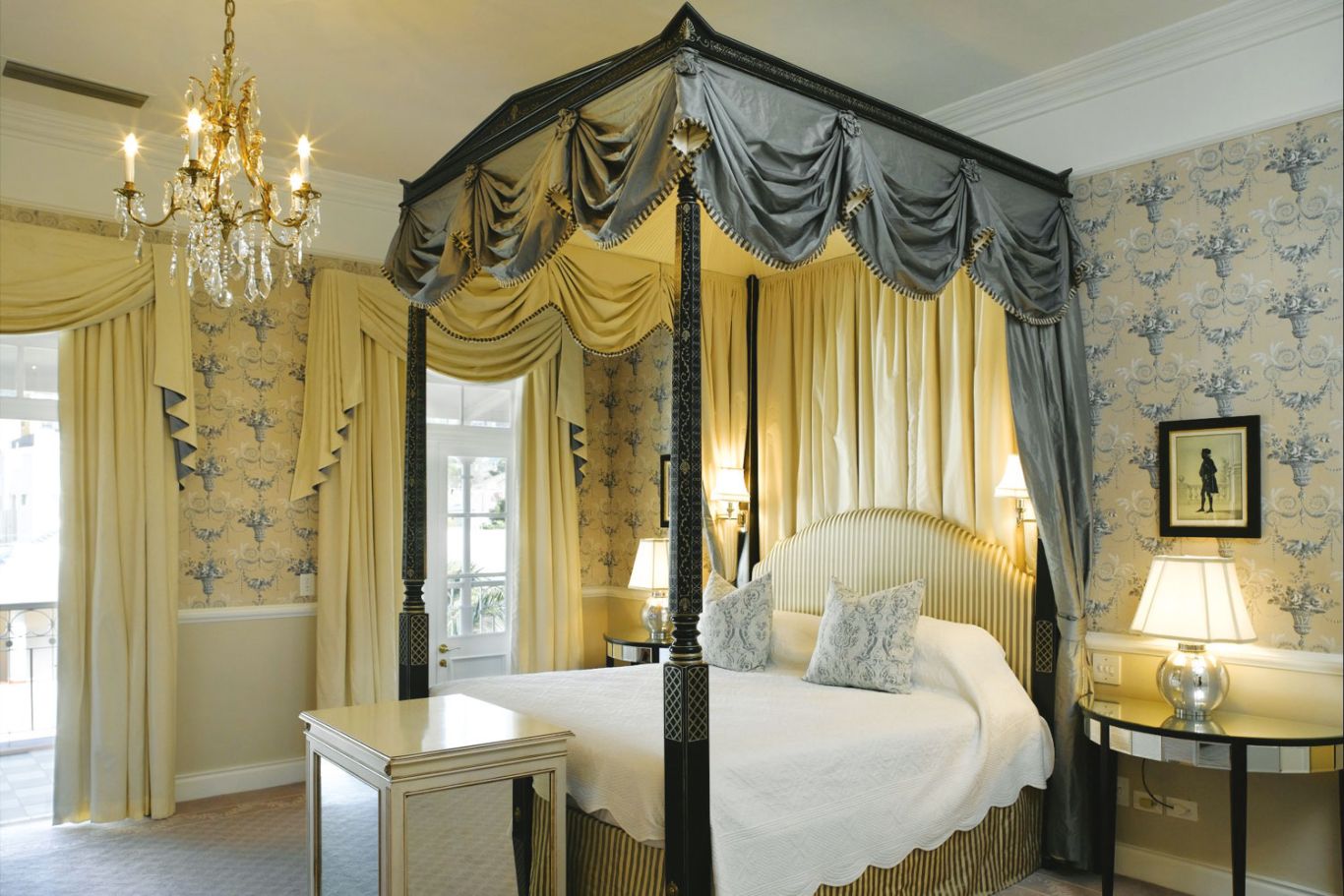
Amidst the energy and vibrancy of Cape Town, Lisa Schofield steps into the old worldliness of the iconic Mount Nelson Hotel, but is the hotel keeping up with the times?
Many believe Table Mountain is the ‘chakra’ or heart of the world.
And it’s hard to ignore the energy created by this massive lump of granite at the end of the African continent, which seems to spread into the city of Cape Town below.
And in prime position, sitting in its shadow, is the iconic Mount Nelson Hotel or ‘The Nellie’ as proudly known by locals.
Many hotels use ‘charm and old worldliness’ too easily but the Mount Nelson seems to epitomise it.
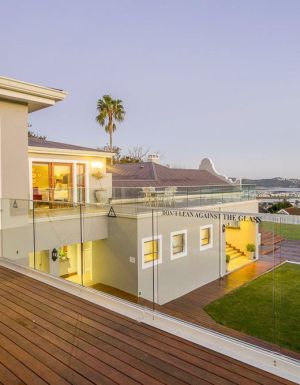
As you enter the vast grounds through the grand Prince of Wales Gate – built after the Prince visited in 1925 – and first see the sumptuous pink and white wedding cake exterior, you just know this hotel is special.
And over the last 114 years many famous and influential faces have enjoyed the Mount Nelson, from Sir Winston Churchill to Martin Luther King Jnr and from His Holiness the Dalai Lama to Bono.
In fact the evidence of this history is peppered throughout the hotel. The grandfather clock in the hotel lounge dates back to the early 1800s – it is said to have chimed so loudly that an irate guest hammered two nails into the chimes and it remained silent for 20 years.
And the iconic pink exterior is a long lasting symbol that was painted to celebrate the end of WWI.
As Coco Chanel once said “fashions change but style endures", and this seems to hold true for the Mount Nelson.
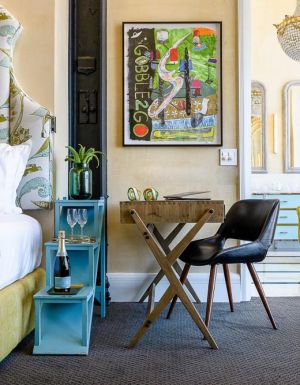
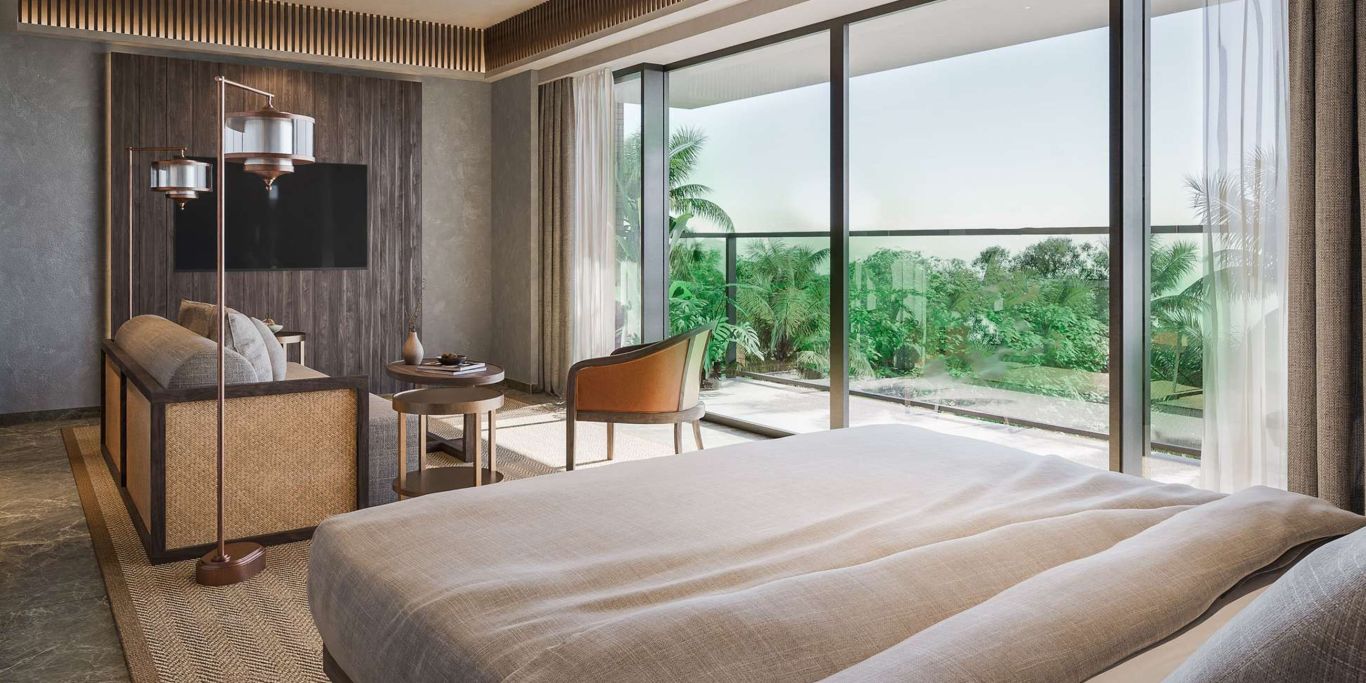
Walking into our suite, it took us a moment to absorb the décor. It was almost as if we’d walked into an English parlour, as we spread out between our bedroom and lounge.
Nothing felt cheap nor brand spanking new it just felt, well, elegant – in a Laura Ashley, chintzy kind of way. Although many rooms have been recently refurbished, our room hadn’t and it did take a moment to get used to the traditional styling and décor.
If contemporary styling is your thing, then the Mount Nelson probably isn’t.
But let’s keep it real, the Mount Nelson offers everything you’d still expect from a five-star hotel, cleverly blended with a traditional elegance.
The flat screen TV is discreetly hidden, the wi-fi is free and reliable, the bathroom and fittings faultless, the room spacious, the bed super-comfortable and a thoughtful row of international sockets are provided so you don’t need to bring your own.
And the hotel couldn’t be more perfectly positioned. Many of the rooms overlook stunning Table Mountain: the view is mesmerising with its changing light and colours, and clouds pouring over the edge like dry ice.
The hotel is smack-bang in the heart of the city’s historic and cultural centre, near the trendy areas of Kloof and Long Streets and only a short stroll from Museum Mile, a pedestrian avenue that is home to some of South Africa’s finest museums, art galleries and historical monuments.
But staying somewhere like Mount Nelson Hotel usually means you don’t really want to leave to go exploring each day.
And let’s be clear here, the Mount Nelson is not for a cheap weekend away nor for those travelling in fisherman pants, henna tattoos and backpacks.
In the mornings I worked out in the gym under the guidance of the hotel’s resident personal trainer. Set in a cute white cottage, even at ‘peak’ time it was pleasantly quiet with plenty of good-quality equipment to work up a sweat before we hit the sumptuous breakfast buffet at the Oasis Bistro.
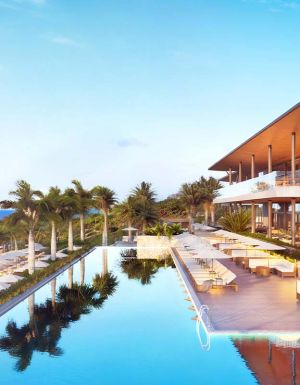
During the day I had a date with my book and a comfy lounge by the Oasis Pool, one of South Africa’s largest heated pools.
But be warned, if you are looking for a romantic poolside oasis, this one comes with the happy and noisy chaos of younger guests.
As a family-focused destination, the Mount Nelson caters generously for families. I was not so bothered by the littlies and far too relaxed to drag myself to the more secluded over-16s Cottage Pool.
At night I worked my way through the cocktail menu at the stylish and elegant Planet Bar.
With a cosmic theme, the night sky can be seen inside with a quirky replica of the Milky Way in optic lights on the ceiling – or see it for real outside on the terrace overlooking the gardens.
But as the terrace was preferred by smokers puffing away, I settled myself and my Blush Apple Martini on a comfy lounge inside. And at the equivalent of $9 per cocktail, I enjoyed the strong Australian dollar over and over again, while people-watching in this popular Cape Town celebrity hotspot.
But the highlight and an absolute must-do at the Mount Nelson is the legendary afternoon tea in the lounge.
The staff were attentive and patient as we discussed the merits of the lengthy and famous tea menu before, with a little embarrassment, I settled for a hot chocolate.
Because for me, it really was about the cakes. And the finger sandwiches. And the quiches… Served daily in the hotel lounge, it’s fair to say you haven’t really stayed at the Mount Nelson unless you’ve enjoyed an iconic afternoon tea.
And I challenge anyone to walk past the sun-filled lounge without wanting to go in.
During my time at the Mount Nelson, I often pinched myself to make sure I wasn’t dreaming, that I was actually in Cape Town and that I was staying in this stunning and iconic hotel.
I tried to adopt a kind of bland, poker face look as I wandered around the hotel, like this level of luxury and indulgence was normal to me, whereas underneath I was busting with excitement, taking photos and generally being extremely unsophisticated.
What the guide books don’t say is that whilst Cape Town has a special energy and personality, you can’t prepare for the emotional connection you’ll feel with this country.
Although maybe staying at The Nellie has a lot to do with this.
The Details
Mount Nelson Hotel by Orient-Express, 76 Orange Street Cape Town, South Africa, +2 721 483 1000; mountnelson.co.za
The IT Verdict
Lisa Schofield who paid her own way and visited anonymously says: “An iconic hotel that oozes sophistication and class in an iconic city that will touch your soul. Be prepared to come back to both."
Notes
Lisa paid $600 per night for a Junior Suite.
Want to see more stories from International Traveller in your Google search results?
- Click here to set International Traveller as a preferred source.
- Tick the box next to "International Traveller". That's it.